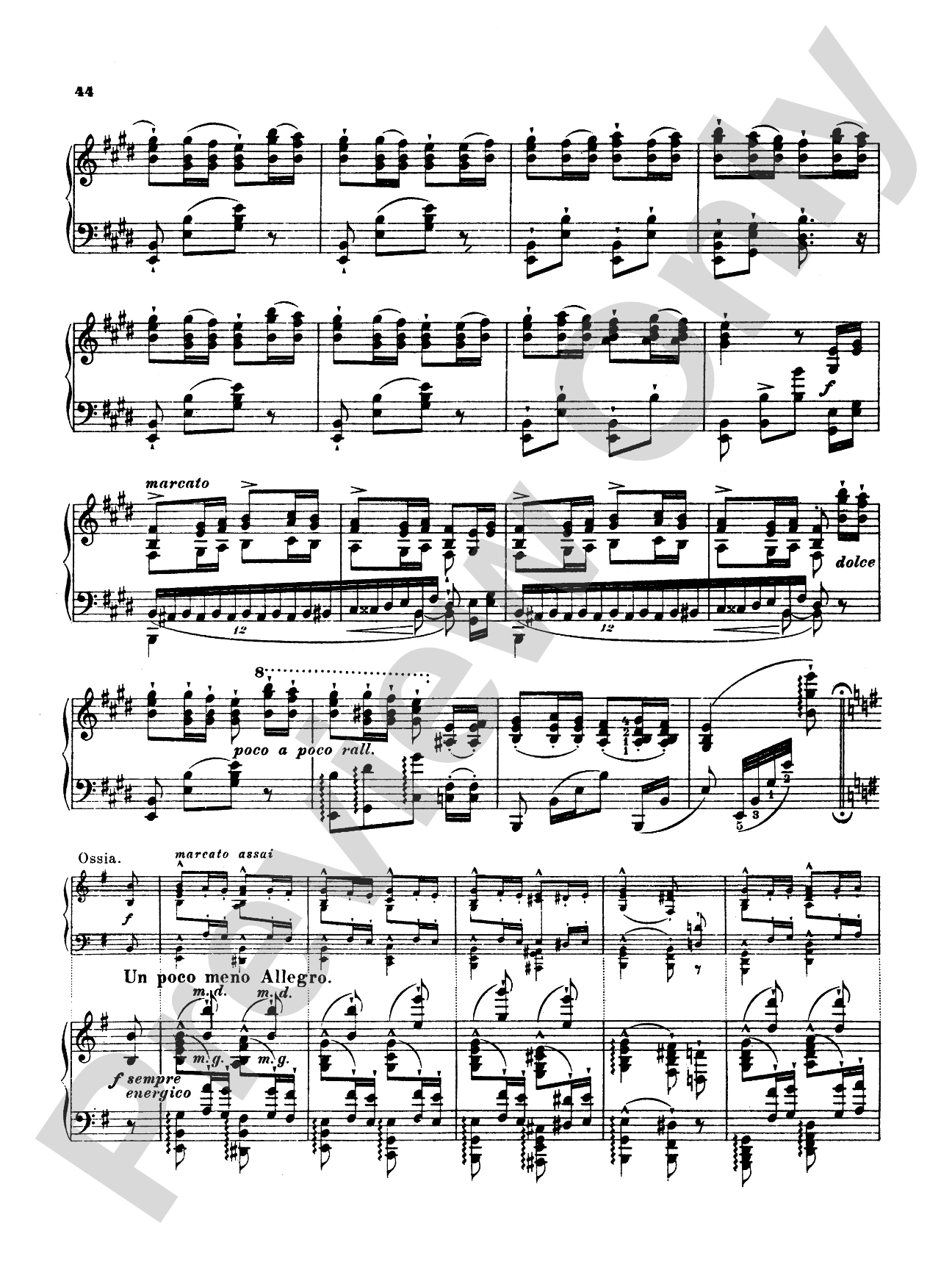
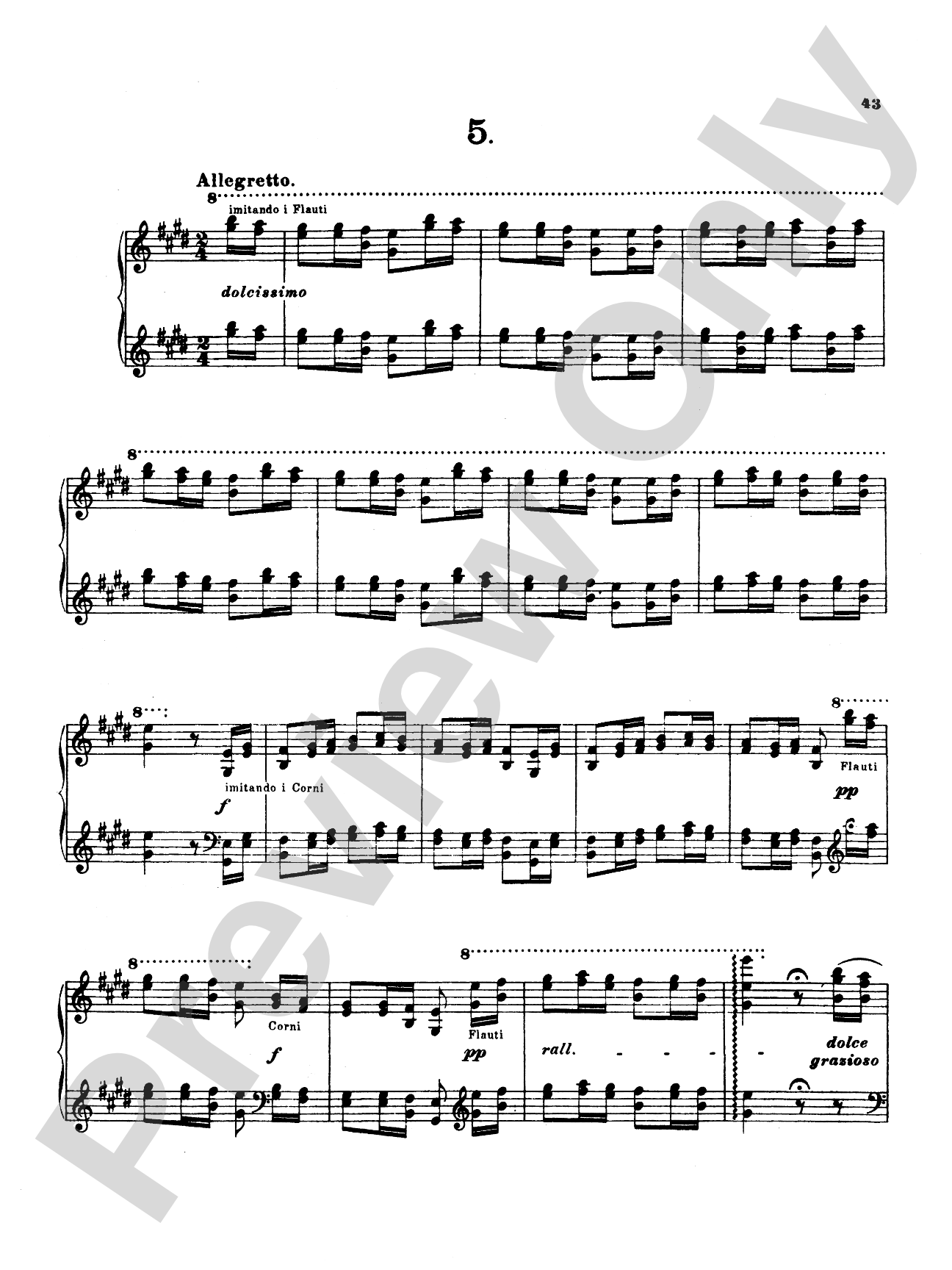
Liszt: Etudes (Volume III) Sheet Music Preview

Liszt: Etudes (Volume III)

By Franz Liszt

Level: Advanced

Item: 00-PC-0013944

Digital Download
$0.99
Description
A collection of Piano Solos by Franz Liszt.

Don't just read it, hear it, play along with it, and watch your students grow with it. In MakeMusic Cloud, Liszt: Etudes (Volume III) comes alive with professional accompaniment, adjustable tempo, and built-in practice tools that turn solo practice into real progress.

Sample Audio
No sample audio found.
Sample Video
Additional Details
Series: Kalmus Edition
Publisher: Alfred Music
Page Count: 160
SKU: 00-PC-0013944

More about this title

About the Composer: Franz Liszt

Franz Liszt (1811-1886) reshaped piano technique and expanded the instrument's expressive range as few composers ever have. A virtuoso performer of legendary ability, he composed works that demanded technical mastery while exploring harmonic innovation and emotional depth. His etudes stand as monuments to both mechanical facility and artistic substance, influencing generations of pianists and composers who followed.

Why we love this

Volume III contains some of Liszt's most musically rewarding studies, where technical challenges serve genuine artistic expression rather than technical display alone. These pieces reward the serious pianist who has built foundational technique, offering pathways into Romantic virtuosity and harmonic sophistication that feel earned rather than imposed.

What to expect

Virtuosic yet deeply expressive, these studies alternate between passages of brilliant figuration and moments of lyrical intimacy. The writing demands confidence and control while inviting genuine musical storytelling within the technical framework.

Who it's for

Advanced pianists ready to engage with the full technical and artistic demands of Liszt's keyboard writing. This volume serves students preparing for advanced recitals, competition repertoire, or graduate-level study.

How to get the most out of it

  • Approach each etude as a character study first. Identify the central musical idea and emotional arc before diving into the technical passages; this transforms mechanical practice into interpretive work.
  • Break dense passage work into smaller gesture units. Rather than playing long runs as undifferentiated strings of notes, shape them in 2 or 4-note phrases that maintain momentum without losing clarity.
  • Attend to pedal changes with precision. Liszt's harmonic language requires careful foot work; mark your score explicitly and practice pedal transitions separately from hand work.

How to use it

Feature individual etudes as showpieces in advanced student recitals or as finale material in piano competitions. These pieces work particularly well programmed alongside other Romantic-era keyboard works to demonstrate the sophistication pianists can achieve at this level.

Skills your students will build

  • Advanced hand independence and coordination across wide keyboard ranges
  • Rapid passage work with maintained clarity and rhythmic precision
  • Pedal technique in complex harmonic contexts
  • Interpretive decision-making within virtuosic framework
  • Understanding of Romantic harmonic language and voice leading

You May Also Like