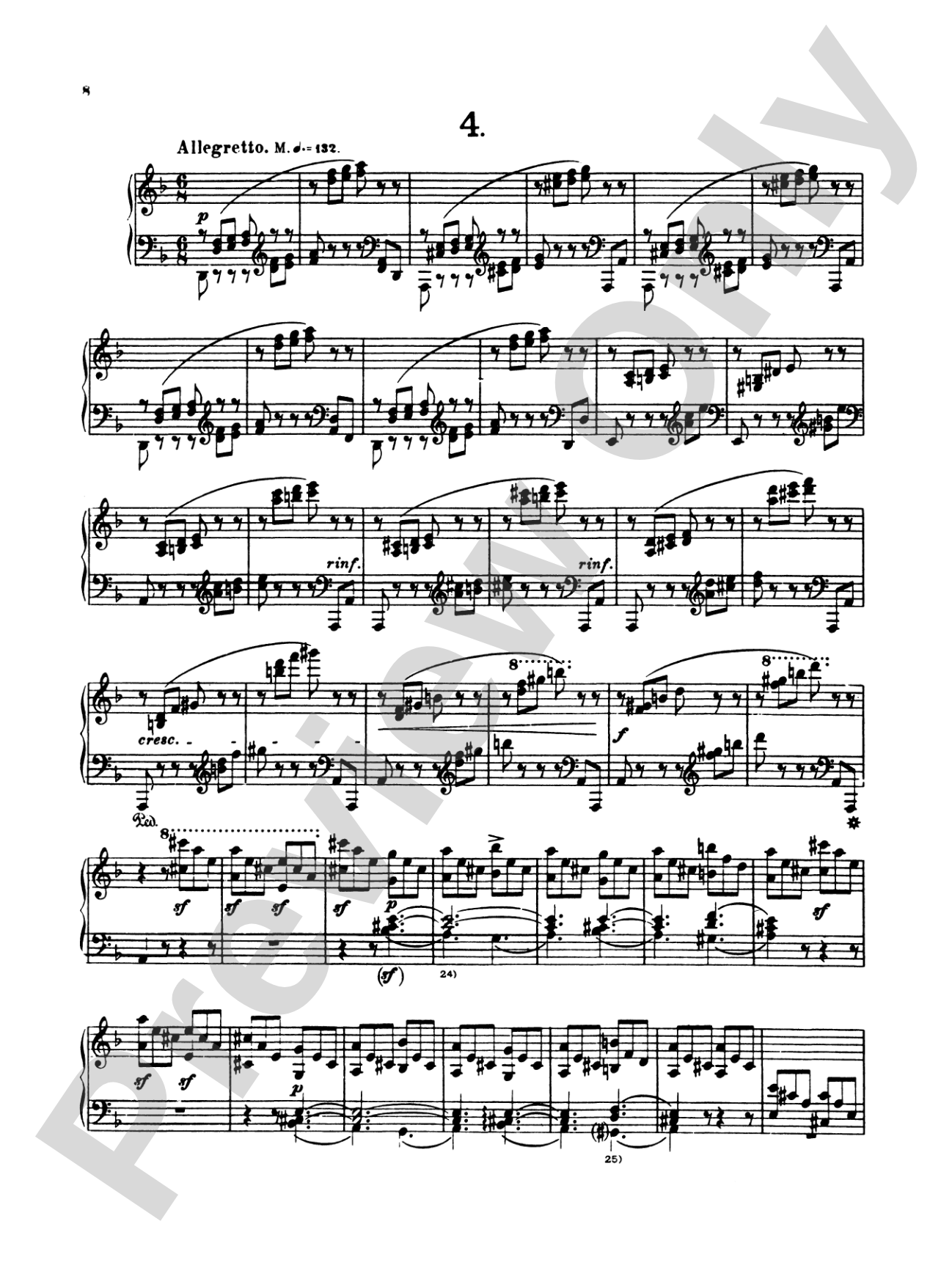
Liszt: Etudes (Volume I) Sheet Music Preview

Liszt: Etudes (Volume I)

By Franz Liszt

Level: Advanced

Item: 00-PC-0013904

Digital Download
$0.99
Description
A collection of Piano Solos by Franz Liszt.

Don't just read it, hear it, play along with it, and watch your students grow with it. In MakeMusic Cloud, Liszt: Etudes (Volume I) comes alive with professional accompaniment, adjustable tempo, and built-in practice tools that turn solo practice into real progress.

Sample Audio
No sample audio found.
Sample Video
Additional Details
Series: Kalmus Edition
Publisher: Alfred Music
Page Count: 160
SKU: 00-PC-0013904

More about this title

About the Composer: Franz Liszt

Franz Liszt (1811-1886) was a Hungarian composer and pianist whose virtuosic writing fundamentally changed what the instrument could express. His technical innovations and harmonic boldness made him a towering figure of the Romantic era, influencing generations of composers and pianists who followed.

Beyond his reputation as a showman, Liszt was a serious musical thinker who advanced the language of harmony and form. His etudes stand as essential repertoire for advanced pianists seeking to understand both the technical demands and musical depths of 19th-century keyboard writing.

Why we love this

These etudes represent Liszt at his most architecturally ambitious, balancing virtuosic display with genuine musical substance. Advanced students working through Volume I encounter problems of technique, interpretation, and musicality that demand their full attention and deliver real artistic growth.

What to expect

These pieces pulse with Romantic intensity and technical brilliance, sweeping across the keyboard with architectural grandeur. They demand both power and finesse, combining virtuosic display with moments of lyrical depth that reveal Liszt's gift for genuine emotional expression.

Who it's for

Advanced pianists preparing for conservatory-level study, competition, or recital performance will find essential material here. Teachers of advanced students use these etudes to deepen technical facility and musical sophistication simultaneously.

How to get the most out of it

  • Study the formal architecture of each etude before diving into fingerings. Understanding the underlying structure makes technical passages serve the musical argument rather than existing as mere obstacle courses.
  • Explore multiple editions and recordings to hear how different pianists solve the same technical and musical questions. This comparative listening builds your interpretive independence.
  • Practice slowly enough that you can hear harmonic progressions and voice leading clearly. Liszt's harmony rewards this attention and prevents the etudes from becoming purely mechanical.
  • Mark your score with questions about pedaling, particularly in passages where harmonic color and blending matter as much as clarity. Liszt's pedal writing shapes the listener's experience.

How to use it

Feature a single Liszt etude on a recital or student showcase concert to demonstrate technical achievement and artistic maturity. A thoughtfully chosen etude also pairs well with contemporary works or other Romantic repertoire that similarly explores harmonic innovation.

Skills your students will build

  • Advanced hand independence and coordination across wide keyboard spans
  • Pedal technique and harmonic blending at the piano
  • Interpretation of rapid figurations with musical intent rather than mechanical execution
  • Sight-reading of complex rhythmic and harmonic notation
  • Stamina and focused concentration for extended technical passages
  • Understanding of form and harmonic progression in virtuosic contexts

You May Also Like