

Liszt: Dances: Piano Book
By Franz Liszt
Item: 00-PK-0003200

$9.99
Pickup currently not available
Buy Extra Parts (Digital PDF Download)
| Product | Price | Quantity |
|---|---|---|
| Liszt: Dances | $0.99 | |
| Liszt: Dances | $0.99 | |
| Liszt: Dances | $0.99 | |
| Liszt: Dances | $0.99 | |
| Liszt: Dances | $0.99 |
Parts Added to Cart!
Related Items
Dances: Piano Book |
$9.95
|
View |
Description
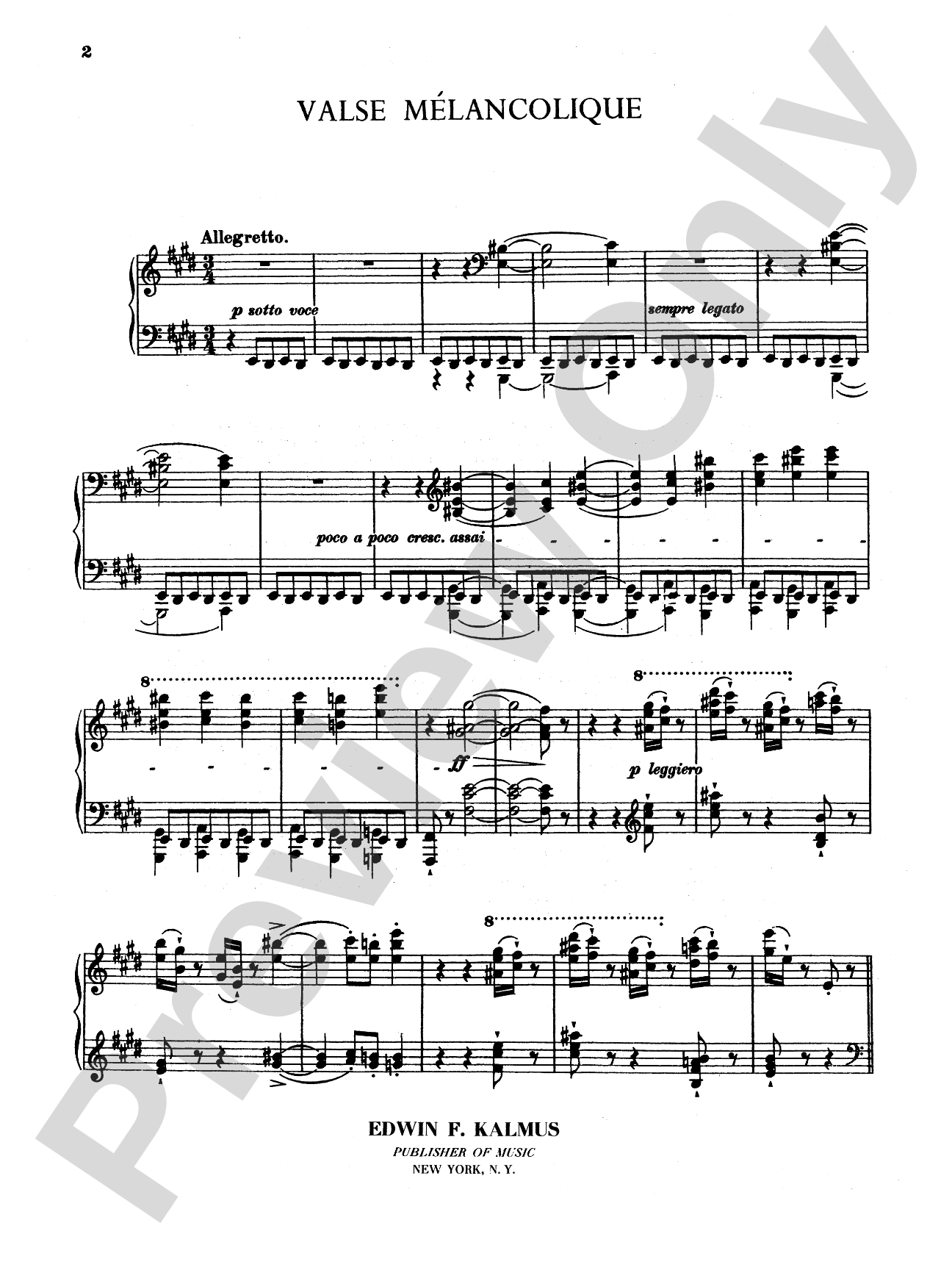
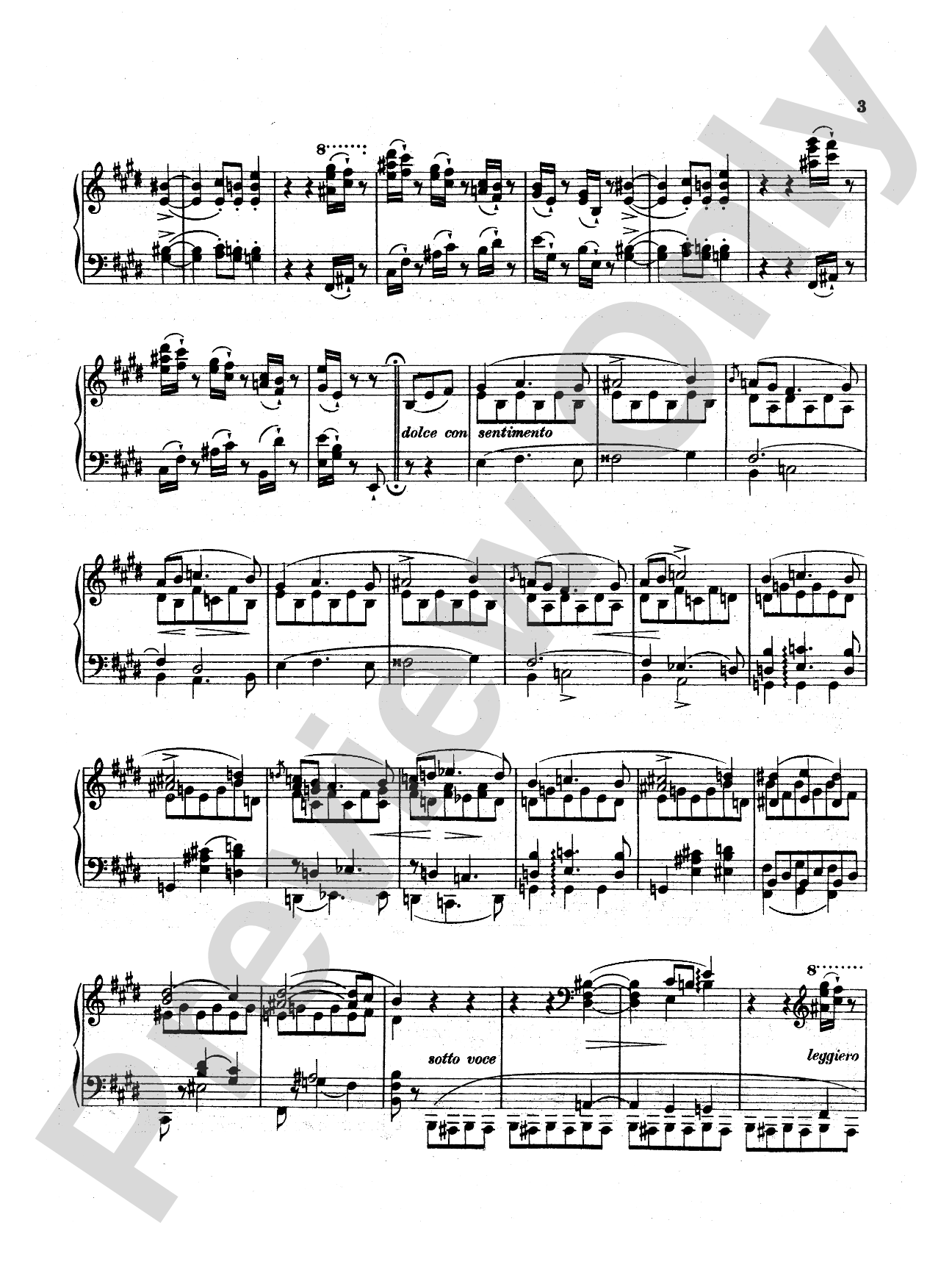
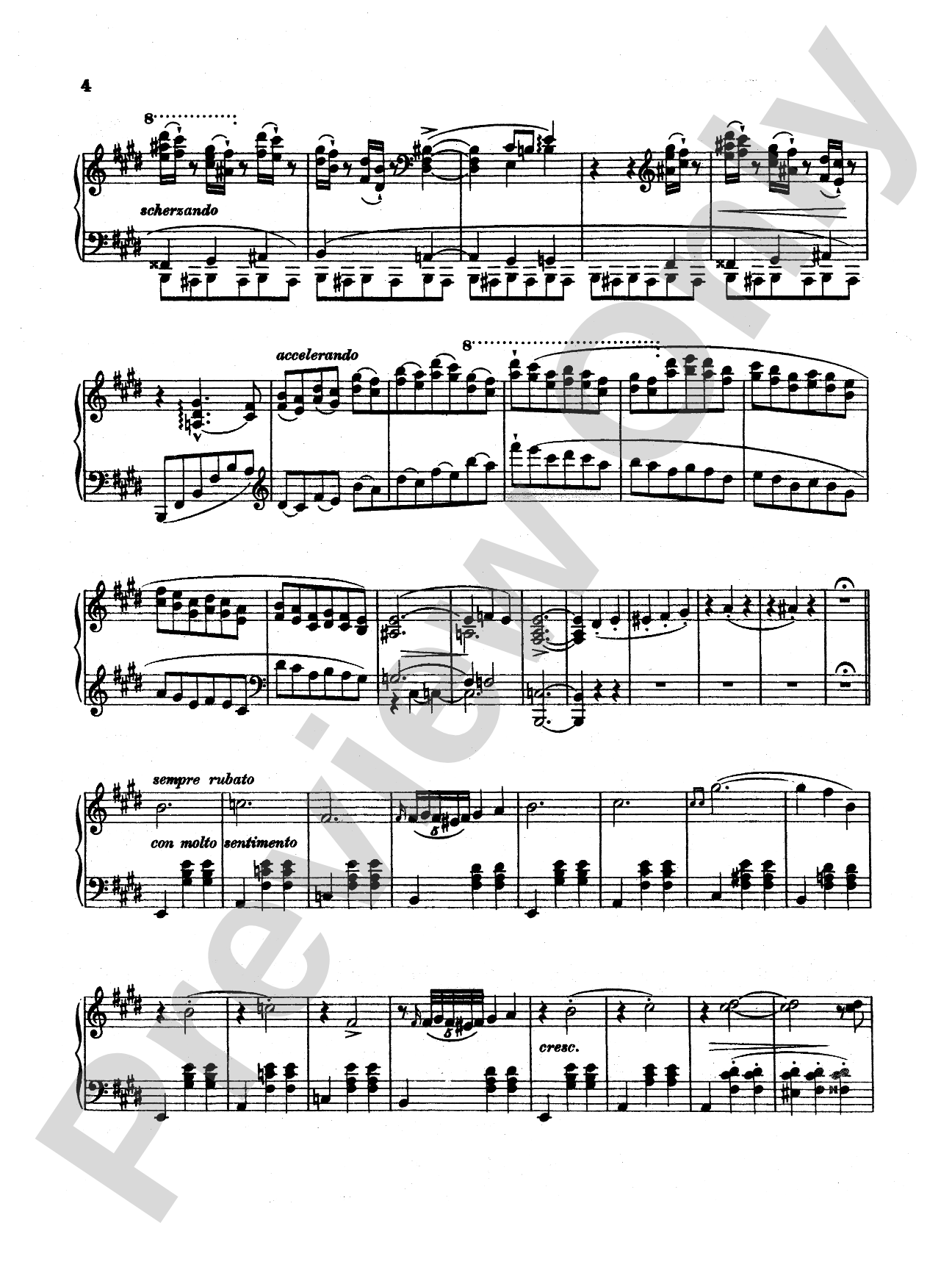
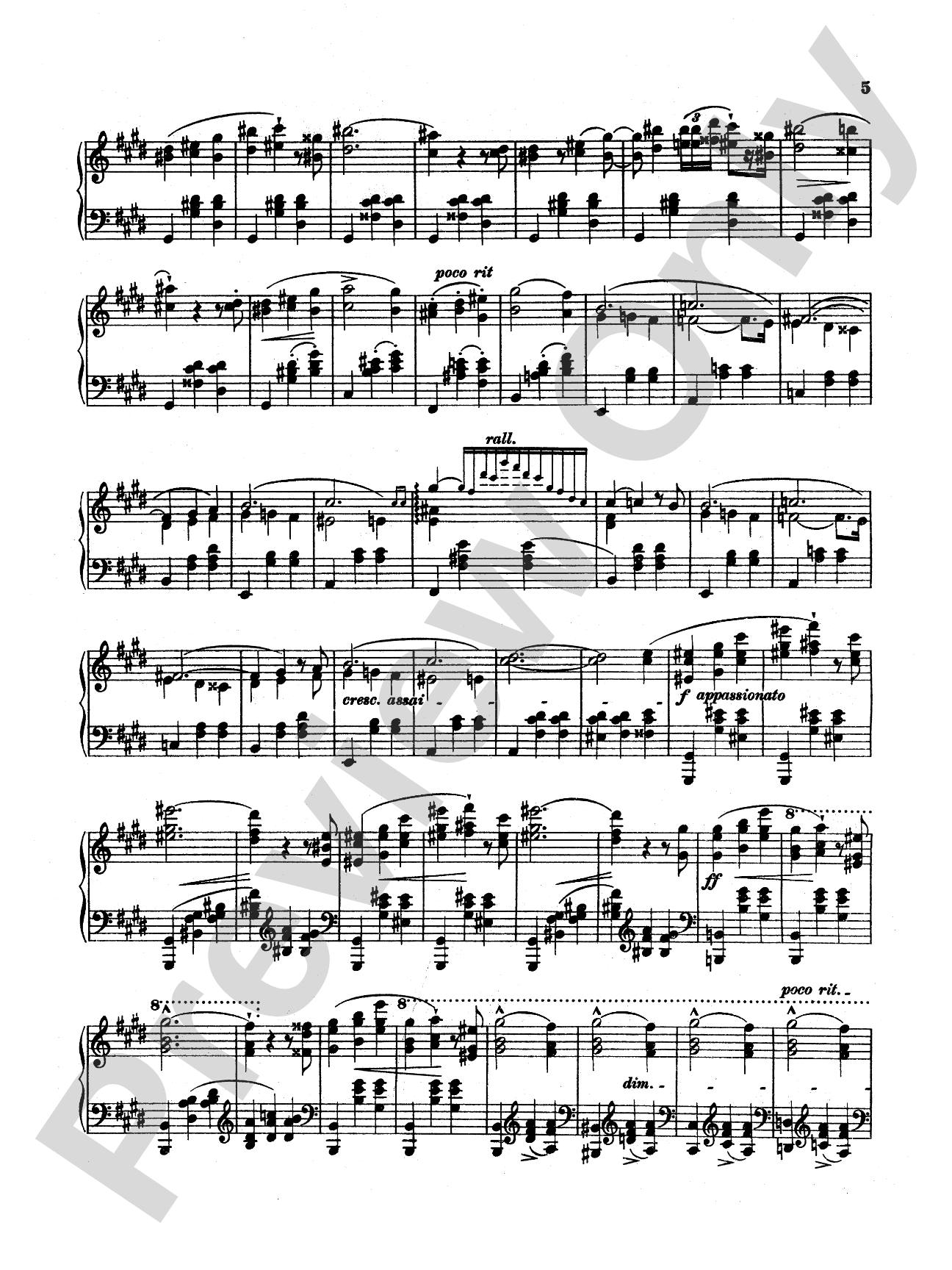
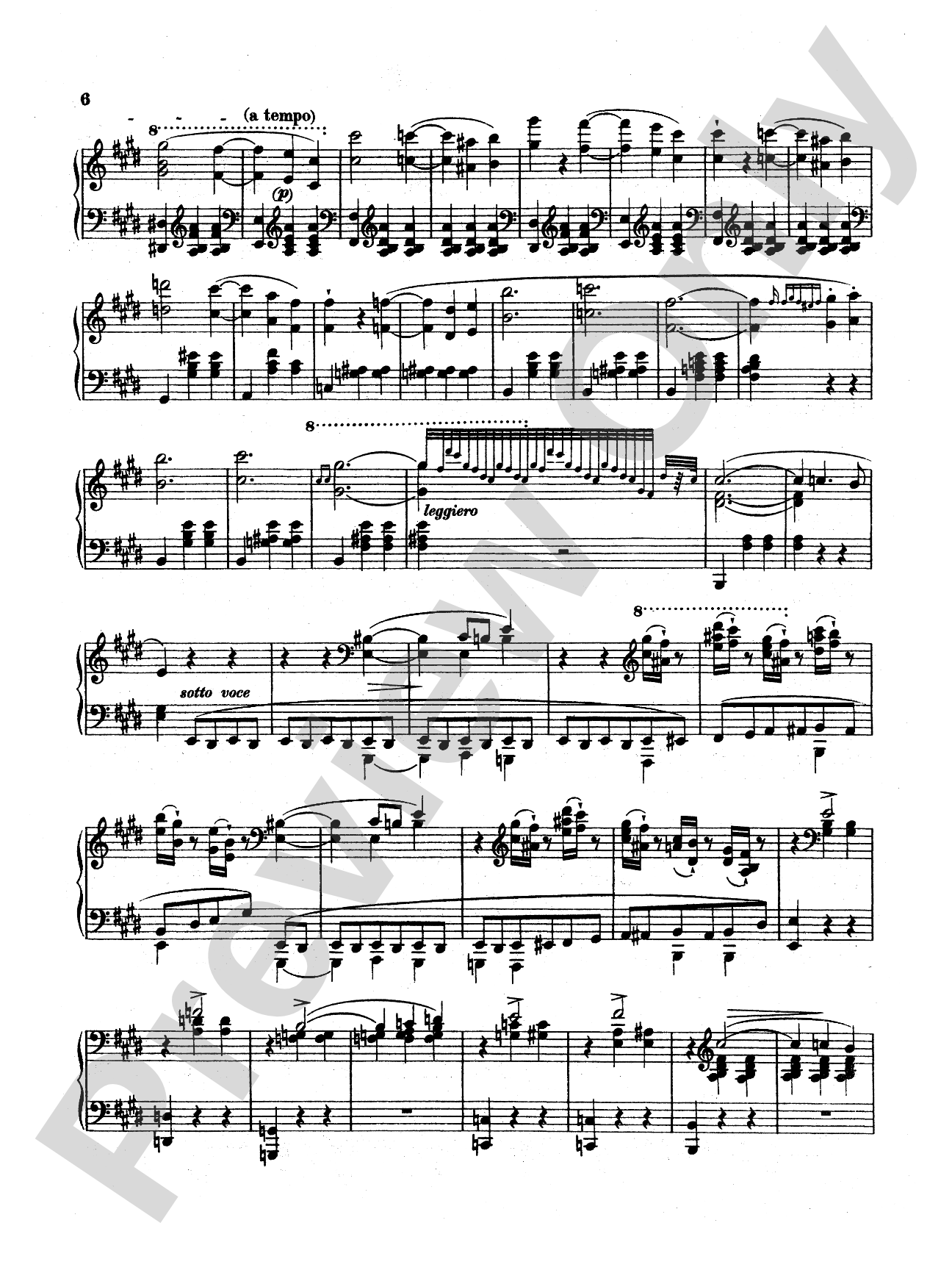
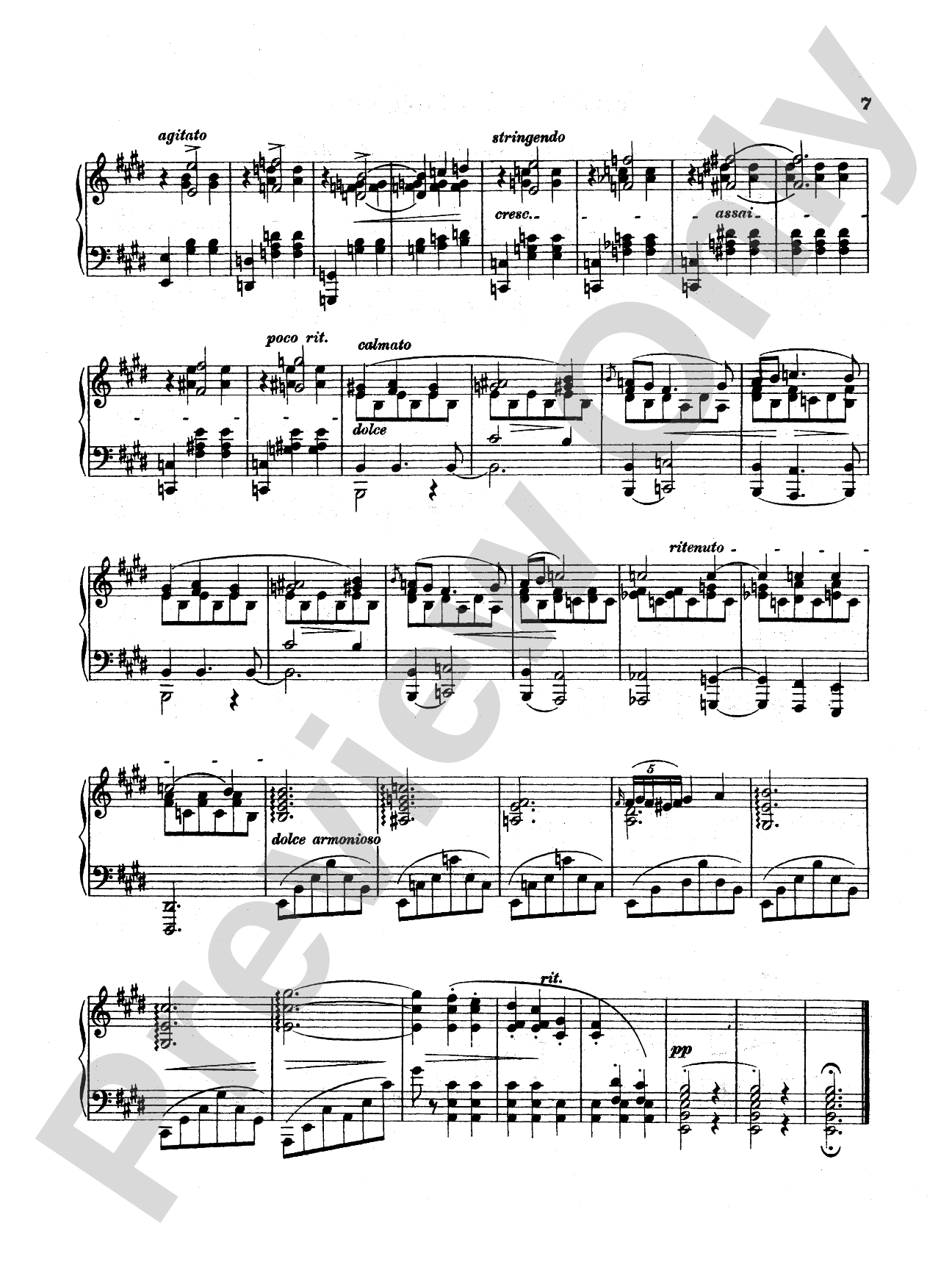
A collection of piano solos composed by Franz Liszt.


Don't just read it, hear it, play along with it, and watch your students grow with it. In MakeMusic Cloud, Liszt: Dances: Piano Book comes alive with professional accompaniment, adjustable tempo, and built-in practice tools that turn solo practice into real progress.
Open in the Player
Jump straight in and assign it today.
Start Your Free Trial
Open this title and explore the full library in minutes.
Sample Audio
No sample audio found.
Sample Video
No sample videos found.
Additional Details
Series:
Kalmus Edition
Publisher:
Alfred Music
Page Count:
64
SKU:
00-PK-0003200
More about this title
About the Composer: Franz Liszt
Franz Liszt (1811, 1886) was a Hungarian virtuoso pianist and composer whose technical innovations transformed what the instrument could do. His keyboard writing demands extraordinary facility while remaining deeply expressive, making his works essential study for pianists serious about both technical mastery and interpretive depth.
Beyond his prowess as a performer, Liszt shaped Romantic music as a composer and conductor. His influence extends across generations of pianists, who continue to grapple with the musical and physical demands of his scores. Teaching Liszt's works helps students understand how compositional ambition and pianistic possibility evolved during the nineteenth century.
Why we love this
Liszt's dance pieces showcase the full spectrum of his keyboard genius: virtuosic figuration meets lyrical depth, and formal clarity coexists with harmonic innovation. These works reward both the technically ambitious student and the mature recitalist, offering material that grows richer with each encounter and demands genuine musical maturity to unlock.
What to expect
Liszt's dances pulse with virtuosic energy and emotional sophistication. Alternating between dazzling display and introspective moments, these pieces capture the vitality of the dance form while transcending it through harmonic richness and structural ambition. The music feels both disciplined and wildly expressive, demanding that the pianist inhabit both the athlete and the poet.
Who it's for
Advanced piano students and professional pianists seeking substantial Romantic-era repertoire that combines technical challenge with artistic depth. Teachers preparing students for competitions, recitals, and upper-level conservatory study will find material that develops both facility and interpretive judgment.
How to get the most out of it
- Pay attention to Liszt's written pedal markings; they shape harmonic color and resonance in ways that feel counterintuitive to modern ears but unlock the music's sonority.
- Balance technical brilliance with structural clarity. Liszt's passage work should never obscure the underlying architecture of phrase and form.
- Approach dynamic shifts as dramatic events, not surface effects. The contrasts between sections serve the expressive narrative of each piece.
- Practice slowly enough to hear the voice leading in moments of dense texture; Liszt often threads multiple melodic lines that reward careful listening.
How to use it
Feature individual dances in solo recitals to showcase technical prowess and interpretive maturity. The collection works well in thematic programs exploring Romantic keyboard writing or in juxtaposition with Chopin and Brahms at that level. Shorter selections can anchor the second half of a mixed program after heavier contemporary works.
Skills your students will build
- Advanced hand independence and simultaneous coordination across multiple registers
- Reading and executing complex rhythmic figures and syncopation
- Harmonic analysis of mid-to-late Romantic language, including chromatic voice leading
- Pedal technique and sustain control for coloring and blending sonorities
- Structural listening: recognizing form across virtuosic surface detail
- Interpretation of Liszt's dynamic and expressive markings for rhetorical effect