
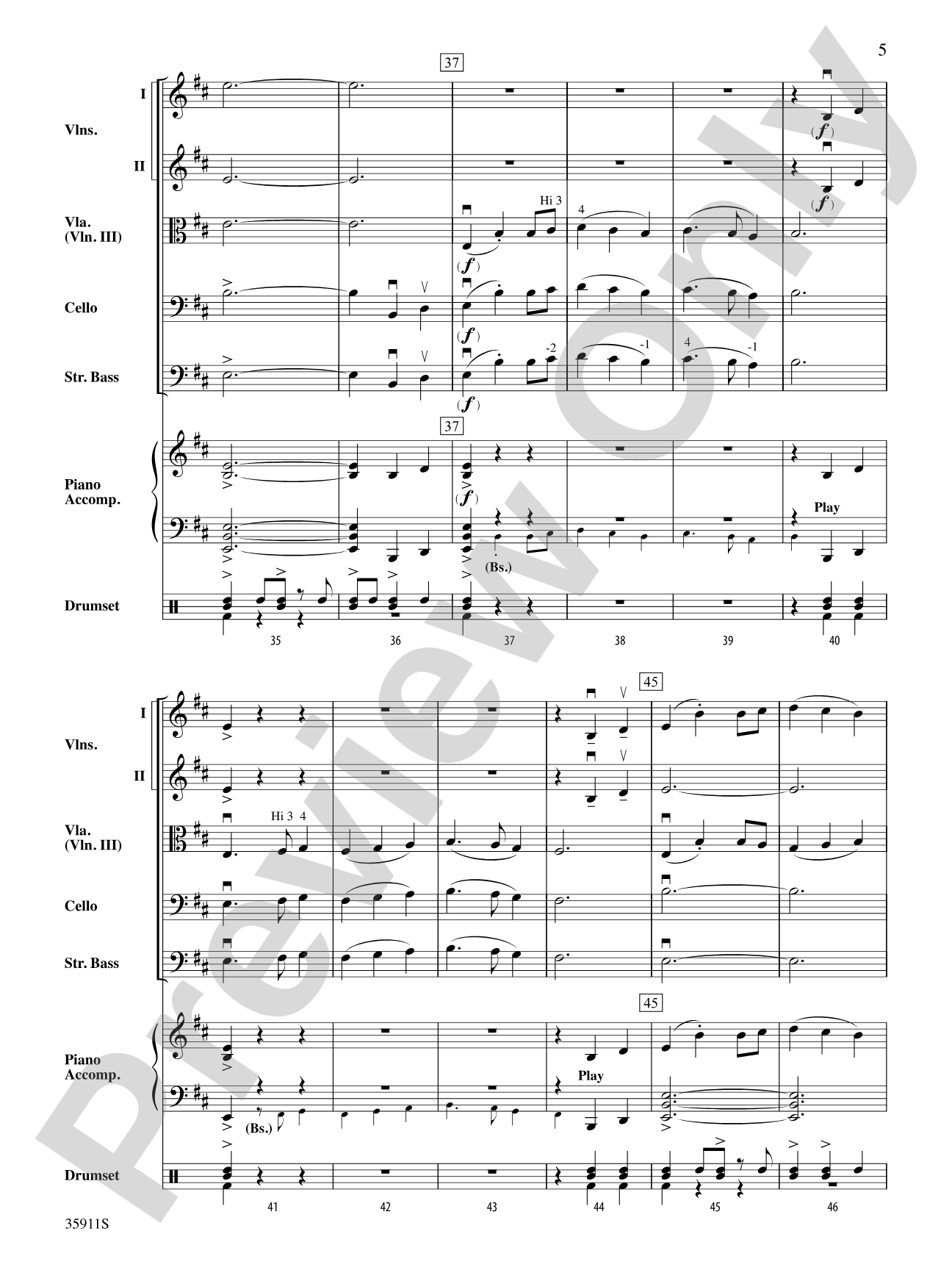
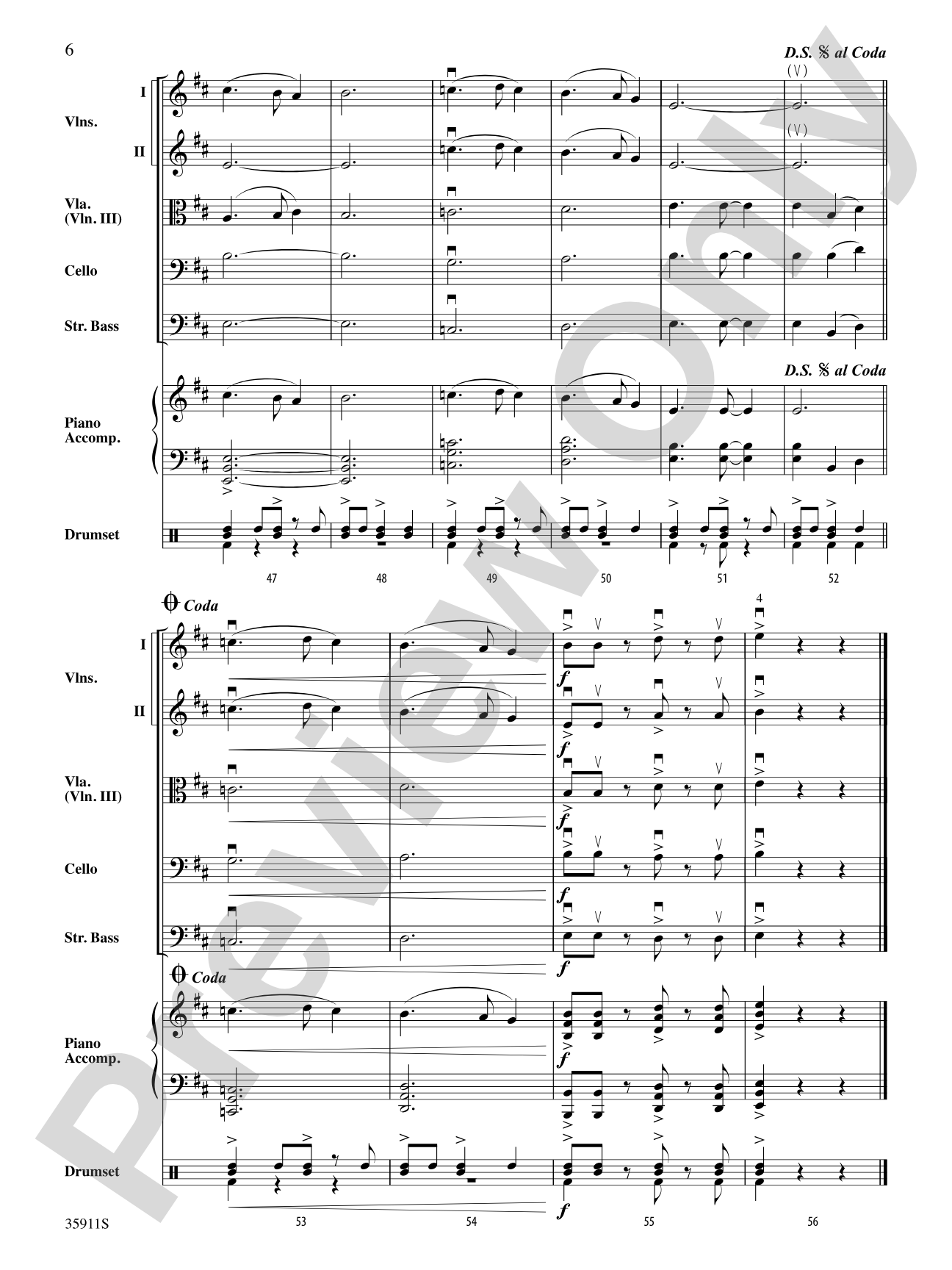



Lion’s Pride (from World of Warcraft: Taverns of Azeroth Original Game Soundtrack): Score
Music by Jason Hayes / arr. Victor López
Grade: 1.5
Item: 00-PR-0003312
$10.00
Pickup currently not available
Description
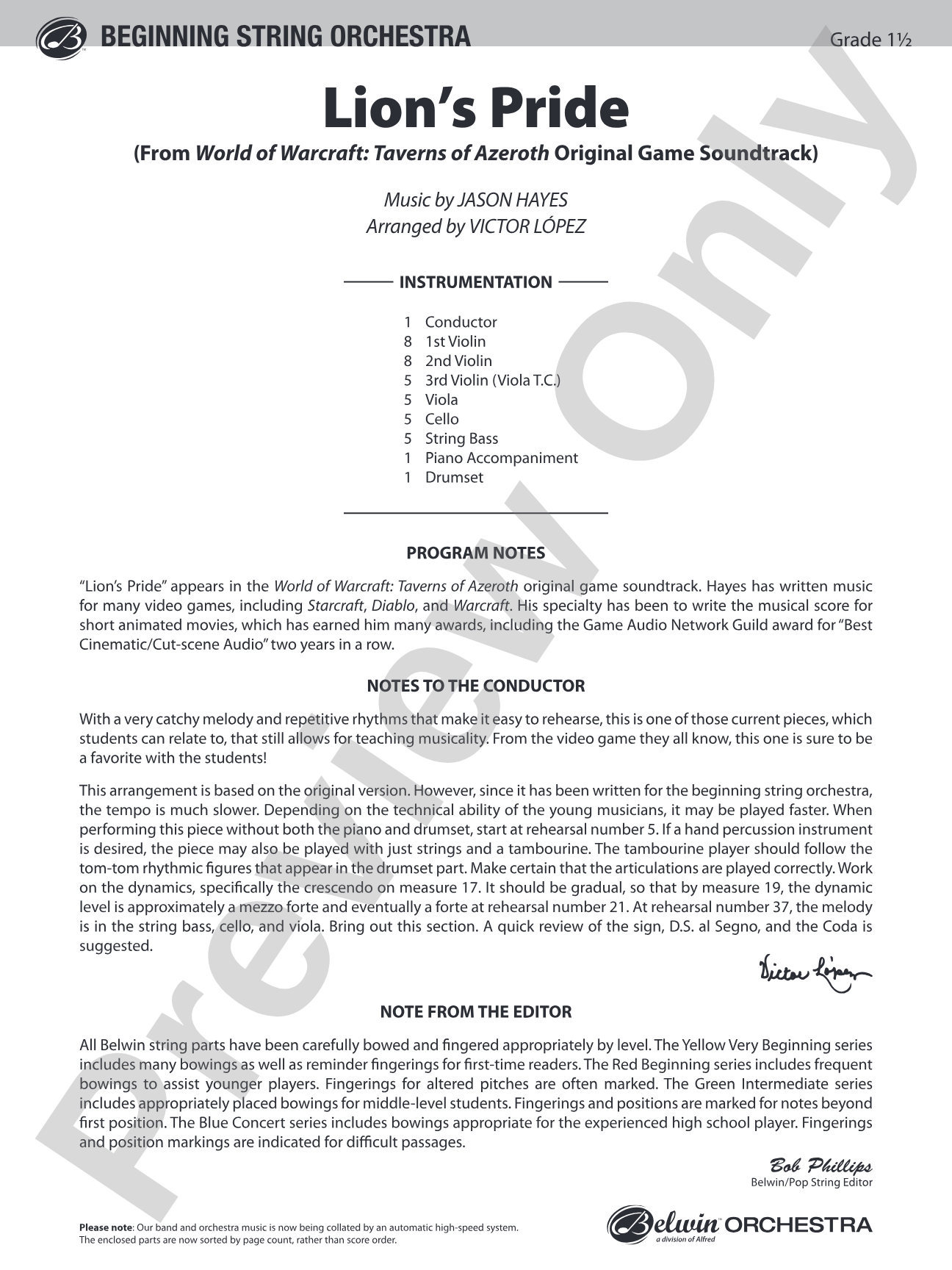
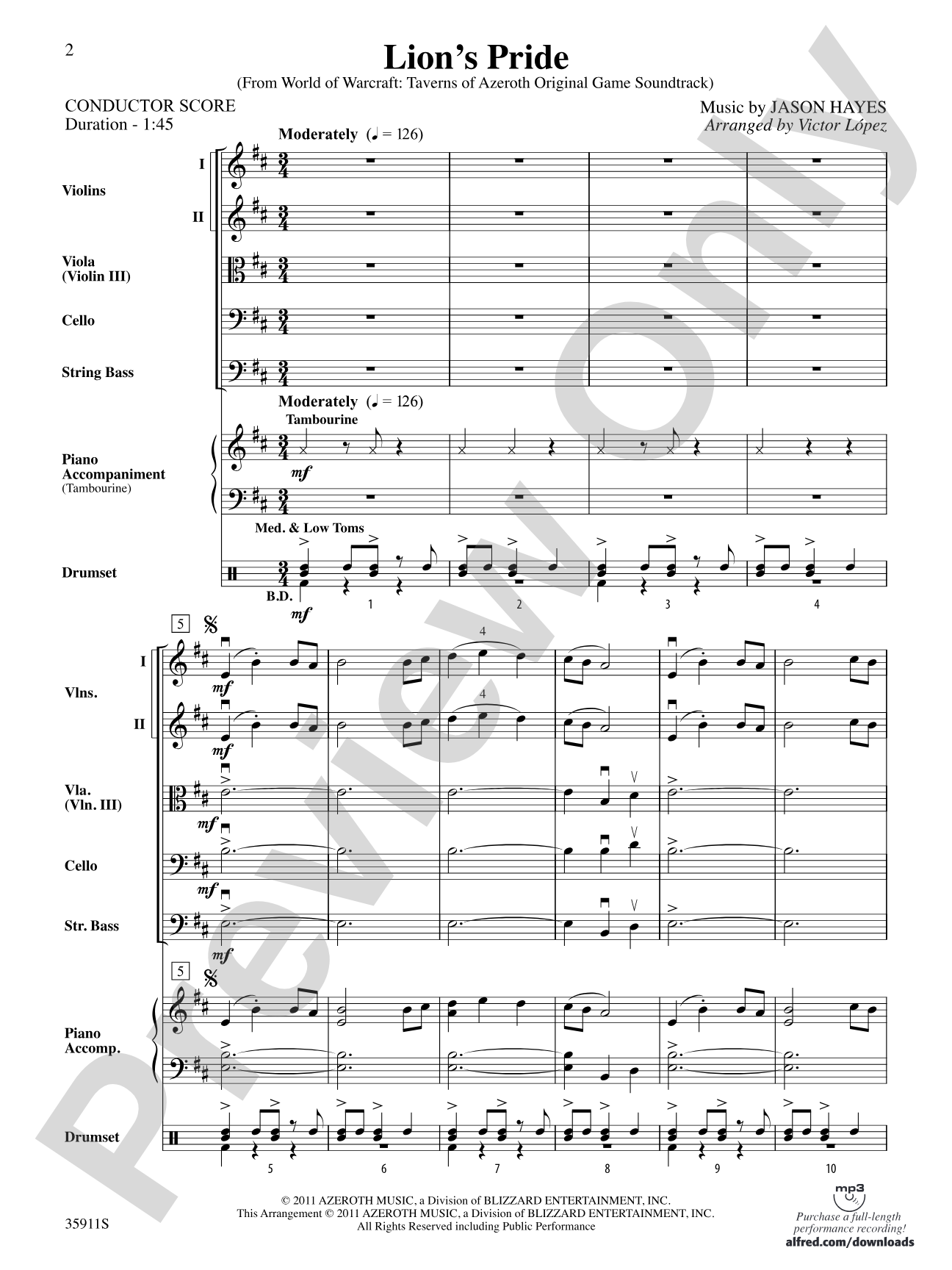
With a very catchy melody and repetitive rhythms that make it easy to rehearse, this is one of those current pieces which students can relate to that still allows for teaching musicality. From the video game they all know, this one is sure to be a favorite with the students!


Don't just read it, hear it, play along with it, and watch your students grow with it. In MakeMusic Cloud, Lion’s Pride (from World of Warcraft: Taverns of Azeroth Original Game Soundtrack): Score comes alive with professional accompaniment, adjustable tempo, and built-in practice tools that turn solo practice into real progress.
Open in the Player
Jump straight in and assign it today.
Start Your Free Trial
Open this title and explore the full library in minutes.
Sample Audio
1
Audio File
--:--
0:00
0:00
Sample Video
No sample videos found.
Additional Details
Series:
Pop Beginning String Orchestra
Publisher:
Alfred Music
Page Count:
78
SKU:
00-PR-0003312
Instrumentation:
string w/ vln3, pno acc, drumset
More about this title
About the Composer: Jason Hayes
Jason Hayes has composed music for the World of Warcraft franchise since its launch in 2004, creating some of the most recognizable themes in gaming. His work spans orchestral, folk, and ambient styles, with an ear for melodies that stick with players long after they've logged off. Hayes understands how to write music that feels epic yet accessible, a skill that translates directly to educational settings where engagement and relatability matter.
Why we love this
Students already know this melody from the game, which means you skip the "Why should we care about this?" conversation and jump straight to making music together. Victor López's arrangement respects the original's character while building in exactly the right amount of challenge for beginning string players, allowing you to teach genuine musicality without overwhelming them with technical demands.
What to expect
Energetic and celebratory, with a folk-tavern warmth that's both heroic and inviting. The repetitive rhythmic figure propels the piece forward, creating a sense of momentum and fun that matches the video game's spirit of adventure and camaraderie.
Who it's for
String orchestras in middle school through early high school, especially ensembles with developing technique who benefit from familiar material to build confidence. Players who may not yet have intrinsic motivation to study classical repertoire will engage immediately with a piece they recognize.
How to get the most out of it
- Keep the rhythmic pulse steady and driving. The repetitive patterns are the piece's strength, so maintain consistent tempo even when players are learning their parts.
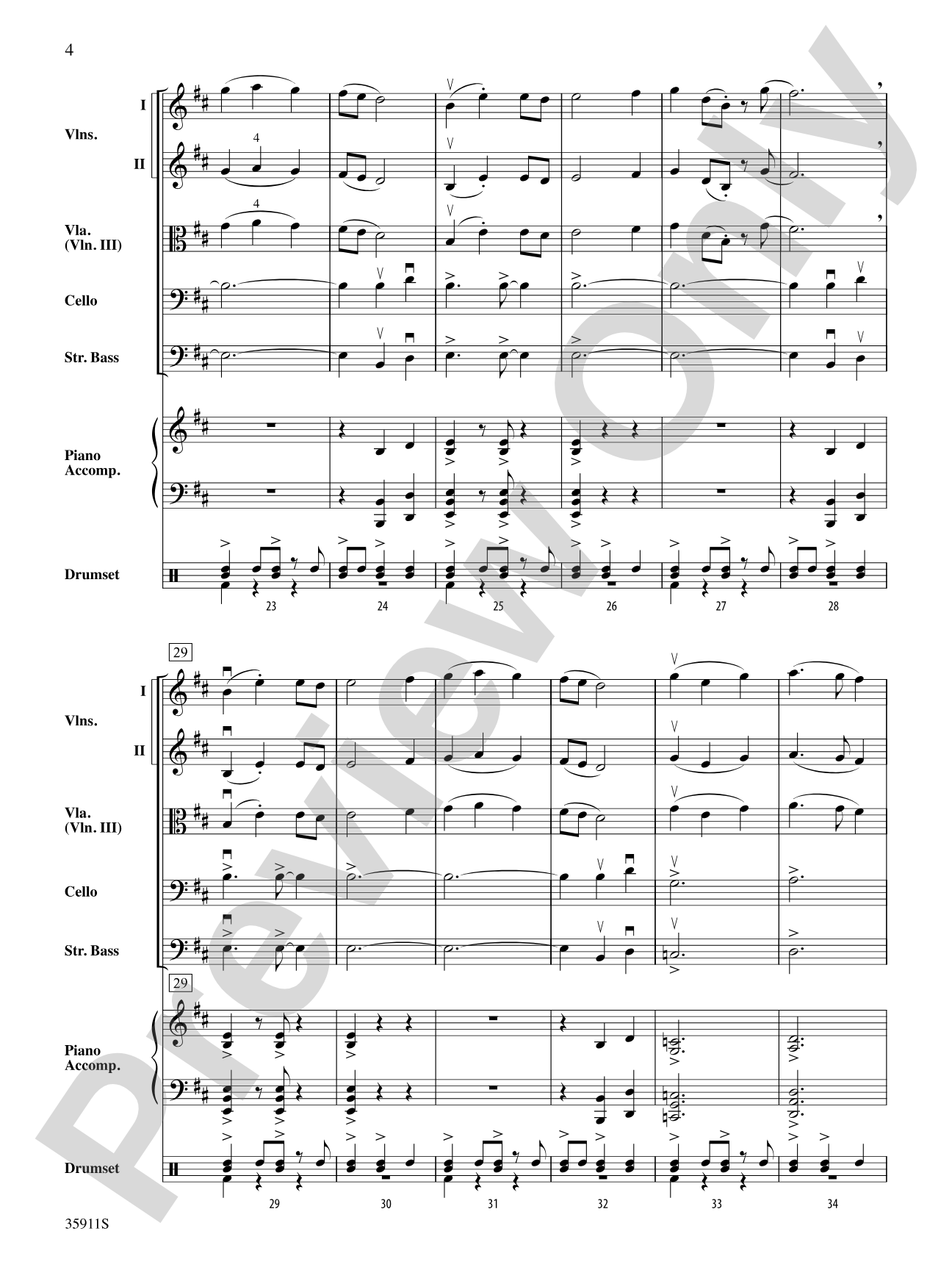
- Balance the melody across your three violin parts. Check that Violin 2 and 3 lines sit underneath the first violins without disappearing entirely.
- Let the drumset and piano drive the groove. These parts anchor the rock feel that makes this arrangement work; they're not accompaniment texture but essential to the sound.
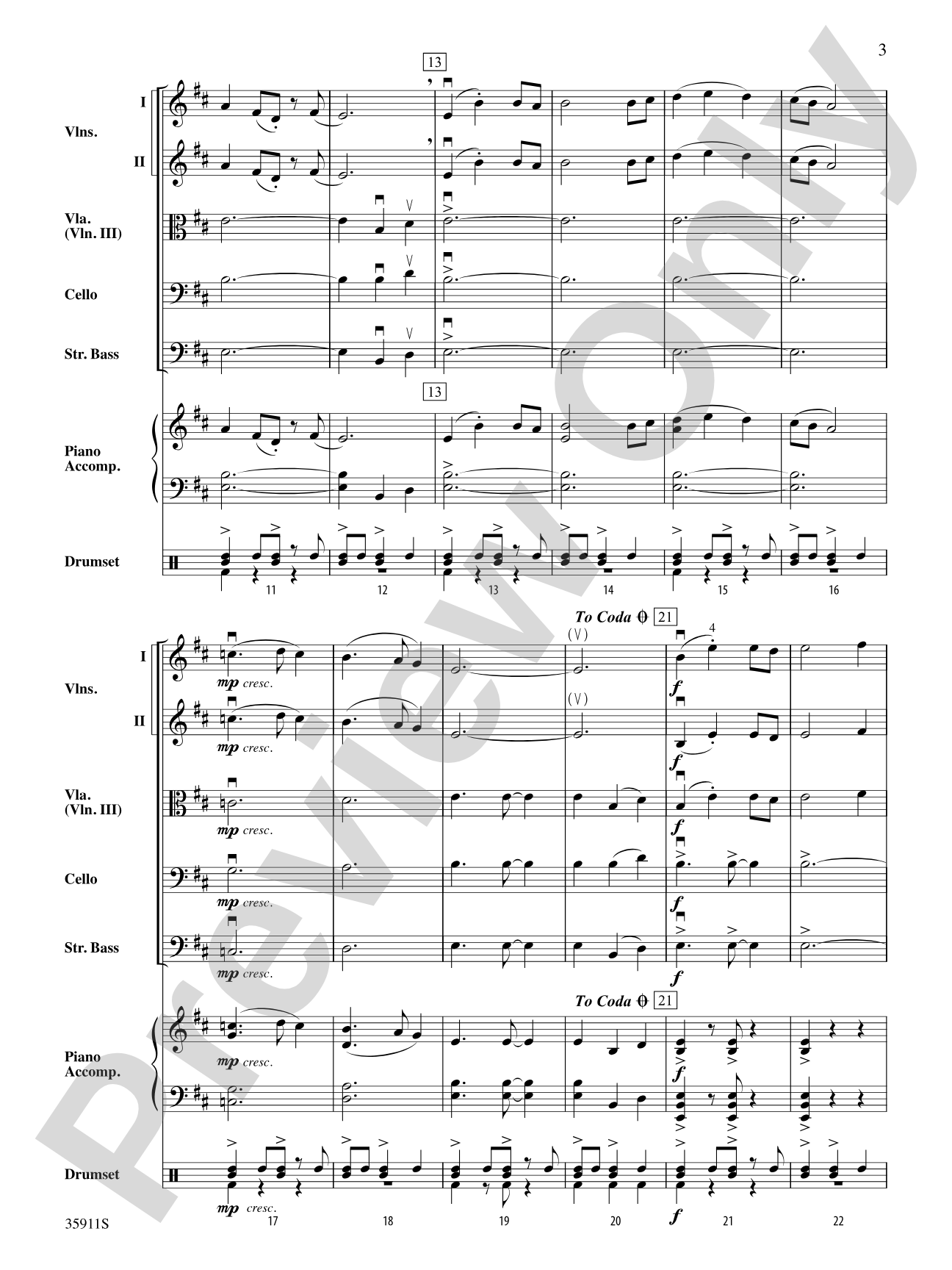
- Shape phrases even within the catchy melody. Small dynamic swells and breath points keep the piece from feeling mechanical despite its repetitive nature.
How to use it
Program this as an opener or closer on a concert where you're mixing classical and contemporary repertoire. It works especially well as a season finale, a holiday concert novelty, or an early-year piece that helps new ensemble members find their place in the group quickly.
Skills your students will build
- Maintaining steady tempo and rhythmic precision in repetitive figures
- Balancing three-part texture with clear part hierarchy
- Phrasing and dynamic shaping within melodic lines
- Ensemble cohesion when parts move independently
- Responding to rock and pop idioms on orchestral instruments