
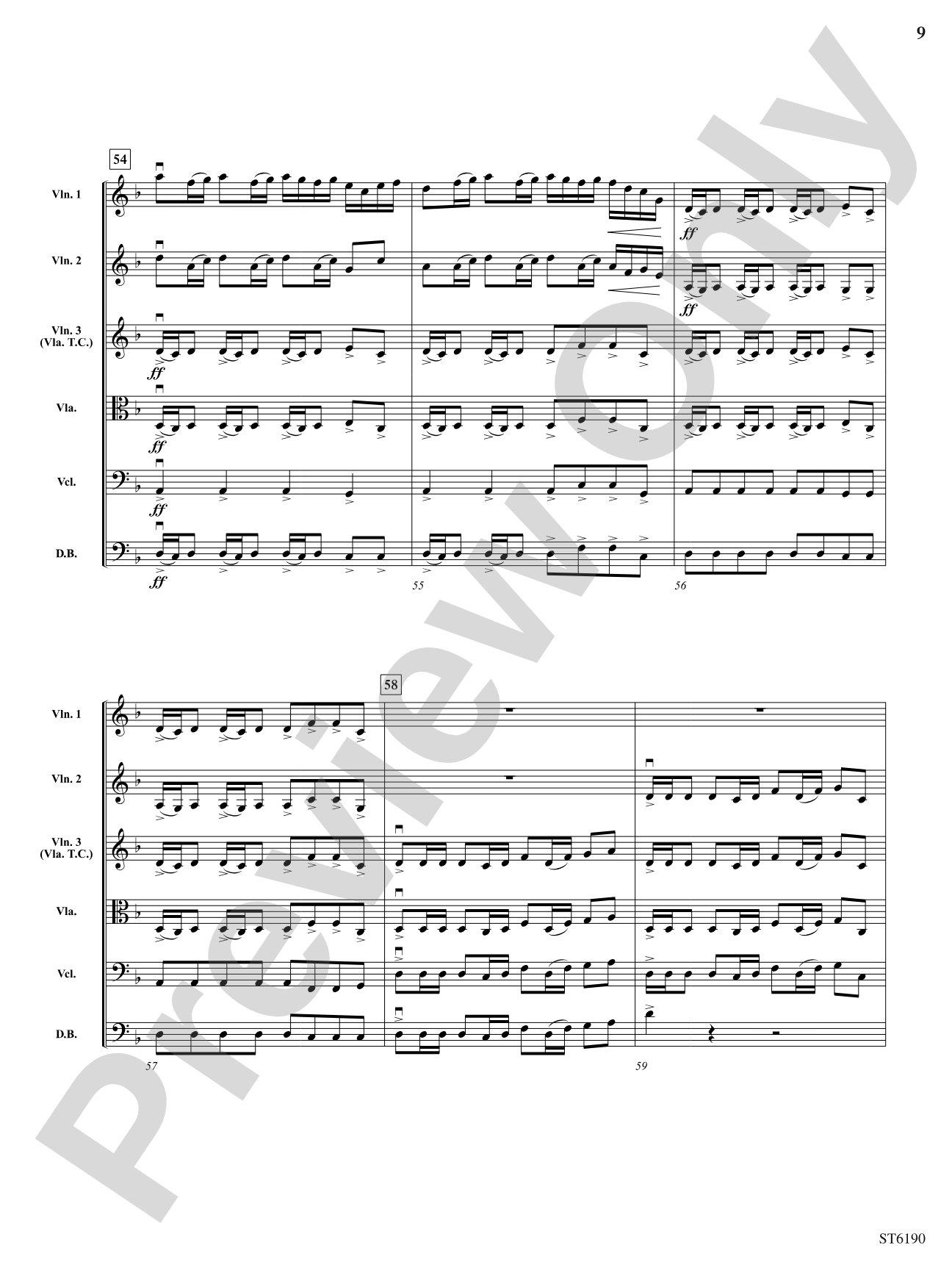
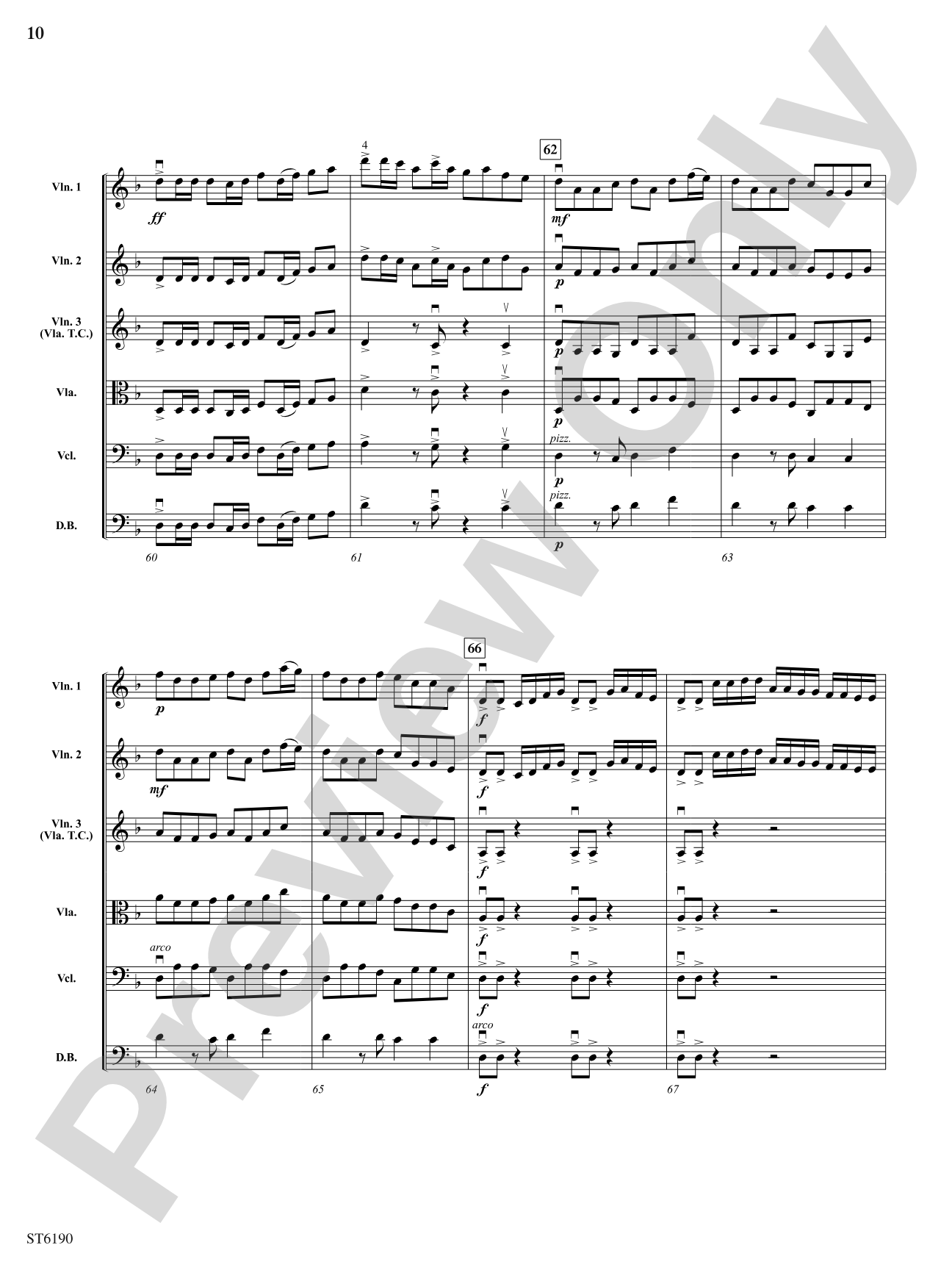
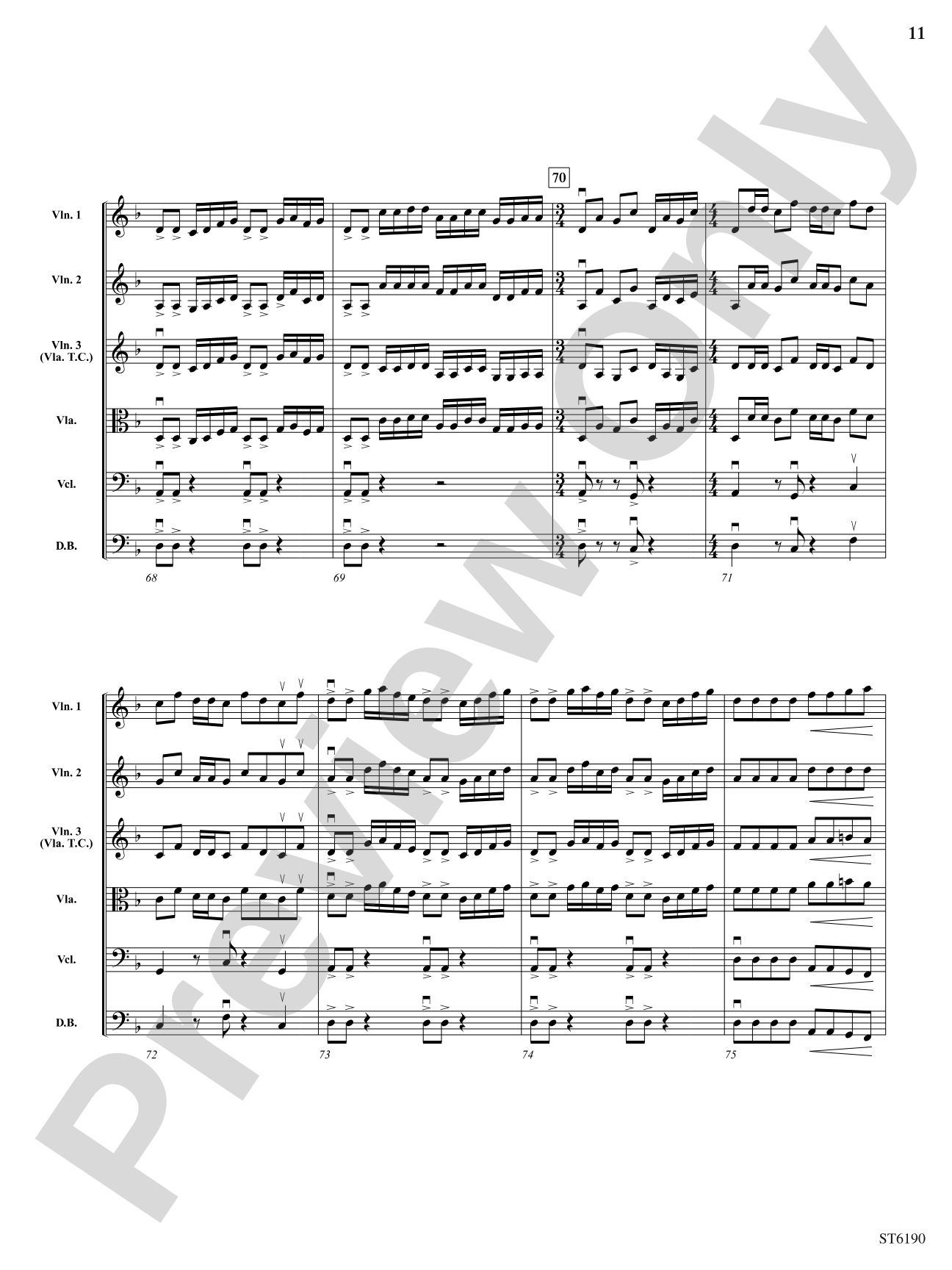
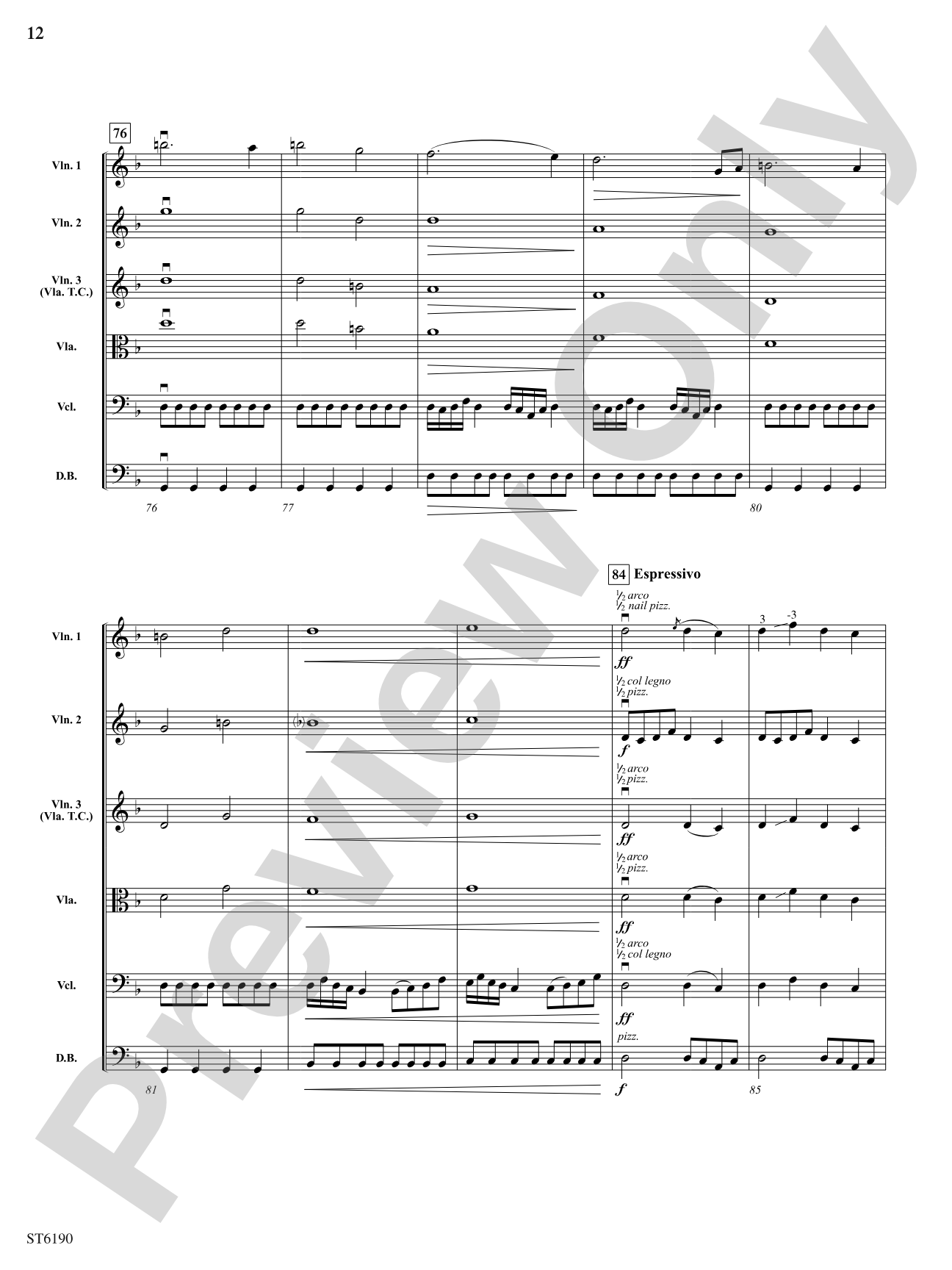

Lion City: Score
By Soon Hee Newbold
Grade: 3
Item: 98-DST6190S
$12.00
Pickup currently not available
Description
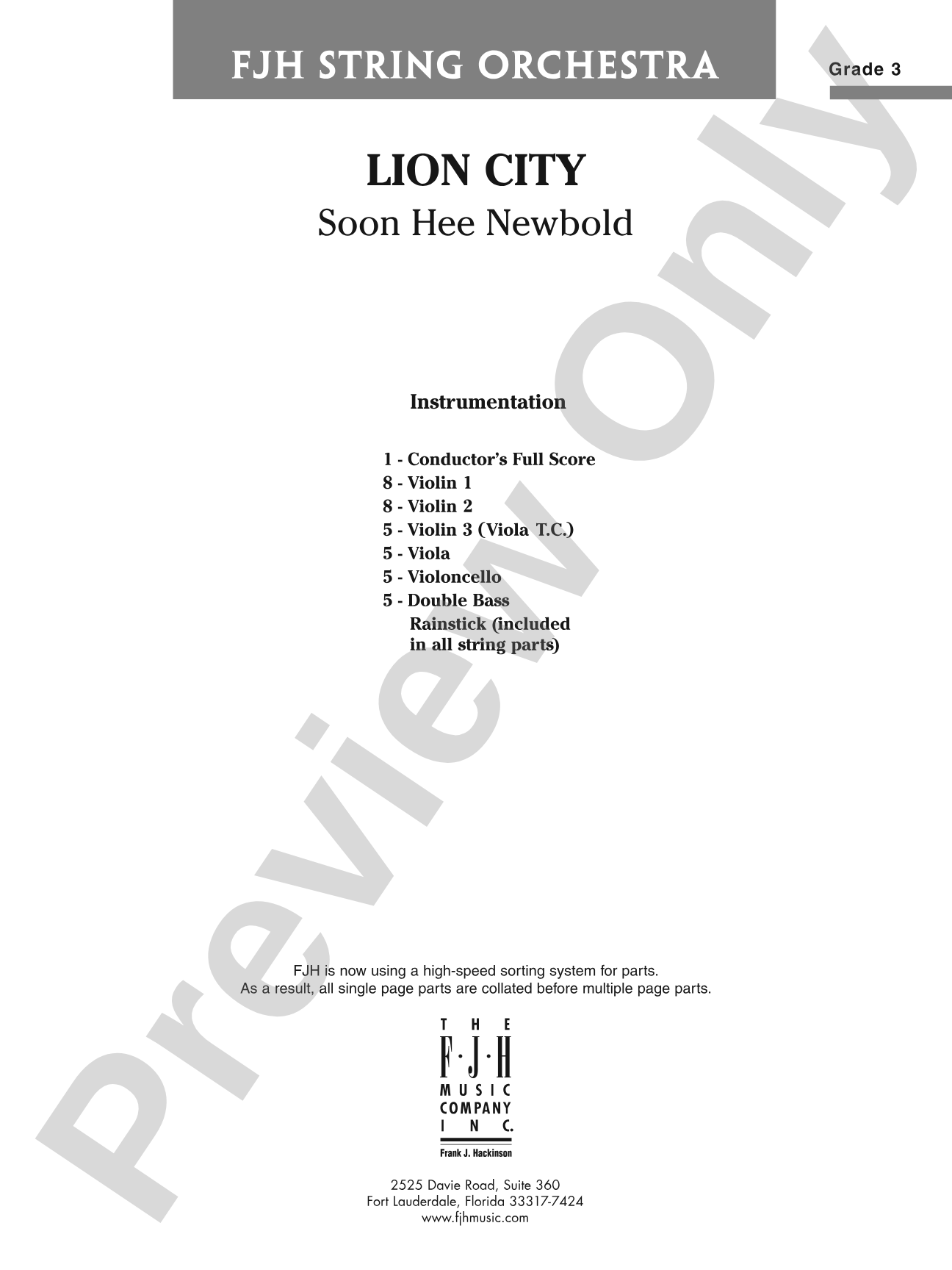
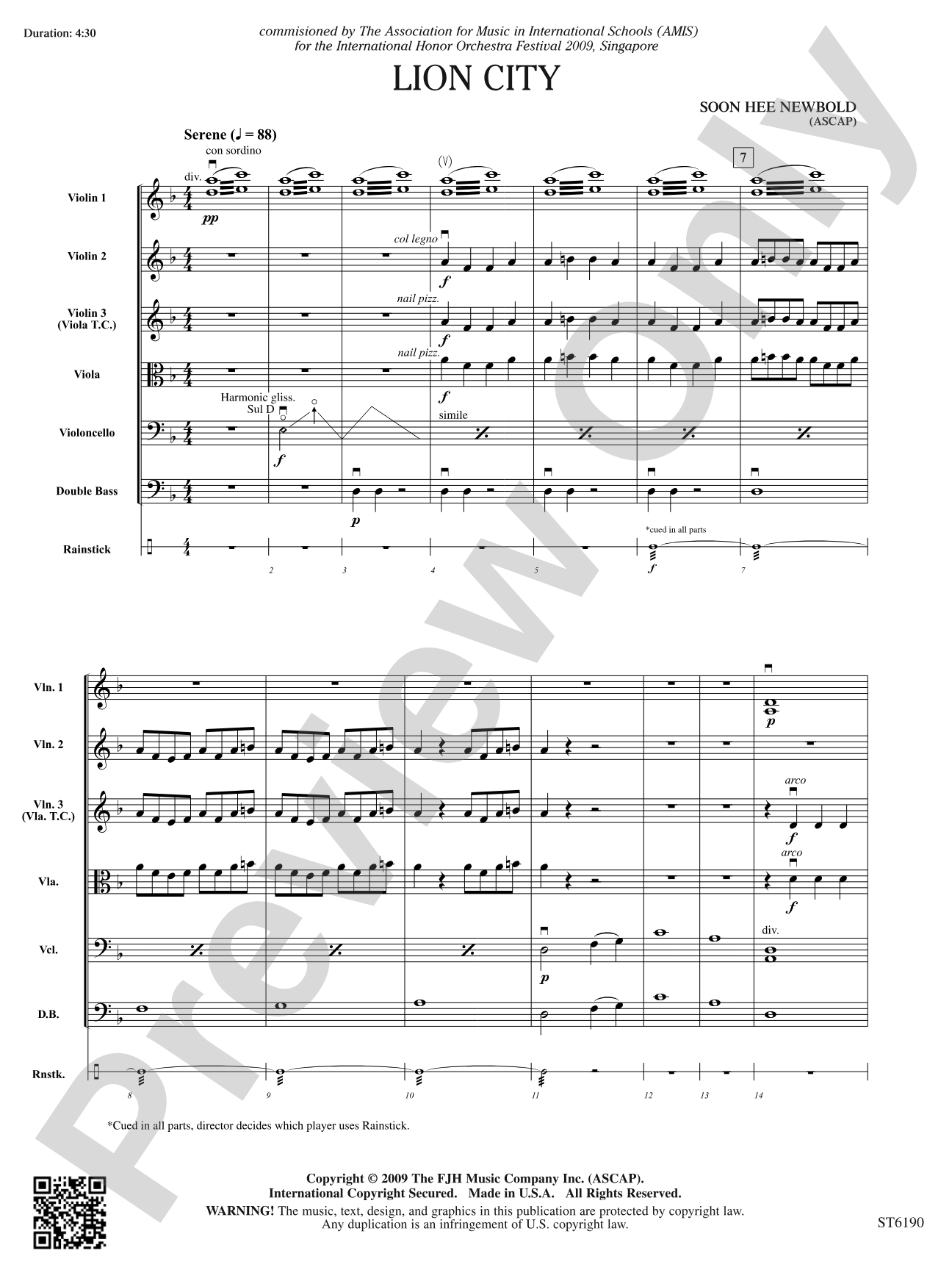
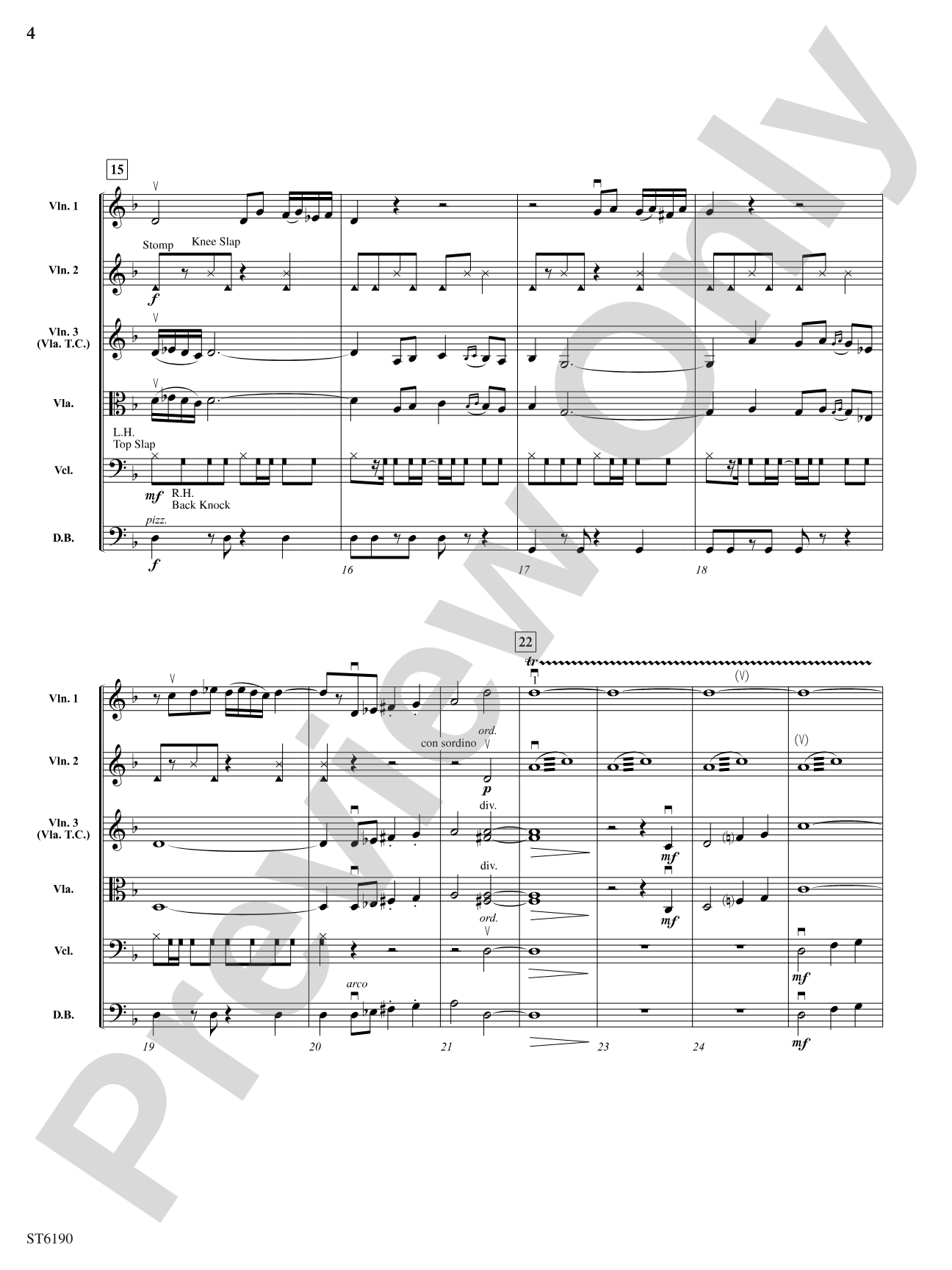
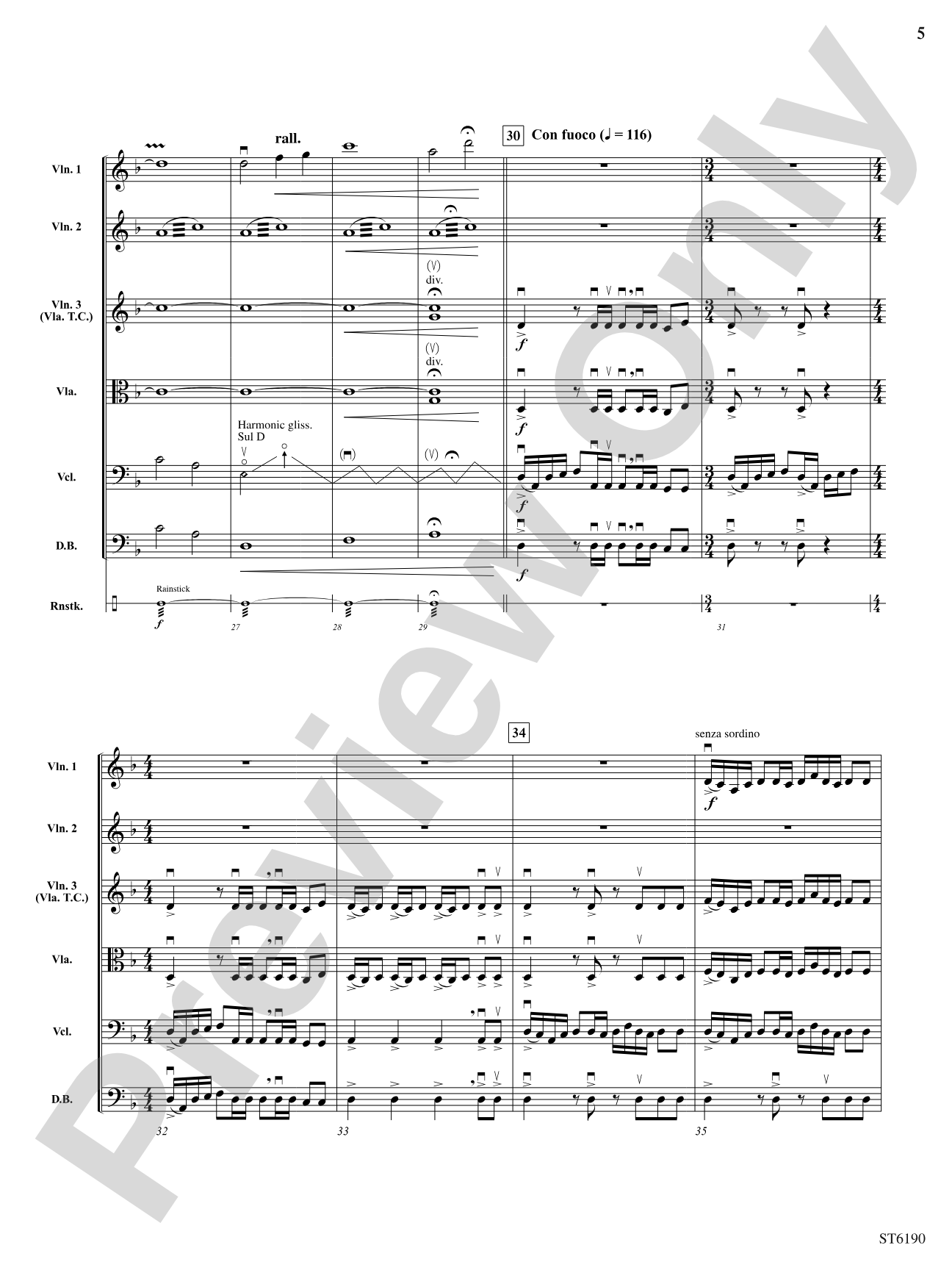
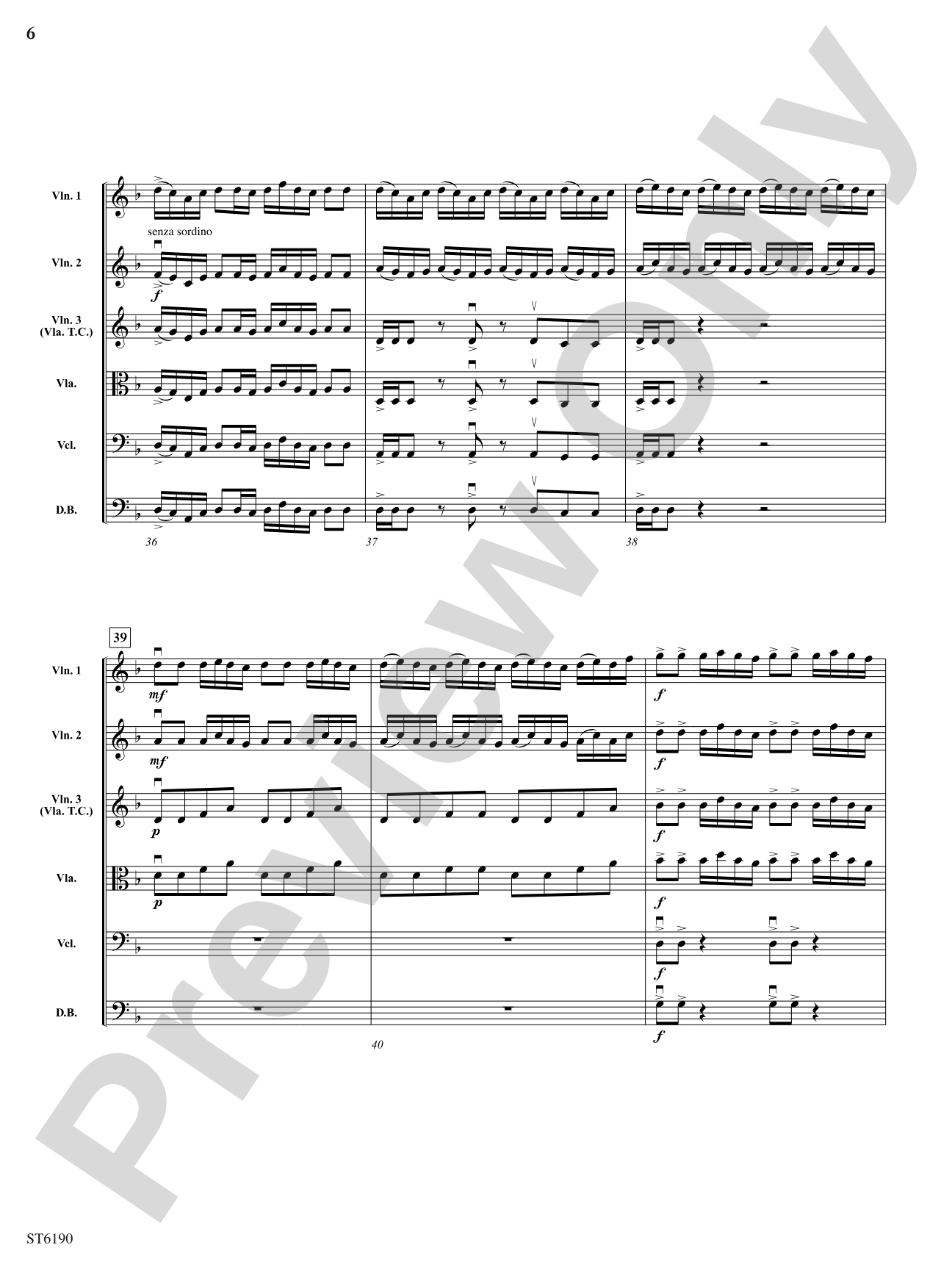
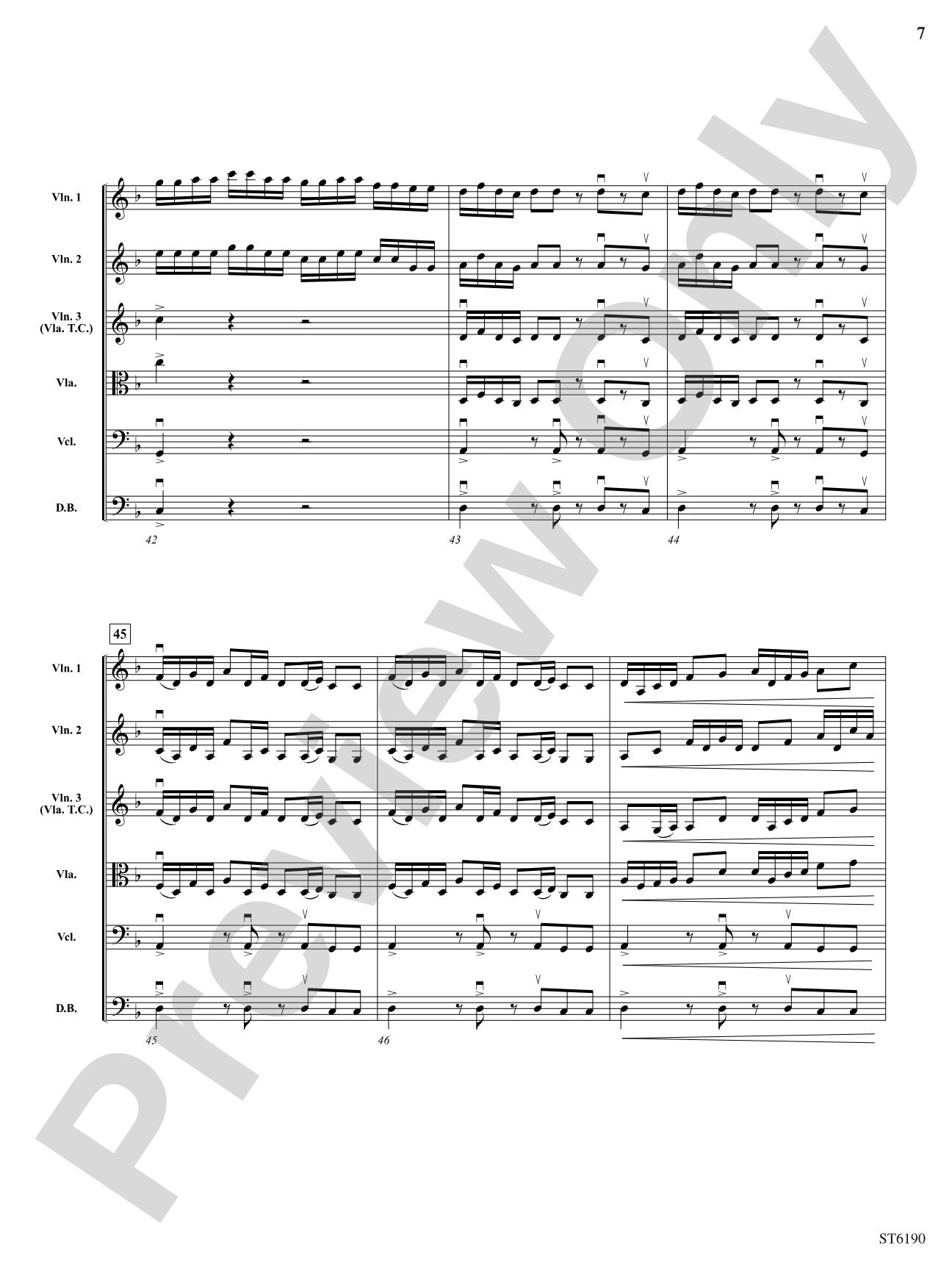
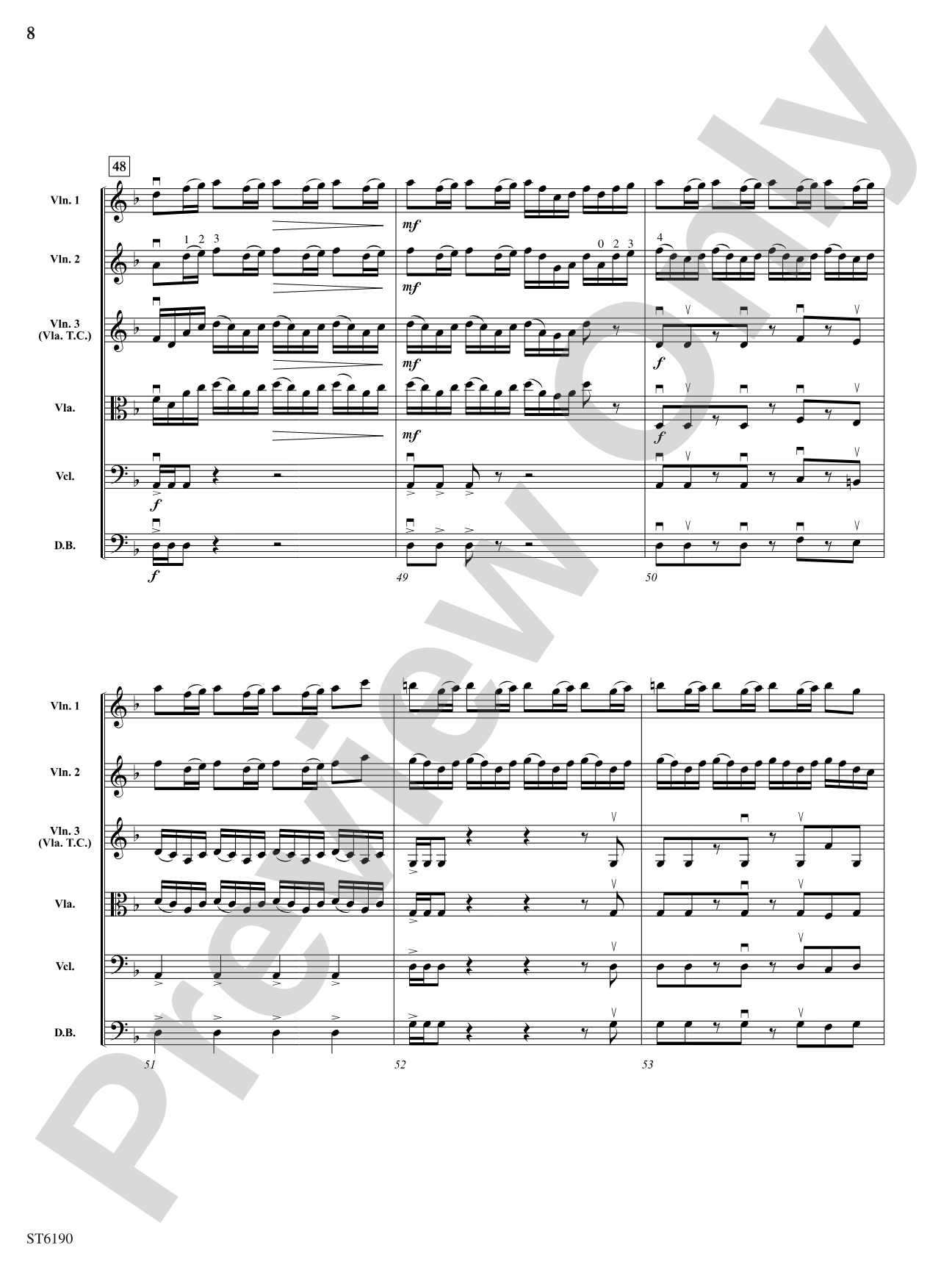
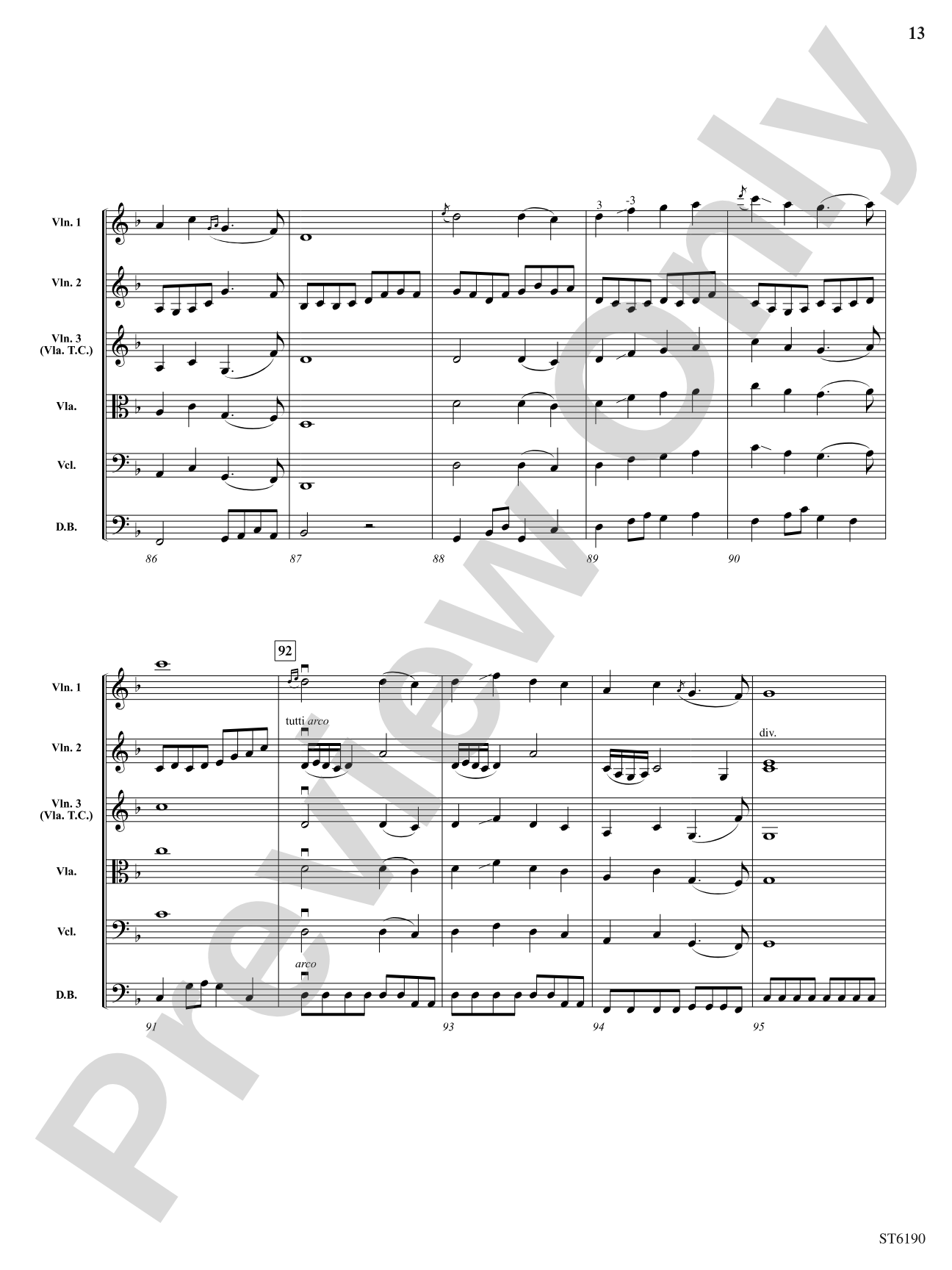
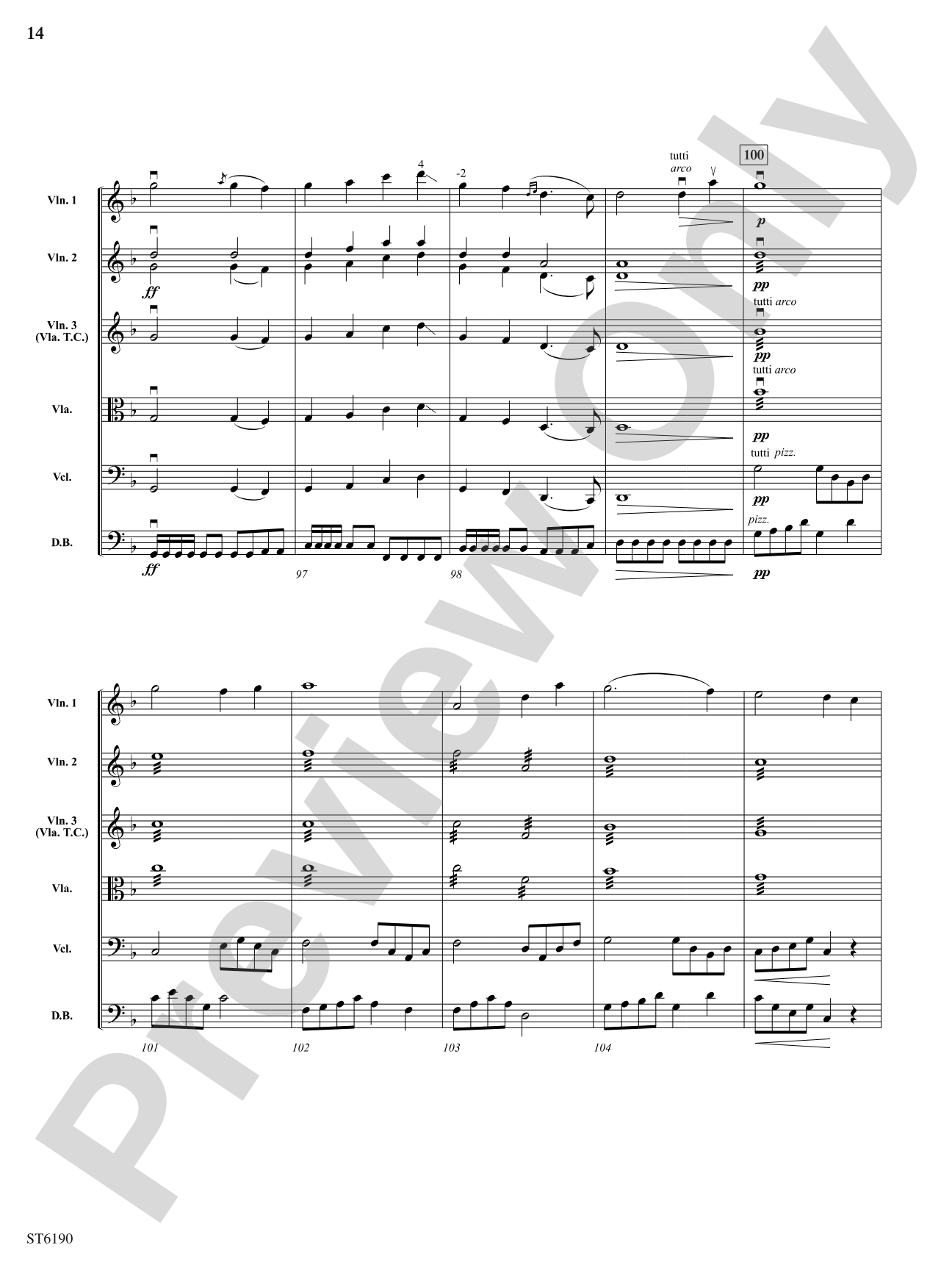
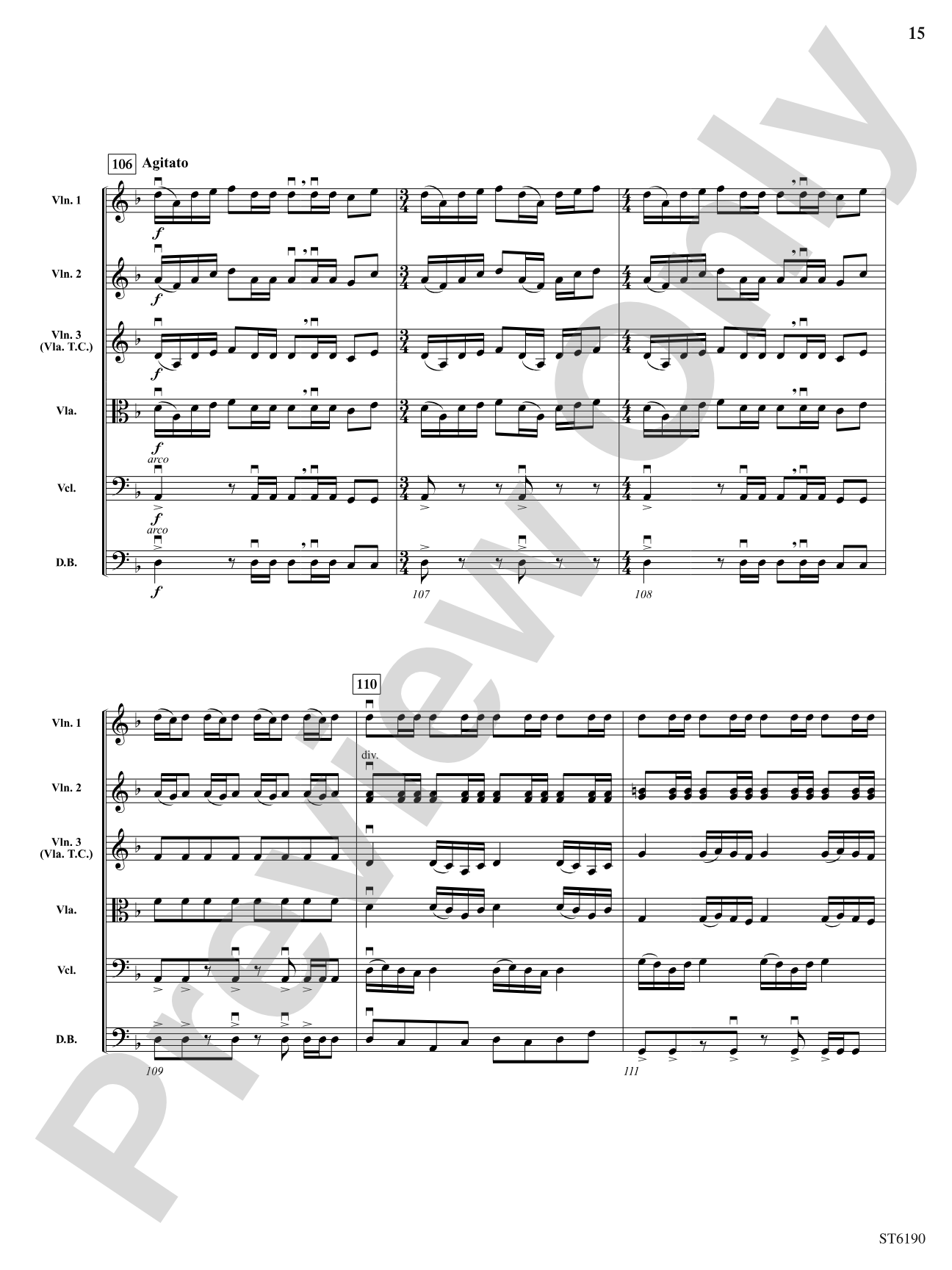
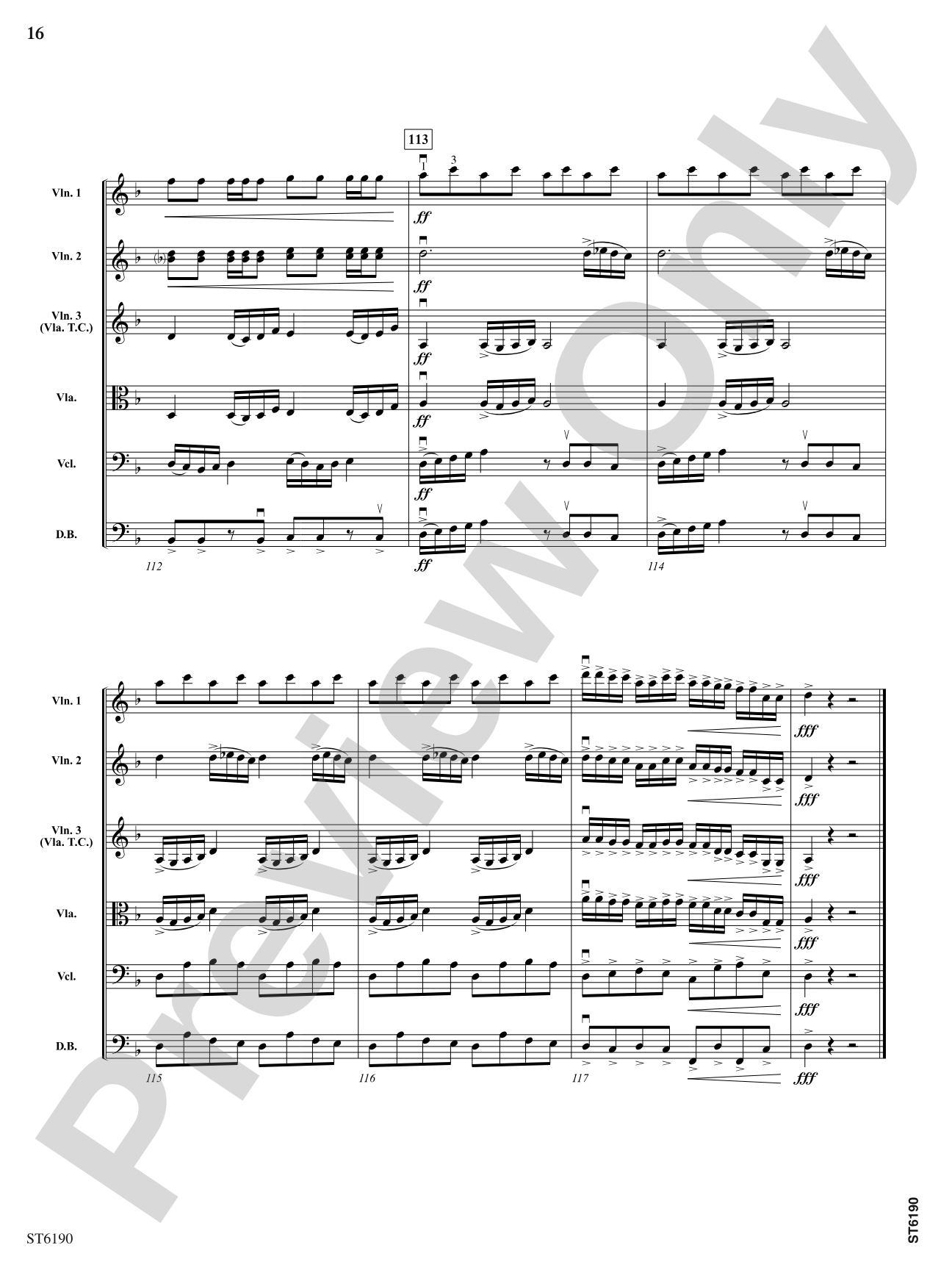
Experience the diverse cultures of Singapore ("Lion City") in a whirlwind of sonorities! From the opening harmonic glissandos to the innovative use of instruments (to imitate authentic instruments such as the ehru, pipa, and gamelan), this work is brilliantly orchestrated. Add in rhythmic intensity and soaring themes, and you have a sonic experience that many will not believe possible from a string orchestra. Sensational! (4:30)


Don't just read it, hear it, play along with it, and watch your students grow with it. In MakeMusic Cloud, Lion City: Score comes alive with professional accompaniment, adjustable tempo, and built-in practice tools that turn solo practice into real progress.
Open in the Player
Jump straight in and assign it today.
Start Your Free Trial
Open this title and explore the full library in minutes.
Sample Audio
1
Audio File
--:--
0:00
0:00
Sample Video
No sample videos found.
Additional Details
Series:
FJH String Orchestra
Publisher:
The FJH Music Company, Inc.
SKU:
98-DST6190S
More about this title
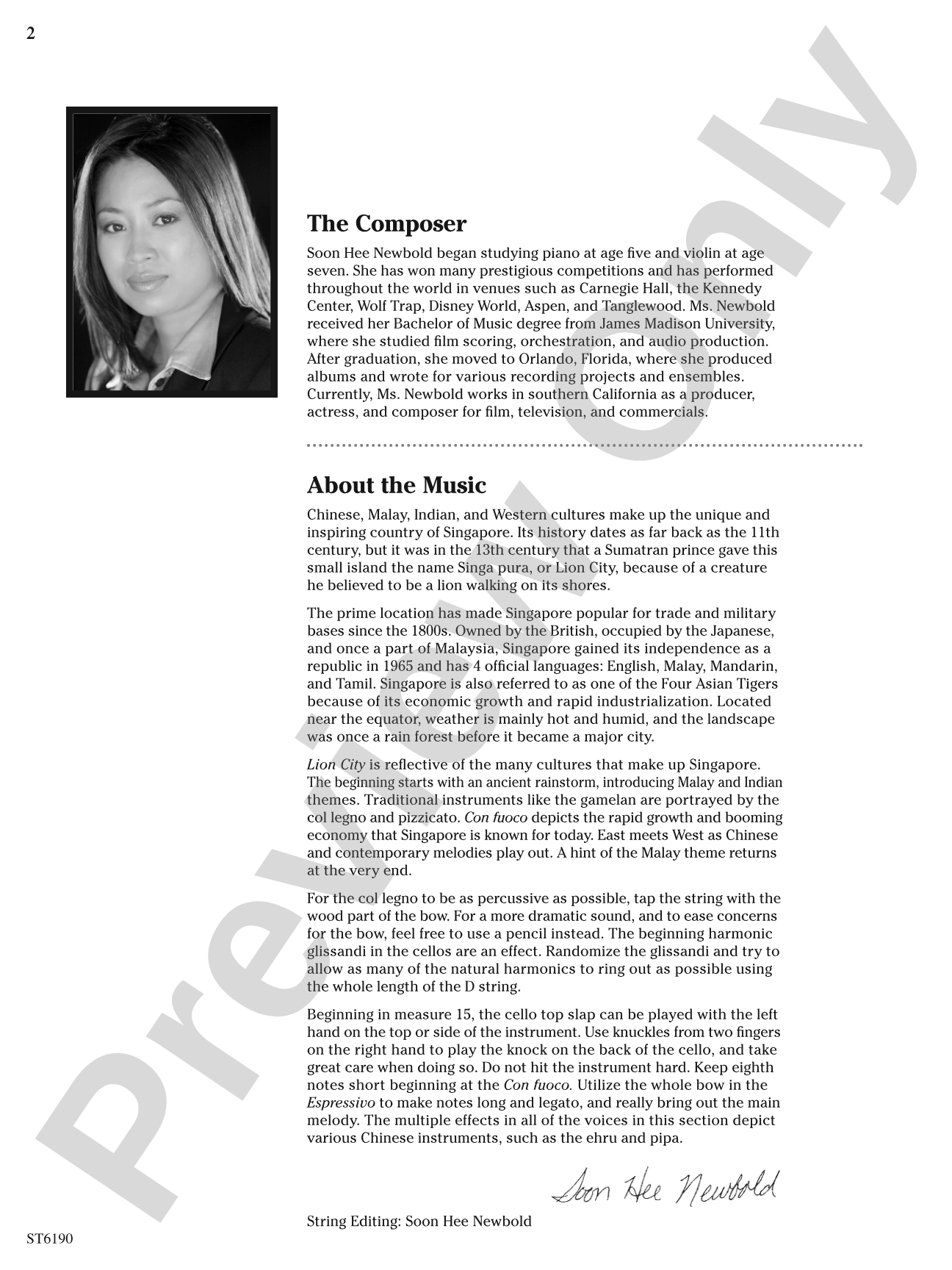
About the Composer: Soon Hee Newbold

Soon Hee Newbold built her compositional voice by drawing on the musical traditions she encountered across continents. A pianist from age five and violinist from seven, she performed as a concert artist in professional ensembles worldwide before establishing herself as a composer whose works span from professional symphony orchestras to beginning elementary ensembles, performed at venues including Carnegie Hall, the Kennedy Center, Lincoln Center, and Disney Hall.
Newbold's gift for weaving cultural and ethnic styles into her writing reflects decades of conducting and collaborative work with orchestras and bands throughout the United States, the Netherlands, Belgium, Australia, Indonesia, Singapore, and China. She remains active as a guest clinician, keynote speaker, and Hollywood film composer, bringing the same cross-cultural perspective to every project she undertakes.
Why we love this
Lion City captures something rare at Grade 3: a piece that sounds genuinely adventurous without demanding virtuosity. The orchestration is inventive enough to surprise experienced musicians while remaining accessible for developing string players. Programming this opens doors to conversations about Singapore's multicultural identity and allows your ensemble to explore extended techniques (harmonic glissandos, instrumental imitation) in a context where they serve the music's narrative rather than existing as technical showpieces.
What to expect
Lion City unfolds like a sensory journey through Singapore's bustling streets, where traditional and modern sounds collide. The piece shifts from shimmering harmonic textures and exotic instrumental colors to passages of driving rhythmic momentum and soaring melodic sweeps, creating a sonic landscape that feels far more expansive than the ensemble playing it.
Who it's for
String orchestra directors seeking repertoire that engages developing players while maintaining musical integrity. This works well for groups at the intermediate level who are ready to explore extended techniques and cross-cultural themes but may not yet tackle highly complex rhythms or extreme ranges.
How to get the most out of it
- Spend rehearsal time isolating the harmonic glissandos in the opening. Tune them as a section first, then practice the motion together so they feel collaborative rather than chaotic.
- Emphasize the rhythmic intensity passages by having the ensemble lock articulation before worrying about dynamics. Clean, unified tonguing or bowing carries more impact than volume.
- Balance the soaring melodic themes by identifying which section carries the primary voice at each moment; secondary voices should sit back intentionally rather than compete.
- Prepare students for the innovative instrumental imitations (ehru, pipa, gamelan sounds) by playing recordings or showing videos of these instruments beforehand. Knowing the target sound makes execution far more convincing.
How to use it
This piece thrives in a concert celebrating world music, cultural diversity, or contemporary string writing. Its four-and-a-half-minute duration makes it ideal as a centerpiece to a thematic program or a natural pairing with other geography-inspired works. The grade level also positions it well for festival and contest seasons.
Skills your students will build
- Executing harmonic glissandos with intonation control
- Producing extended instrumental effects (imitation of ehru, pipa, and gamelan sounds)
- Maintaining rhythmic precision during passages of high intensity
- Balancing thick textures by distinguishing primary and secondary melodic lines
- Responding to programmatic storytelling through timbral and dynamic choices