
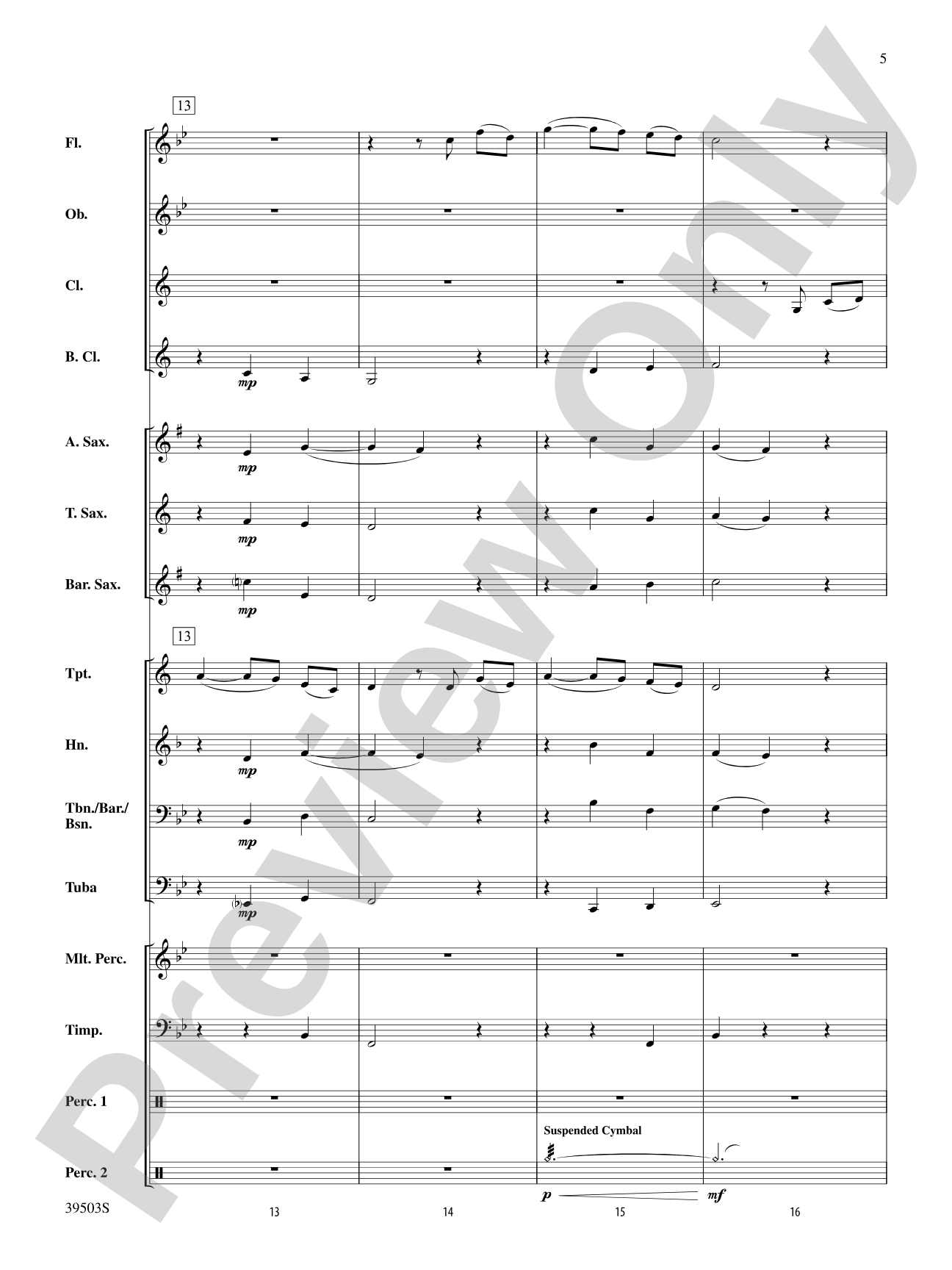
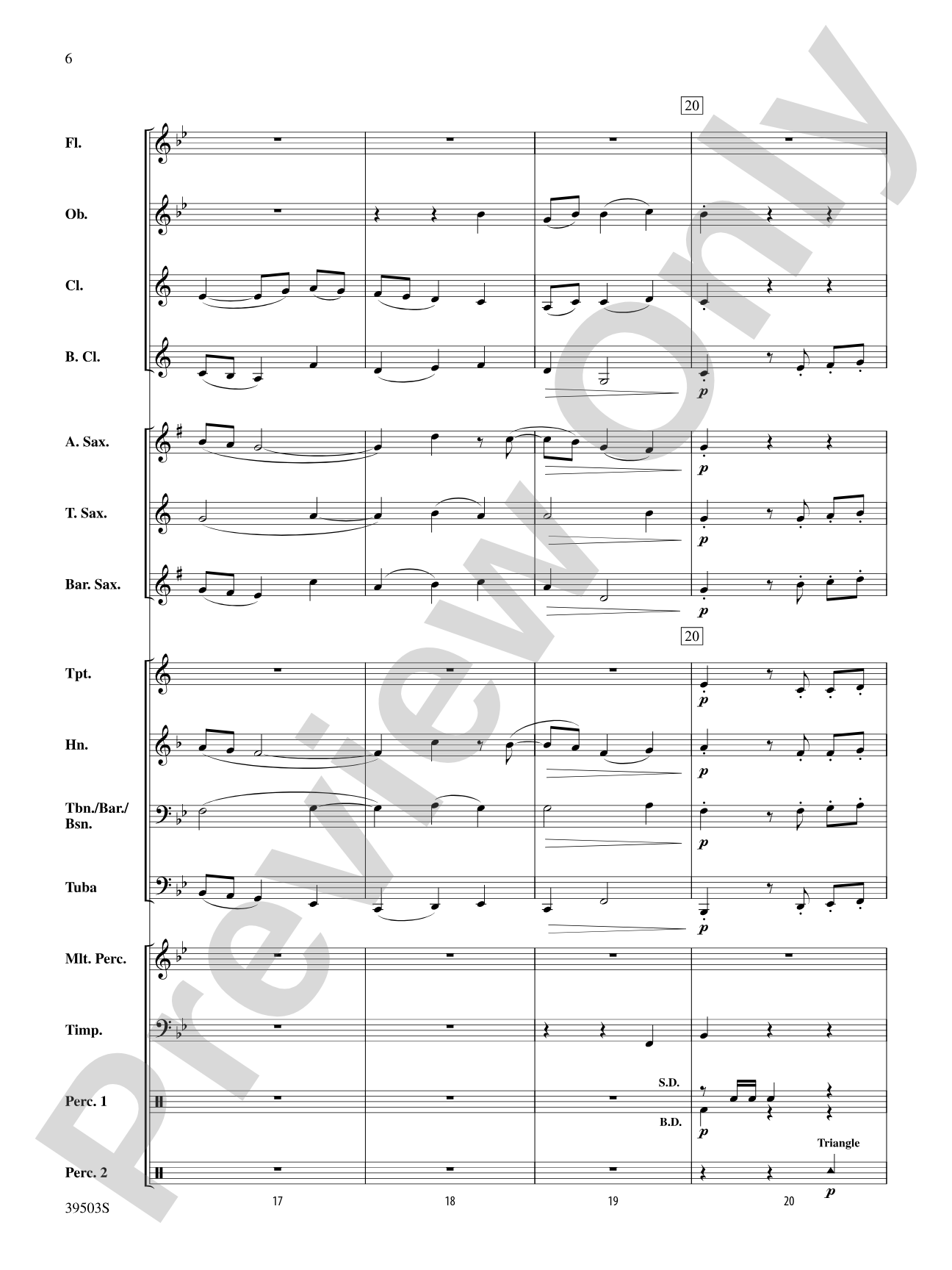
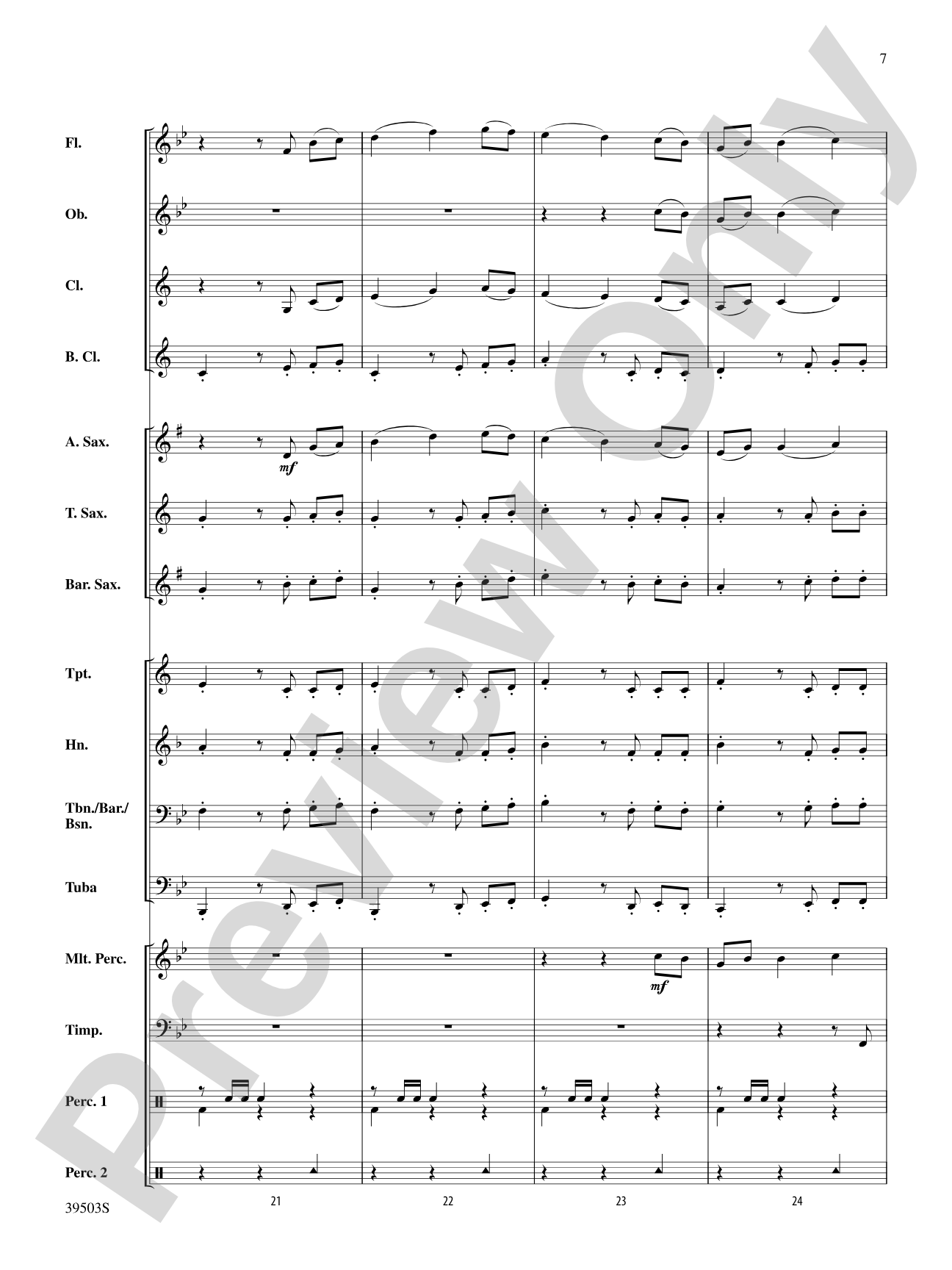
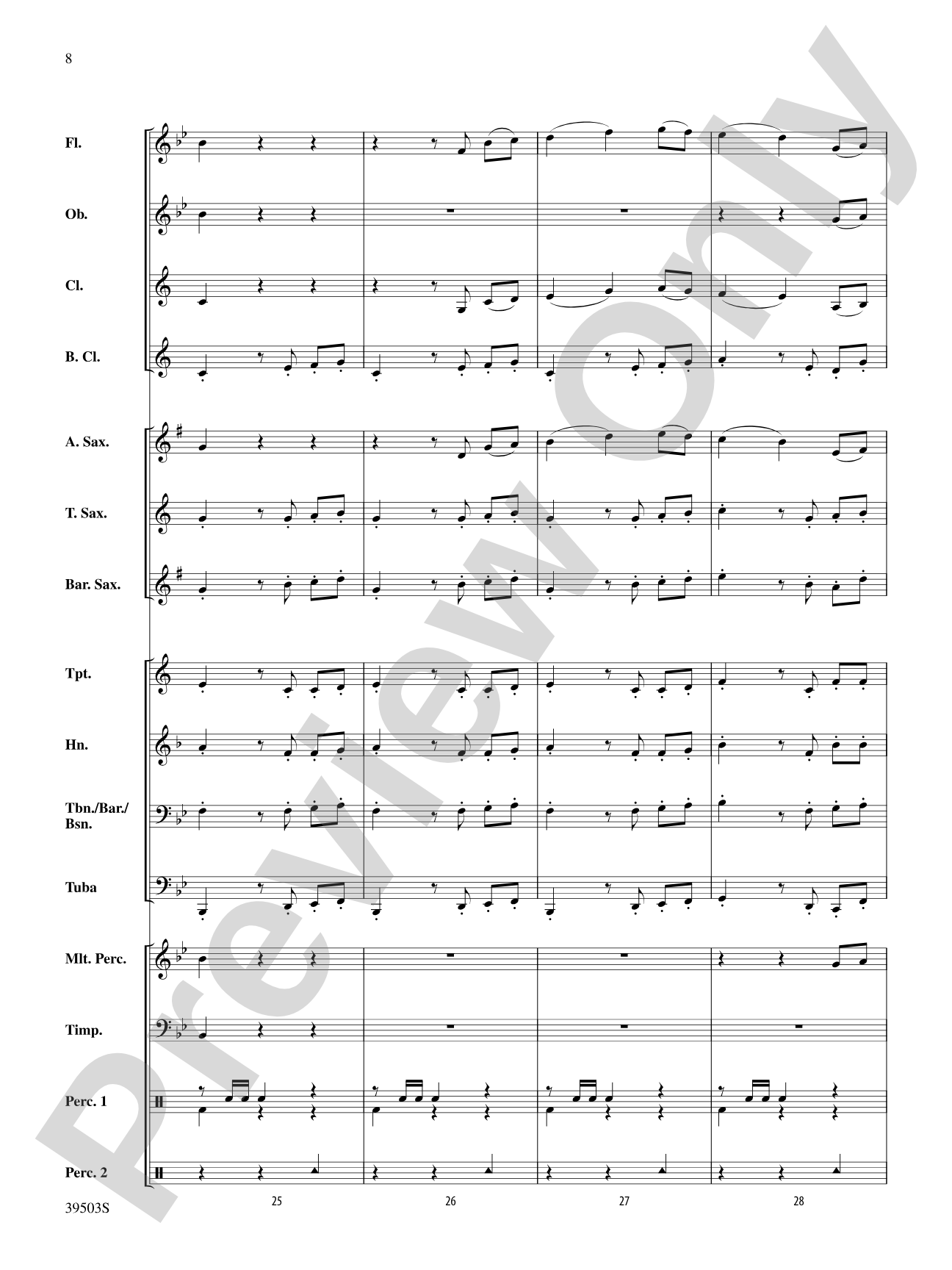
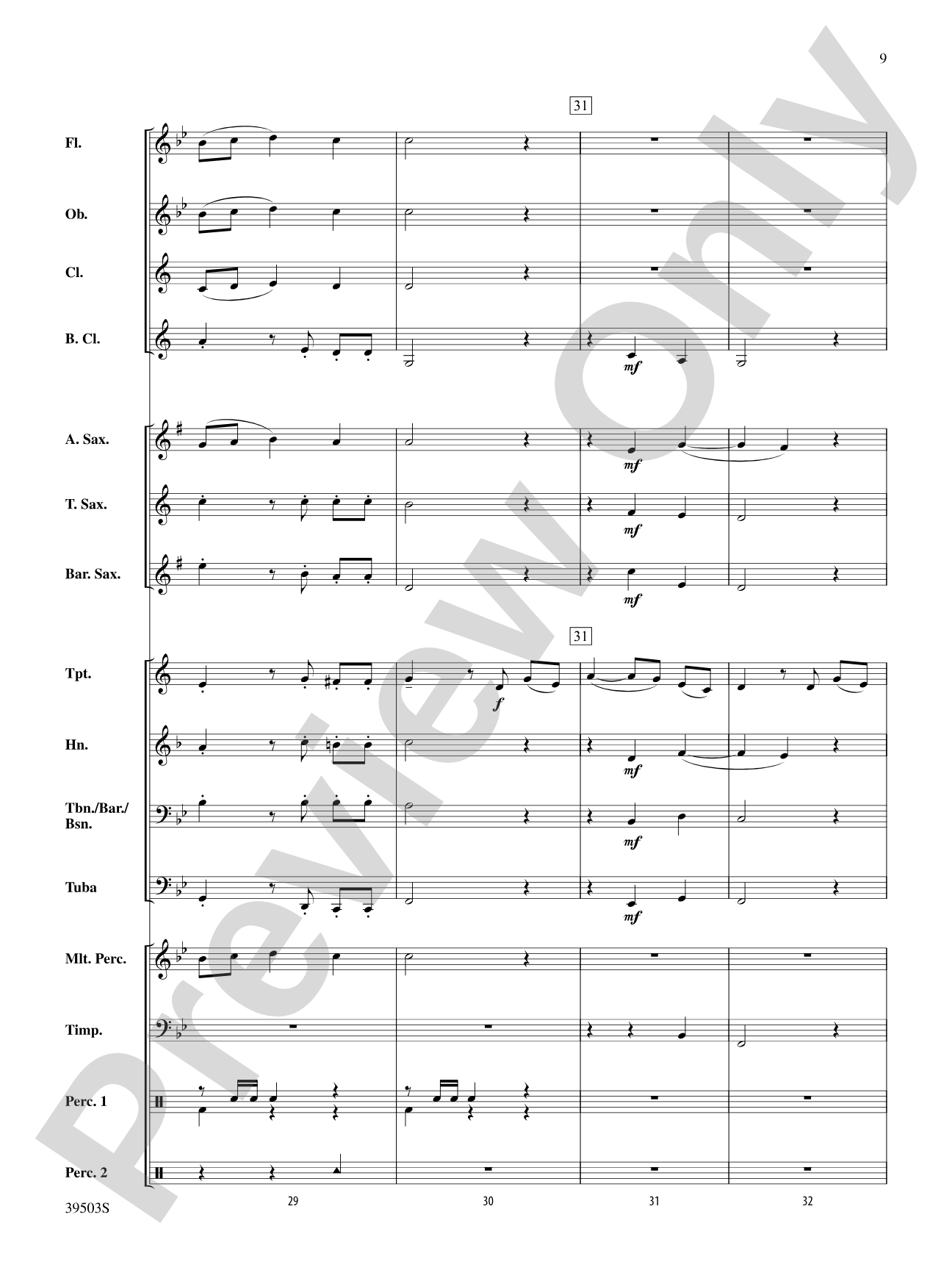
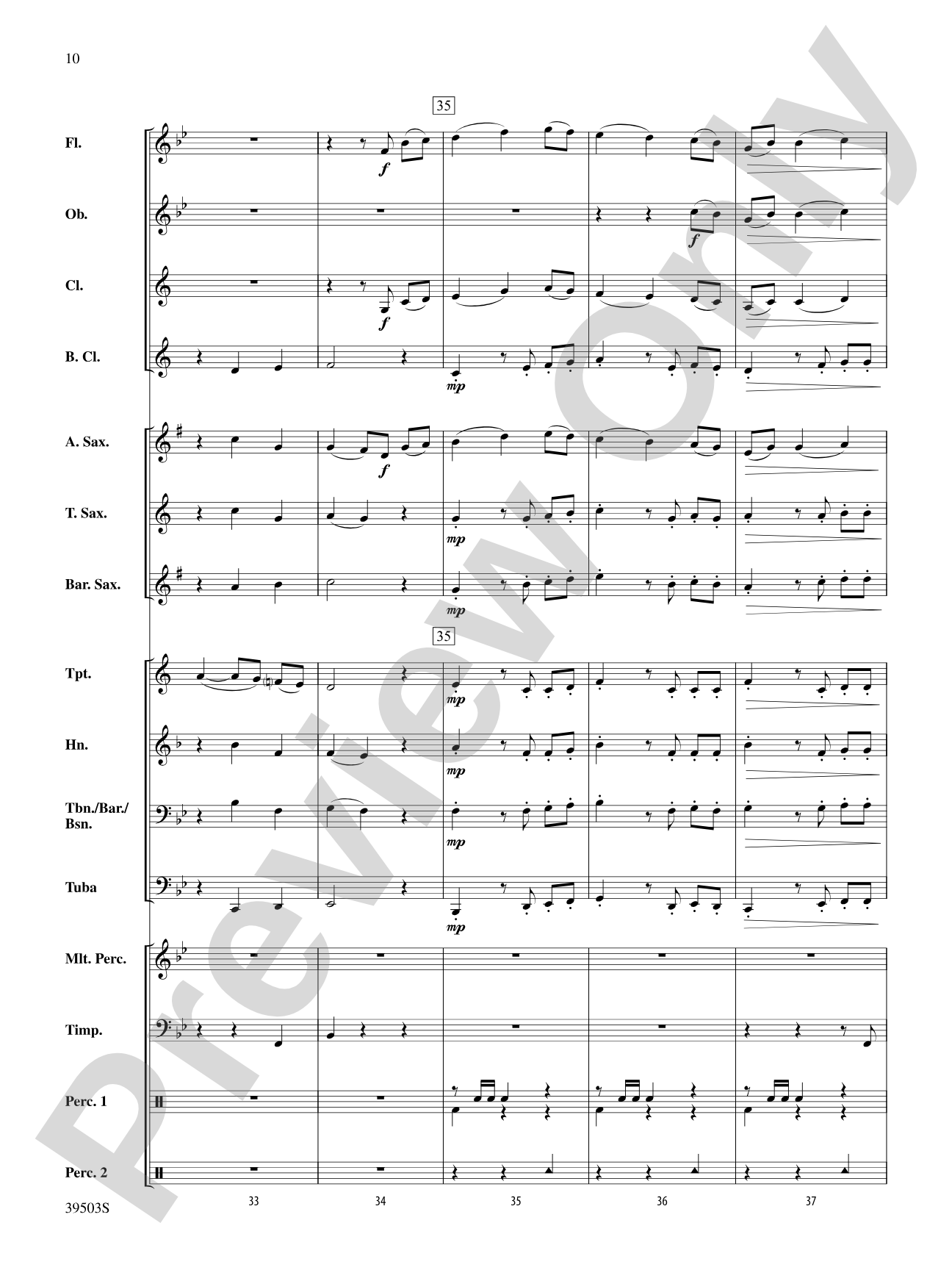
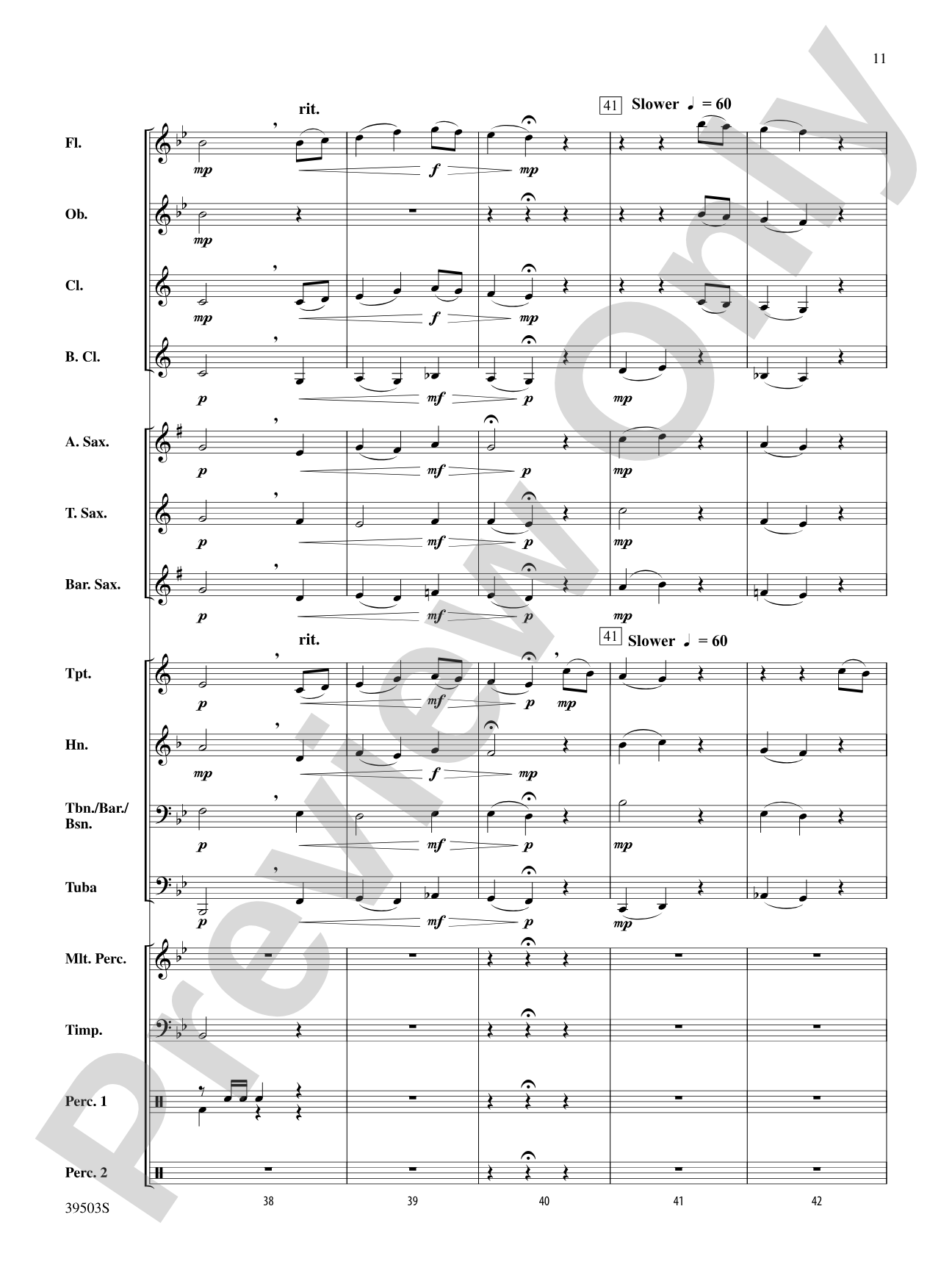
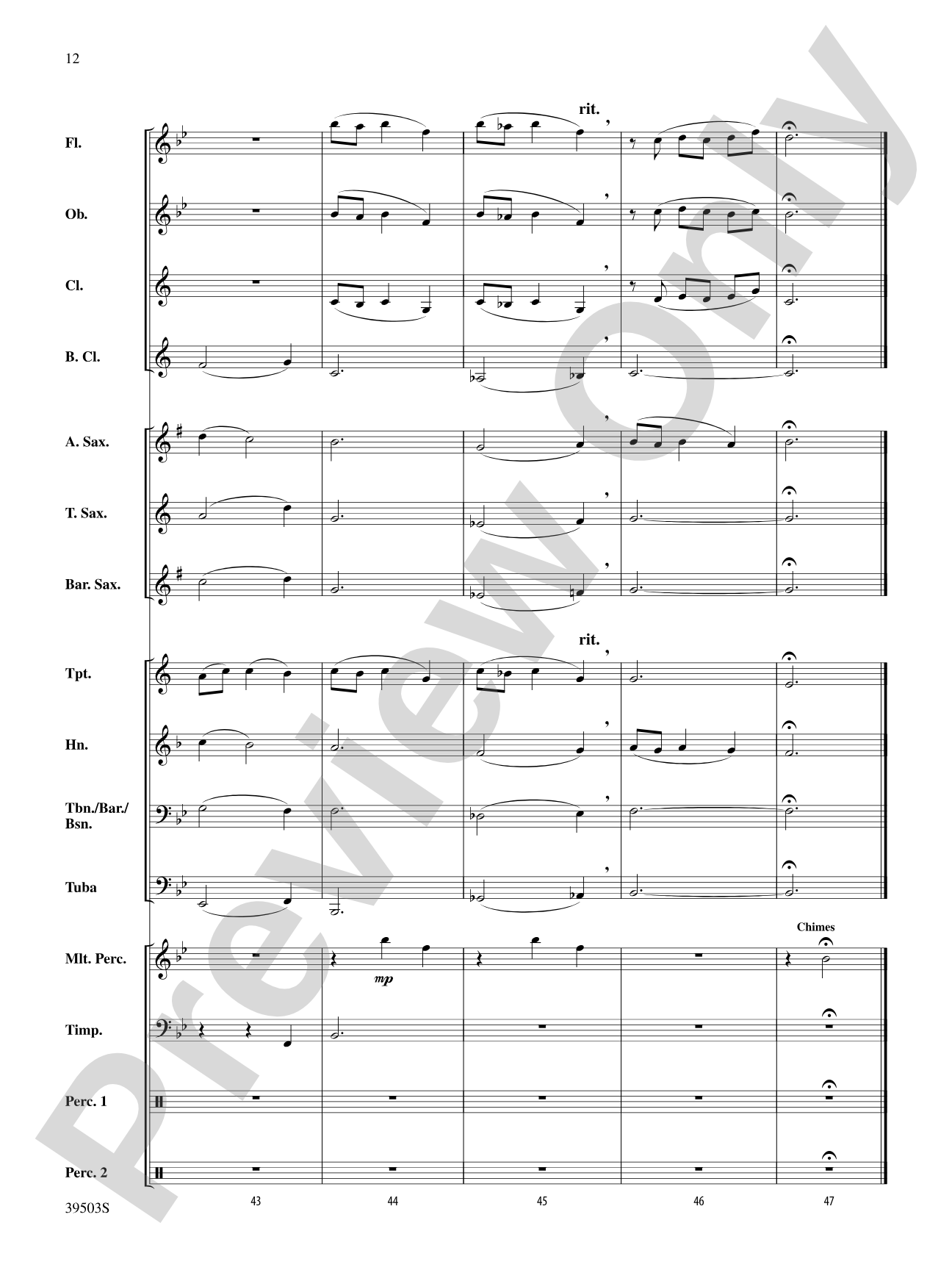

Linden Lea: Score
By Ralph Vaughan Williams / arr. Douglas E. Wagner
Grade: 1 (Very Easy)
Item: 00-PR-0004134
$9.00
Pickup currently not available
Description
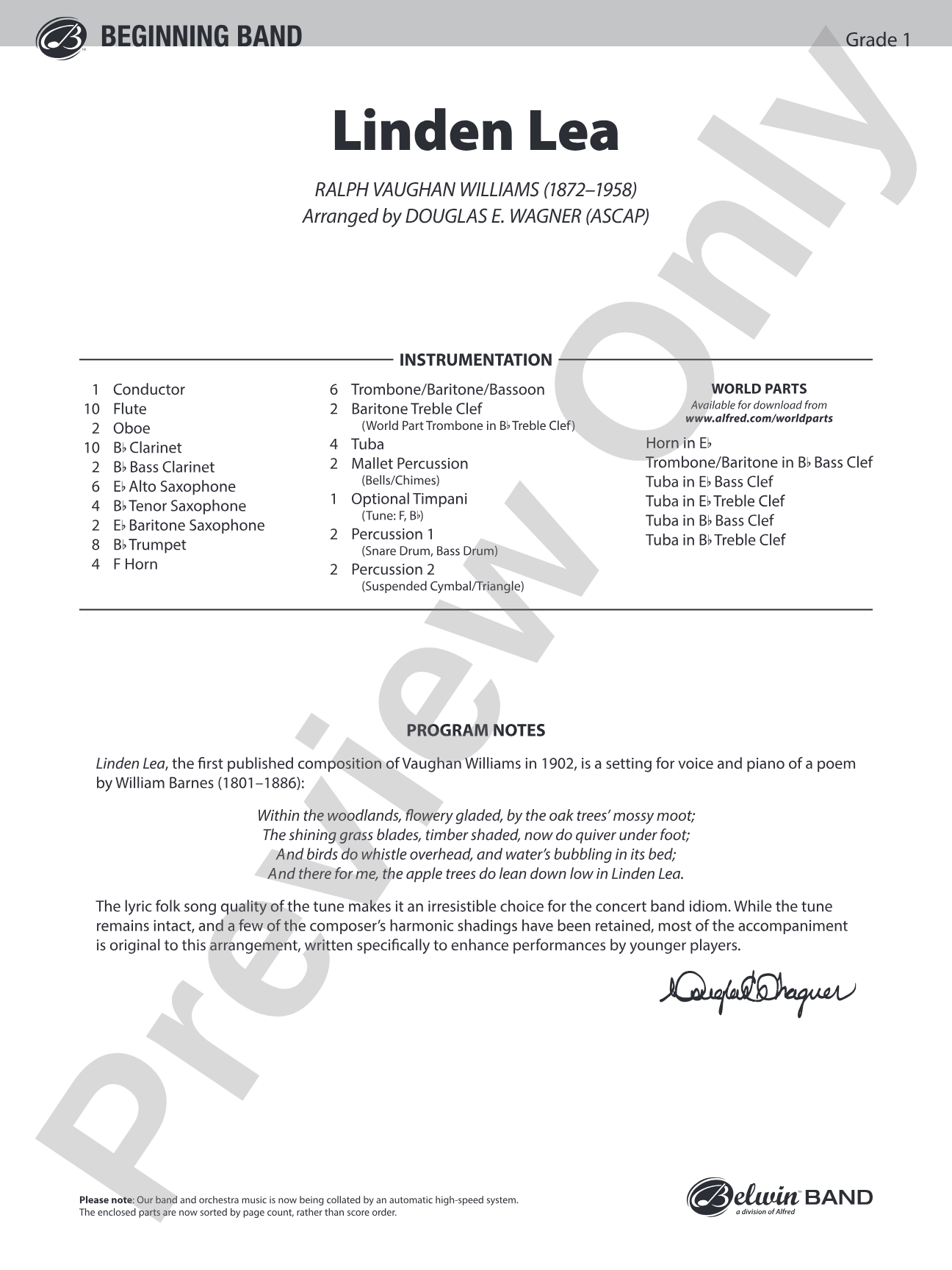
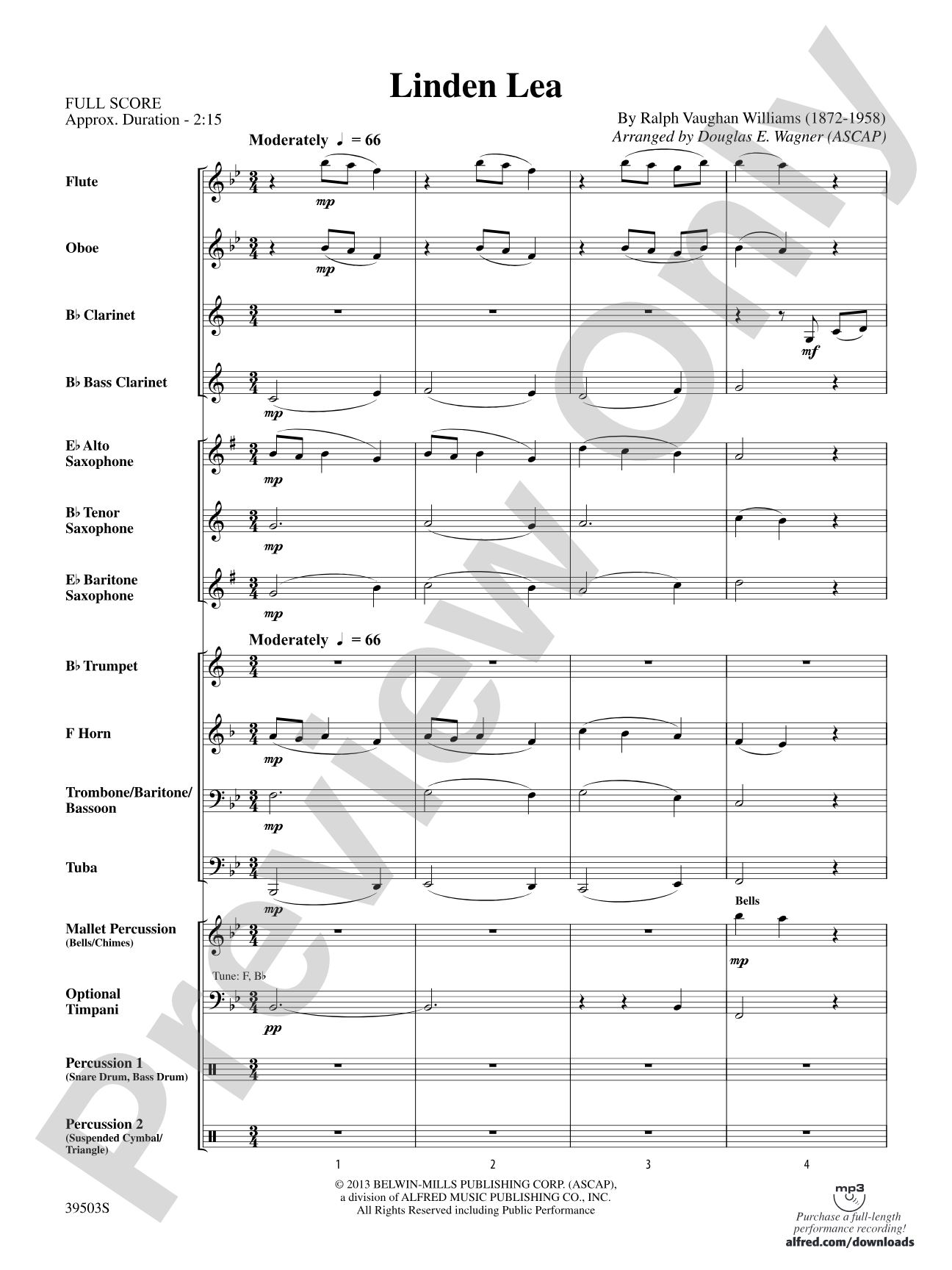
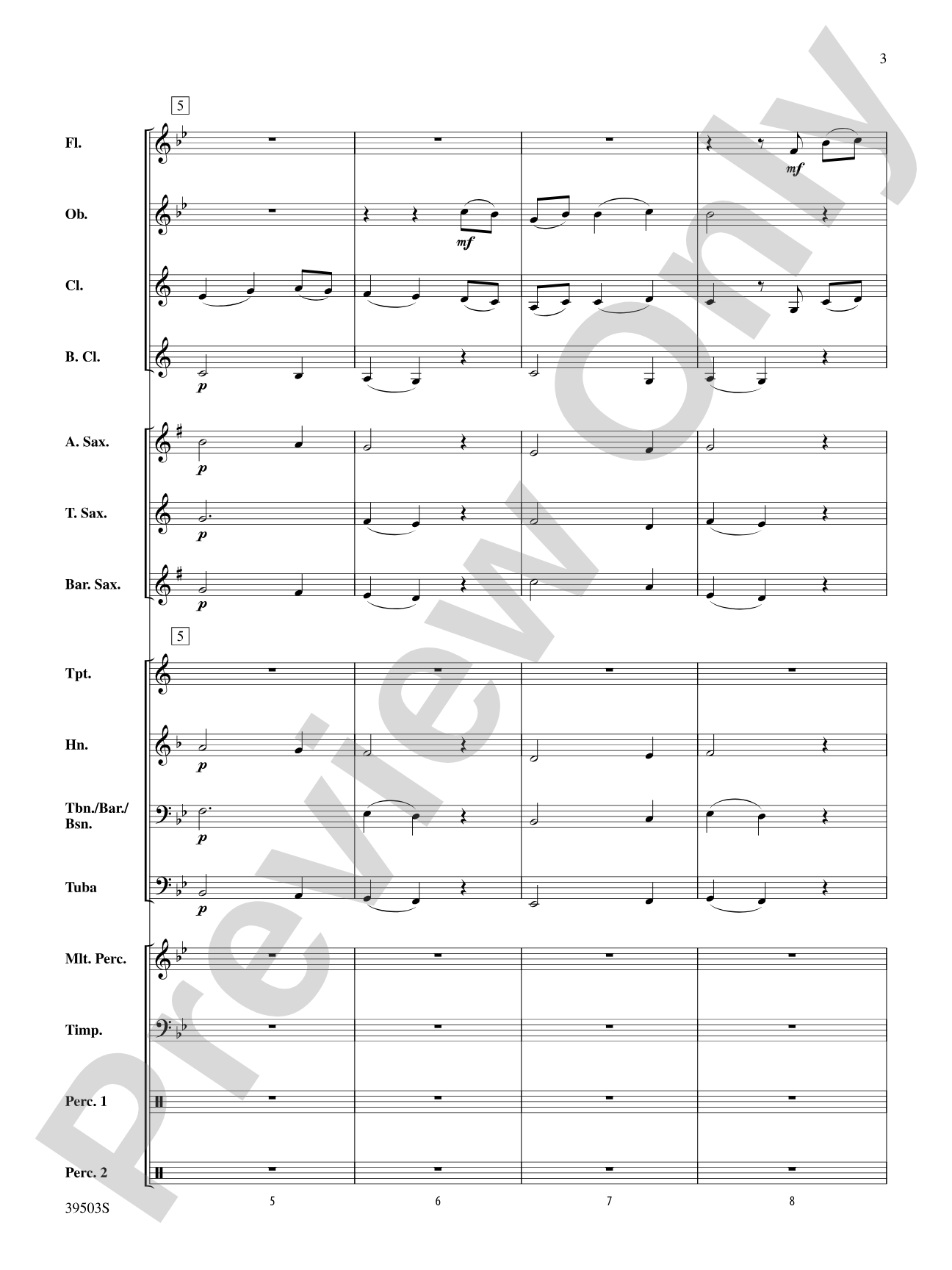
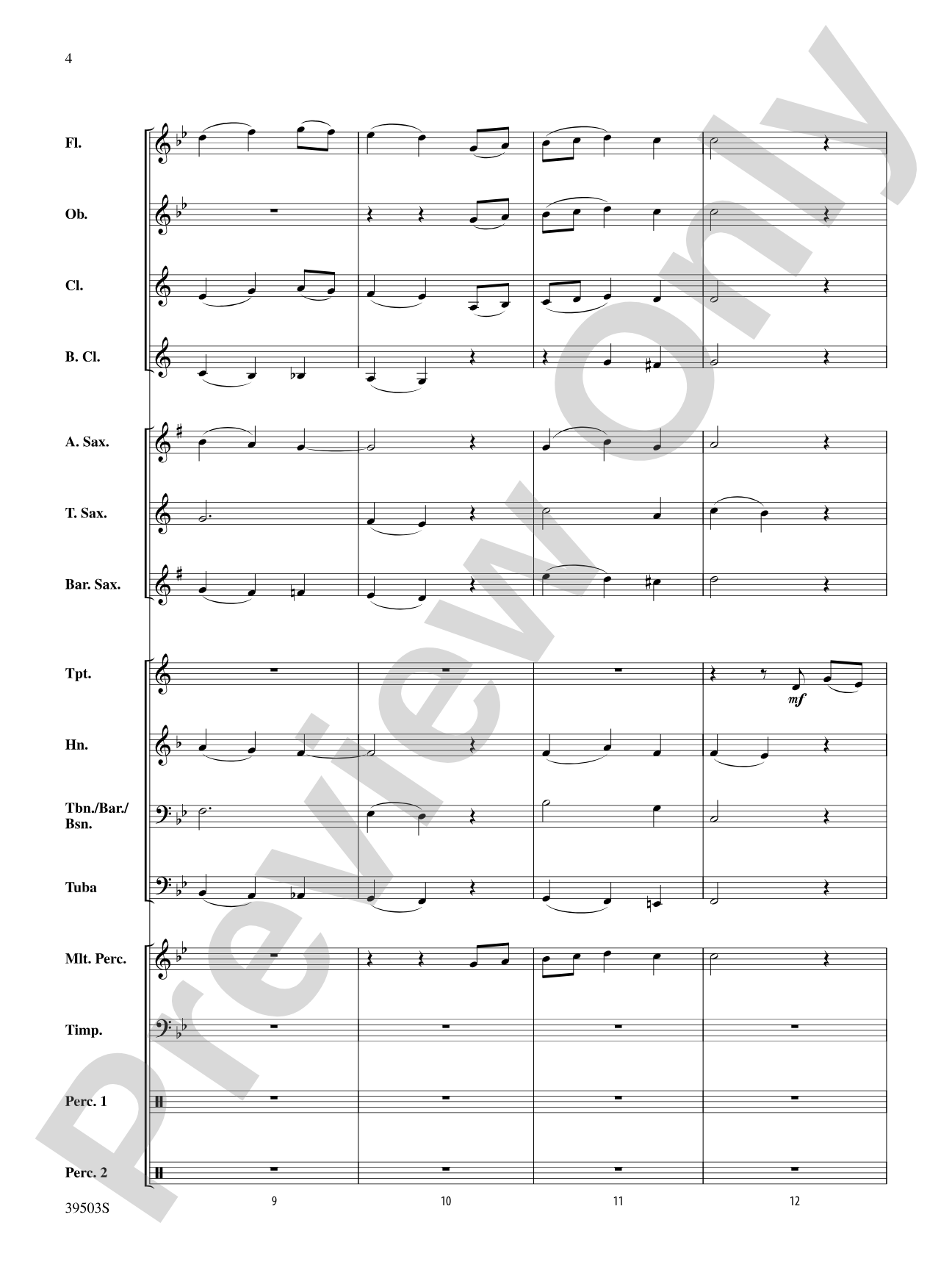
The first published composition of Vaughan Williams in 1902 was a setting for voice and piano of a poem by William Barnes. The lyrical folk song quality of the tune makes it an irresistible choice for this arrangement for the beginning concert band idiom. Set in three-four time, the lush arrangement reinforces musicality and the triple meter concept. This setting will certainly make your beginners sound lush and polished. Stunning! (2:15) This title is available in MakeMusic Cloud.


Don't just read it, hear it, play along with it, and watch your students grow with it. In MakeMusic Cloud, Linden Lea: Score comes alive with professional accompaniment, adjustable tempo, and built-in practice tools that turn solo practice into real progress.
Open in the Player
Jump straight in and assign it today.
Start Your Free Trial
Open this title and explore the full library in minutes.
Sample Audio
1
Audio File
--:--
0:00
0:00
Sample Video
No sample videos found.
Additional Details
Series:
Belwin Beginning Band
Publisher:
Alfred Music
Page Count:
134
SKU:
00-PR-0004134
More about this title
About the Composer: Ralph Vaughan Williams
Ralph Vaughan Williams (1872-1958) stands as one of the most influential British composers of the 20th century. His deep engagement with English folk music and his gift for lyrical melody shaped a body of work that remains central to the concert repertoire. Vaughan Williams believed music should serve the community, and his prolific output includes symphonies, operas, choral works, and songs that balance sophistication with accessibility.
Why we love this
Douglas Wagner's arrangement captures the gentle, unhurried beauty of Vaughan Williams' melody while making it immediately playable for your beginning band. The triple meter sits naturally under young musicians' hands, and the lush voicing allows Grade 1 students to sound genuinely musical without excessive technical demands. This is one of those rare arrangements where simplicity never feels simplified.
What to expect
A gentle walk through the English countryside on a summer afternoon. The triple meter gives the piece an easy, natural swing, and the melody unfolds with the unhurried grace of a traditional folk song. There's nothing hurried or complicated here, just clear, warm, deeply satisfying music.
Who it's for
Beginning concert bands ready to play something genuinely beautiful. This arrangement works for Grade 1 ensembles with mixed instrumentation and limited solo capability. It's equally at home in a festival setting or a community concert where you want your audience to hear real musicality.
How to get the most out of it
- Establish a warm, singing tone in the upper woodwinds from measure one. This tune lives in the melody, so ask your flutes and clarinets to think vocally even on quarter notes.
- Shape the phrases with gentle rubato. Triple meter can feel stationary if treated mechanically; subtle timing flexibility will bring out the folk song character.
- Balance the harmony parts carefully so they support rather than obscure the primary tune. The arrangement is transparent by design.
- Keep the tempo moderate and allow the full duration (2:15) to feel unhurried. Young bands often rush folk songs; resist that impulse.
How to use it
Pair this with other masterwork arrangements at your grade level to build a program around accessible classics. The moderate length (2:15) makes it ideal for concert programs where you want a moment of lyrical beauty without overextending your ensemble's endurance. It's equally suitable for festivals, family concerts, or any setting where you want to demonstrate that beginners can sound genuinely polished.
Skills your students will build
- Reading and performing in triple meter (3/4)
- Sustaining lyrical phrasing across multiple measures
- Balancing melody and harmony parts
- Tone production at a mature, singing quality level
- Maintaining steady tempo and ensemble unity