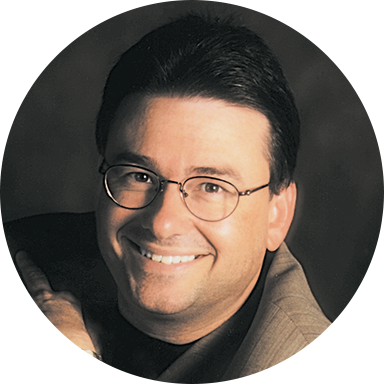
Joseph M. Martin studied piano performance at Furman University and earned his master's degree from the University of Texas at Austin, where he later taught in the Piano Pedagogy Department for five years. A accomplished solo recitalist and orchestral collaborator, he won the Nina Plant Wideman Competition and performed with the Guadalajara Symphony Orchestra; his recital at Ex-convento del Carman received national broadcast coverage.
Though Martin maintains an active concert career, he has increasingly focused his compositional energy on church music and works for worship settings. His output appears everywhere from Carnegie Hall to regional theaters to countless Sunday services across North America, reflecting his commitment to creating music that serves both artistic and spiritual purposes.
Why we love this
Martin crafts sacred choral writing that feels both musically substantial and genuinely singable, a balance many contemporary composers struggle to achieve. The piece gives your singers something worthy of their preparation time while remaining accessible enough that you're not spending weeks on a single work.
What to expect
A moment of genuine uplift rooted in reverent harmonic language. Martin's writing opens space for the text to resonate while maintaining musical interest throughout, creating the feeling of a prayer set to music that feels both contemplative and affirming.
Who it's for
Choirs with solid sight-reading skills and a comfort with four-part writing will find this octavo rewarding, whether they're a church choir, community ensemble, or high school group. The piece works for directors seeking substantial sacred material that respects their singers' abilities without requiring advanced or unusual vocal demands.
How to get the most out of it
Balance the overall texture by having sopranos and altos resist the urge to dominate; the piece thrives when all four parts carry equal weight through the harmonic progression.
Take time establishing the opening emotional tone before your singers settle into the tempo, allowing the initial phrase to breathe rather than rushing into the text.
Mark places where the texture thickens or thins and rehearse those transitions so shifts in voicing feel intentional rather than accidental.
How to use it
Pair this with lighter opening numbers for a concert structure that builds emotional weight, or anchor a sacred-focused service with it as the centerpiece. It has enough substance to program solo but also works as part of a larger narrative arc exploring themes of hope and transformation.
Skills your students will build
Four-part harmonic awareness and voice independence
Diction clarity across longer sustained passages
Dynamic control while maintaining line integrity
Textual expression in sacred context
You May Also Like
Scan to Complete Your Purchase
Use your phone's camera to scan the code below
You'll log in on your phone and the order will be added to your account