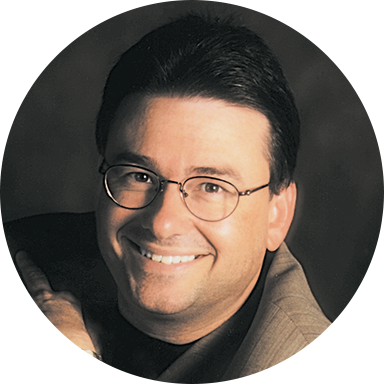
Joseph M. Martin studied piano performance at Furman University and earned his master's degree from the University of Texas at Austin, where he also taught in the Piano Pedagogy Department for five years. A competition winner and performing artist with orchestras across the United States and Mexico, he has recorded recitals broadcast nationally and performed at venues ranging from Carnegie Hall to hundreds of churches throughout North America. Martin has built a dual career as both concert pianist and church musician, channeling his performance experience into a prolific body of compositions and arrangements that span classical and sacred traditions.
Based in Austin, Texas, Martin continues performing while focusing increasingly on church music and musician conferences. His catalog reflects deep knowledge of both instrumental and vocal writing, with works heard in concert halls, theaters, and worship spaces across the continent.
Why we love this
Martin and Angerman craft an arrangement that respects the hymnic simplicity of the text while adding harmonic and textural interest that keeps singers engaged across all four voices. The two-page format makes this manageable for rehearsal without sacrificing the dignity the subject matter deserves.
What to expect
The arrangement opens with a sense of gathering and communal voice, inviting singers and listeners into a moment of affirmation. The harmonic language feels rooted in hymnody yet allows moments of expressive warmth that elevate the text beyond rote familiarity.
Who it's for
This octavo works well for choirs seeking authentic sacred repertoire that doesn't demand extensive rehearsal time. It suits programs that include both traditional hymn texts and contemporary interpretations of faith-based material.
How to get the most out of it
Balance the soprano line so it carries the melody without overshadowing the inner voices, which contain essential harmonic color.
Shape each phrase toward its natural cadence rather than treating the arrangement as a series of isolated moments.
Consider how tempo affects the proclamatory quality of the text; a measured pace lets the words land without sacrificing forward motion.
How to use it
Place this alongside other sacred works in a concert focused on texts of praise and affirmation, or pair it with congregational hymn singing as a choral interjection that enriches the collective worship experience. Its concise length makes it ideal for adding to programs where time is limited but impact must be immediate.
Skills your students will build
Balancing four-part SATB writing with clear voice leading
Shaping hymnic melody with musical intent rather than mechanical phrasing
Sustaining ensemble blend across longer held tones
You May Also Like
Scan to Complete Your Purchase
Use your phone's camera to scan the code below
You'll log in on your phone and the order will be added to your account