Life in the Bubble Cover Image

Life in the Bubble: Jazz Ensemble Conductor Score

$14.00 USD
Sale price  $14.00 USD Regular price 
Skip to product information
Life in the Bubble Cover Image

Life in the Bubble: Jazz Ensemble Conductor Score

As Recorded by Gordon Goodwin's Big Phat Band

By Gordon Goodwin

Grade: 6 (Professional / Very Advanced)

Item: 00-43702S

$14.00
Shipped

One moment…

Description
This is the title track chart from Gordon Goodwin's GRAMMY® Award-winning 2014 CD Life in the Bubble. This plays at around 96 BPM with swing sixteenths. Solo space is provided for all saxes, trumpet 3, and trombone 1. The lead trumpet range is up to written high G, and there is soprano sax lead and a few modulations. Yeah---it's got some tricky spots---but it's worth the work! (2:50)

Life in the Bubble: Jazz Ensemble Conductor Score isn't in MakeMusic Cloud just yet...but it could be. Let us know you'd like to see it, and you'll help shape what comes next. In the meantime, start a free trial and dive into thousands of interactive titles your students can play along with today.

Sample Pages

Sample Audio
No sample audio found.
Sample Video
Additional Details
Series: Gordon Goodwin Series
Publisher: Alfred Music
Page Count: 28
UPC: 038081498799
SKU: 00-43702S

More about this title

About the Composer: Gordon Goodwin
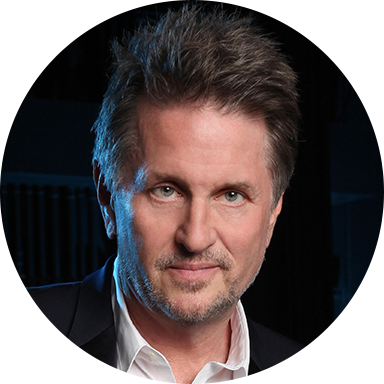
Gordon Goodwin

Gordon Goodwin's compositional voice emerged early and fully formed. At five years old, he was already transcribing complete works from memory, not fragments or single melodies but fully realized compositions. By thirteen, he had written his first big band chart, "Hang Loose," setting him apart as a prodigy in jazz arranging. This gift for orchestration and melodic invention caught the attention of Hollywood's music supervisors, launching a parallel career in film and television scoring that earned him three Emmy Awards and multiple Grammy nominations.

Over three decades, Goodwin has composed and arranged for everyone from Ray Charles to Christina Aguilera, written orchestrations for major motion pictures including "Bad Boys II," "Remember the Titans," and "Armageddon," and conducted world-class symphony orchestras across North America and Europe. Since 2000, he has channeled these gifts as the leader of Gordon Goodwin's Big Phat Band, a Los Angeles-based ensemble that has become a Grammy-winning force in contemporary big band jazz. His catalogue combines the precision and cinematic scope of film scoring with the swagger and improvisational tradition of jazz.

Why we love this

This is the exact chart that won a Grammy in the hands of one of the best big bands in the world, and now your ensemble can own it. Goodwin writes with orchestral sophistication and genuine humor; the chart feels composed, not patched together from solos and changes. The solo spaces are generous and clearly voiced, giving your strongest players room to shine while the section writing behind them is detailed enough to keep the band engaged.

What to expect

Urbane and propulsive, with the kind of orchestral polish that reminds you Goodwin writes for film. The groove is steady and mid-tempo, swinging but not burning, which leaves room for soloists to breathe and for section writing to shimmer. There's sophistication in the voicings and a genuine sense of forward momentum that makes the piece feel both composed and alive.

Who it's for

Jazz ensembles at the advanced high school, college, or semi-professional level ready to tackle substantial orchestration and strong soloists. Your lead trumpet needs secure range up to written high G, and your sax section should include a competent soprano player. This is a concert or festival feature, not an opener.

How to get the most out of it

  • Lock the swing sixteenth feel early in rehearsal and keep it consistent throughout. The piece sits at 96 BPM, so the sixteenth subdivision should feel relaxed and grounded, not rushed. Run sectional time with just the rhythm section before putting the full band together.
  • Map out the modulations with your lead players before full-ensemble rehearsals. Trumpet 3 and trombone 1 have significant solo responsibilities, and knowing where the key centers shift will help them pitch their lines confidently.
  • Balance the soprano sax lead carefully against the full ensemble sections. Goodwin writes thick, multi-layered backgrounds, so the soprano needs to cut through without forcing or overshooting the top end of its range.
  • Treat this as a listening assignment first. Have your ensemble study the original recording from the "Life in the Bubble" album. Hearing how the Big Phat Band executes the performance will show your players what's possible and settle any questions about style and phrasing.

How to use it

Close a concert with this. It's a title track from a Grammy-winning album, which gives it natural weight as a showcase piece. Pair it with one or two other Goodwin charts if your library includes them, or place it alongside other contemporary big band repertoire where strong solo voices and modern orchestration are on display. At 2 minutes 50 seconds, it anchors a program without overwhelming the balance.

Skills your students will build

  • Swing sixteenth feel at moderate tempo (96 BPM) with consistent groove
  • Reading and executing modulations in an ensemble context
  • Solo improvisation over chord changes in a thickly voiced ensemble texture
  • High-range trumpet playing in a section and solo setting
  • Soprano saxophone lead voicing and blend with ensemble backgrounds
  • Section balance and dynamics in multi-layered orchestration

You May Also Like