

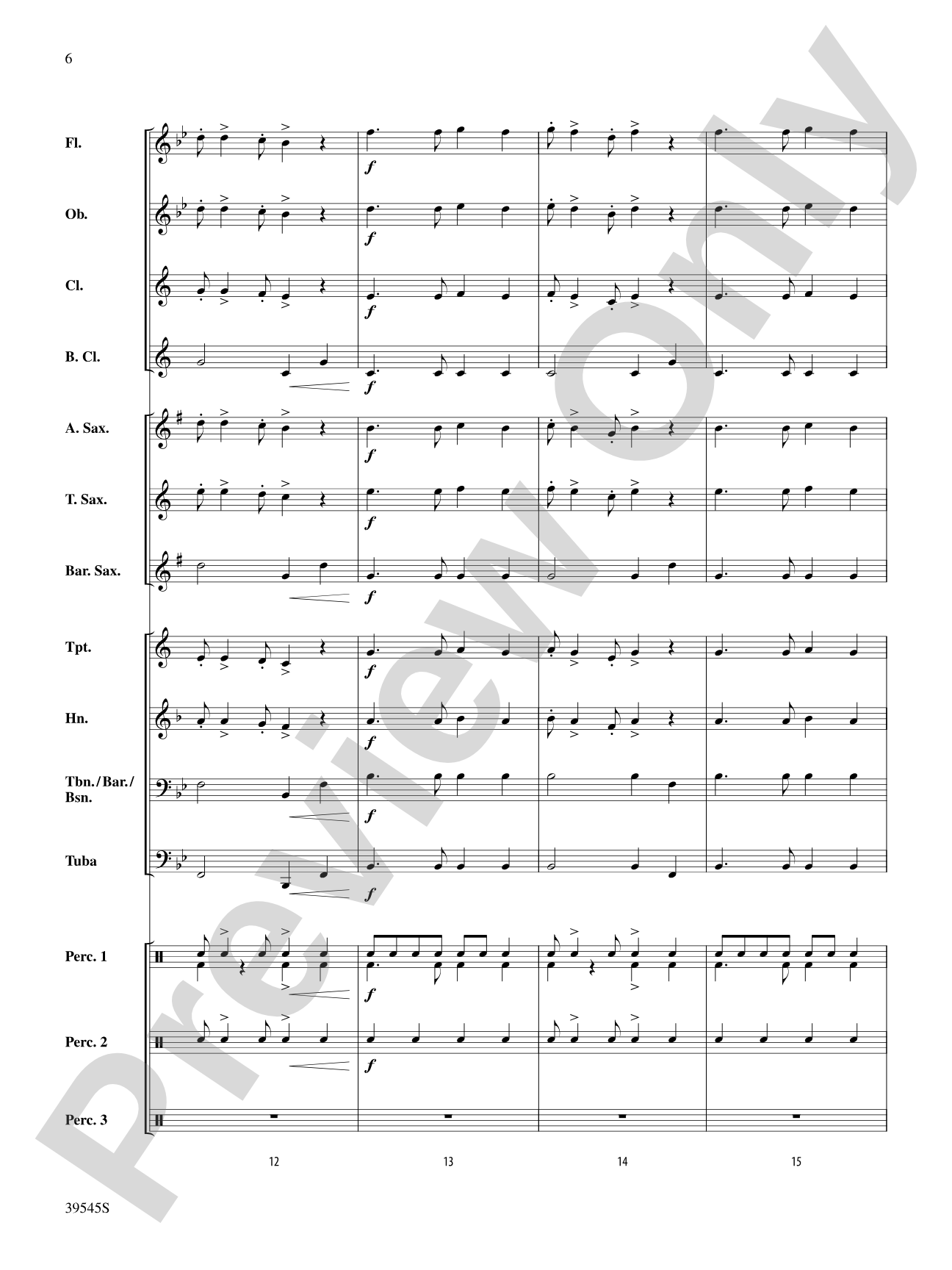
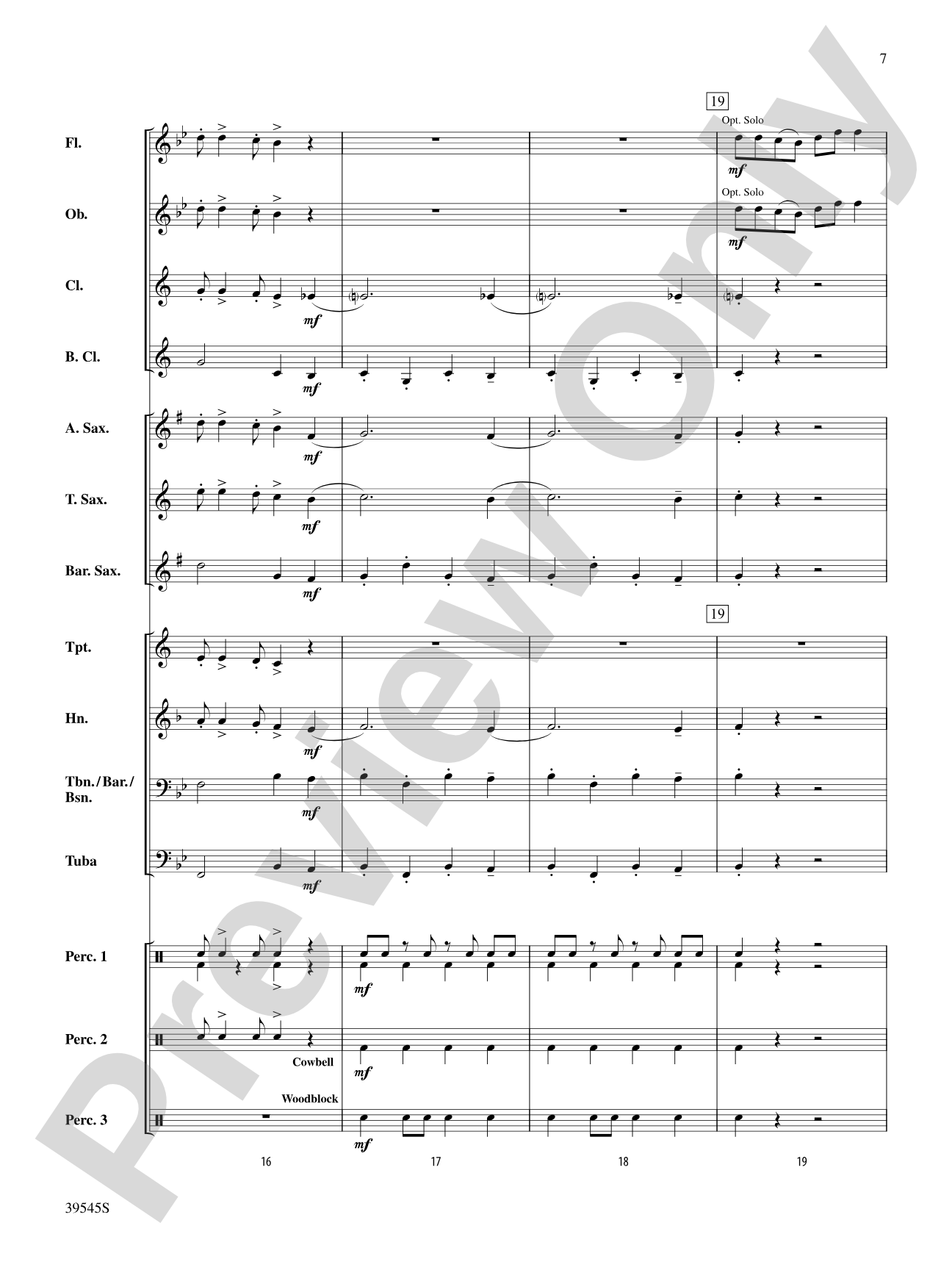
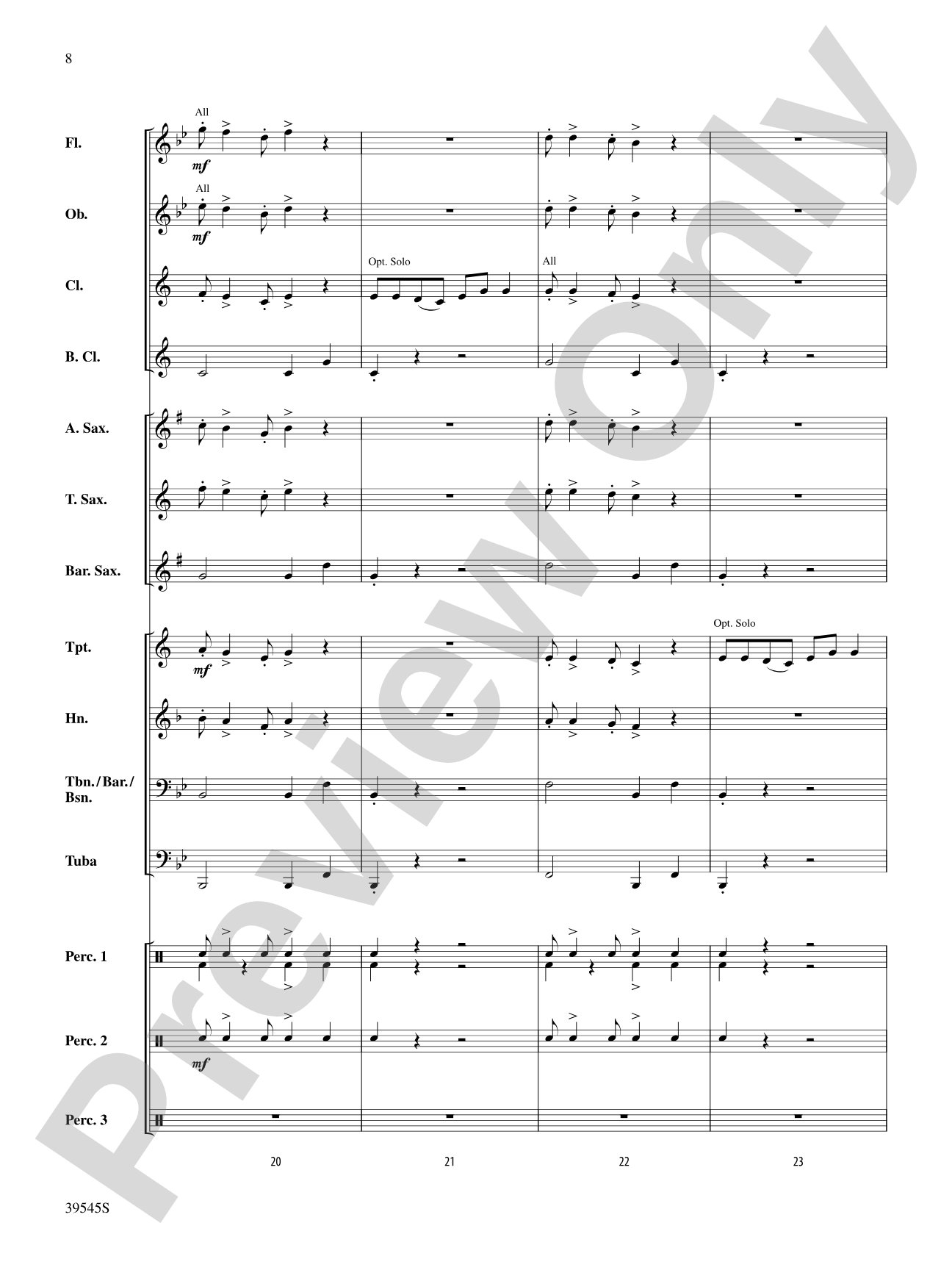
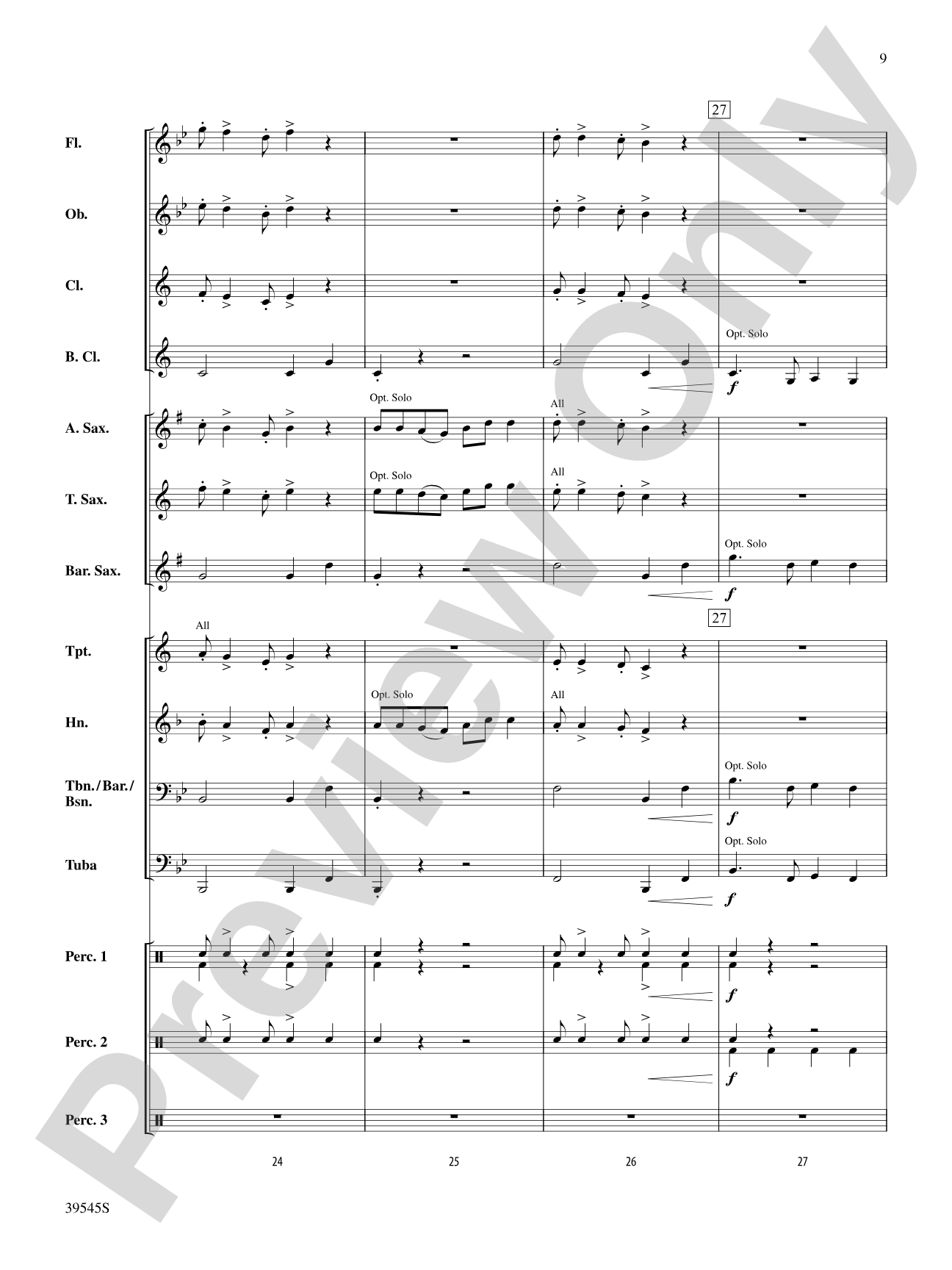
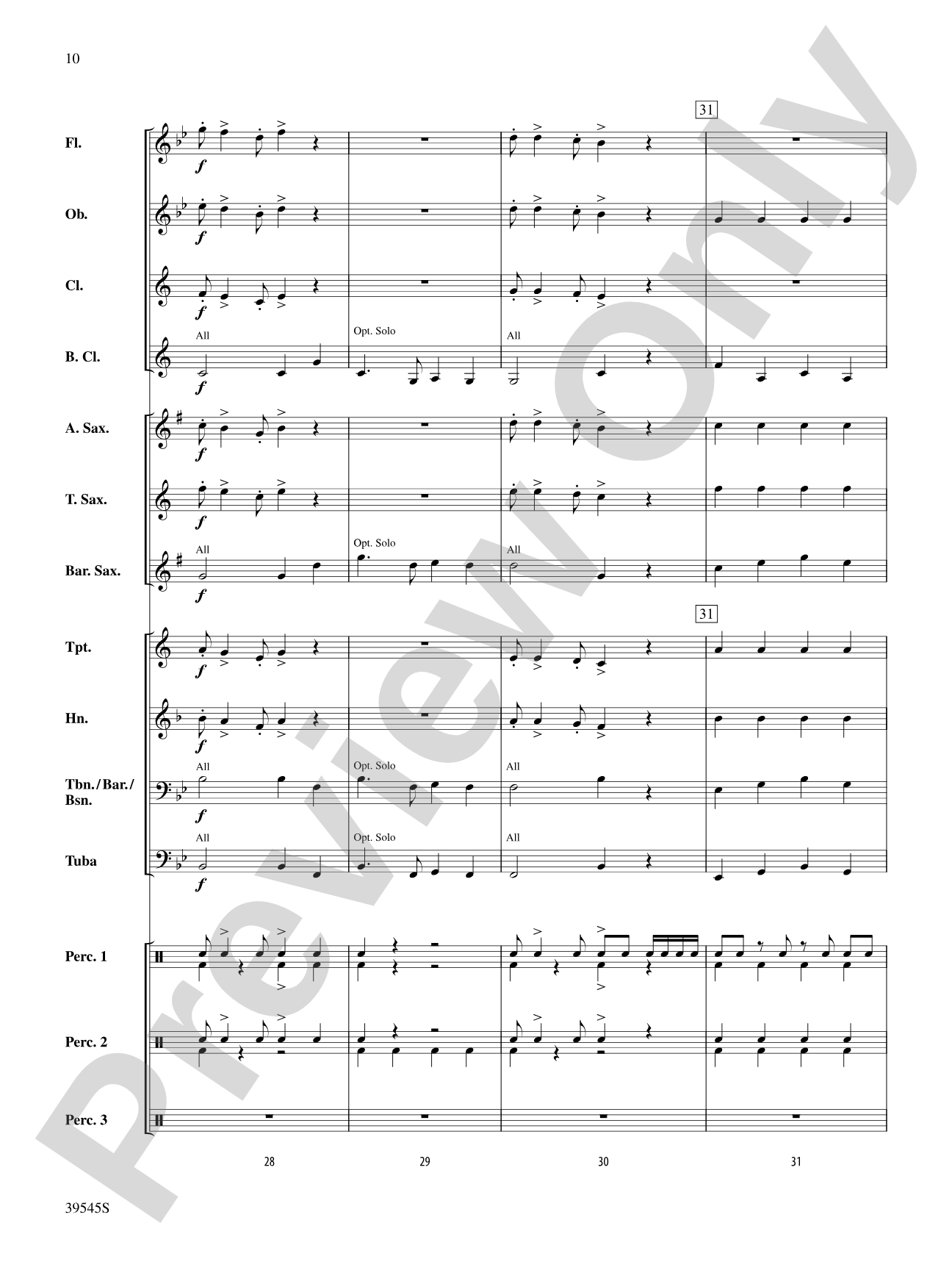
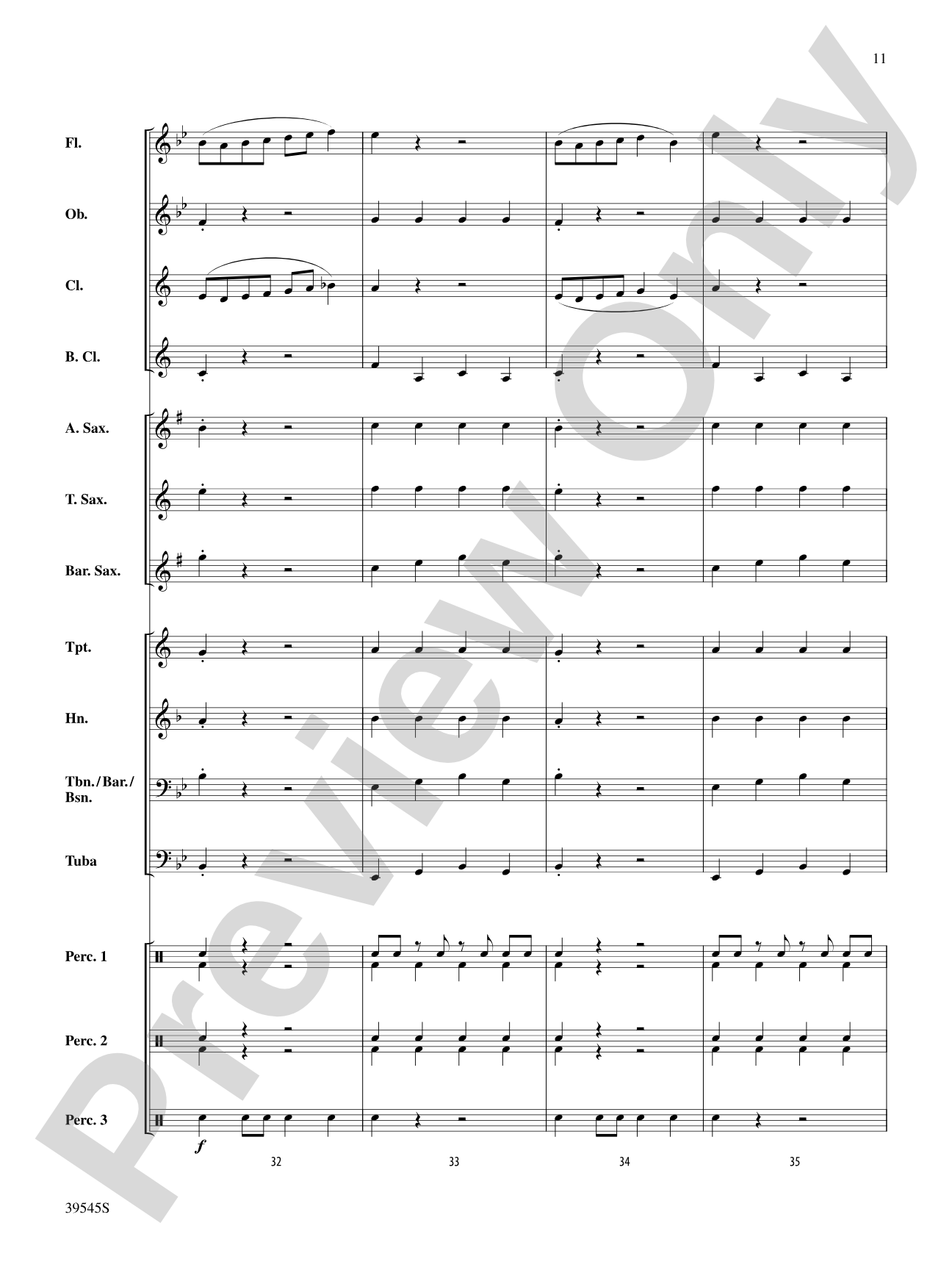
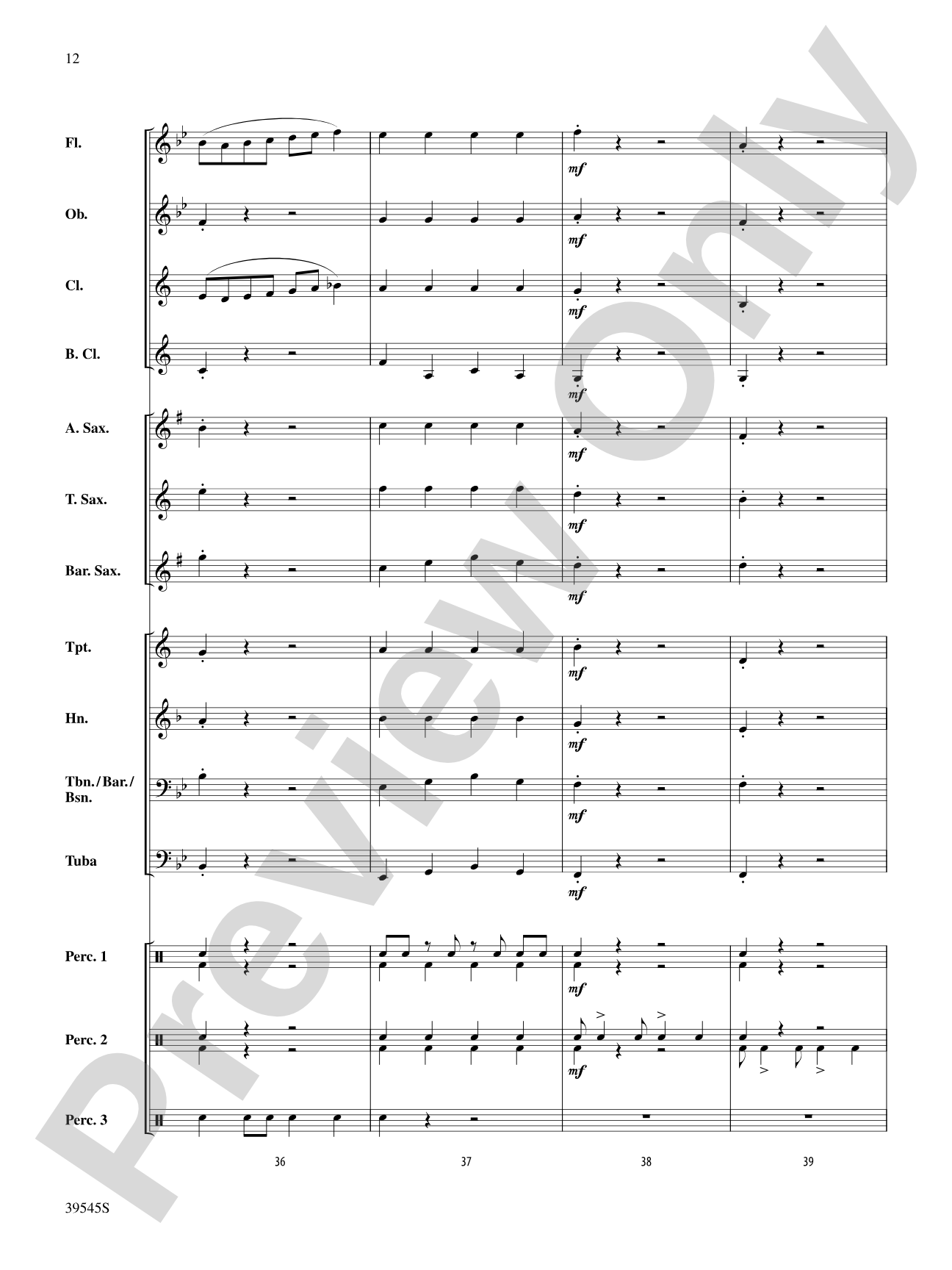
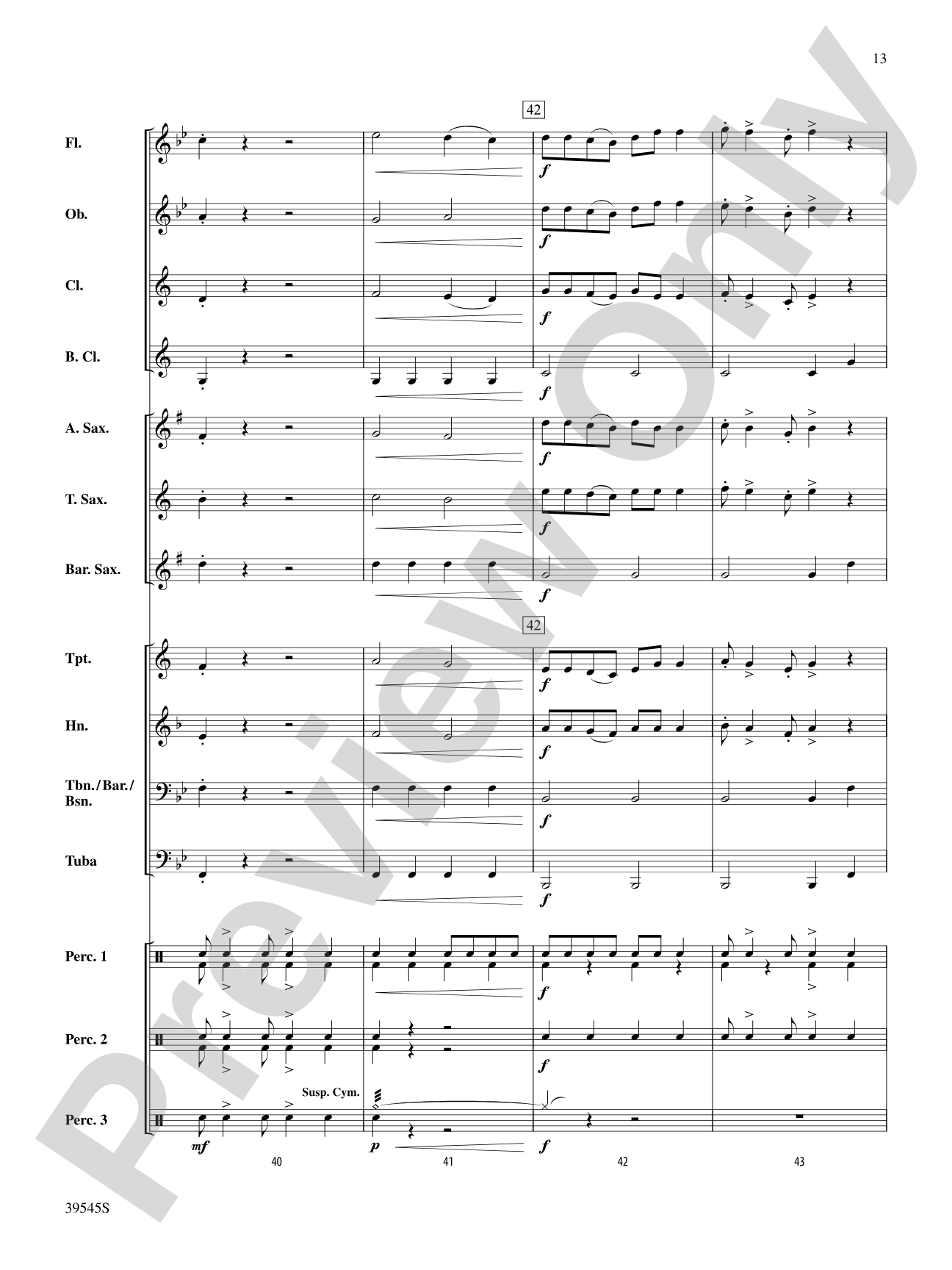
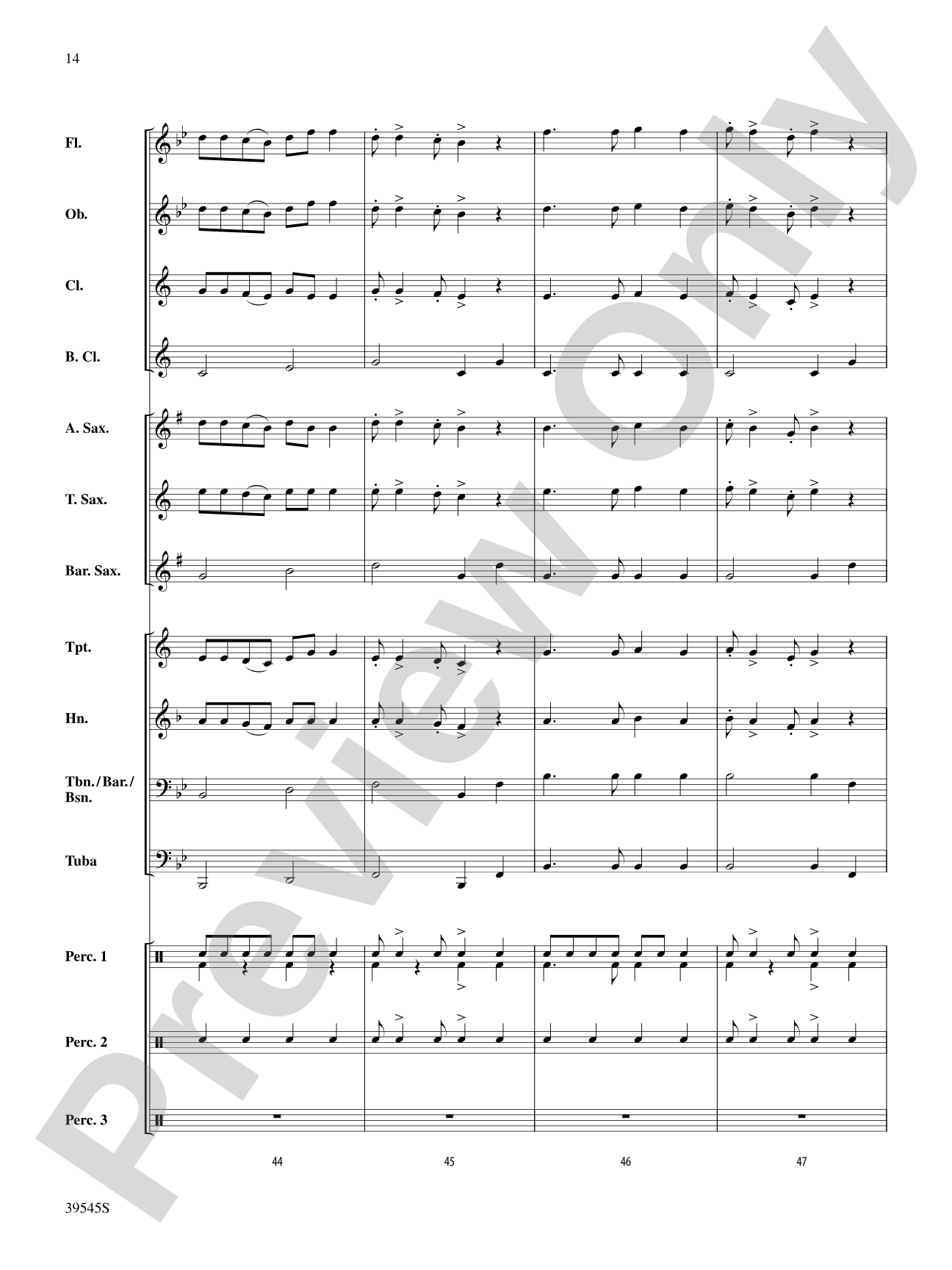
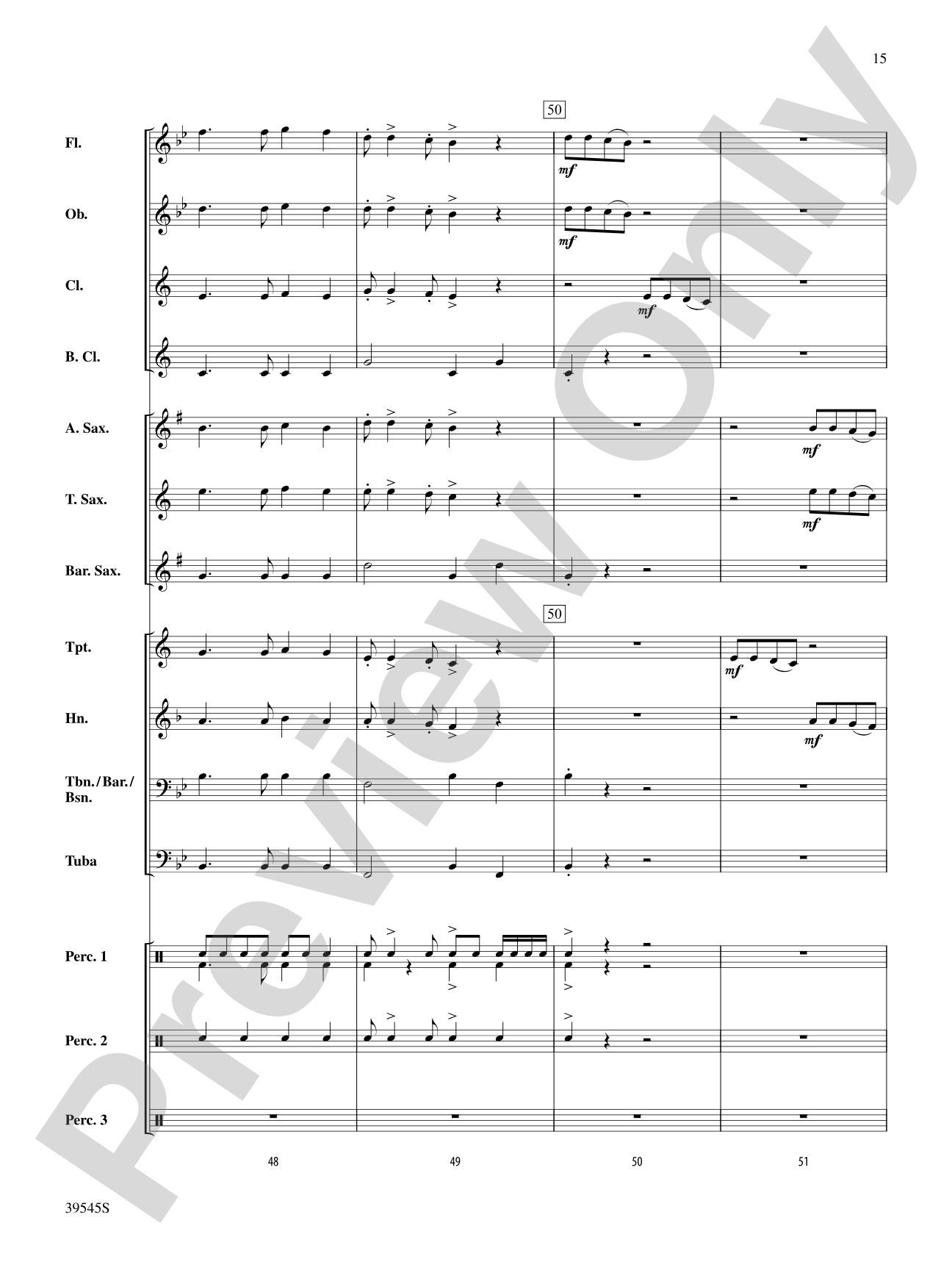
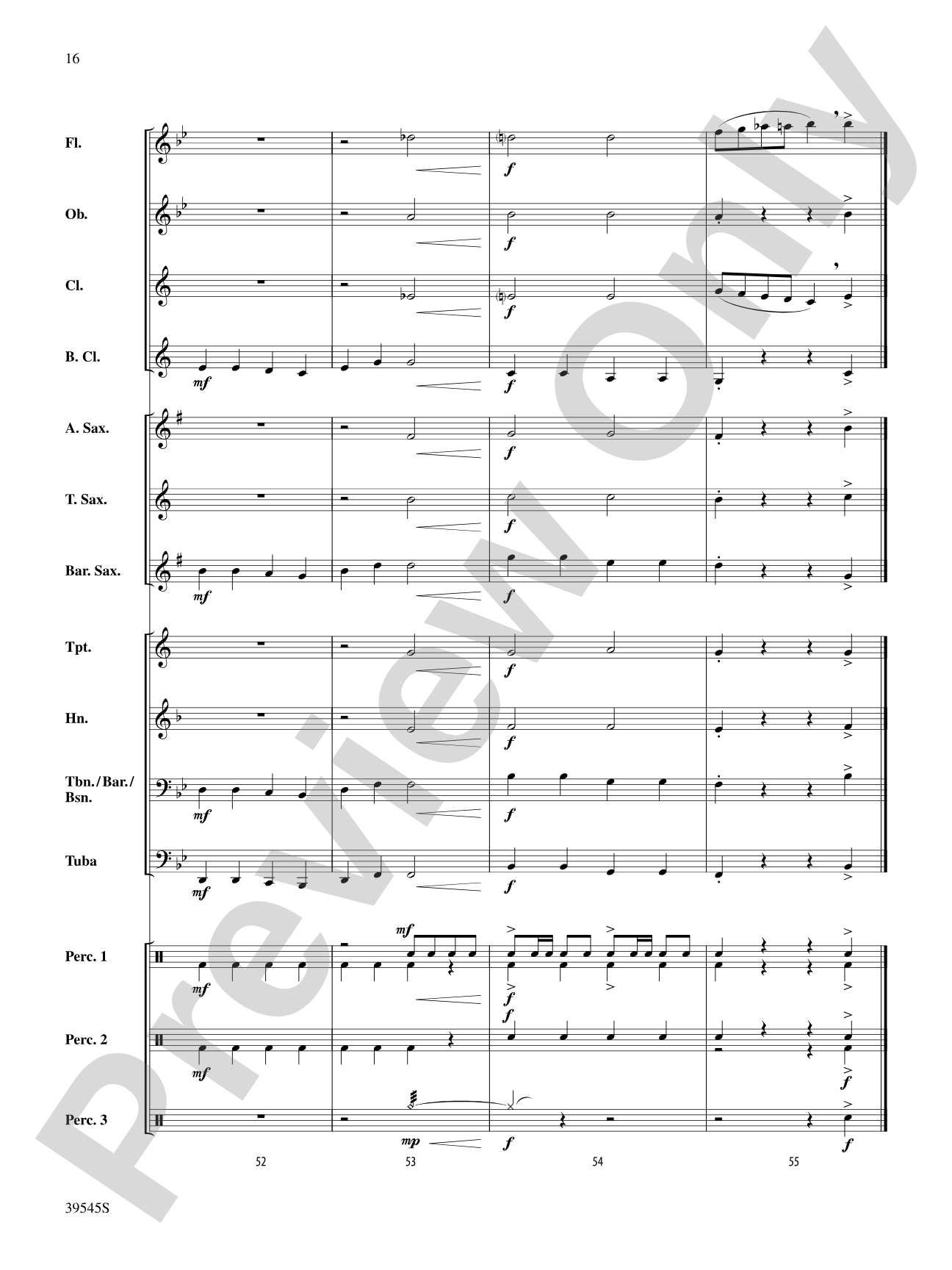

Li'l Liza Jane: Concert Band Conductor Score & Parts
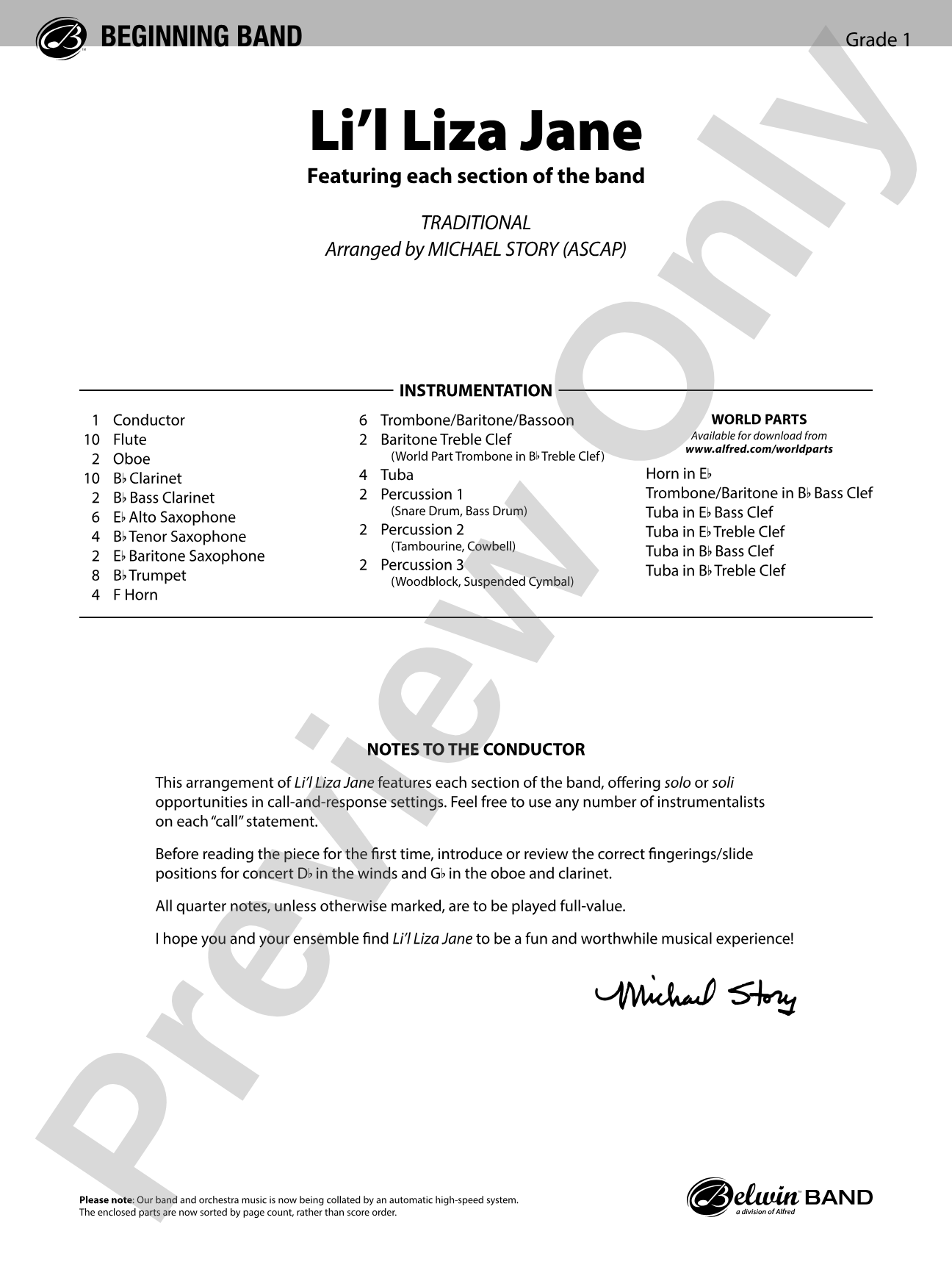
Featuring Each Section of the Band
Traditional / arr. Michael Story
Grade: 1 (Very Easy)
Item: 00-PK-0005606

$51.00
Pickup currently not available
Buy Extra Parts (Digital PDF Download)
| Product | Price | Quantity |
|---|---|---|
| Li'l Liza Jane: Score | $10.00 | |
| Li'l Liza Jane: Flute | $3.00 | |
| Li'l Liza Jane: Oboe | $3.00 | |
| Li'l Liza Jane: 1st B-flat Clarinet | $3.00 | |
| Li'l Liza Jane: B-flat Bass Clarinet | $3.00 | |
| Li'l Liza Jane: E-flat Alto Saxophone | $3.00 | |
| Li'l Liza Jane: B-flat Tenor Saxophone | $3.00 | |
| Li'l Liza Jane: E-flat Baritone Saxophone | $3.00 | |
| Li'l Liza Jane: 1st B-flat Trumpet | $3.00 | |
| Li'l Liza Jane: 1st F Horn | $3.00 | |
| Li'l Liza Jane: 1st Trombone | $3.00 | |
| Li'l Liza Jane: Baritone T.C. | $3.00 | |
| Li'l Liza Jane: Tuba | $3.00 | |
| Li'l Liza Jane: 1st Percussion | $3.00 | |
| Li'l Liza Jane: 2nd Percussion | $3.00 | |
| Li'l Liza Jane: 3rd Percussion | $3.00 |
Parts Added to Cart!
Description
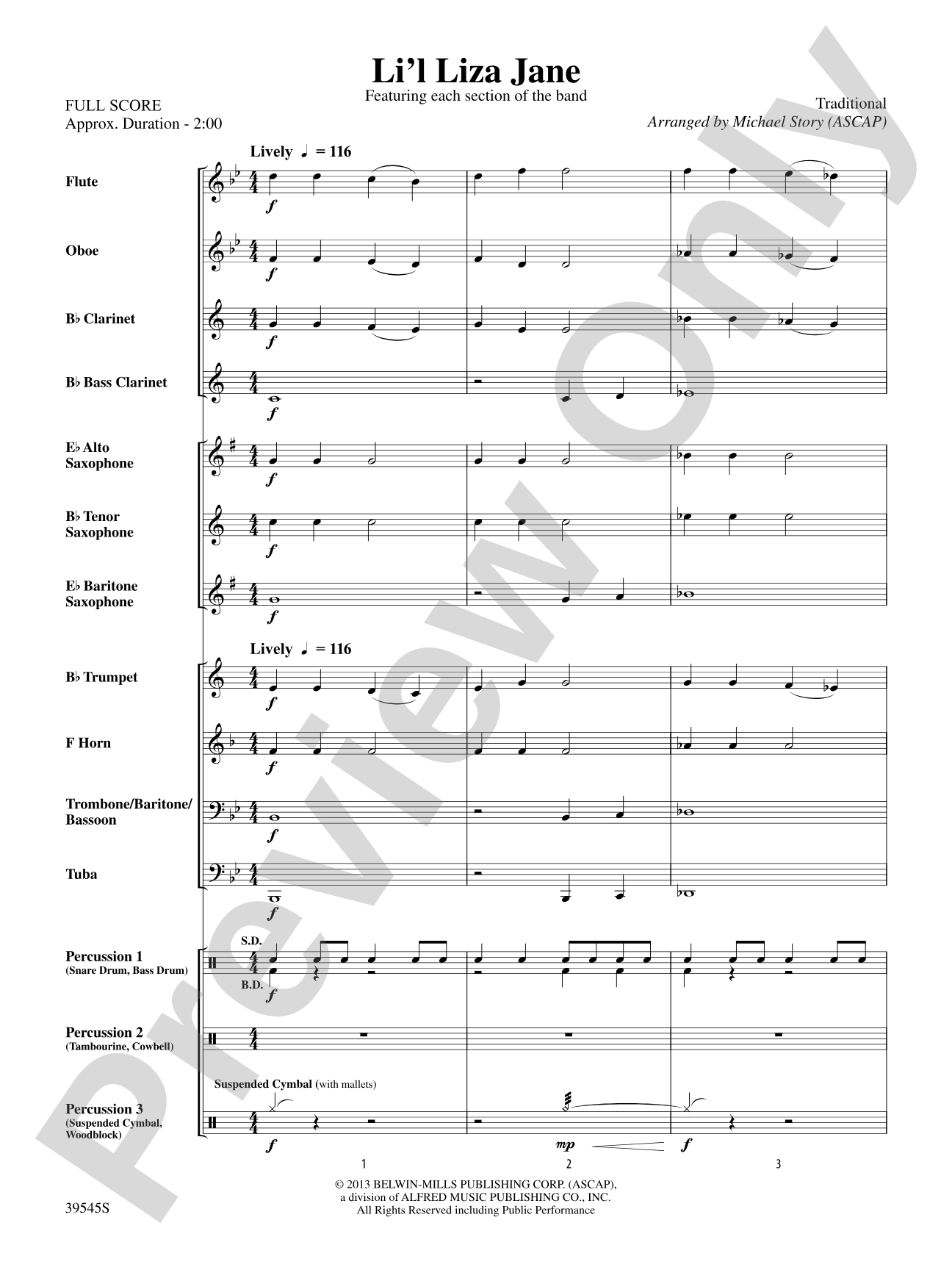
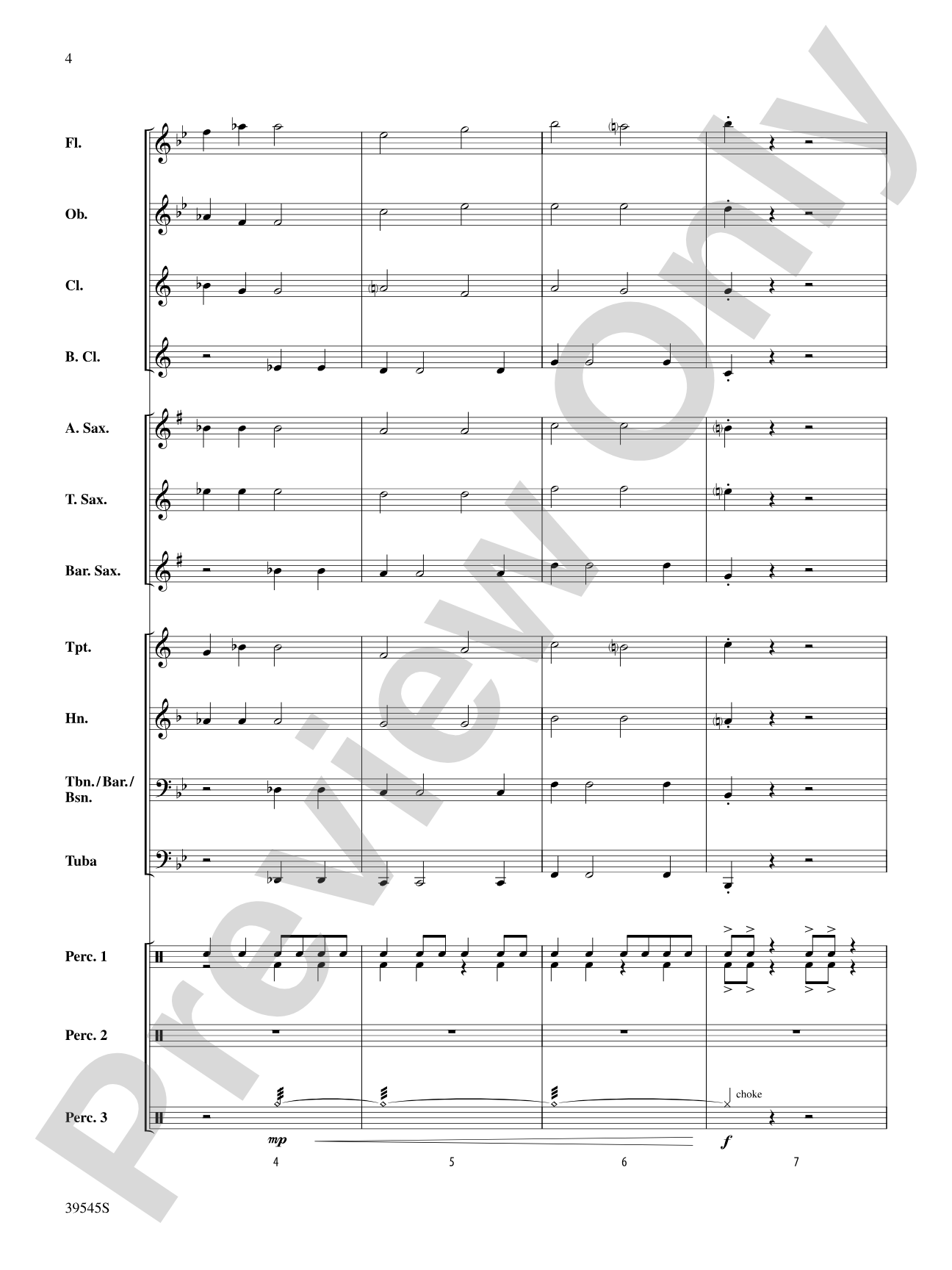
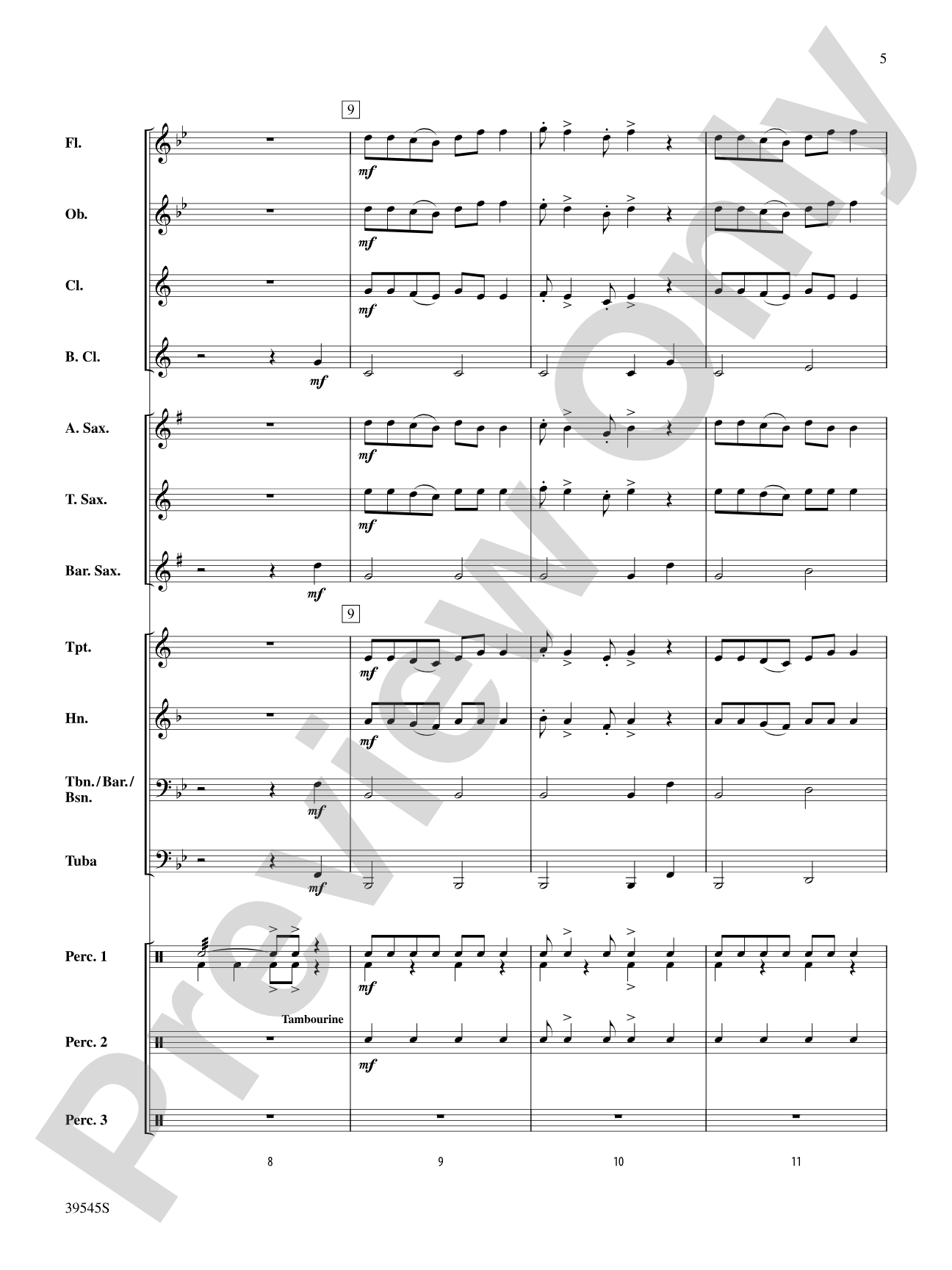
This traditional upbeat melody has been scored to offer the opportunity to feature solo or soli sections for every member of your beginning band. What a tremendous way to feature your graduating students with a little time in the spotlight on their year-end program! (2:00) This title is available in MakeMusic Cloud.


Don't just read it, hear it, play along with it, and watch your students grow with it. In MakeMusic Cloud, Li'l Liza Jane: Concert Band Conductor Score & Parts comes alive with professional accompaniment, adjustable tempo, and built-in practice tools that turn solo practice into real progress.
Open in the Player
Jump straight in and assign it today.
Start Your Free Trial
Open this title and explore the full library in minutes.
Sample Audio
1
Audio File
--:--
0:00
0:00
Sample Video
No sample videos found.
Additional Details
Series:
Belwin Beginning Band
Publisher:
Alfred Music
Page Count:
136
SKU:
00-PK-0005606
More about this title
About the Arranger: Michael Story
Michael Story has established himself as one of the most prolific and respected composers and arrangers for school bands. His output spans beginning through advanced levels, with a particular gift for writing accessible music that never condescends to young players. Story understands the developmental needs of emerging musicians and crafts arrangements that teach fundamental skills while remaining genuinely enjoyable to perform.
Why we love this
Story's arrangement transforms a folk standard into a genuine ensemble feature piece. Every section gets a meaningful moment in the sun, not just a token moment, which makes this especially valuable for year-end concerts where you're celebrating the entire band's growth rather than showcasing soloists. The Grade 1 difficulty keeps the focus on individual musicianship and confidence rather than technical wrestling.
What to expect
Warm, celebratory, and genuinely fun. The traditional melody carries real character without sounding precious or overly sentimental. As different voices step forward, there's a sense of genuine collaboration and camaraderie that reflects what beginning bands are building together.
Who it's for
Beginning band directors seeking a meaningful way to recognize graduating or promoted students at a year-end performance. This works equally well for bands with steady fundamentals, since every section gets the chance to shine and the arrangement supports rather than exposes weaknesses.
How to get the most out of it
- Balance solo sections carefully so each featured player projects without needing to push beyond their natural range or breath control.
- Use the ensemble sections to anchor rhythmic stability for the soloists. A steady, supportive full-band groove makes individual players sound more secure.
- Shape the dynamics across all the solo moments so the piece builds energy as it moves through different voices. Avoid treating each feature as its own isolated event.
- Keep the tempo steady and conversational. This melody needs room to breathe, and rushing undermines the charm of individual voices.
How to use it
Place this toward the middle or end of your year-end concert when the audience has settled in and your musicians have warmed up. Its upbeat spirit and quick duration make it ideal for transition moments, and the individual features give parents and families a clear window into hearing their own student's voice within the ensemble.
Skills your students will build
- Playing with confidence and clarity as a featured soloist
- Maintaining steady tempo while accompanying other voices
- Balancing individual tone production with ensemble blend
- Following the conductor's cues and releases across multiple section features
- Listening to and supporting ensemble members during solo passages