
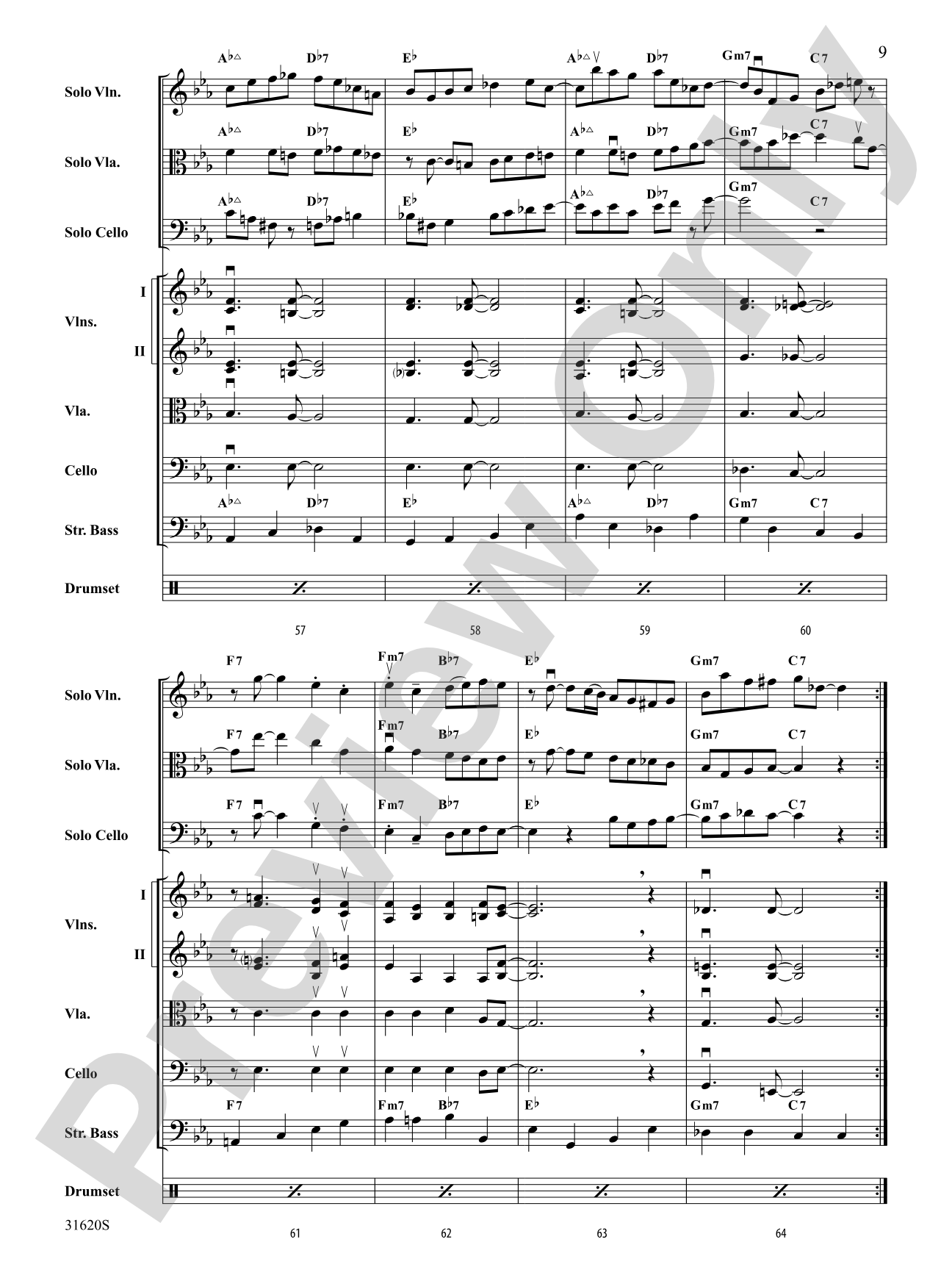
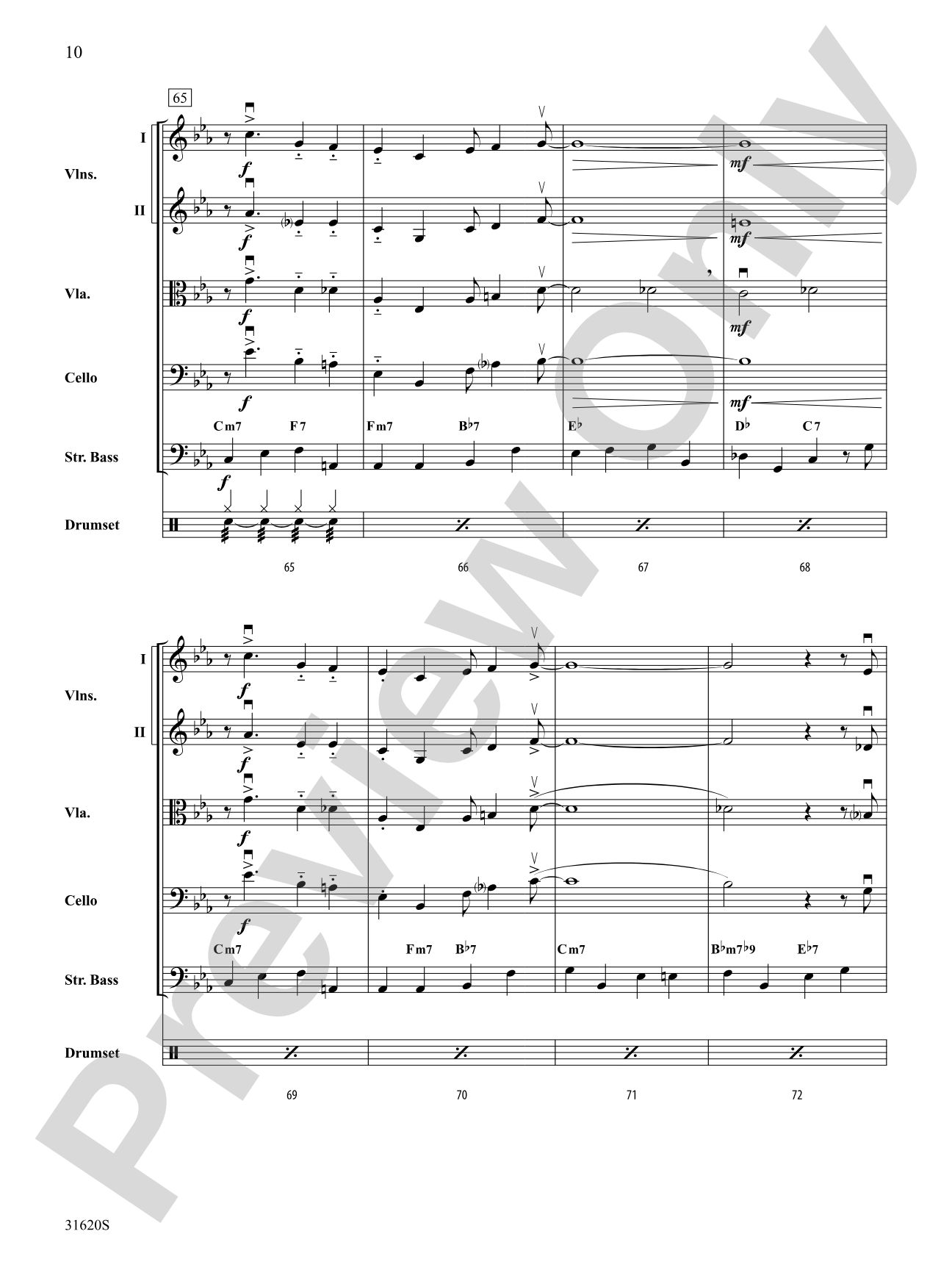
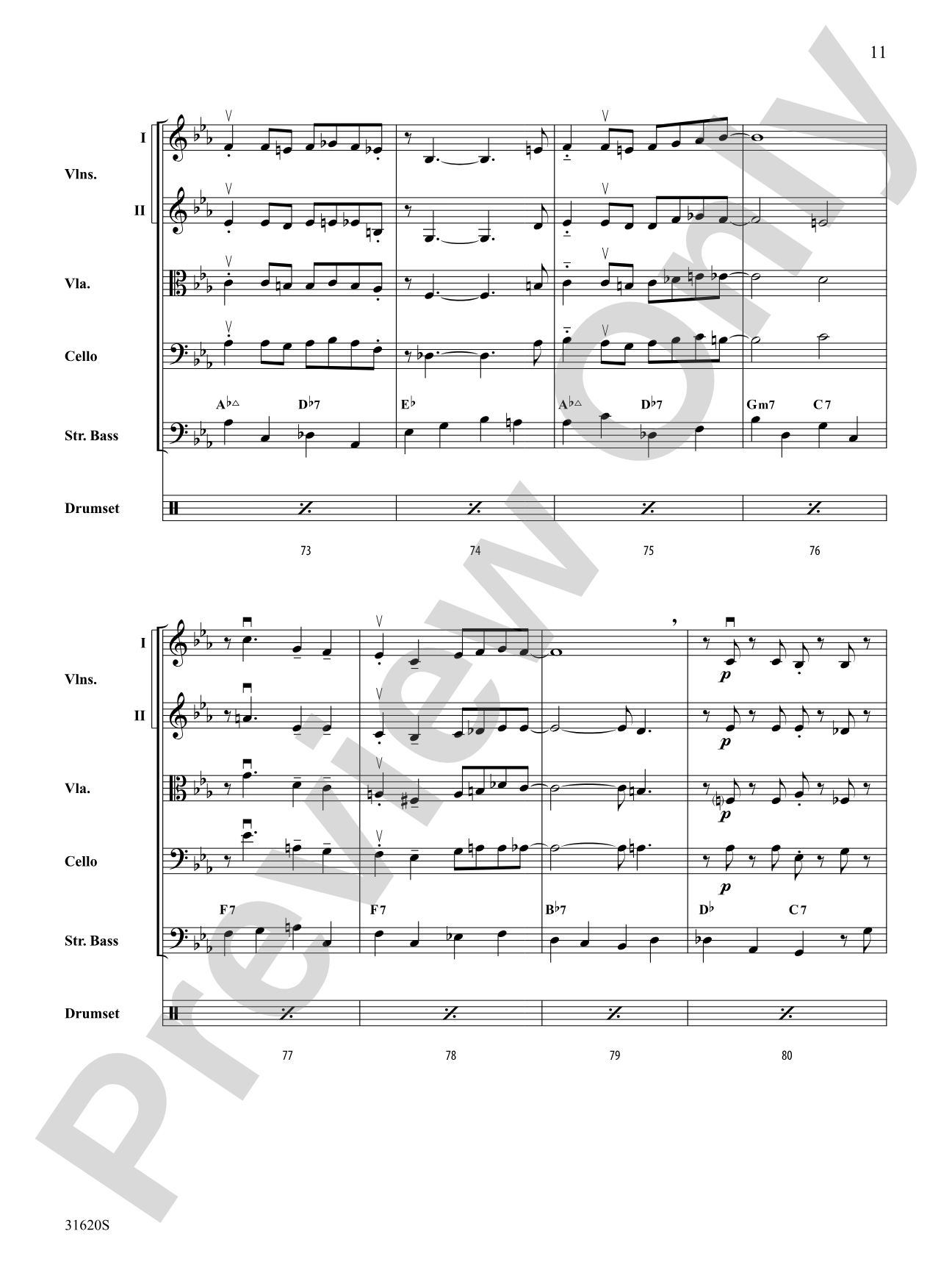
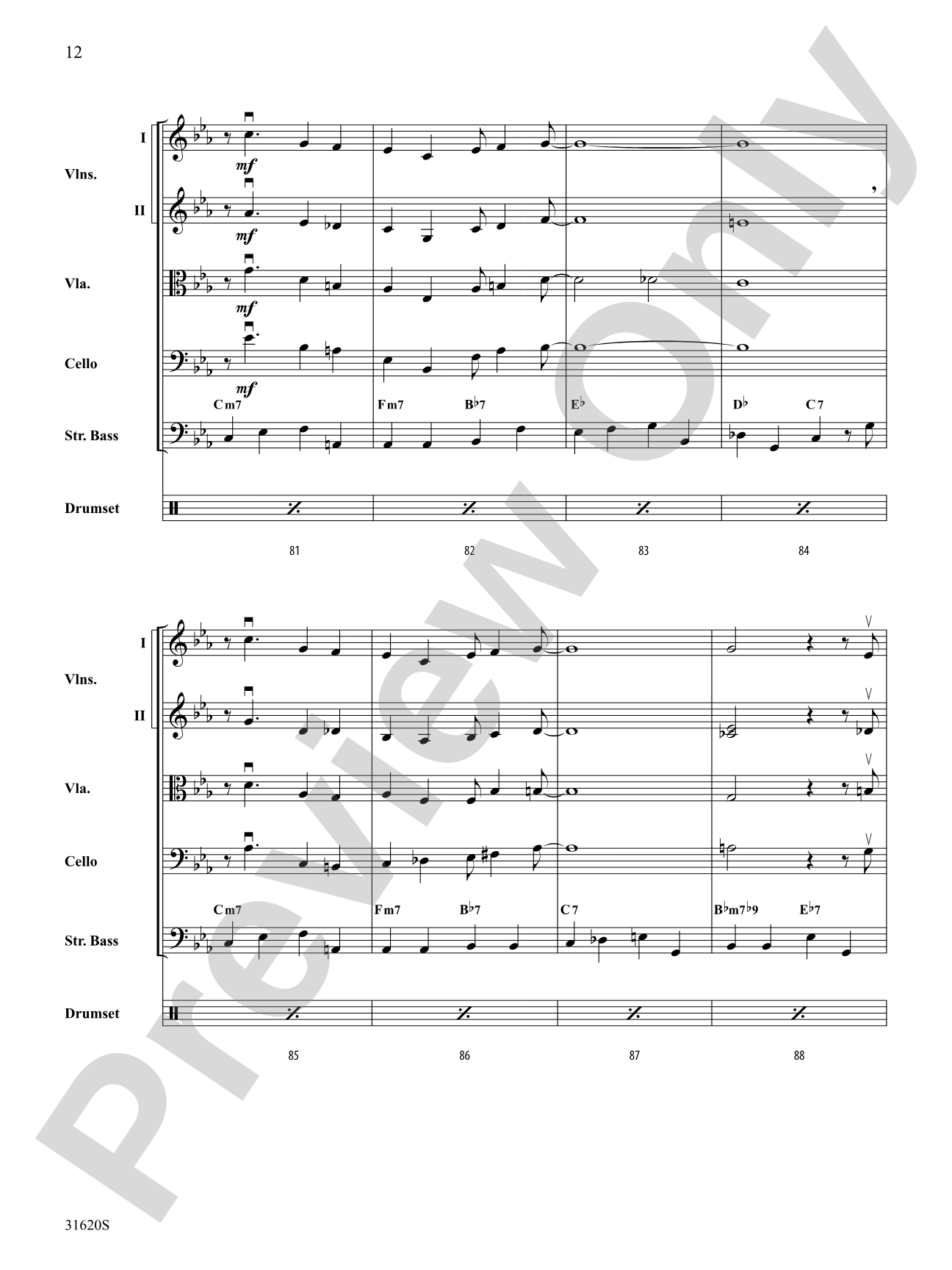
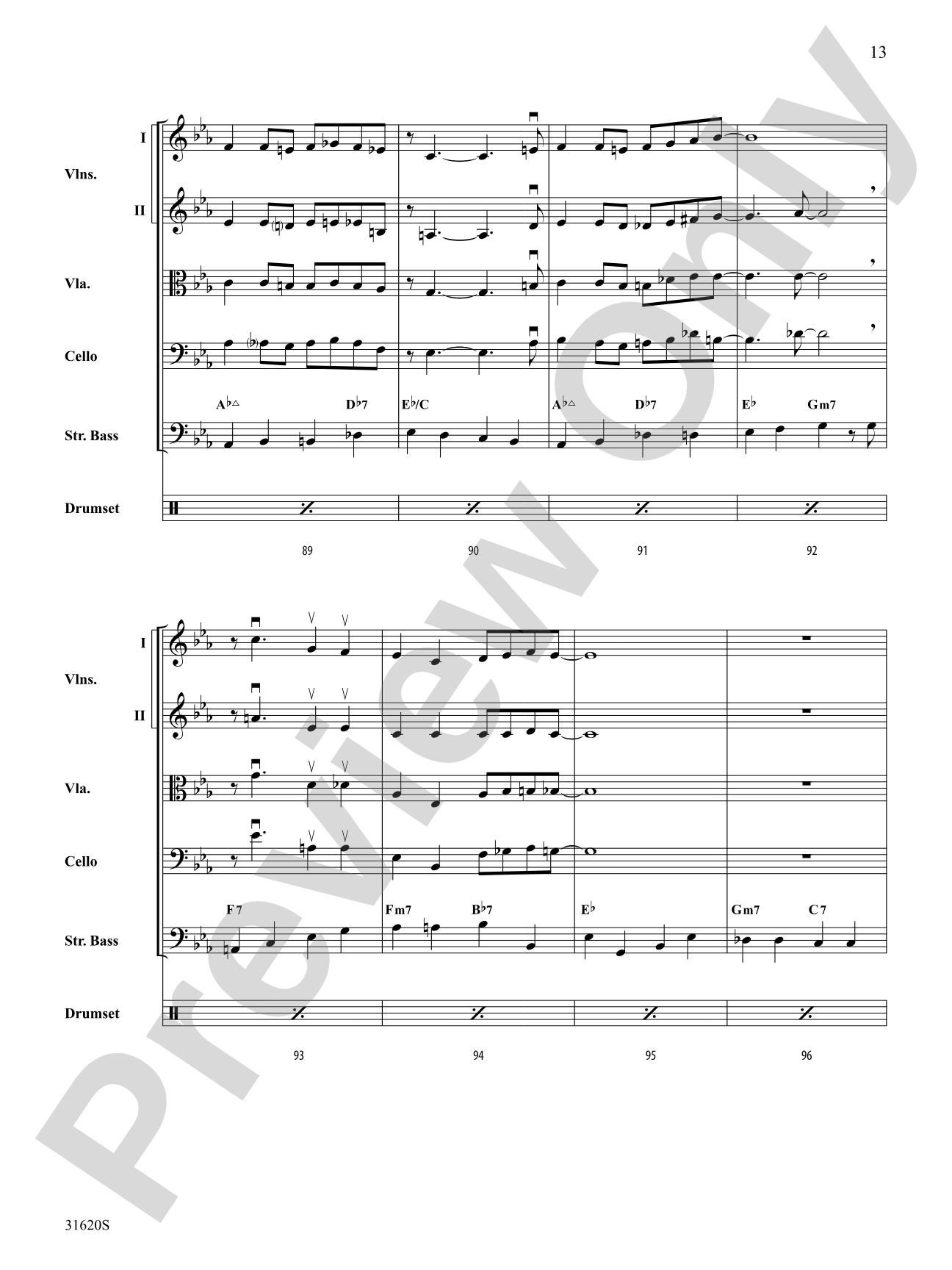
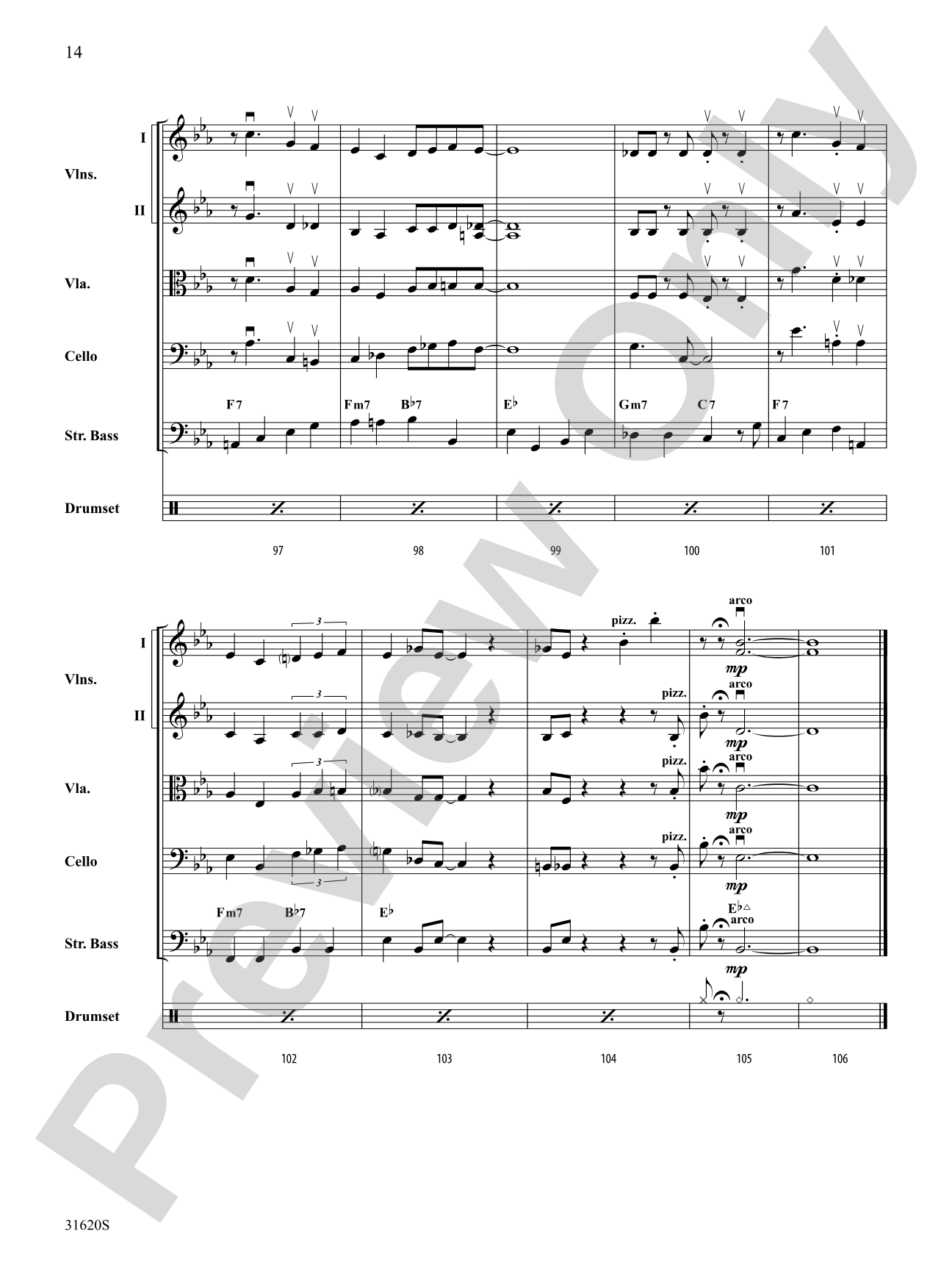



Li'l Darlin': String Orchestra Conductor Score & Parts
By Neal Hefti / arr. Darol Anger
Grade: 3
Item: 00-PK-0001790

$56.00
One moment…
Description
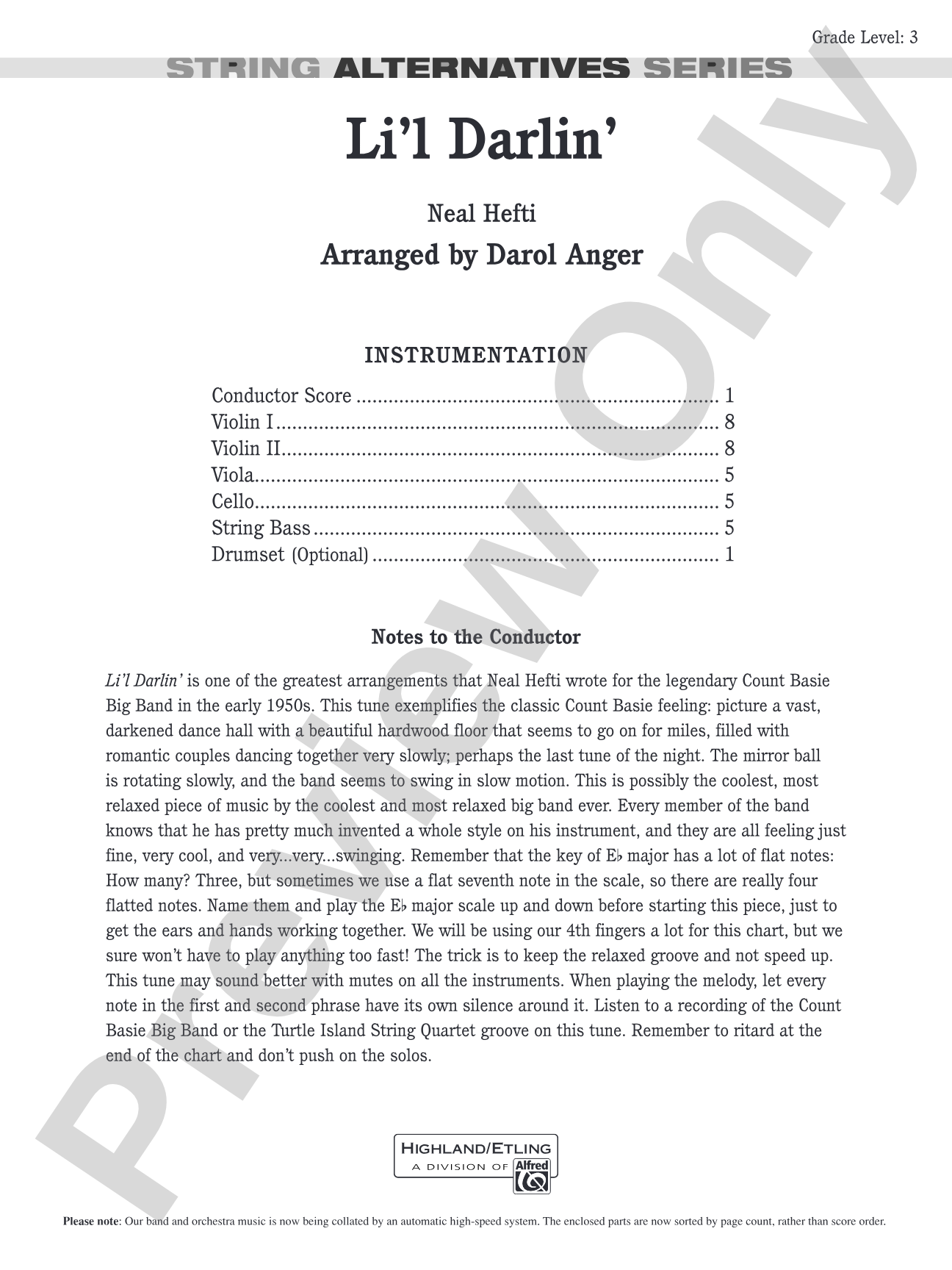
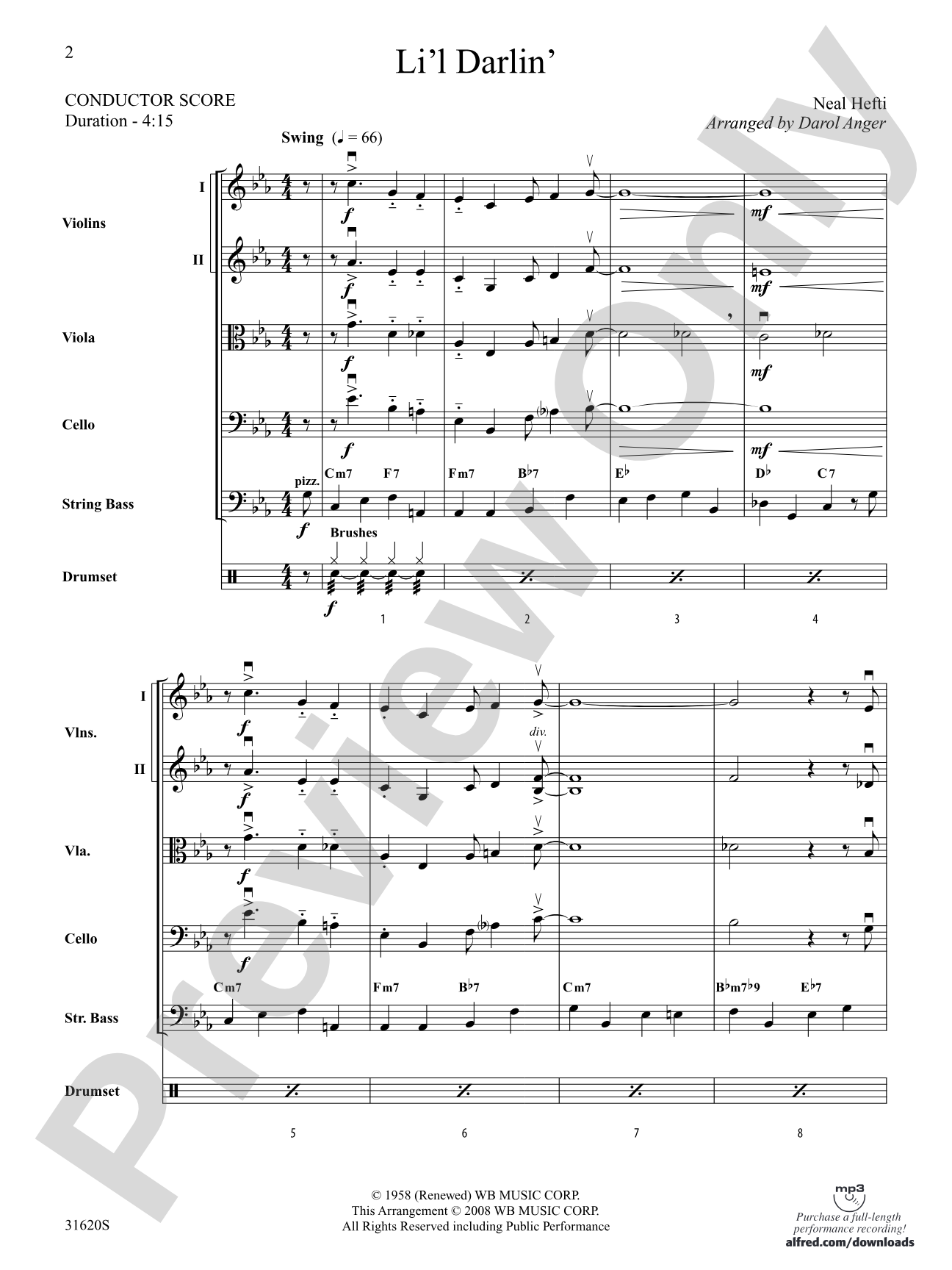
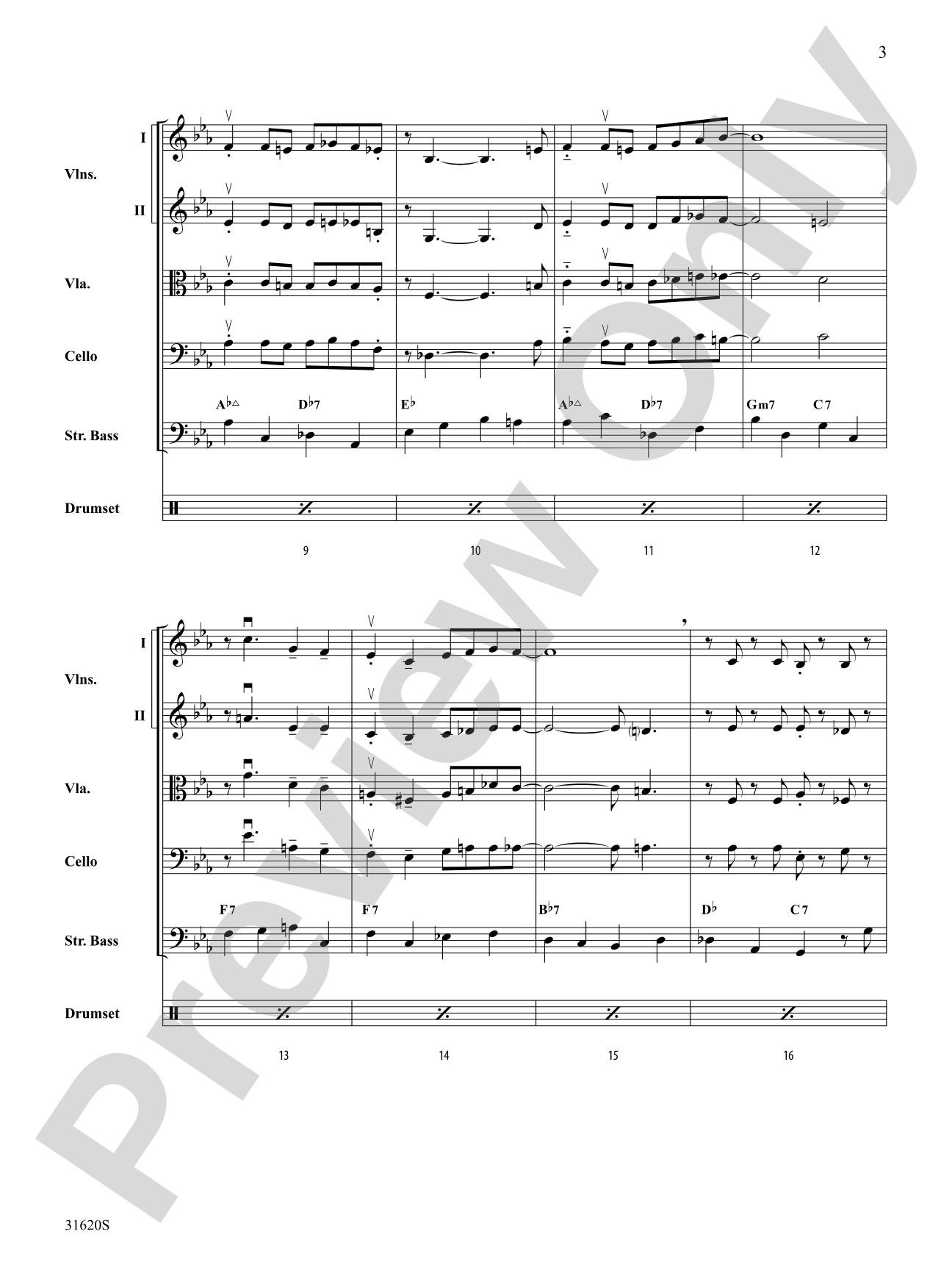
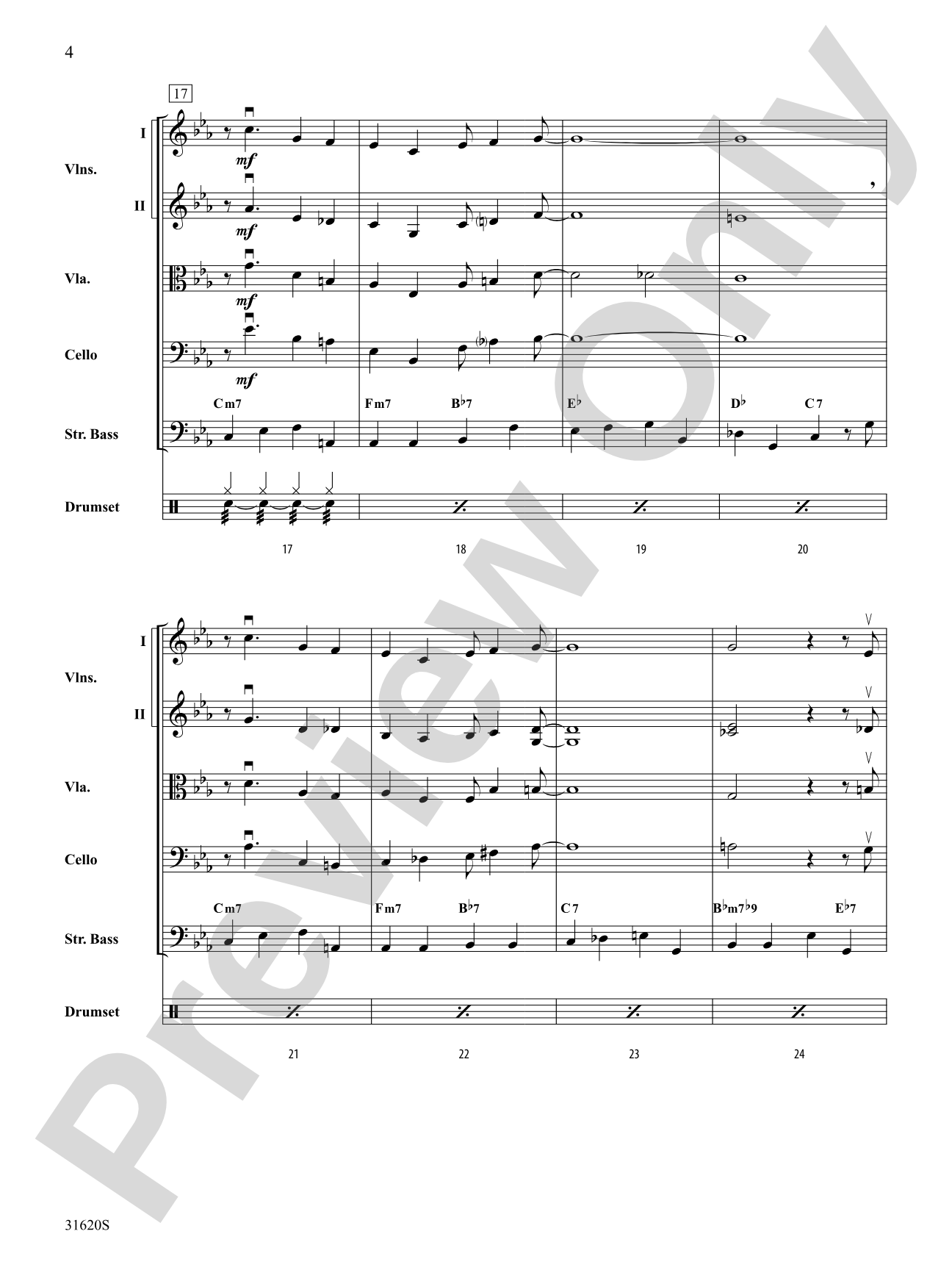
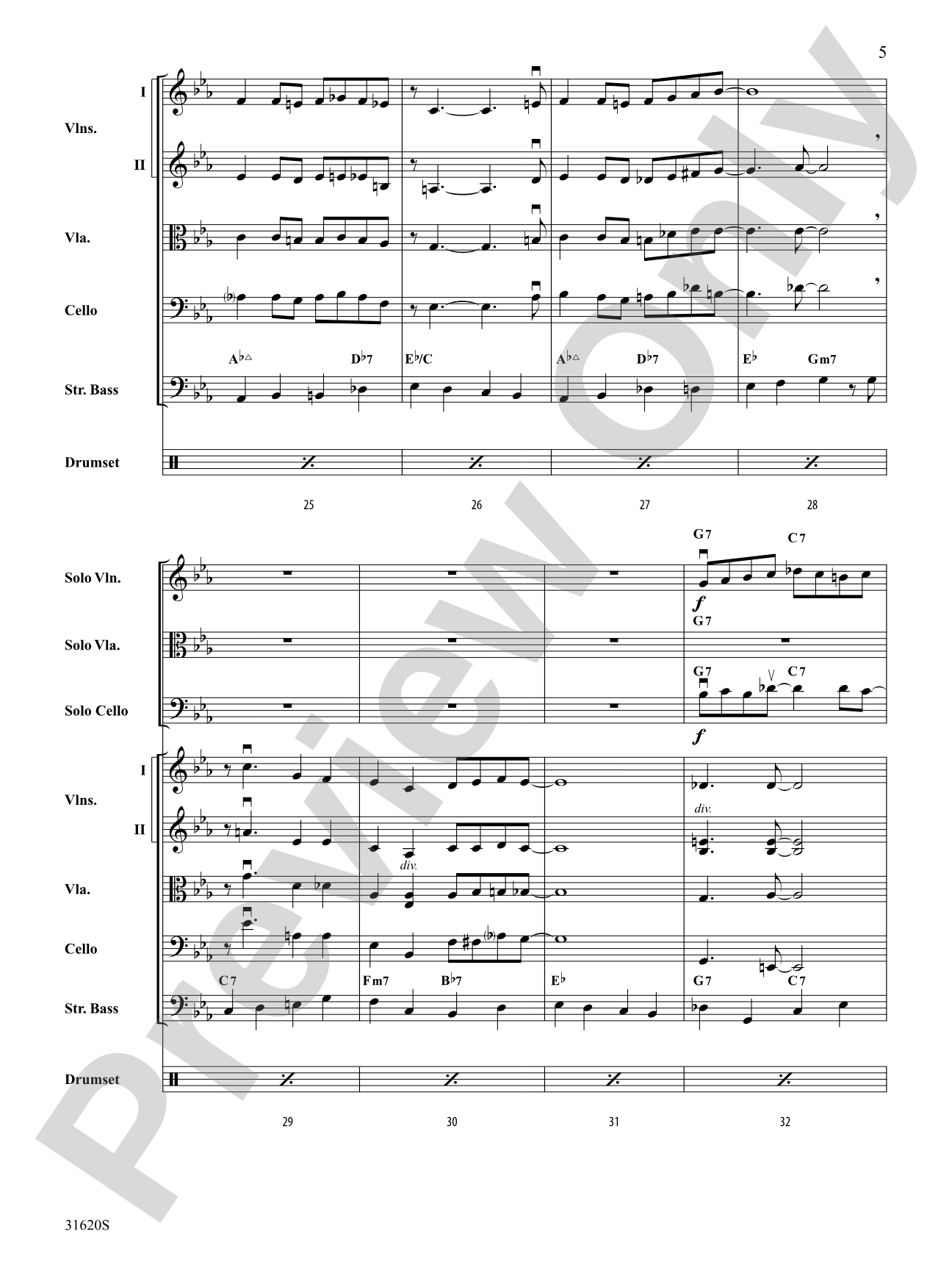
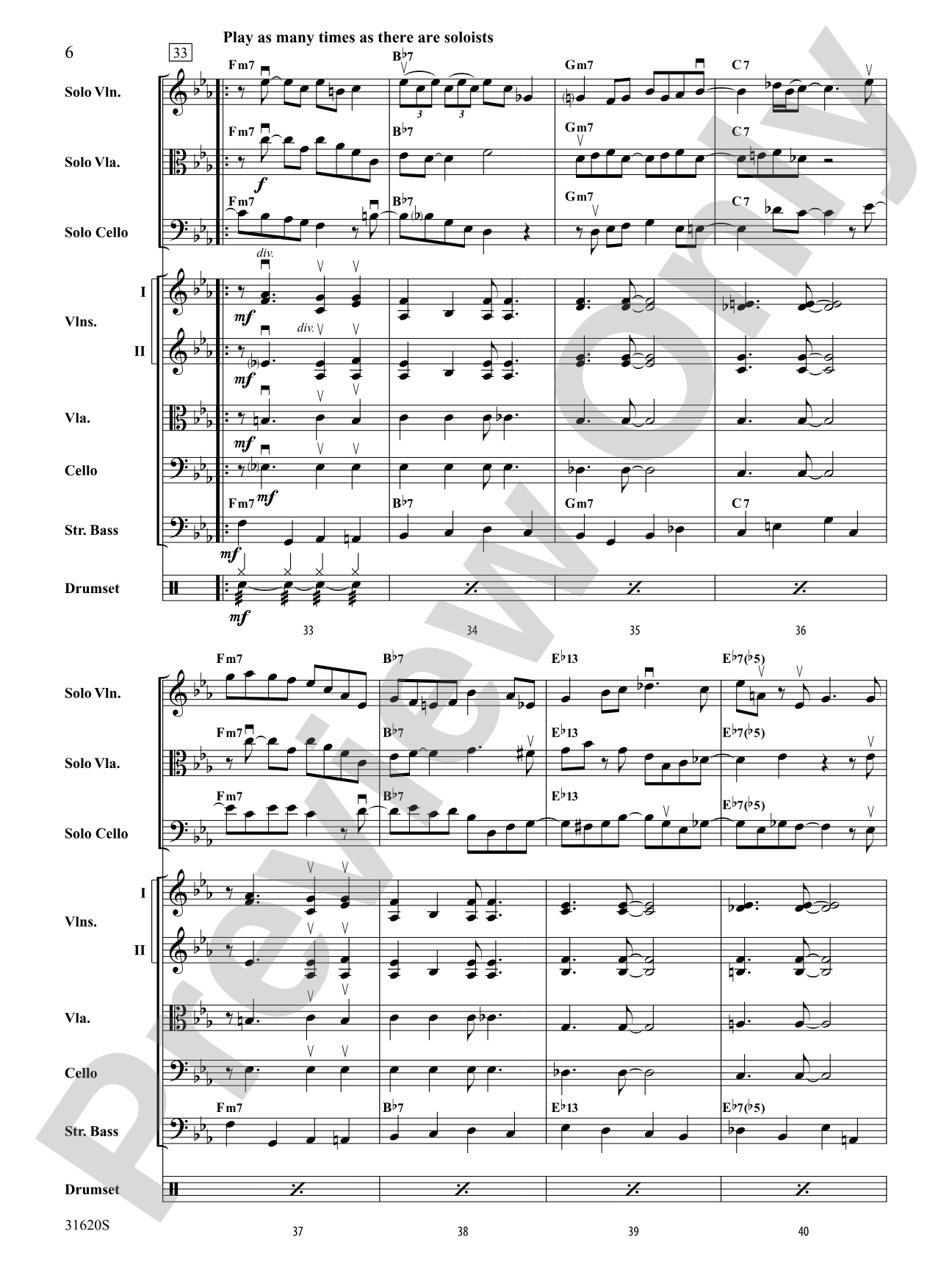
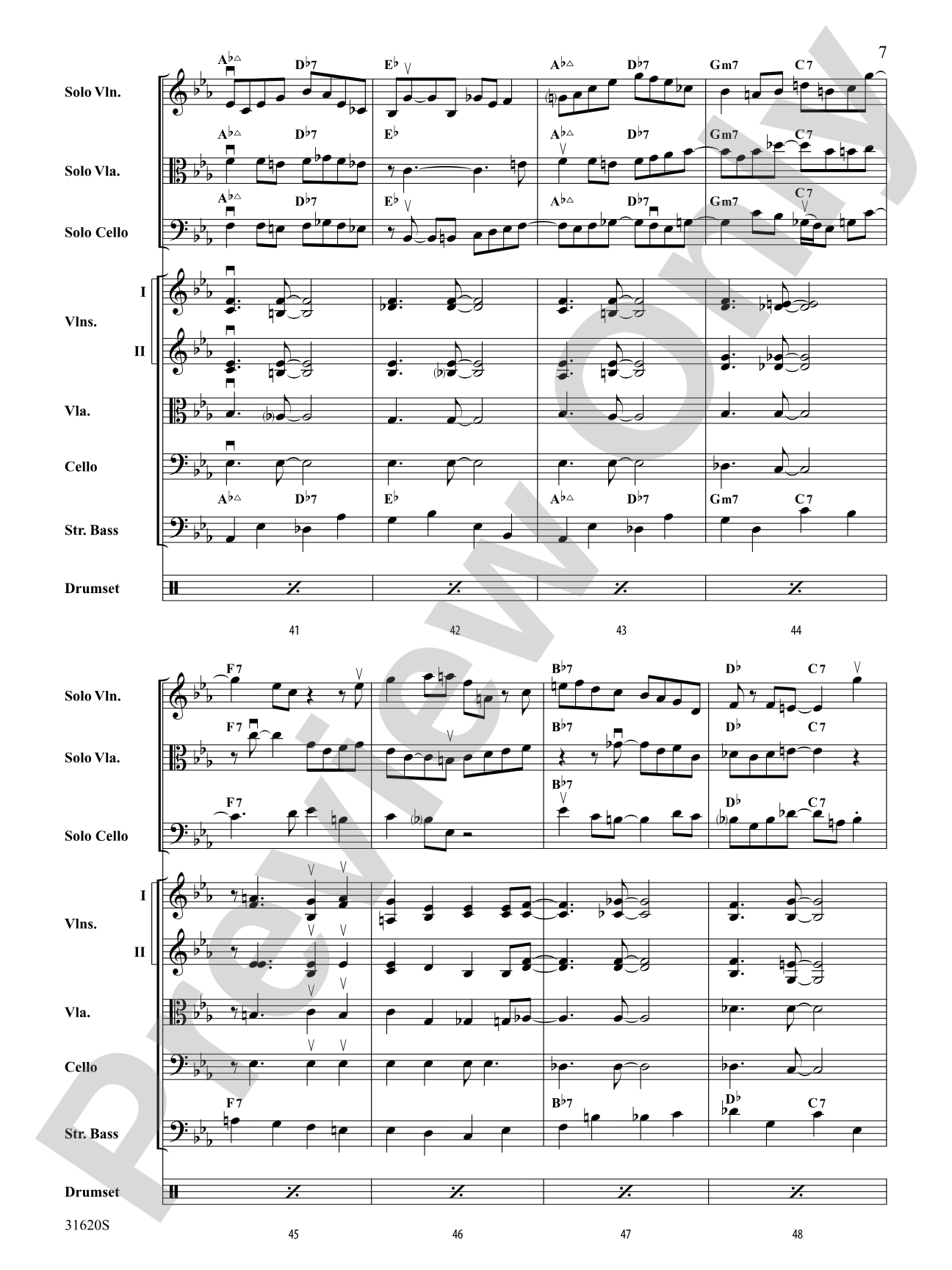
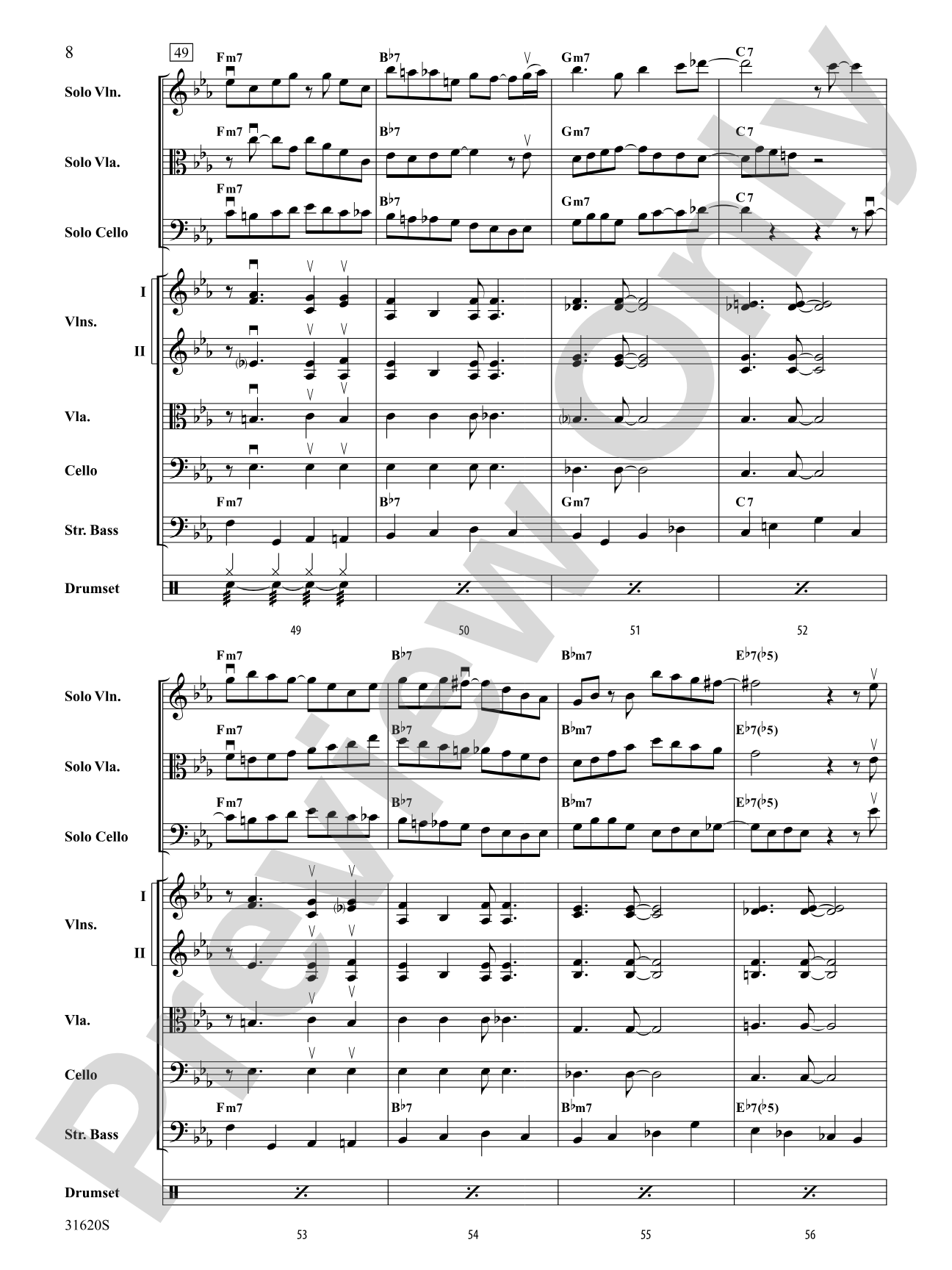
Possibly the coolest, most relaxed piece of music by the coolest and most relaxed big band ever! One of the greatest arrangements that Hefti wrote for the legendary Count Basie Big Band in the early 1950s, here's a real jazz ballad that swings gently! This chart features dense harmonies on a deceptively simple melody, providing a great introduction to jazz harmony for the orchestra. Suggested solos over changes are written out for solo players or sections. Chords are provided over a walking bass line, making it possible to add instruments to the optional rhythm section. A drumset part is included


Don't just read it, hear it, play along with it, and watch your students grow with it. In MakeMusic Cloud, Li'l Darlin': String Orchestra Conductor Score & Parts comes alive with professional accompaniment, adjustable tempo, and built-in practice tools that turn solo practice into real progress.
Open in the Player
Jump straight in and assign it today.
Start Your Free Trial
Open this title and explore the full library in minutes.
Sample Audio
1
Audio File
--:--
0:00
0:00
Sample Video
No sample videos found.
Additional Details
Series:
Highland/Etling String Alternatives
Publisher:
Alfred Music
Page Count:
128
SKU:
00-PK-0001790
More about this title
About the Composer: Neal Hefti
Neal Hefti (1922-2008) was one of the most prolific and versatile composers and arrangers in American popular music. His writing spanned film scores, television themes, and big band arrangements, but he is best remembered for his decades-long collaboration with the Count Basie Orchestra, beginning in the early 1950s. Hefti's arrangements for Basie became jazz standards, combining sophisticated harmonic language with the band's signature swing feel.
Why we love this
This arrangement captures the elegance of a mid-century jazz masterpiece while remaining entirely playable by student string players. The written-out solos and chord changes introduce orchestral musicians to jazz harmony and interpretation in a low-pressure, groove-oriented context. It's the kind of piece that makes young players excited to read music because the material swings.
What to expect
Smooth, sophisticated, and utterly groovy. The piece settles into a warm mid-tempo swing where every note feels intentional and every harmony adds richness without clutter. It's relaxed without being lazy, cool without being aloof.
Who it's for
String orchestra directors seeking genuine jazz content that doesn't talk down to young players. This works equally well in concert settings, jazz festivals, and mixed repertoire programs where you want to introduce orchestral musicians to swing and harmonic sophistication without requiring a full jazz ensemble.
How to get the most out of it
- Shape phrases with the gentle swing feel of a ballad rather than pushing the tempo. The beauty lives in the relaxed pocket, not in rushing ahead.
- Balance the dense harmonies in the string parts so the walking bass line and melody remain clear. Each voice matters, but restraint prevents muddiness.
- If using rhythm section, treat the chords as guides for comping rather than strict voicings. Allow drummers and bass players to interpret their parts with swing sensibility.
- Encourage solo sections to listen to the Count Basie recordings for phrasing and tone reference. The style depends more on attitude than on technical display.
How to use it
Program this as a palate cleanser between heavier classical works or pair it with other American jazz-influenced repertoire to showcase your orchestra's stylistic range. It also serves as a natural bridge piece when introducing students to jazz history and arranging technique.
Skills your students will build
- Reading and interpreting jazz notation (chord symbols, walking bass, swing feel)
- Balancing ensemble voices to support a melody within dense harmonies
- Playing with a relaxed swing pulse and jazz phrasing
- Understanding jazz harmonies and how they differ from classical voice leading
- Responding to written solos and optional variations in ensemble parts