Let the Trumpet Sound (arr. John Leavitt) Sheet Music Preview

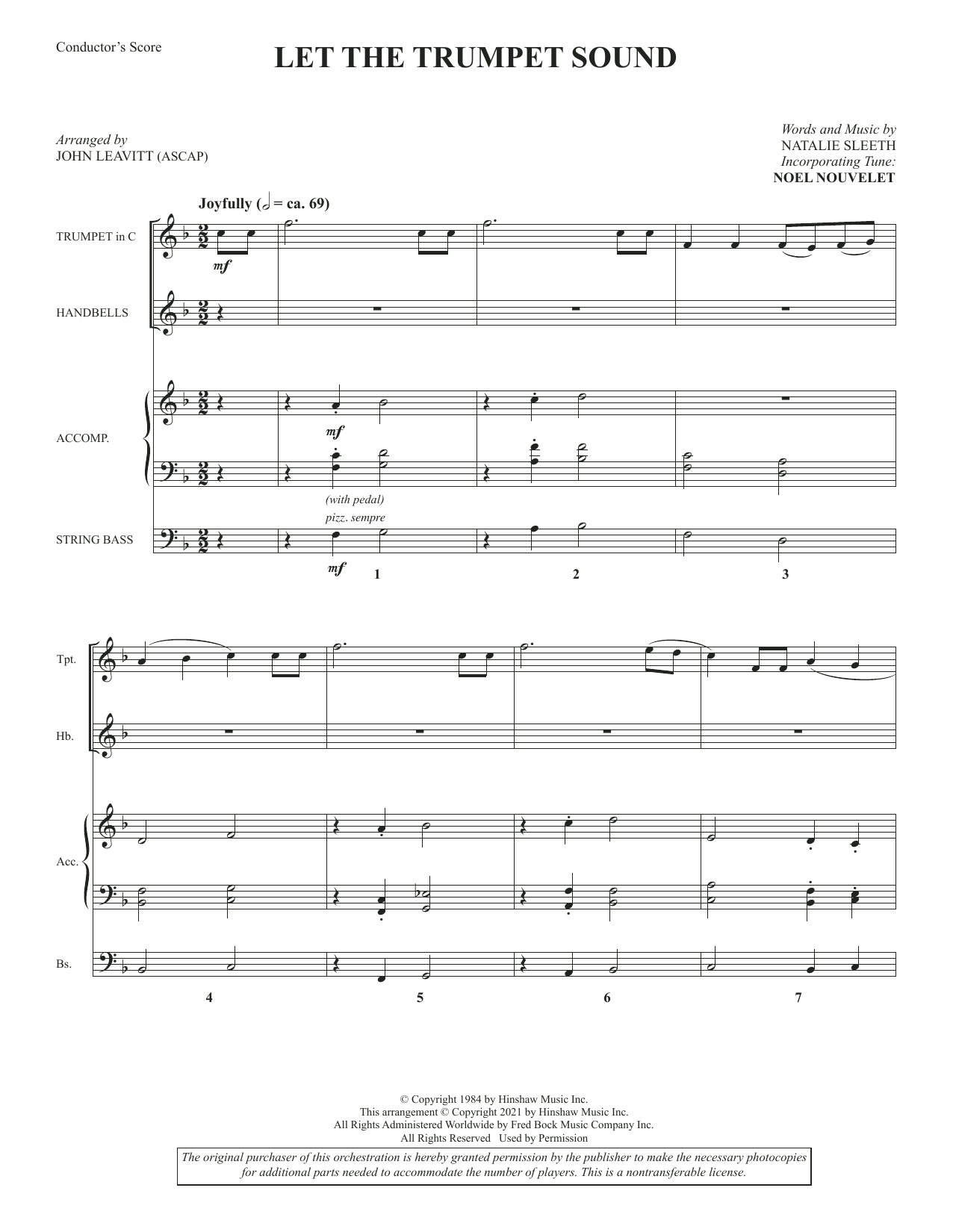
Let the Trumpet Sound (arr. John Leavitt): Choral Instrumental Pak

By NATALIE SLEETH / Arranged by John Leavitt

Item: 35-PK00474365

Digital Download
$40.00

One moment…

Description
A classic anthem gets a makeover, bringing its powerful gestures of praise to a new generation of church music directors. Brilliantly arranged and carefully curated for success, this is a piece you will turn to time and time again. Great idiomatic writing for trumpet adds a festive touch to the loft and makes this anthem useful from cathedrals to sanctuaries and concert halls. Combine both the SATB and 2-Part voicings for a multigenerational moment in your worship services. Awesome! Score and Parts for 2 octaves of Handbells and String Bass available as a digital download.

Let the Trumpet Sound (arr. John Leavitt): Choral Instrumental Pak isn't in MakeMusic Cloud just yet...but it could be. Let us know you'd like to see it, and you'll help shape what comes next. In the meantime, start a free trial and dive into thousands of interactive titles your students can play along with today.

Sample Audio
No sample audio found.
Sample Video
Additional Details
Publisher: Hal Leonard
SKU: 35-PK00474365

More about this title

About the Composer: NATALIE SLEETH

Natalie Sleeth (1930-1992) was a prolific American composer and organist whose sacred music became a mainstay in churches across denominations. Her gift for crafting memorable melodies and accessible harmonies made her work especially valued by music directors seeking pieces that could engage congregations of all ages without sacrificing musical substance.

Sleeth's output spanned choral works, organ compositions, and numerous arrangements that demonstrated her deep understanding of liturgical needs and ensemble capabilities. Her music continues to appear regularly in worship services and concert programs, testament to its enduring appeal and practical musicality.

Why we love this

John Leavitt's arrangement preserves the anthem's infectious energy while giving it contemporary polish and clear textural variety. The trumpet writing is genuinely idiomatic rather than tacked-on, and the flexibility to use either SATB or 2-Part voicing (or both) means this works whether you're in a large cathedral program or a smaller church setting. You get a piece that sounds festive and celebratory without becoming trite.

What to expect

Buoyant and bright, with a sense of joyful proclamation that the trumpet enhances beautifully. The arrangement maintains the anthem's straightforward warmth while adding modern orchestration touches that feel energetic without being overwrought. There is genuine lift here, the kind that carries a congregation or audience along with genuine musical conviction.

Who it's for

Church music directors seeking celebratory Easter or general praise anthems with real substance and flexible scoring options. This works equally well in traditional liturgical settings and contemporary worship contexts where instrumental color enhances rather than replaces vocal excellence.

How to get the most out of it

  • Balance the trumpet line carefully against the choir so the instrument cuts through without overwhelming the singers; the arrangement gives the horn plenty of exciting material, so let it breathe as a featured color rather than background accompaniment.
  • If combining both SATB and 2-Part voicings, rehearse them separately first to ensure each group owns its part, then layer them gradually during combined rehearsals to build confidence and blend.
  • Pay attention to the harmonic rhythm in Leavitt's arrangement; it often moves faster than the original melody, creating momentum that requires crisp articulation from both instrumental and vocal lines.
  • Consider the handbells and string bass parts as genuine ensemble contributors, not mere doubling; if you have access to these instruments, they add textural dimension and festive character that justifies their inclusion.

How to use it

Perfect for Easter services, spring celebrations, or moments in your program calling for unambiguous joy and hope. The piece also works well as a closing number when you want to send people out with brightness and affirmation. If you are looking to bridge generational singing (combining adult and youth choirs), the dual voicing option gives you a natural programming solution.

Skills your students will build

  • Blending trumpet timbre with choral sonority
  • Phrasing across harmonic rhythm that moves independently of text stress
  • Balancing melodic independence with ensemble unity
  • Sight-reading in styles ranging from traditional hymnal approach to contemporary choral idiom

You May Also Like