

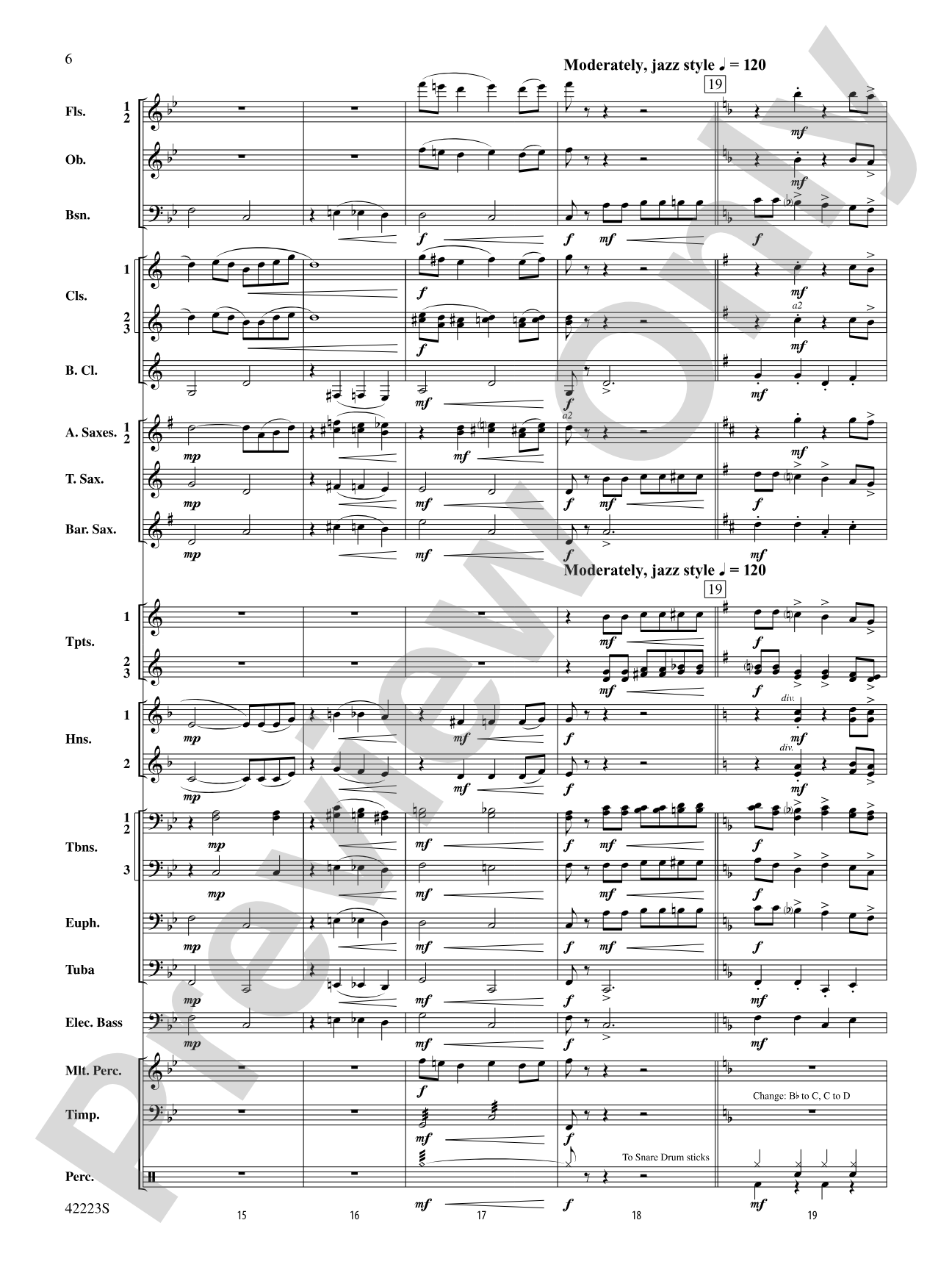
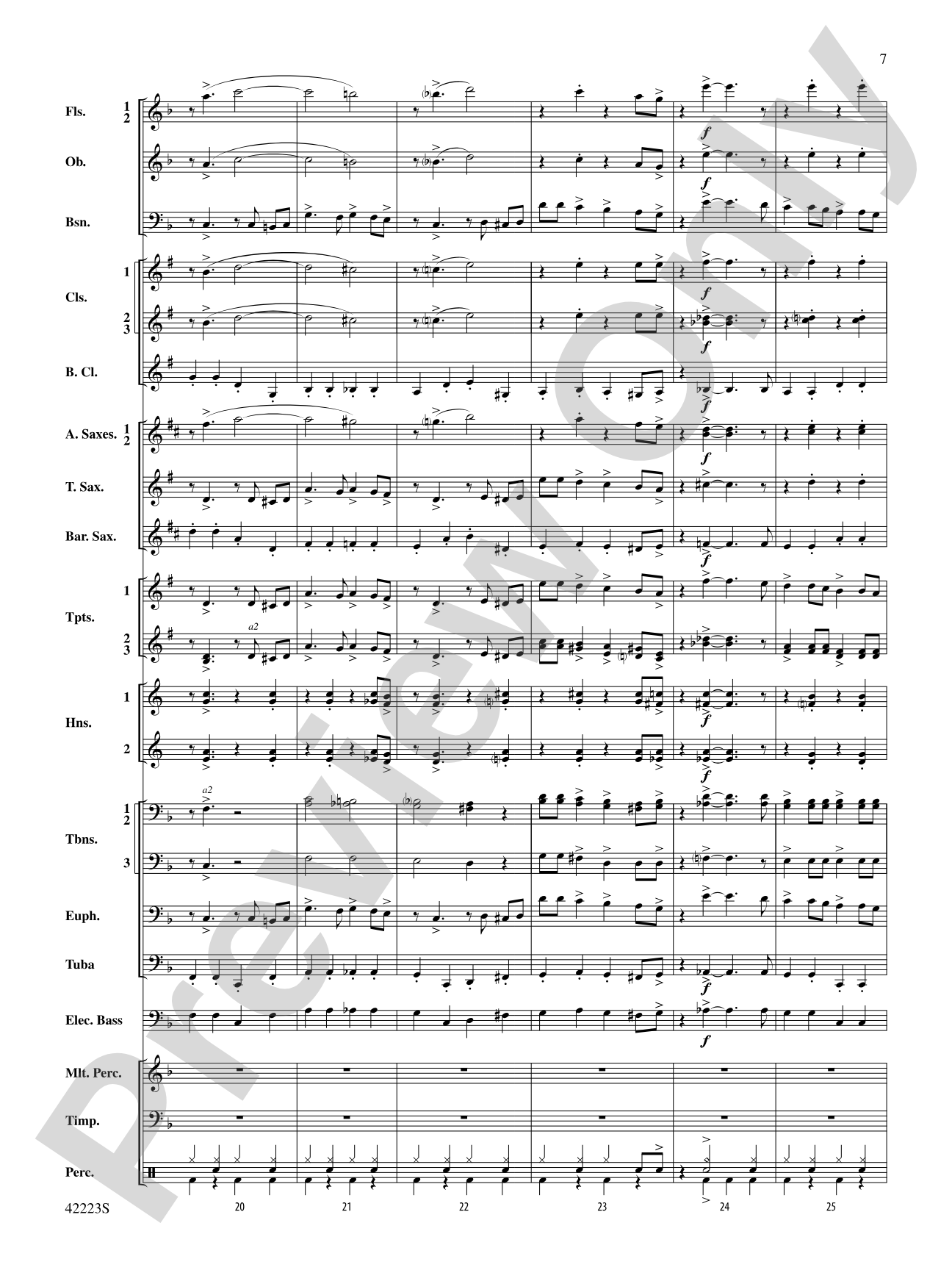
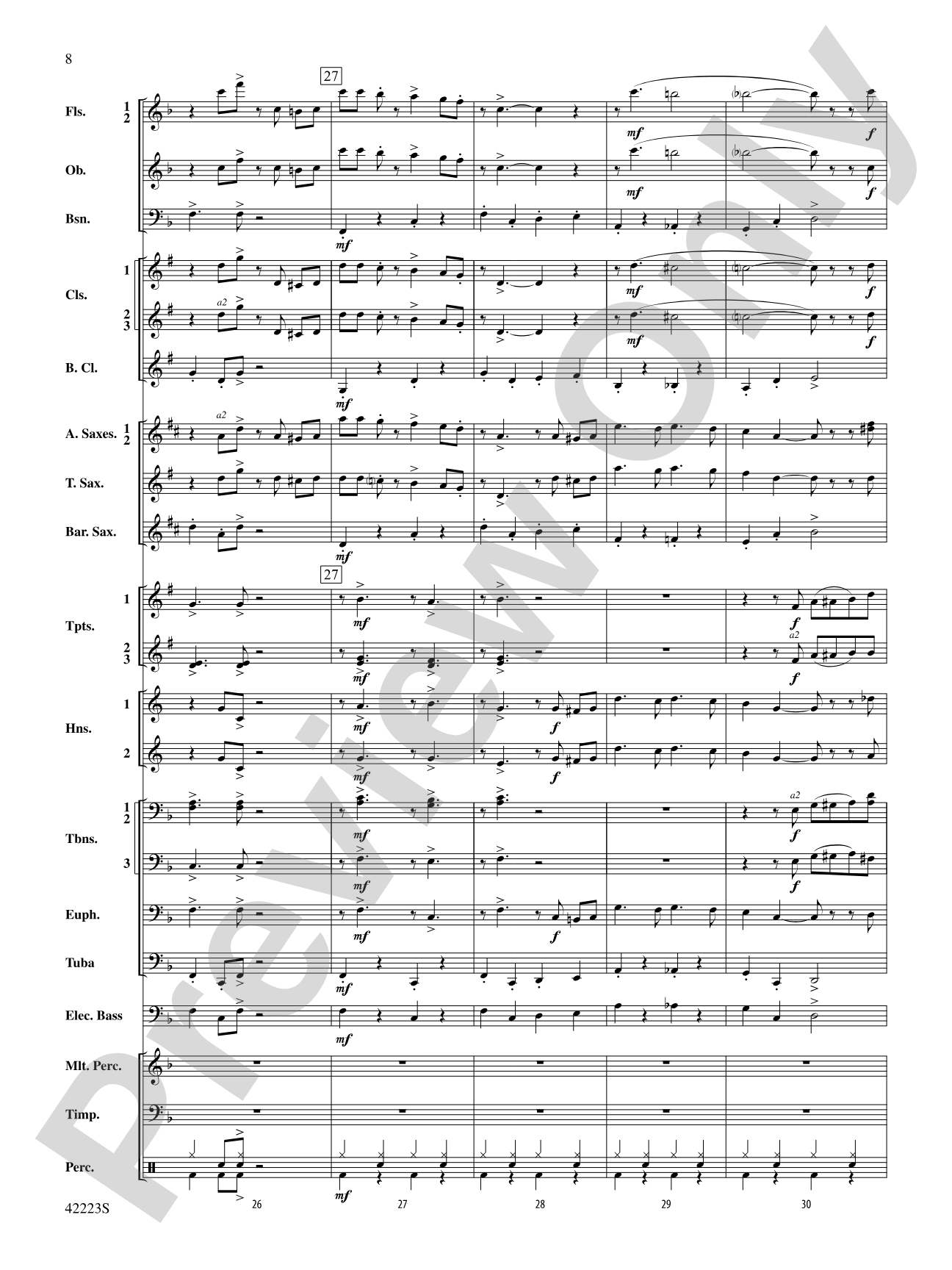
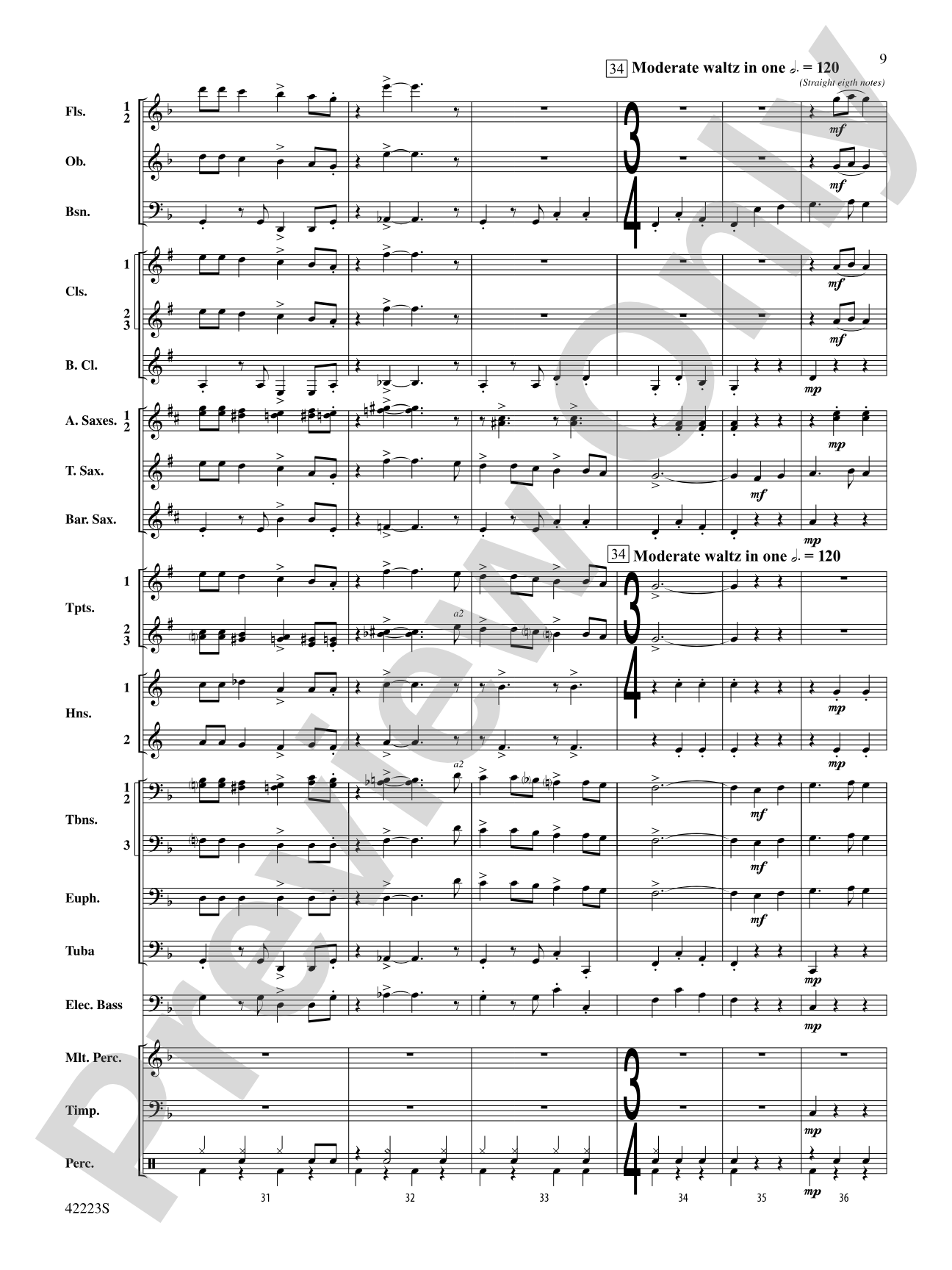
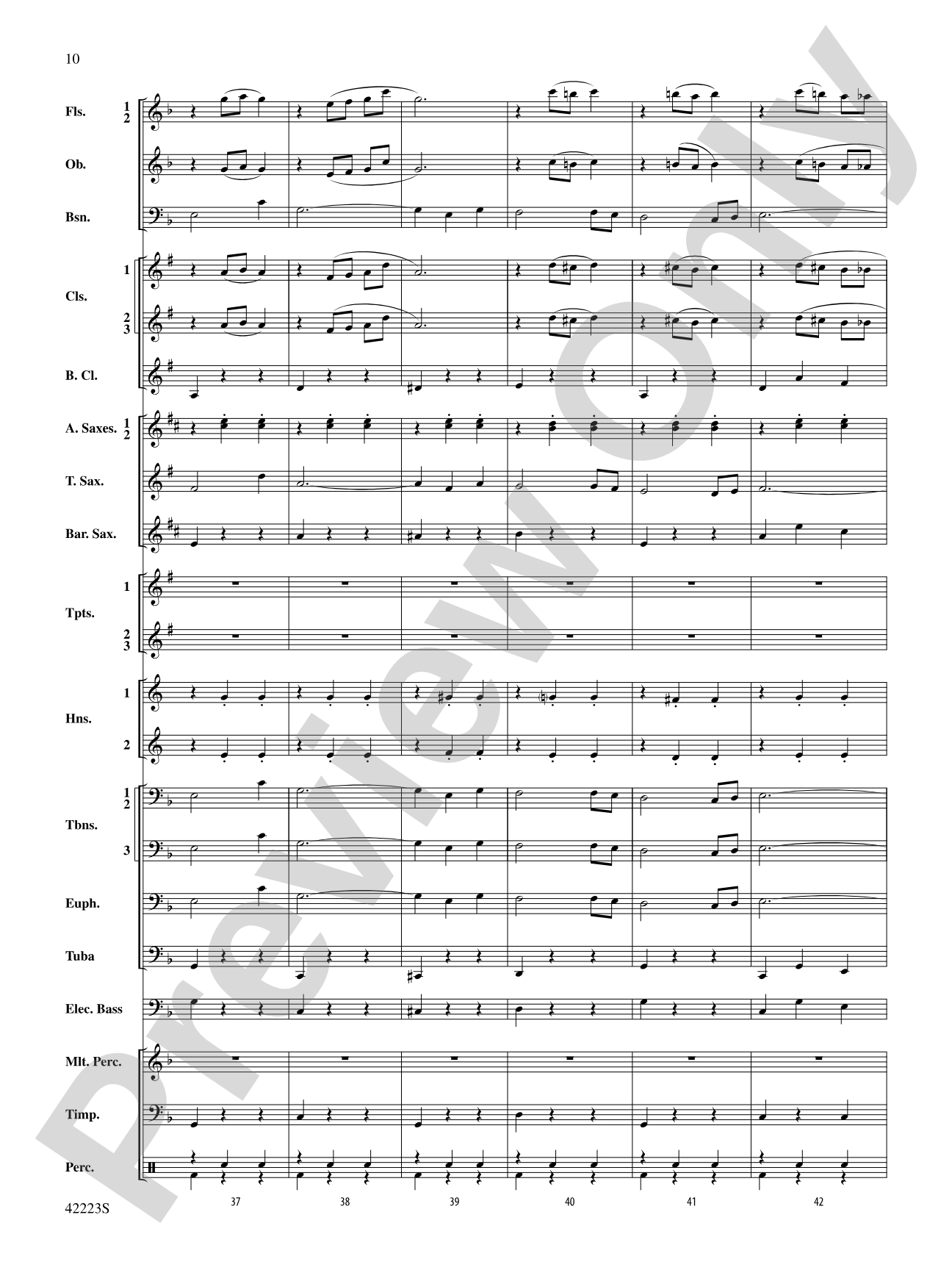
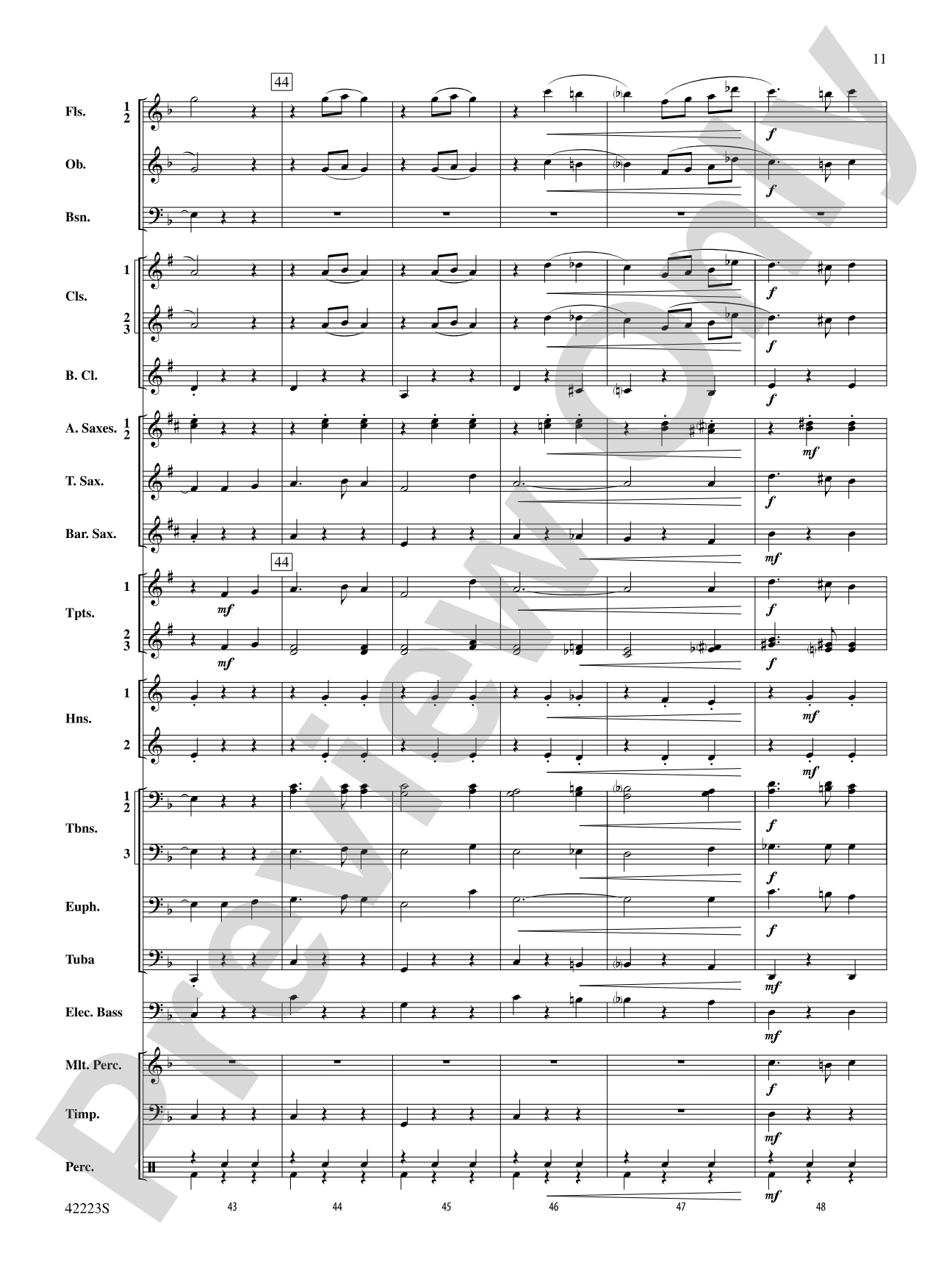
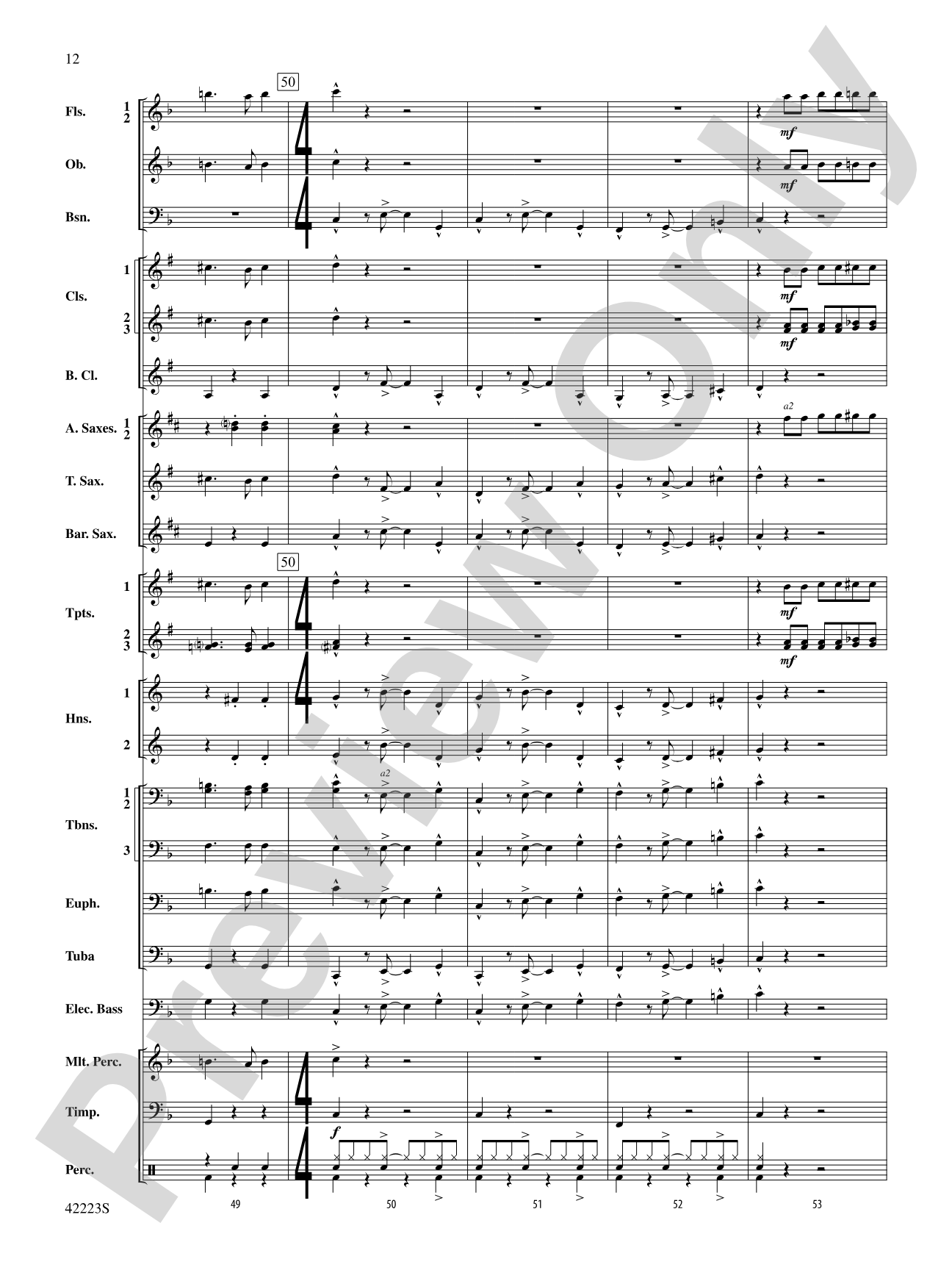
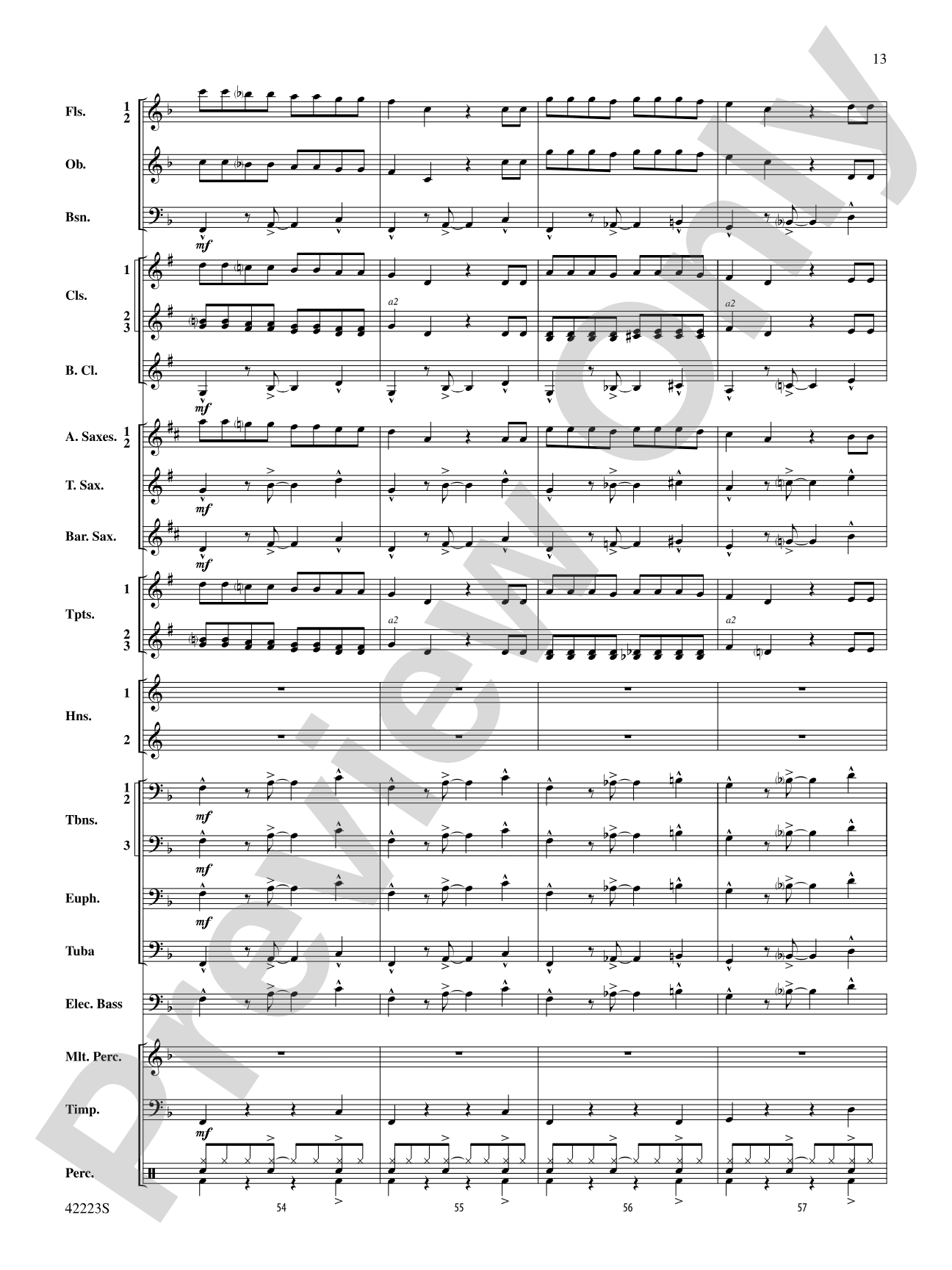
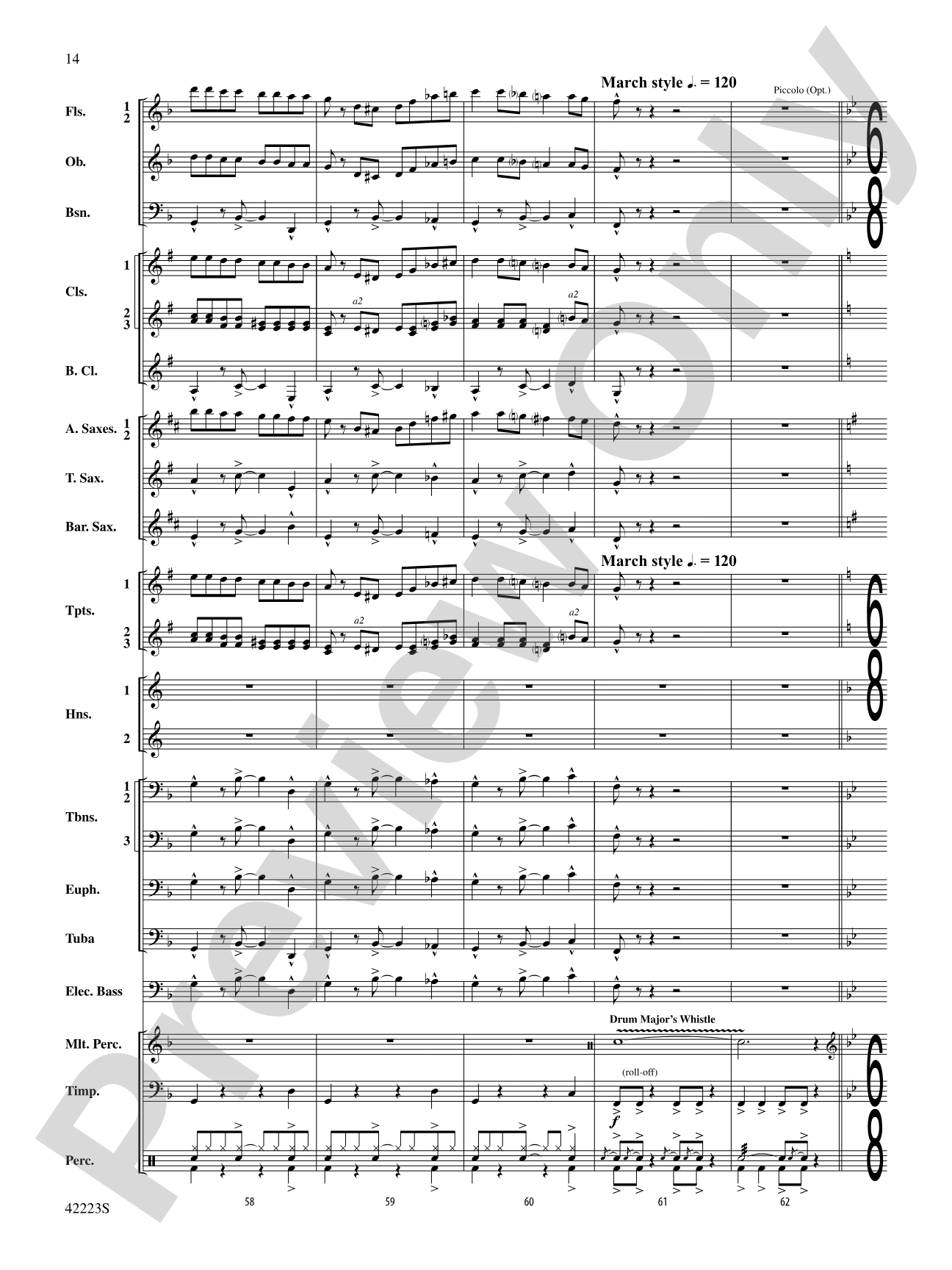
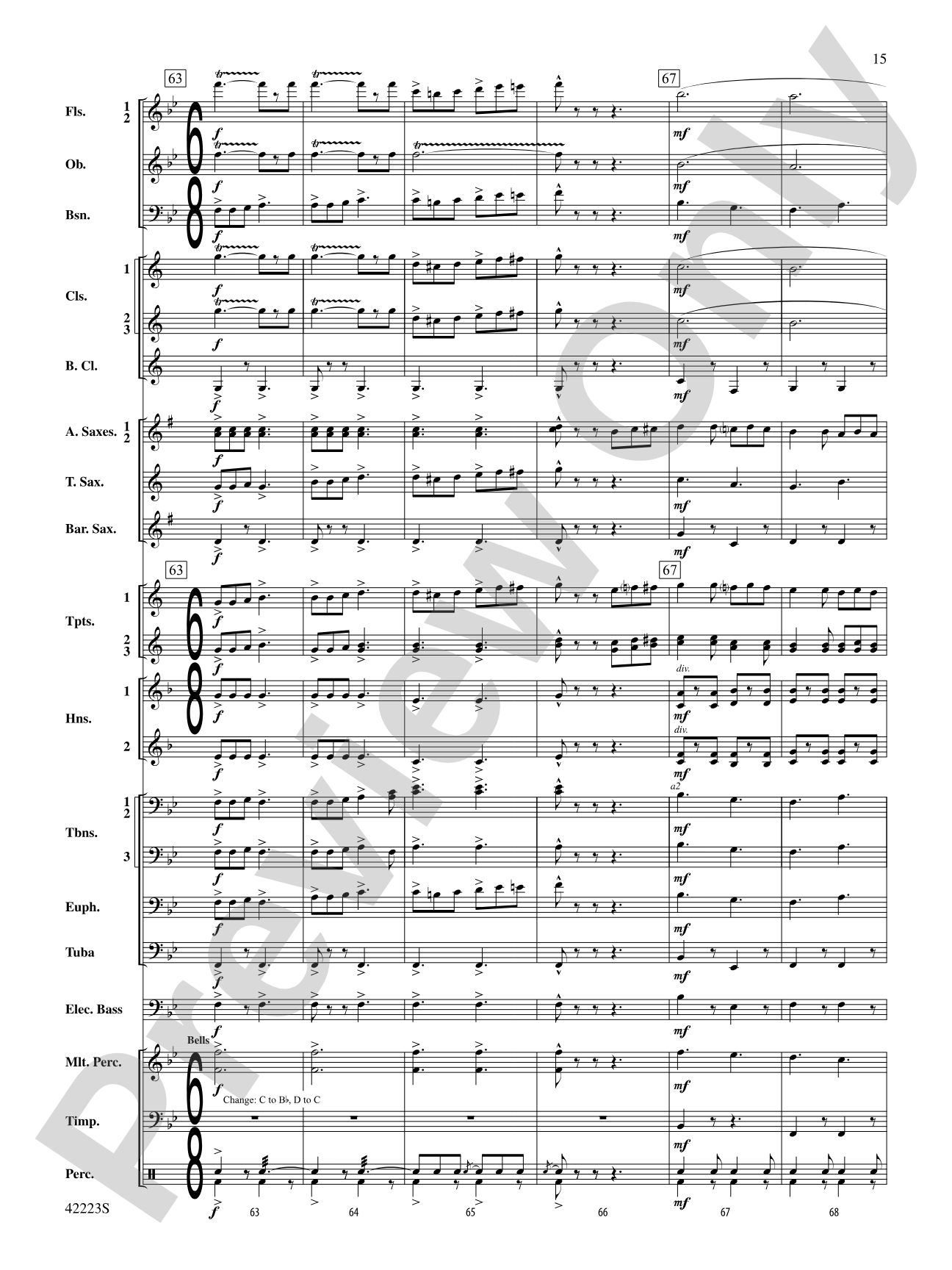
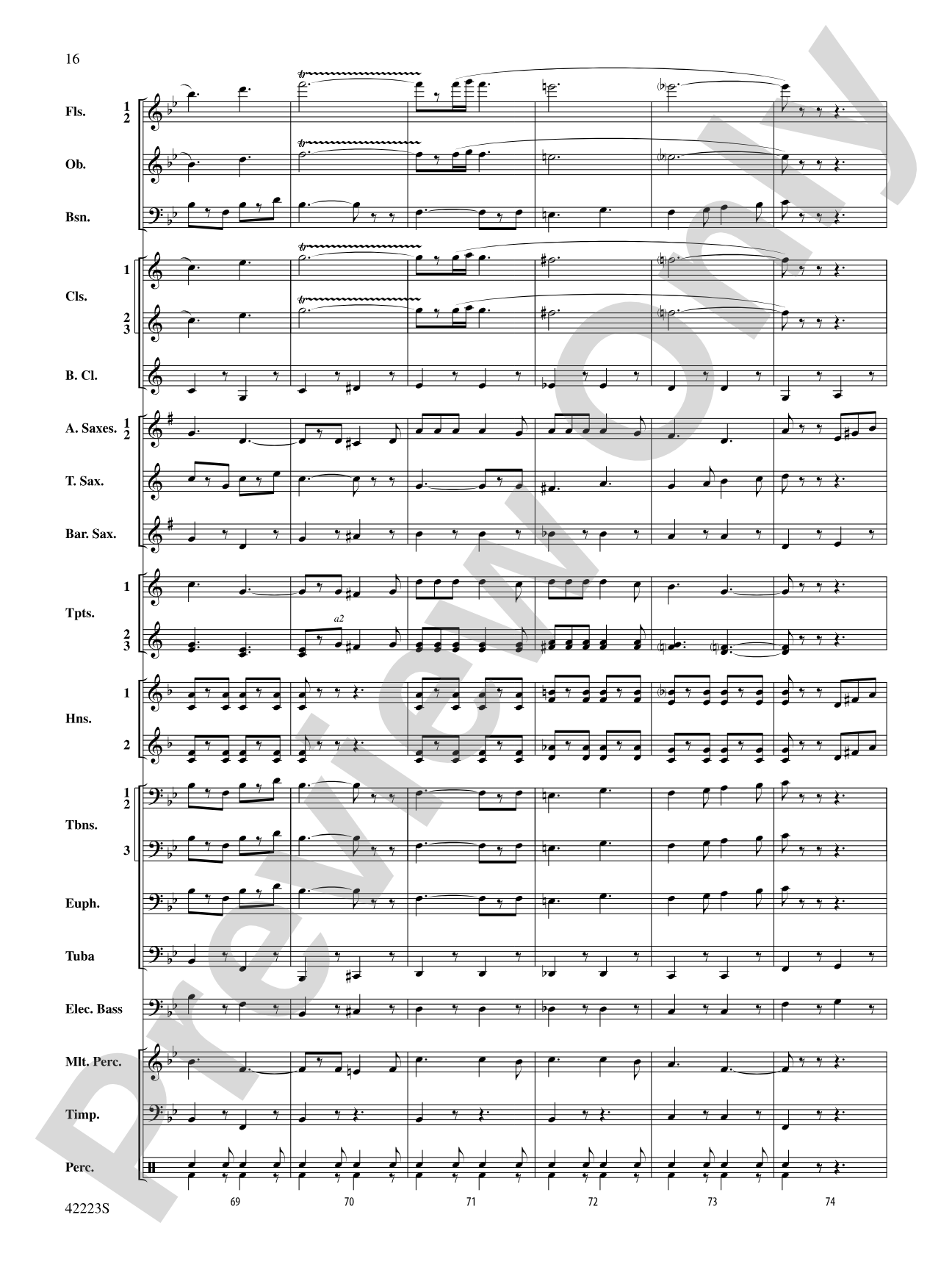
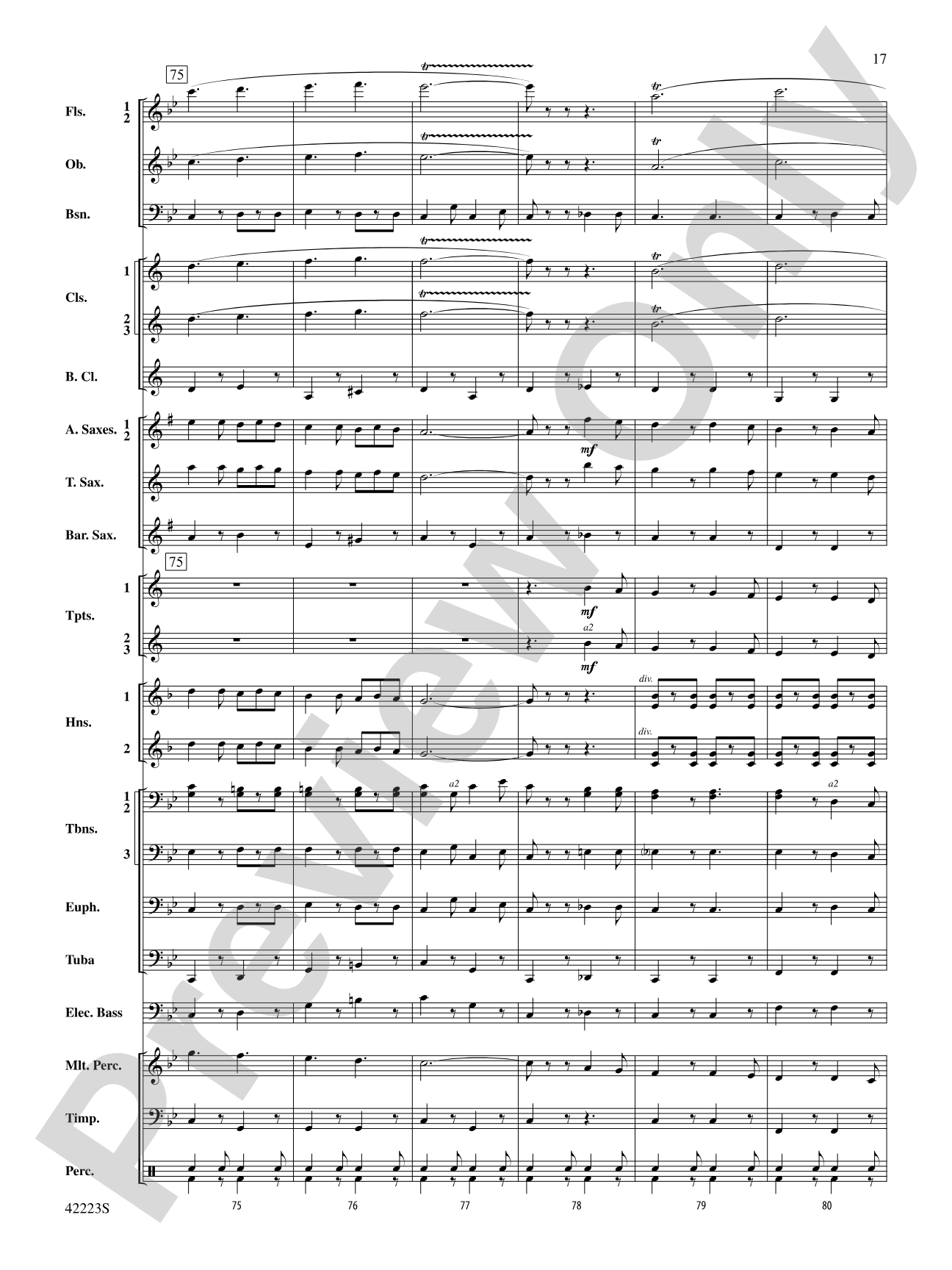
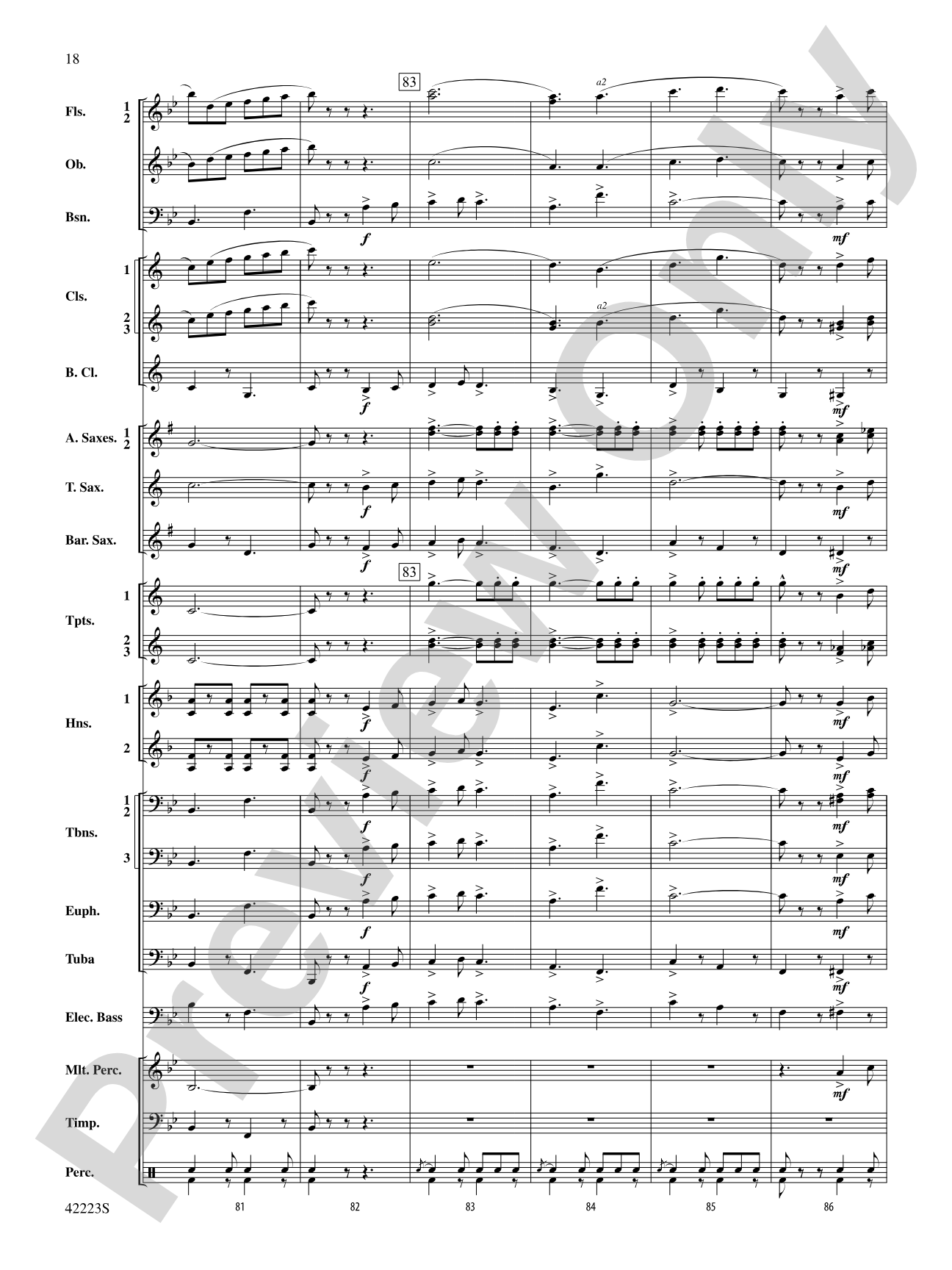
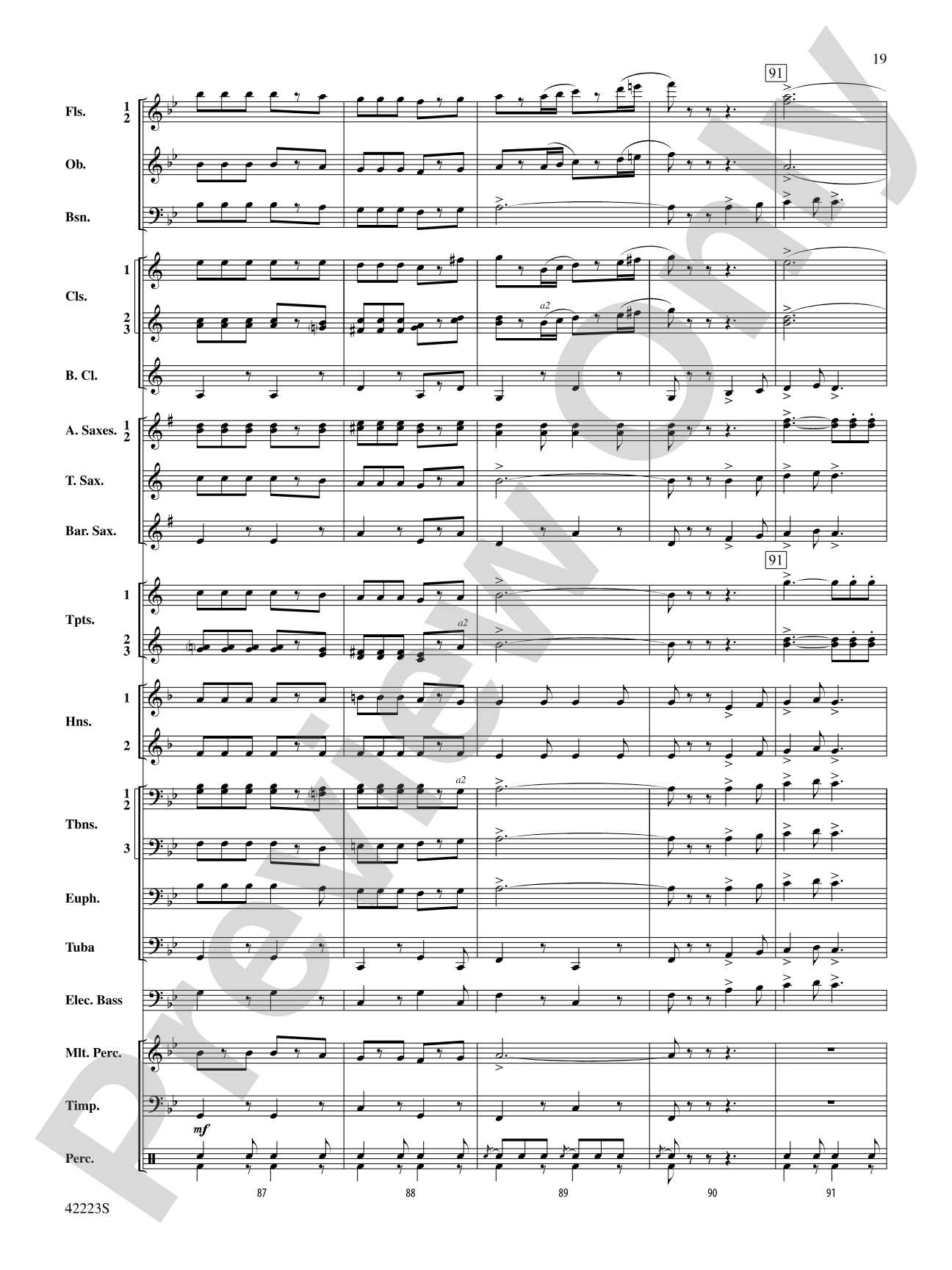
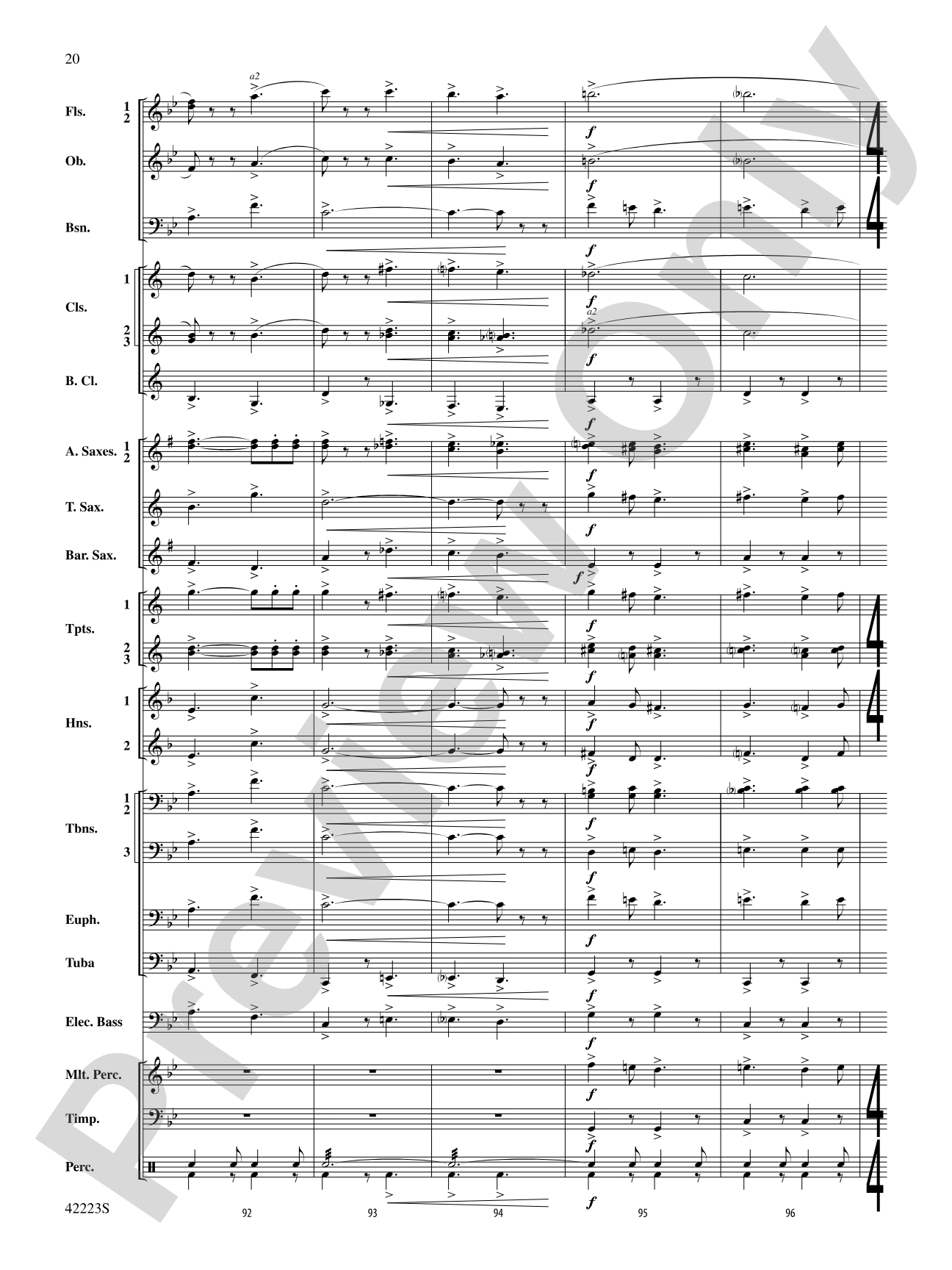
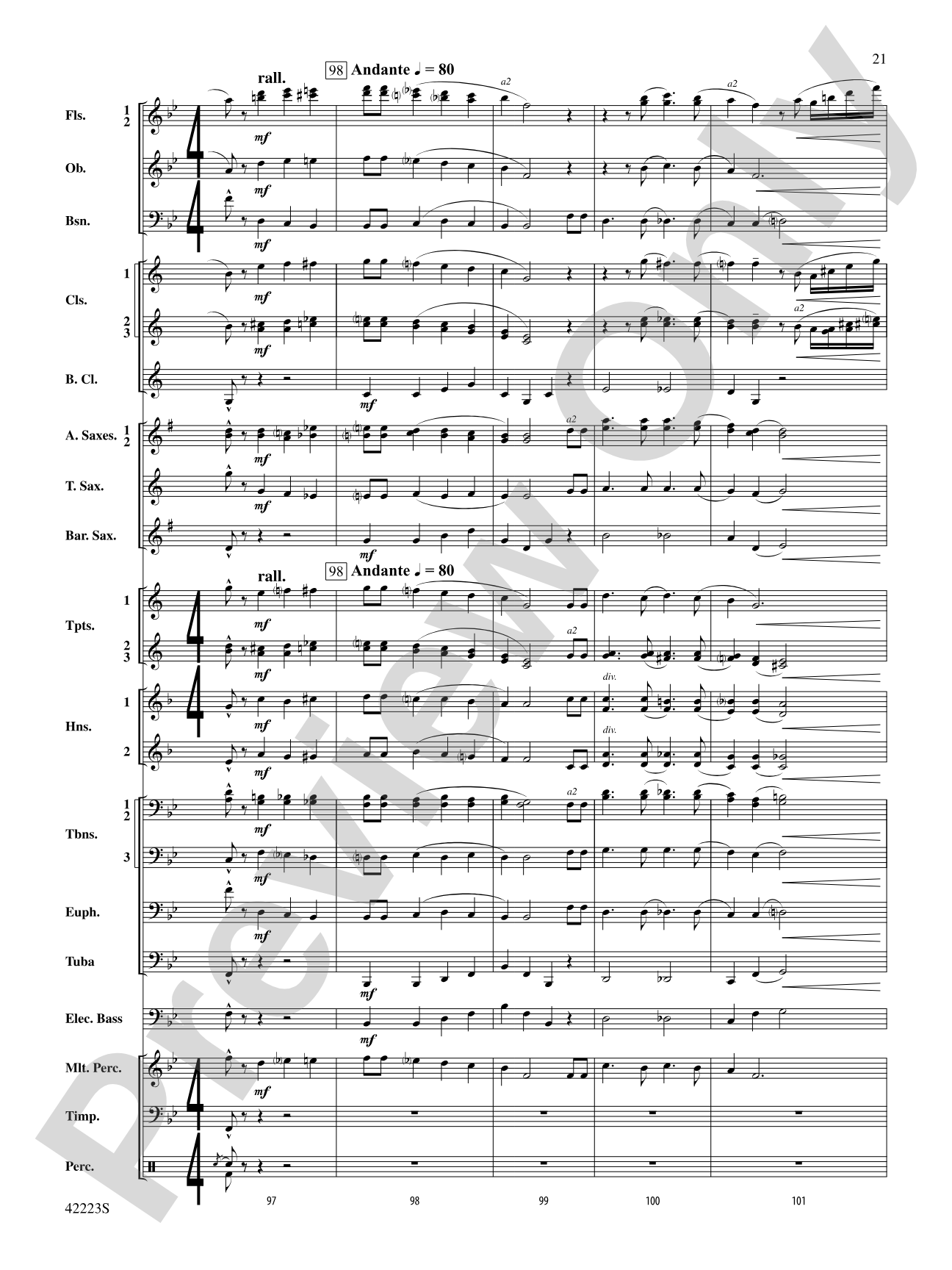



Let It Snow! Let It Snow! Let It Snow!, Variations on: Concert Band Conductor Score & Parts
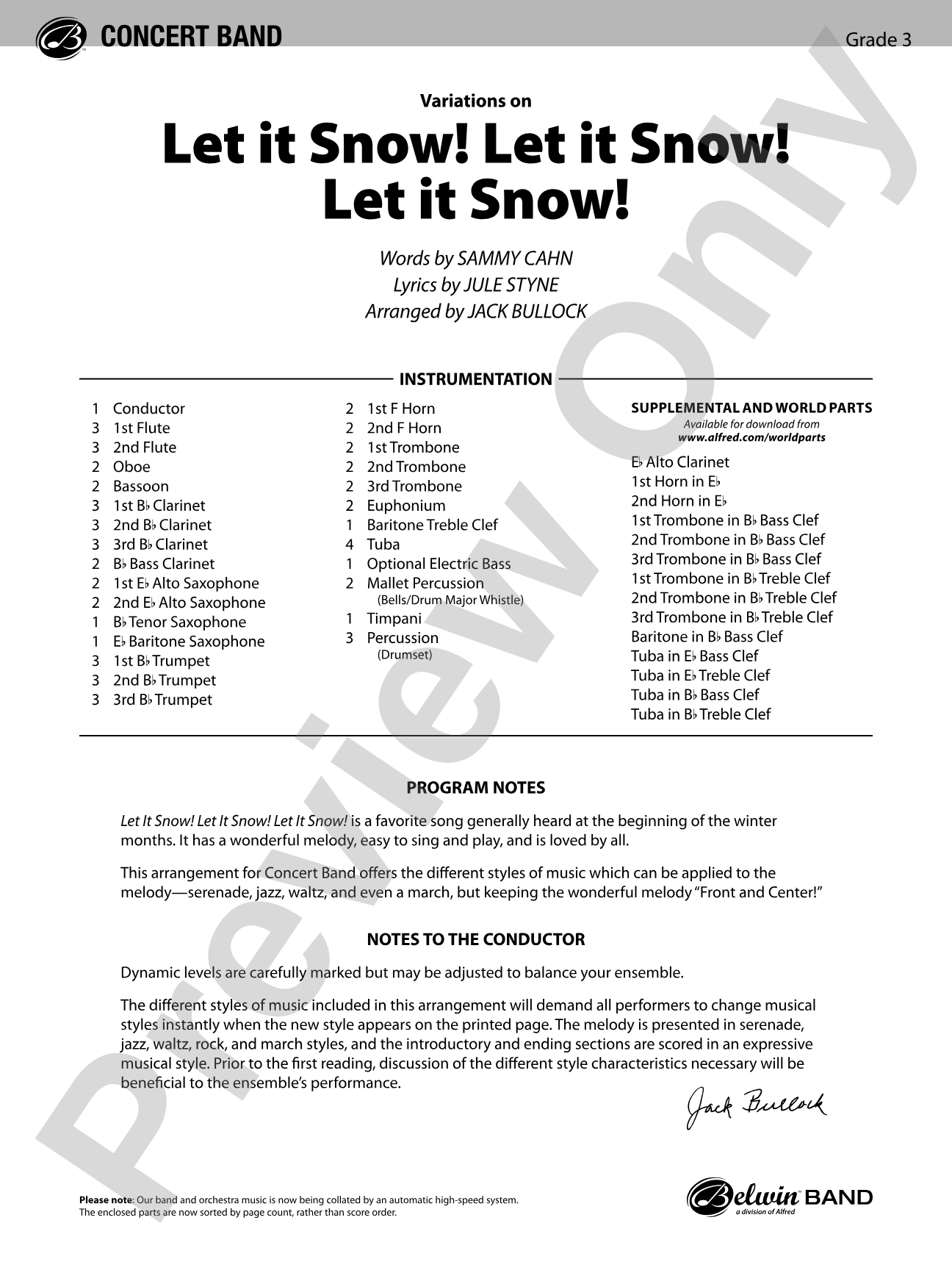
Words by Sammy Cahn, lyrics by Jule Styne / arr. Jack Bullock
Grade: 3 (Medium Easy)
Item: 00-PK-0006463

$77.00
One moment…
Description
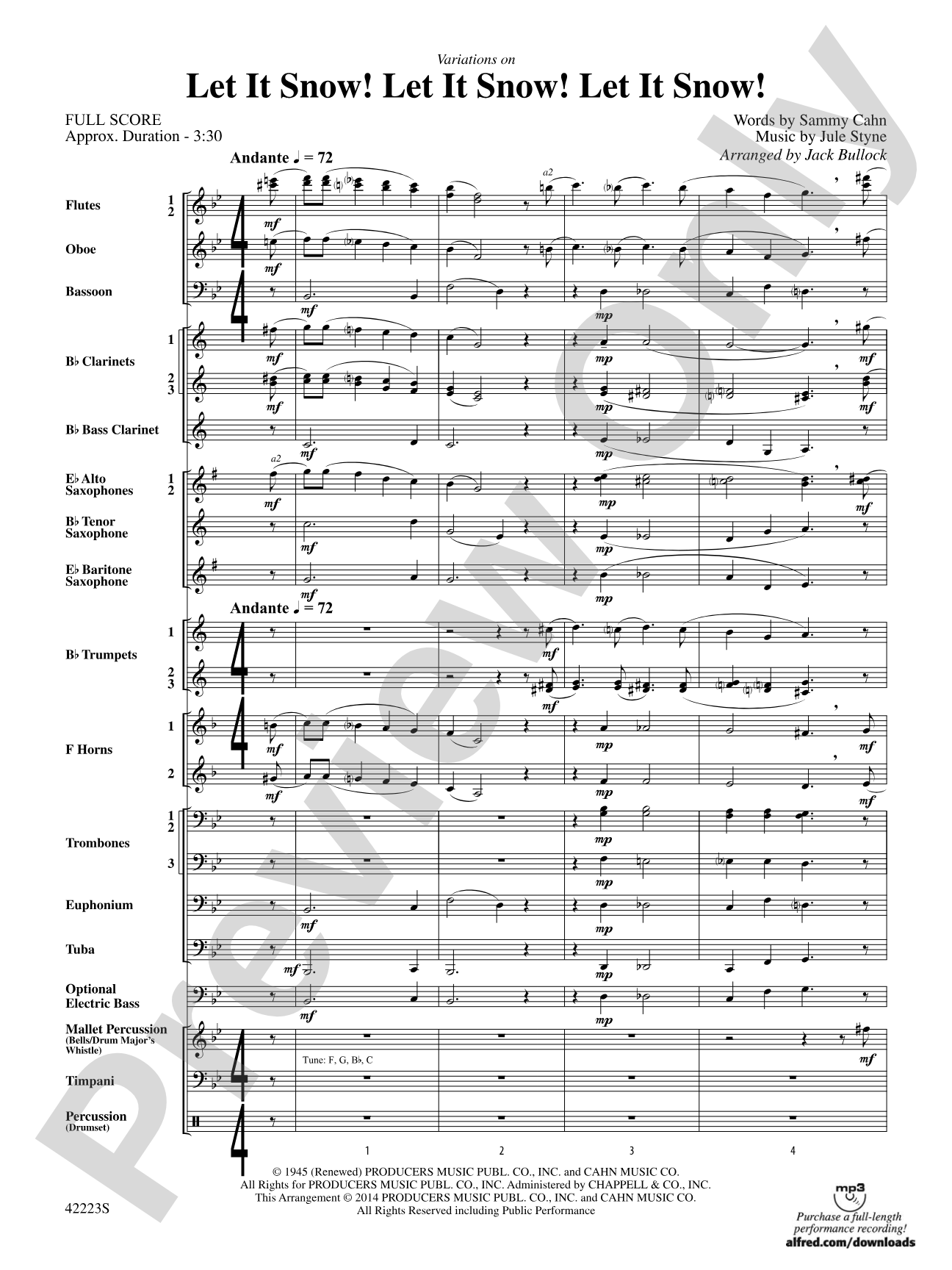
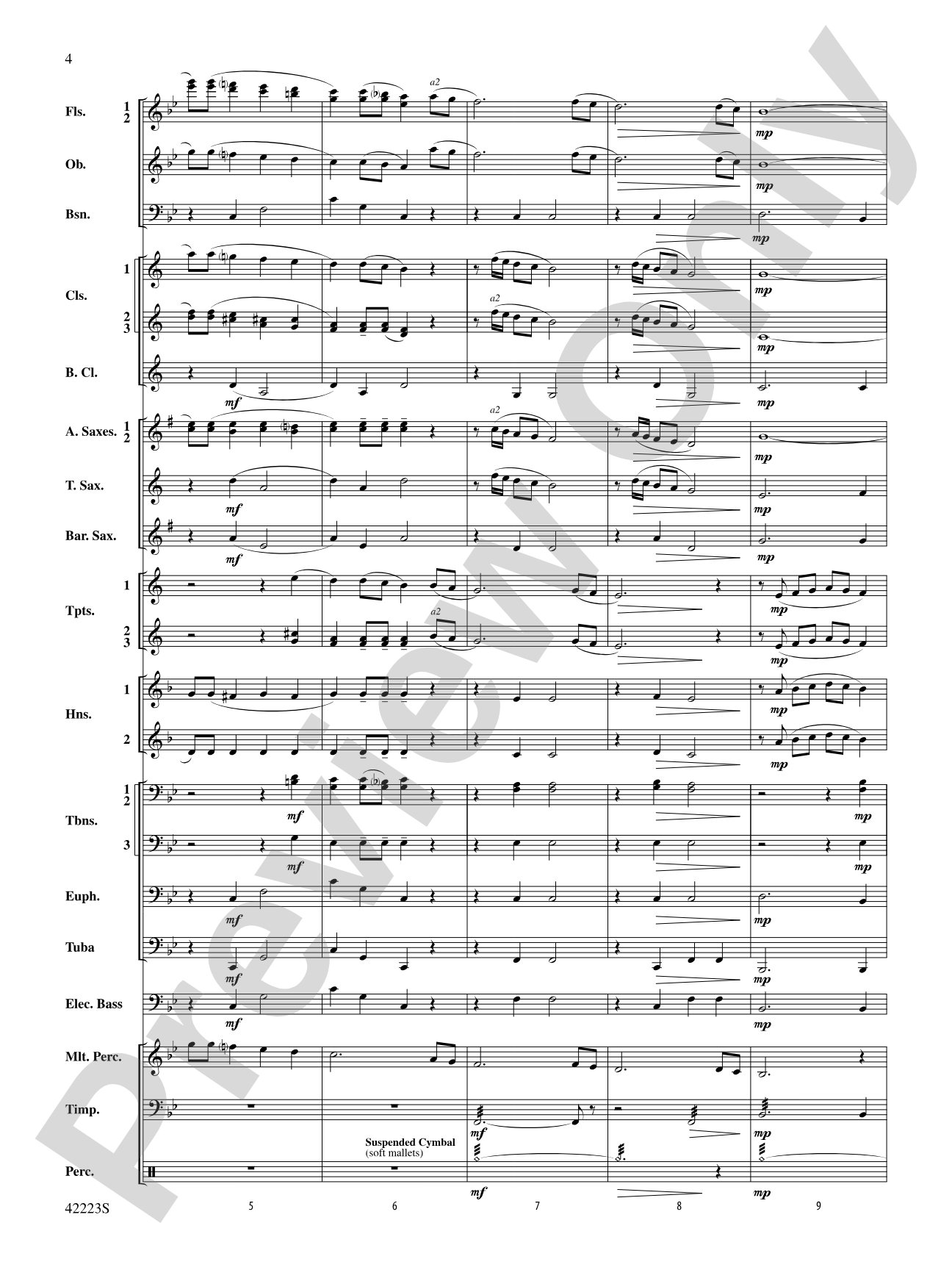
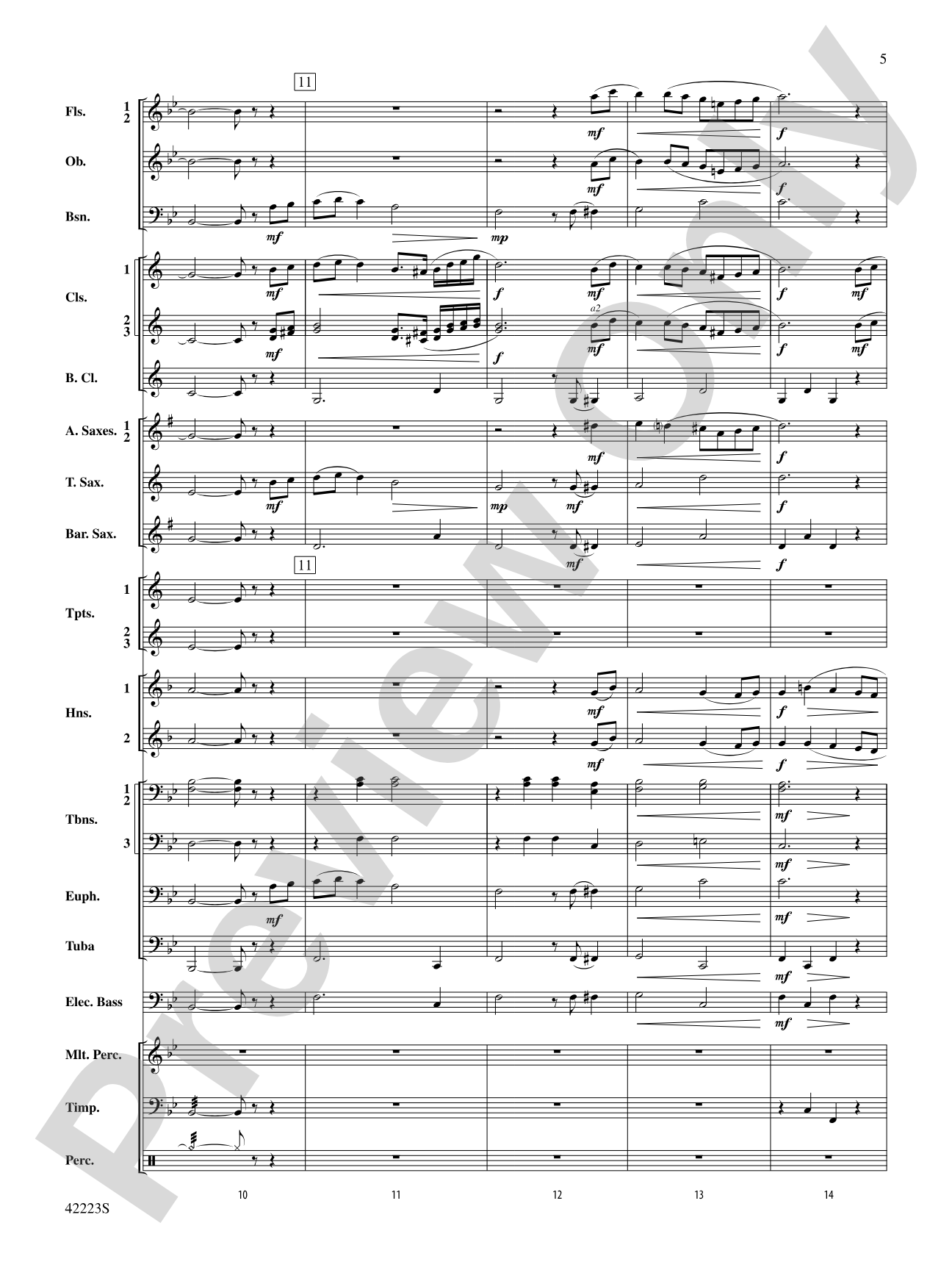
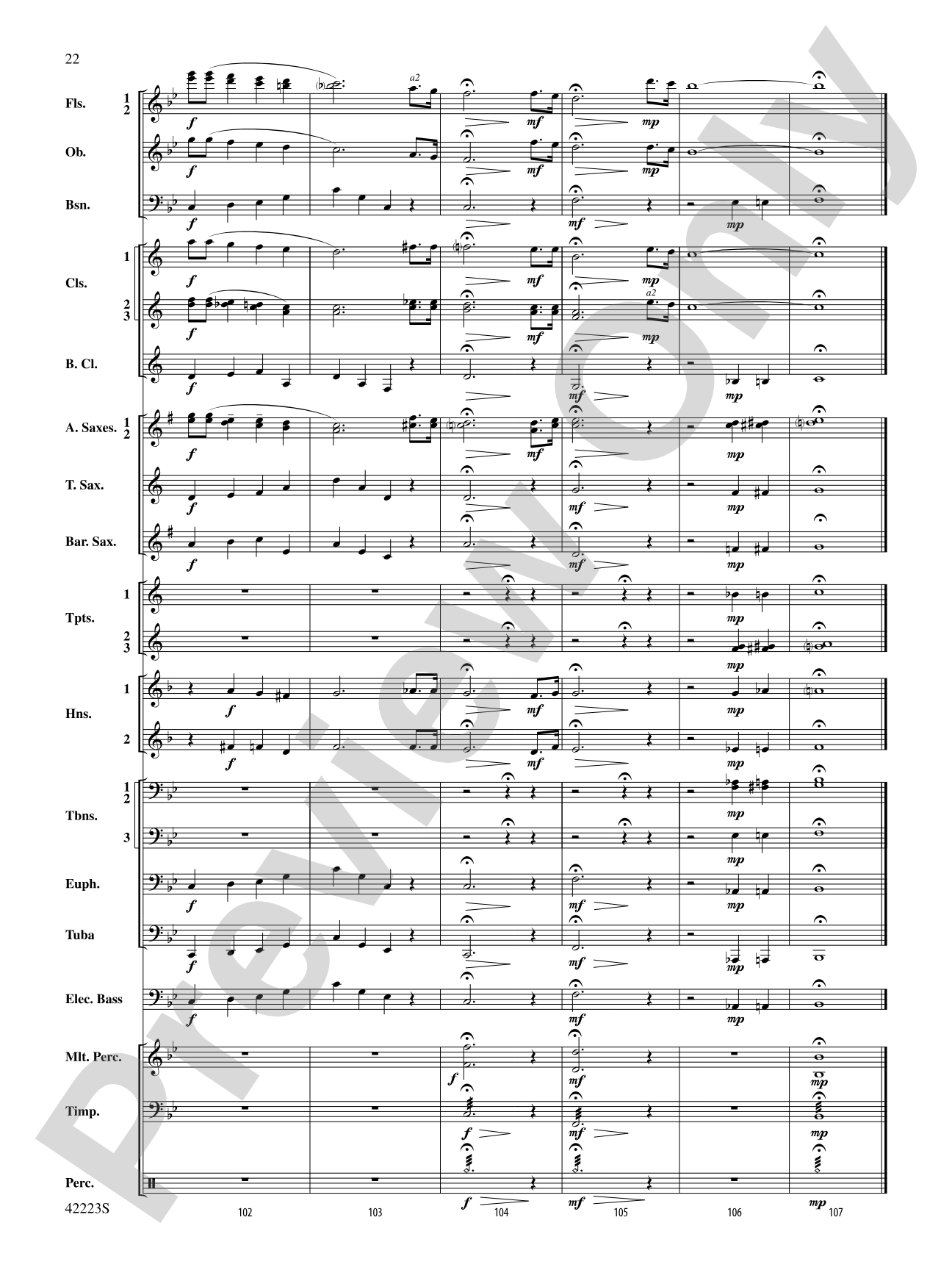
This work is a favorite song wishfully heard at the beginning of the winter months. This setting offers a variety of different styles applied to the melody---serenade, jazz, waltz, and even a march, but keeping the wonderful melody front and center!" Easy to sing and play---it is loved by all. (3:30)


Don't just read it, hear it, play along with it, and watch your students grow with it. In MakeMusic Cloud, Let It Snow! Let It Snow! Let It Snow!, Variations on: Concert Band Conductor Score & Parts comes alive with professional accompaniment, adjustable tempo, and built-in practice tools that turn solo practice into real progress.
Open in the Player
Jump straight in and assign it today.
Start Your Free Trial
Open this title and explore the full library in minutes.
Sample Audio
1
Audio File
--:--
0:00
0:00
Sample Video
No sample videos found.
Additional Details
Series:
Pop Concert Band
Publisher:
Alfred Music
Page Count:
234
SKU:
00-PK-0006463
More about this title
About the Composer: Jule Styne
Jule Styne (1905-1975) composed some of the most recognizable melodies in American popular song and musical theater. His gift for writing singable, memorable tunes made him a sought-after collaborator in Hollywood and on Broadway, where he worked on beloved standards that remain central to popular music education.
Styne's gift was melodic invention. Whether writing for film or stage, he created songs that singers and players instinctively want to perform. "Let It Snow! Let It Snow! Let It Snow!" exemplifies his approach: a melody so natural and inviting that it works across any style or arrangement, making it ideal for student ensembles learning to balance accessibility with artistry.
Why we love this
Jack Bullock's arrangement proves that a great melody thrives in multiple settings. By cycling through serenade, jazz, waltz, and march variations, students hear how context reshapes musical meaning while keeping the tune's essential character intact. The Grade 3 scoring allows each section to carry melodic responsibility without overwhelming younger players, making this both musically substantive and genuinely playable.
What to expect
The piece captures winter's conflicting emotions: cozy nostalgia in the serenade, playful sophistication in the jazz section, graceful motion in the waltz, and celebratory strength in the march. Throughout all variations, the melody remains unmistakably itself, familiar and comforting yet continually refreshed by new harmonic and rhythmic contexts.
Who it's for
Concert bands working at Grade 3 level who want a winter or holiday program piece that engages the full ensemble without requiring substantial sectional virtuosity. This arrangement also serves directors seeking repertoire that demonstrates how a single melody can function in contrasting styles, offering both performance satisfaction and musical literacy.
How to get the most out of it
- Balance the melody across your band. In faster sections, resist the urge to rush; let the rhythmic clarity emerge from steady pulse, not accelerating tempo.
- Attend to the tonal shifts between styles. The serenade section calls for warmth and legit sound; the jazz section needs articulation clarity and swing feel.
- Use dynamics to support the form. Each variation should feel like a fresh statement of the melody, so shape phrases clearly and avoid letting middle sections blur together.
- Emphasize the march section's precision. Crisp articulation and rhythmic alignment in this passage will energize the whole performance.
How to use it
This works beautifully in a winter or December concert as a centerpiece or closing number. Its moderate length (3:30) and stylistic variety allow it to stand alone, or you might pair it with other Grade 3 works that contrast in mood or genre. The arrangement's accessibility makes it an excellent choice for mid-year programming when ensemble cohesion has solidified but major festival preparation isn't yet critical.
Skills your students will build
- Playing the same melody across different harmonic and rhythmic contexts
- Distinguishing and executing contrasting articulation styles (legit, swing, march)
- Maintaining ensemble balance when melody rotates between sections
- Responding to dynamic and tempo relationships that shape stylistic identity
- Recognizing how arrangement and orchestration reshape a familiar tune