

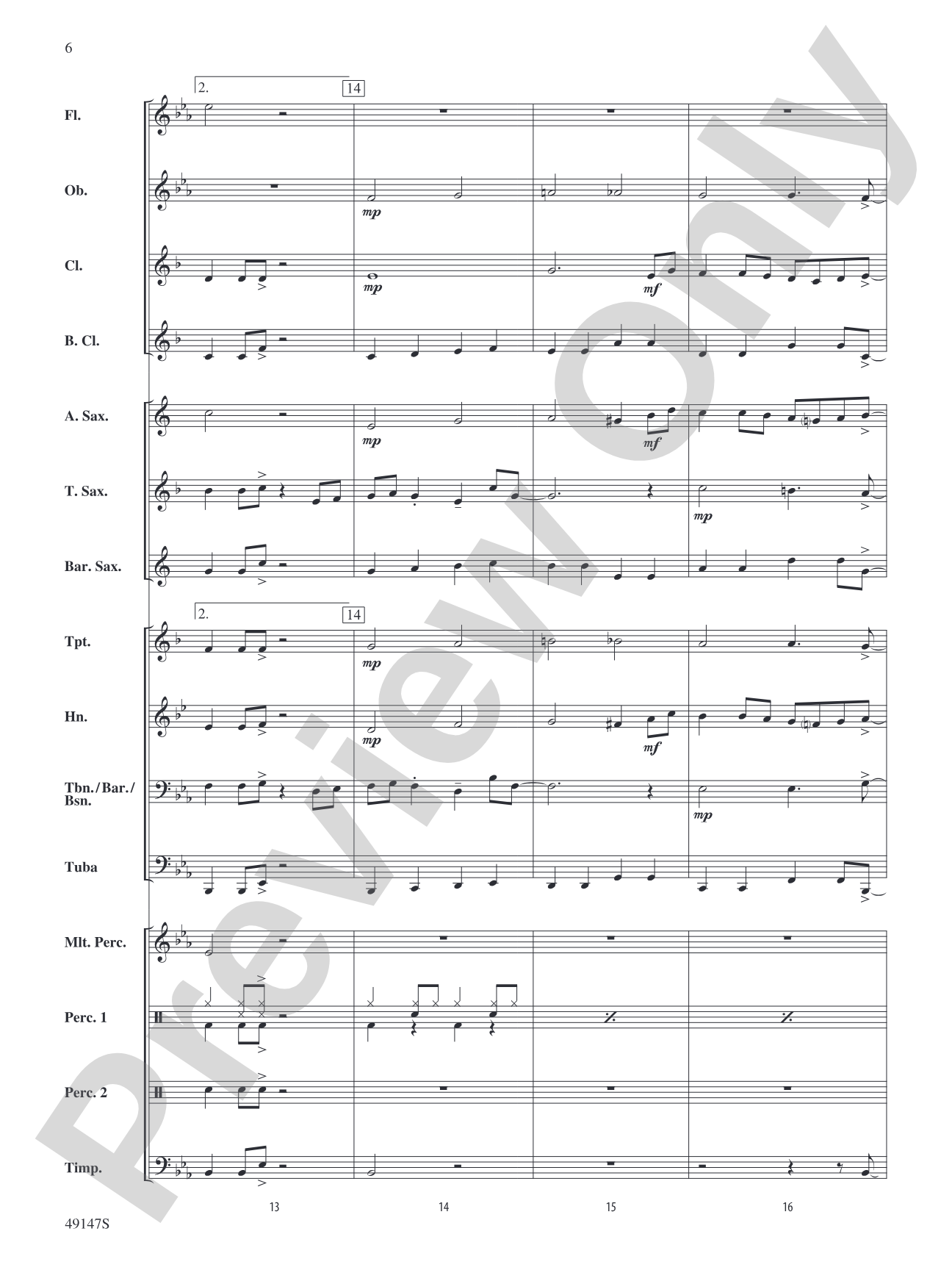
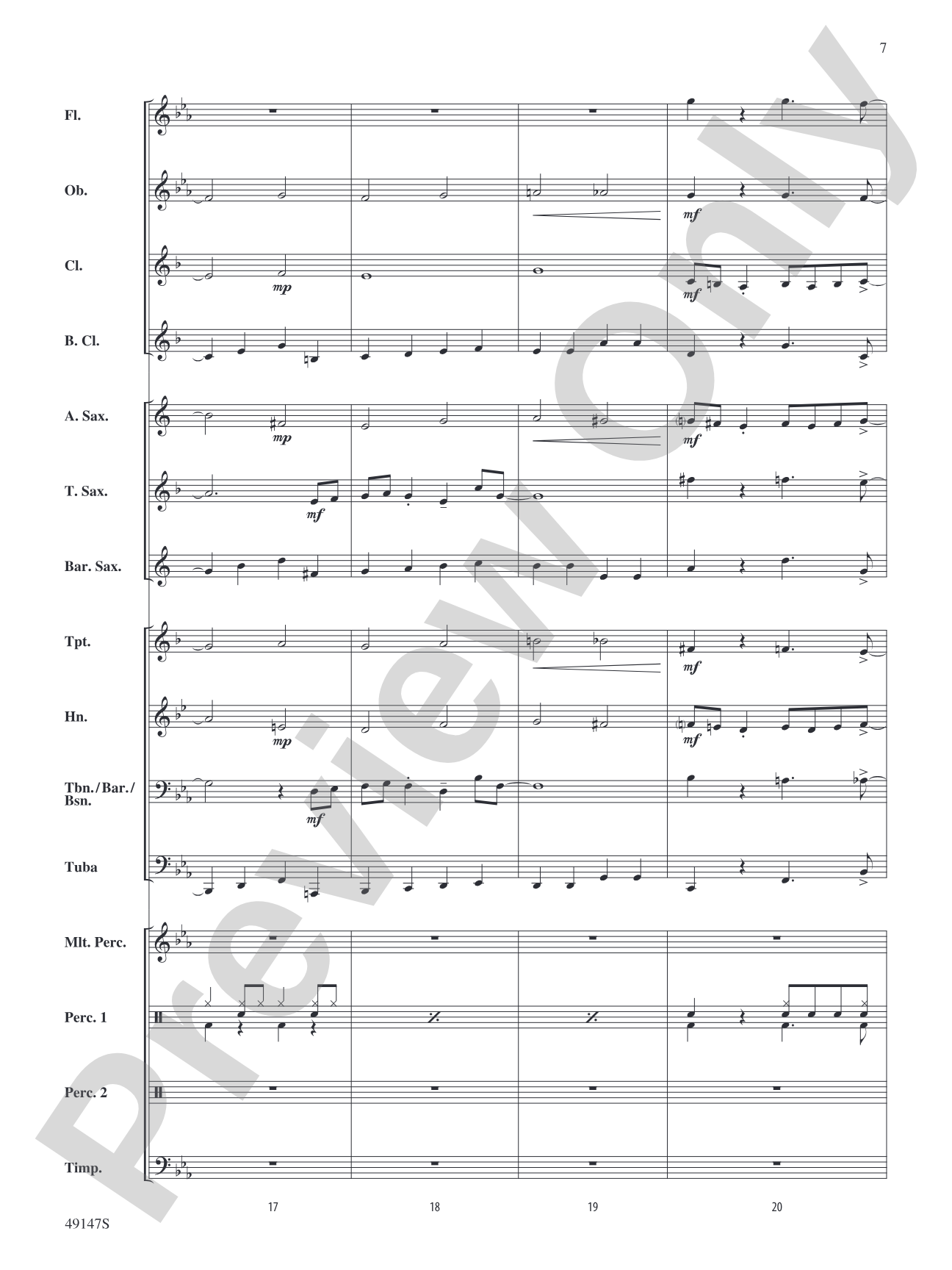
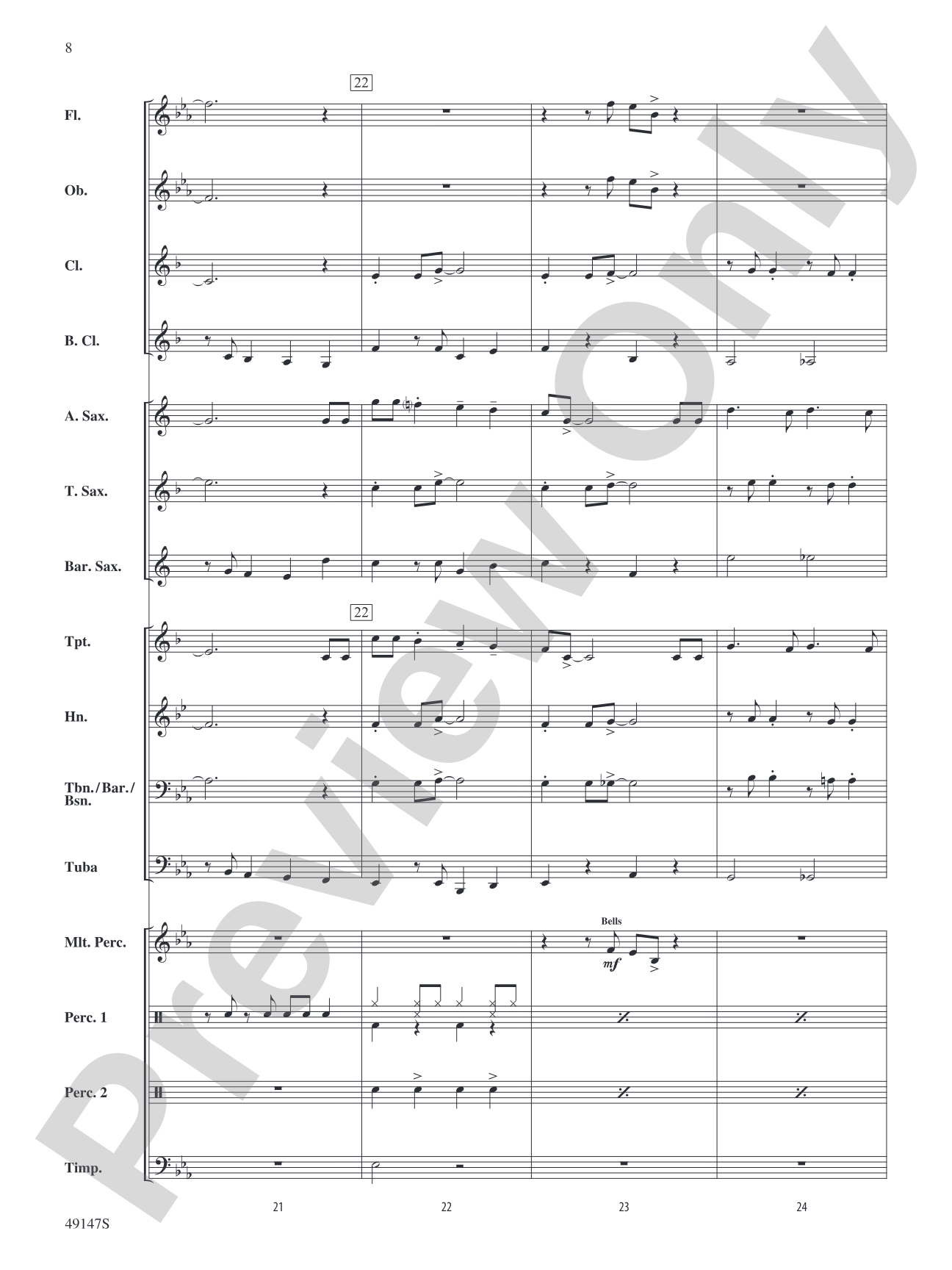
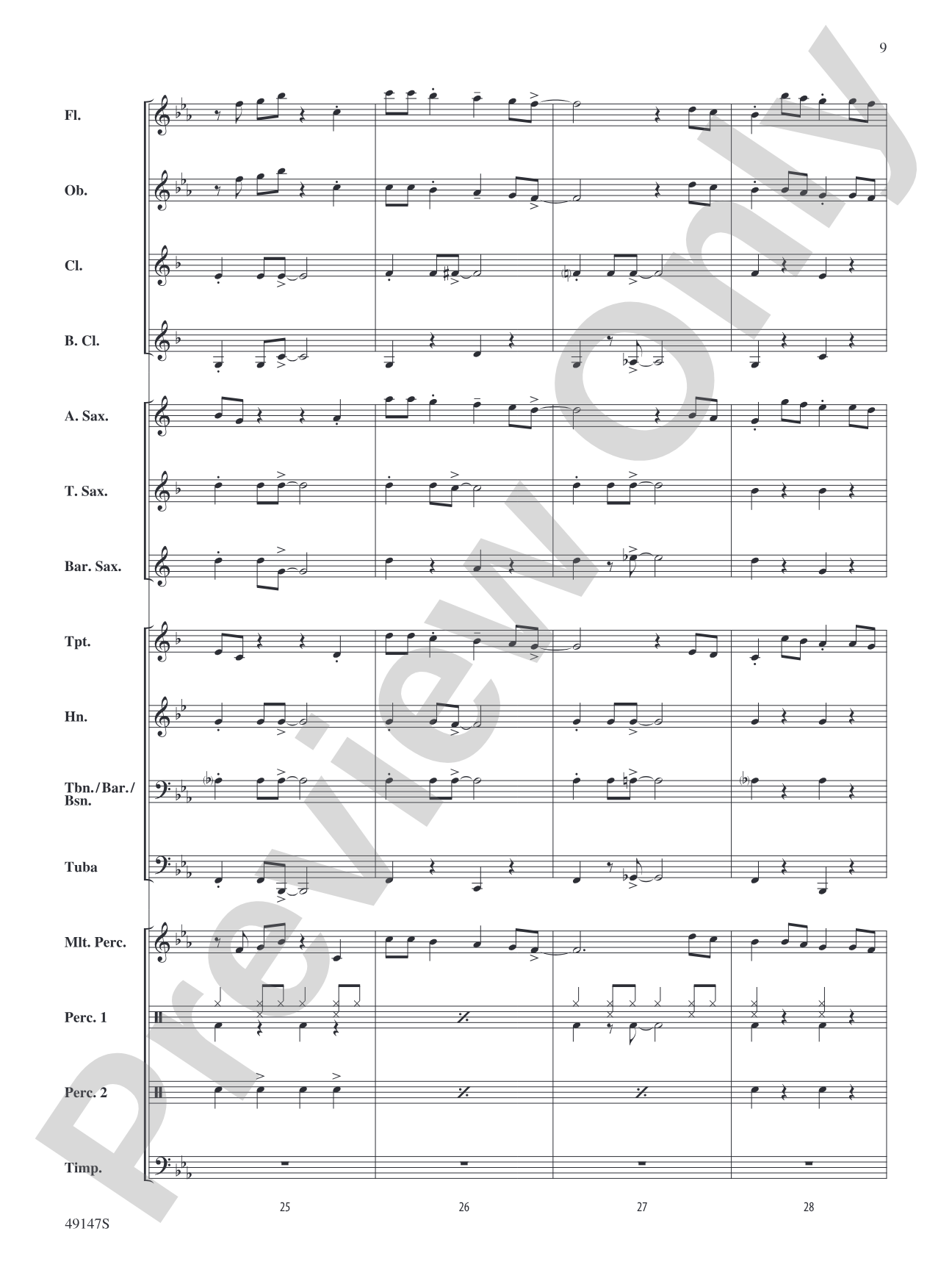
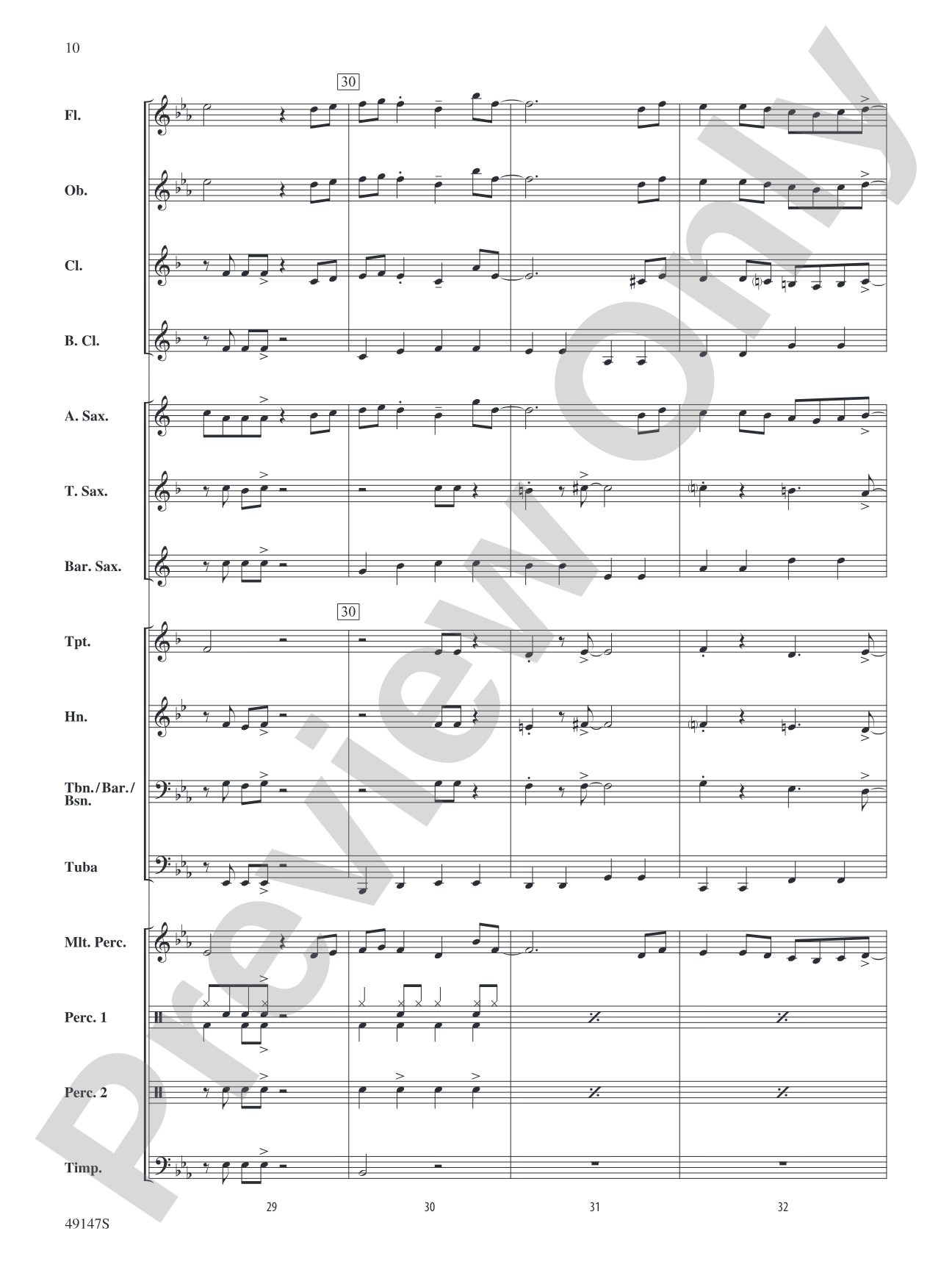
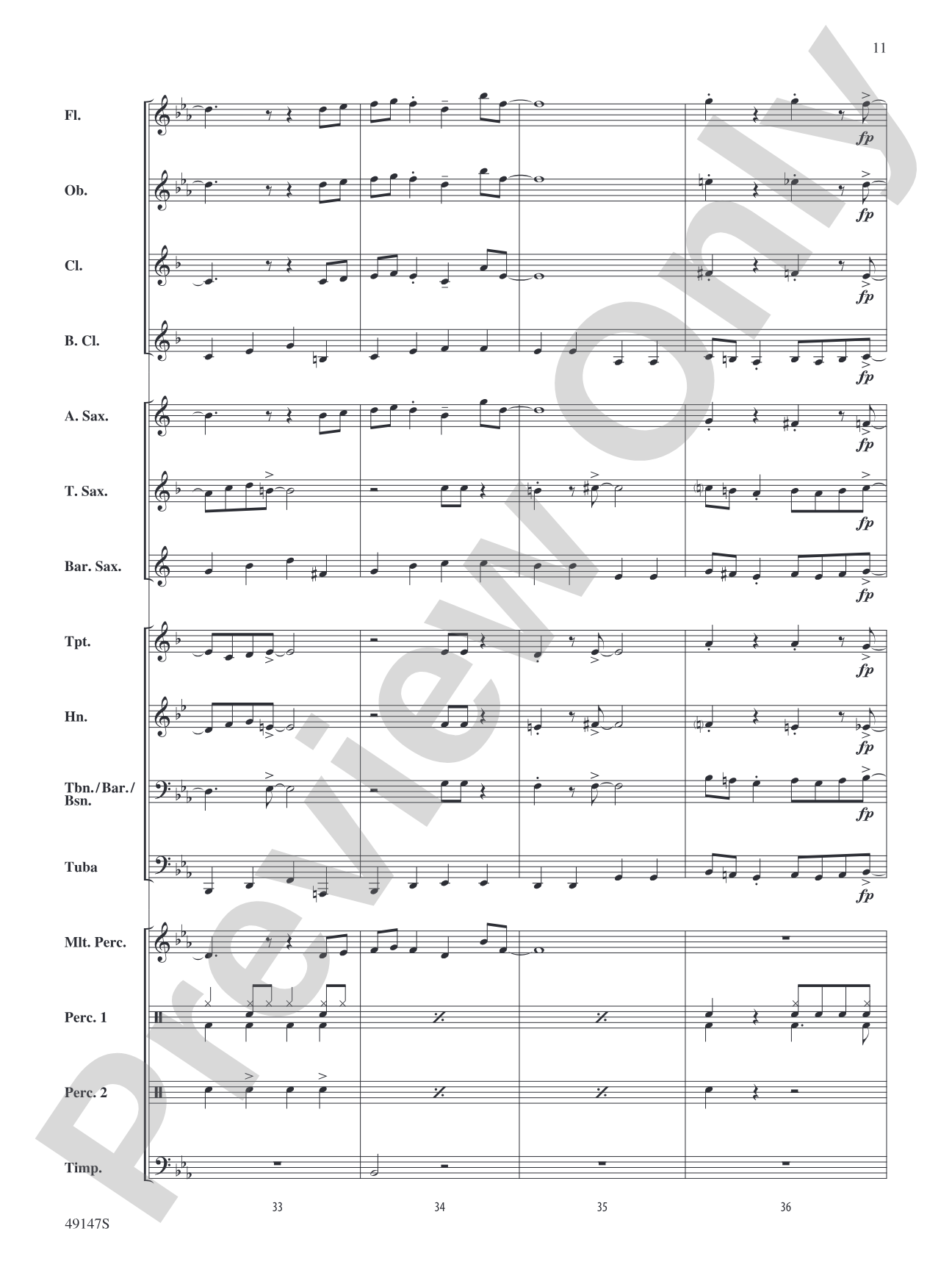
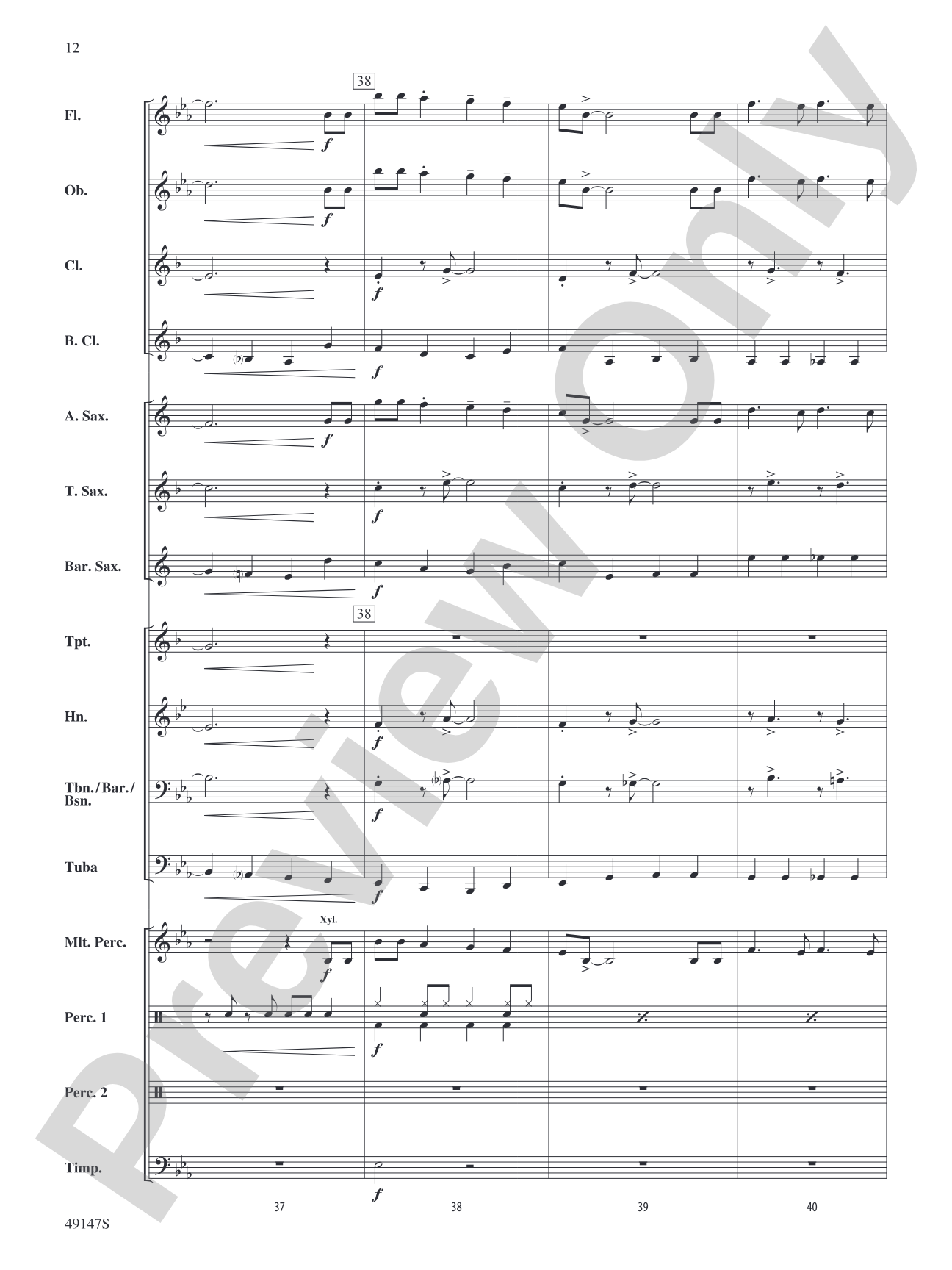
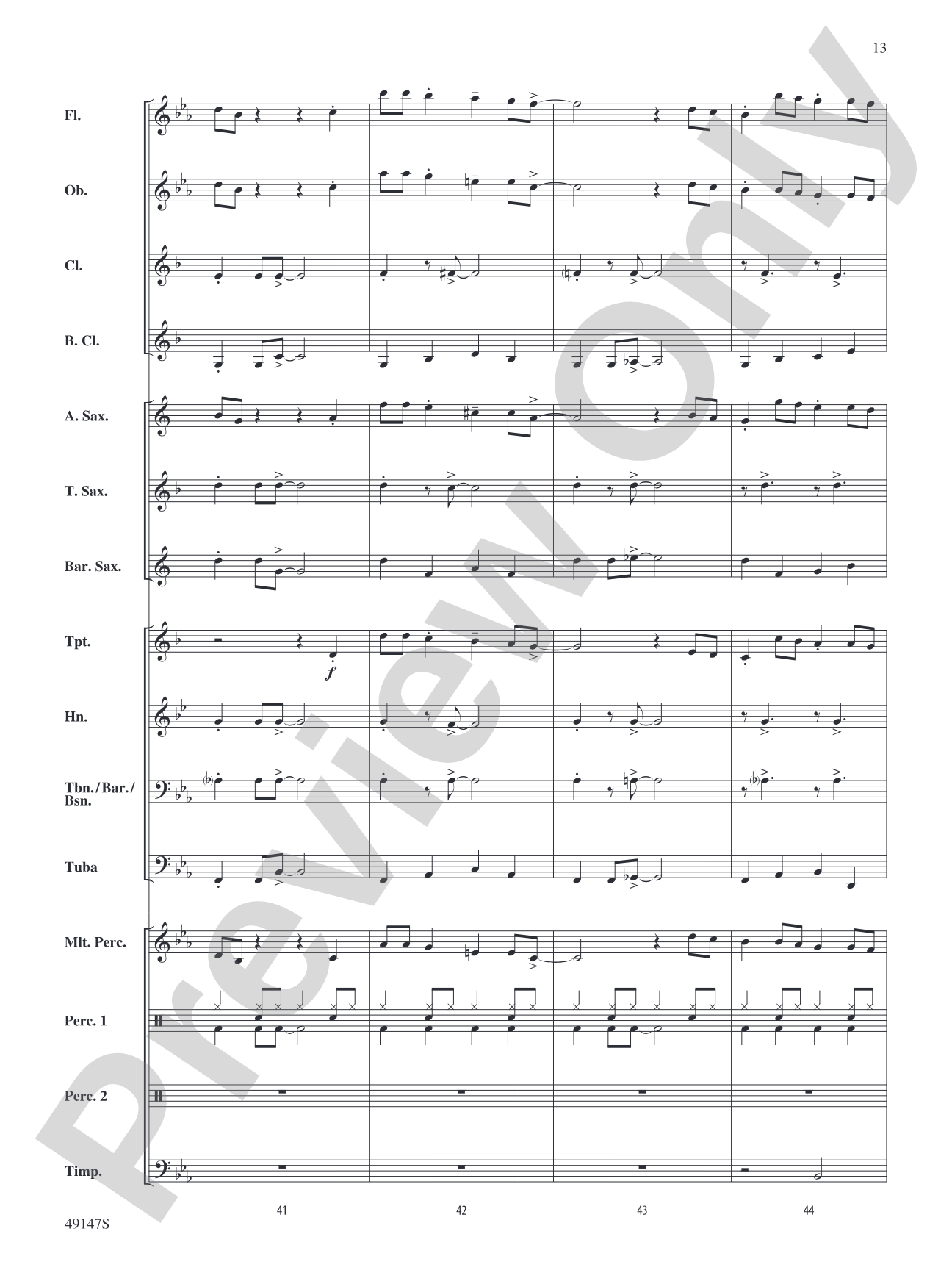

Let It Snow! Let It Snow! Let It Snow!: Concert Band Conductor Score & Parts
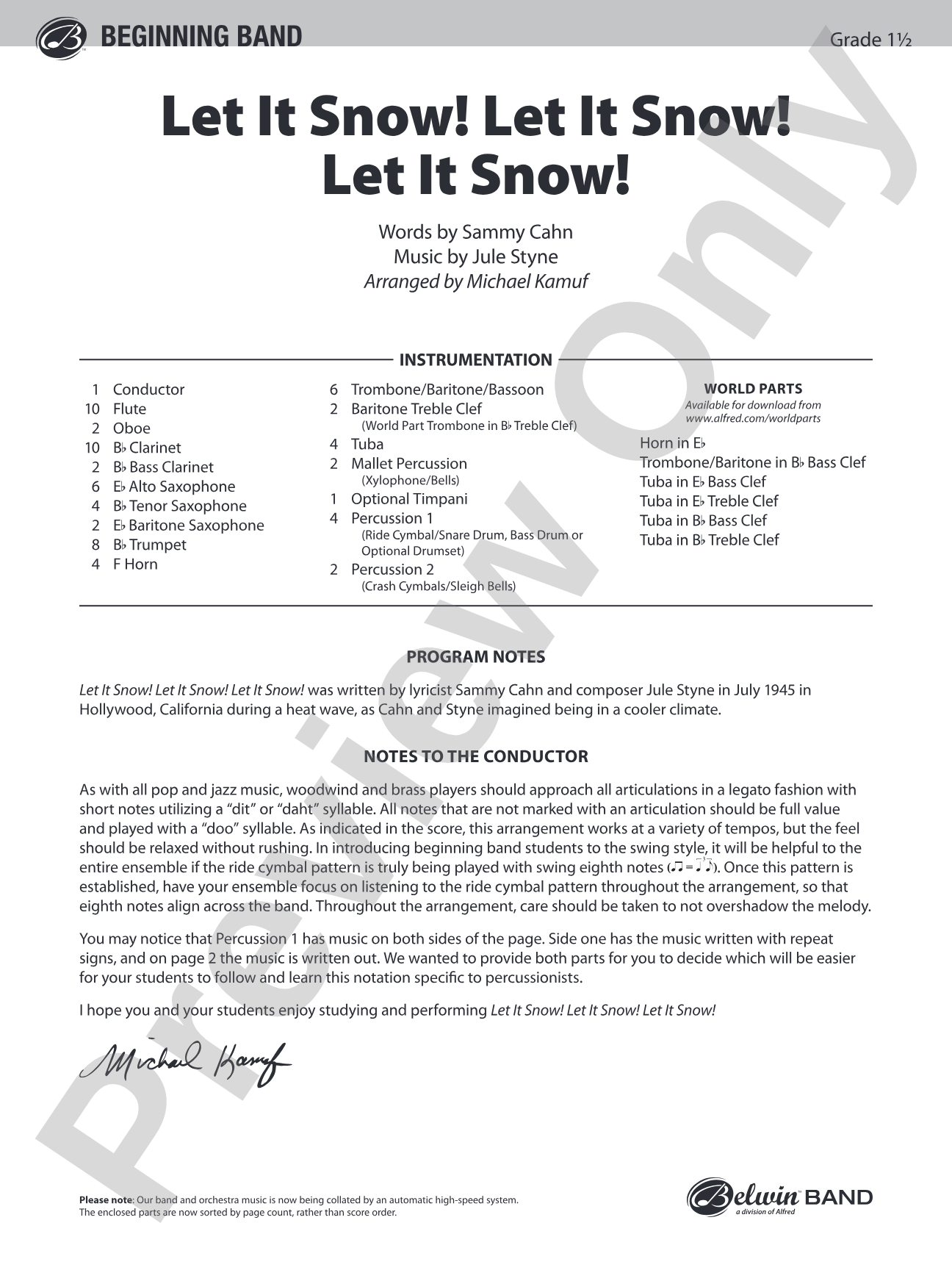
Words by Sammy Cahn, music by Jule Styne / arr. Michael Kamuf
Grade: 1.5 (Very Easy)
Item: 00-PK-0008406

$57.00
One moment…
Description
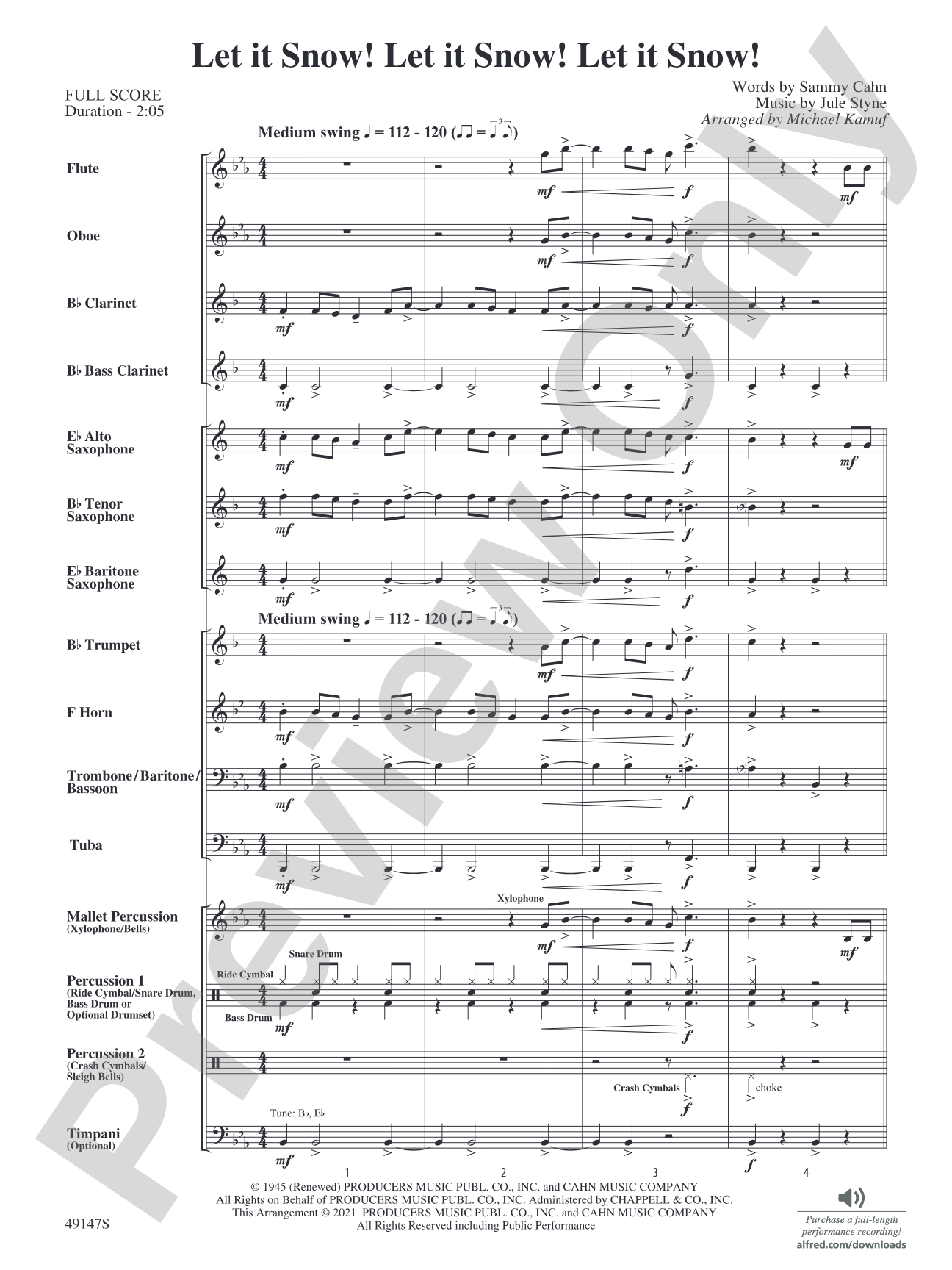
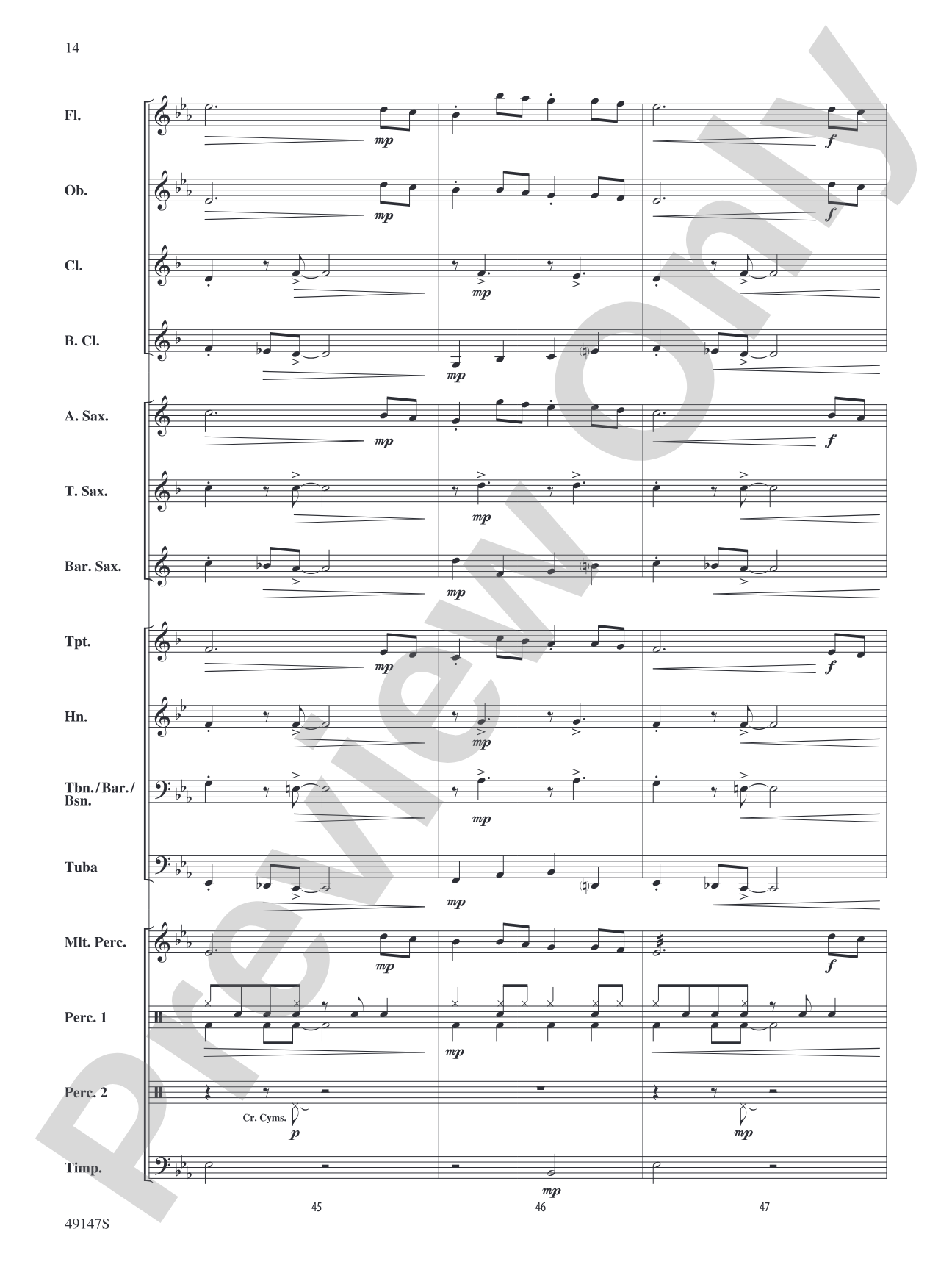
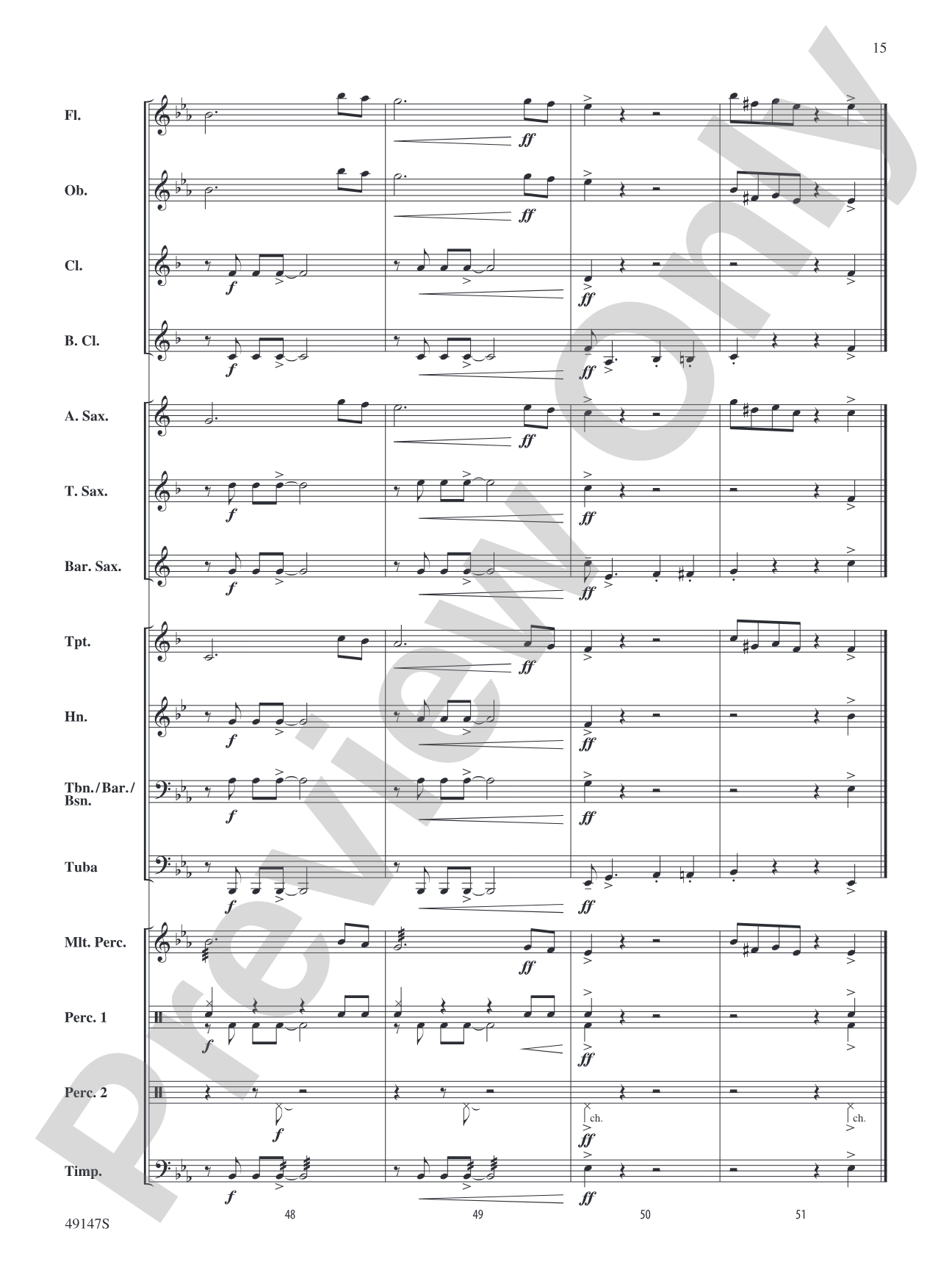
With its familiar melody, this arrangement of the iconic classic by Sammy Cahn and Jule Styne is the perfect Michael Kamuf arrangement to introduce easy swing style to your beginning band students. He has even included teaching techniques to meet that goal. Composed in 1945 during a Hollywood heat wave, Let It Snow! Let It Snow! Let It Snow! is a cherished holiday classic that's sure to be a favorite of students and audiences alike!


Don't just read it, hear it, play along with it, and watch your students grow with it. In MakeMusic Cloud, Let It Snow! Let It Snow! Let It Snow!: Concert Band Conductor Score & Parts comes alive with professional accompaniment, adjustable tempo, and built-in practice tools that turn solo practice into real progress.
Open in the Player
Jump straight in and assign it today.
Start Your Free Trial
Open this title and explore the full library in minutes.
Sample Audio
1
Audio File
--:--
0:00
0:00
Sample Video
Additional Details
Series:
Pop Beginning Band
Publisher:
Alfred Music
Page Count:
89
SKU:
00-PK-0008406
More about this title
About the Composer: Jule Styne
Jule Styne (1905-1975) was a prolific composer whose work spanned Broadway, Hollywood, and popular song. Born in London and raised in Chicago, Styne became one of the most commercially successful composers of the mid-20th century, collaborating with lyricists including Sammy Cahn, Stephen Sondheim, and Betty Comden. His gift for melody made him a natural fit for film and musical theater, where audiences connected immediately with his writing.
Styne's compositions remain staples of American popular music education because they balance accessibility with sophisticated harmonies and rhythmic interest. Teachers and arrangers return to his catalog repeatedly because his melodies are memorable yet flexible enough to support various arrangements and instrumental combinations.
Why we love this
Michael Kamuf's arrangement strips swing style down to its essentials, making it genuinely teachable for bands just beginning to explore jazz inflections. The inclusion of explicit teaching techniques means you're not guessing how to help students find the pocket; the material does that work for you. Holiday repertoire that actually serves a pedagogical purpose beyond sentiment is rare, and this one earns its place on your stand.
What to expect
The arrangement captures the warmth and straightforward charm of the original, wrapping it in a gentle swing groove that feels approachable rather than academic. There's a lightness here that keeps the piece from feeling heavy, making it genuinely fun for young players to perform and audiences to hear again.
Who it's for
Conductors introducing beginning band students to swing style in a recognizable, non-threatening context. This works especially well for groups in their first or second year of study who are ready for more stylistic color but haven't yet tackled complex syncopation or jazz chord substitutions.
How to get the most out of it
- Address the swing feel early by establishing the triplet subdivision in eighth notes before rehearsing the main melody. Have the rhythm section (drums, bass, chords) set the groove first, then layer in the horns.
- Shape the familiar melody through slight dynamic scoops rather than attacking straight on. This releases tension and gives the tune room to breathe, which is especially important at this level.
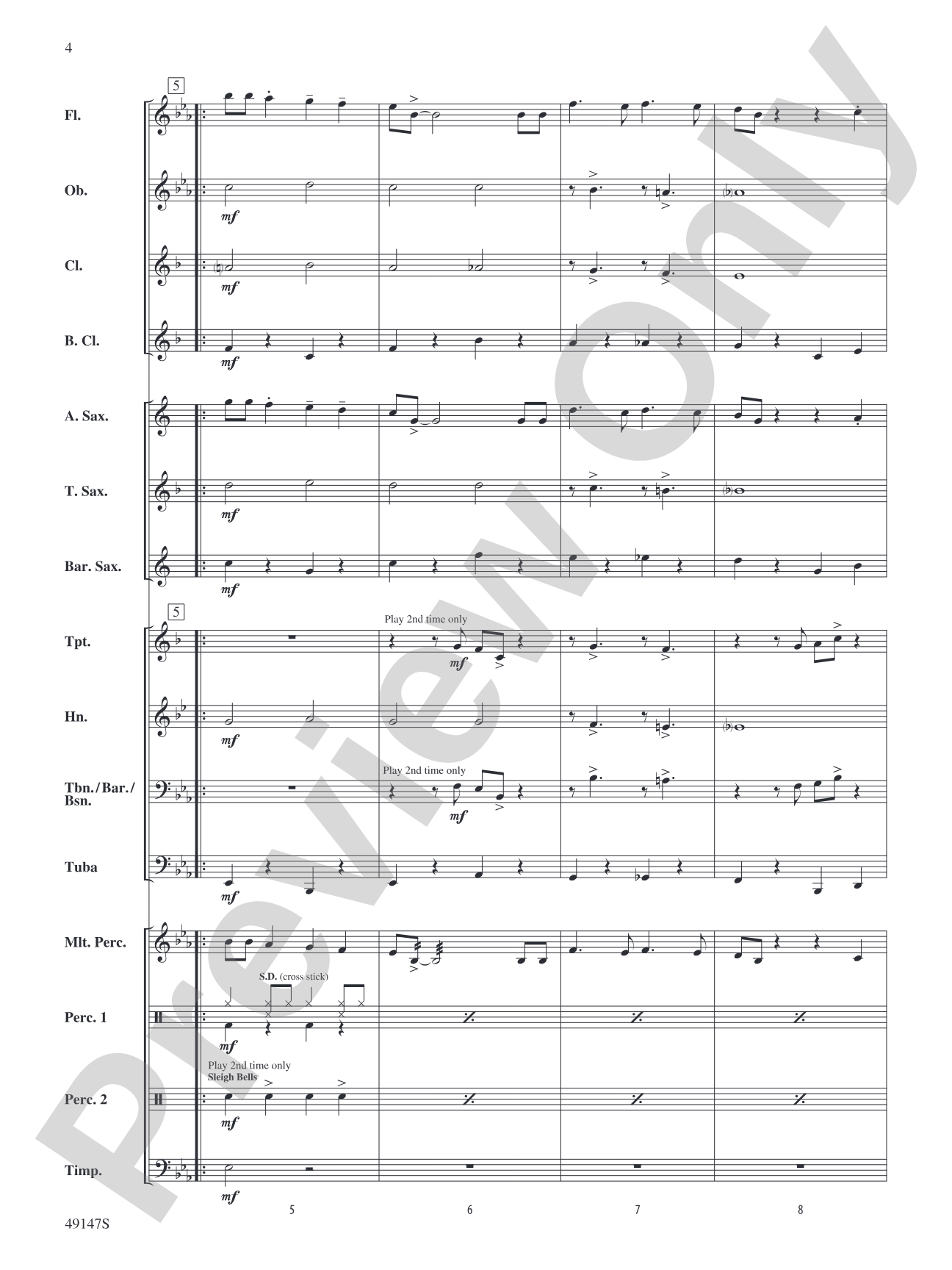
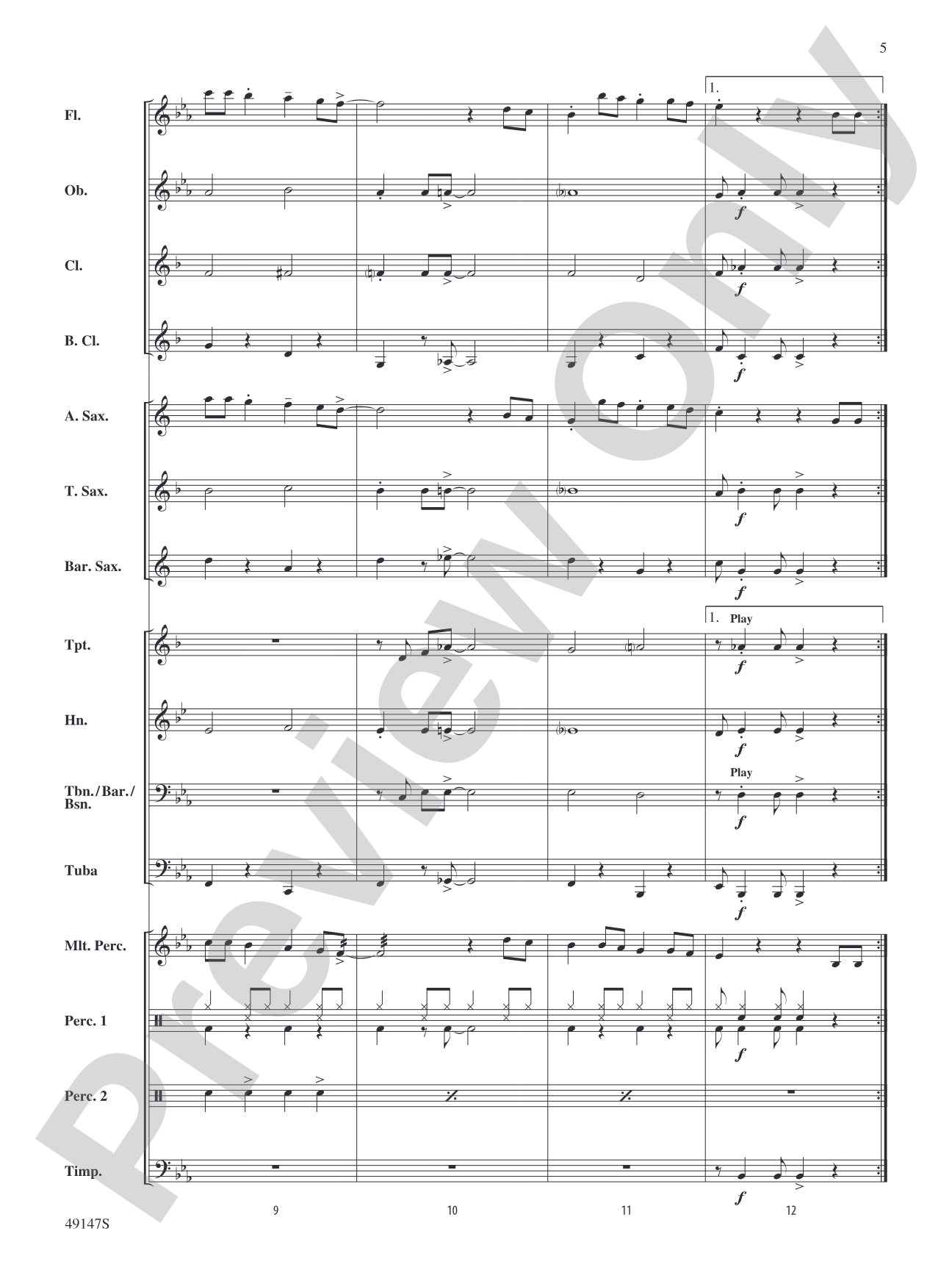
- Balance the homophonic sections by checking that inner voices aren't overpowering the lead line. At Grade 1.5, clarinet and alto sax parts can easily cover the melody if dynamics aren't anchored clearly.
- Lock the rhythmic unison passages (tutti hits) by having students tap the rhythm independently before playing it. This builds confidence and prevents the band from pushing or dragging during scored breaks.
How to use it
Program this as a confident statement piece in a winter or early spring concert when you want to demonstrate your band's growing stylistic range. It pairs well with more traditional concert band fare earlier in the program, signaling a shift in tone without asking your audience for a mental reset.
Skills your students will build
- Reading and executing swing eighth-note subdivision
- Balancing melody against homophonic accompaniment
- Dynamic control in sustained chords
- Rhythmic precision in tutti sections
- Phrasing in a popular music context (distinct from classical style)