
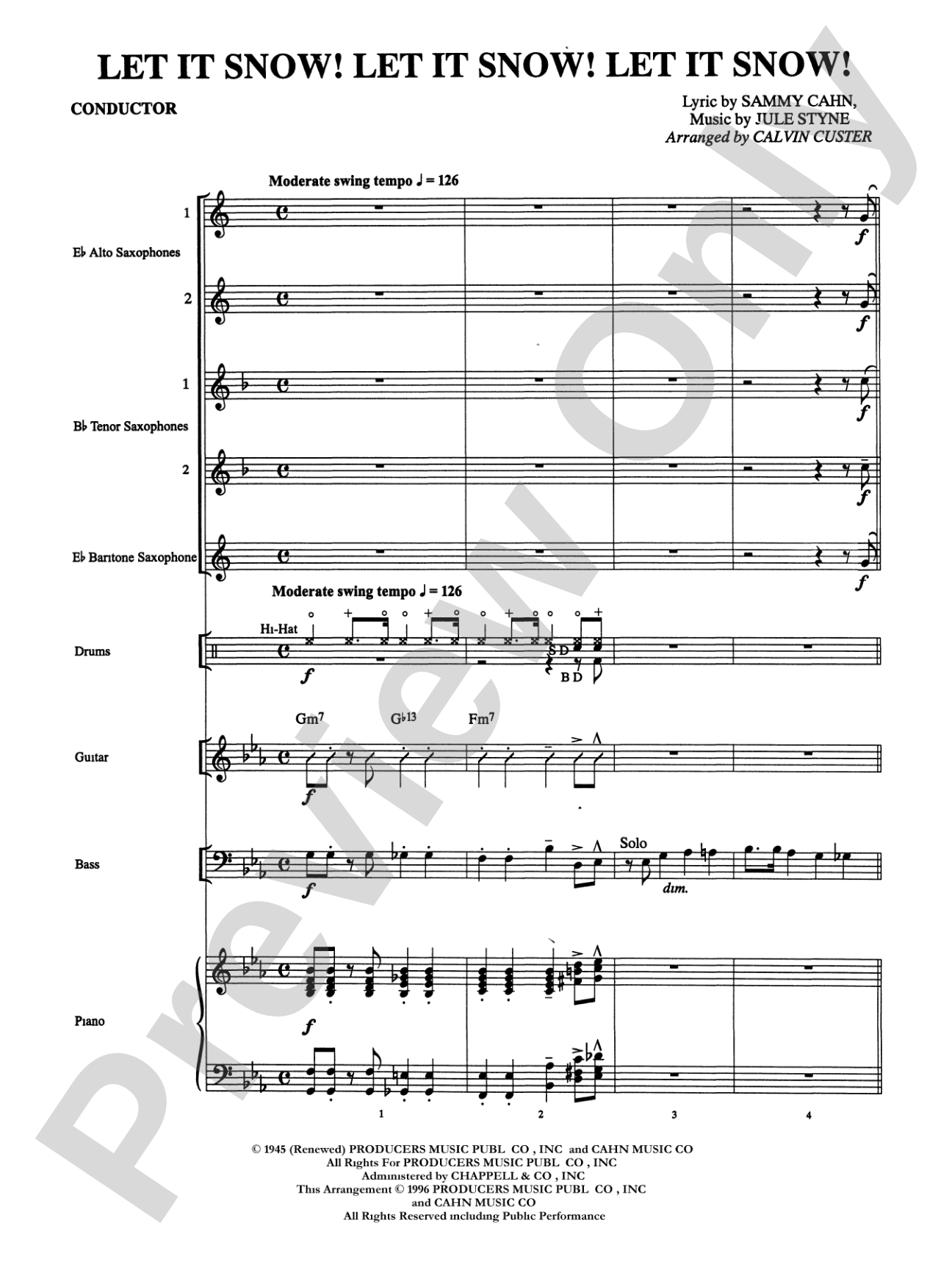
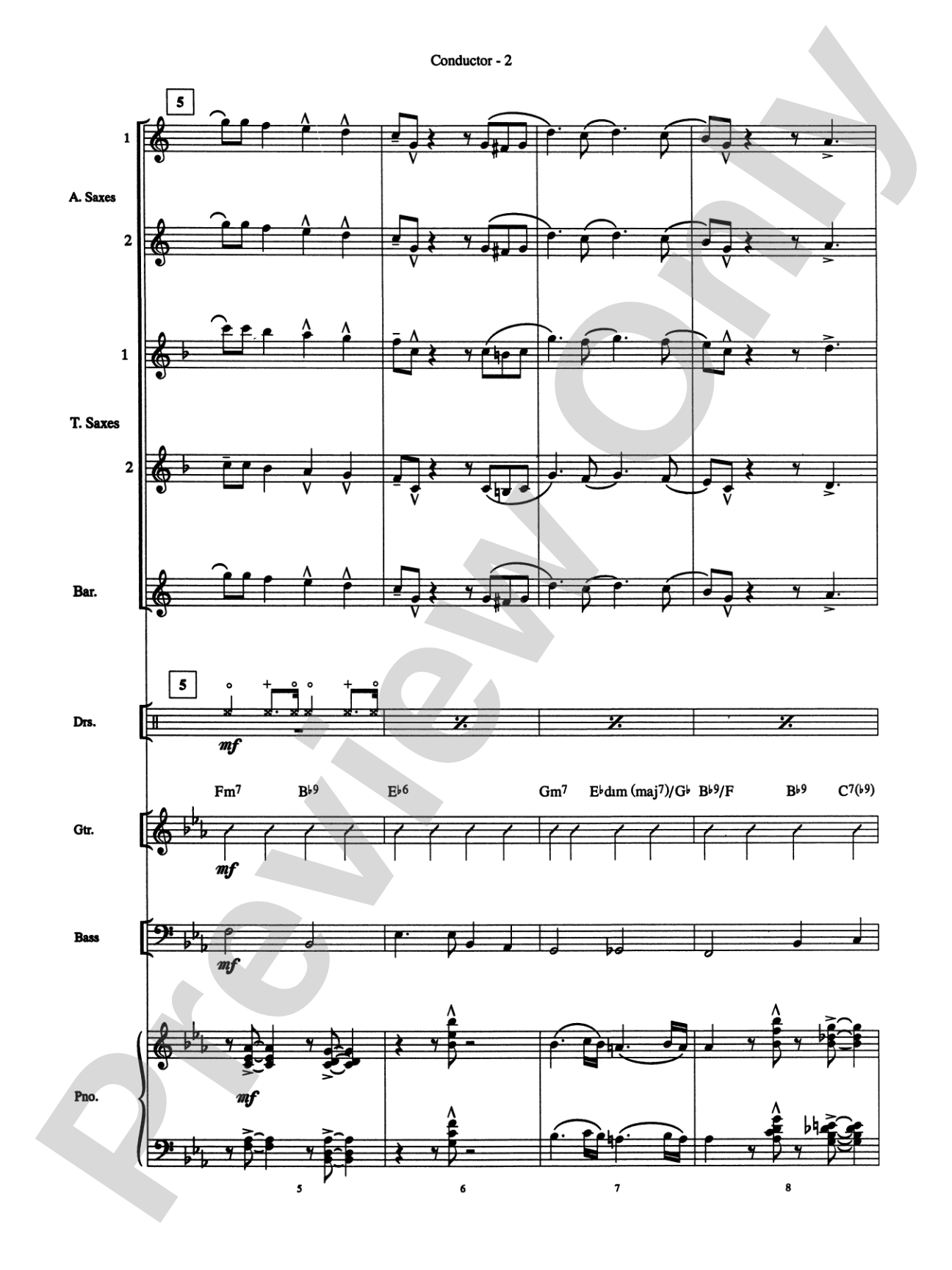
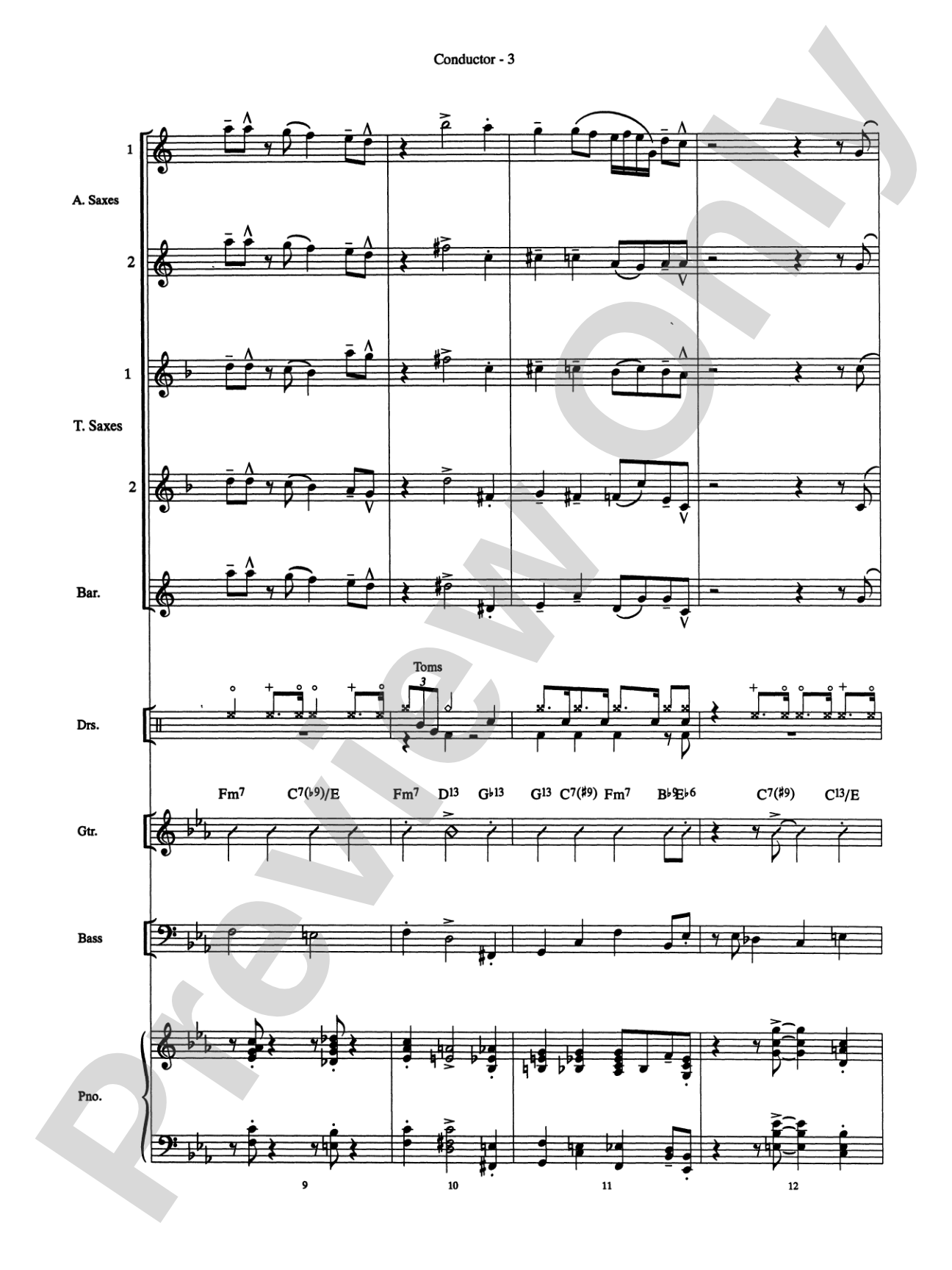
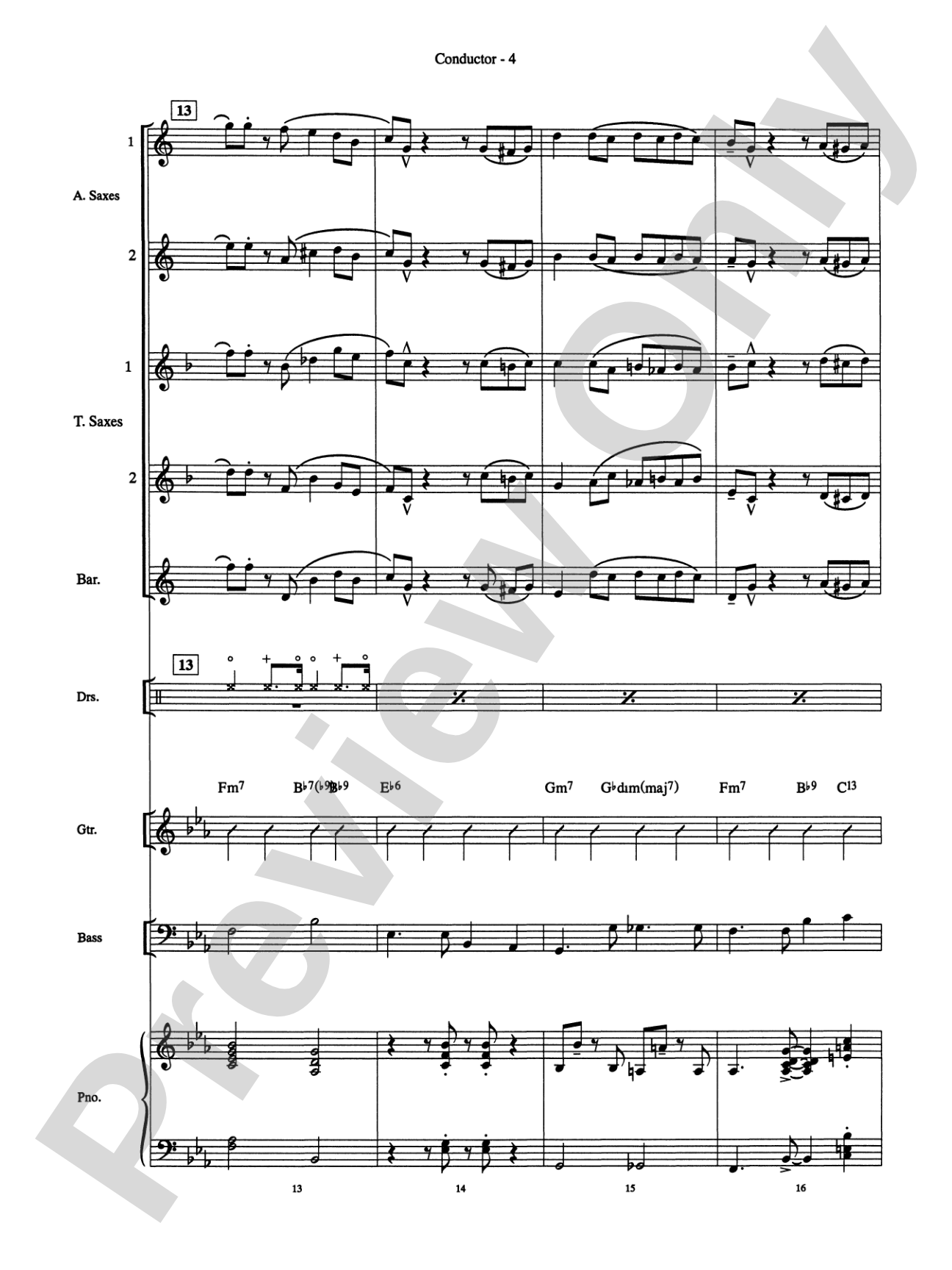
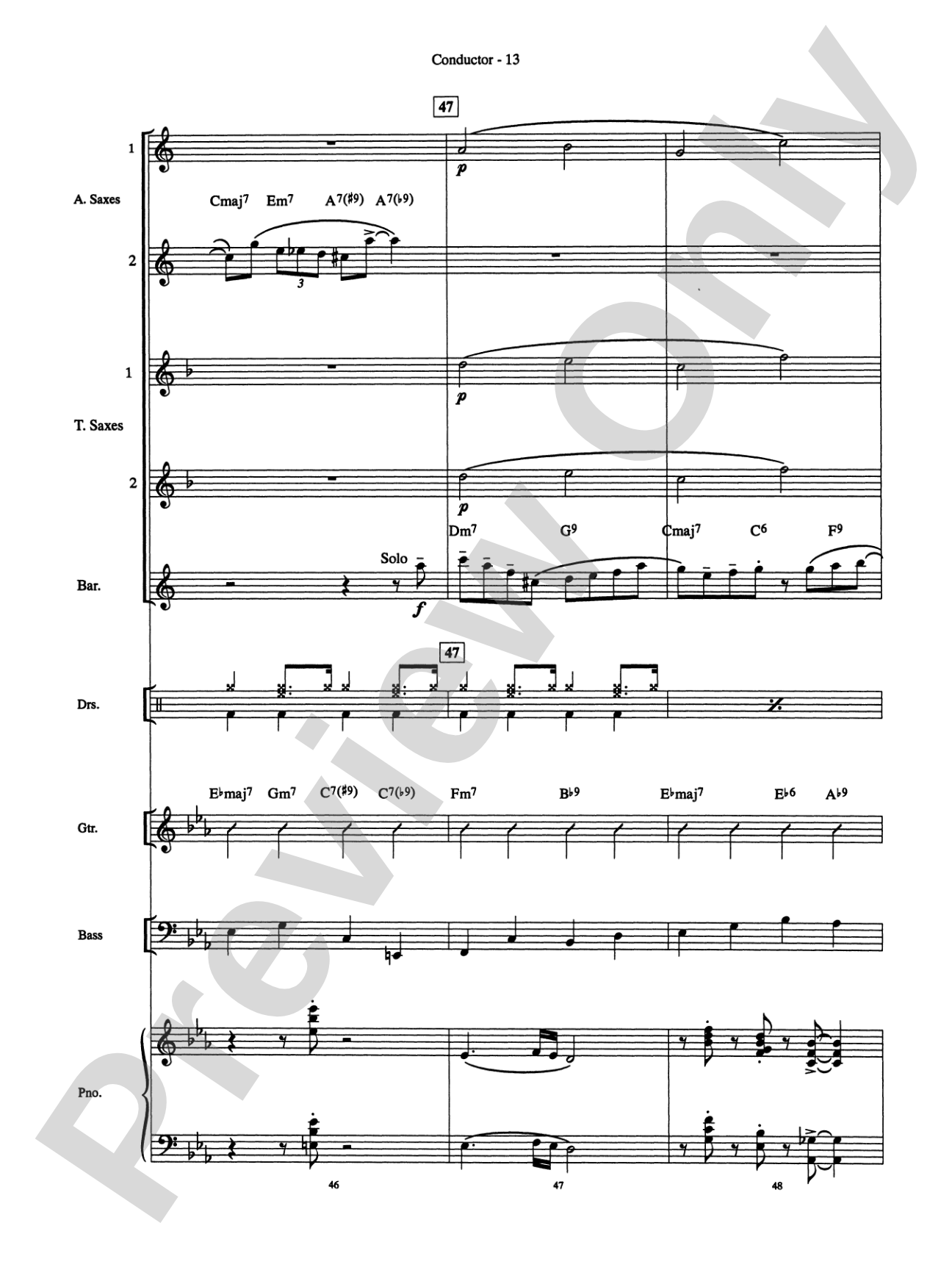
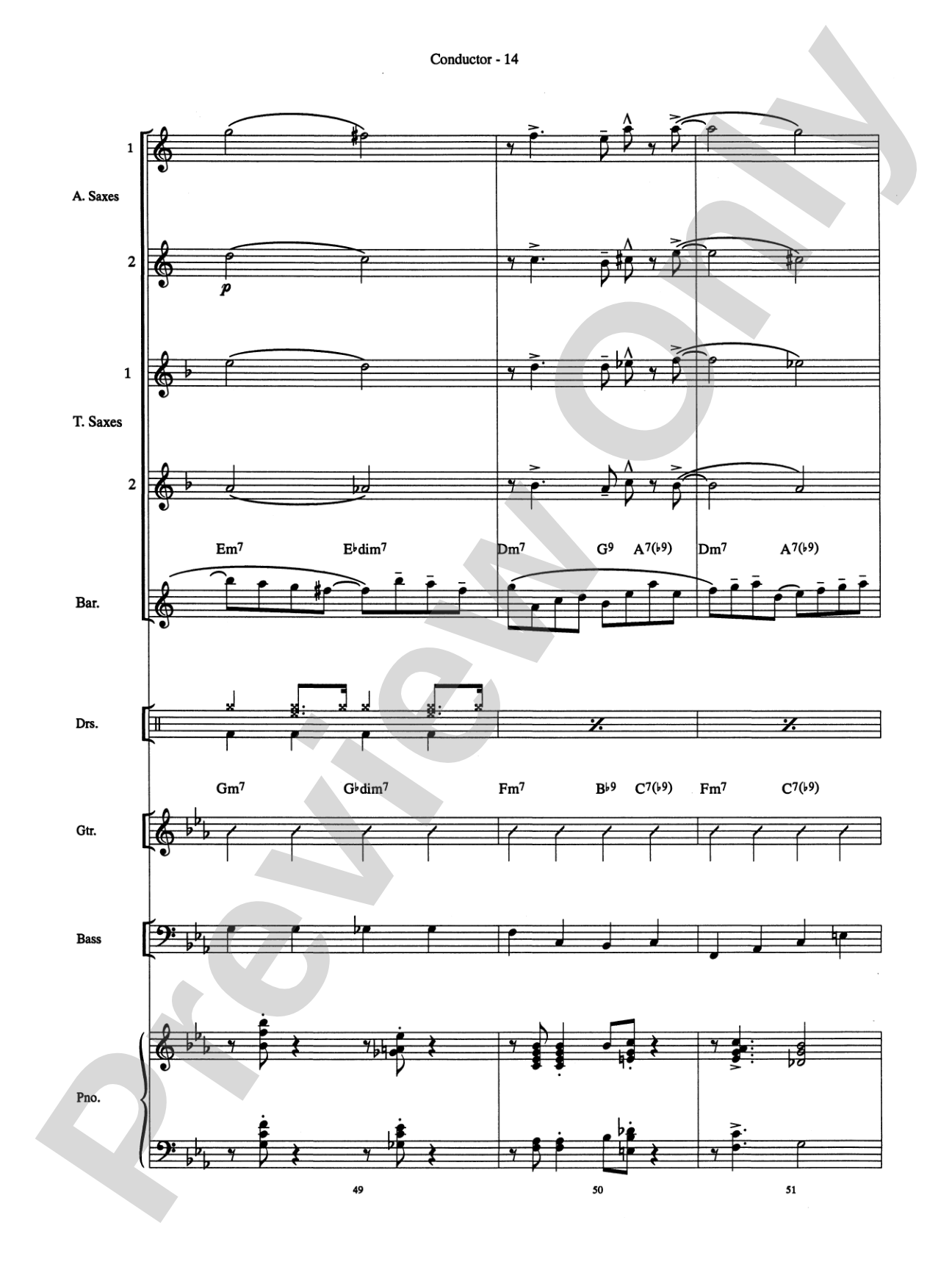
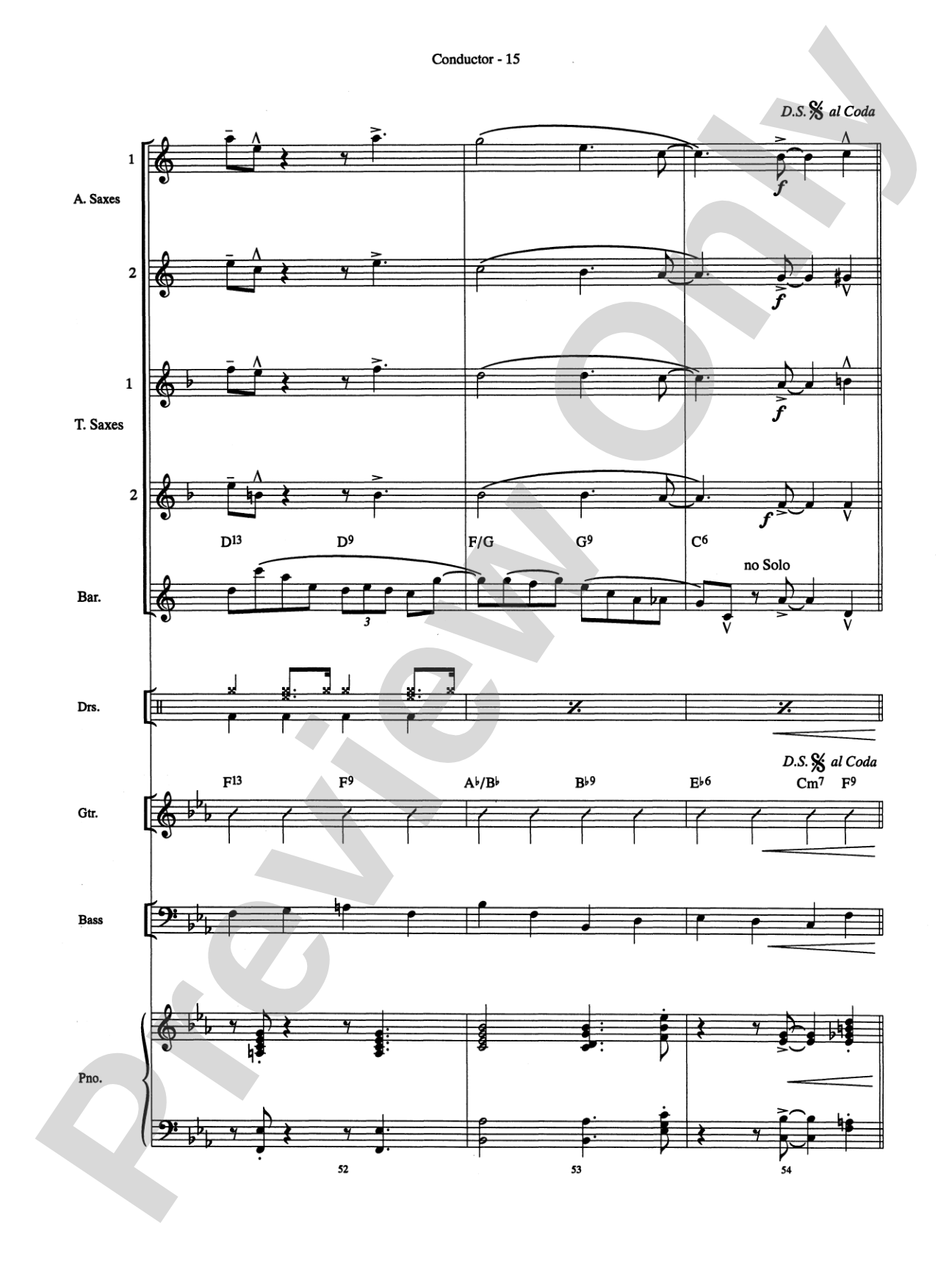
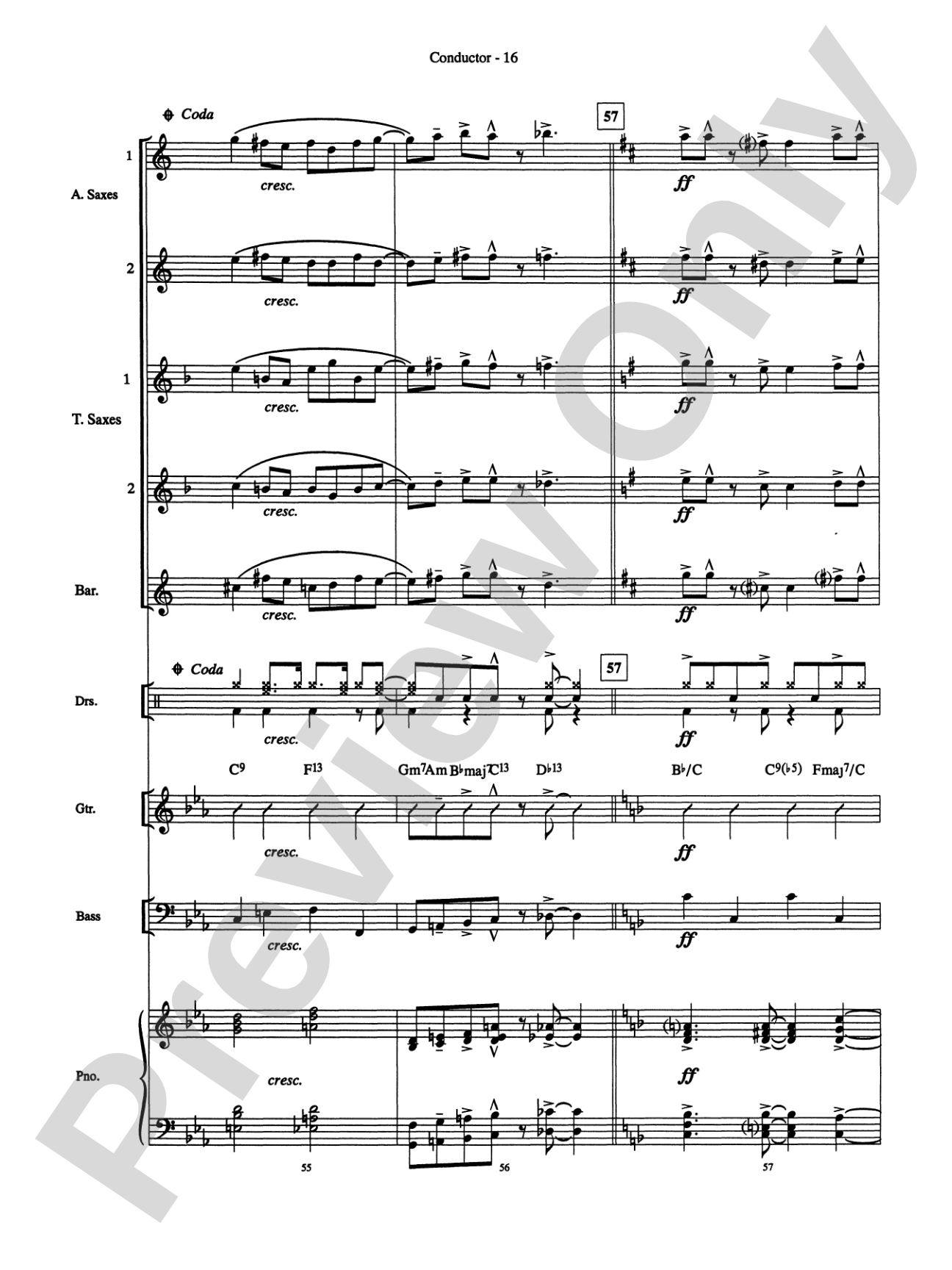


Let It Snow! Let It Snow! Let It Snow!: Saxophone Choir
Words by Sammy Cahn, music by Jule Styne / arr. Calvin Custer
Level: 3
Item: 00-PK-0001706

$15.99
One moment…
Related Items
Let It Snow! Let It Snow! Let It Snow!: Saxophone Choir |
$15.99
|
View |
Description
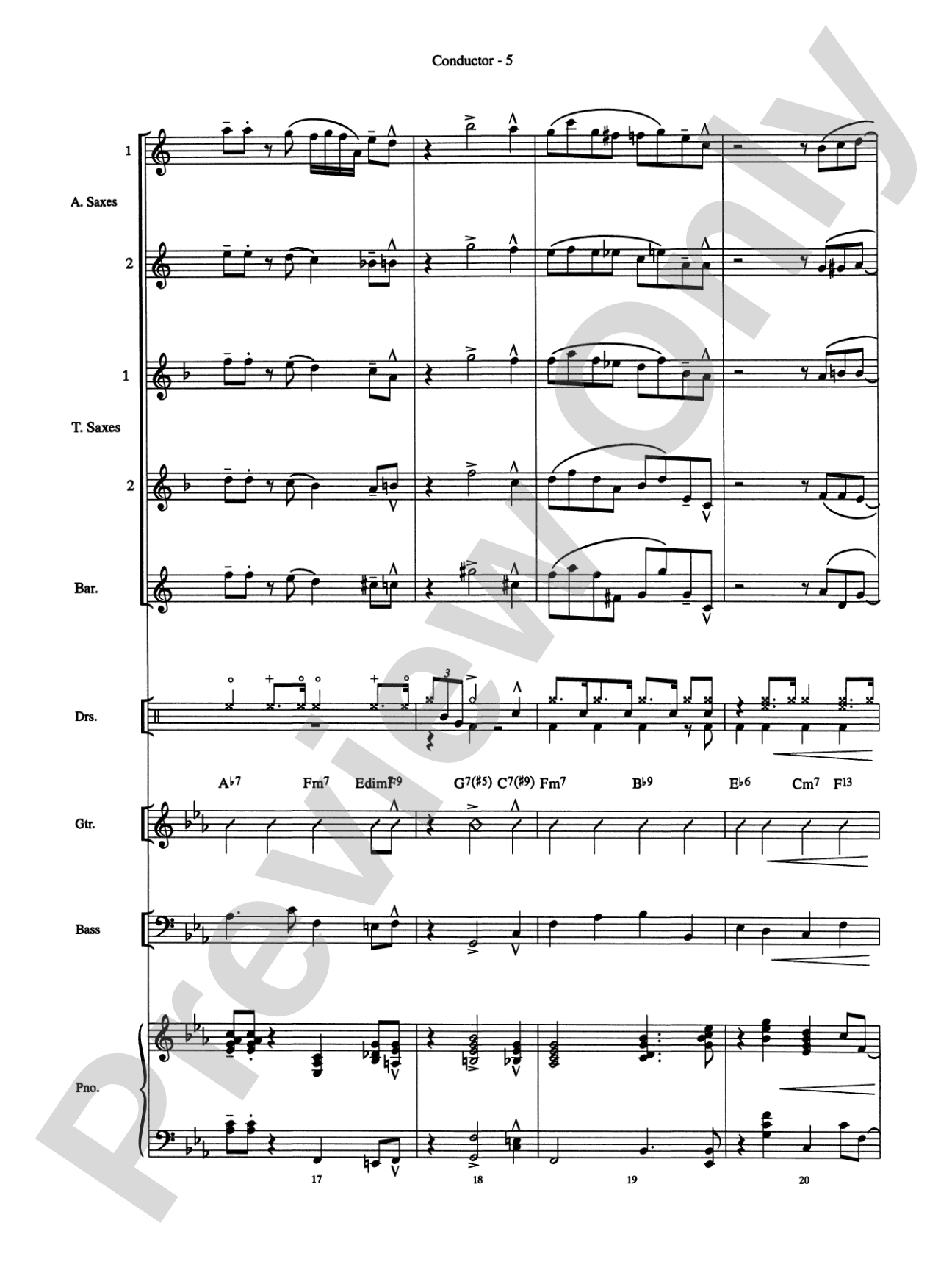
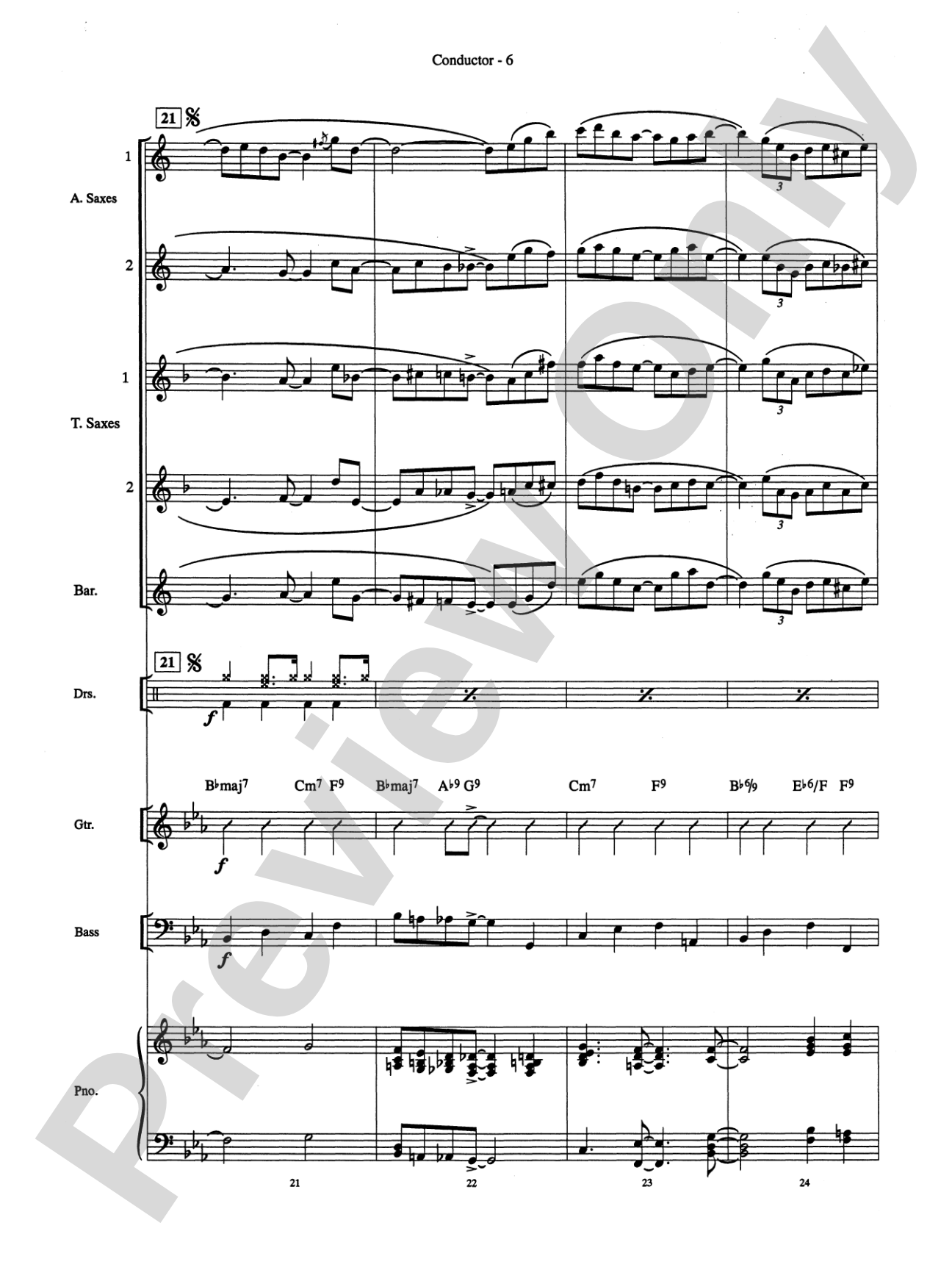
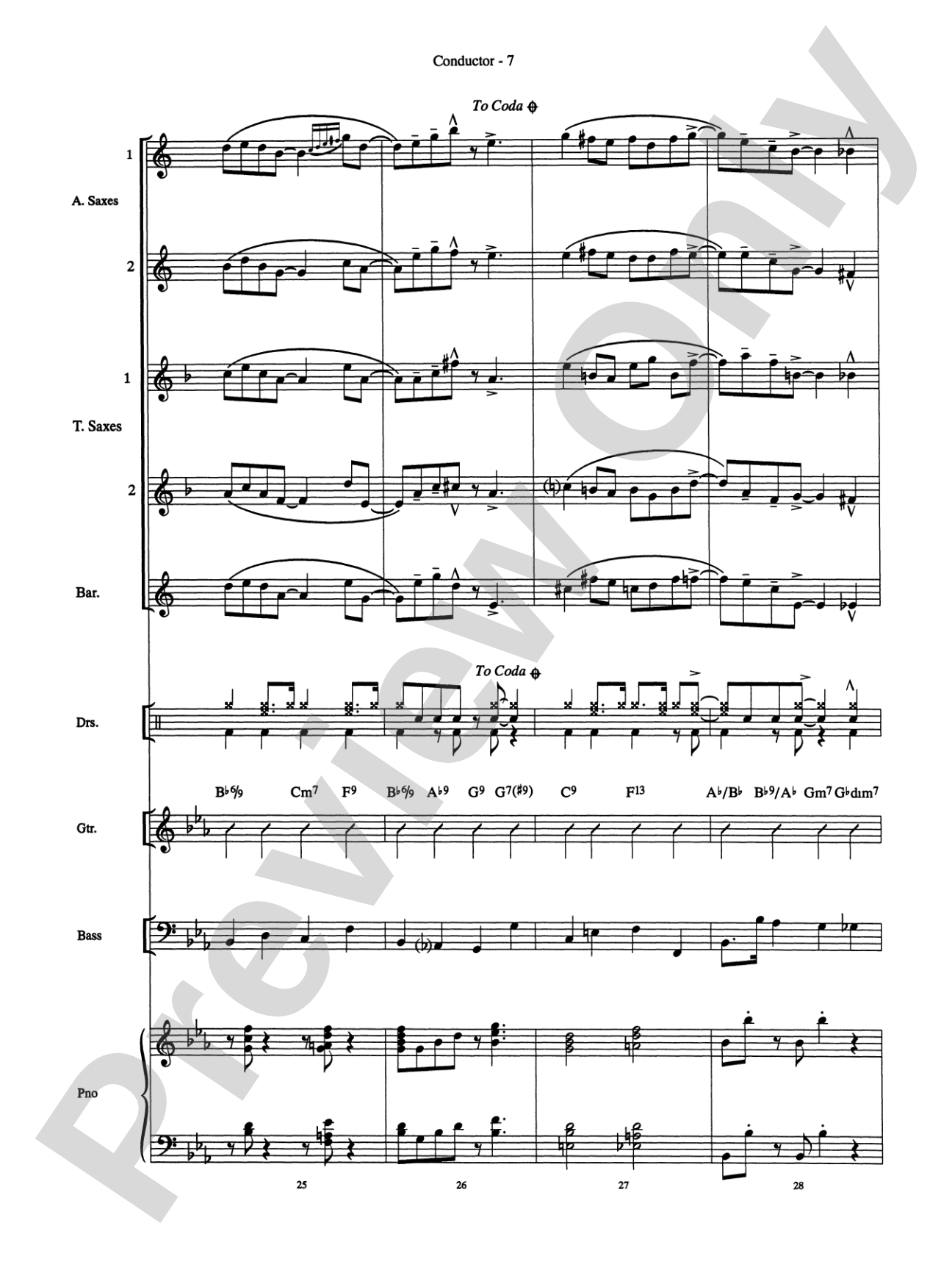
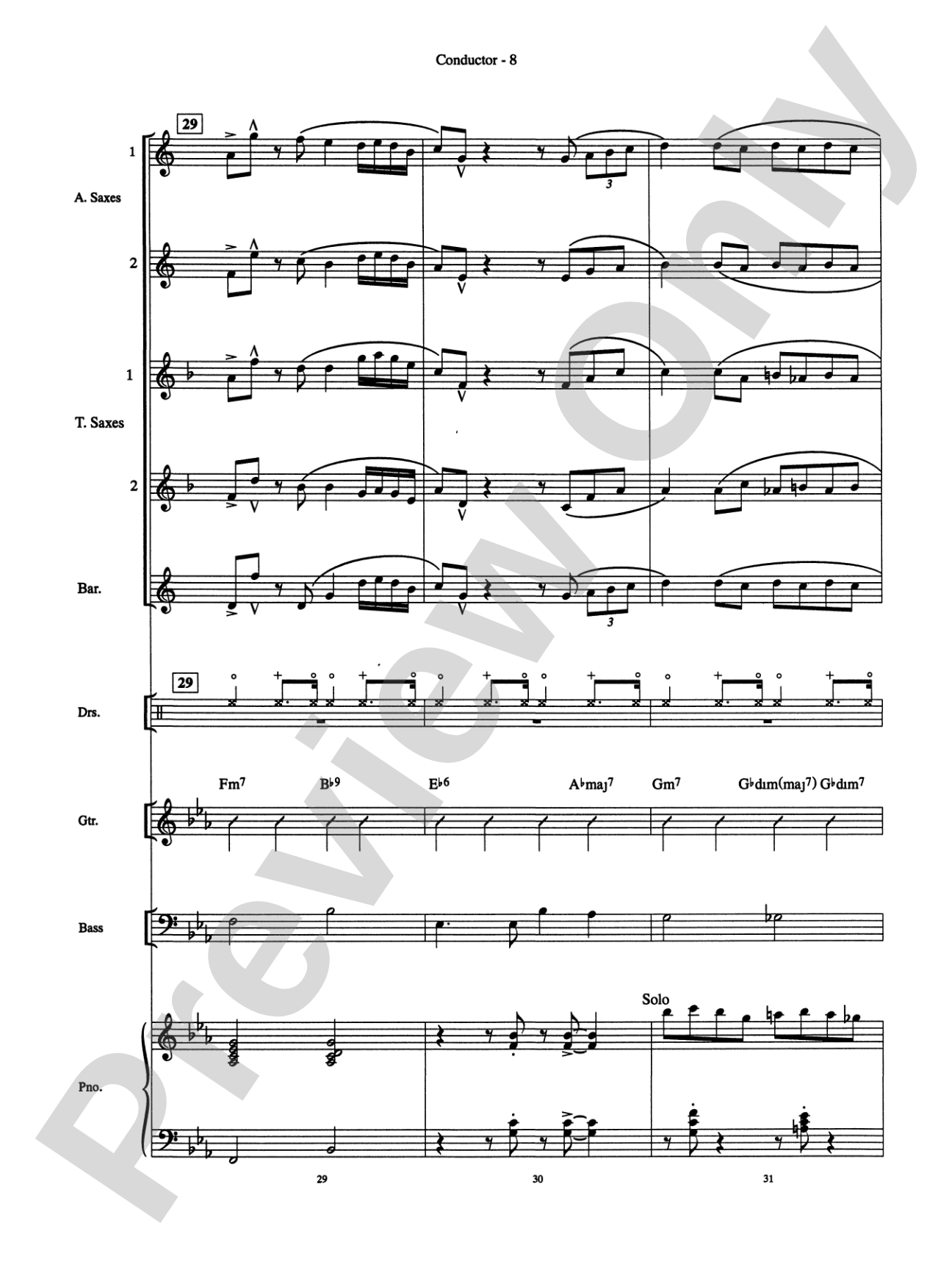
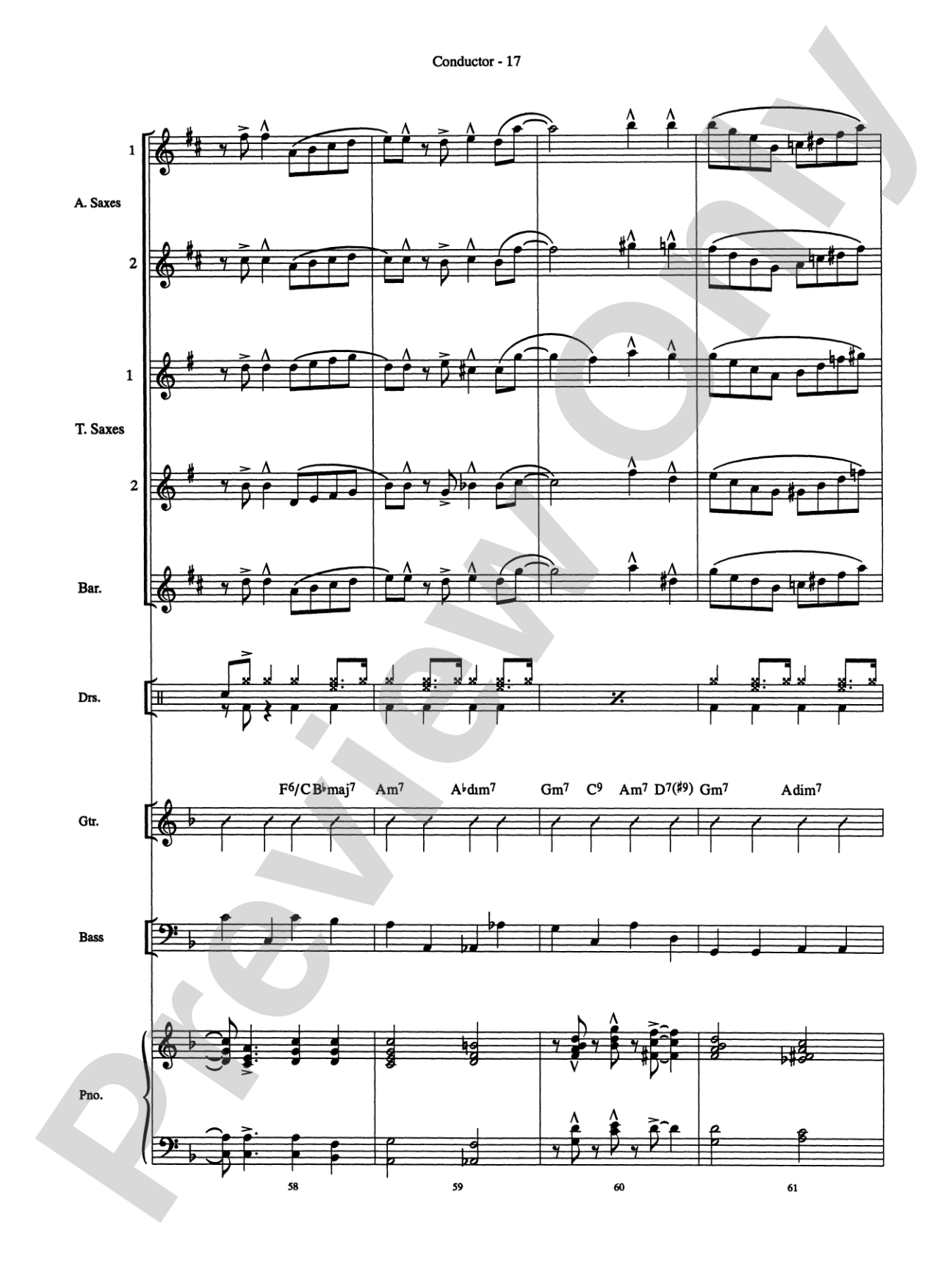
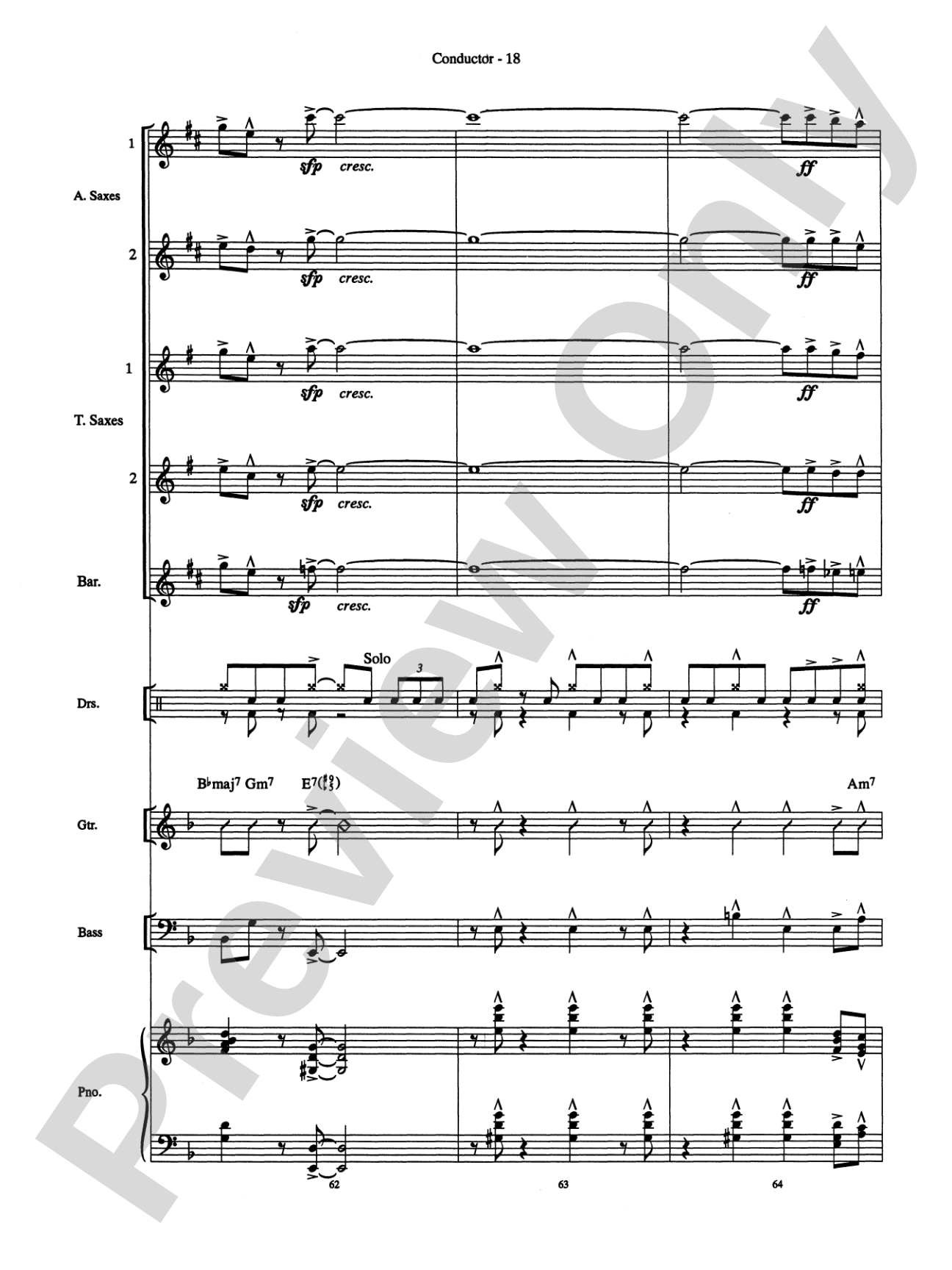
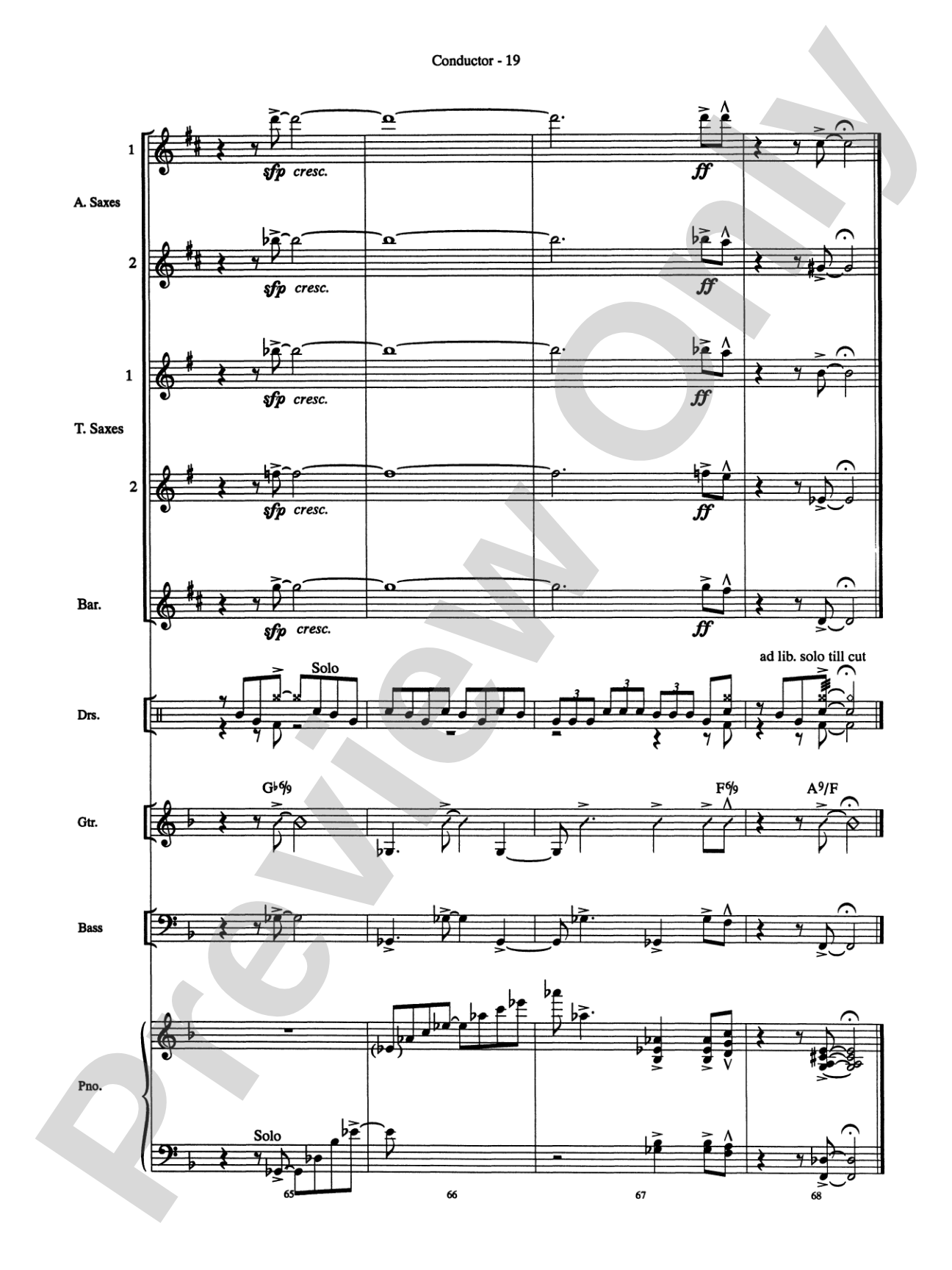
Swing into jazz with masterful arrangements by Calvin Custer. Provide fun and exciting small ensemble music for school events, community concerts, church ensembles, parties, and many other settings. Flute, clarinet, saxophone, and brass choirs can play jazz and popular standards along with a rhythm section of piano, guitar, bass, and drums.
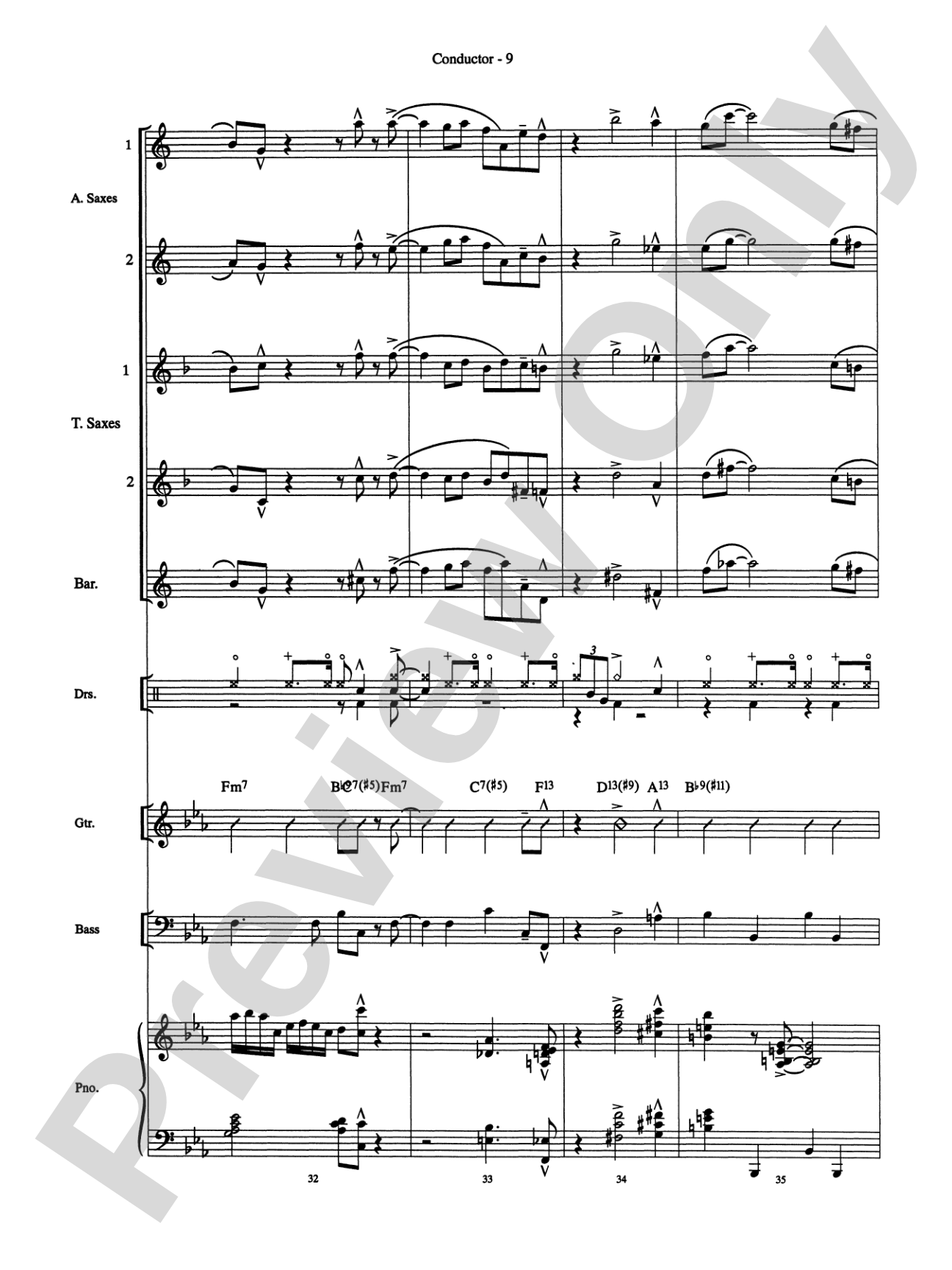
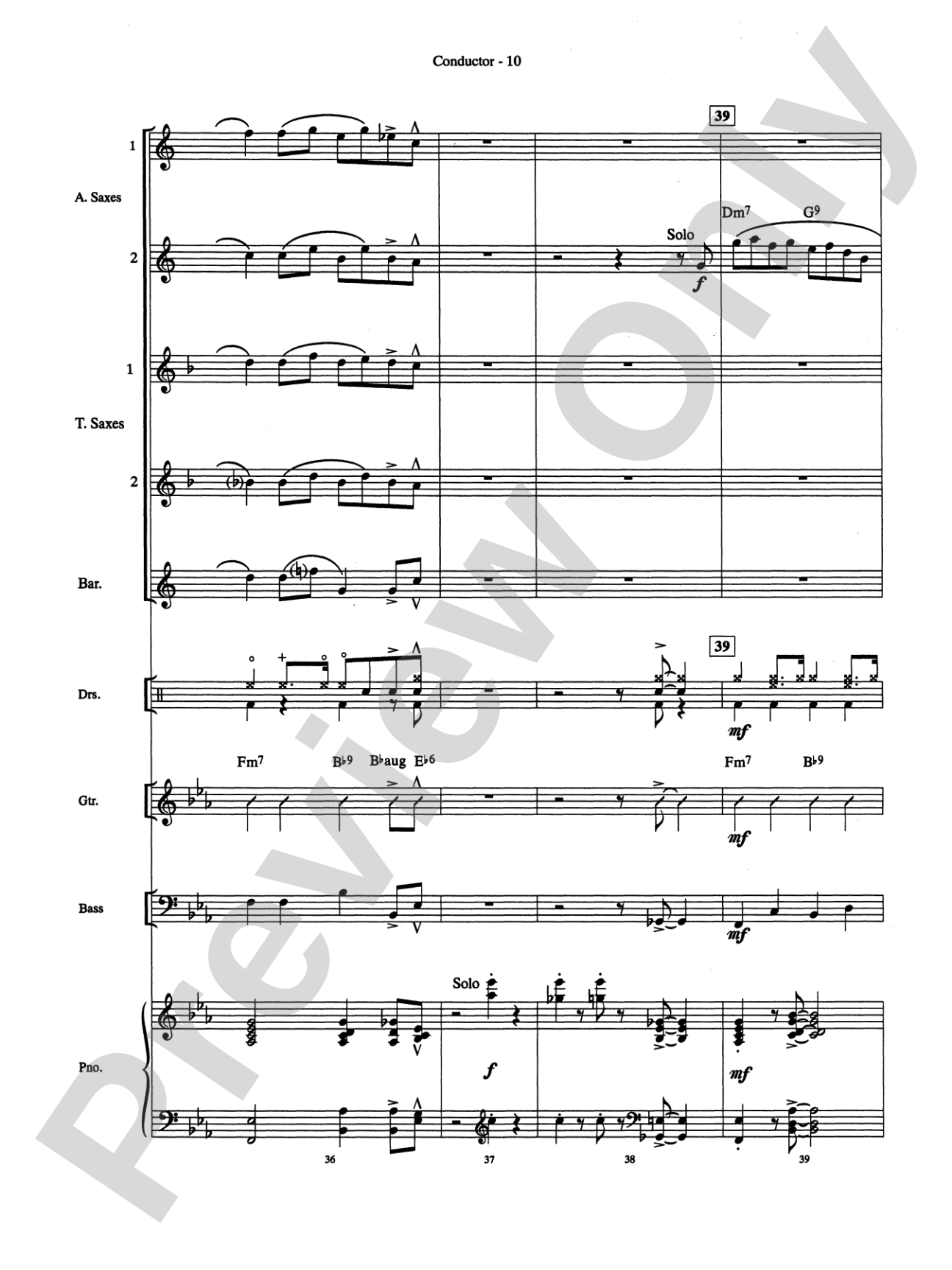
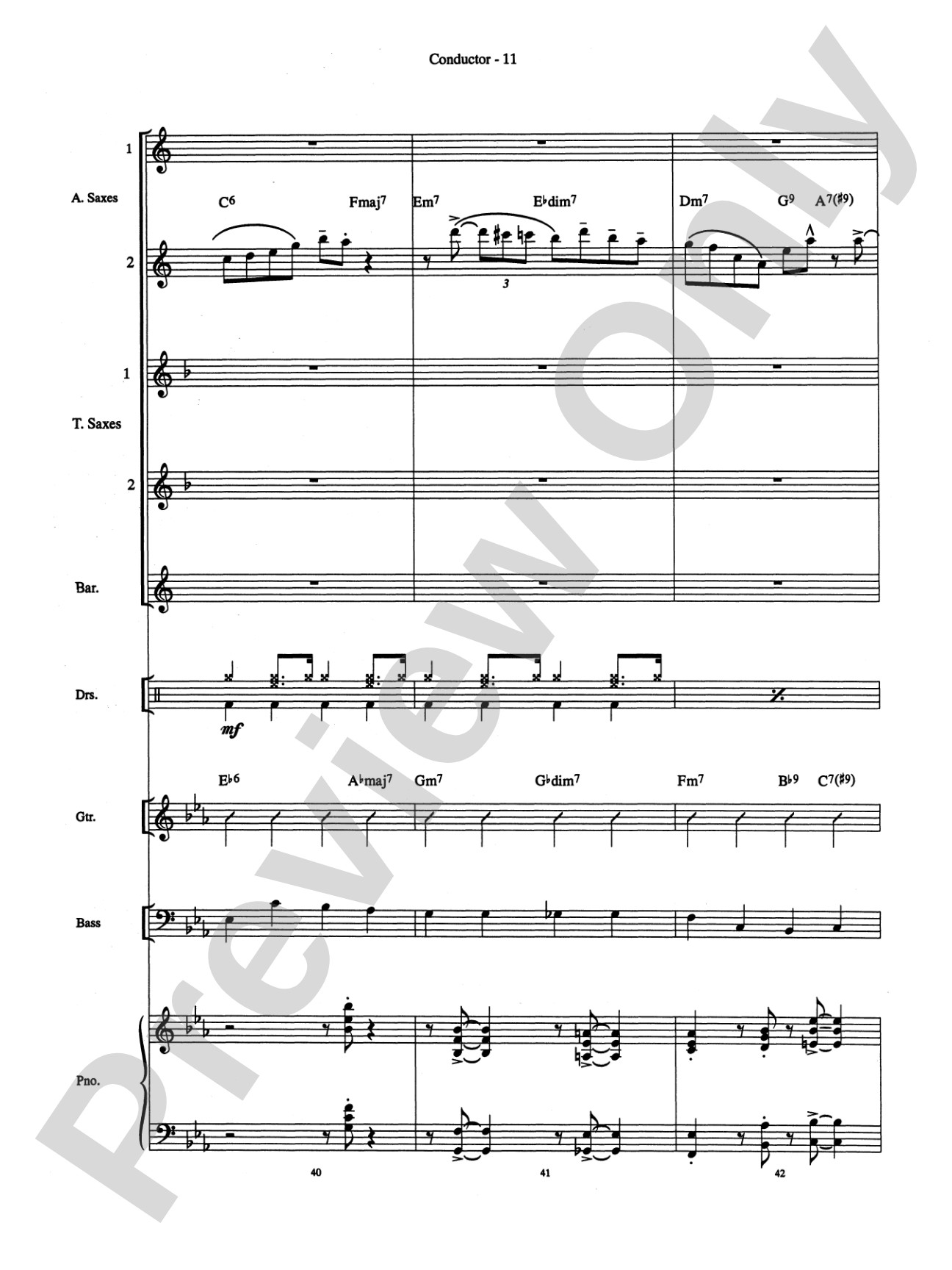
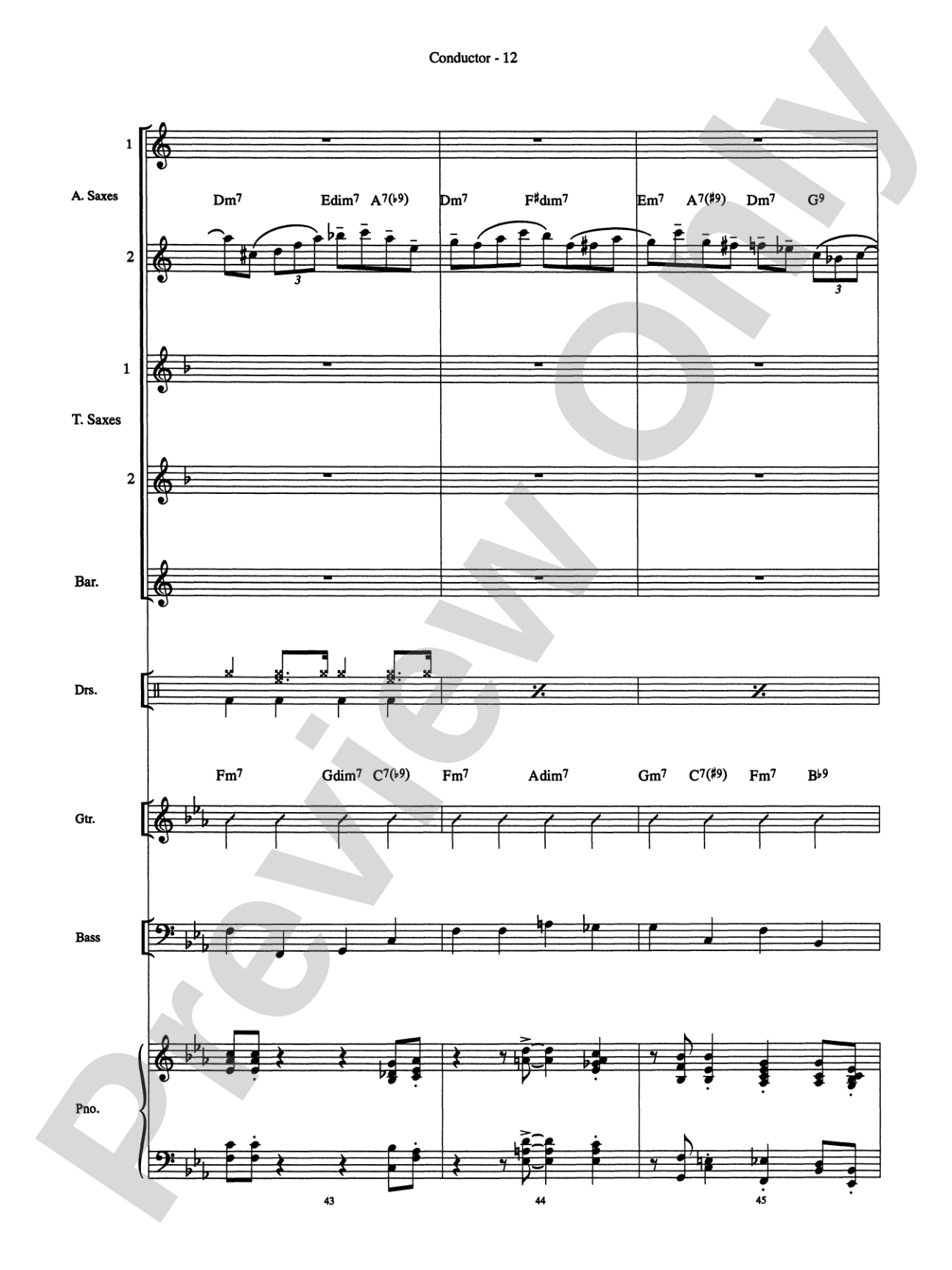
Arrangements include written-out solos with chord changes---perfect for the classically trained player or the experienced jazz soloist. The written-out solos are also included in the full-performance recordings and serve as models for proper style.
Download free full-performance and accompaniment recordings. Play along with the music and learn the correct style with the full-performance track. The accompaniment track includes only piano, guitar, bass, and drums, so if you don't have a rhythm section, you can play along with this track in rehearsal and performance.
Free Recording Downloads:
Full Performance Track
Accompaniment Track


Arrangements include written-out solos with chord changes---perfect for the classically trained player or the experienced jazz soloist. The written-out solos are also included in the full-performance recordings and serve as models for proper style.
Download free full-performance and accompaniment recordings. Play along with the music and learn the correct style with the full-performance track. The accompaniment track includes only piano, guitar, bass, and drums, so if you don't have a rhythm section, you can play along with this track in rehearsal and performance.
Free Recording Downloads:
Full Performance Track
Accompaniment Track
Don't just read it, hear it, play along with it, and watch your students grow with it. In MakeMusic Cloud, Let It Snow! Let It Snow! Let It Snow!: Saxophone Choir comes alive with professional accompaniment, adjustable tempo, and built-in practice tools that turn solo practice into real progress.
Open in the Player
Jump straight in and assign it today.
Start Your Free Trial
Open this title and explore the full library in minutes.
Sample Audio
1
Audio File
--:--
0:00
0:00
Sample Video
No sample videos found.
Additional Details
Series:
Ensembles That Swing
Publisher:
Alfred Music
Page Count:
40
SKU:
00-PK-0001706
Instrumentation:
Saxophone Choir
More about this title
About the Composer: Jule Styne
Jule Styne (1905-1975) composed some of the most enduring popular standards of the mid-20th century, with a gift for memorable melodies that bridge classical training and American songwriting. His catalog includes iconic film scores and Broadway musicals; his work demonstrates sophisticated harmonic language wrapped in immediate, singable themes that musicians at all levels find rewarding to perform.
Styne's compositions remain central to jazz and popular music education because they reward both straight-ahead execution and creative interpretation. Teachers return to his standards again and again because they contain the musical substance to engage serious students while remaining accessible enough for emerging players.
Why we love this
Calvin Custer's arrangement keeps the irresistible charm of this holiday standard intact while giving each saxophone section voice genuine jazz independence. The written-out solos function both as performance material and as study models for phrasing and style, making this ideal for ensembles that include classically trained players developing their jazz vocabulary. Free accompaniment recordings mean you can rehearse and perform without a full rhythm section, removing a genuine barrier to including this repertoire in school and community settings.
What to expect
Warm, playful, and festive without sentimentality. The arrangement captures the optimism and gentle humor of the original tune, with four saxophone voices trading phrases and building energy through layered counterpoint. There's an infectious ease to the swing groove that makes both performers and audiences smile.
Who it's for
Saxophone quartets and larger saxophone choirs in school bands, community ensembles, and church jazz programs looking for performance-ready material that doesn't require a full rhythm section. Players at the intermediate level who are comfortable with jazz articulation and want exposure to swing style within a supportive ensemble context.
How to get the most out of it
- Balance the four saxophone lines carefully in the ensemble passages; because all four voices occupy similar registers, clarity requires deliberate attention to dynamic shaping and articulation choices.
- Study the written-out solos against the full-performance recording to absorb the swing feel and interpretive details before attempting your own variations.
- Use the accompaniment track in early rehearsals to establish groove and tuning without depending on outside musicians, then transition to live rhythm section once the saxophone parts are secure.
- Shape the melody line with the natural phrasing of the lyric, even though you're playing an instrumental arrangement; this approach yields more musical and cohesive ensemble sound.
How to use it
Schedule this for winter concerts, holiday community events, or informal performance settings where audiences expect familiar seasonal repertoire but appreciate the jazz treatment. It works equally well as an opener to set an upbeat tone or as a finale to showcase your ensemble's stylistic range. The piece is substantial enough to stand on its own but also pairs naturally with other Custer arrangements from the same series.
Skills your students will build
- Swing articulation and phrasing in a jazz context
- Reading and interpreting chord changes and written-out solos
- Balancing four voices in close harmonic proximity
- Understanding jazz rhythm section interaction and groove
- Collaborative listening and blend within a saxophone choir