
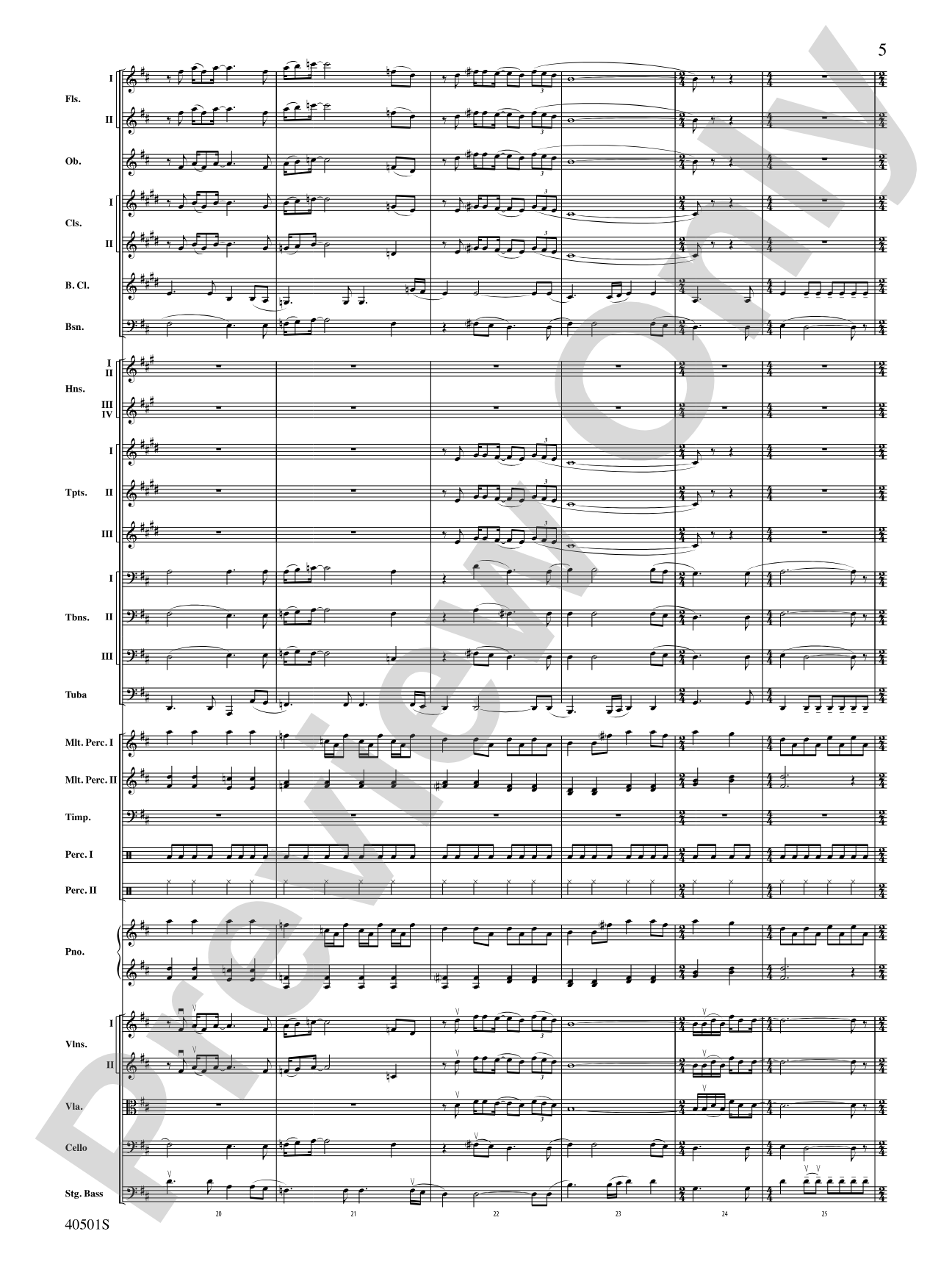
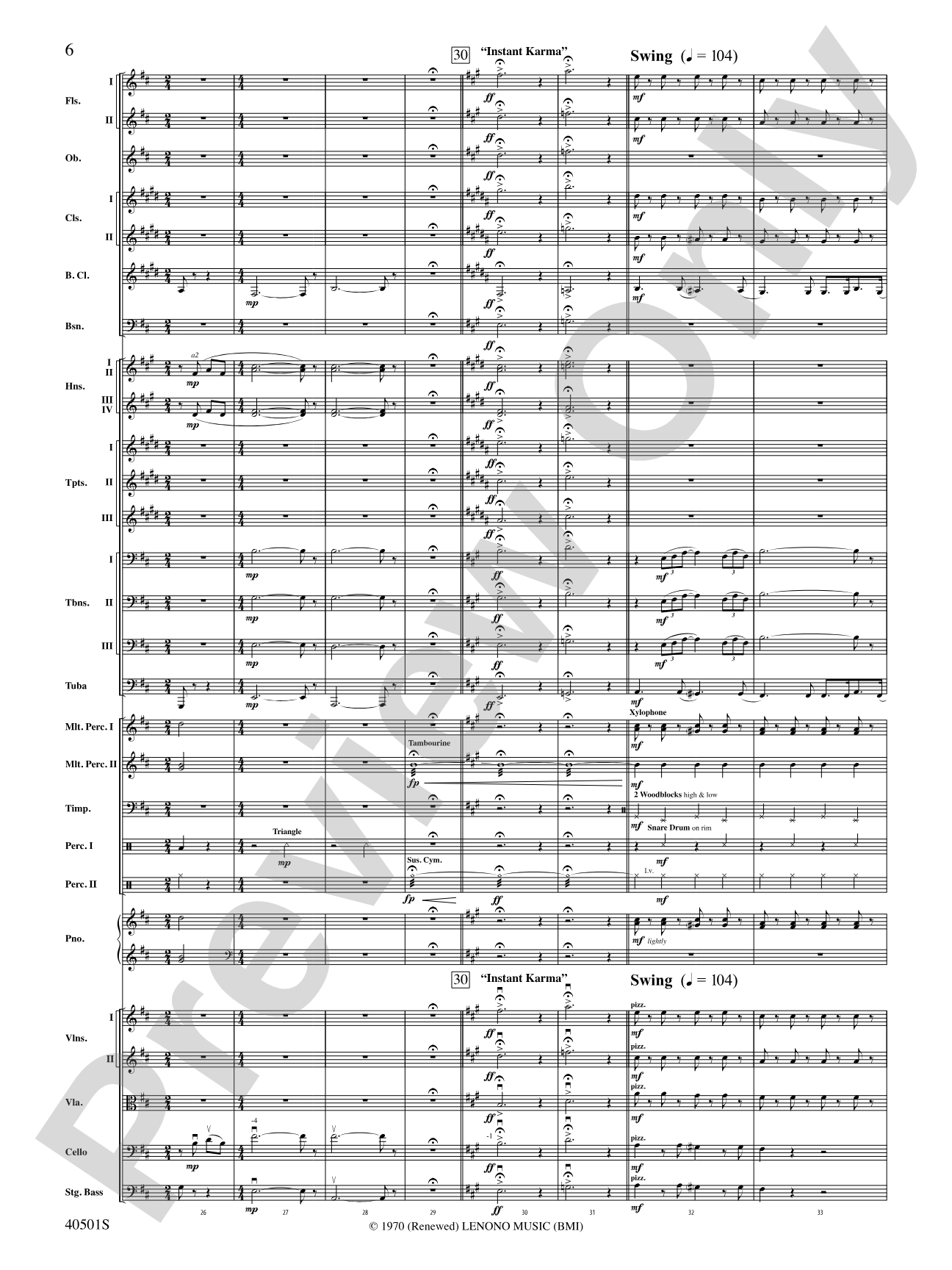
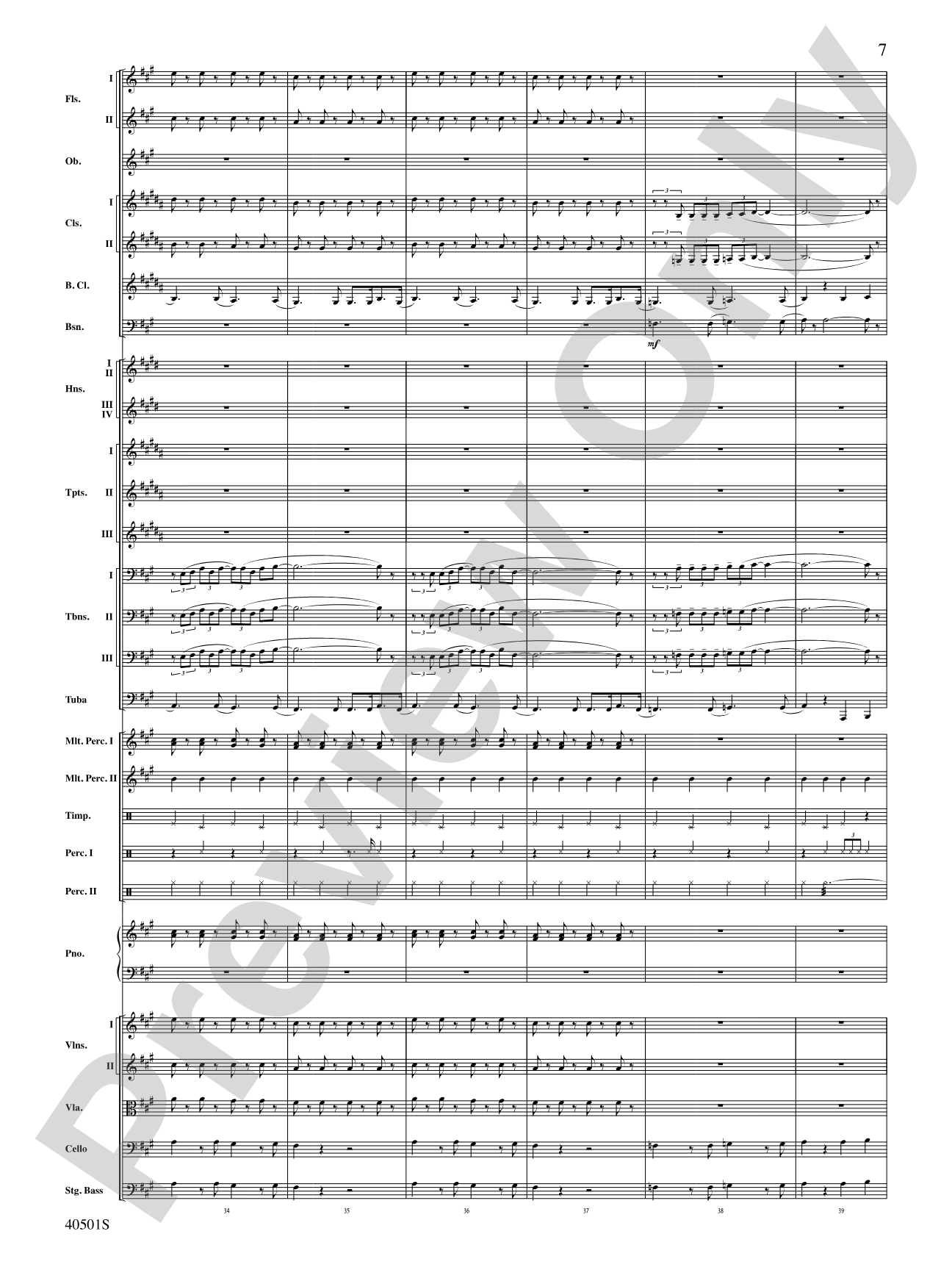
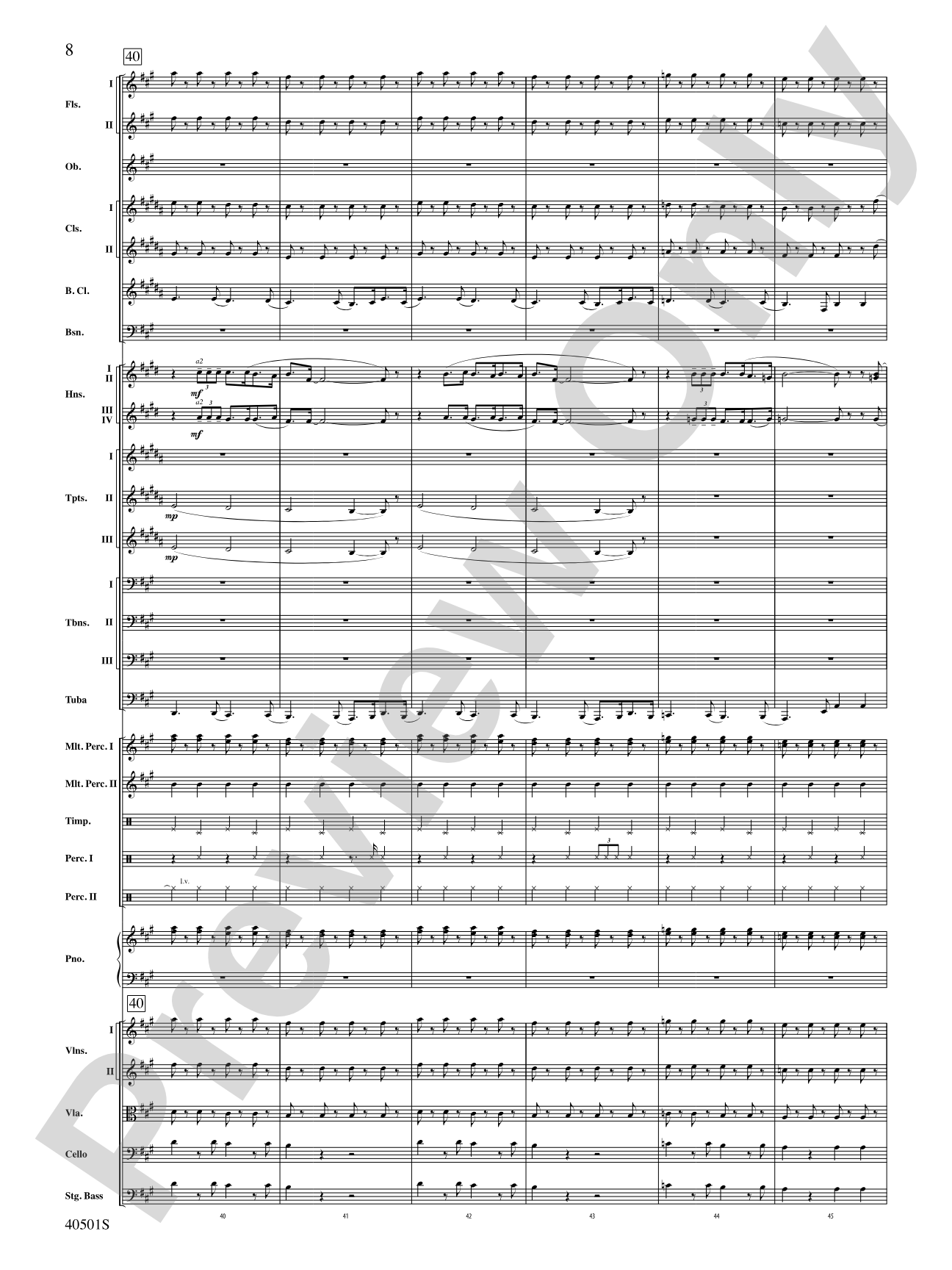
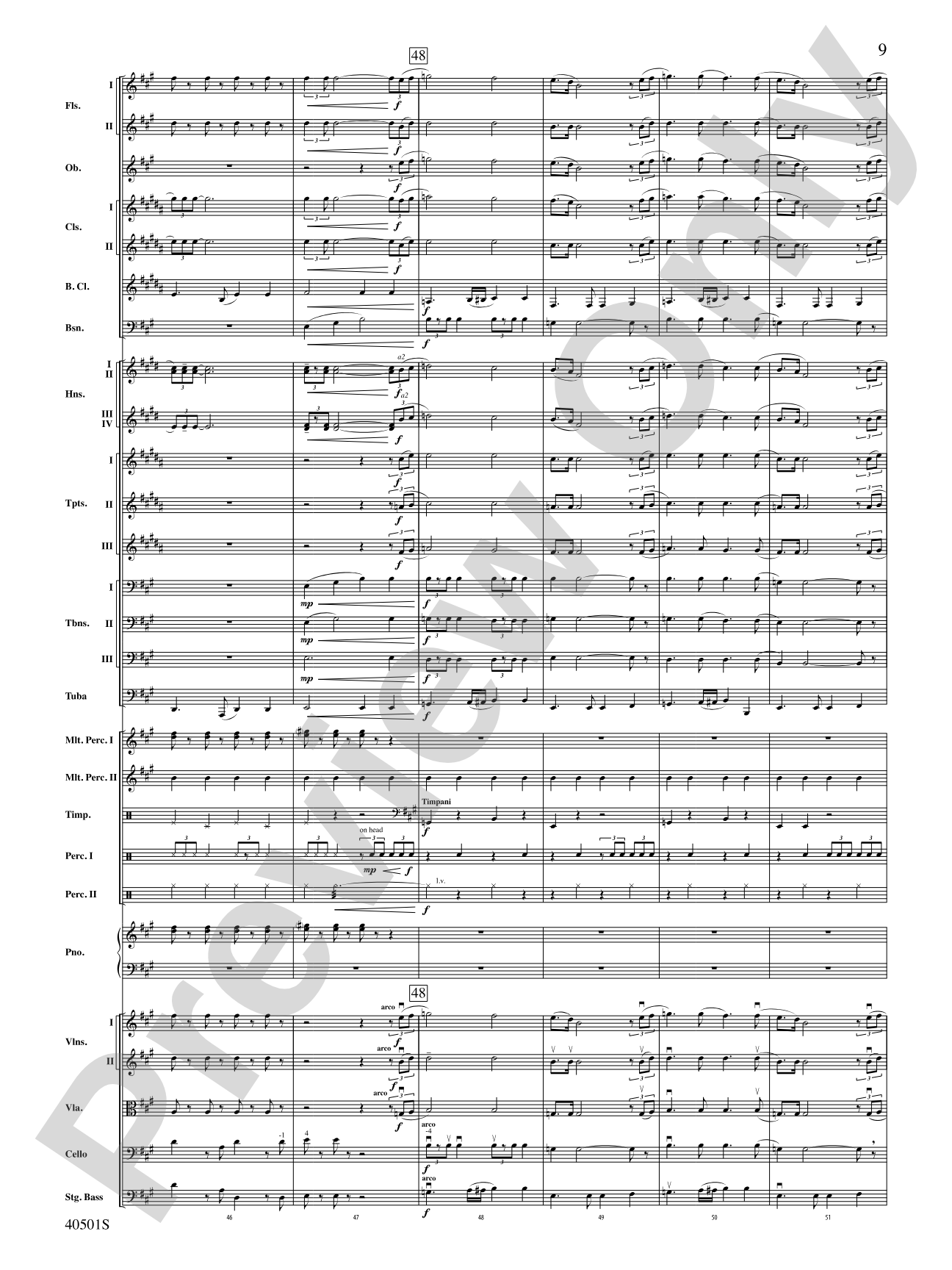
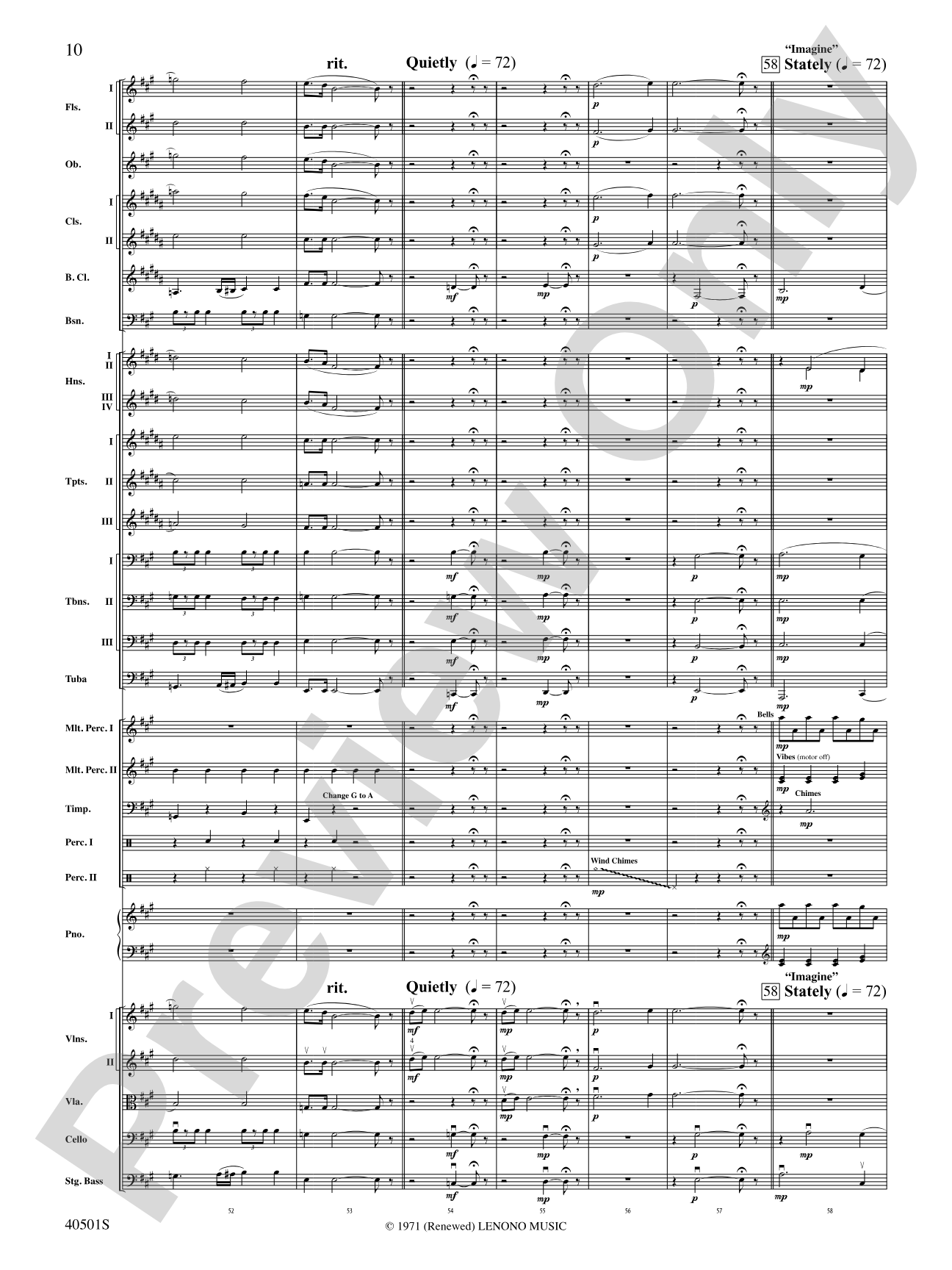
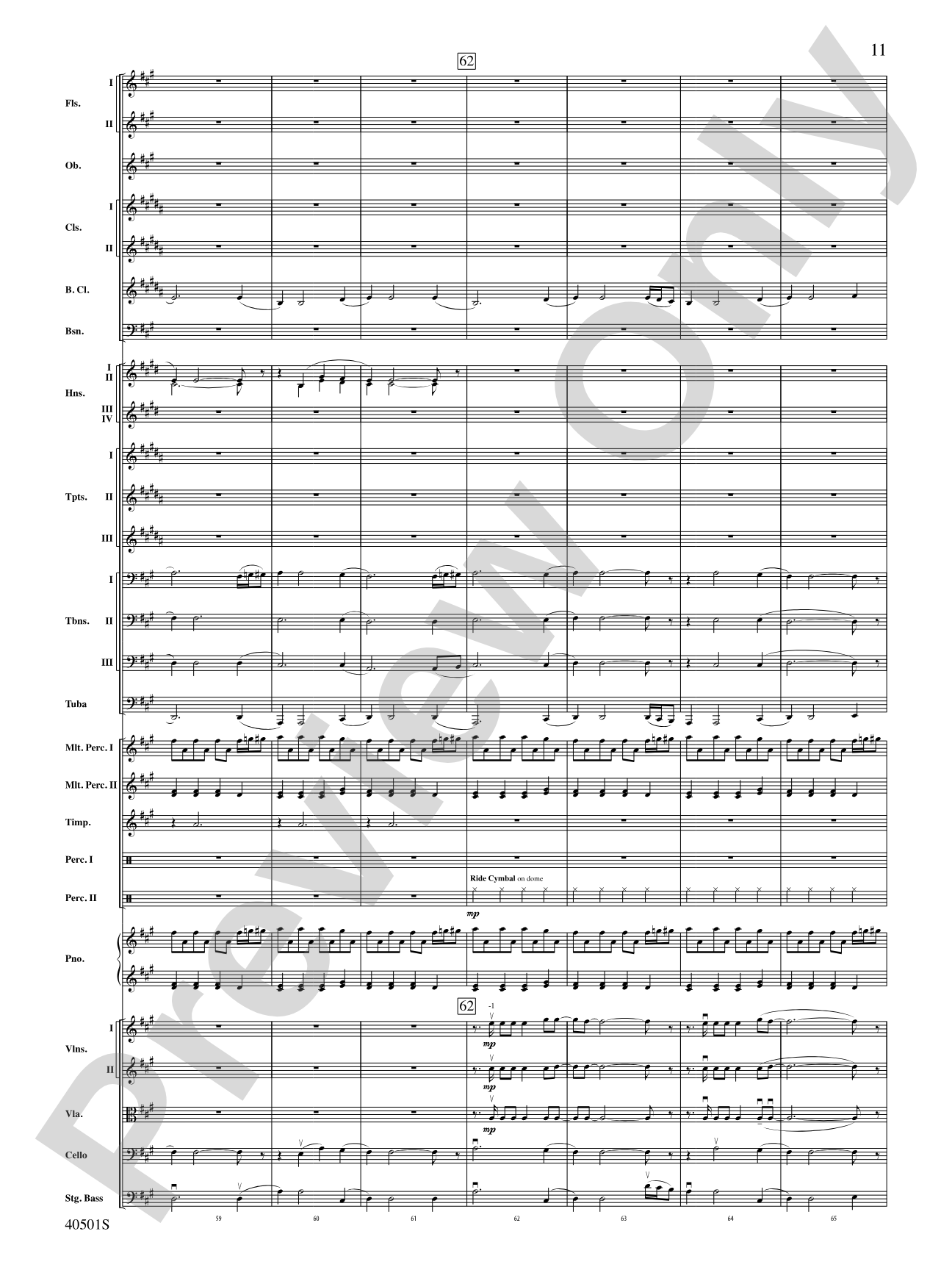
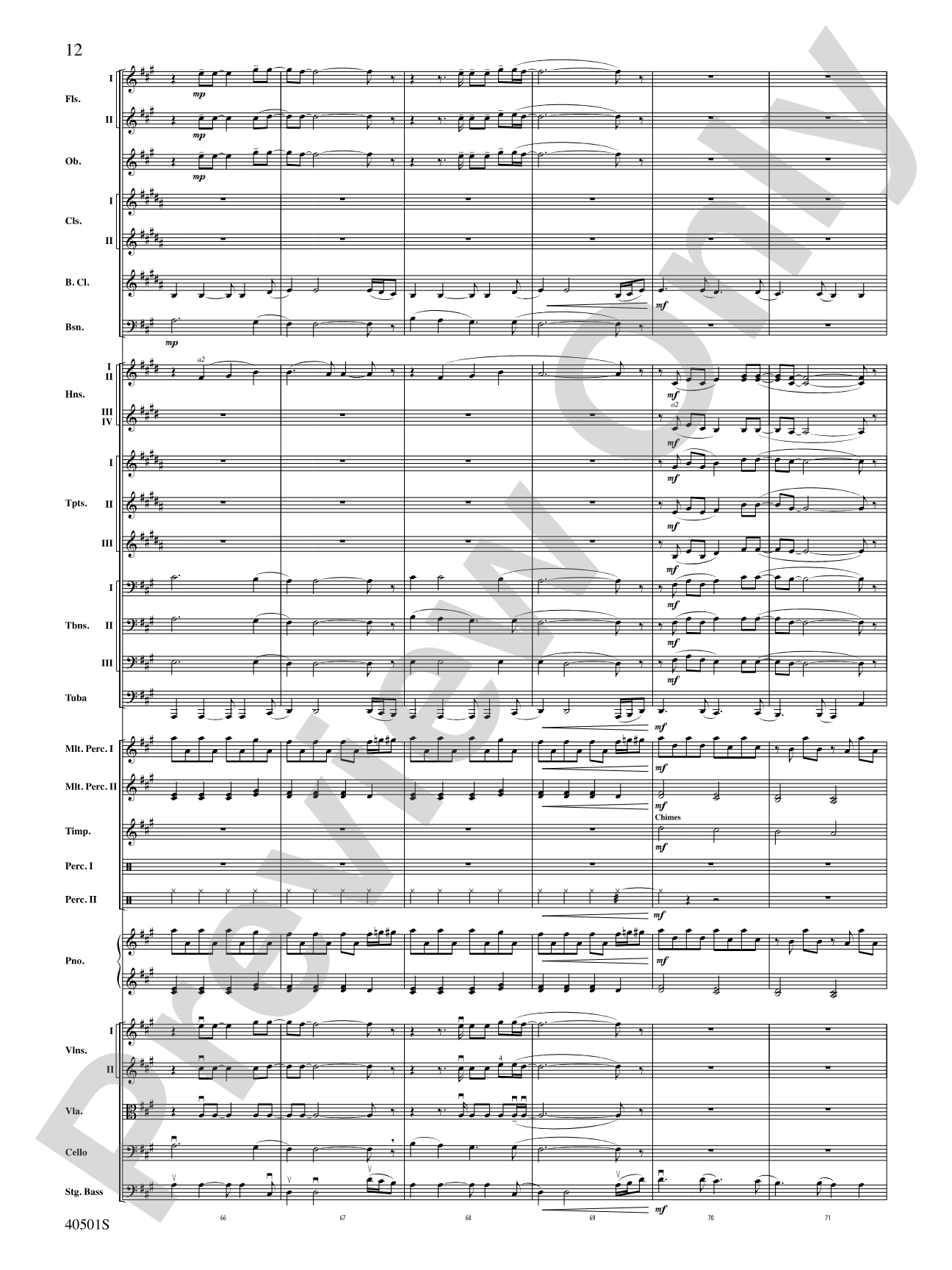
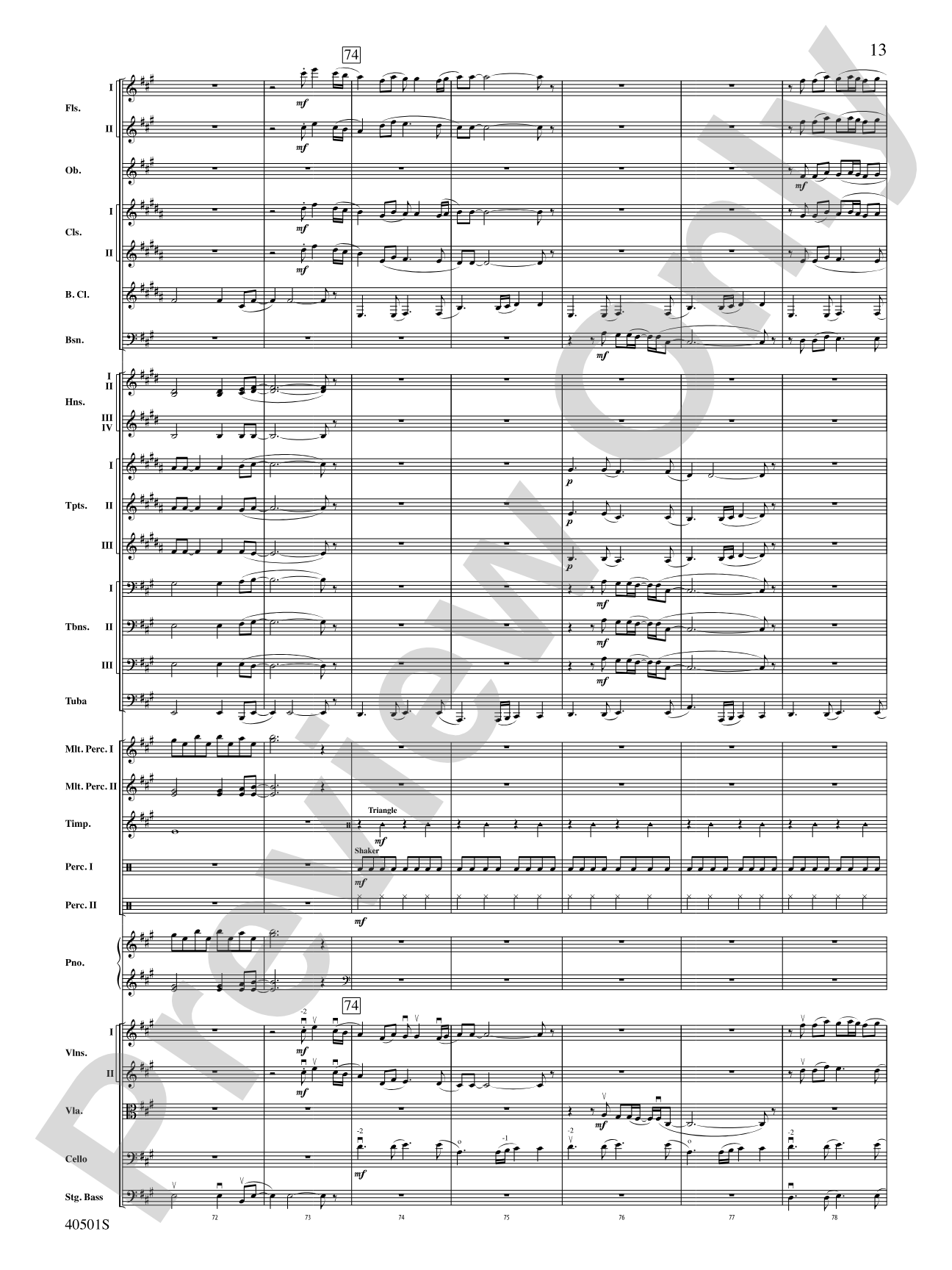
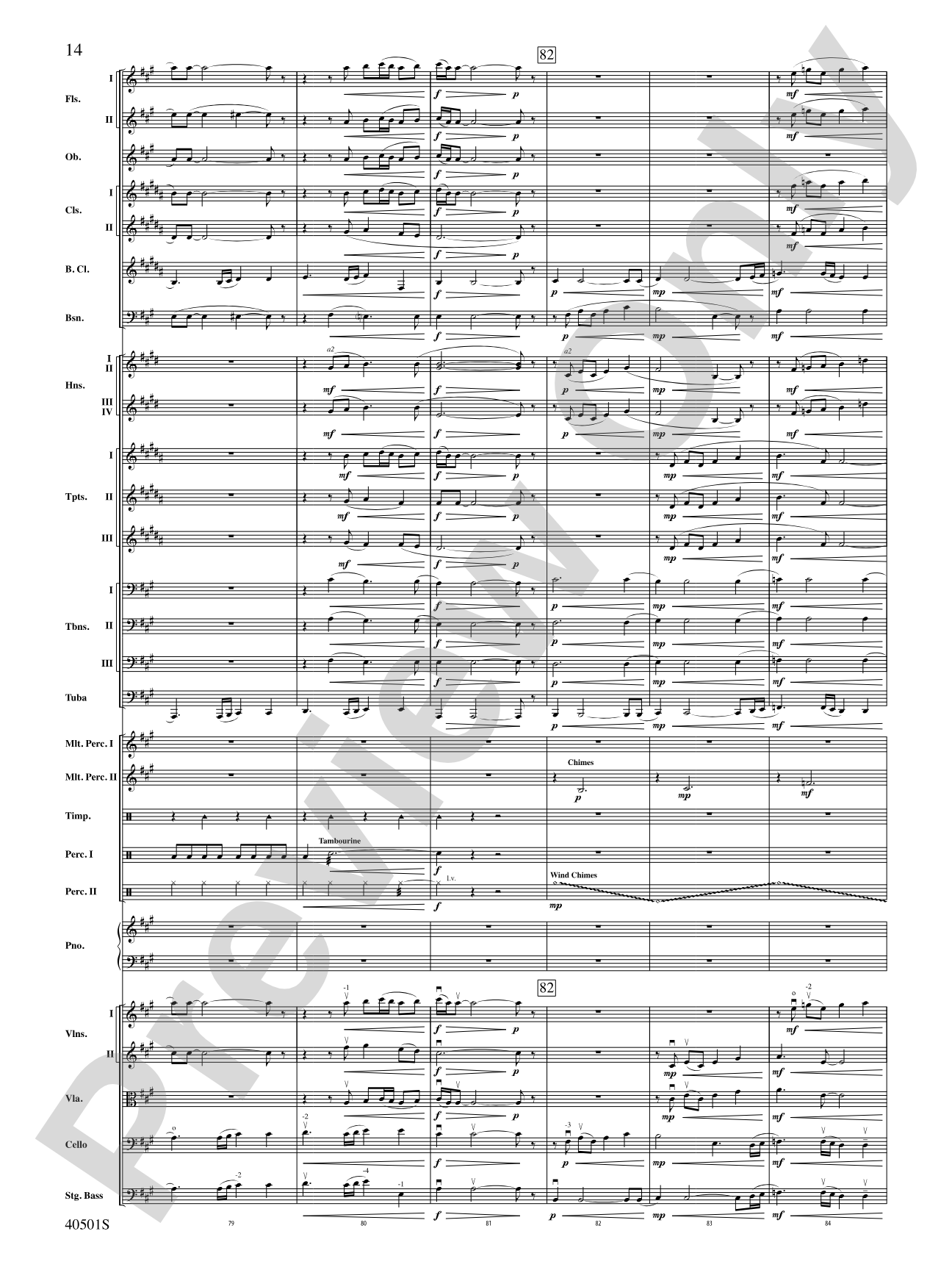
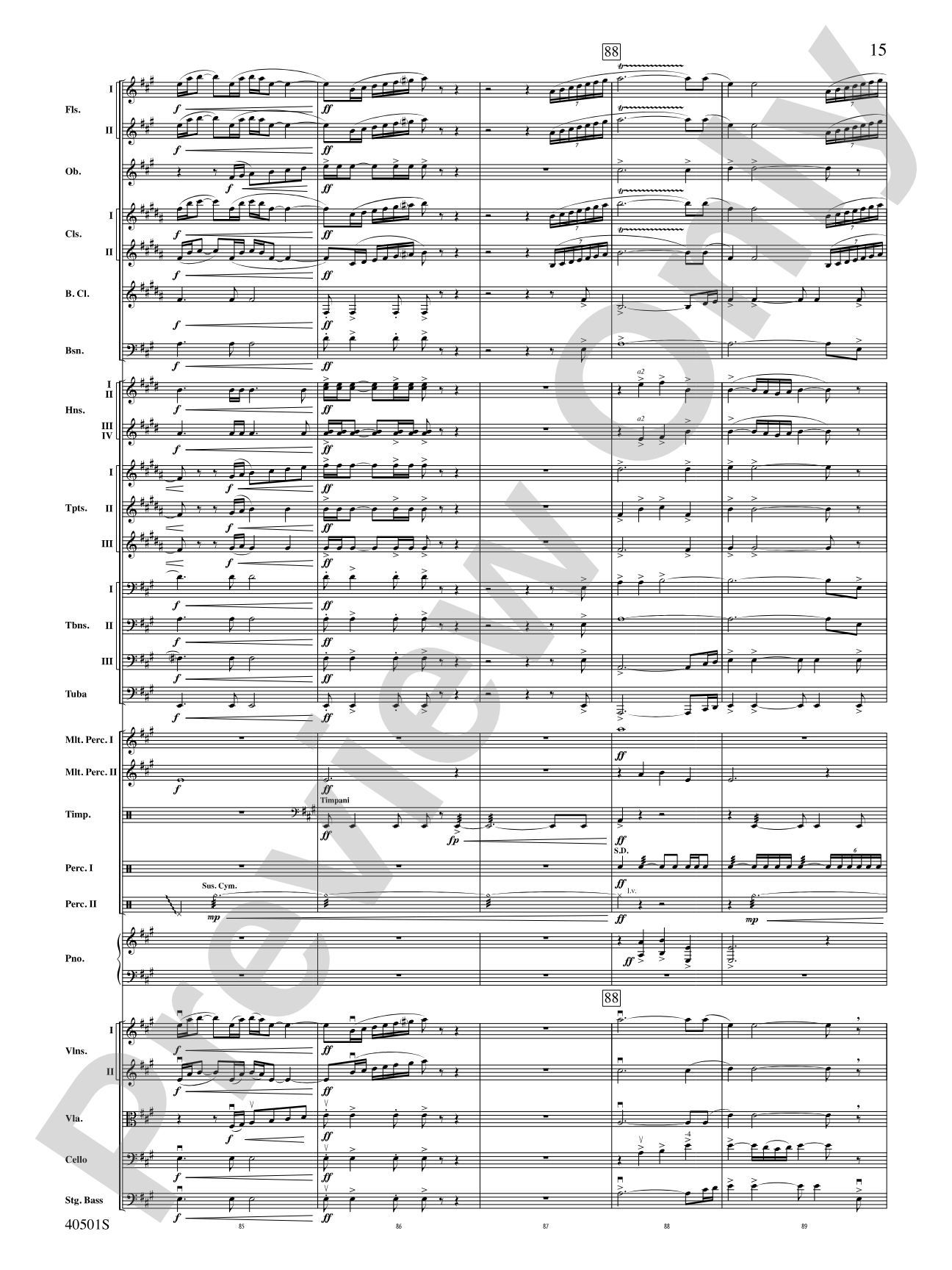
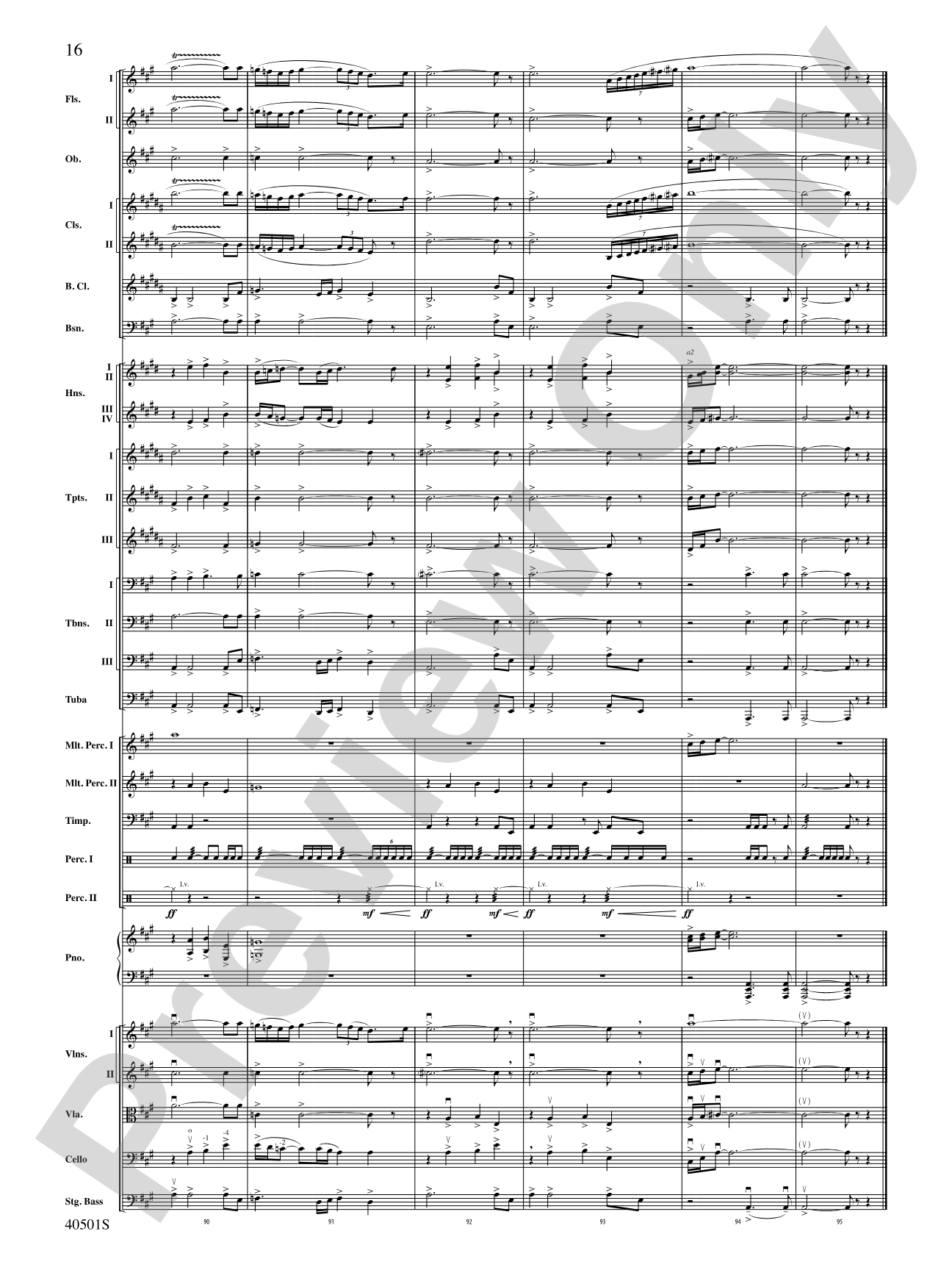

Lennon: Full Orchestra Conductor Score & Parts
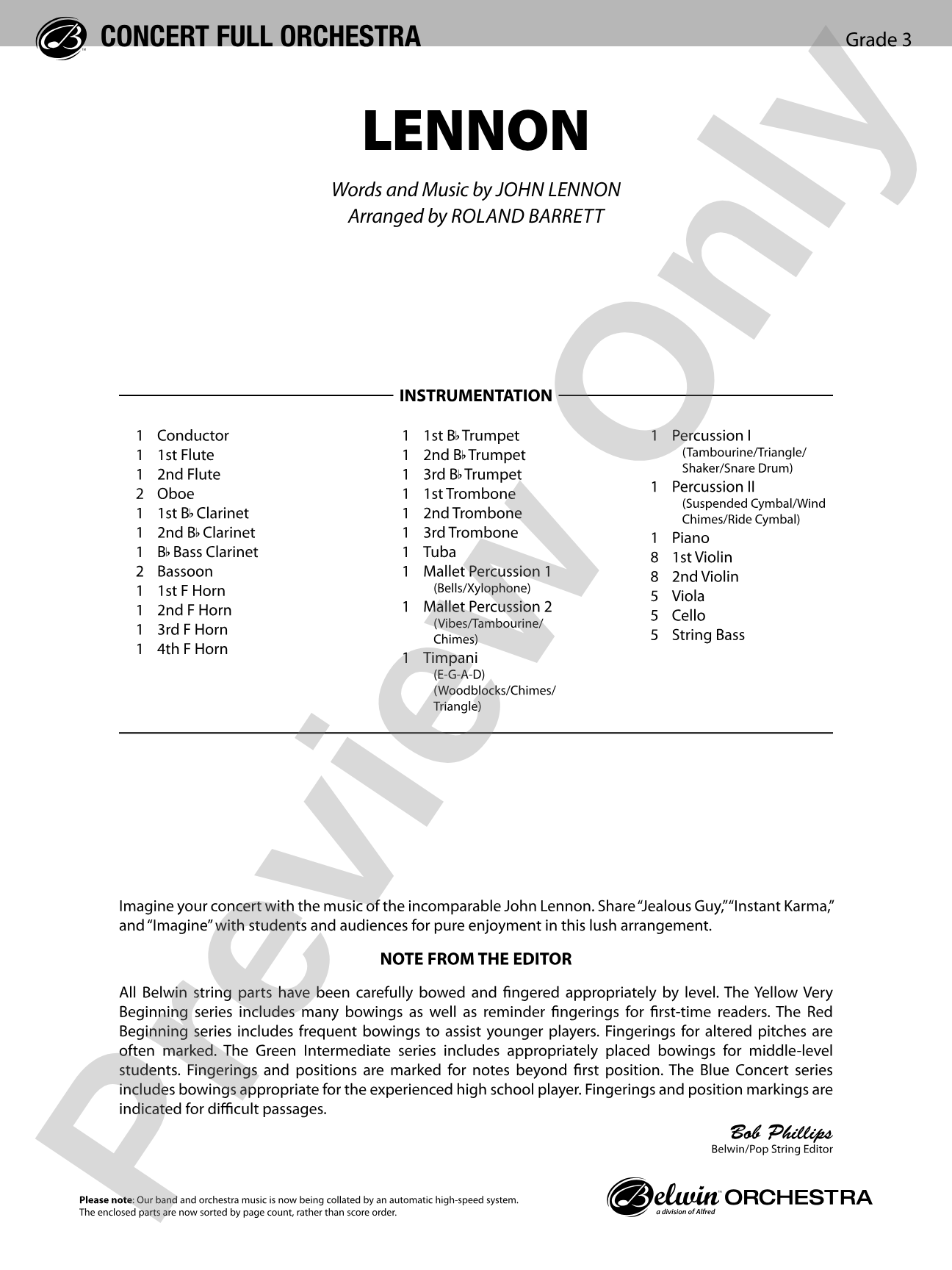
Featuring: Jealous Guy / Instant Karma / Imagine
Words and music by John Lennon / arr. Roland Barrett
Grade: 3
Item: 00-PK-0005980

$75.00
One moment…
Description
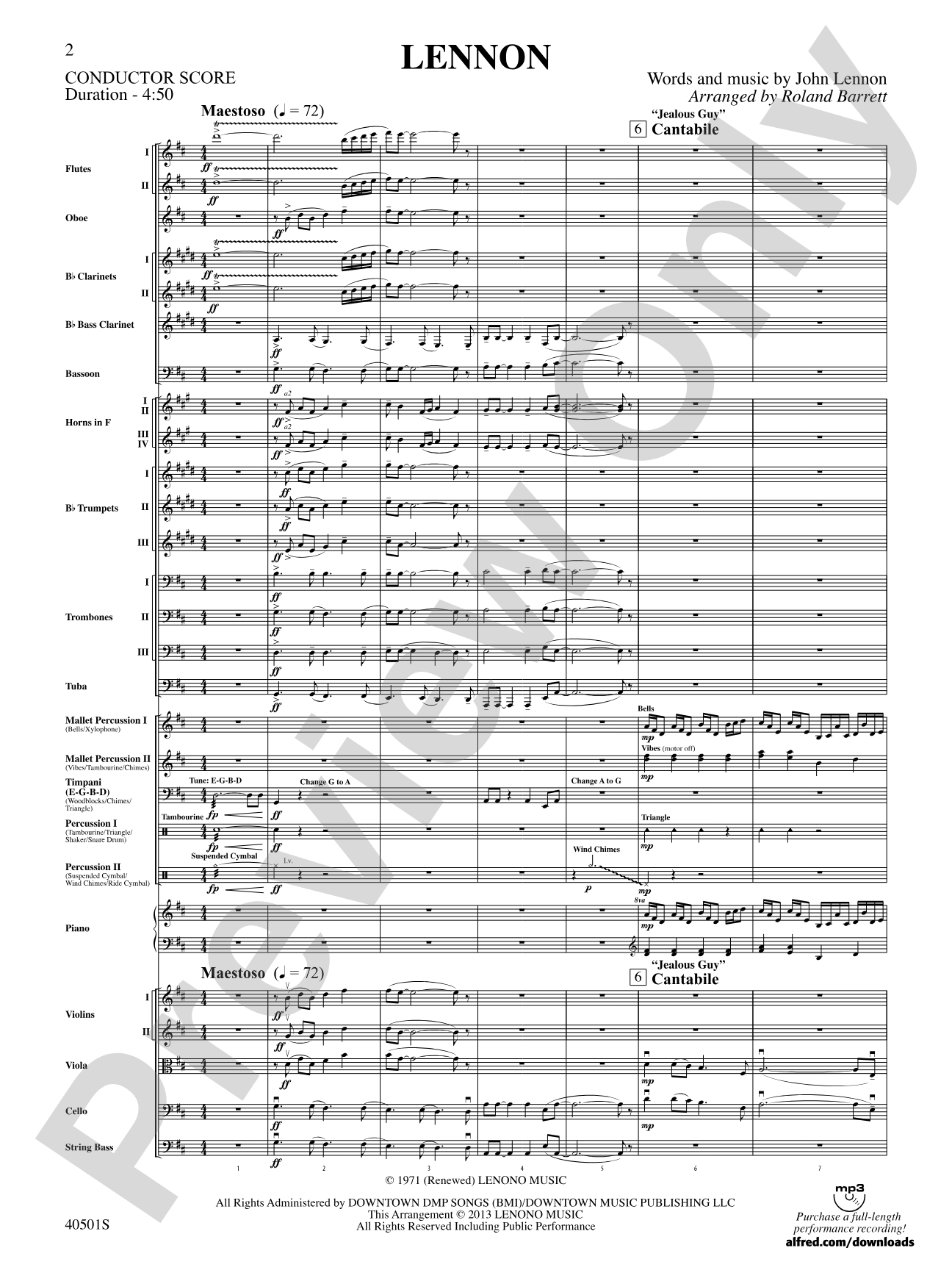
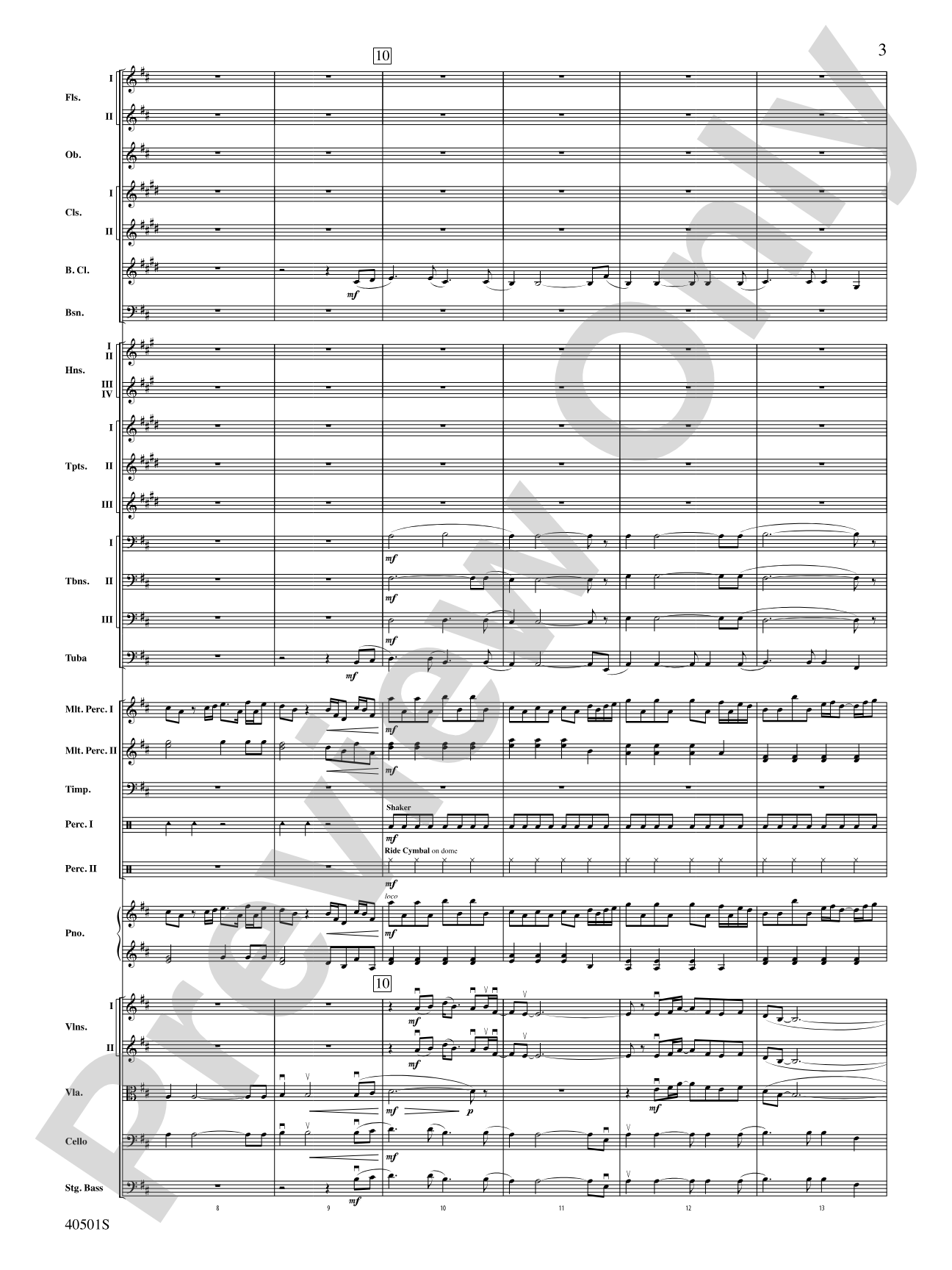
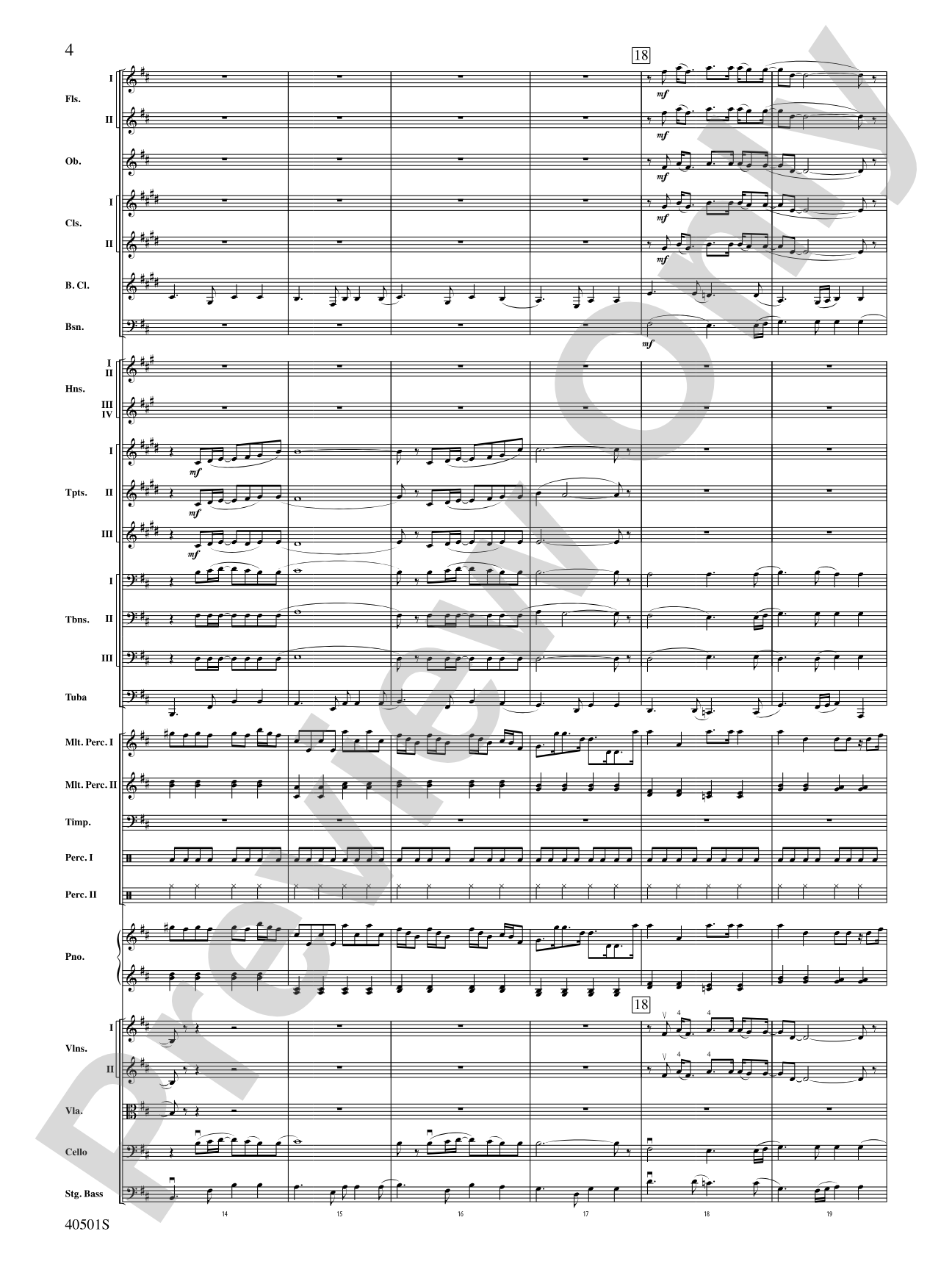
Imagine your concert with the music of the incomparable John Lennon. Share "Jealous Guy," "Instant Karma," and "Imagine" with students and audiences for pure enjoyment in this lush arrangement. (4:58)


Don't just read it, hear it, play along with it, and watch your students grow with it. In MakeMusic Cloud, Lennon: Full Orchestra Conductor Score & Parts comes alive with professional accompaniment, adjustable tempo, and built-in practice tools that turn solo practice into real progress.
Open in the Player
Jump straight in and assign it today.
Start Your Free Trial
Open this title and explore the full library in minutes.
Sample Audio
1
Audio File
--:--
0:00
0:00
Sample Video
No sample videos found.
Additional Details
Series:
Pop Concert Full Orchestra
Publisher:
Alfred Music
Page Count:
212
SKU:
00-PK-0005980
More about this title
About the Composer: John Lennon
John Lennon (1940-1980) was a founding member of The Beatles and one of the most influential songwriters of the 20th century. His work spanned from early rock and roll to experimental studio production and deeply personal ballads, fundamentally shaping popular music and culture. Beyond his recording legacy, Lennon's songs have become central to music education, taught in ensembles from middle school through professional orchestras for their melodic strength, harmonic sophistication, and emotional directness.
Lennon's solo career after The Beatles produced some of his most enduring compositions. "Imagine," "Instant Karma," and "Jealous Guy" showcase his ability to craft songs that work across genres and instrumental settings. These pieces offer orchestra students access to contemporary songwriting while building ensemble musicianship through arrangements that honor both the original recordings and orchestral color.
Why we love this
Roland Barrett's orchestration captures the emotional core of these three songs while giving your full orchestra genuine work at Grade 3. The arrangement respects the originals without imitating them note-for-note, letting woodwinds, brass, and strings shine in ways that feel both fresh and authentic. This is the kind of repertoire that reminds students why they play in the first place.
What to expect
These three songs create an arc from introspection to longing to hope. "Jealous Guy" begins with vulnerable restraint, "Instant Karma" energizes with propulsive rhythm, and "Imagine" concludes with the kind of quiet conviction that fills a concert hall. The orchestration amplifies what made these songs resonate in the first place: their humanity.
Who it's for
Full orchestra directors working with Grade 3 ensembles who want to program contemporary material that connects with students and audiences alike. This is ideal for groups that balance classical repertoire with popular music and need pieces that are accessible without feeling simplistic.
How to get the most out of it
- Balance the melody through your instrumentation. These songs live or die by their vocal lines, so ensure that whoever carries each phrase (oboe in "Jealous Guy," clarinet in "Imagine") projects clearly without drowning out accompaniment.
- Shape phrases with intention rather than straight phrasing. Lennon's writing favors organic rubato and breathing; resist the urge to metronomically lock every bar.
- Let the rhythm section breathe. Keep your strings and winds listening to the bass and drums to maintain the contemporary feel that makes these arrangements work.
- Invest time in the transitions between songs. At 4:58 total, pacing and clean section breaks make the difference between a medley and a cohesive set.
How to use it
Program this as a concert centerpiece that stands confidently alongside your classical selections without apologizing for its genre. The piece works equally well as a spring pops concert anchor, a finale that leaves audiences humming, or a thematic program exploring modern songwriting. Consider pairing it with other contemporary arrangements or positioning it as the emotional heart of a concert that spans multiple musical traditions.
Skills your students will build
- Balancing melody and accompaniment across diverse instrumental colors
- Interpreting rubato and expressive phrasing in contemporary contexts
- Maintaining rhythmic precision while achieving a relaxed, contemporary feel
- Listening across instrumental sections to lock ensemble sound
- Performing arranged music with respect for both original songs and orchestral tradition