
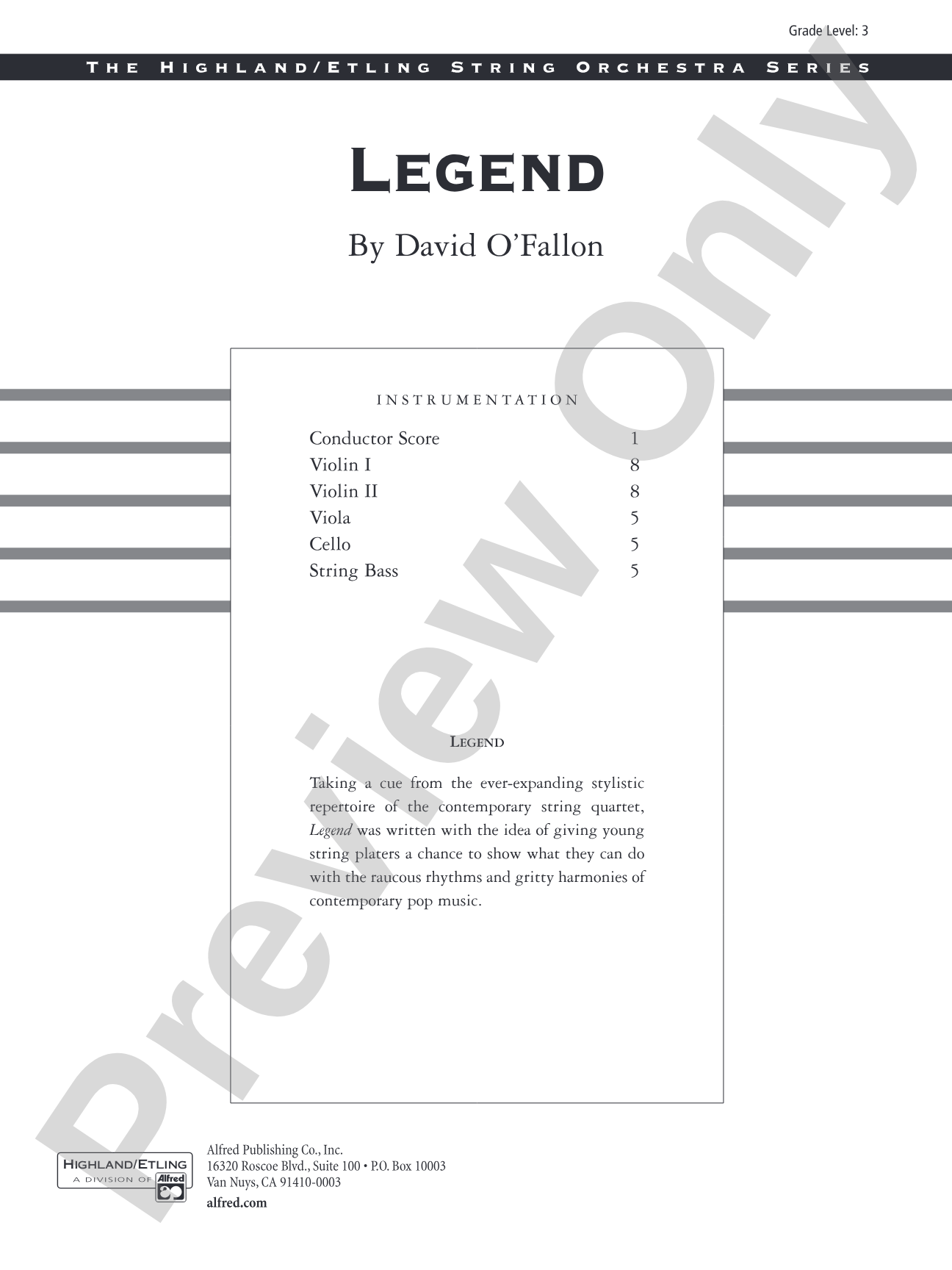
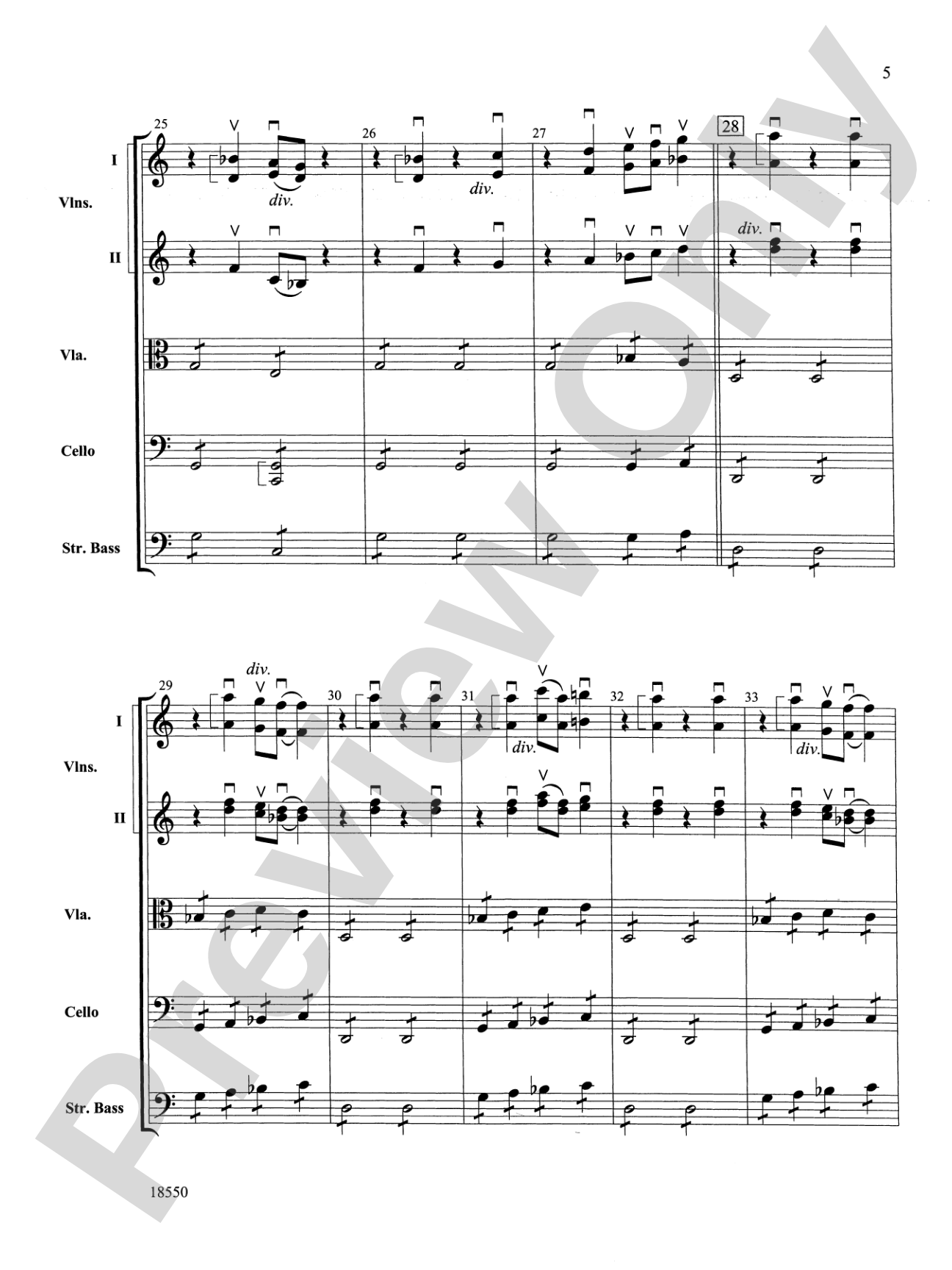
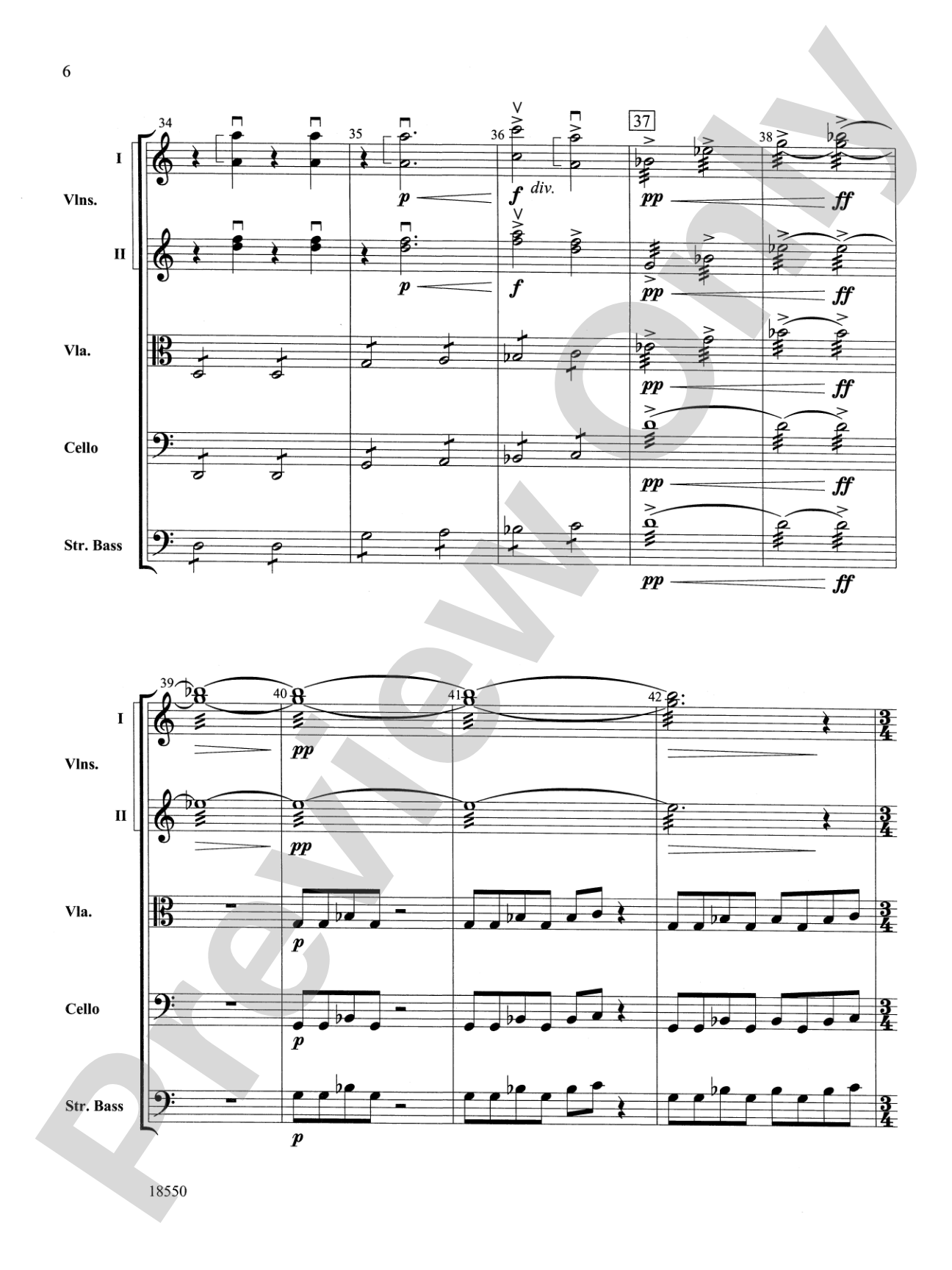
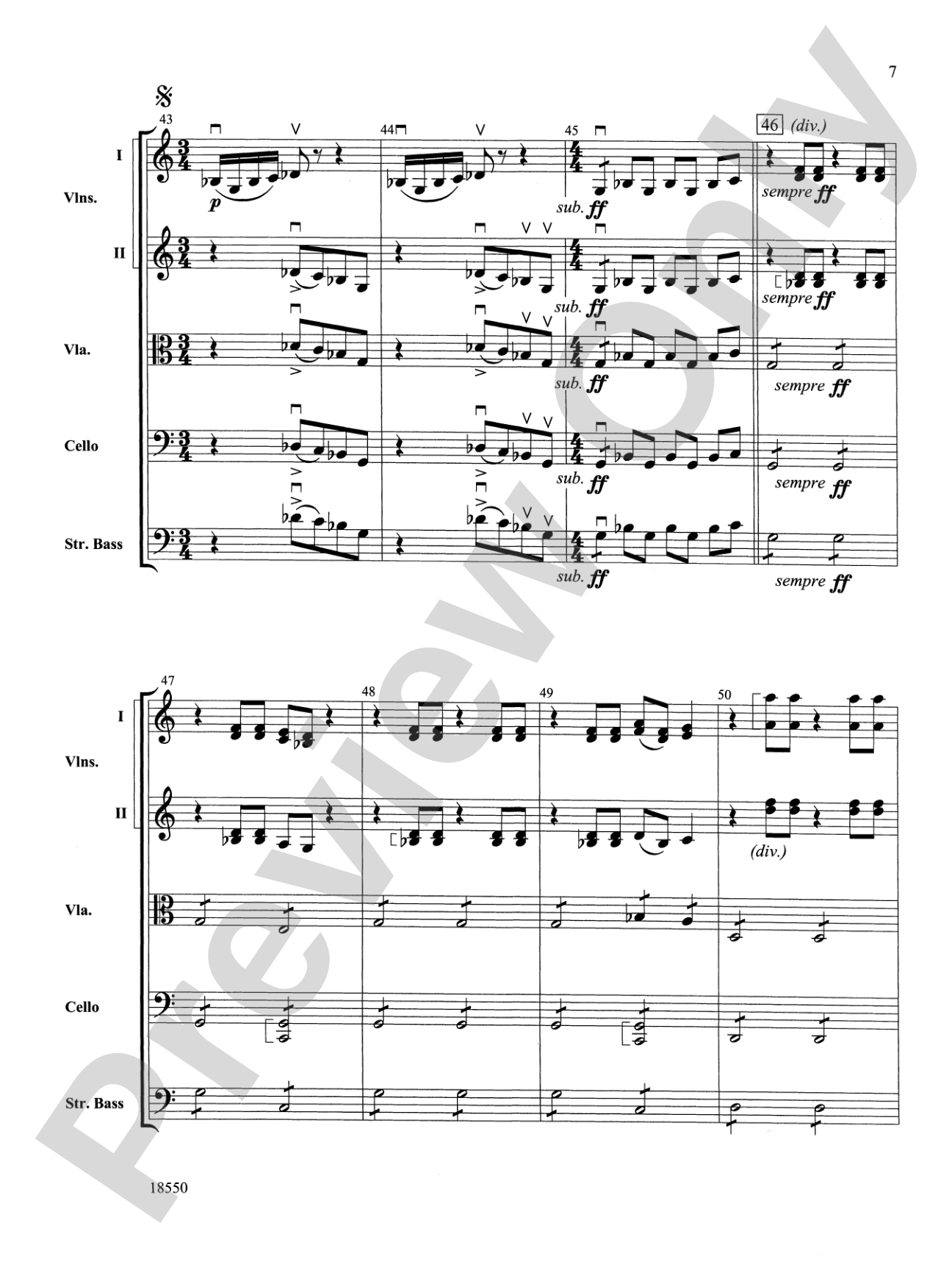
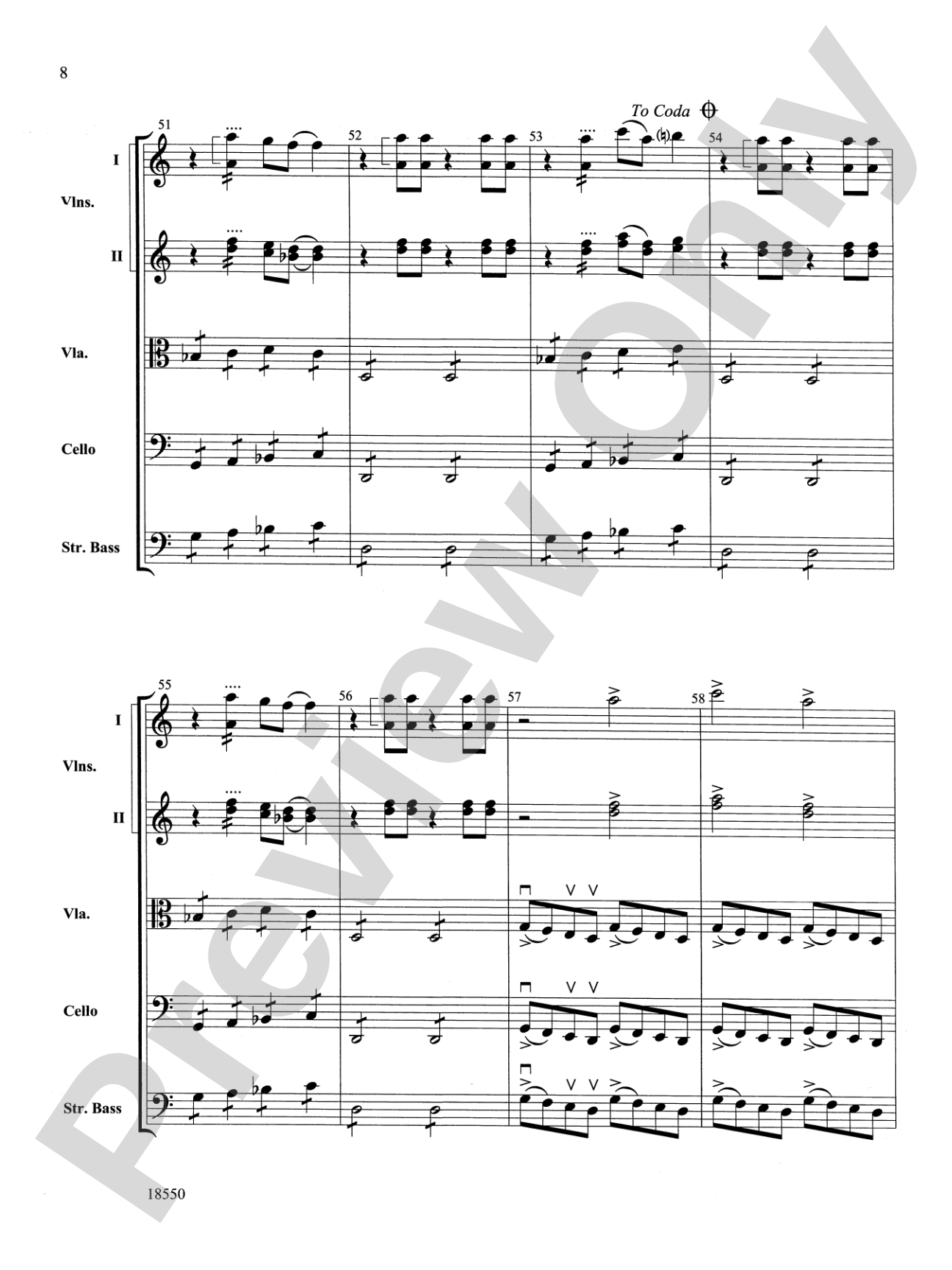

Legend: String Orchestra Conductor Score & Parts
By David O'Fallon
Grade: 3
Item: 00-PK-0000276

$56.00
Pickup currently not available
Buy Extra Parts (Digital PDF Download)
| Product | Price | Quantity |
|---|---|---|
| Legend: Score | $9.00 | |
| Legend: String Bass | $5.99 | |
| Legend: Cello | $5.99 | |
| Legend: Viola | $5.99 | |
| Legend: 2nd Violin | $5.99 | |
| Legend: 1st Violin | $5.99 |
Parts Added to Cart!
Description
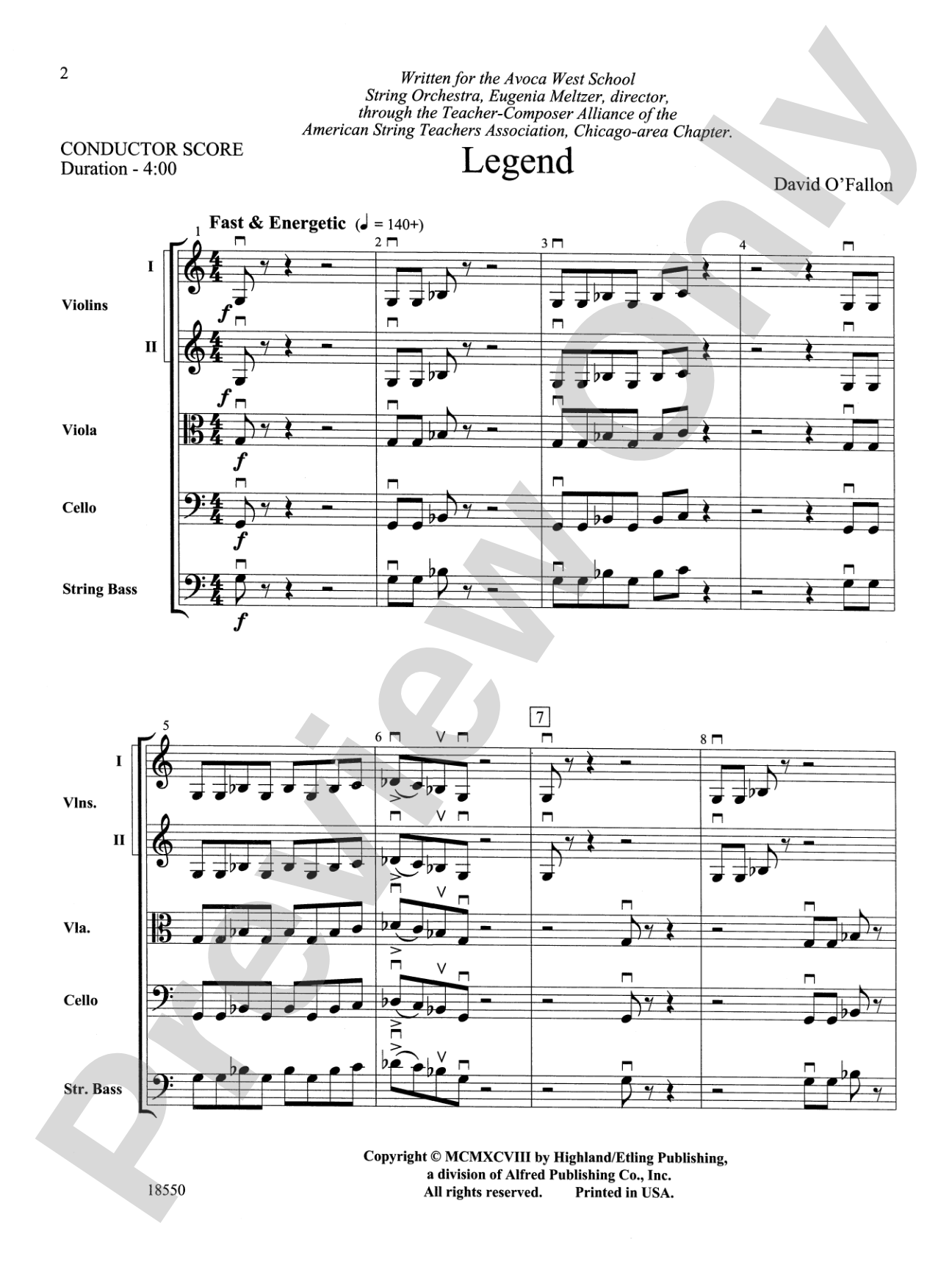
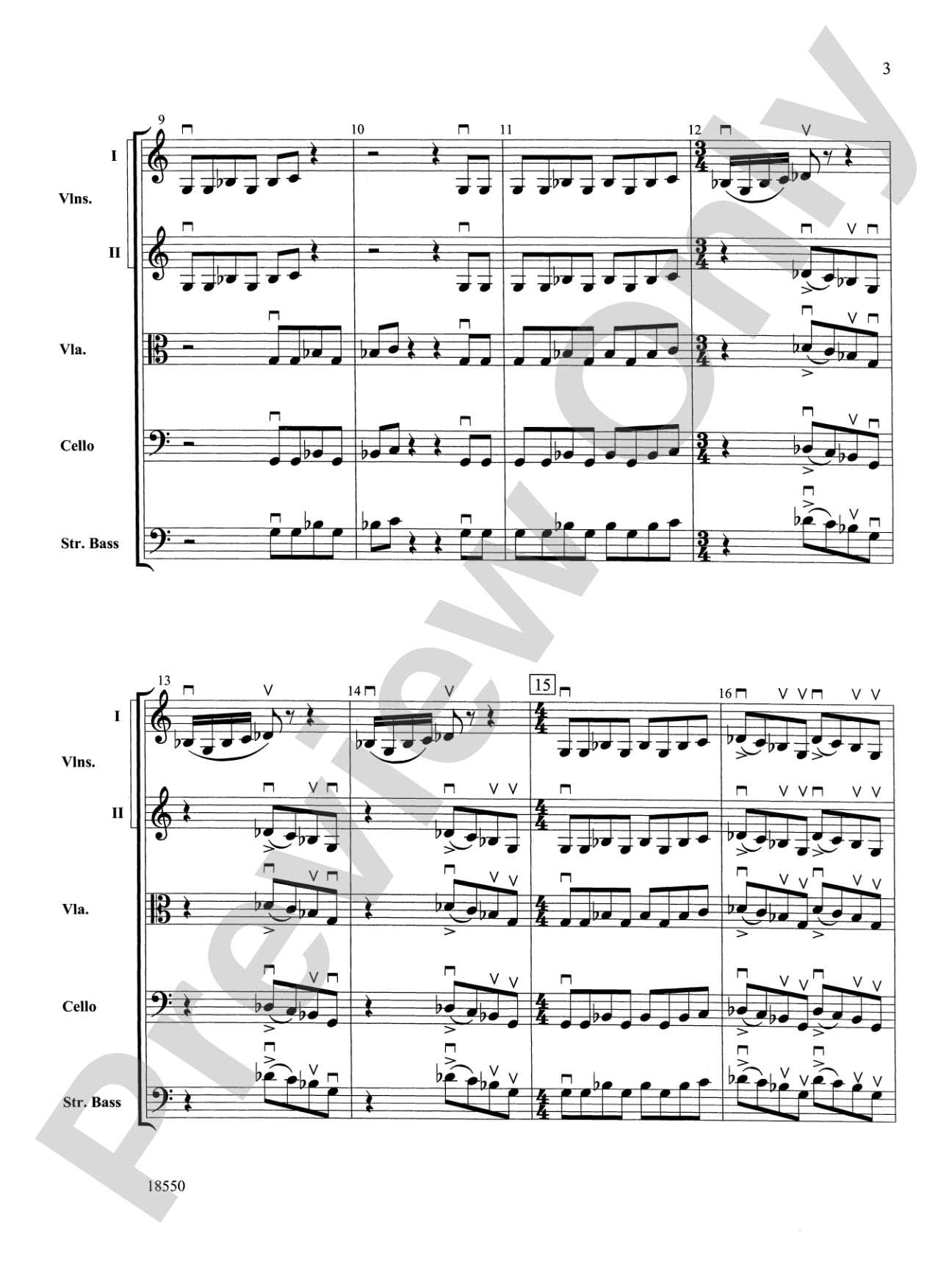
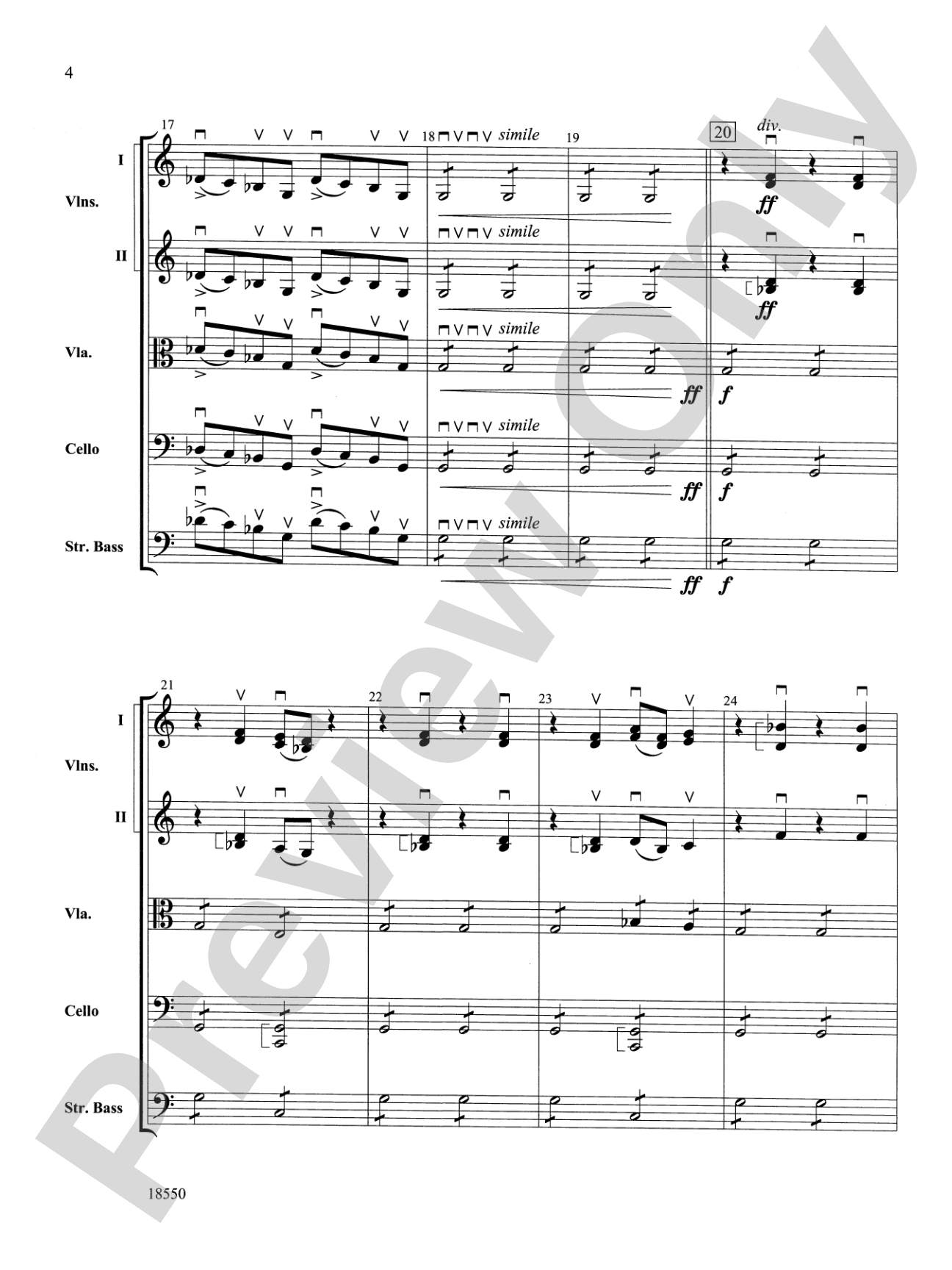
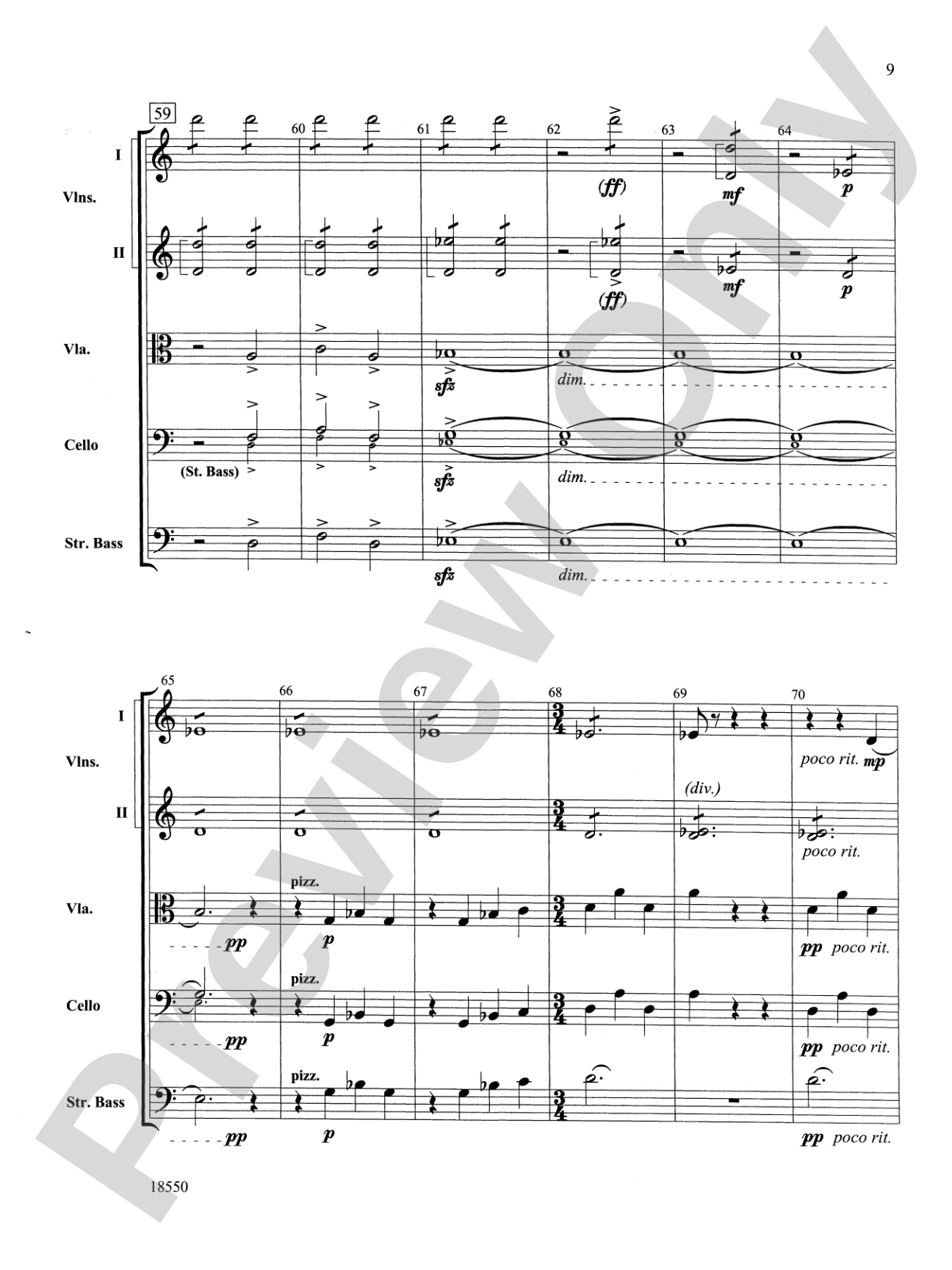
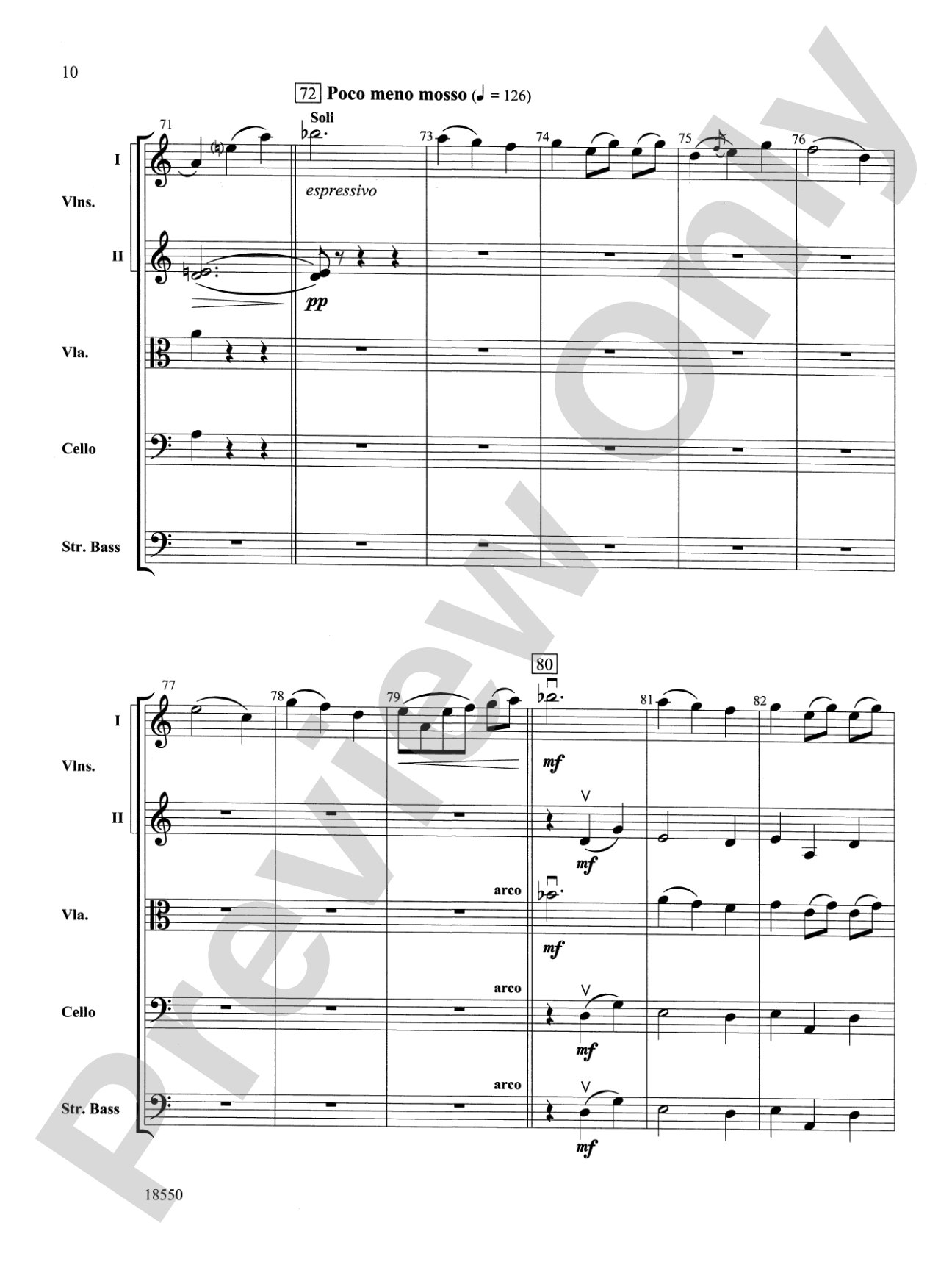
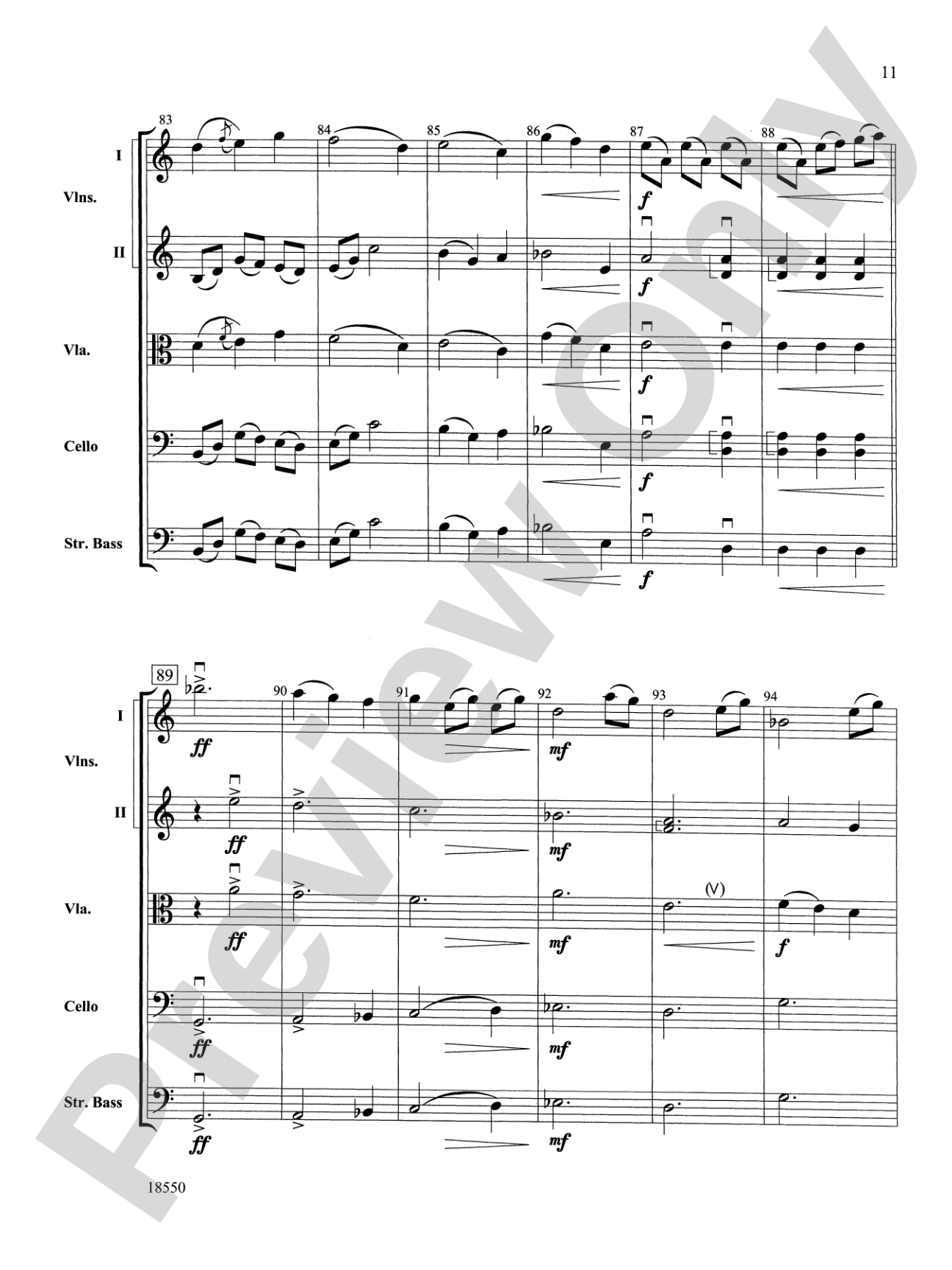
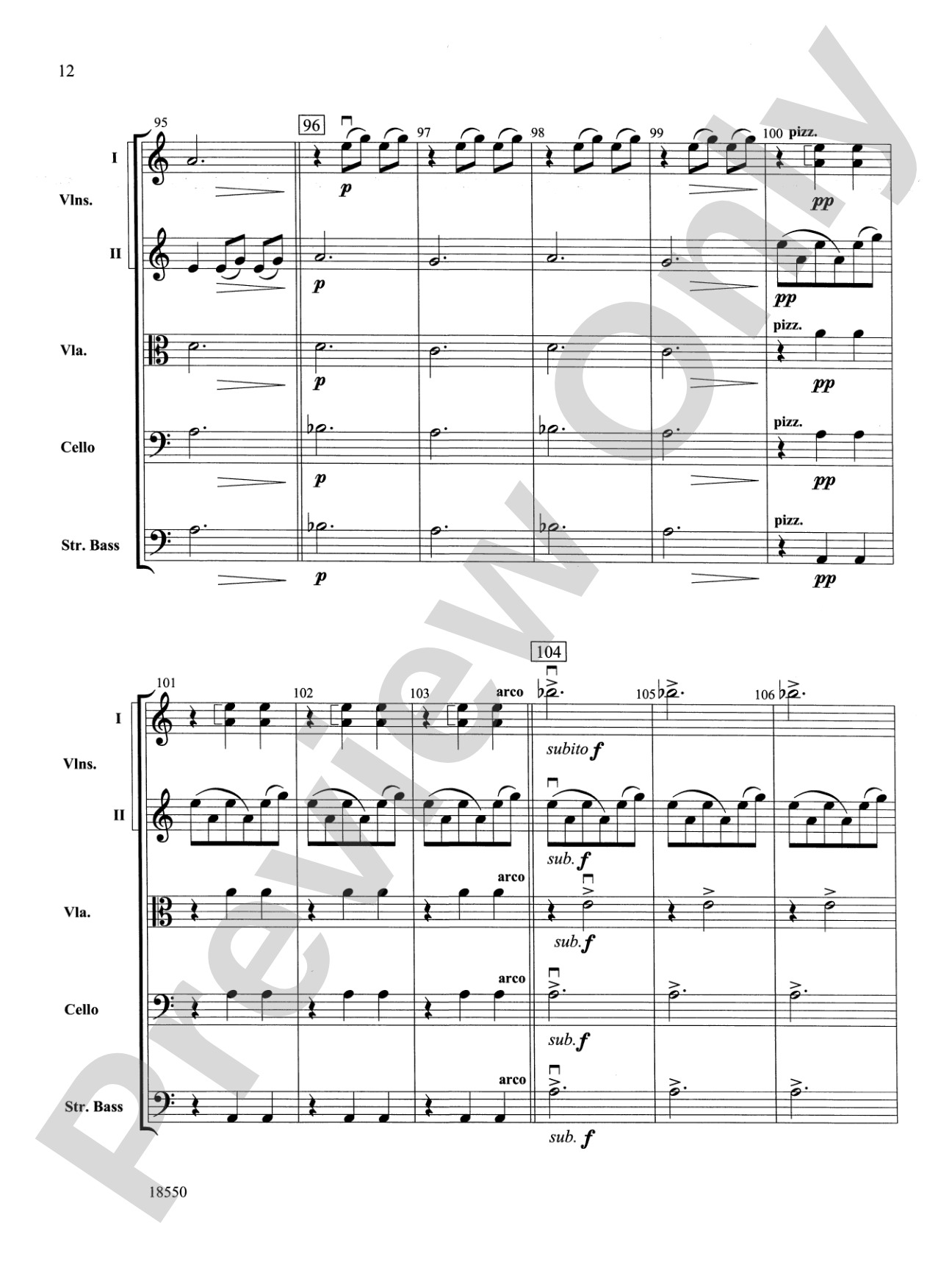
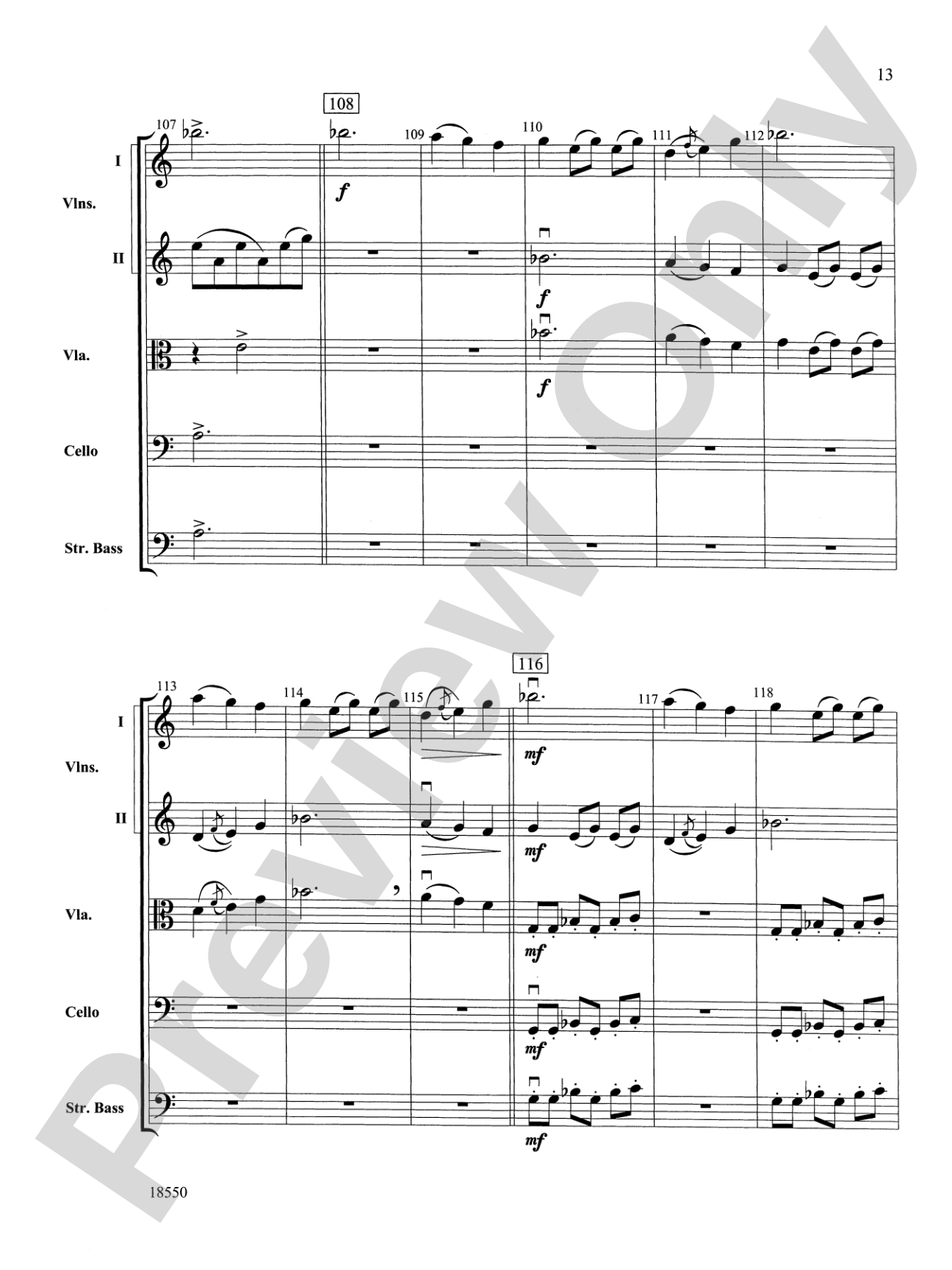
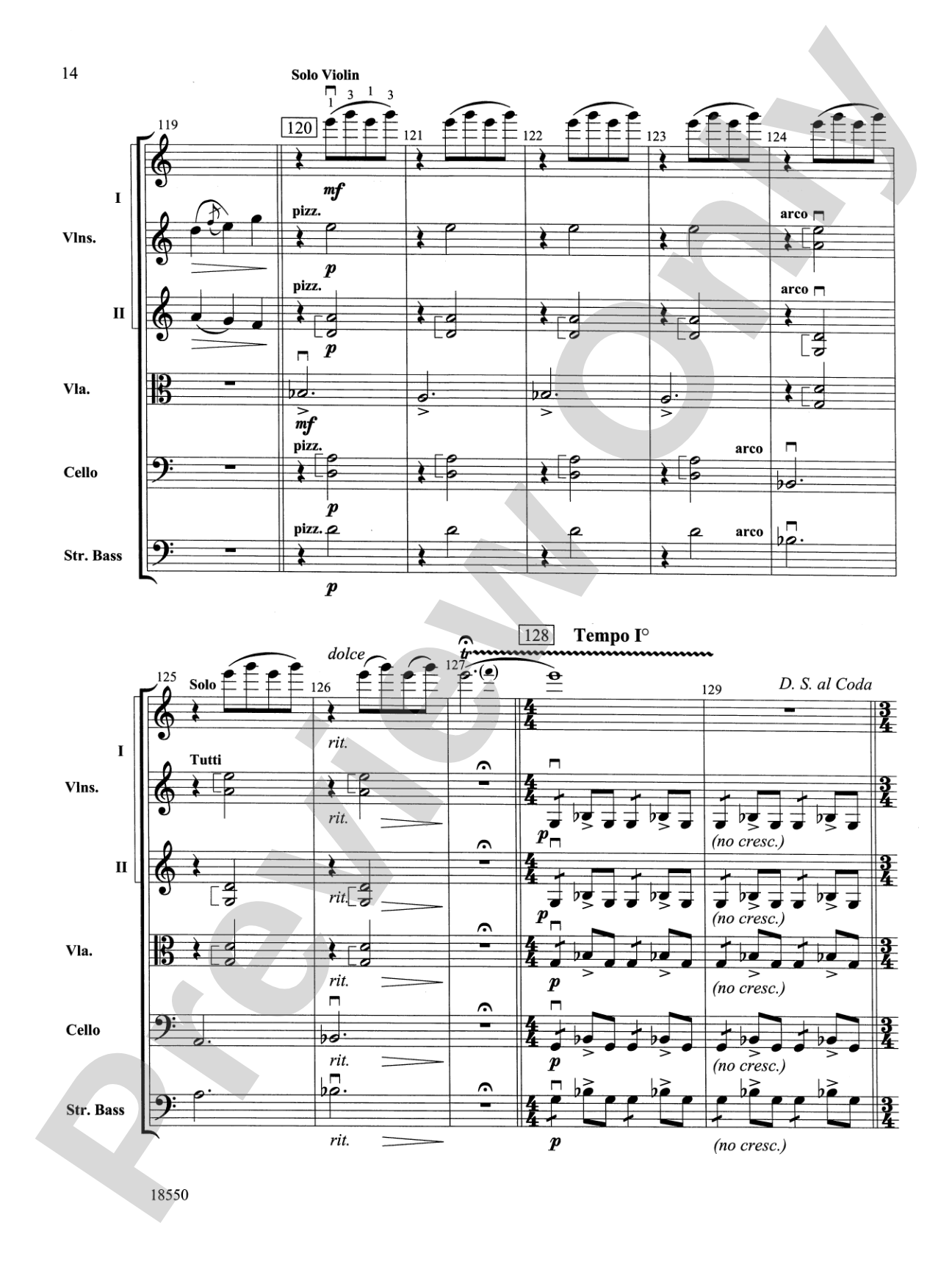
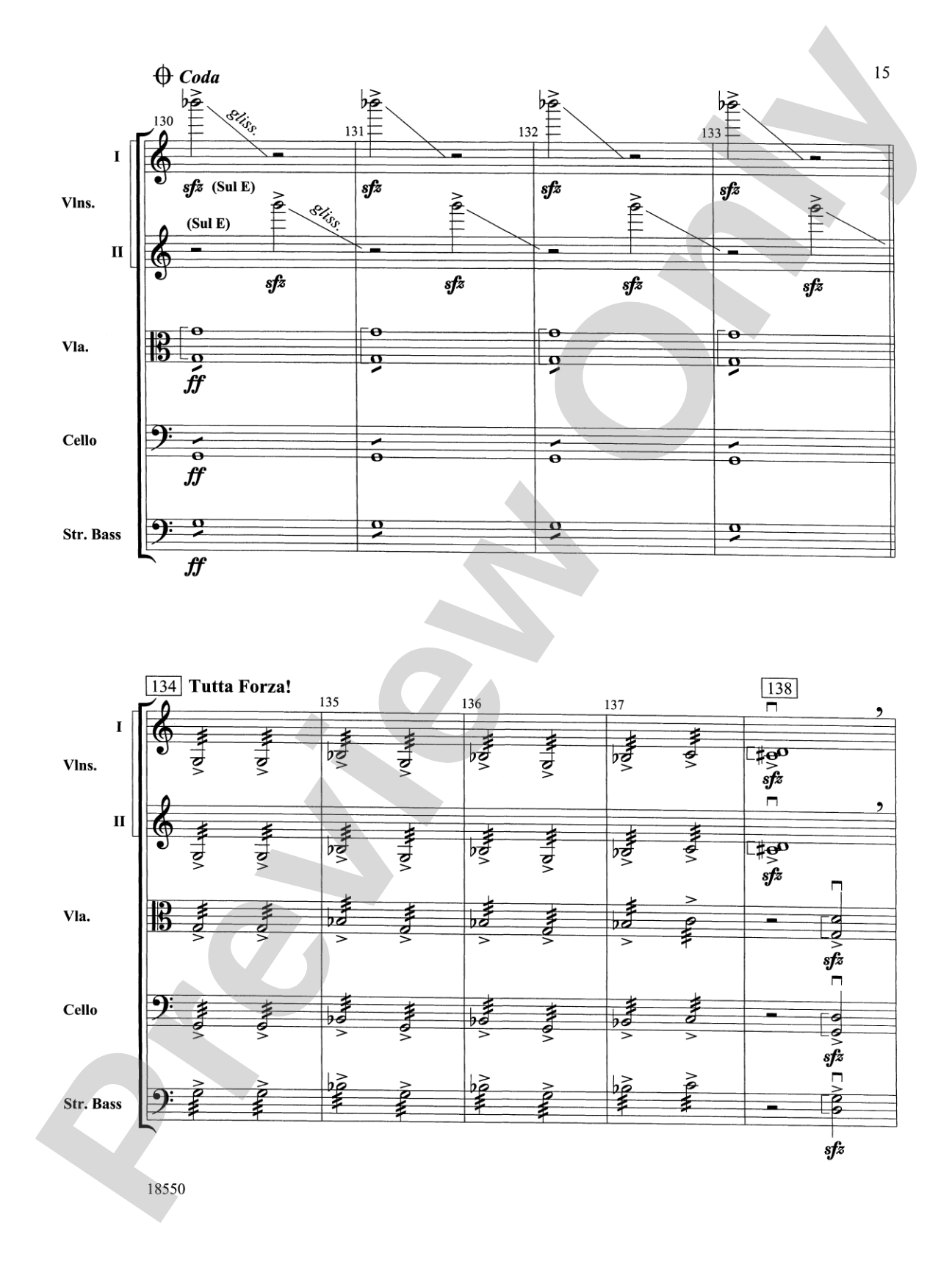
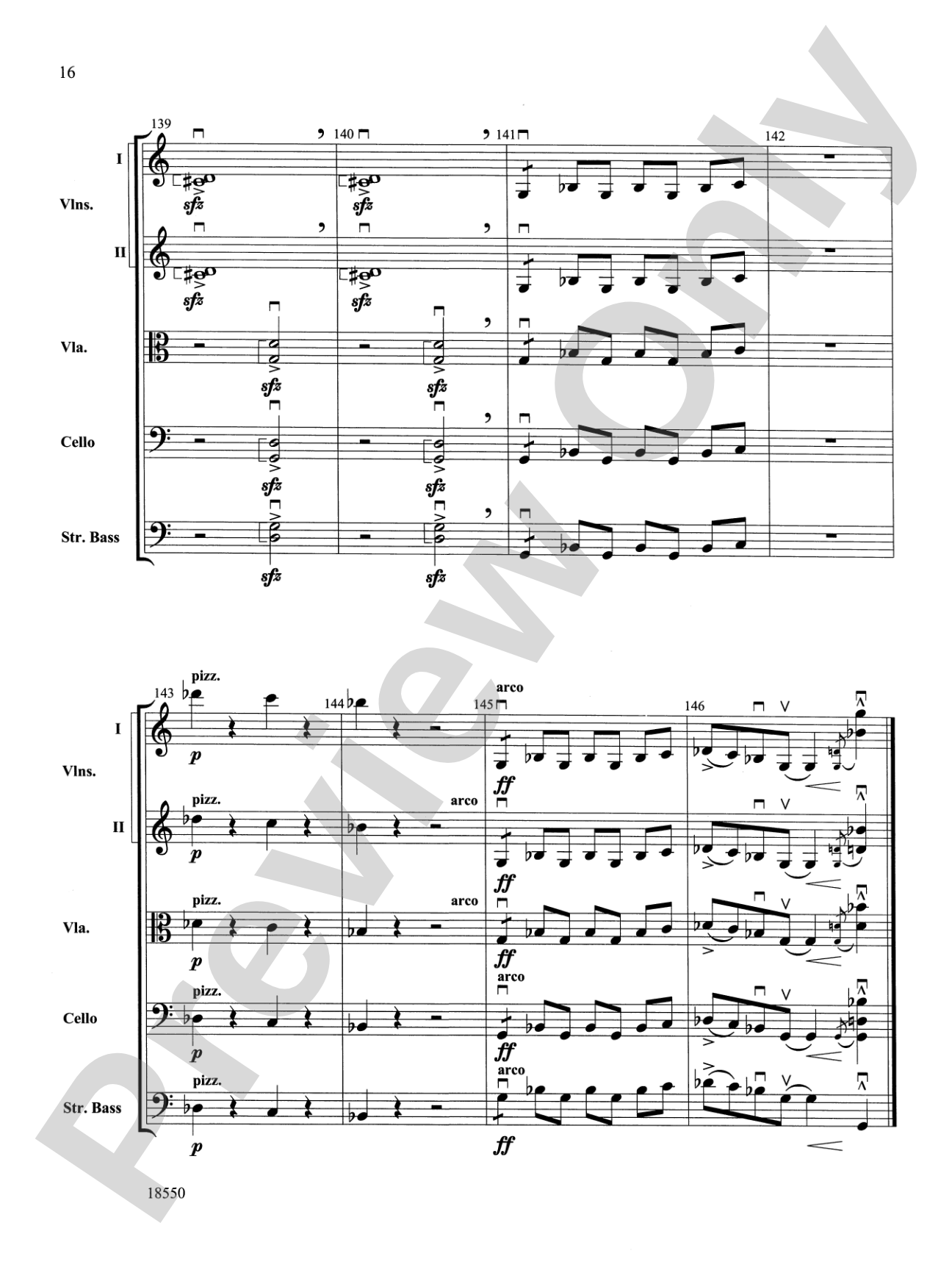
We can't think of any better way to say it - This piece ROCKS! Loaded with driving rhythms and special effects, you won't believe that a piece sounding this sophisticated could play this easy! Using standard orchestral techniques to create a true contemporary sound, this piece will provide a powerful and motivational contrast on your next concert program.


Don't just read it, hear it, play along with it, and watch your students grow with it. In MakeMusic Cloud, Legend: String Orchestra Conductor Score & Parts comes alive with professional accompaniment, adjustable tempo, and built-in practice tools that turn solo practice into real progress.
Open in the Player
Jump straight in and assign it today.
Start Your Free Trial
Open this title and explore the full library in minutes.
Sample Audio
1
Audio File
--:--
0:00
0:00
Sample Video
No sample videos found.
Additional Details
Series:
Highland/Etling String Orchestra
Publisher:
Alfred Music
Page Count:
124
SKU:
00-PK-0000276
More about this title
About the Composer: David O'Fallon
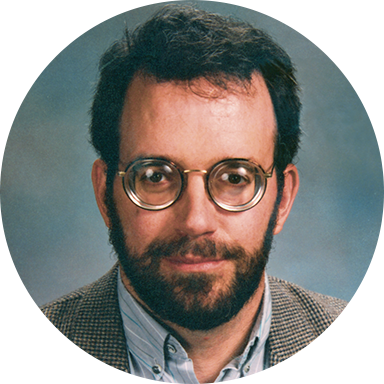
David O'Fallon began composing and arranging in childhood and studied Elementary Education, Music Theory, and Composition at Northern Illinois University, where he served as staff arranger for the NIU Jazz Ensemble. His professional experience spans multiple ensembles across Chicago's classical music scene: he has performed as a percussionist and violist with the Chicago Civic Orchestra, sung in the bass section of the Chicago Symphony Chorus, and frequently joined the Chicago Symphony Orchestra's percussion section for over 20 recordings and concert tours.
O'Fallon has received four commissions from the Chicago chapter of the American String Teachers Association to compose contemporary works tailored to student orchestras. This direct connection to younger players informs his writing: he understands what sounds sophisticated on the page but remains genuinely playable in the rehearsal room.
Why we love this
O'Fallon has cracked the code that many Grade 3 composers chase: writing that sounds polished and energetic without asking players to execute advanced techniques. The driving rhythms and contemporary effects feel modern without resorting to gimmicks, and the piece delivers genuine concert impact for a student orchestra. This is exactly the kind of motivational programming tool that reminds students why they're in the group.
What to expect
Energy and drive propel this piece forward from the opening measures. Modern orchestral techniques create texture and color that feels sophisticated and deliberate, building excitement through rhythm and instrumental effects rather than relying on complex harmony or meter.
Who it's for
String orchestra conductors looking for a Grade 3 piece that sounds and feels contemporary without compromising playability. This works equally well for directors building a modern concert program or for festival and competition contexts where you need a crowd-pleasing selection that showcases serious musicianship.
How to get the most out of it
- Establish the driving pulse early in rehearsal; the rhythmic momentum carries the entire piece, so lock it in before layering articulations and effects.
- Treat the special effects (pizzicato, col legno, harmonics) as integral to the sound, not ornaments. These techniques define the contemporary character, so give them rehearsal time and precision.
- Balance the different sections carefully so no section overshadows the motivic material; this piece works best when every part feels essential to the whole.
- Record a full run-through mid-preparation to check how the piece translates to an audience; student orchestras often underestimate their own energy level when they're inside the sound.
How to use it
Place this as a contrasting centerpiece on a concert that balances traditional string repertoire. It works especially well sandwiched between standard classics to demonstrate your orchestra's stylistic range and contemporary fluency. The piece also performs strongly in festival settings where judges appreciate writing that challenges students musically while remaining accessible.
Skills your students will build
- Precise rhythmic execution under sustained tempo and pulse
- Contemporary extended techniques (pizzicato, col legno, harmonics)
- Sectional balance and part independence
- Dynamic control across a range of articulations
- Responding to contemporary orchestral color and texture