
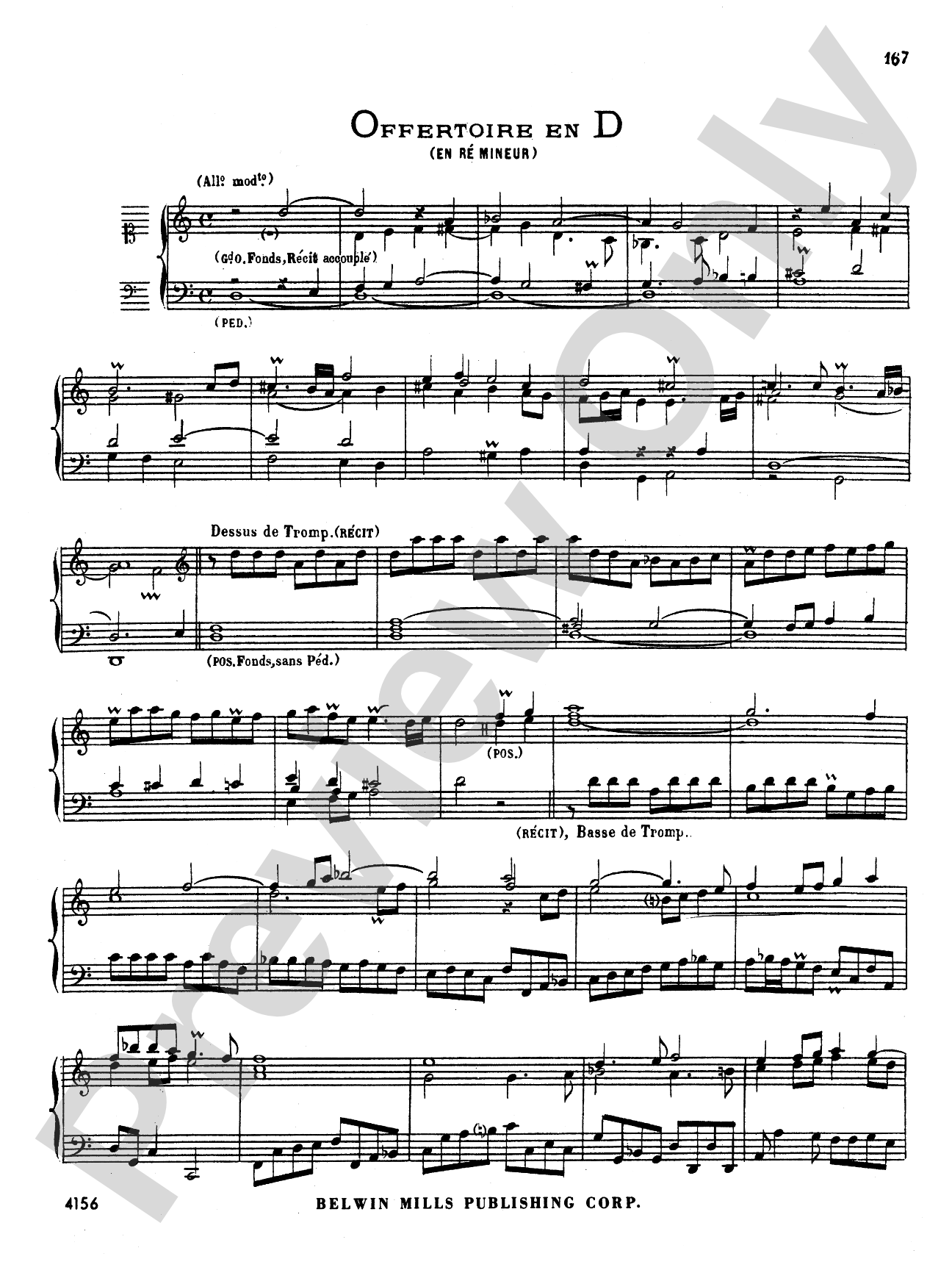
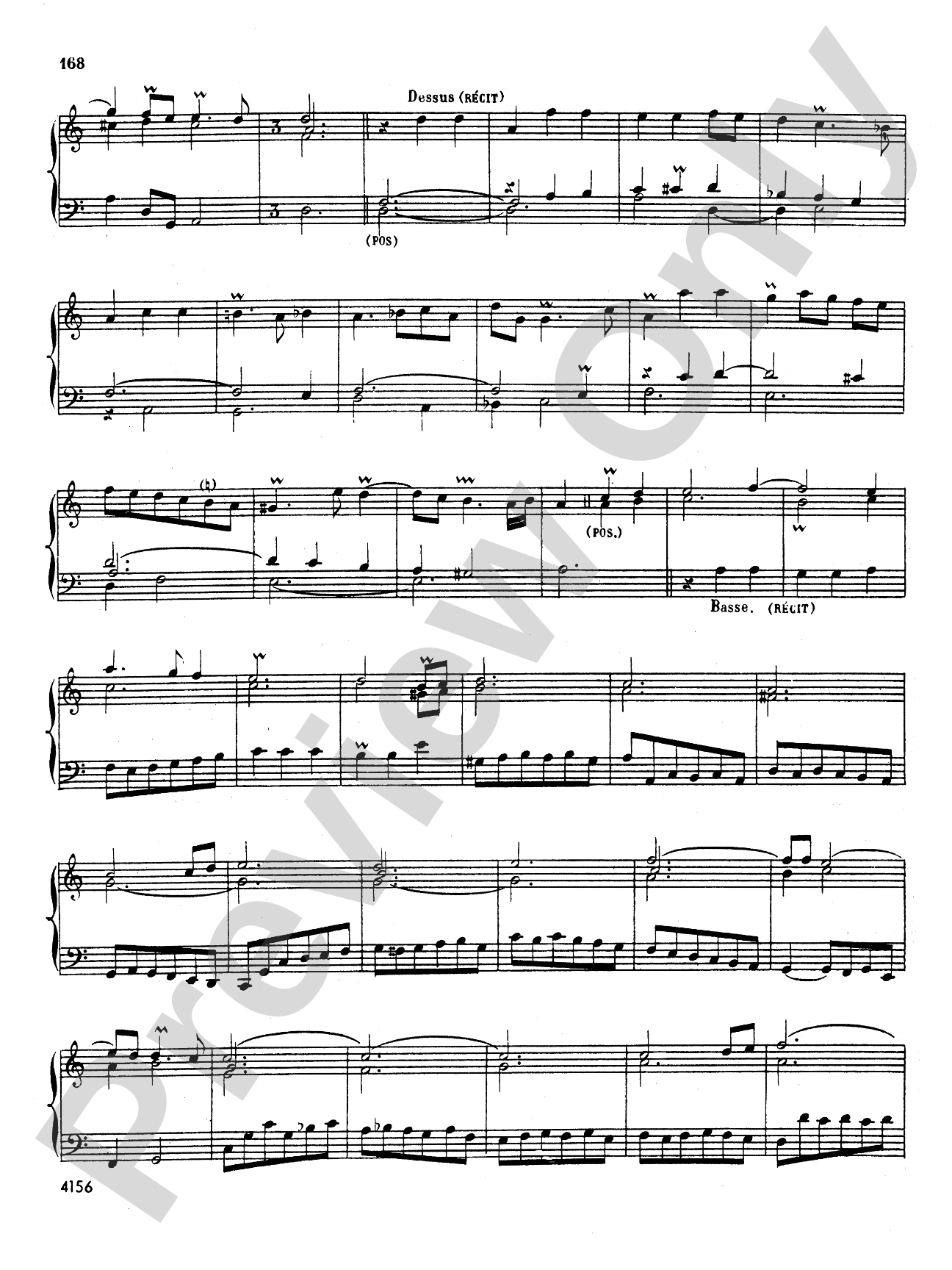
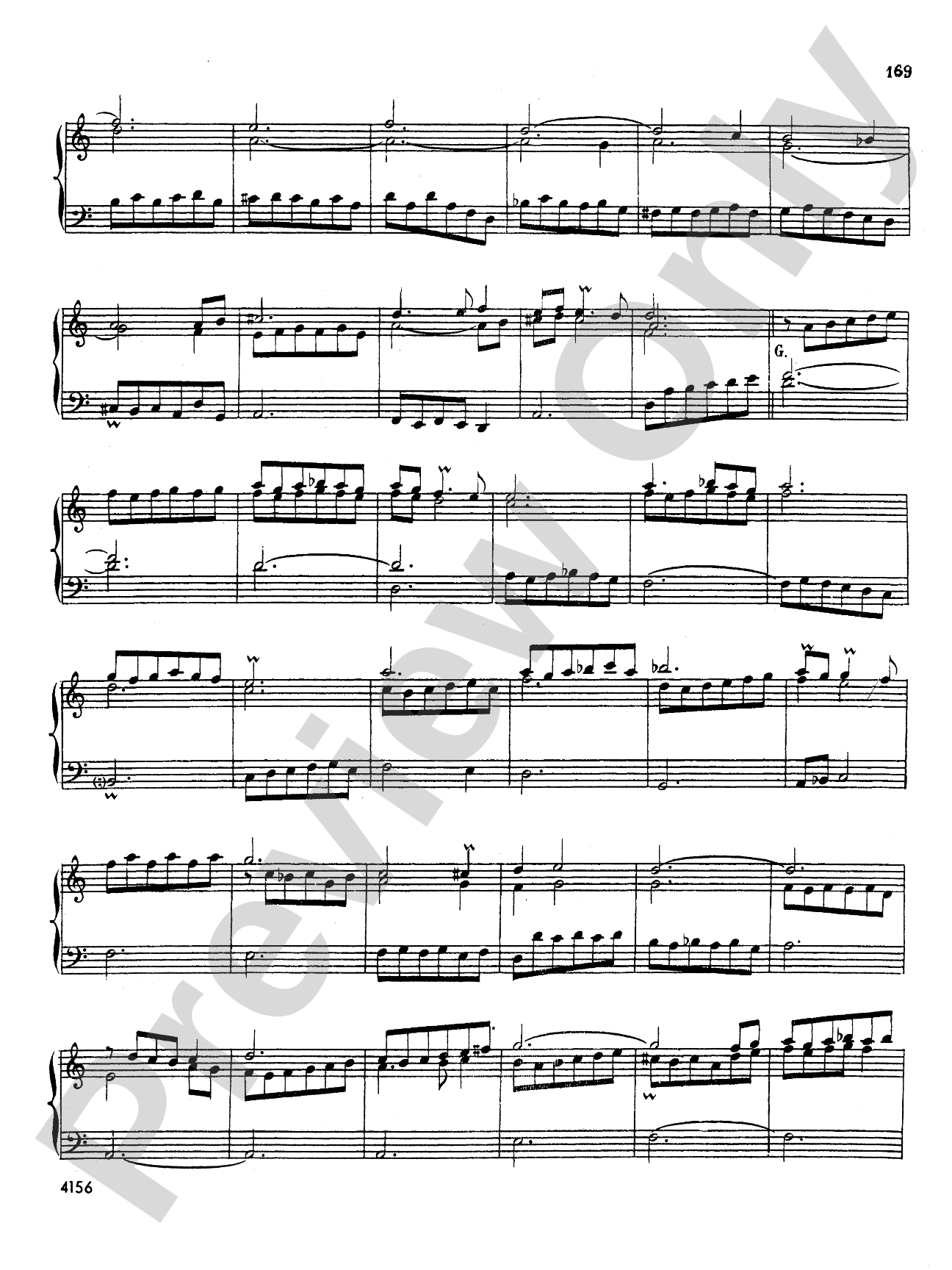
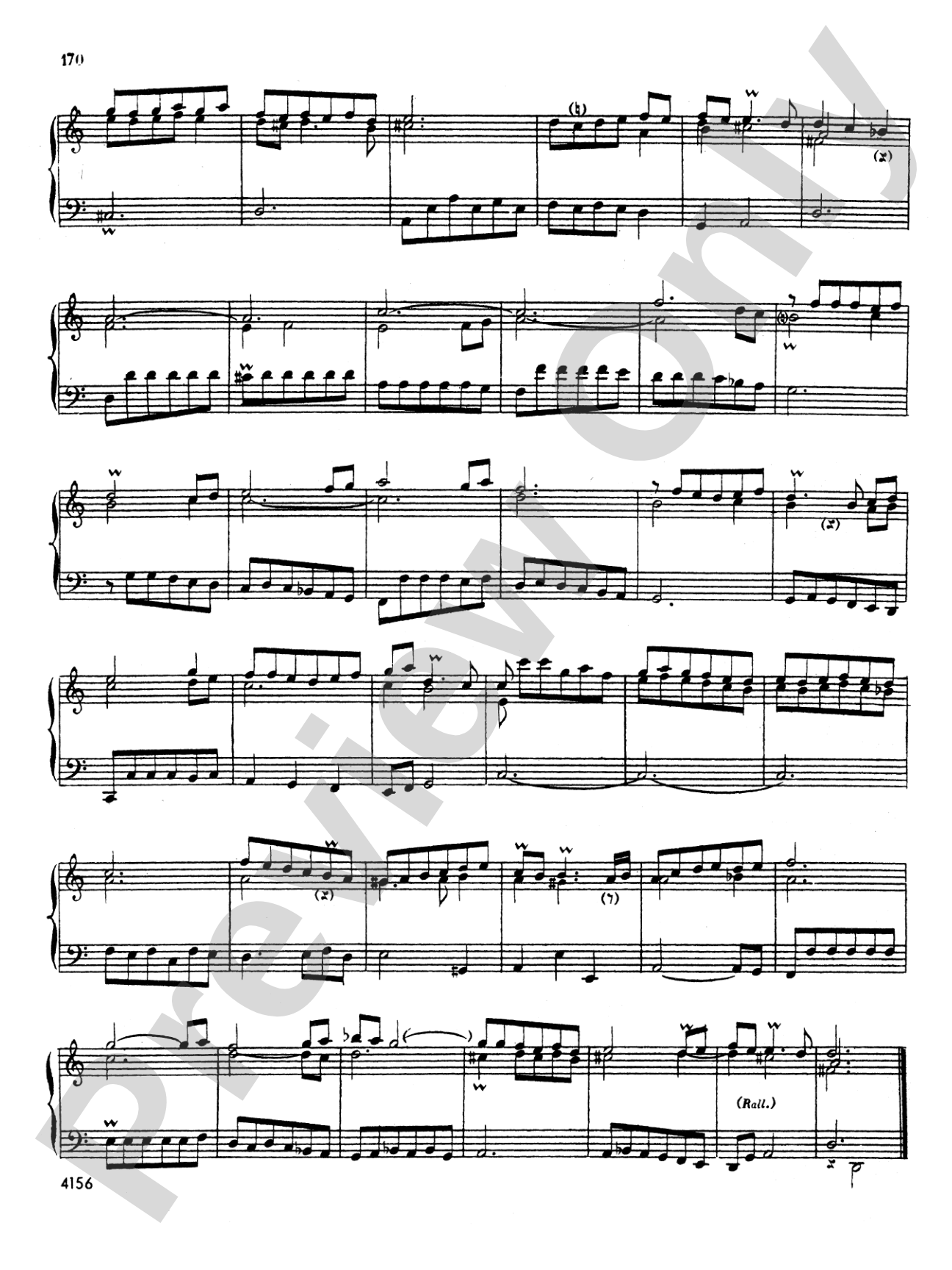
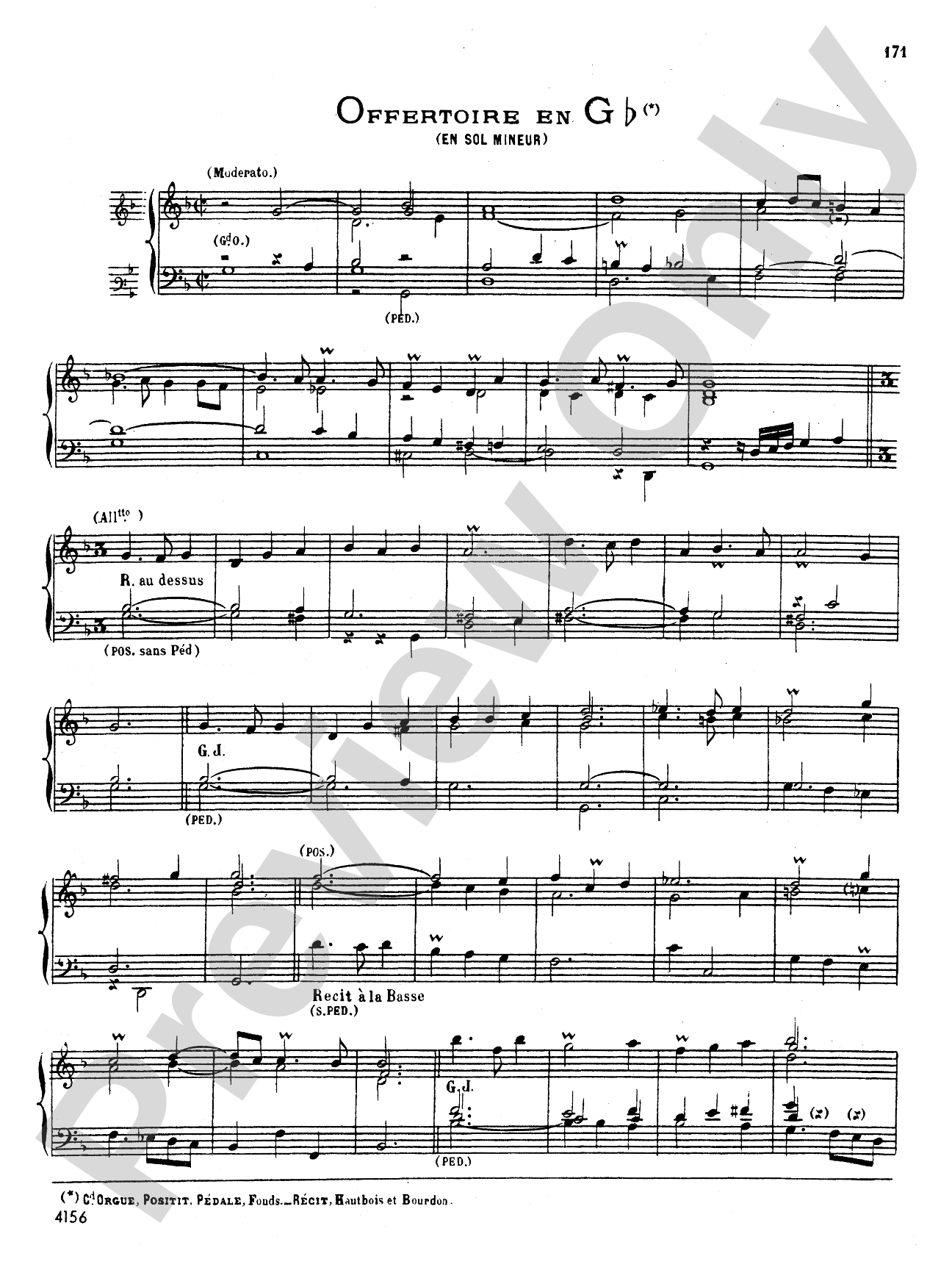
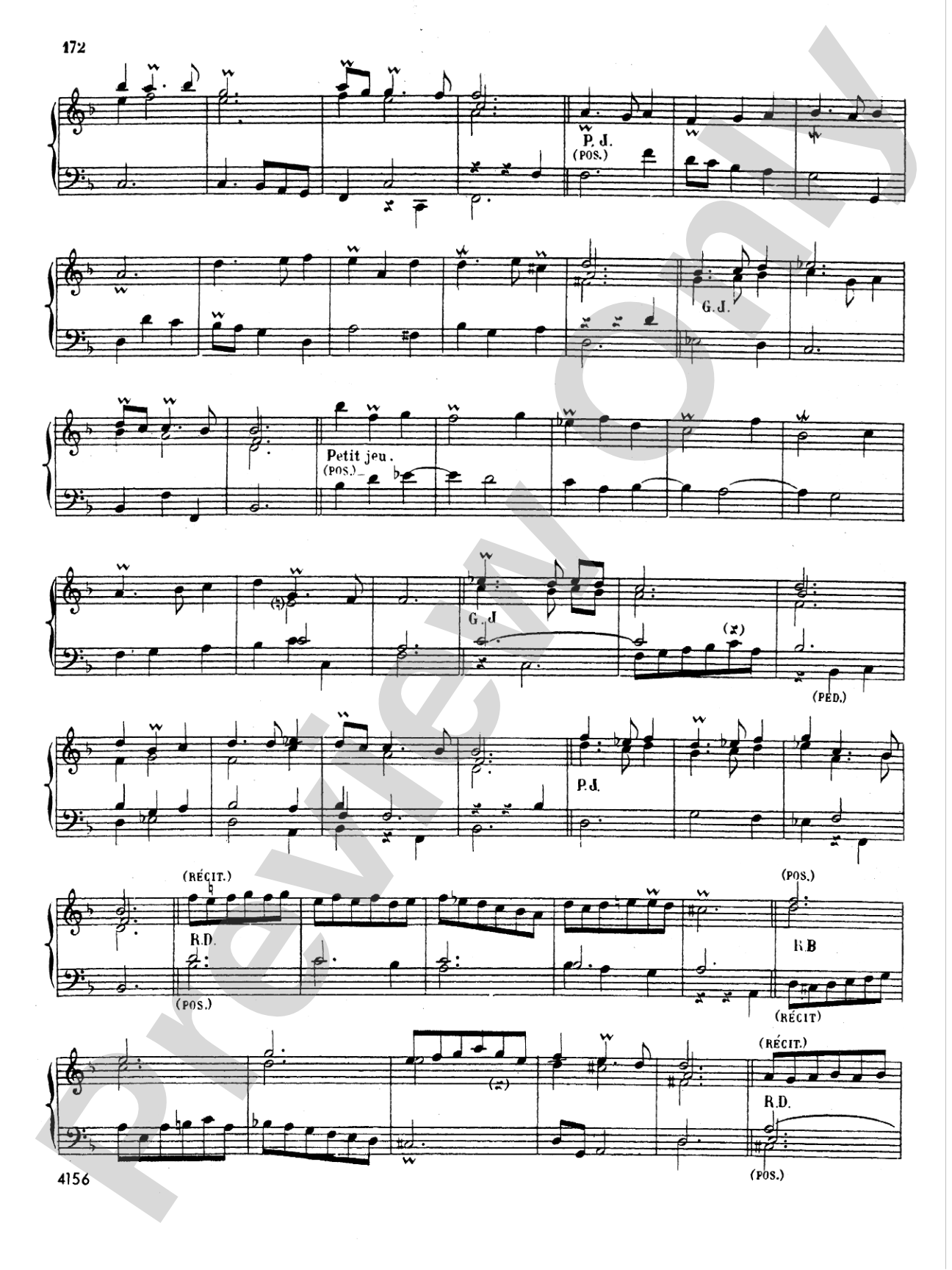
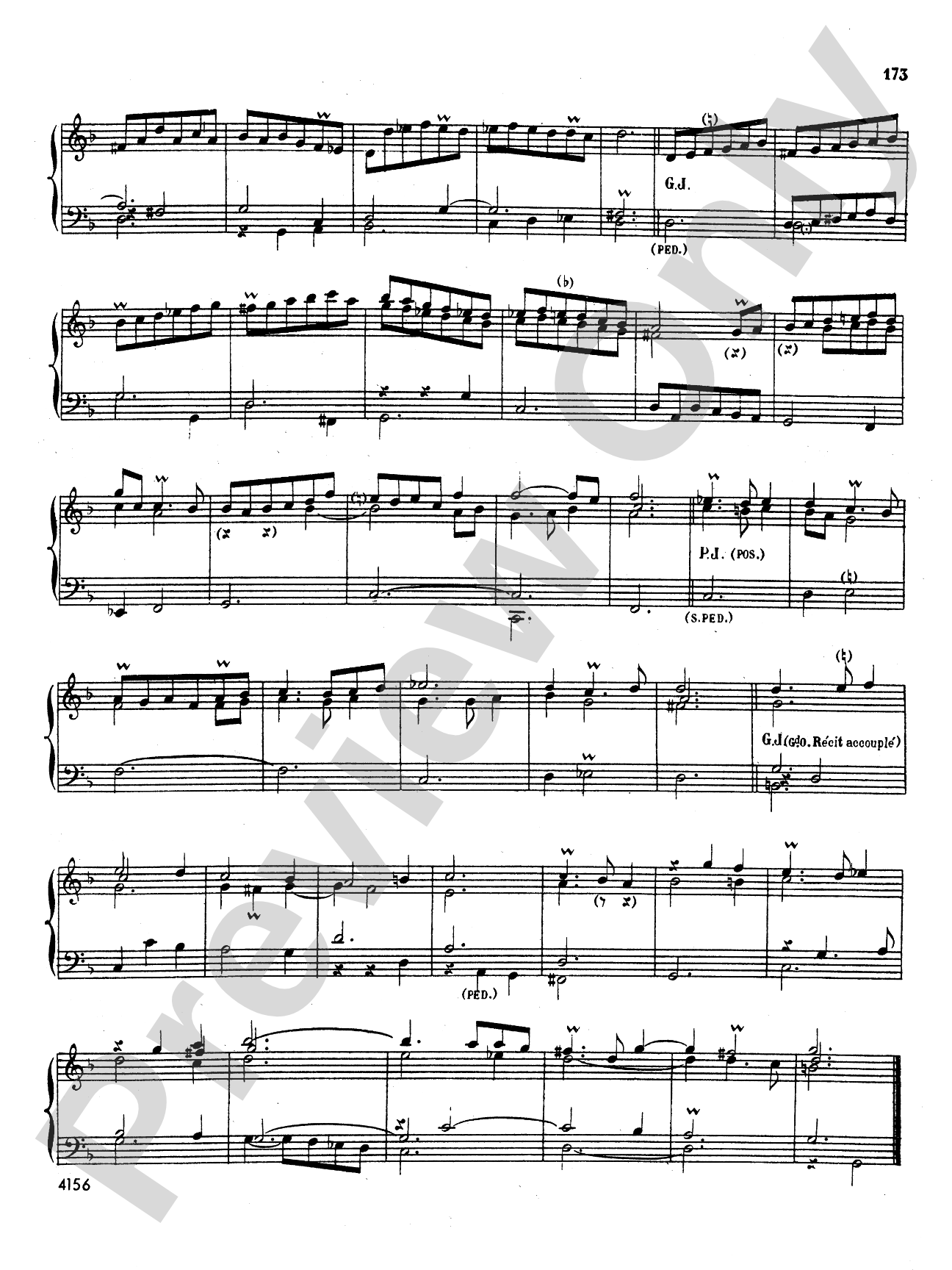
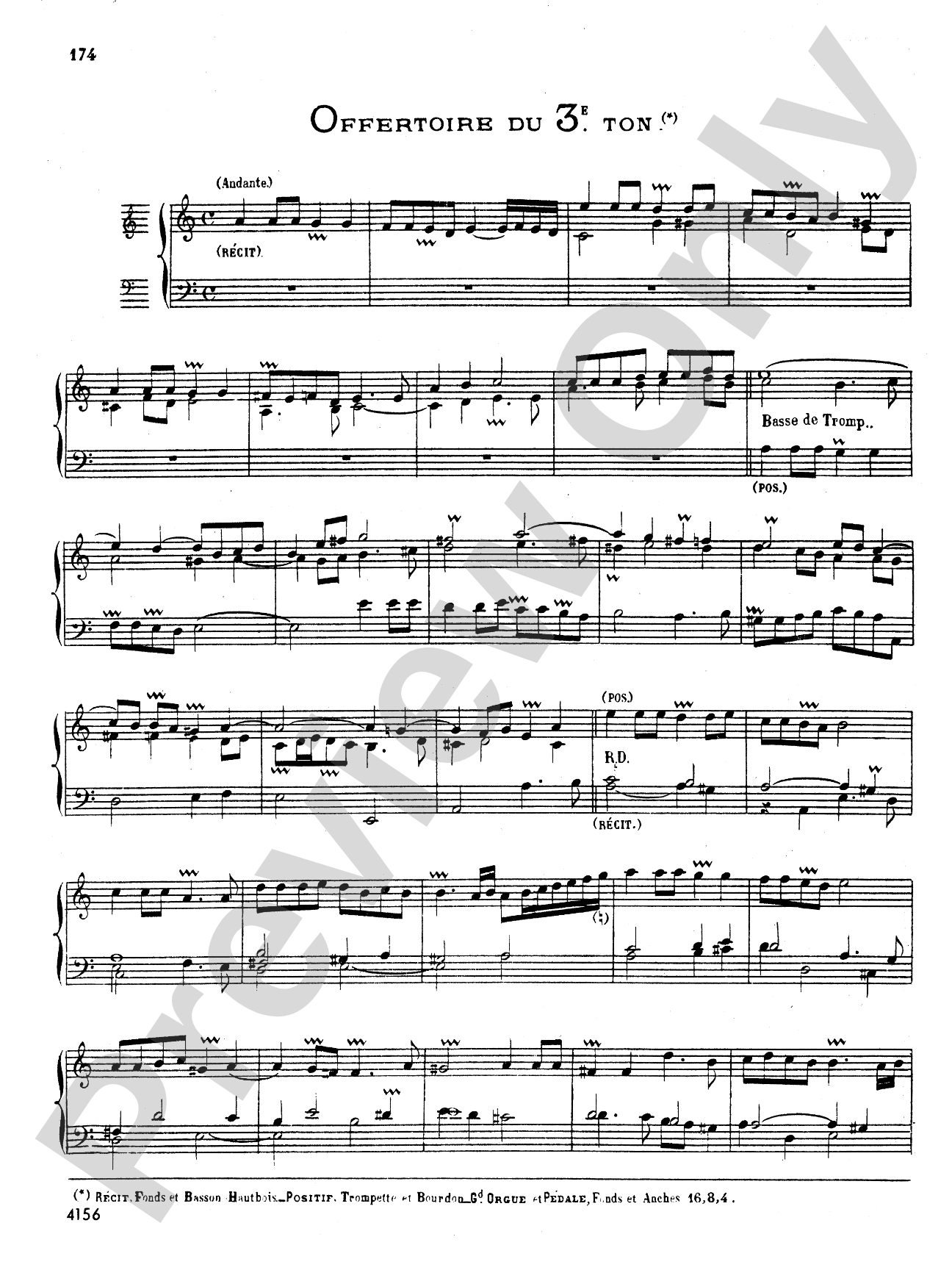
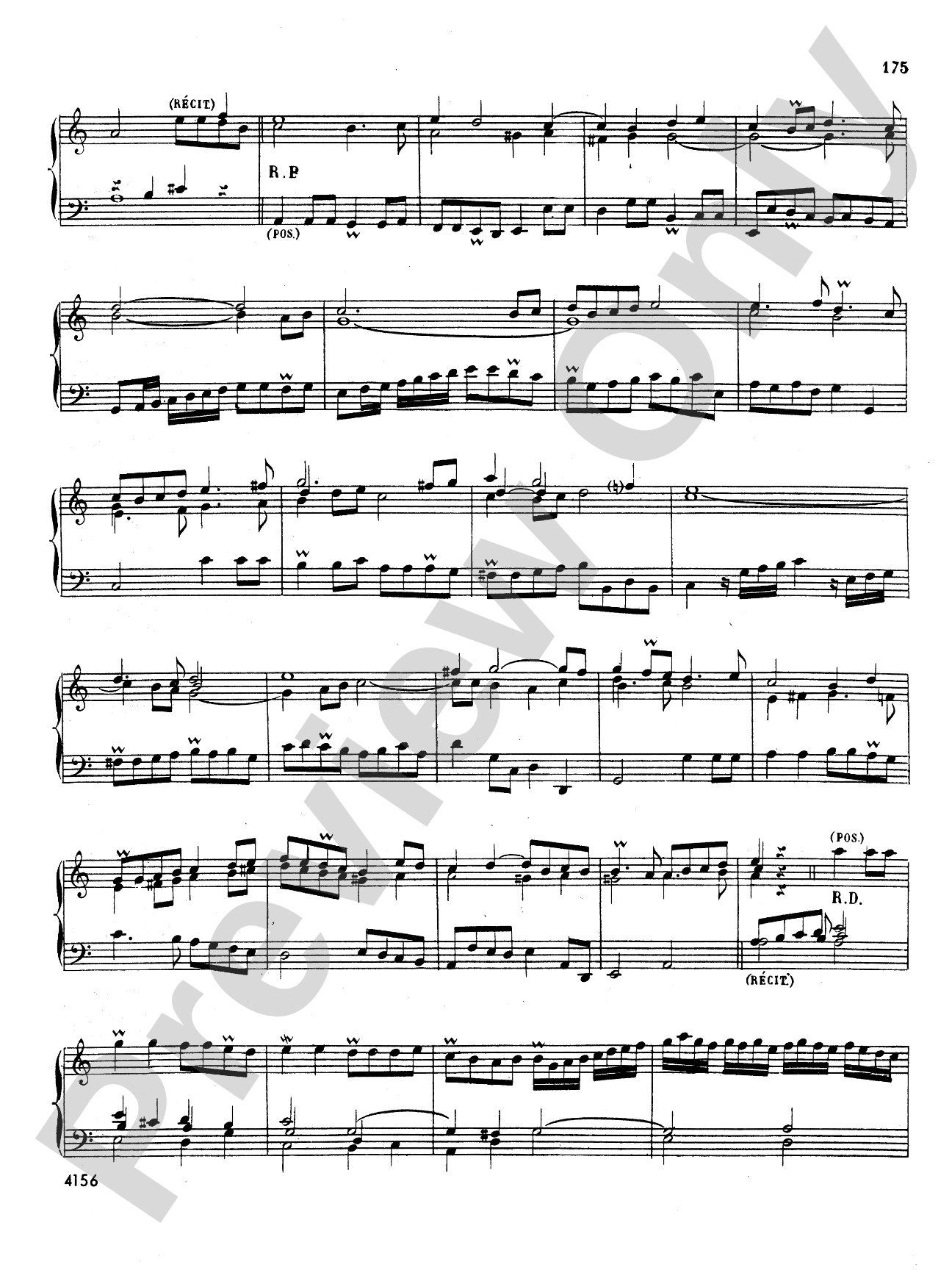
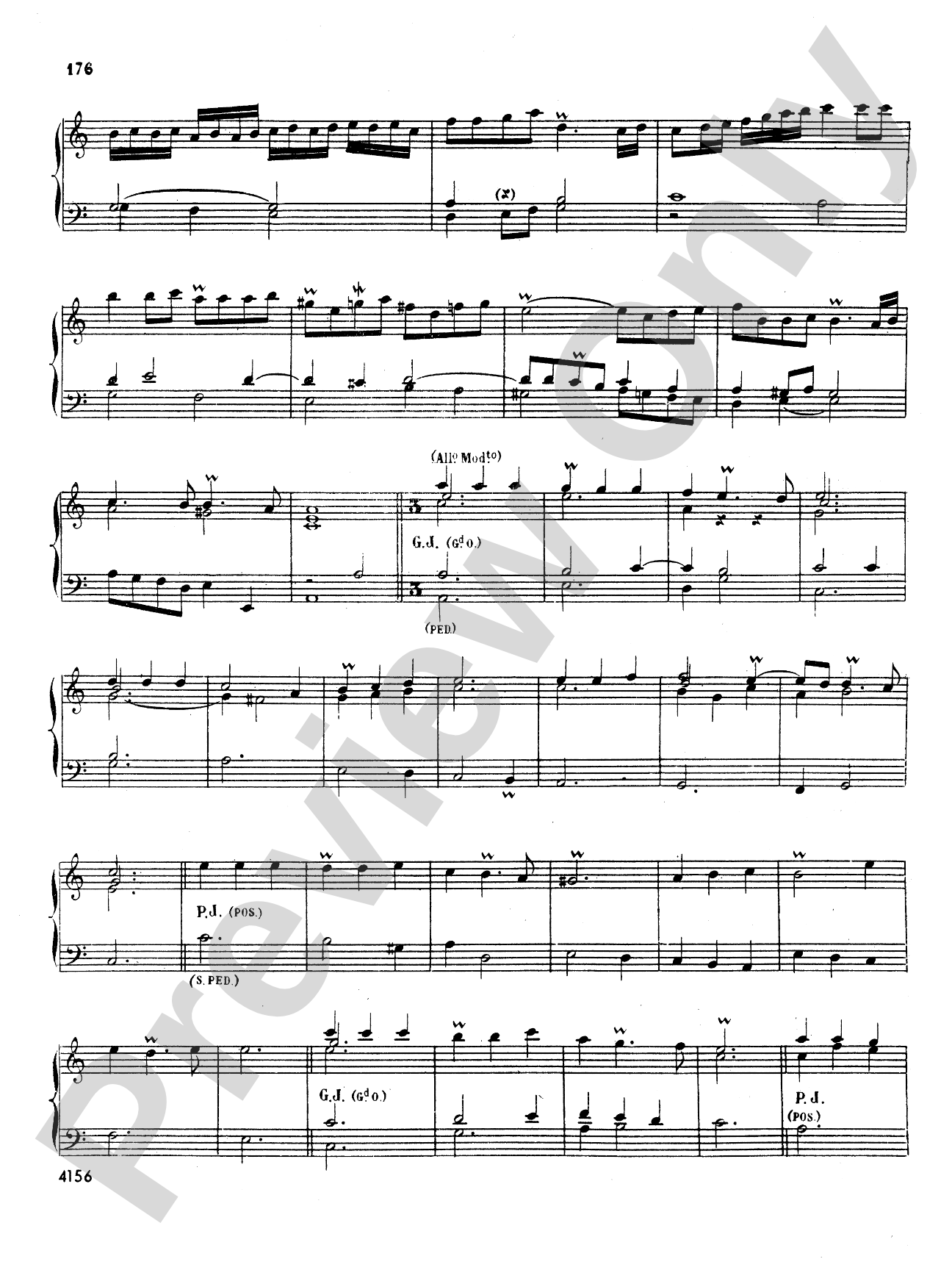
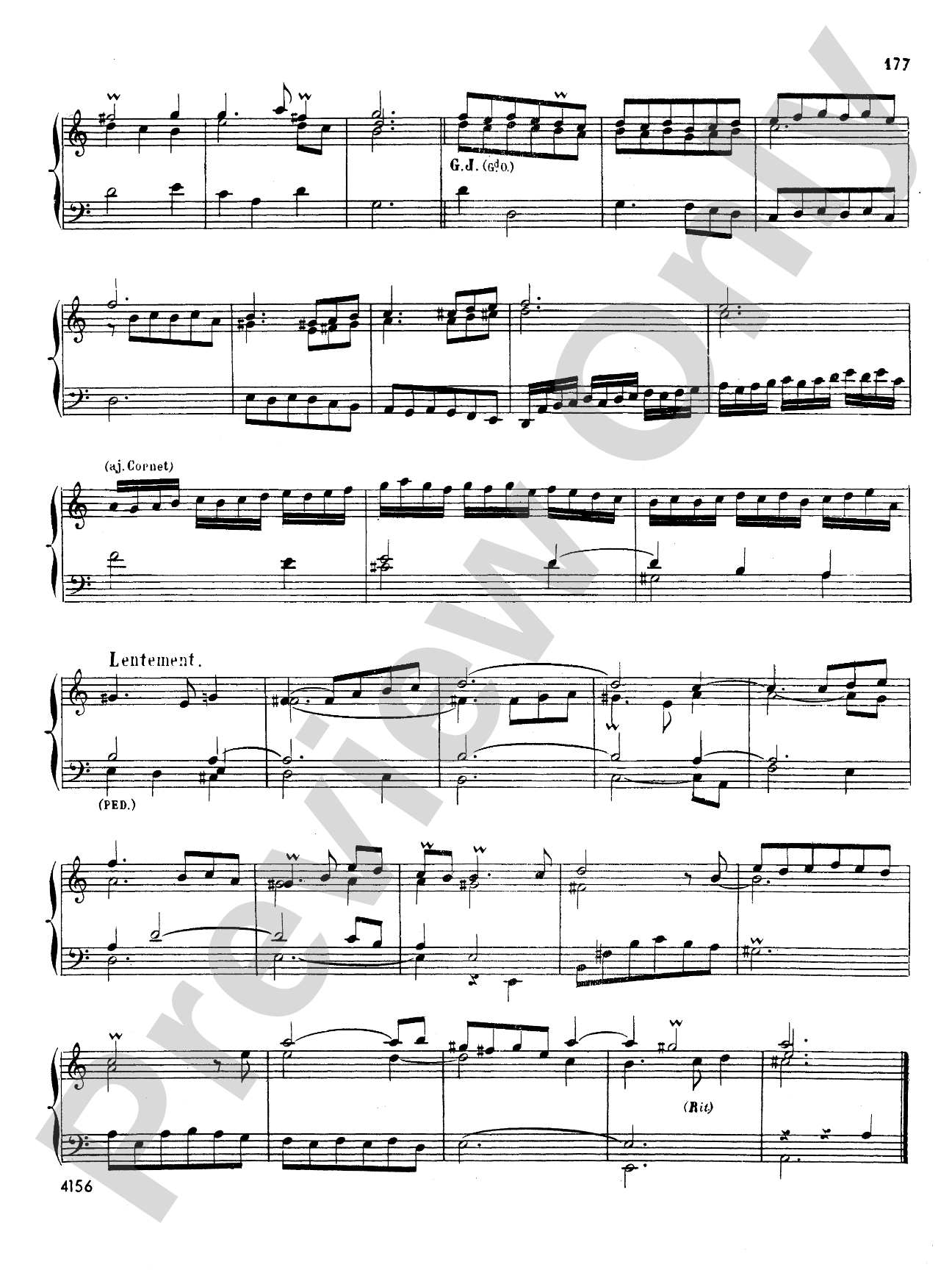
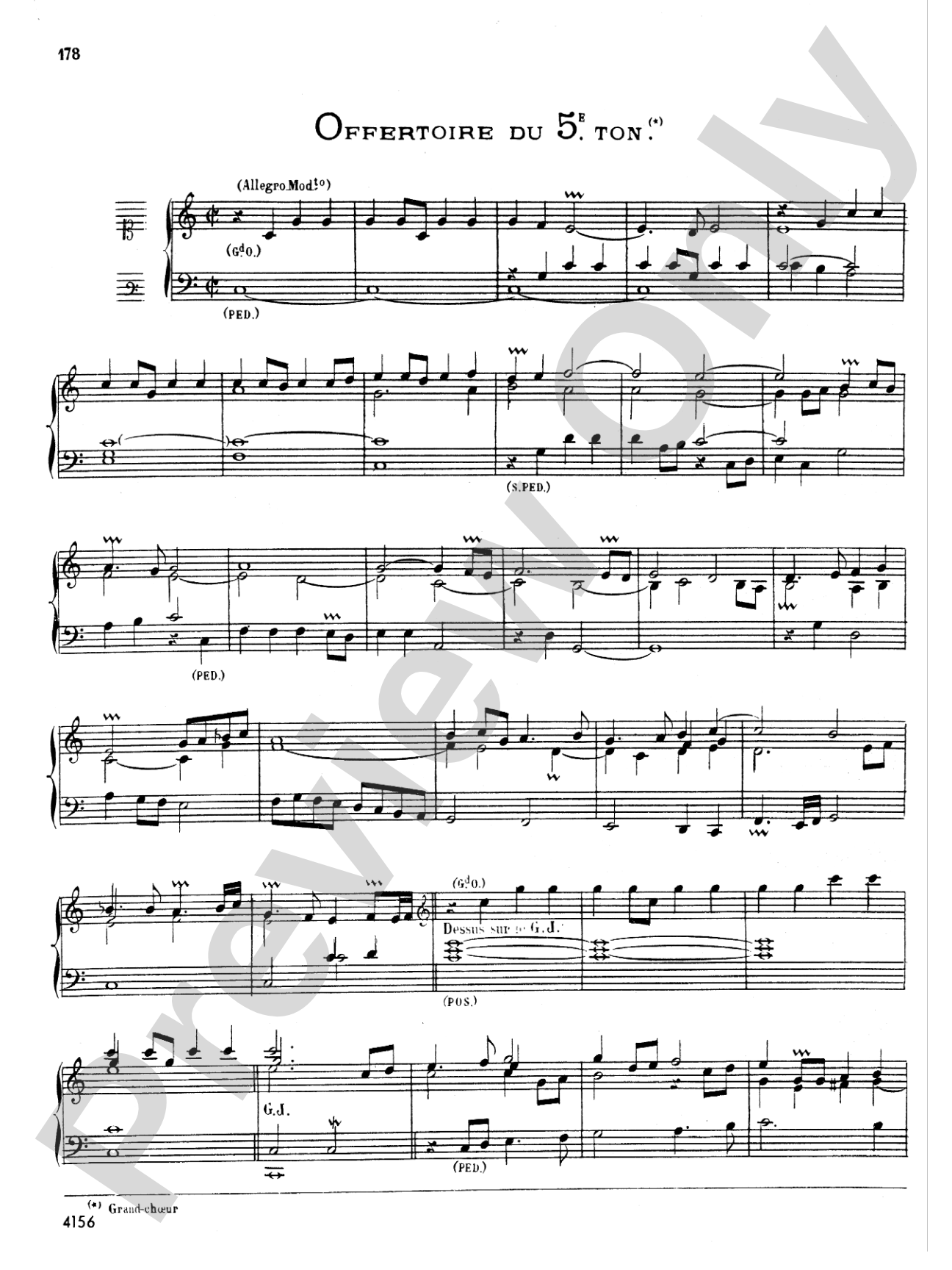
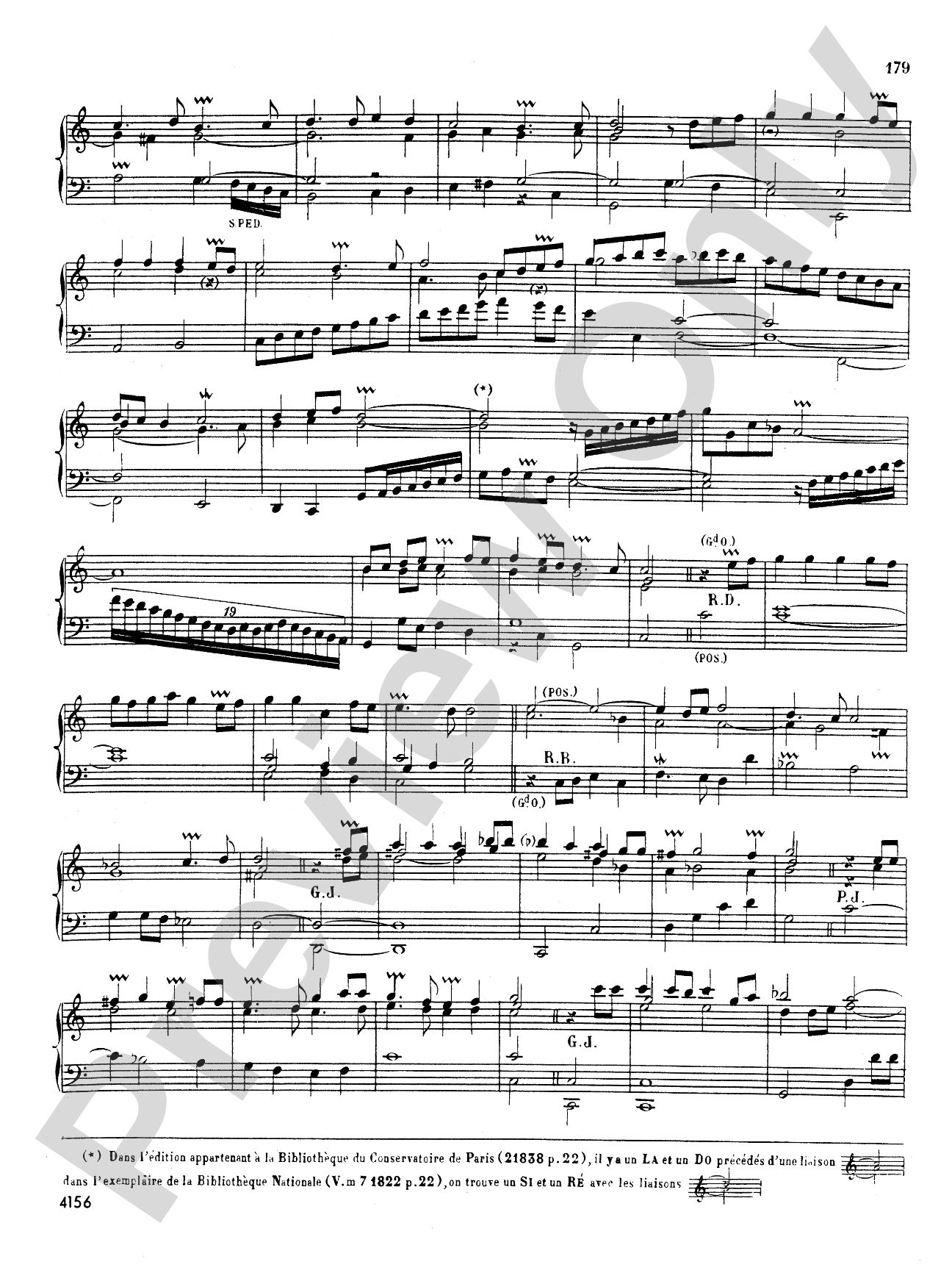
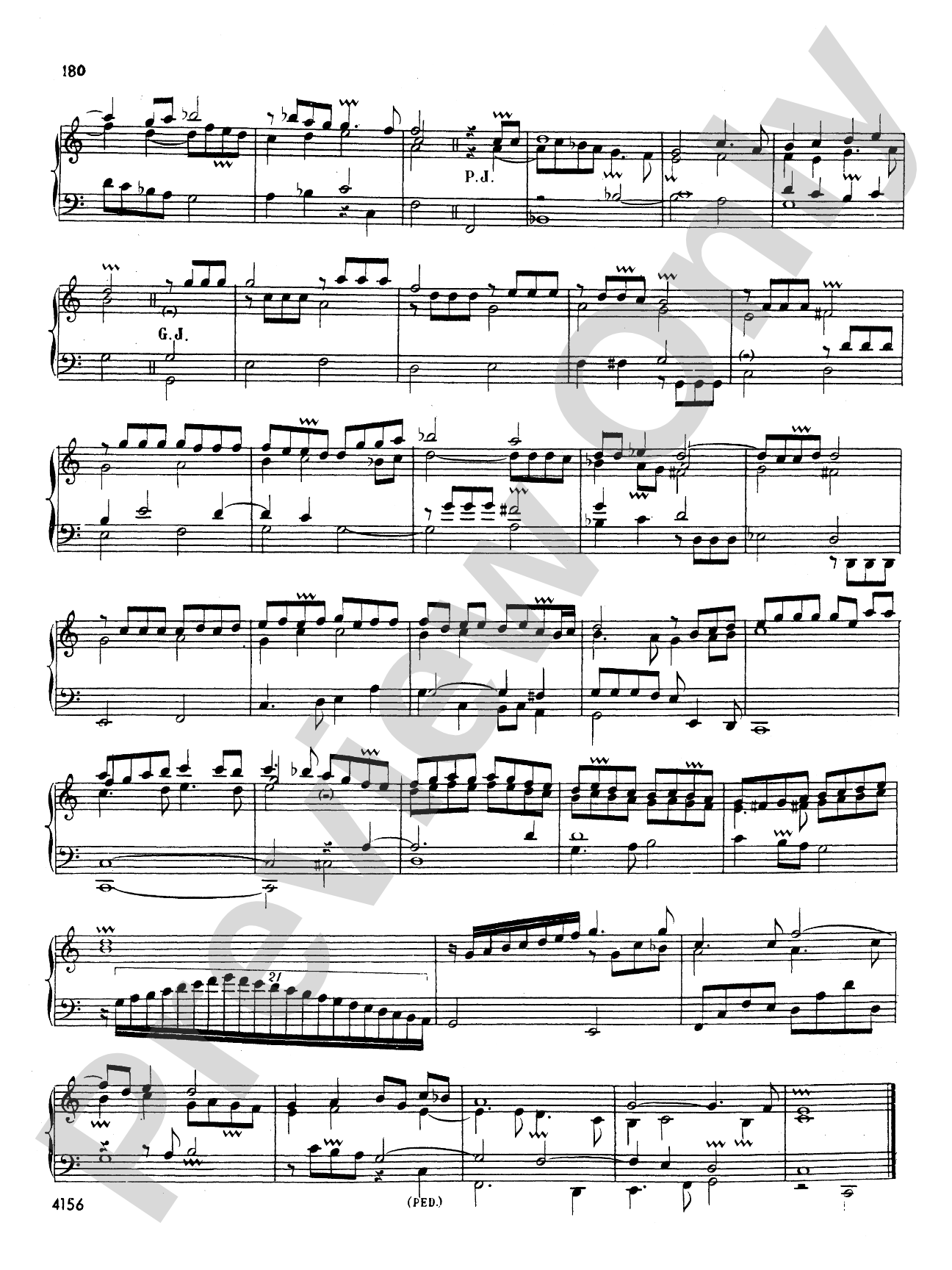
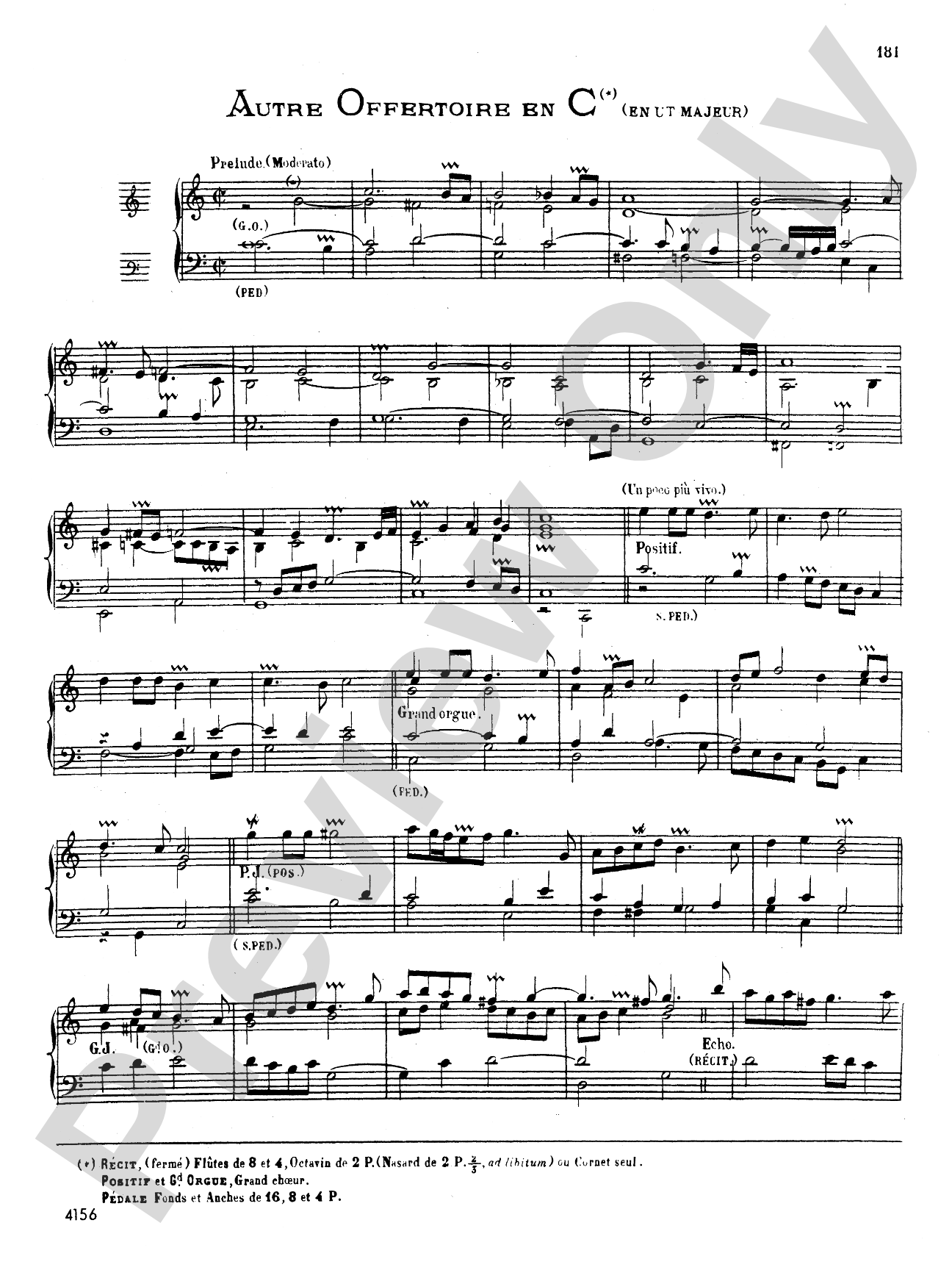
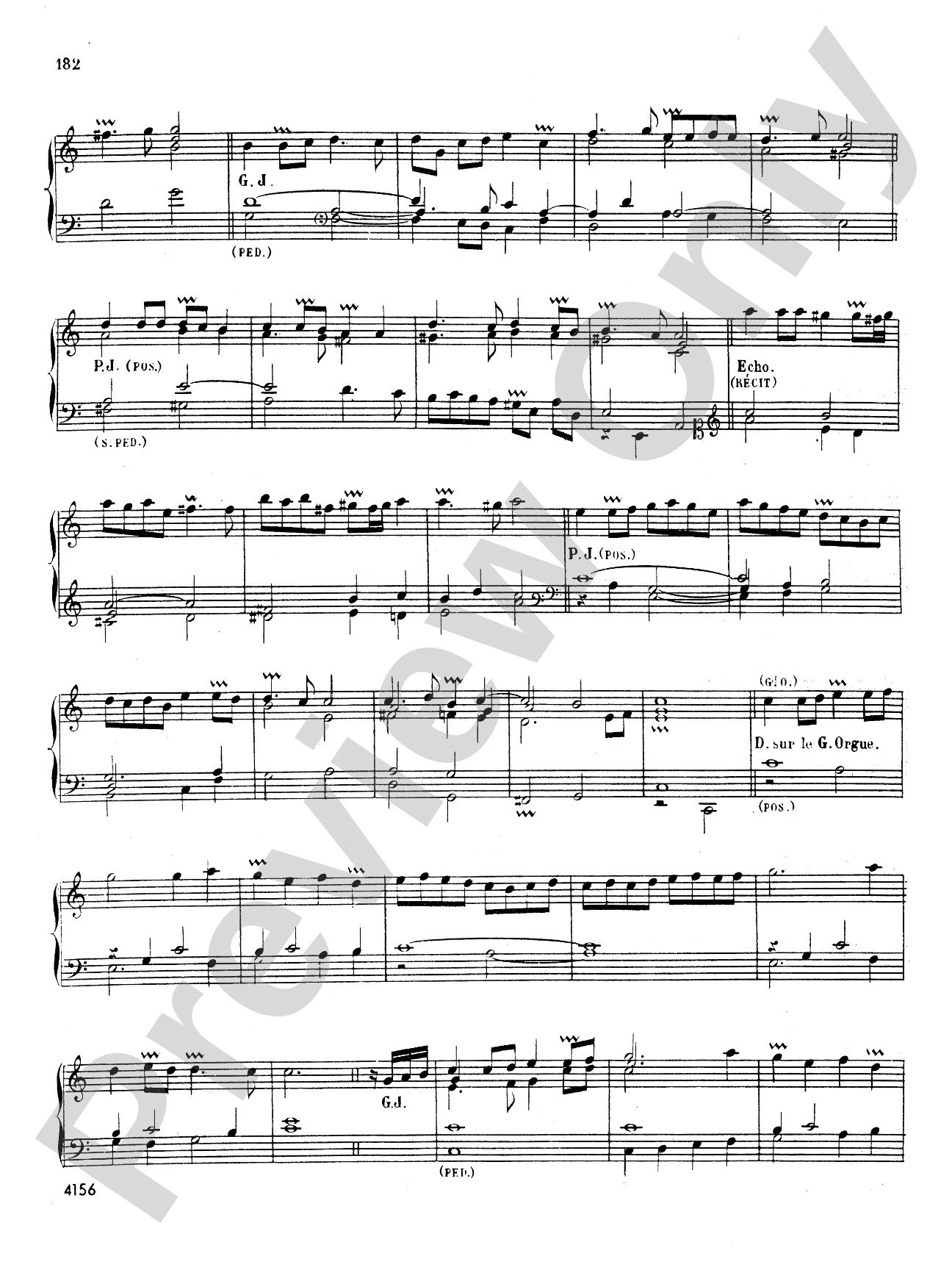
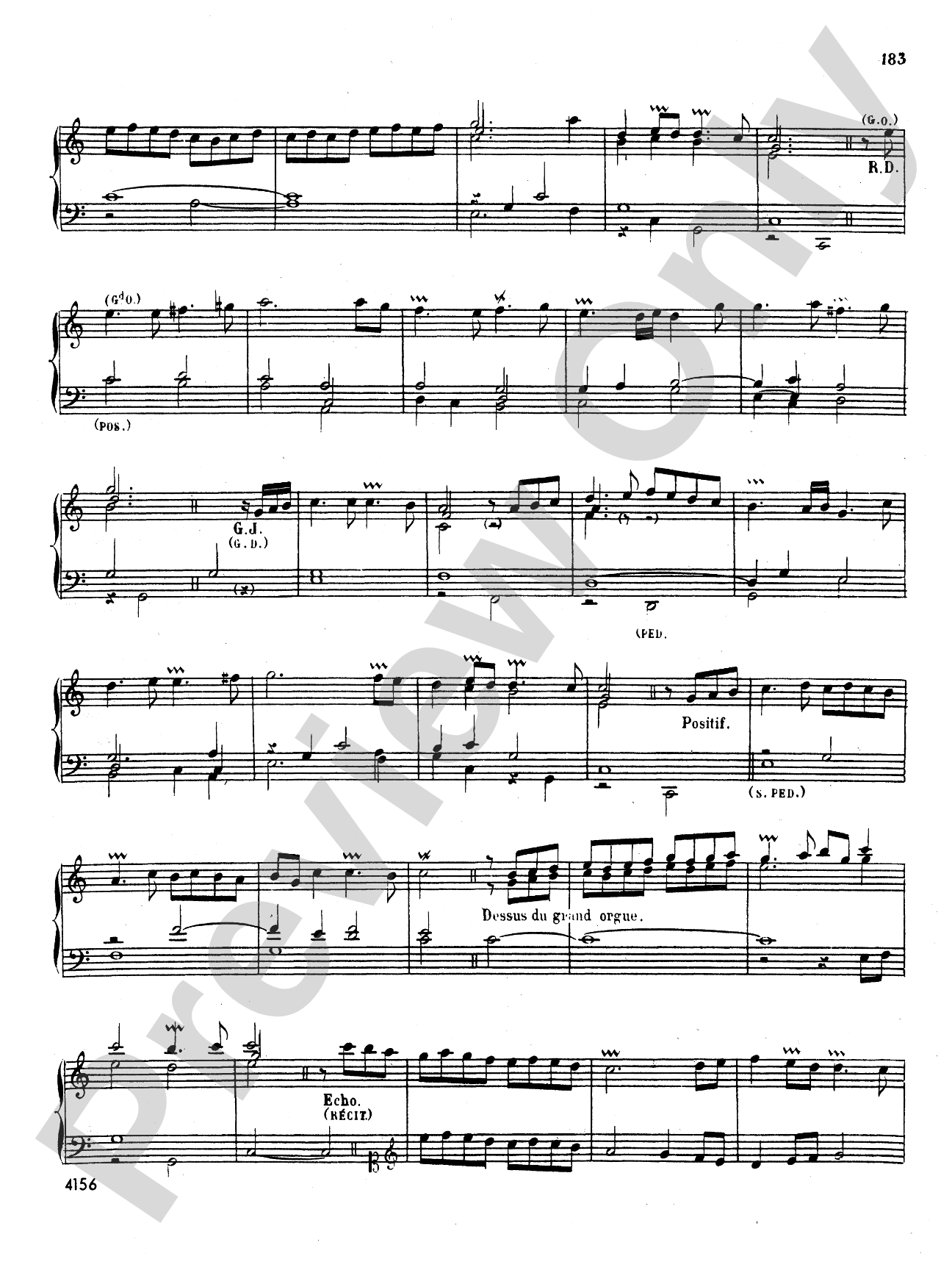
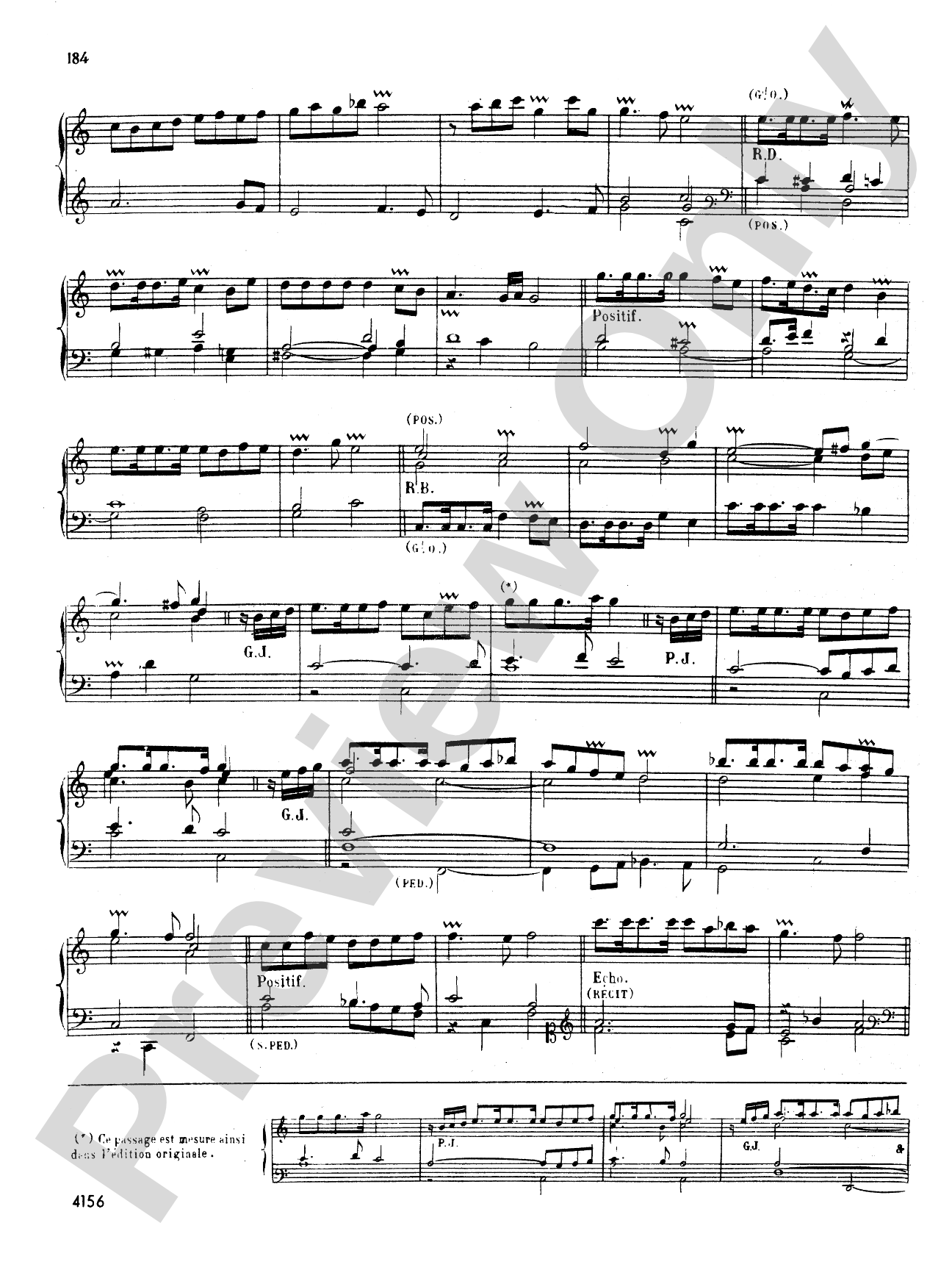
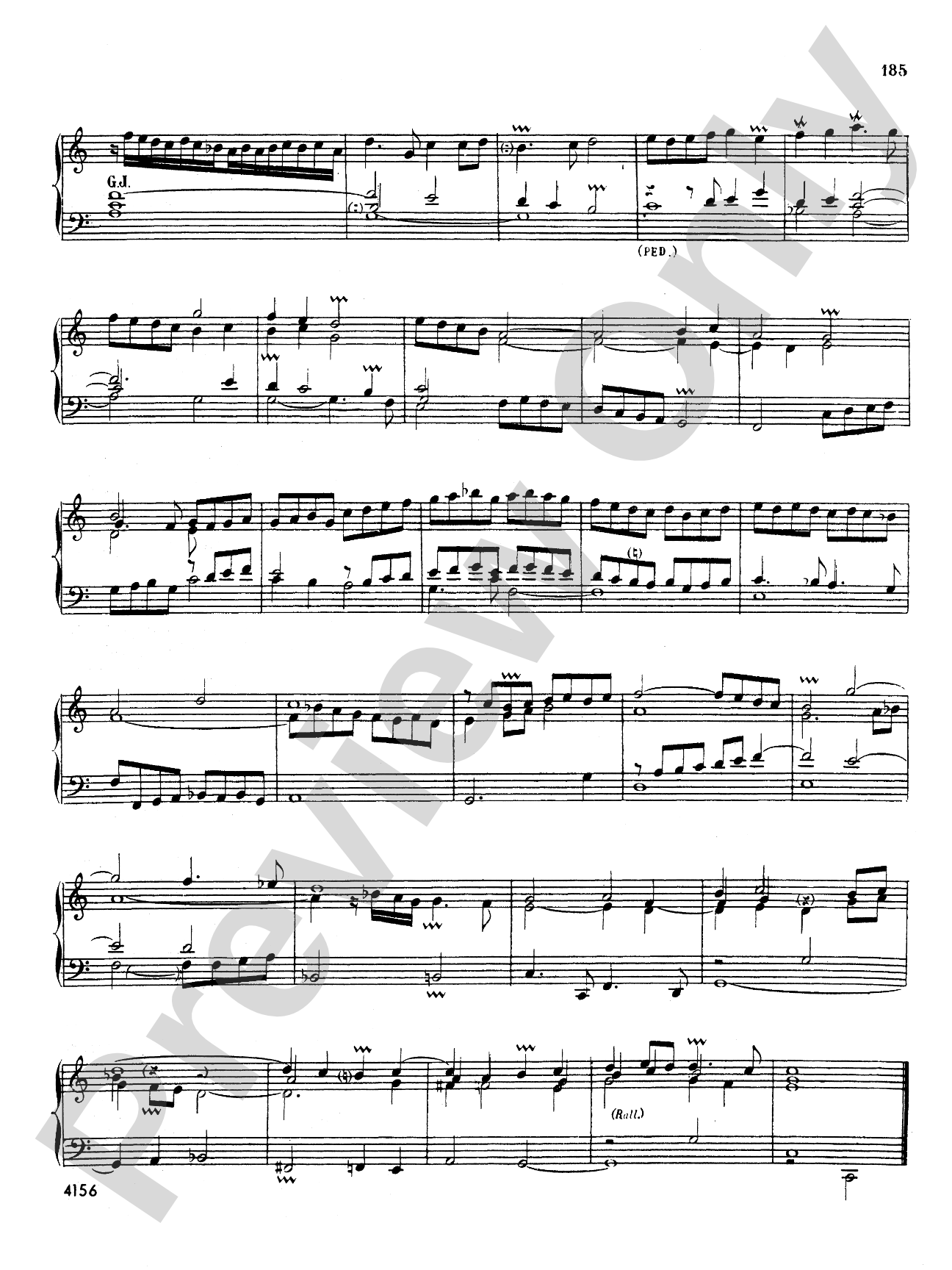
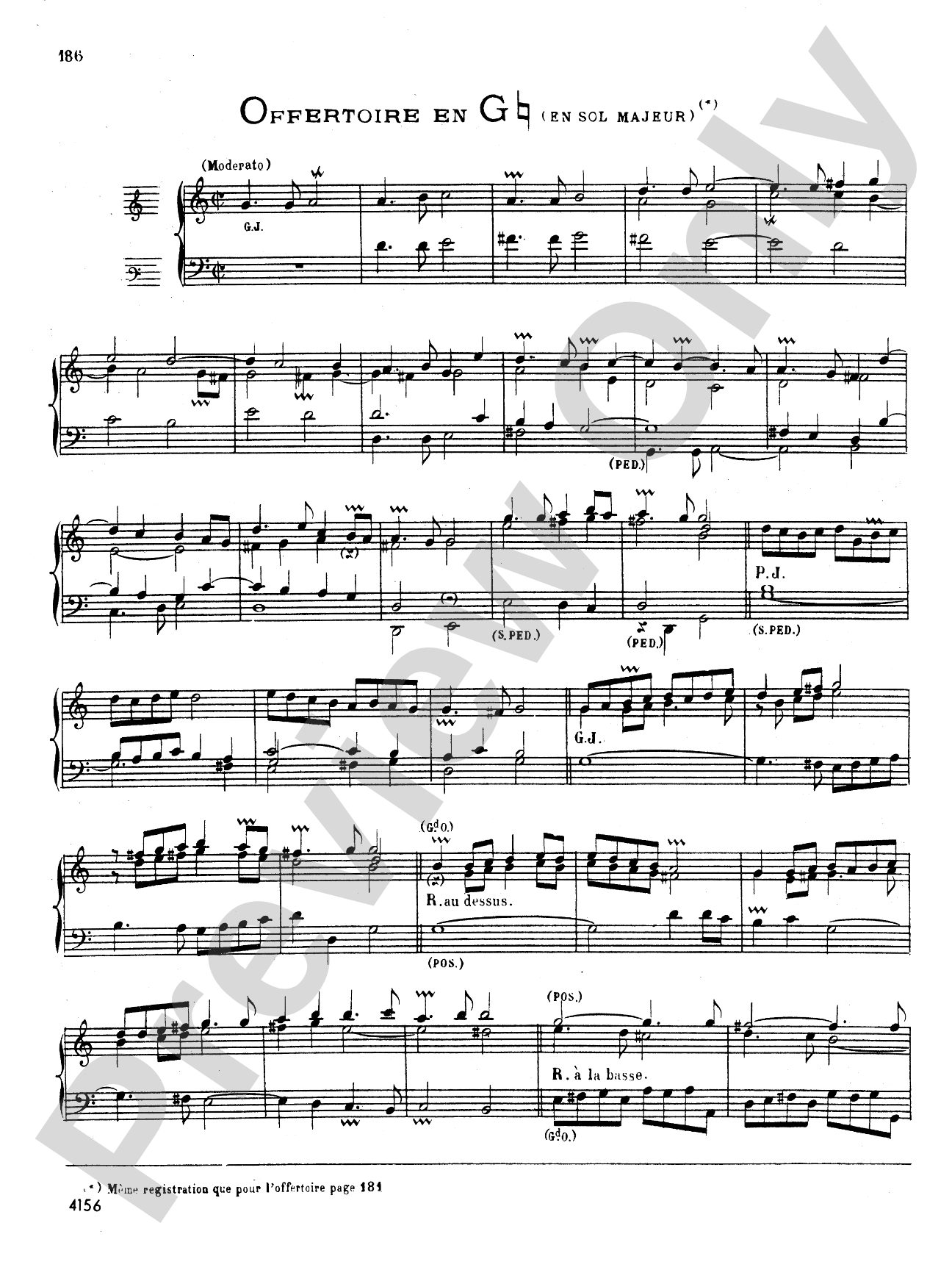
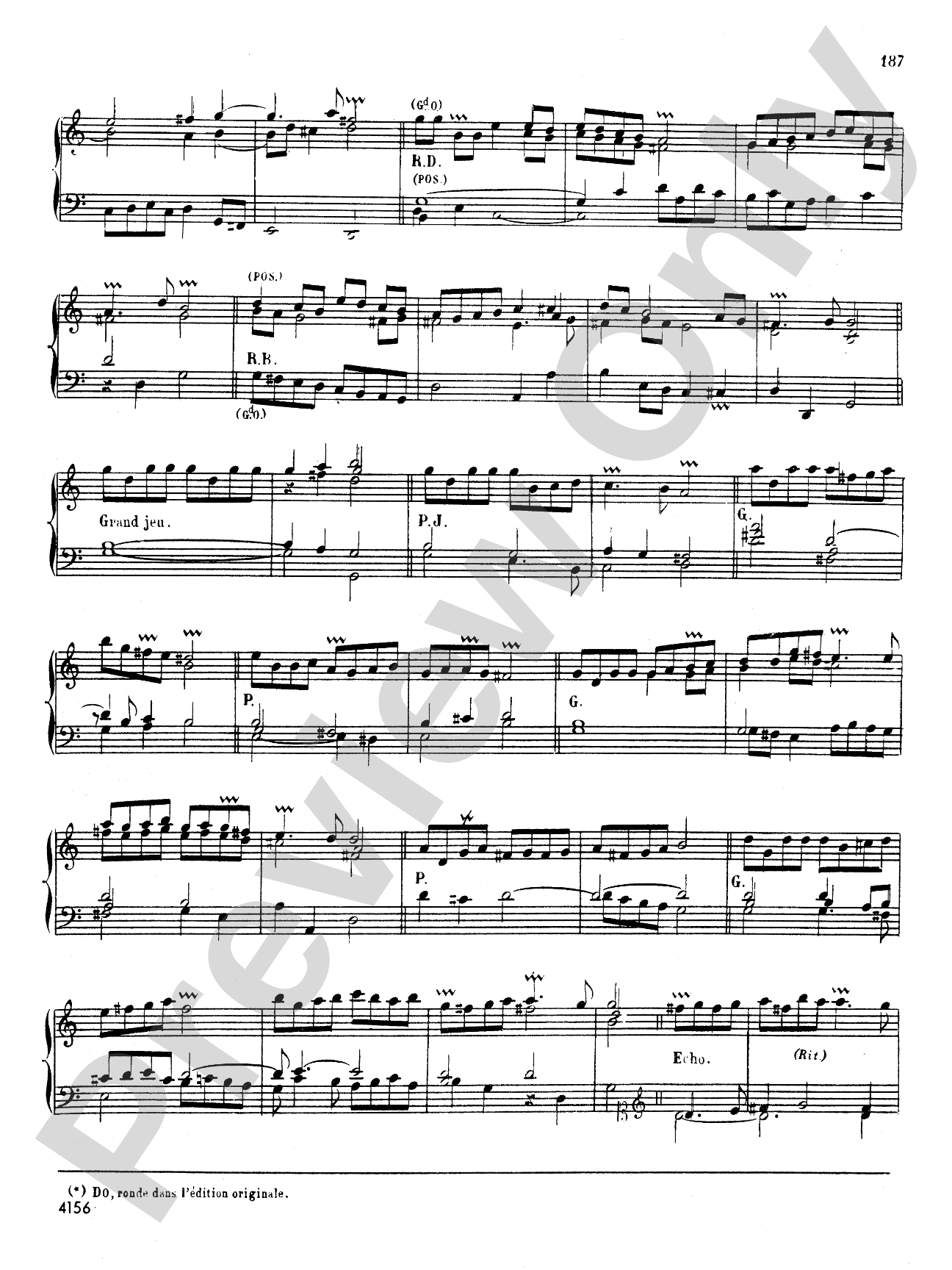
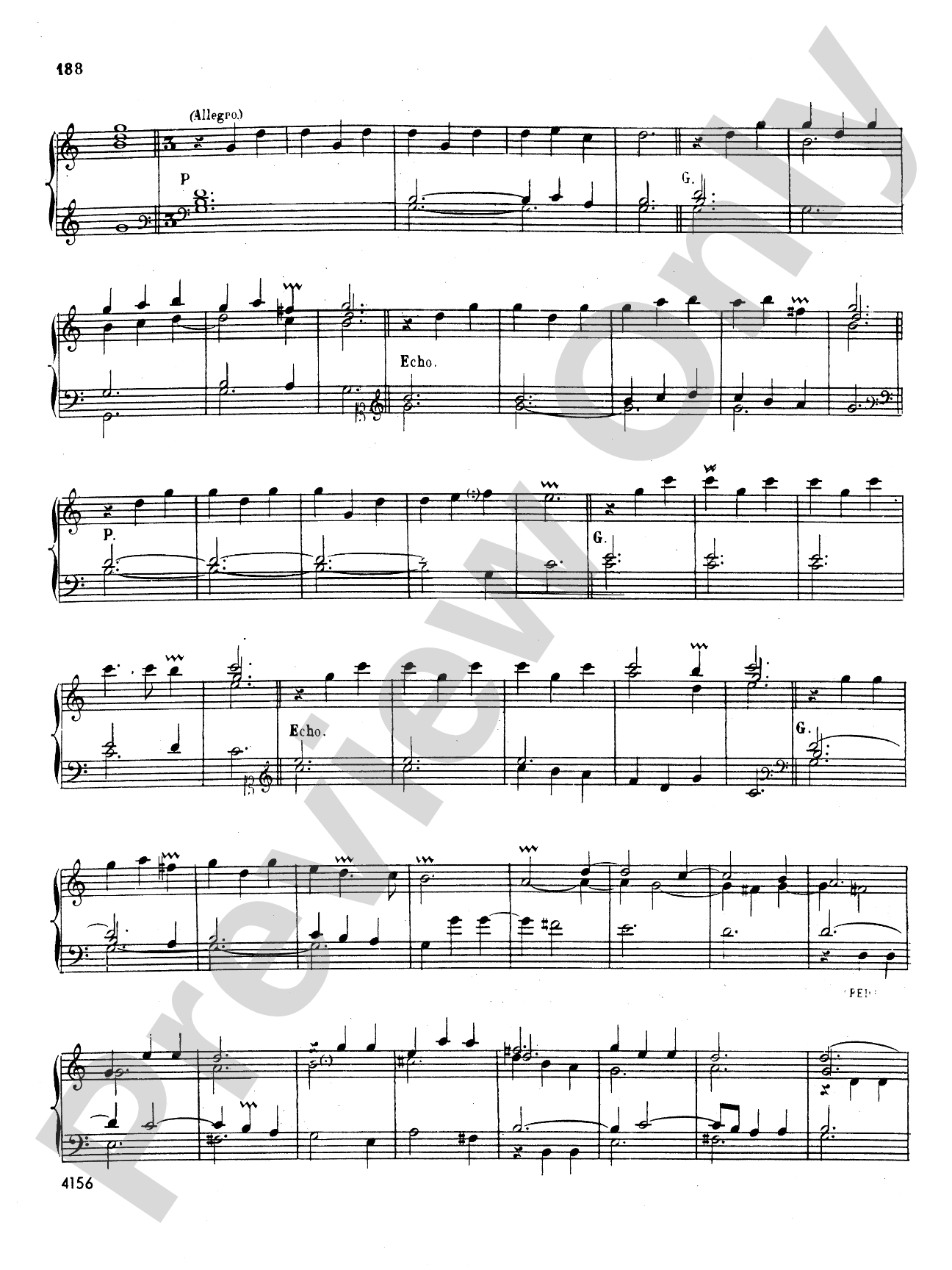
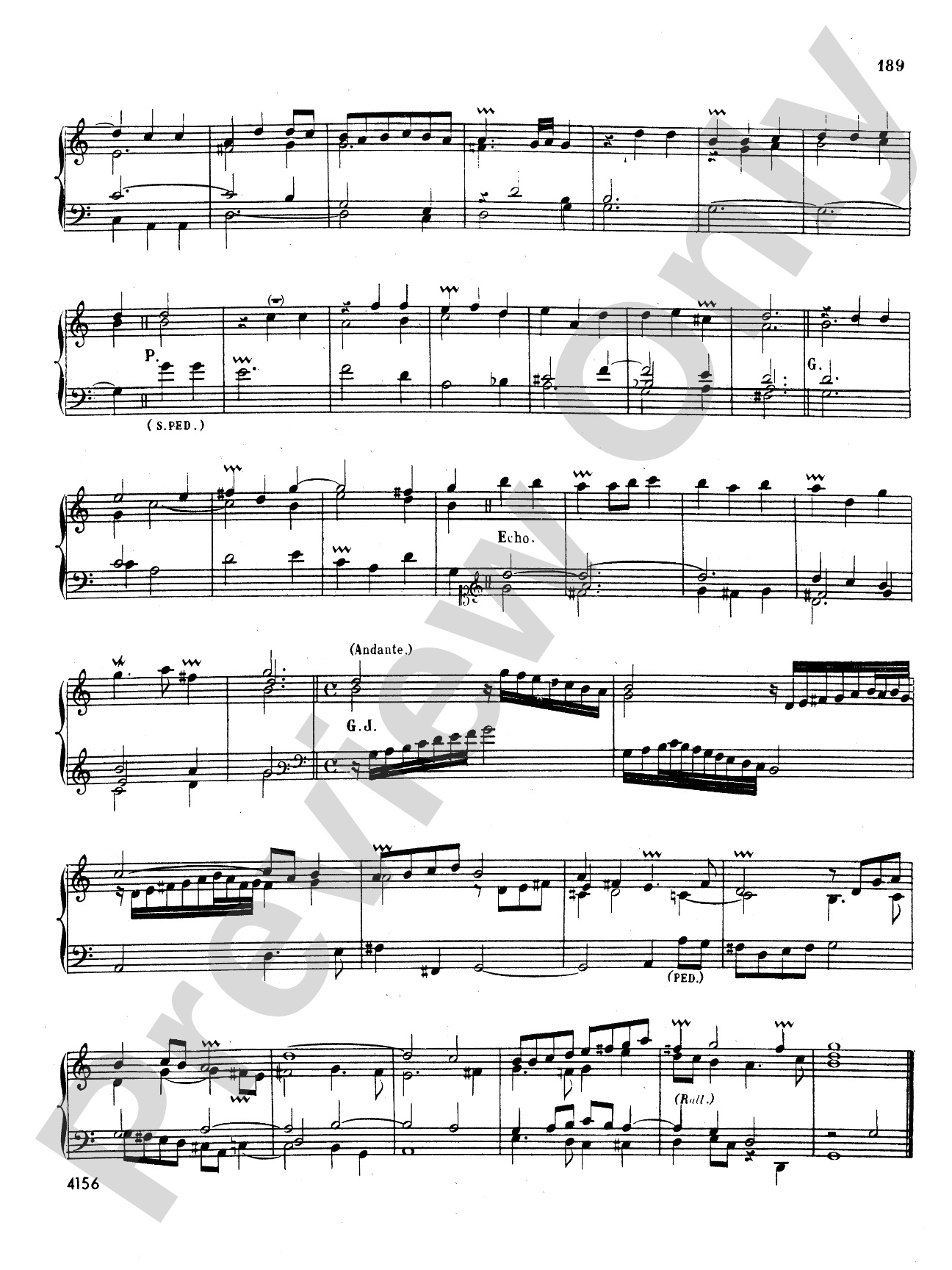
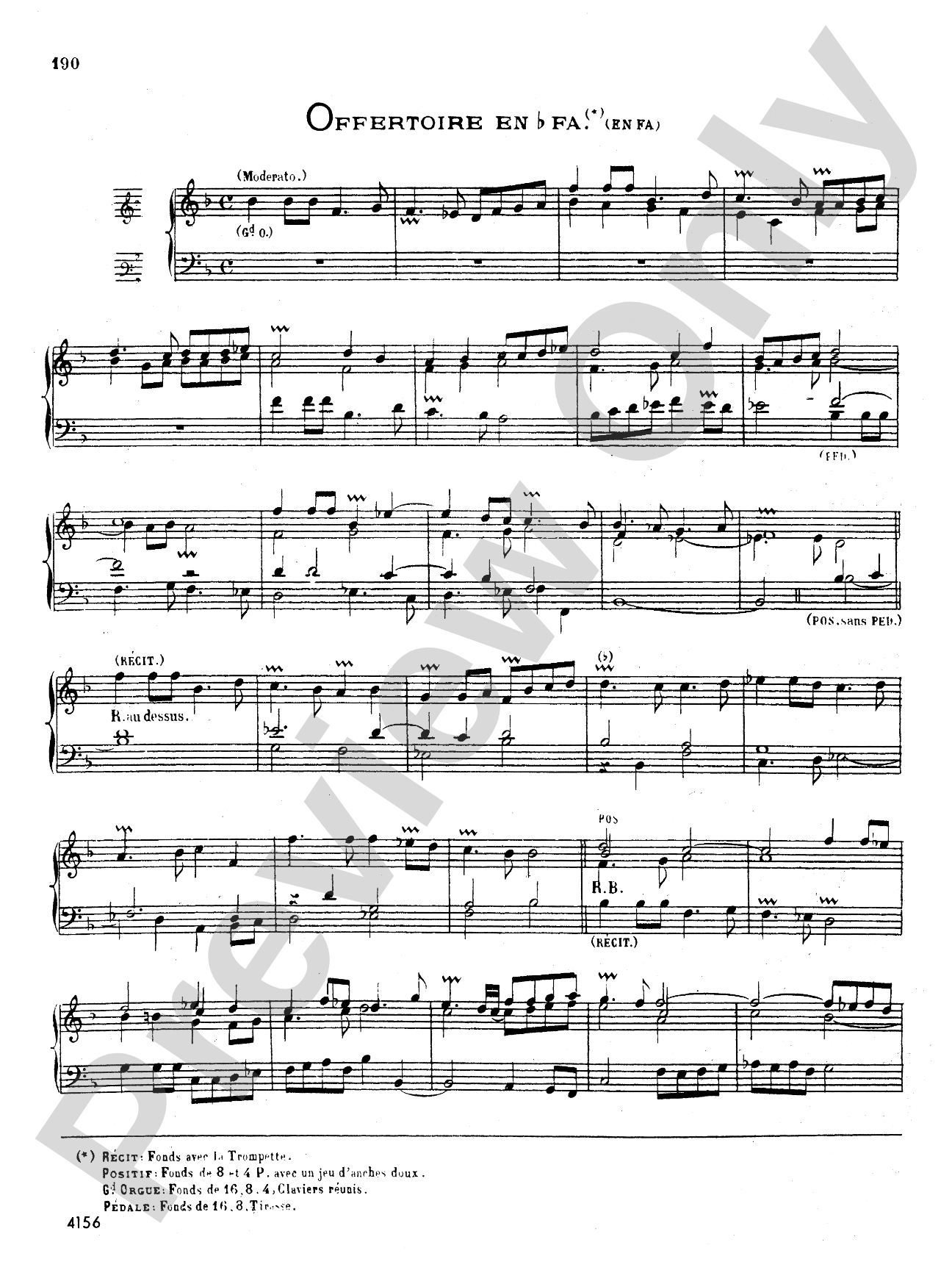
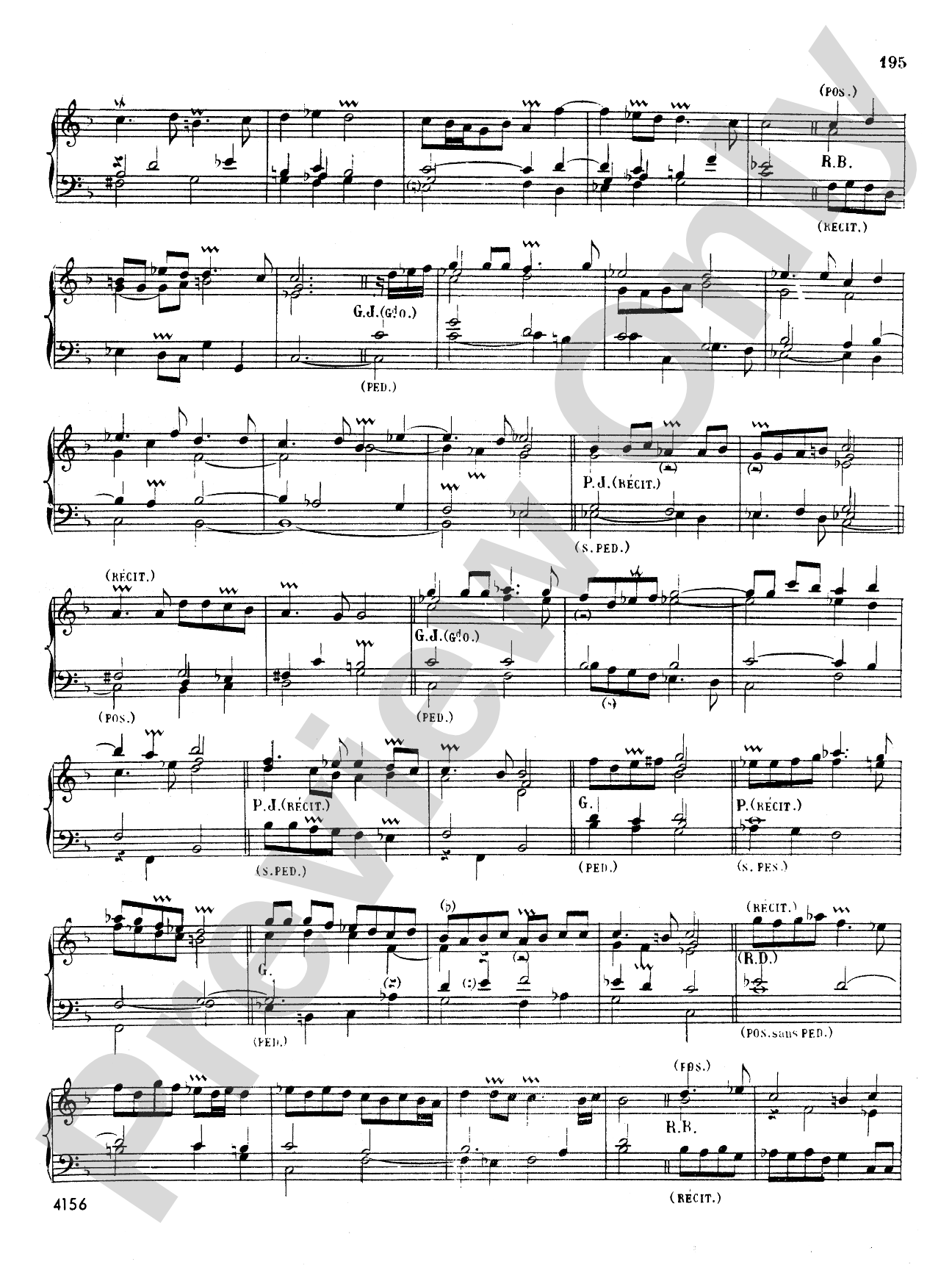
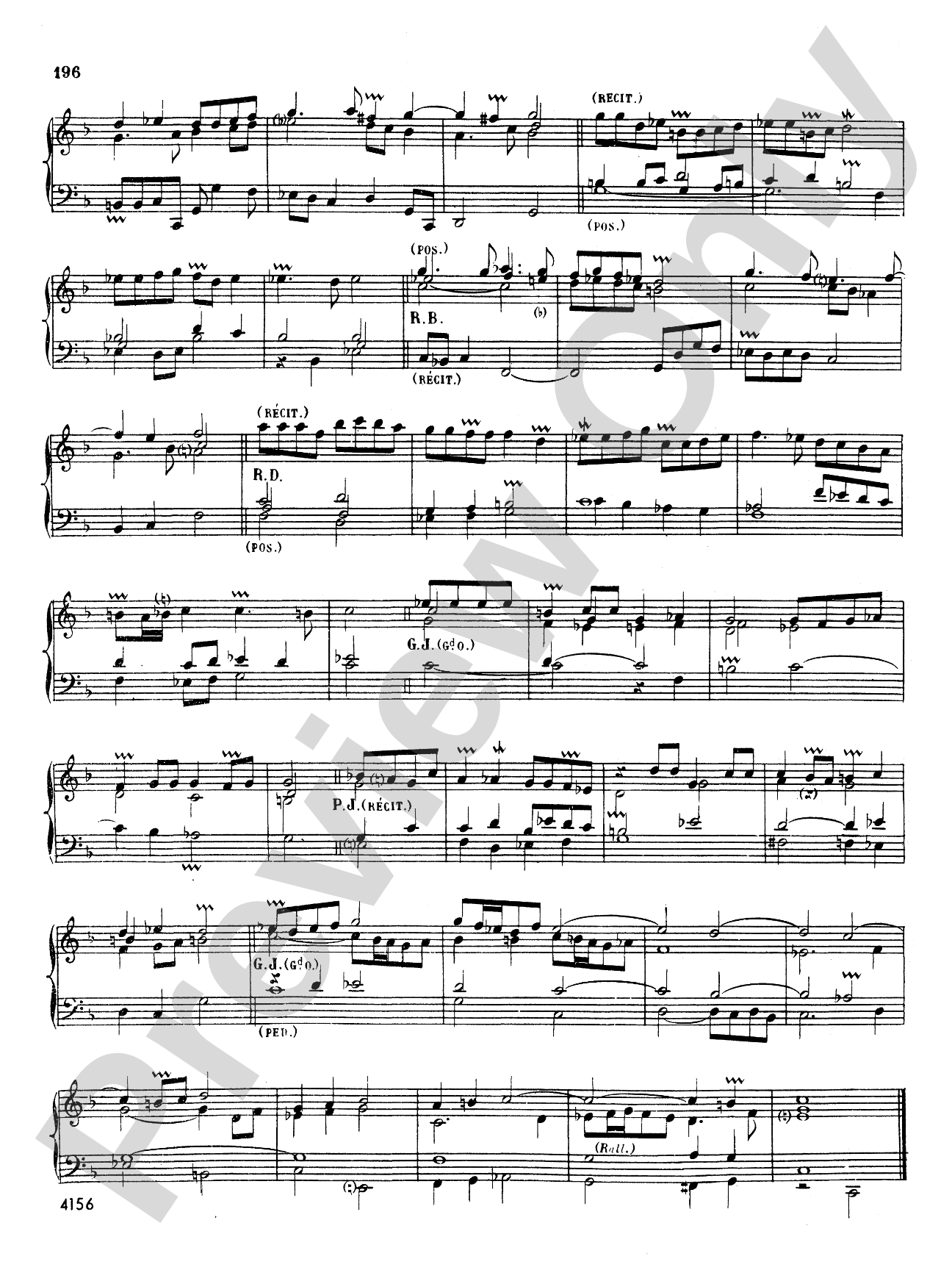
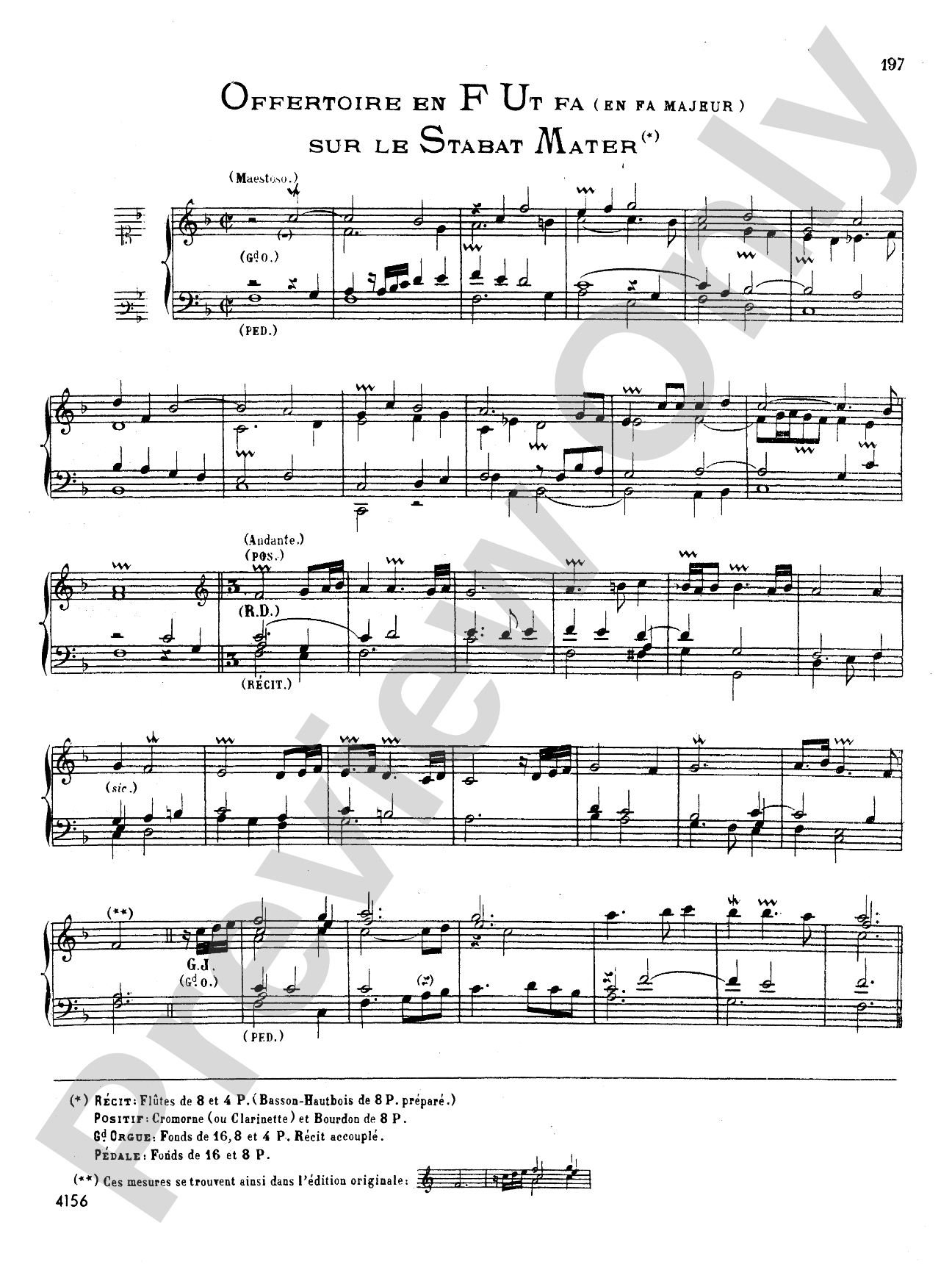
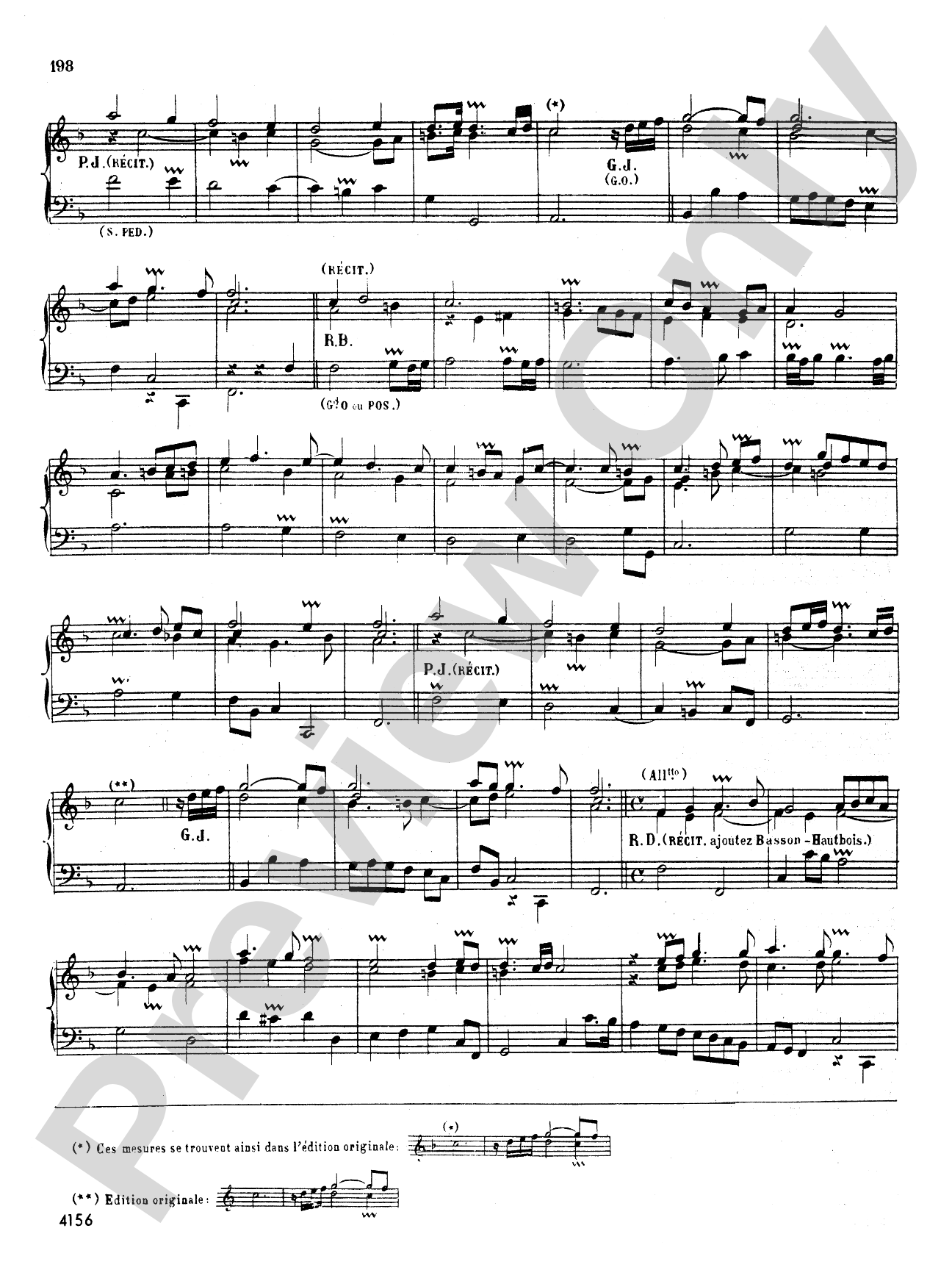
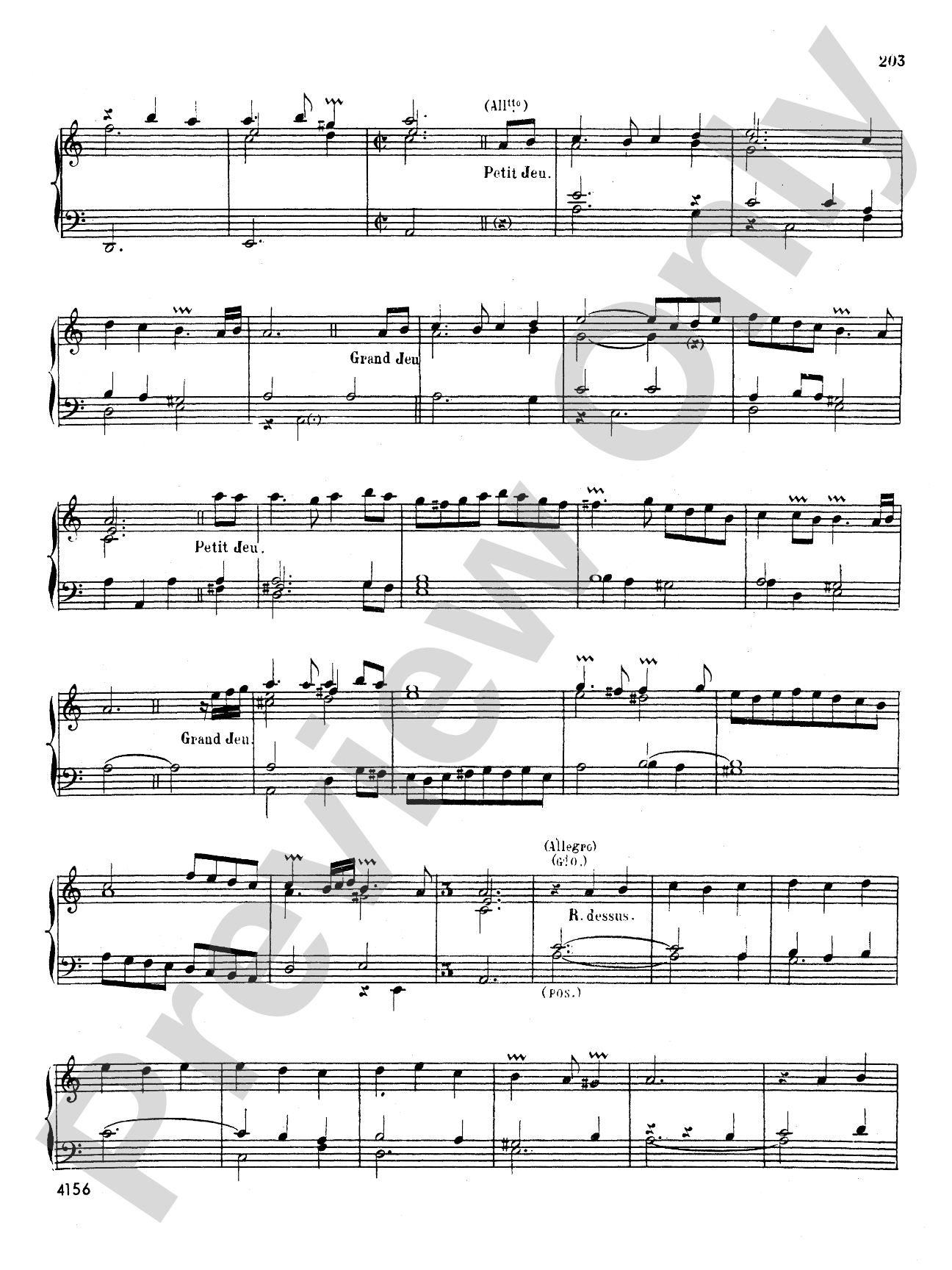
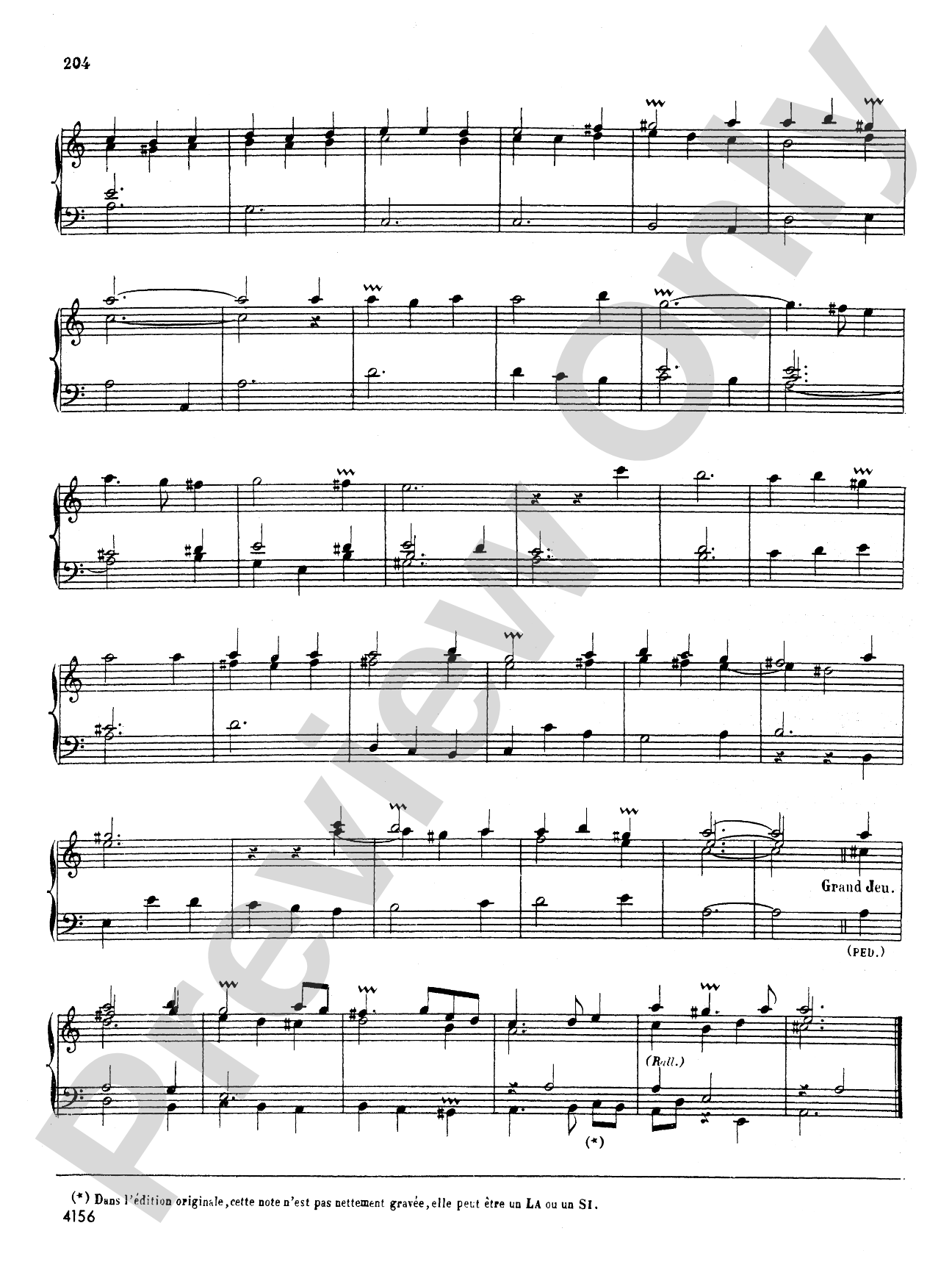
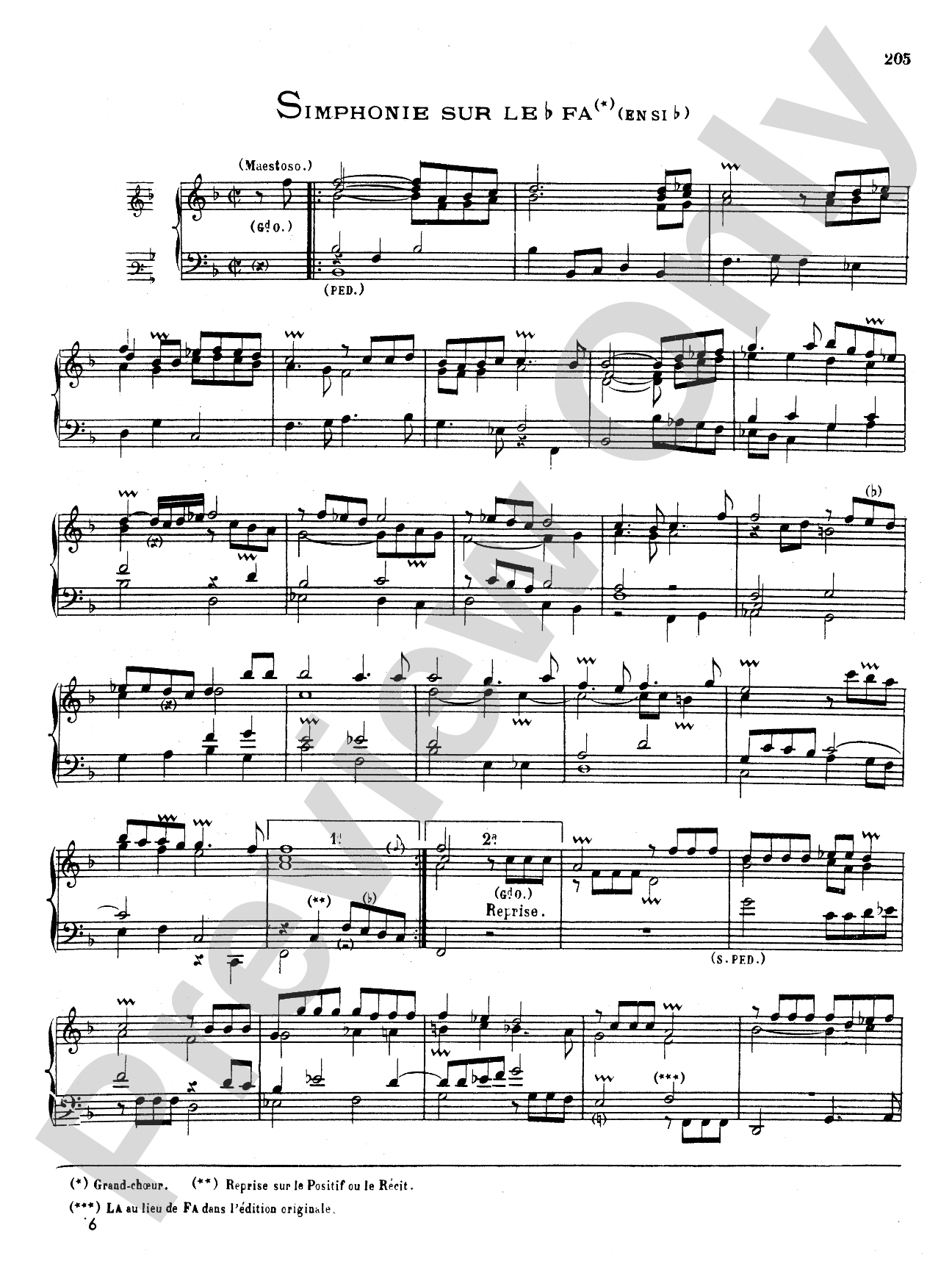
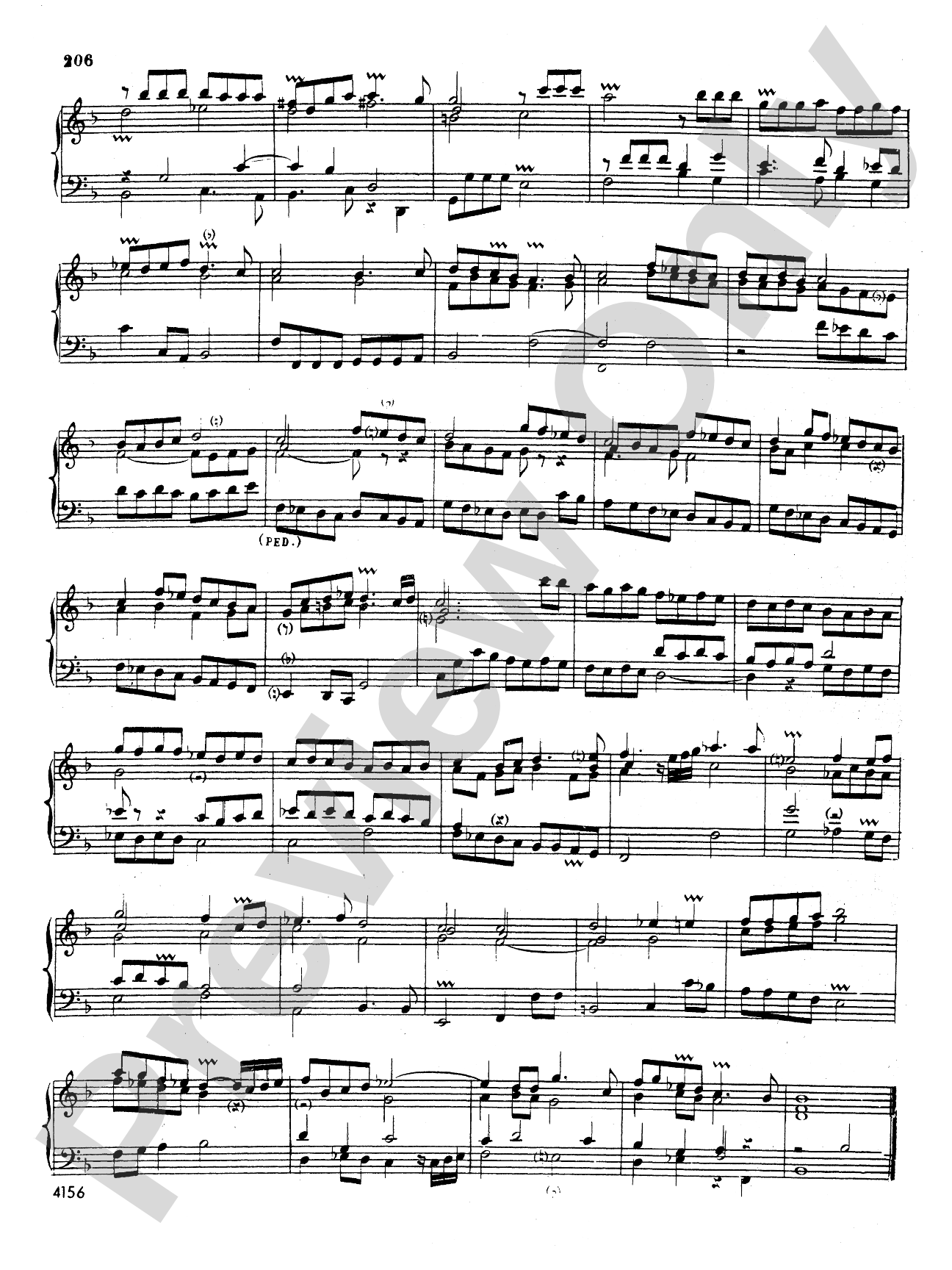
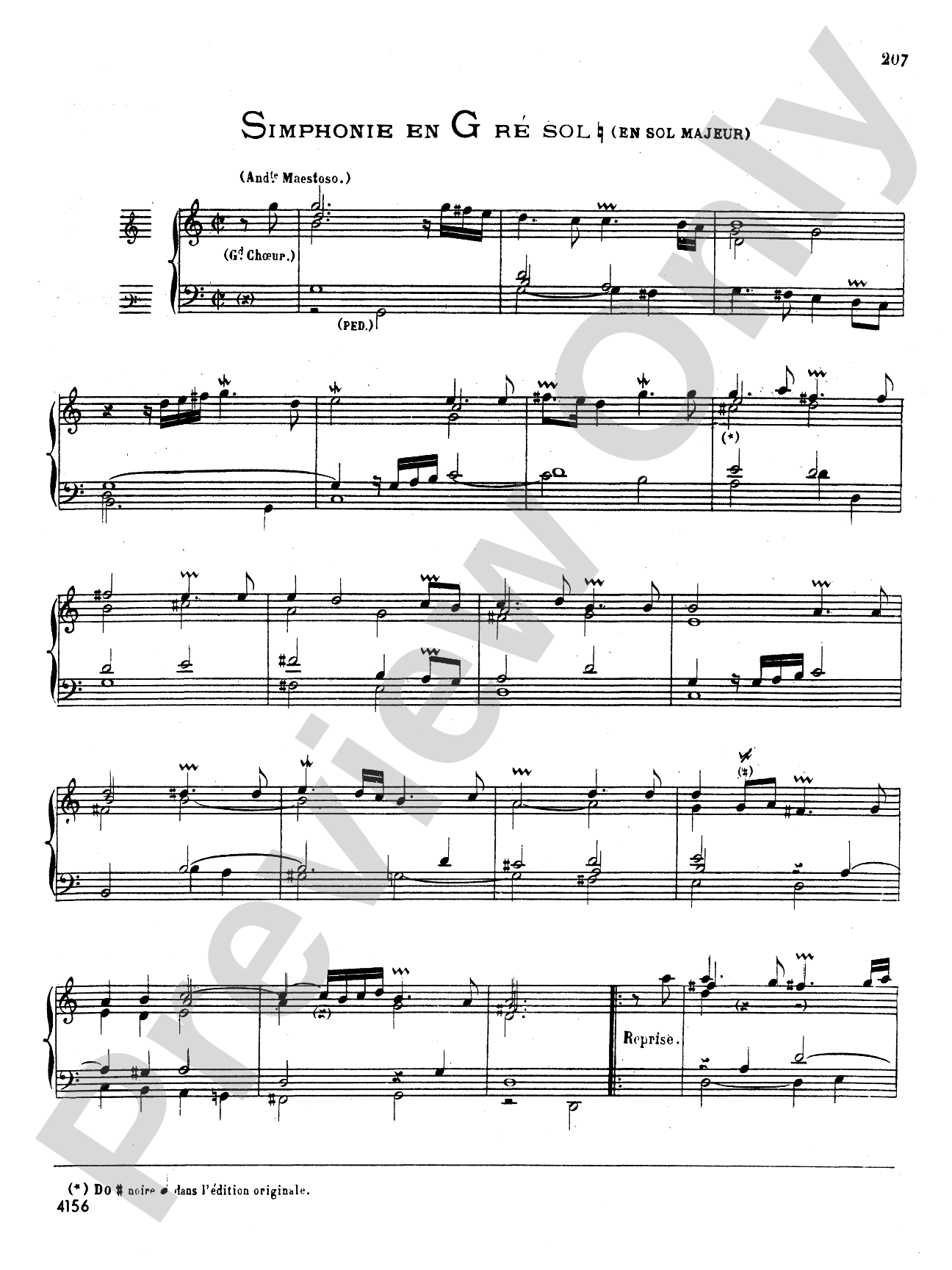
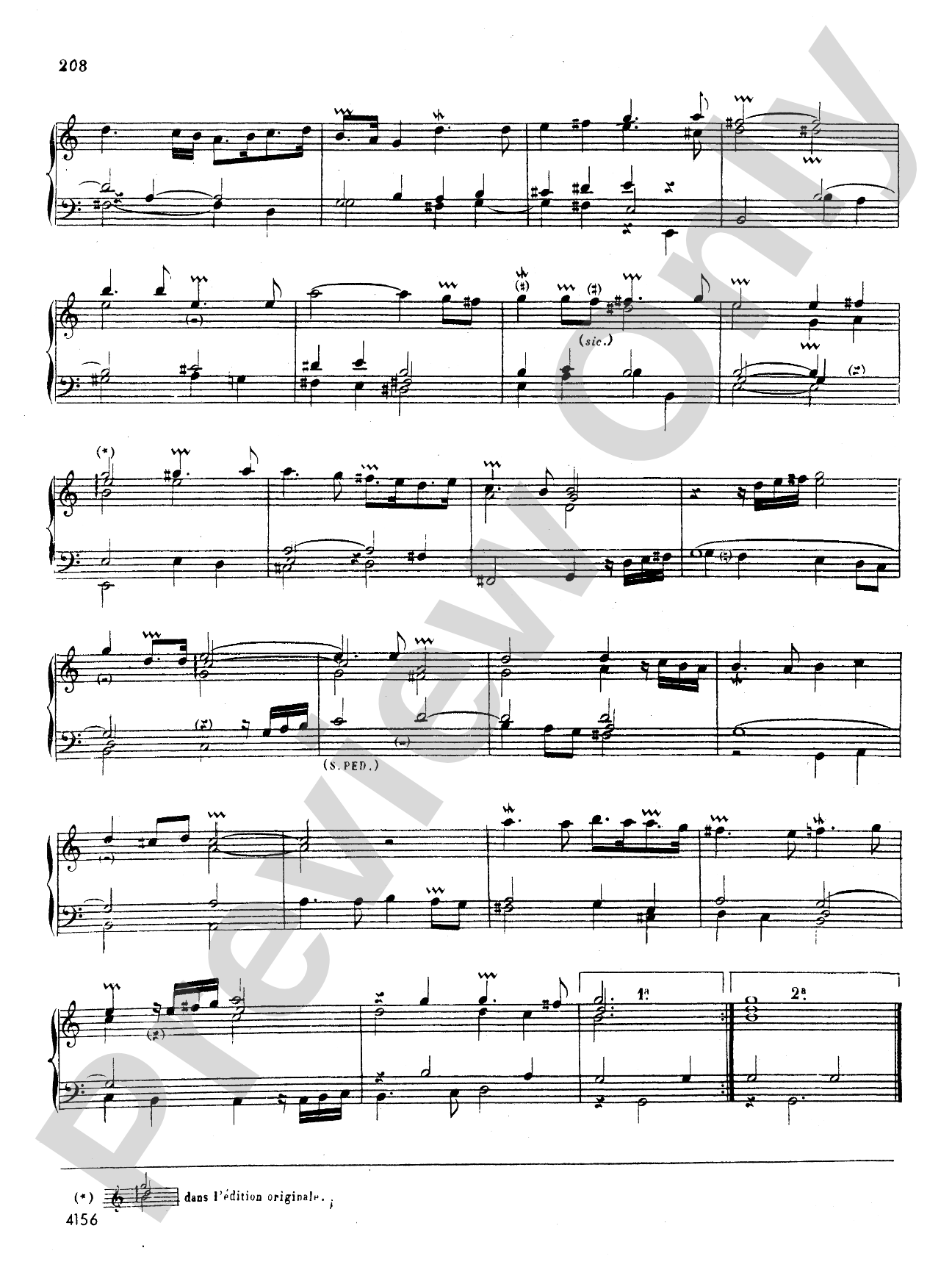
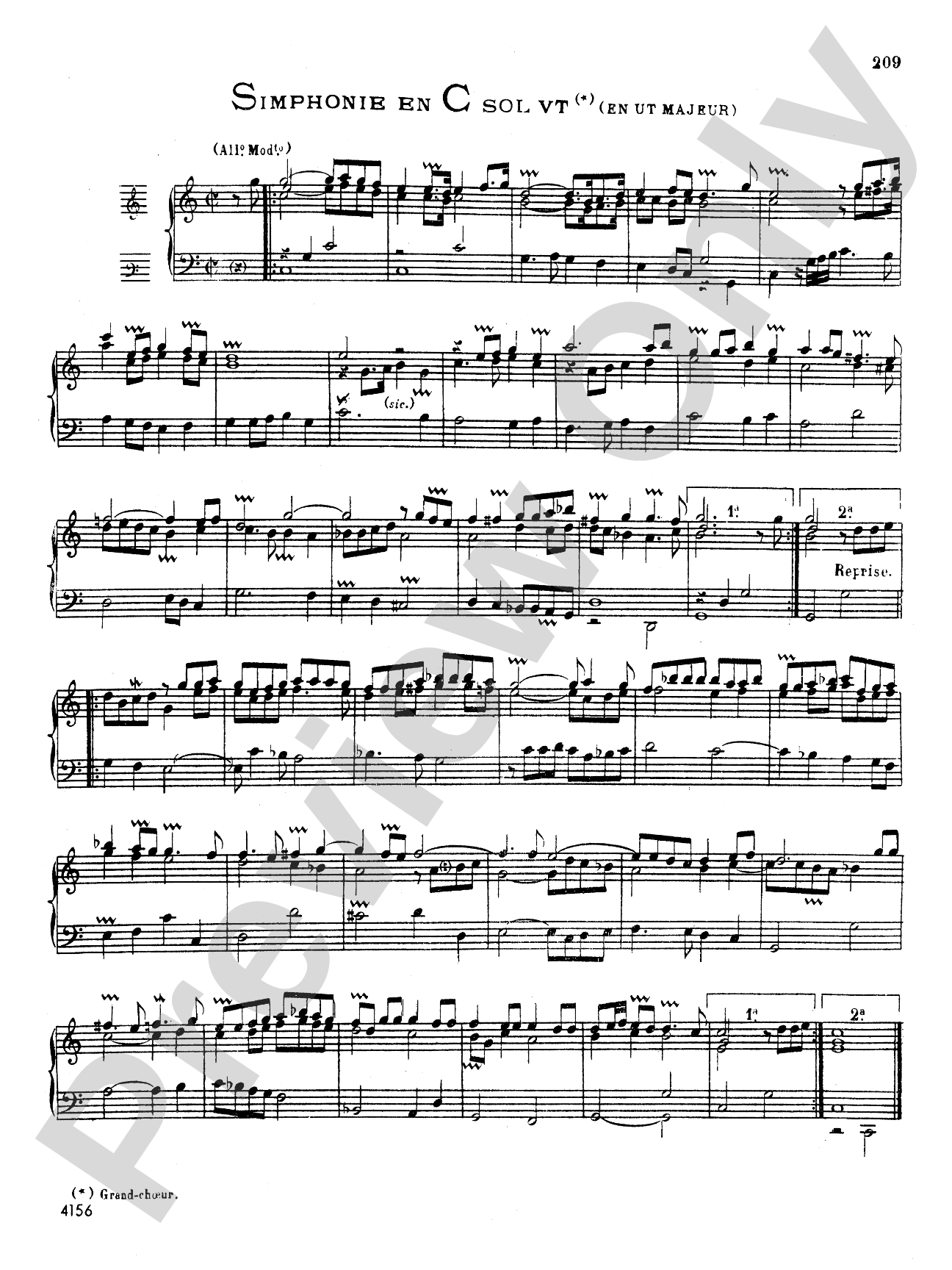
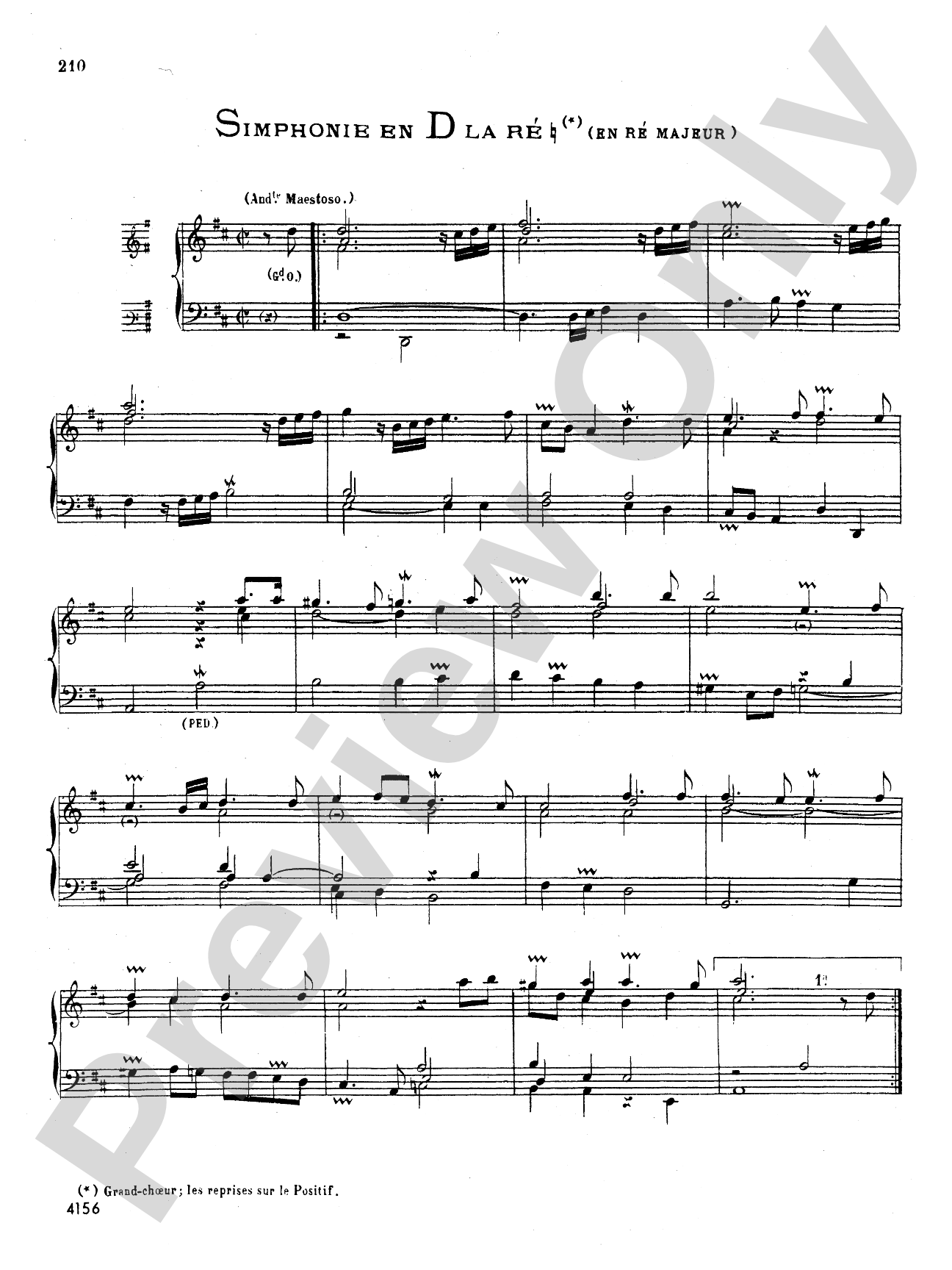
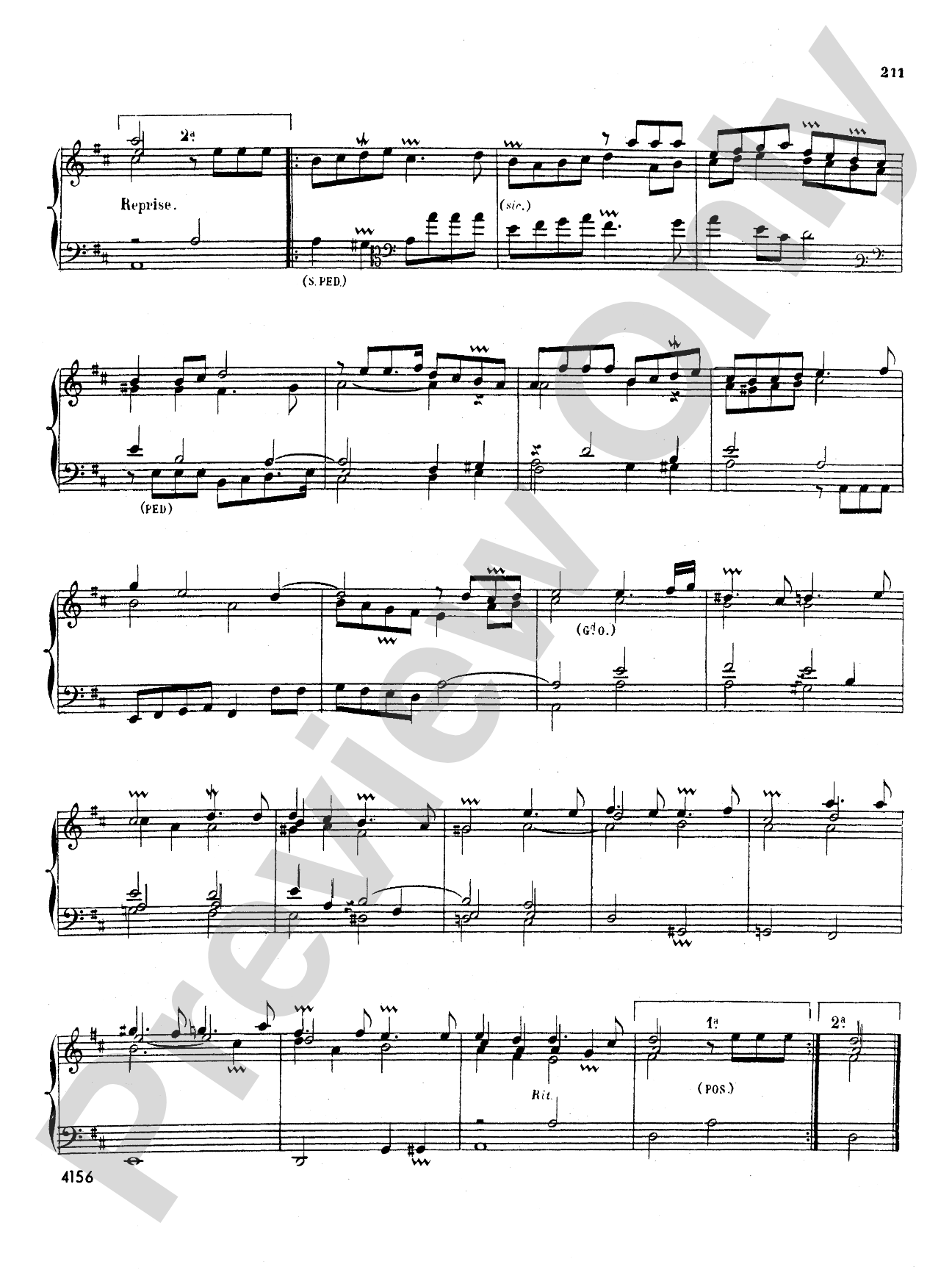

Lebegue: Complete Organ Works, Volume III: Organ Book
By Nicolas Lebegue
Item: 00-PK-0003438
$17.95
Pickup currently not available
Buy Extra Parts (Digital PDF Download)
| Product | Price | Quantity |
|---|---|---|
| Lebegue: Complete Organ Works, Volume III | $4.95 | |
| Lebegue: Complete Organ Works, Volume III | $4.95 | |
| Lebegue: Complete Organ Works, Volume III | $4.95 |
Parts Added to Cart!
Related Items
Complete Organ Works, Volume III: Organ Book |
$17.95
|
View |
Description
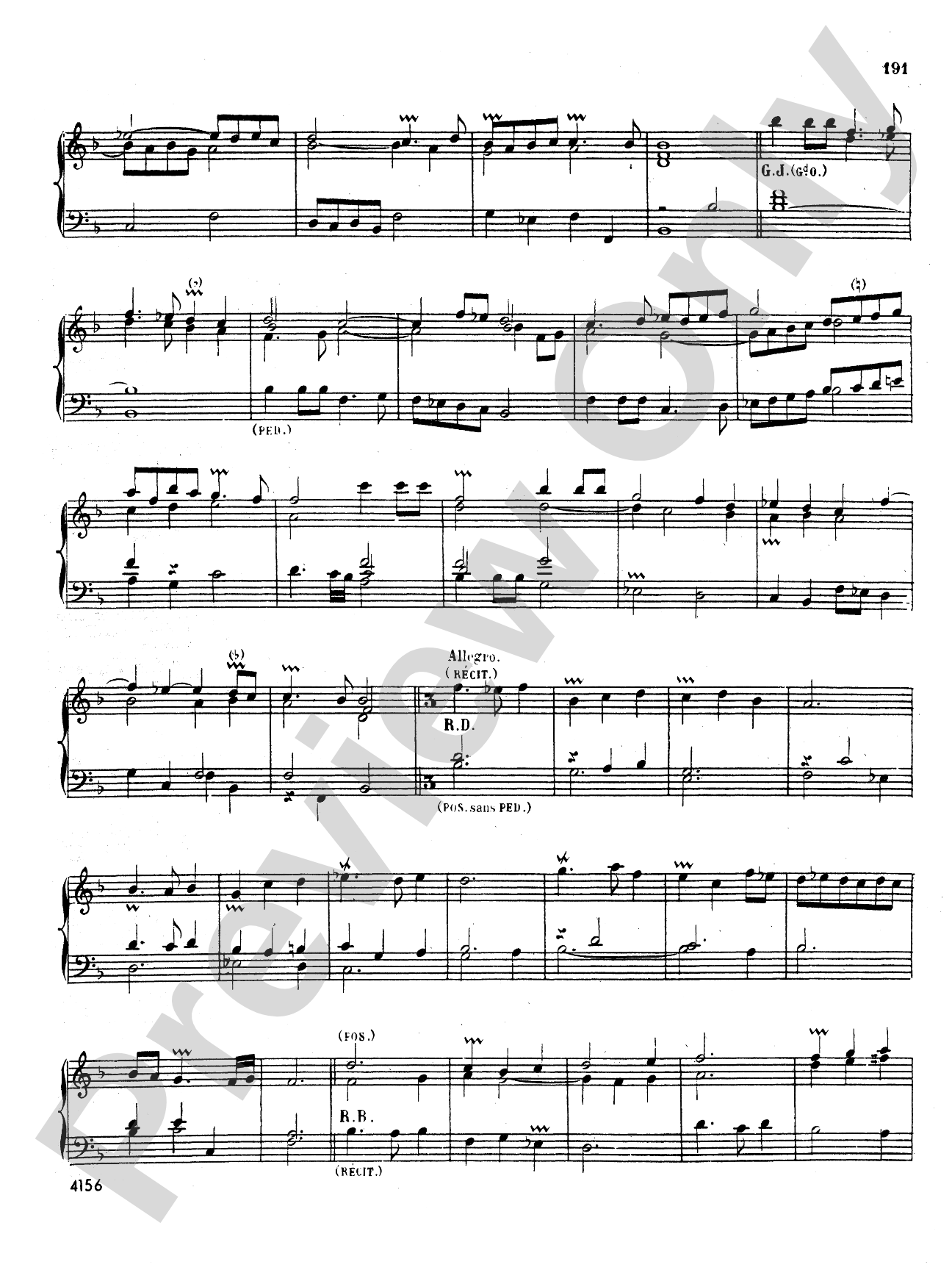
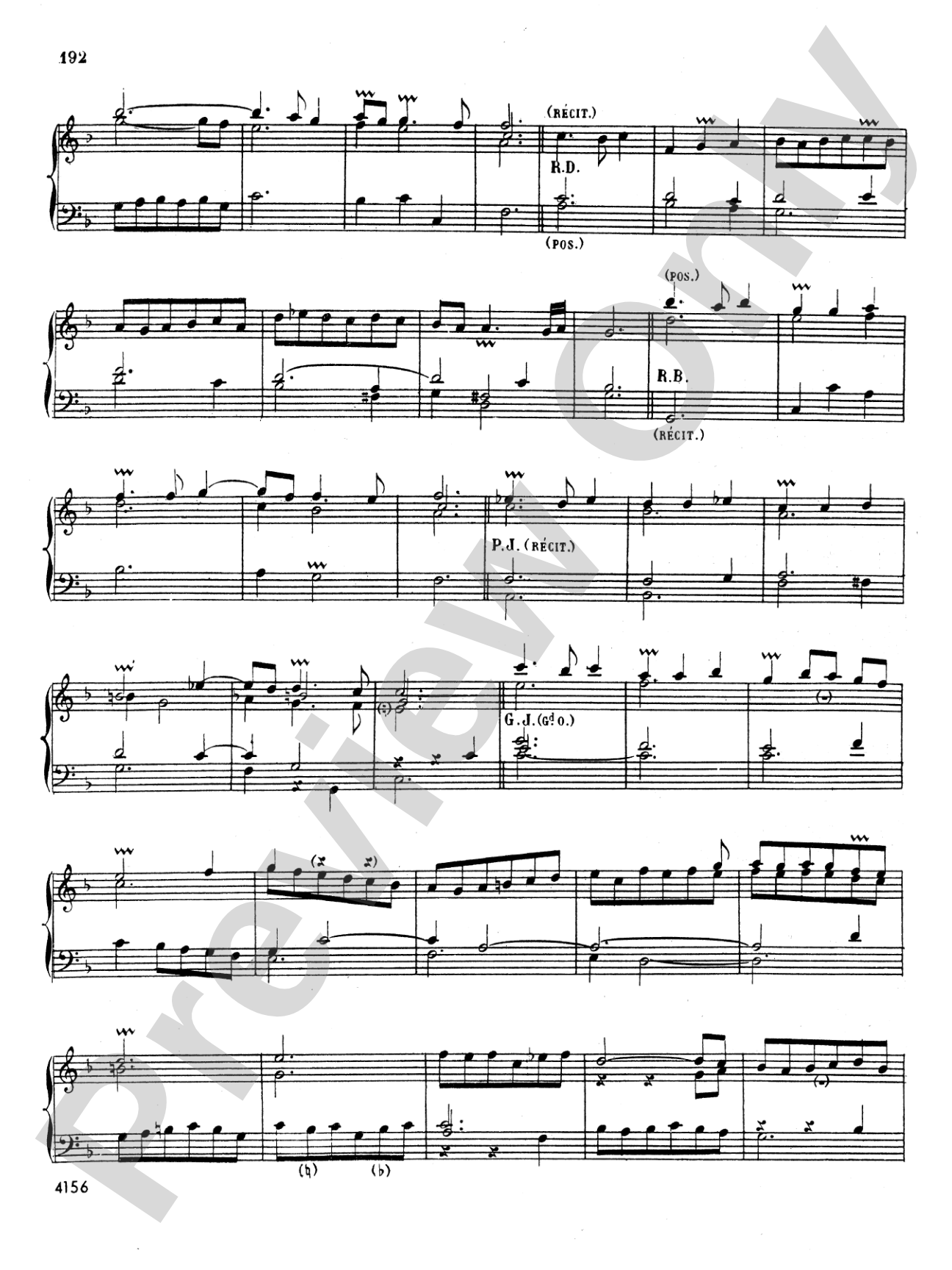
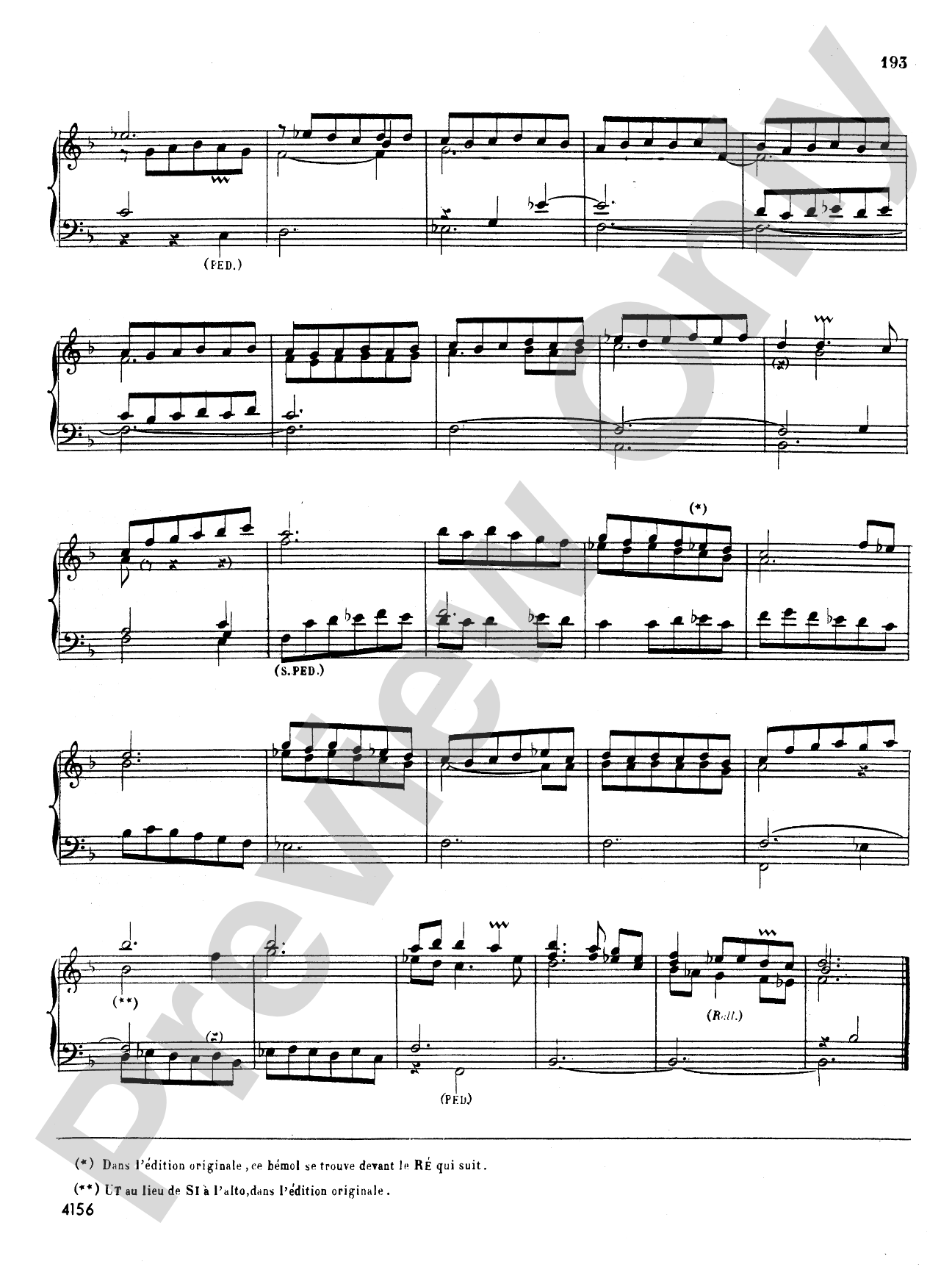
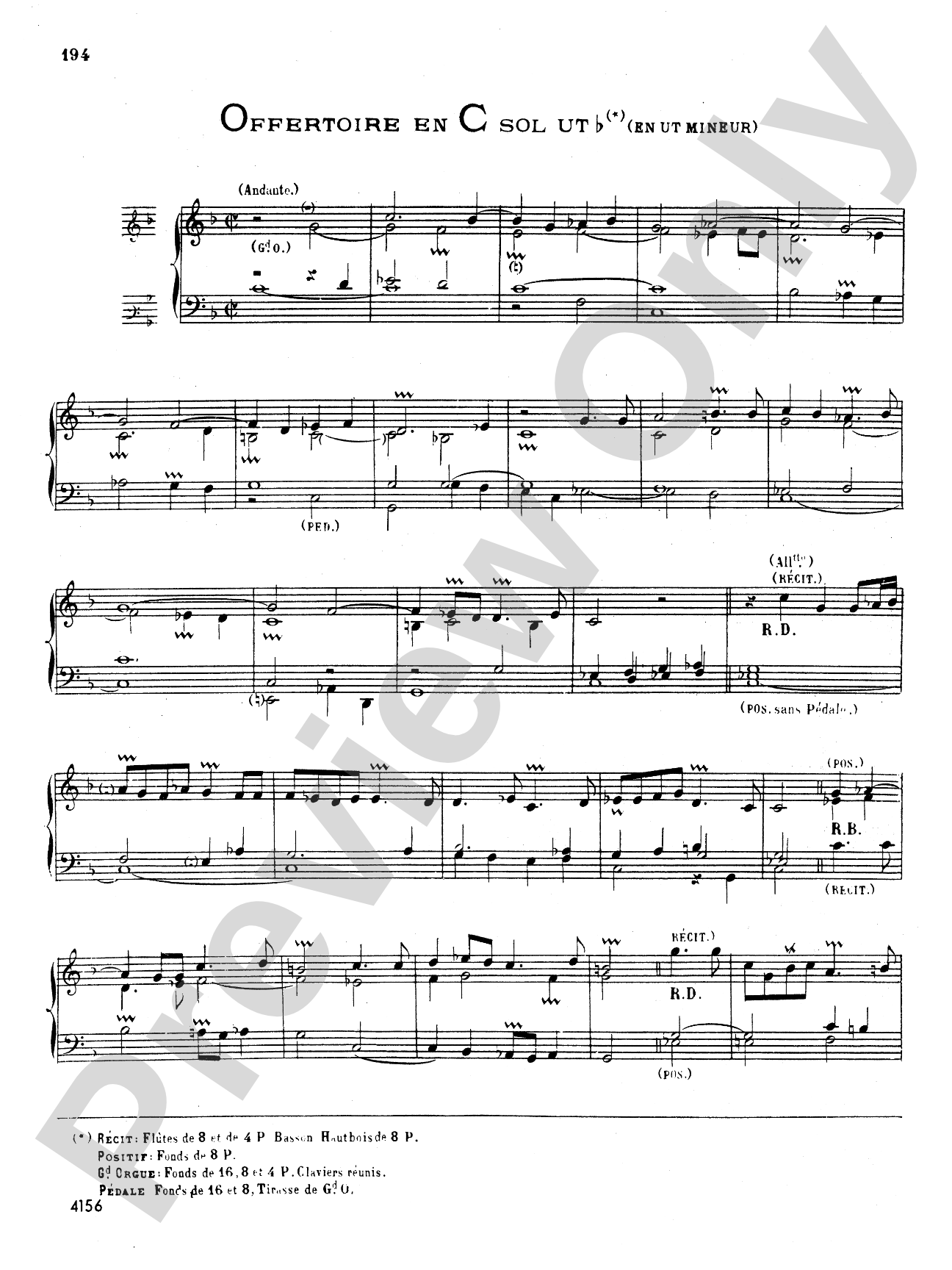
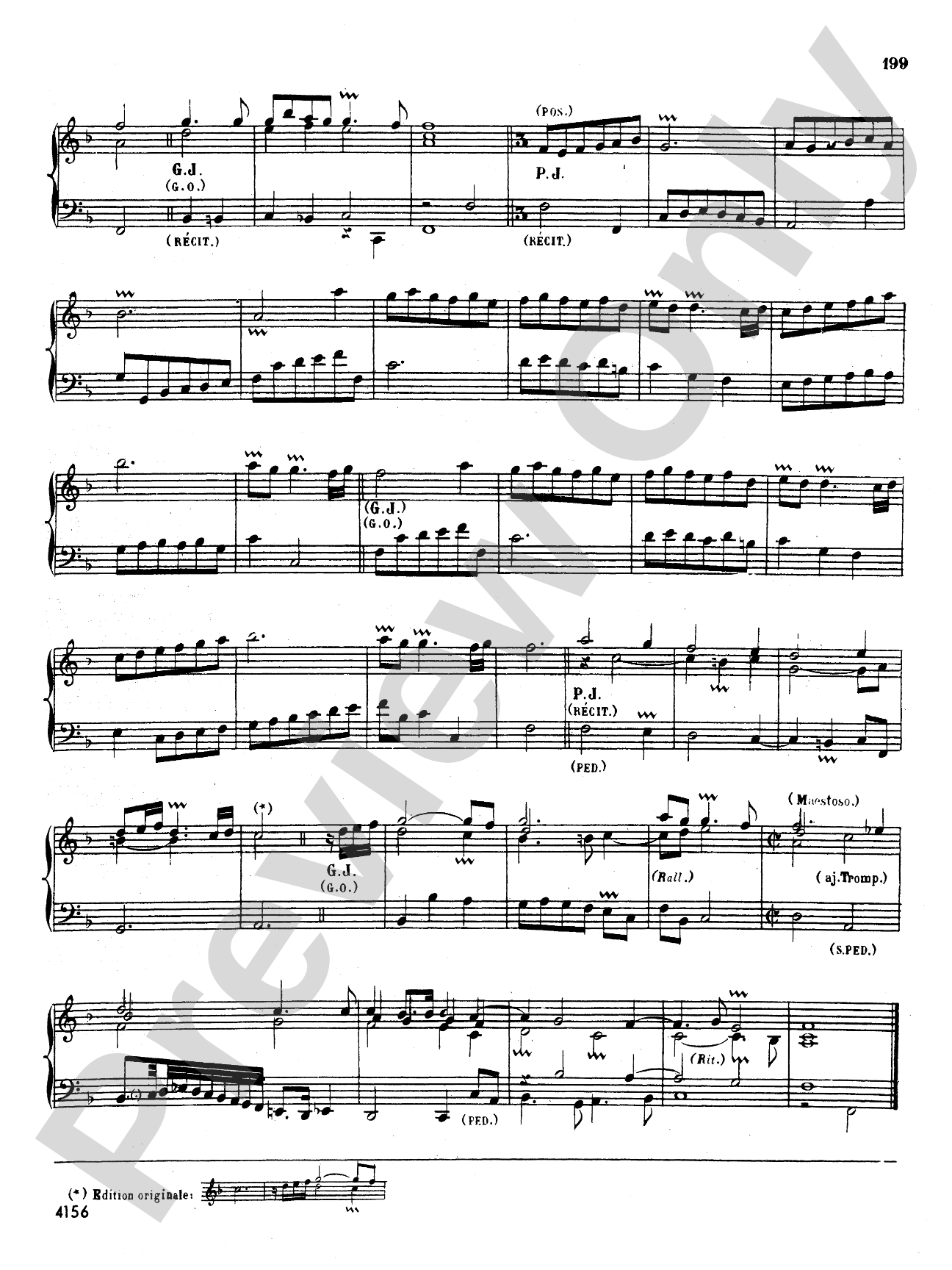
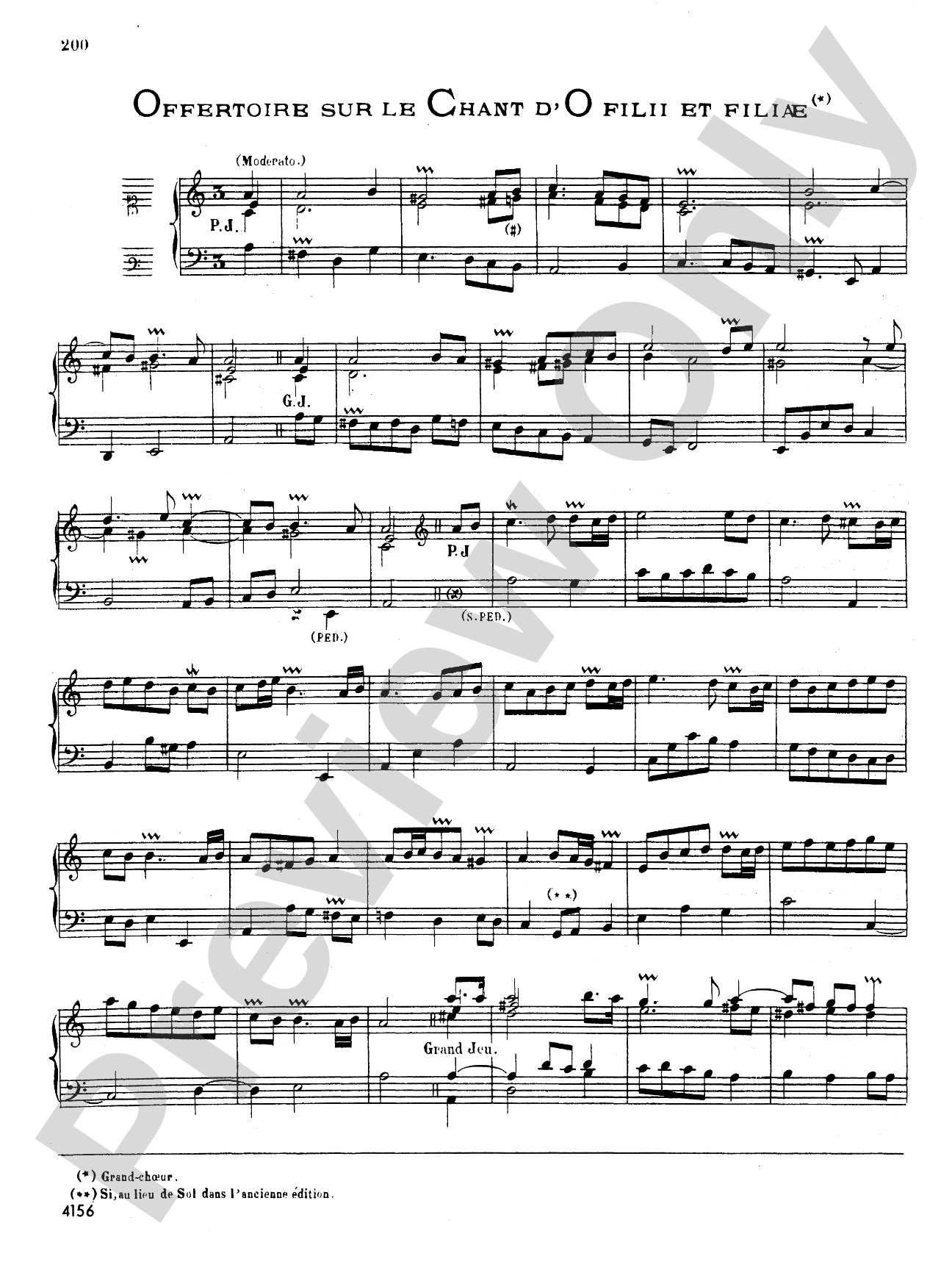
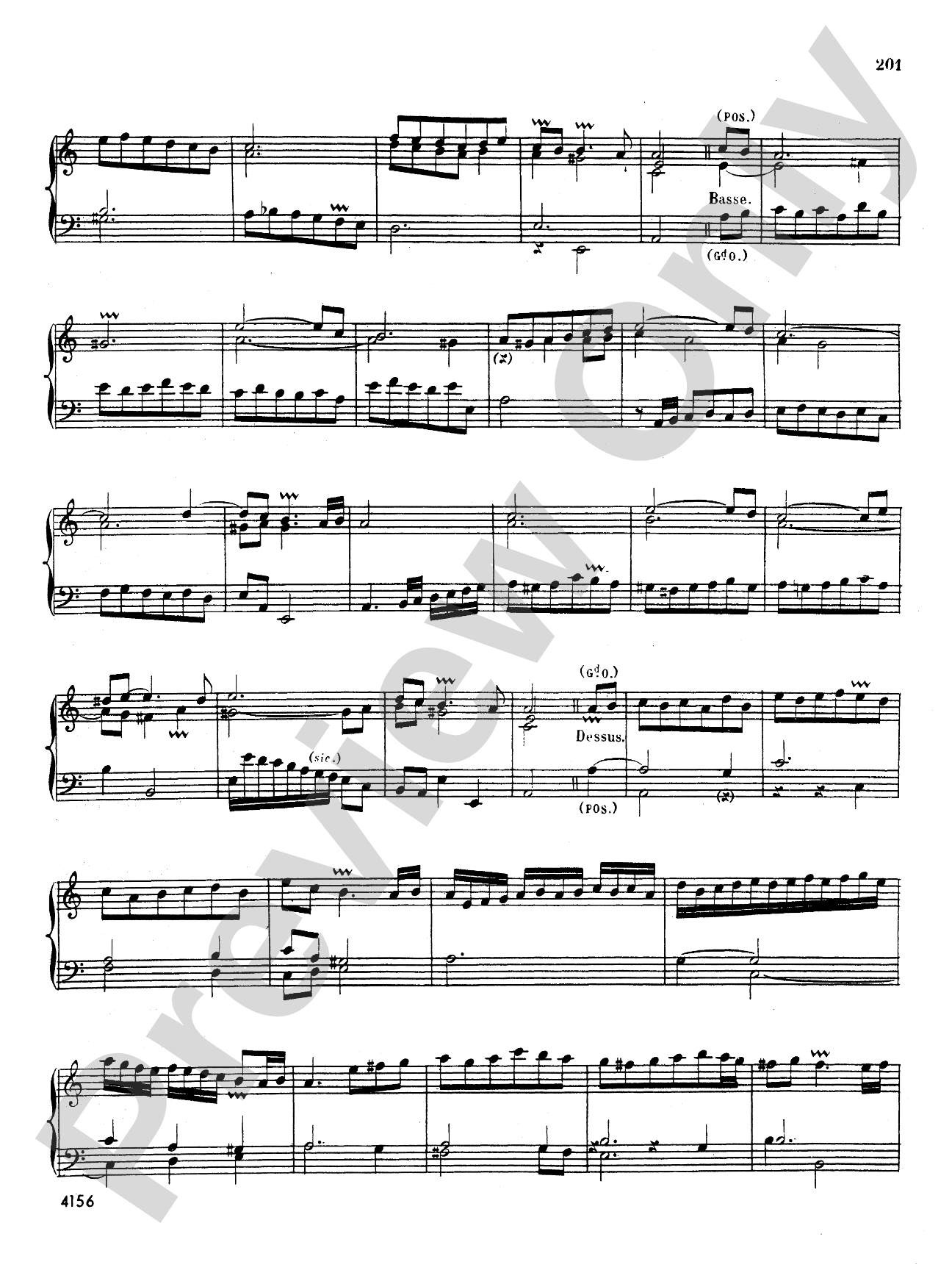
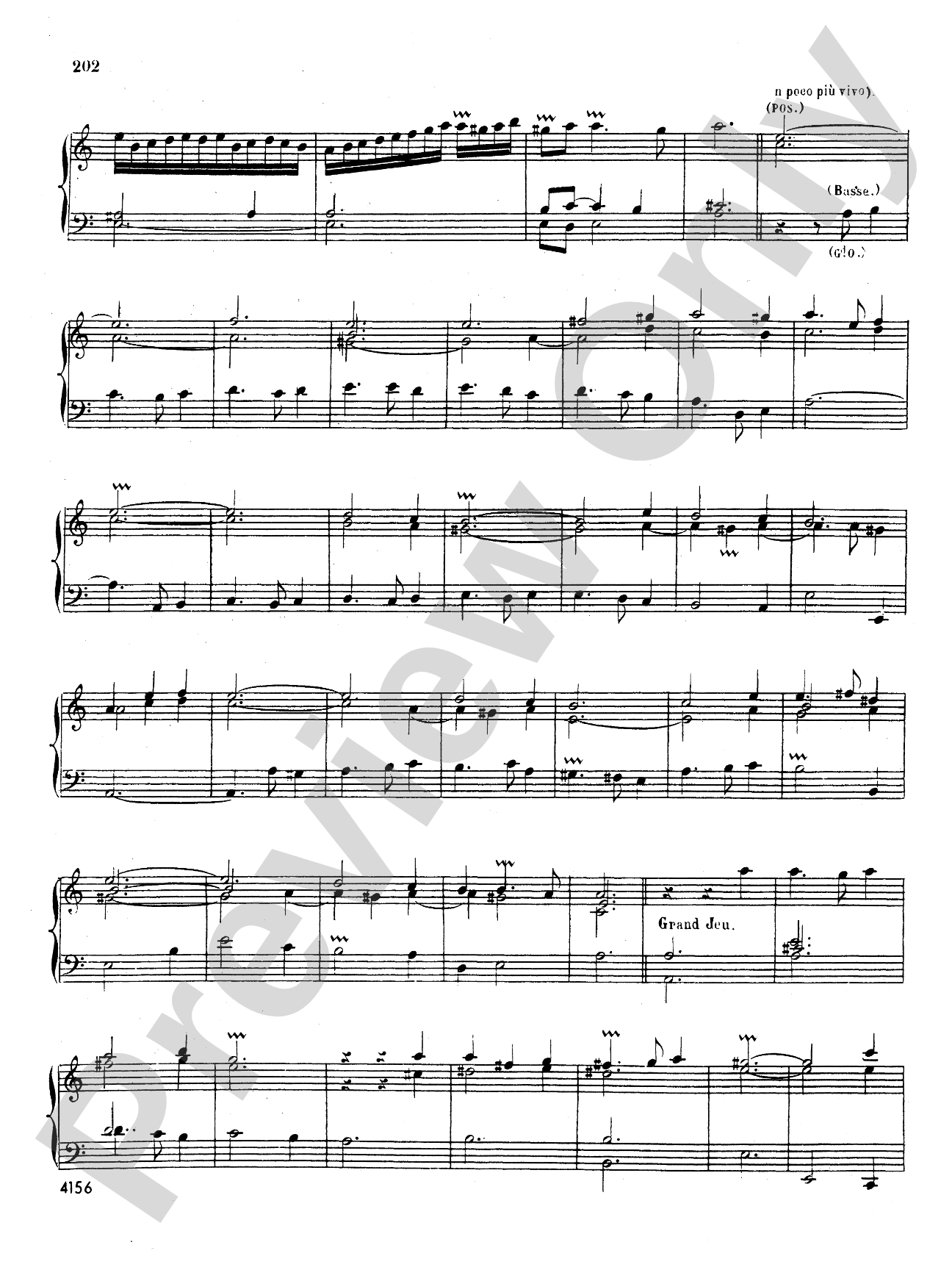
Offertories, Noels, Magnificats


Lebegue: Complete Organ Works, Volume III: Organ Book isn't in MakeMusic Cloud just yet...but it could be. Let us know you'd like to see it, and you'll help shape what comes next. In the meantime, start a free trial and dive into thousands of interactive titles your students can play along with today.
Request This Title
Tell us you want it.
Start Your Free Trial
Explore everything that's ready to play right now.
Sample Audio
No sample audio found.
Sample Video
No sample videos found.
Additional Details
Series:
Kalmus Edition
Publisher:
Alfred Music
Page Count:
132
SKU:
00-PK-0003438
More about this title
About the Composer: Nicolas Lebegue
Nicolas Lebegue (1631-1702) was a dominant figure in French organ music during the reign of Louis XIV. He served as organist at Saint-Germain-des-Prés in Paris and established himself as one of the most published composers of keyboard music in his era, contributing significantly to the development of the French organ school.
Lebegue's output defined the liturgical organ repertoire of the late Baroque. His works combine Italian harmonic language with French stylistic refinement, creating music that was both technically demanding and deeply expressive. His published collections remained in circulation throughout the 18th century and continue to anchor the Baroque organ canon.
Why we love this
This volume captures Lebegue at his most liturgically engaged, moving beyond the theatrical grandeur of his toccatas into the contemplative world of offertories and the festive character of noels. The Magnificat settings showcase his gift for harmonic invention and structural clarity, making these pieces rewarding both to study and to perform in church or concert contexts.
What to expect
These pieces inhabit a world of restrained splendor. The offertories move with processional dignity, often unfolding over a steady pedal point. The noels sparkle with the joy of familiar melodies, while the Magnificats balance virtuosic passagework with moments of austere beauty, creating music that feels both ceremonial and intimate.
Who it's for
Intermediate to advanced organists seeking substantial Baroque repertoire with genuine liturgical function. Church musicians preparing music for the liturgical year will find practical material; academic organists and students will value the comprehensive overview of Lebegue's sacred instrumental writing.
How to get the most out of it
- Shape phrases by voice rather than by measure; Lebegue's counterpoint often spans multiple systems, and articulation should follow the independence of each line rather than surface rhythm.
- Approach registration thoughtfully. The Kalmus text does not include original registration marks, so consult period sources or your instrument's character to balance clarity in the pedal and manual divisions.
- In the noels, resist the urge to rush the folklike melodies. These pieces gain their charm from rhythmic steadiness and clear articulation of the familiar tunes beneath the contrapuntal writing.
- Practice the Magnificat variations with attention to hand position shifts; Lebegue frequently crosses hands and moves between registers in ways that require secure technique and forward planning.
How to use it
Program the shorter offertories as functional prelude or postlude material for church services where they belong naturally, or string several together in a recital to demonstrate the range of Lebegue's liturgical imagination. The noels work particularly well in Christmas programming, either in service or concert settings, while the Magnificat variations serve as centerpieces for a Baroque organ recital.
Skills your students will build
- Independent voice leading across both hands and pedal
- Registration decisions in music without original markings
- Harmonic language of late French Baroque keyboard music
- Phrasing and articulation in imitative textures
- Rhythmic stability in dance-based and liturgical forms