
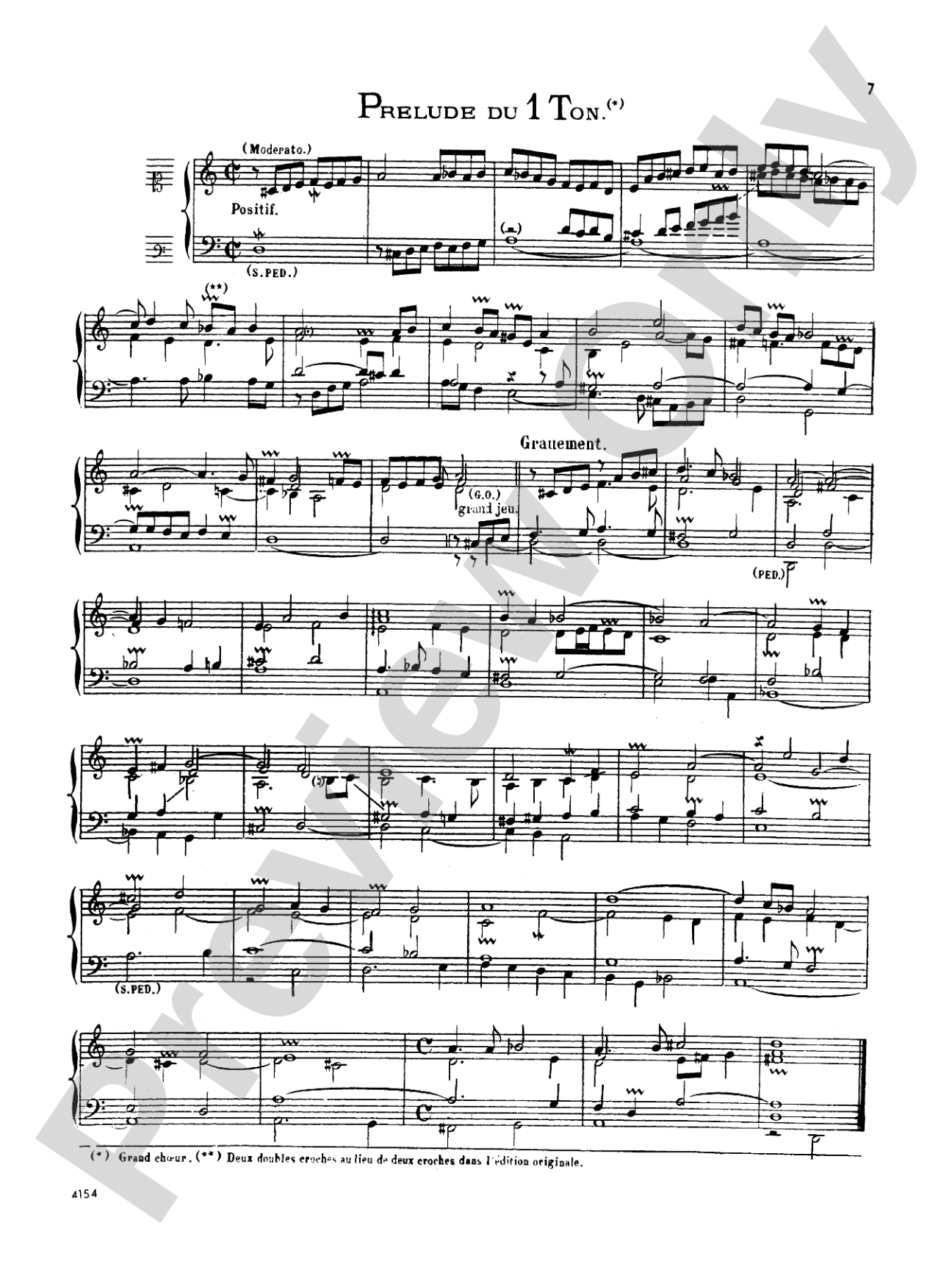
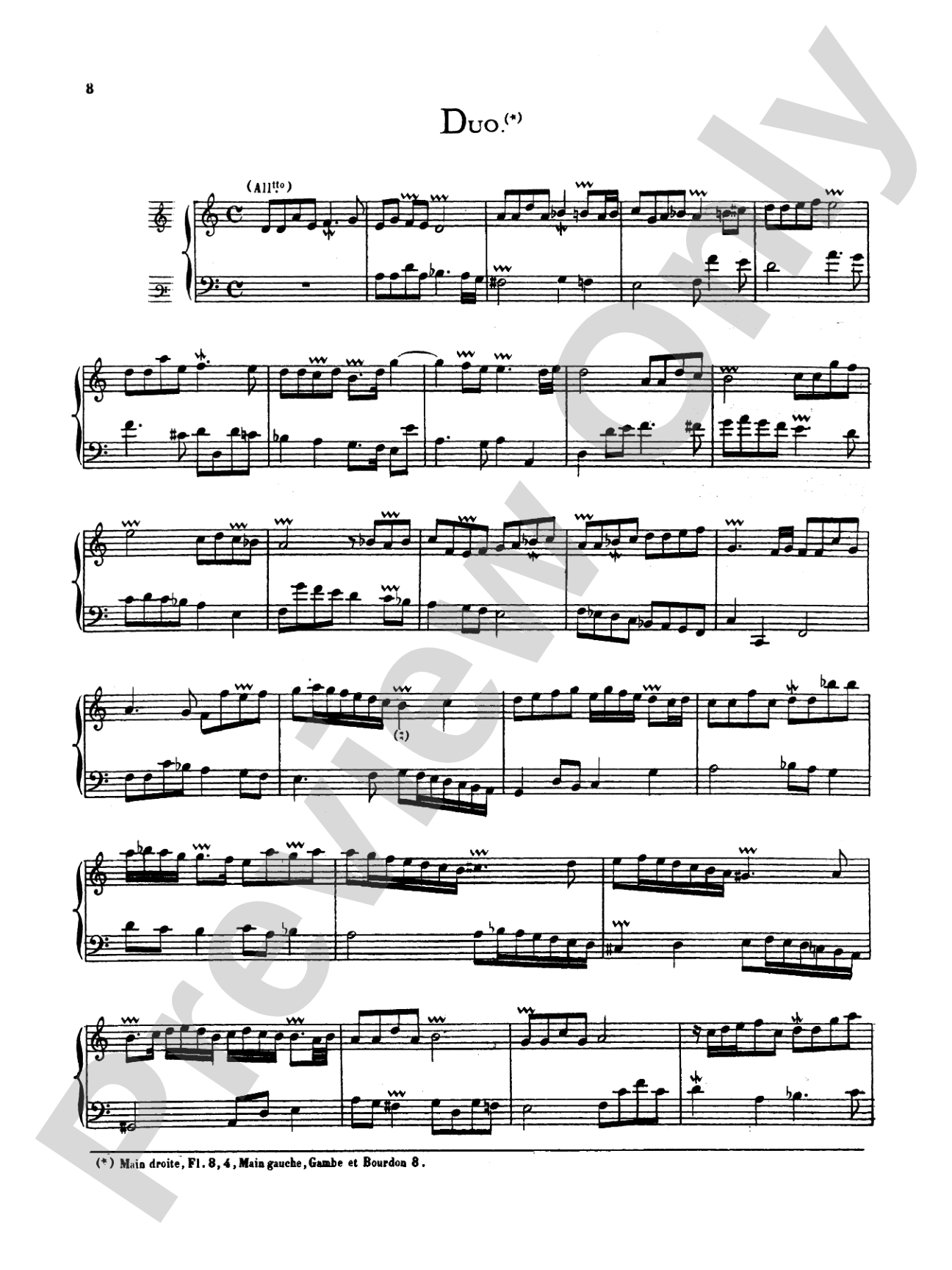
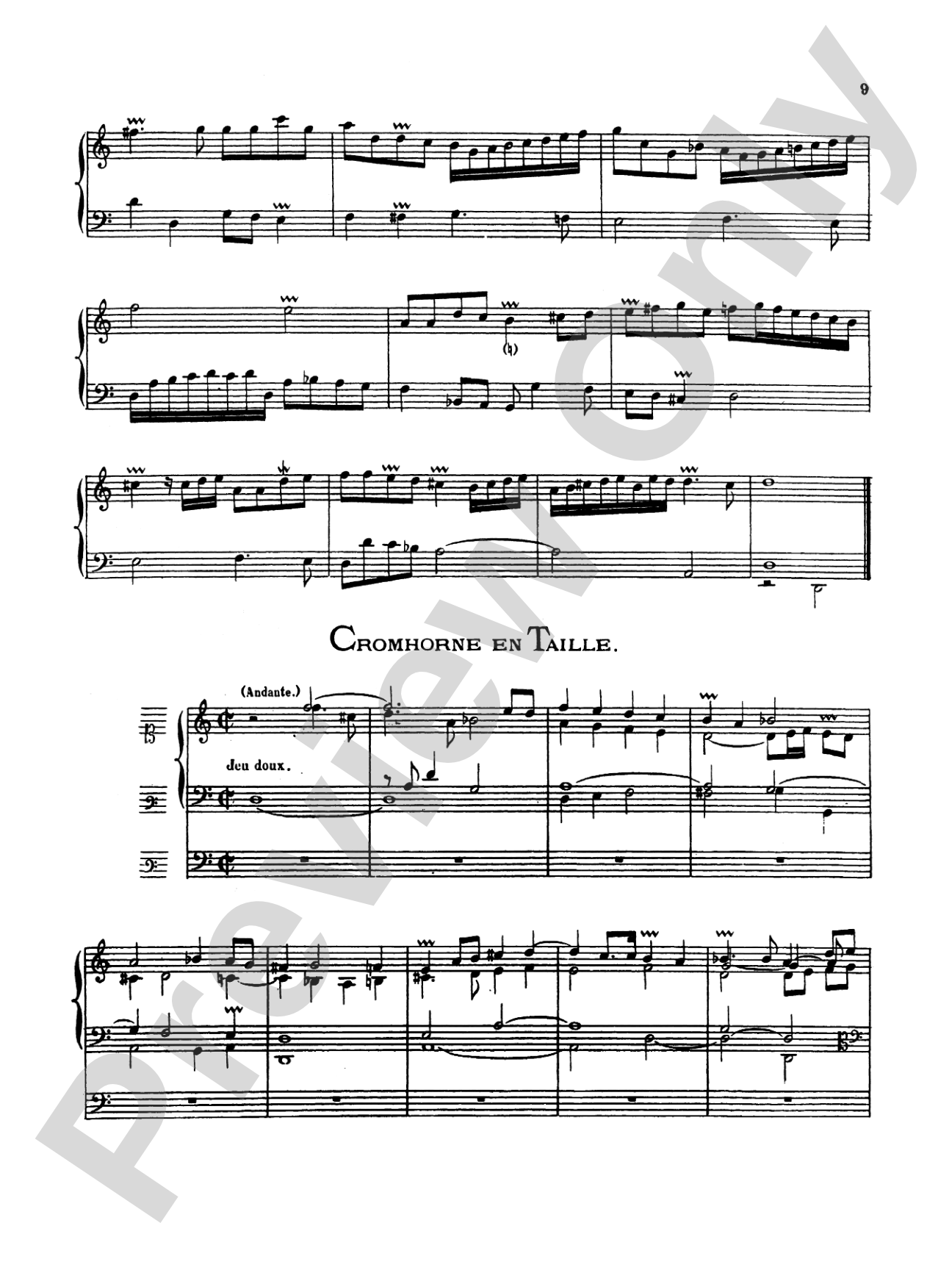
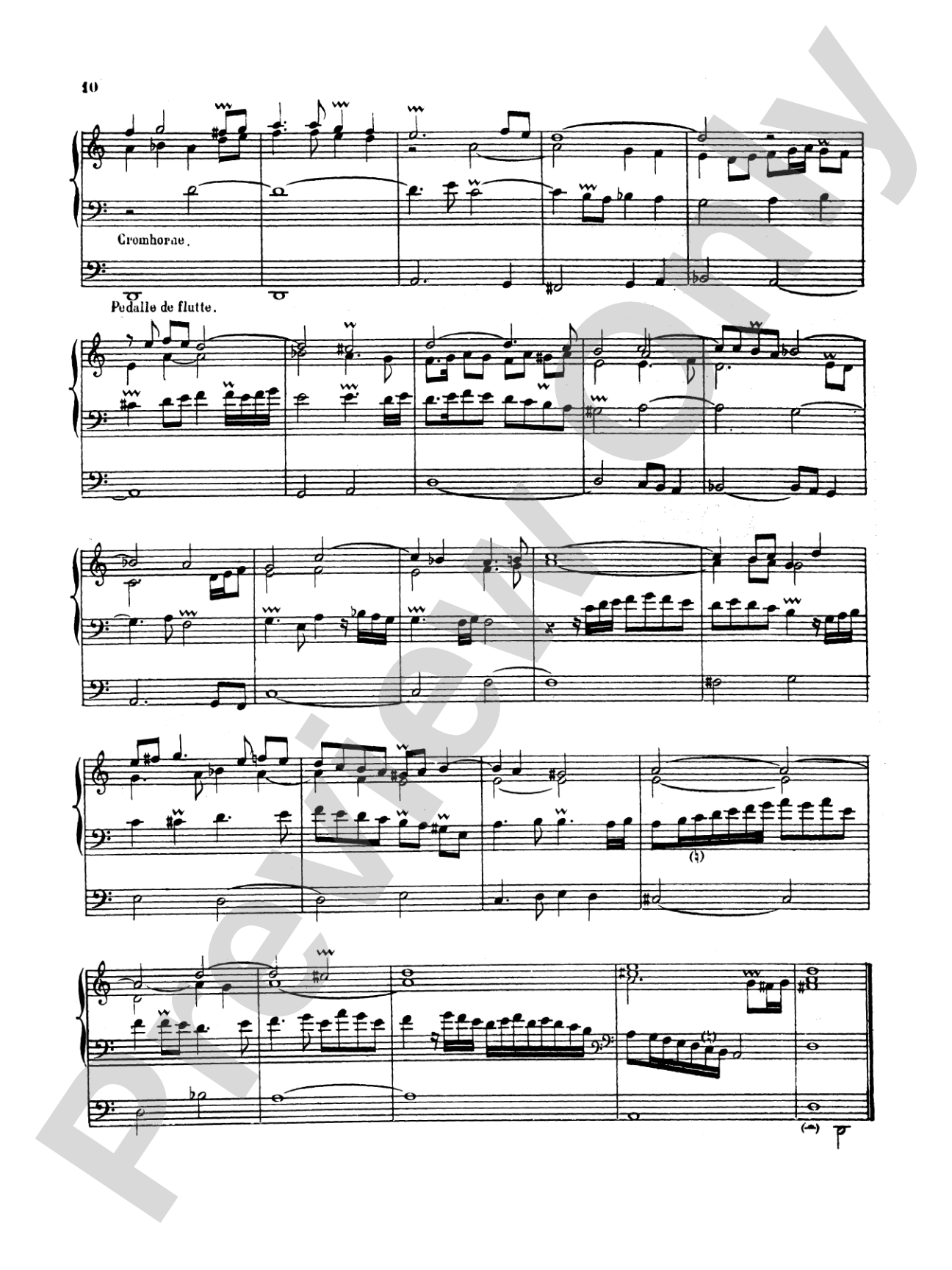
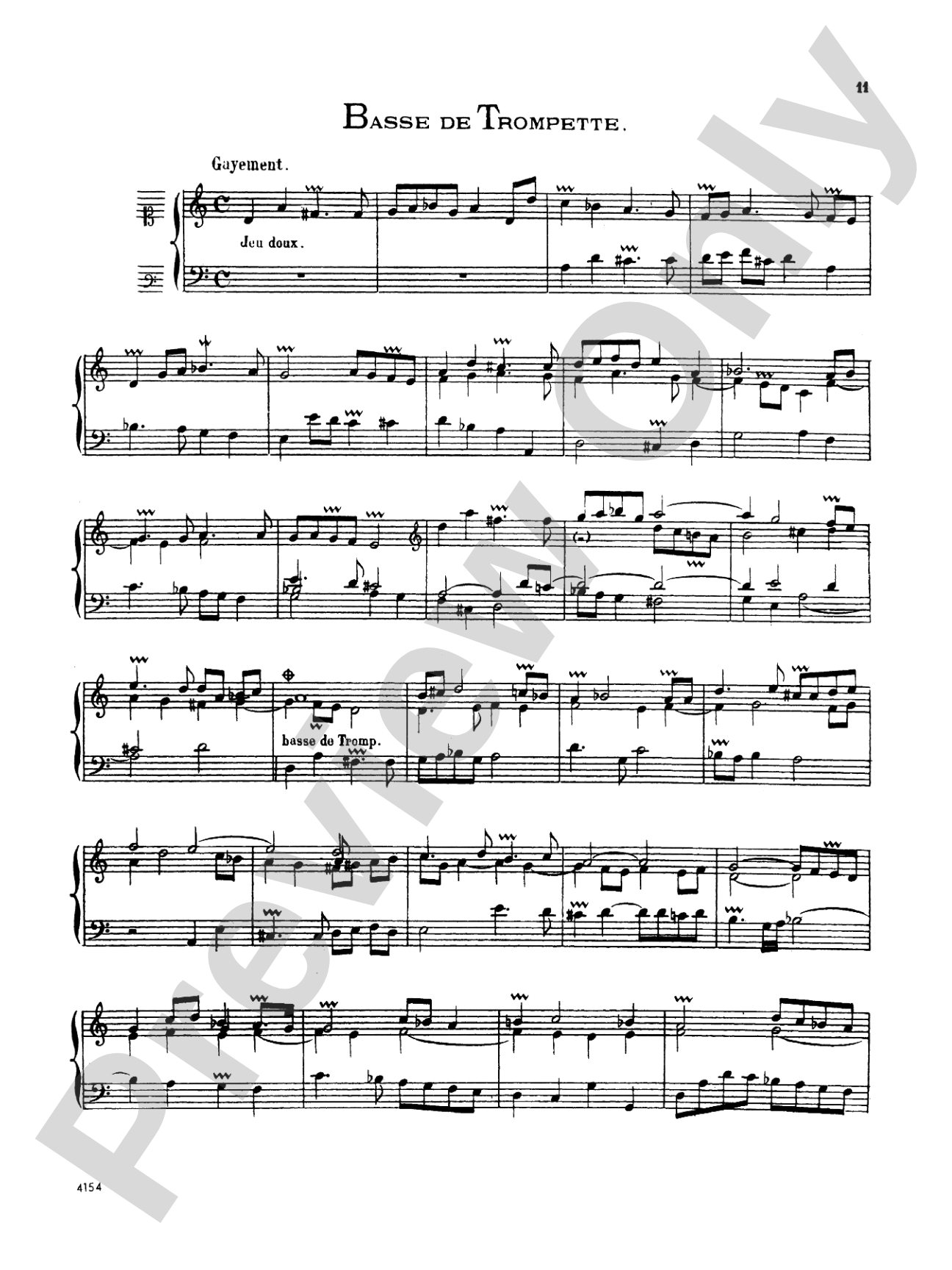
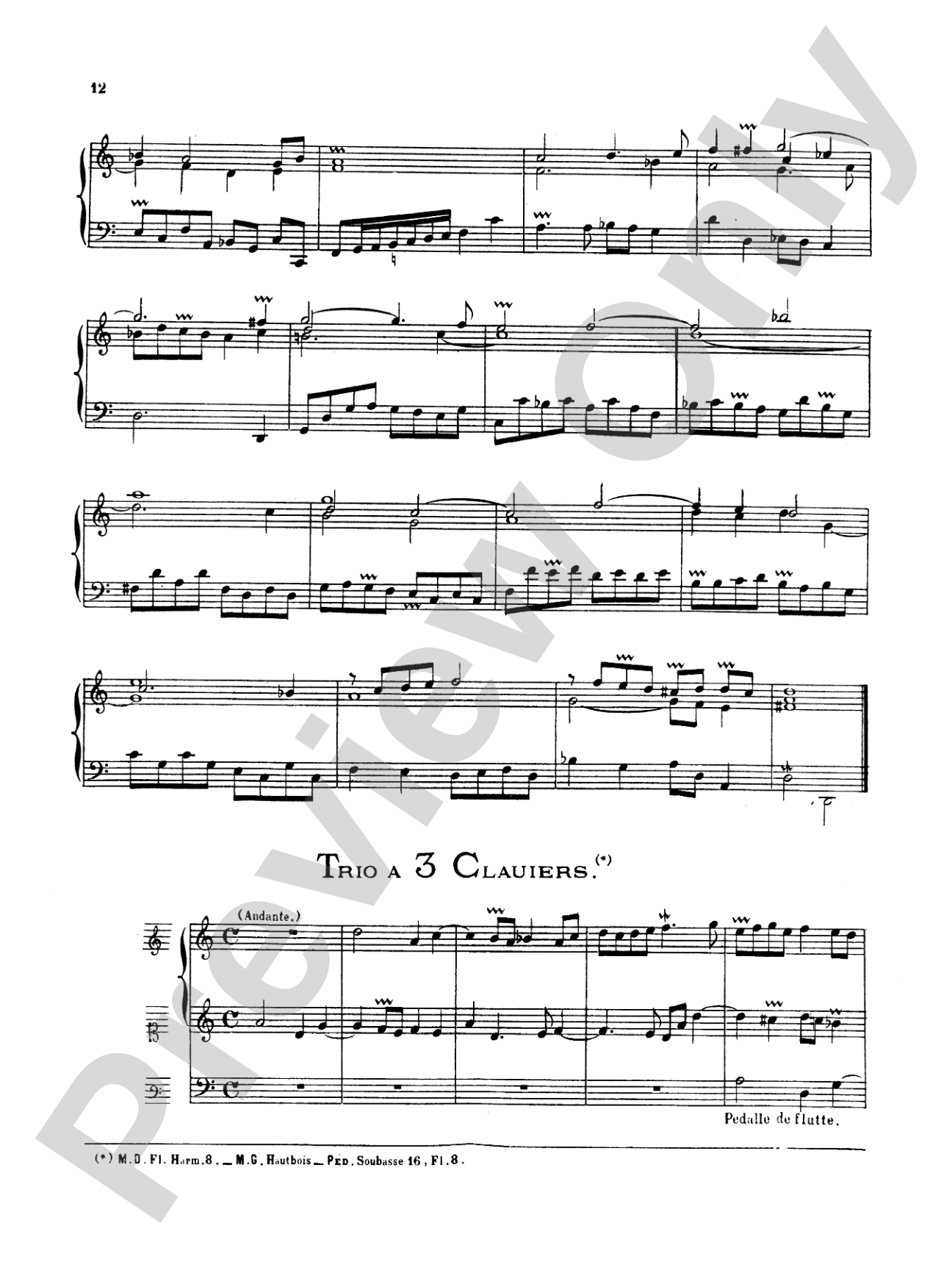
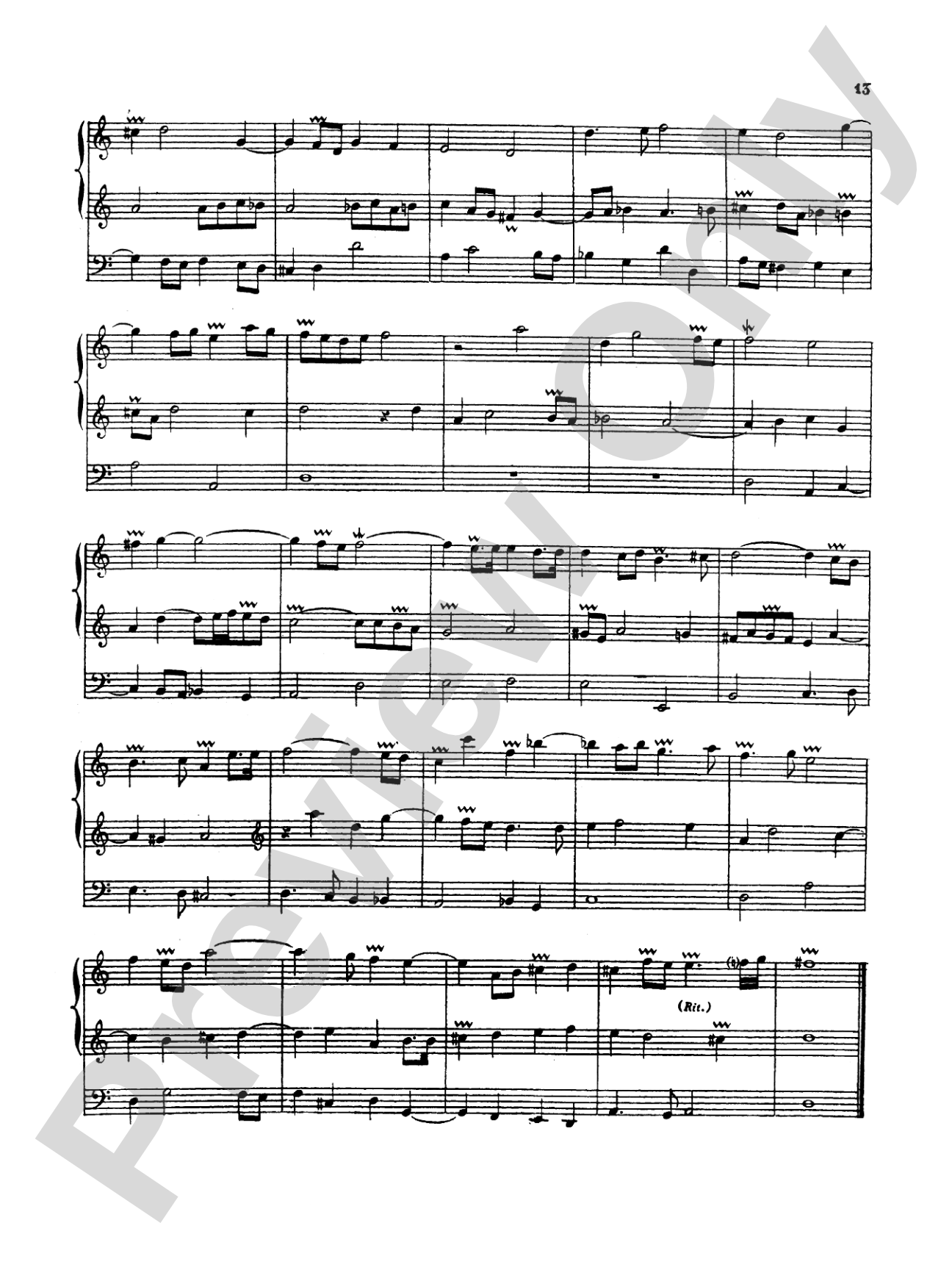
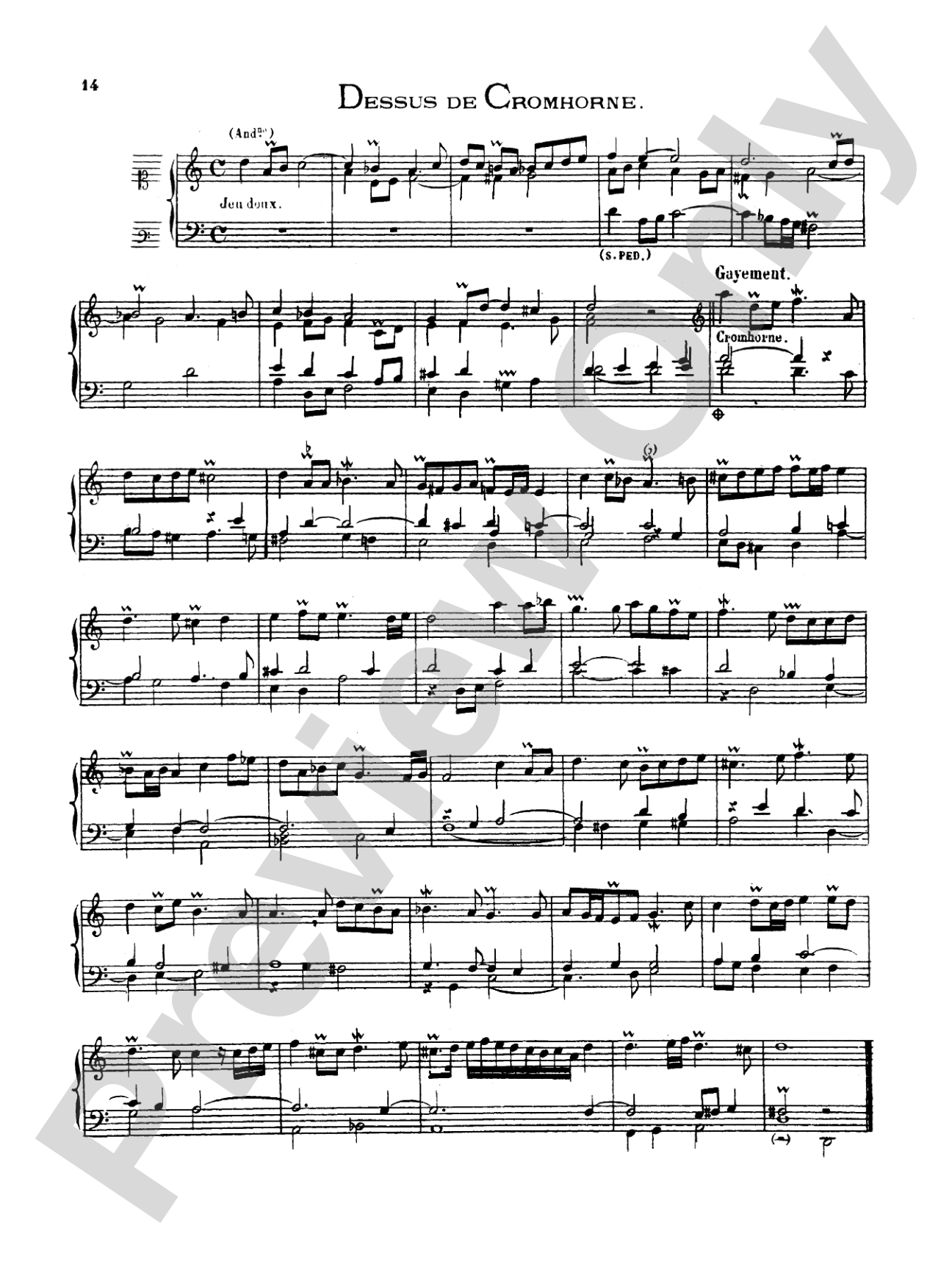
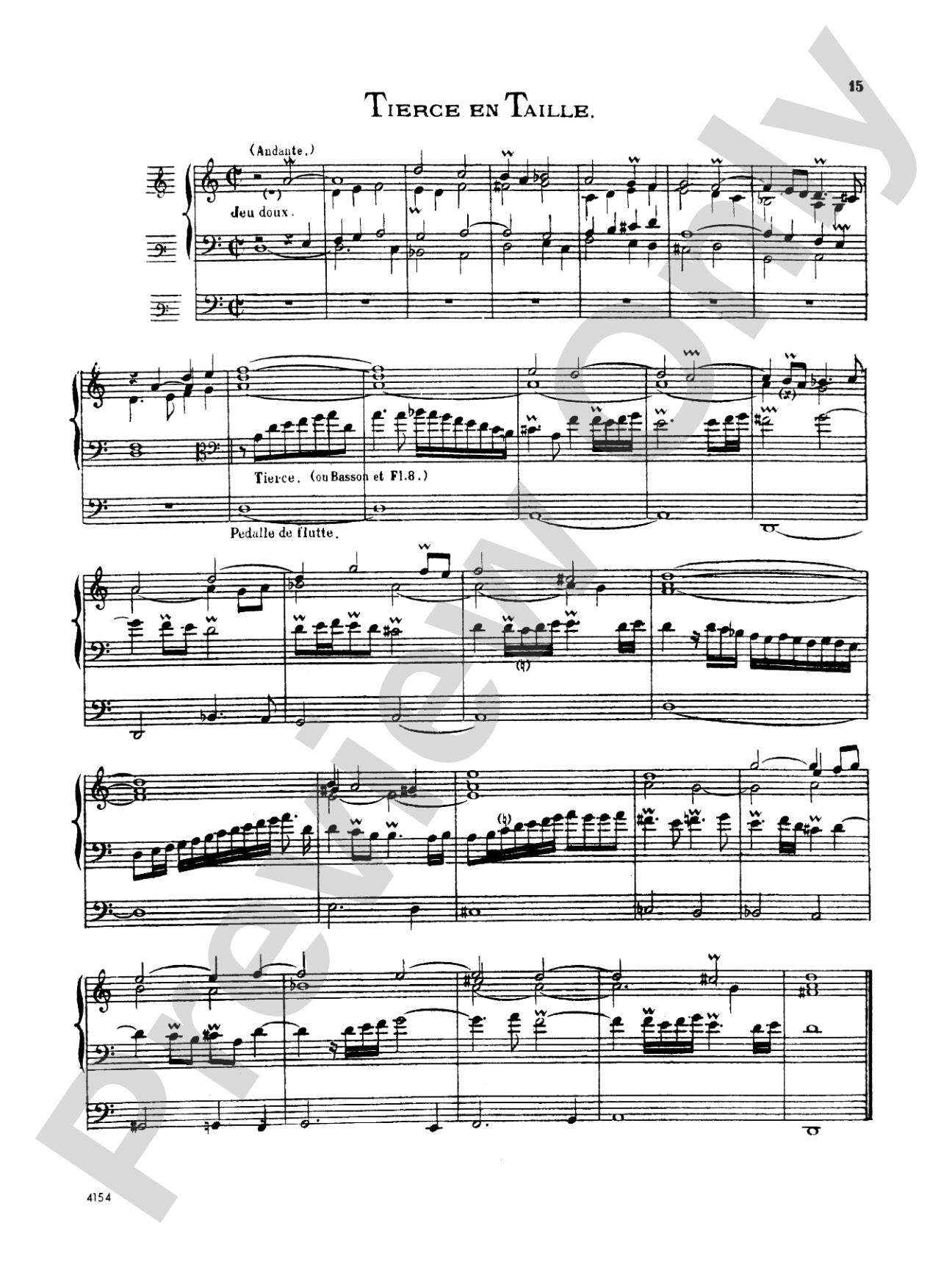
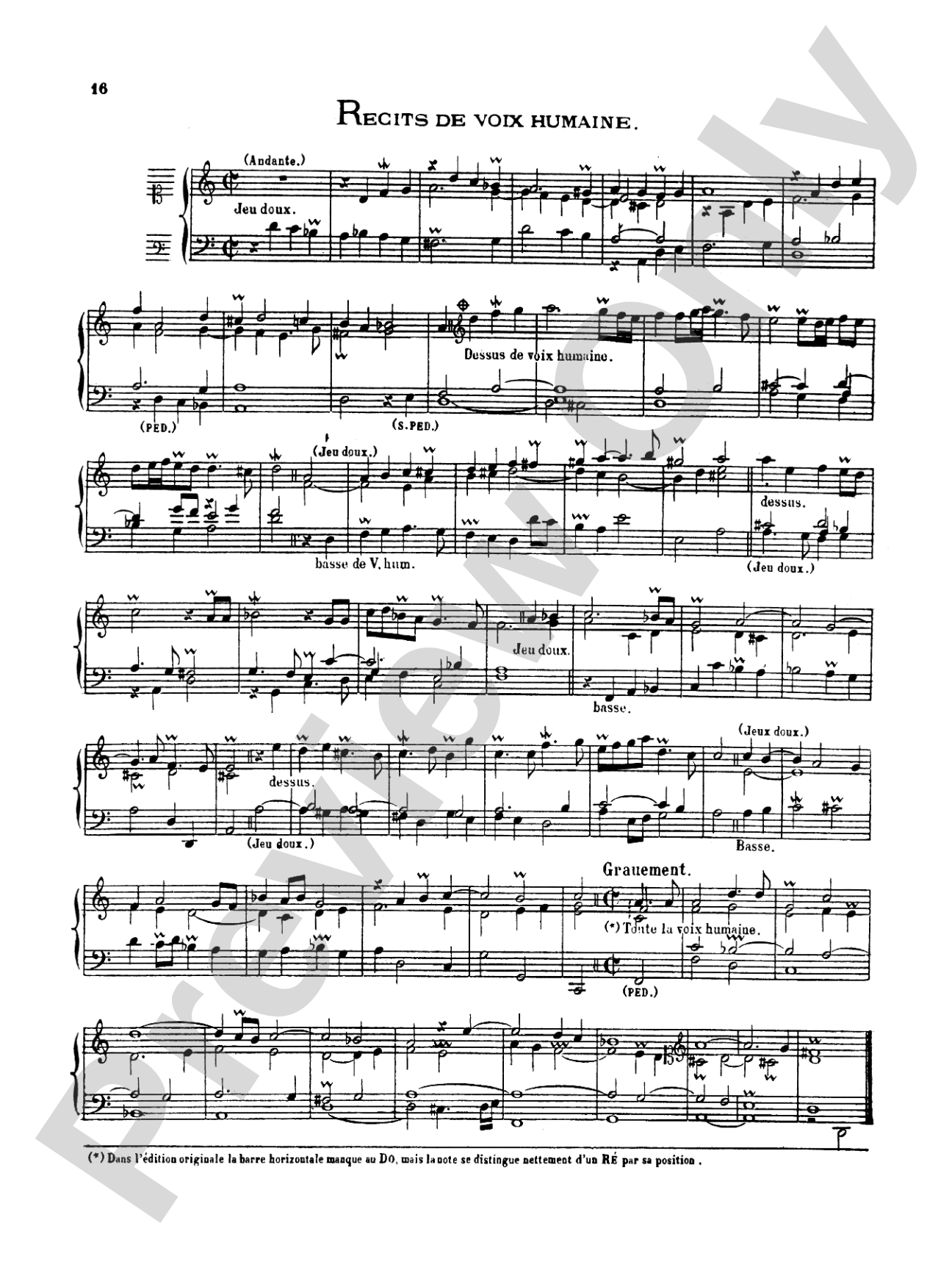
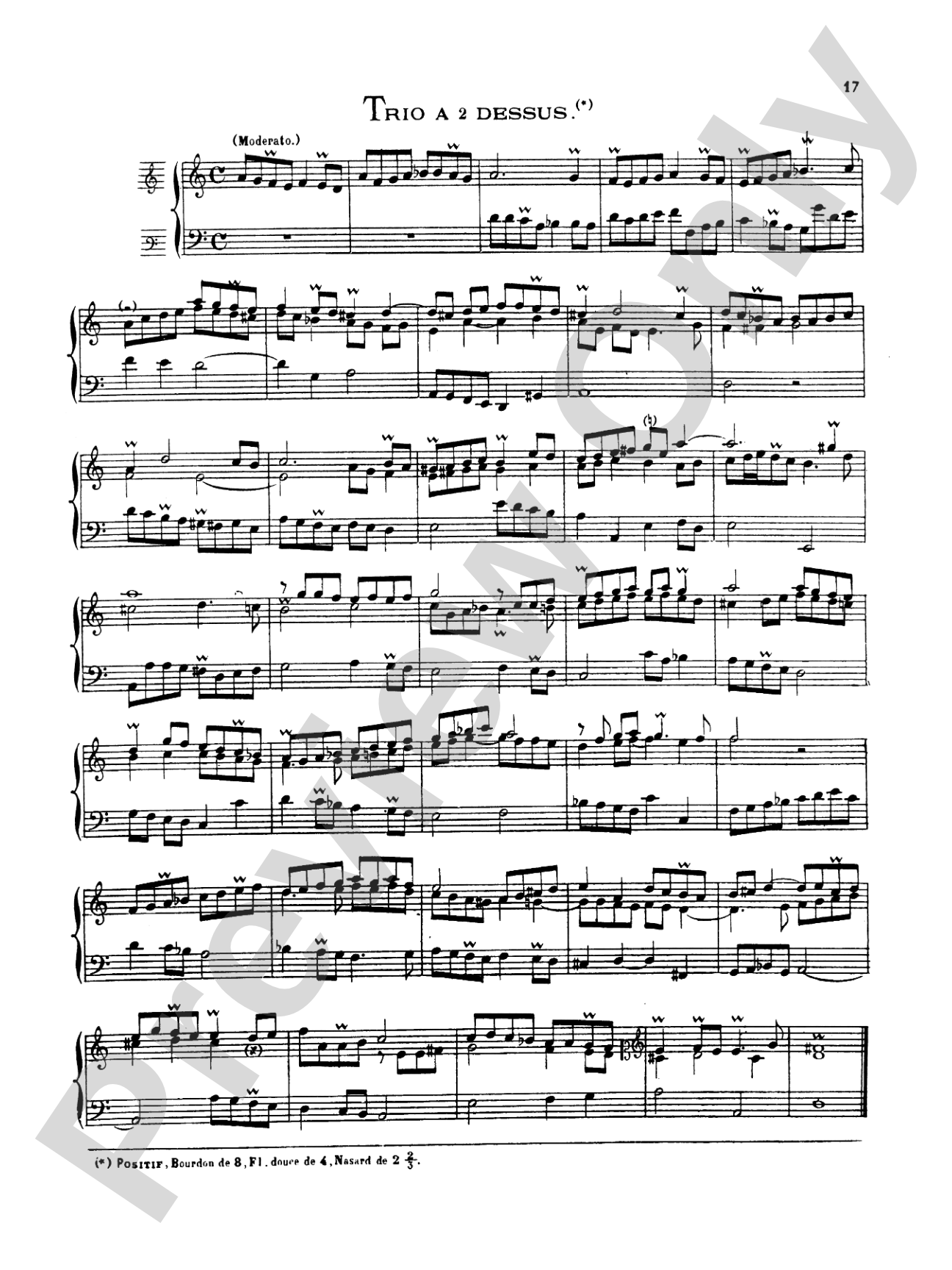
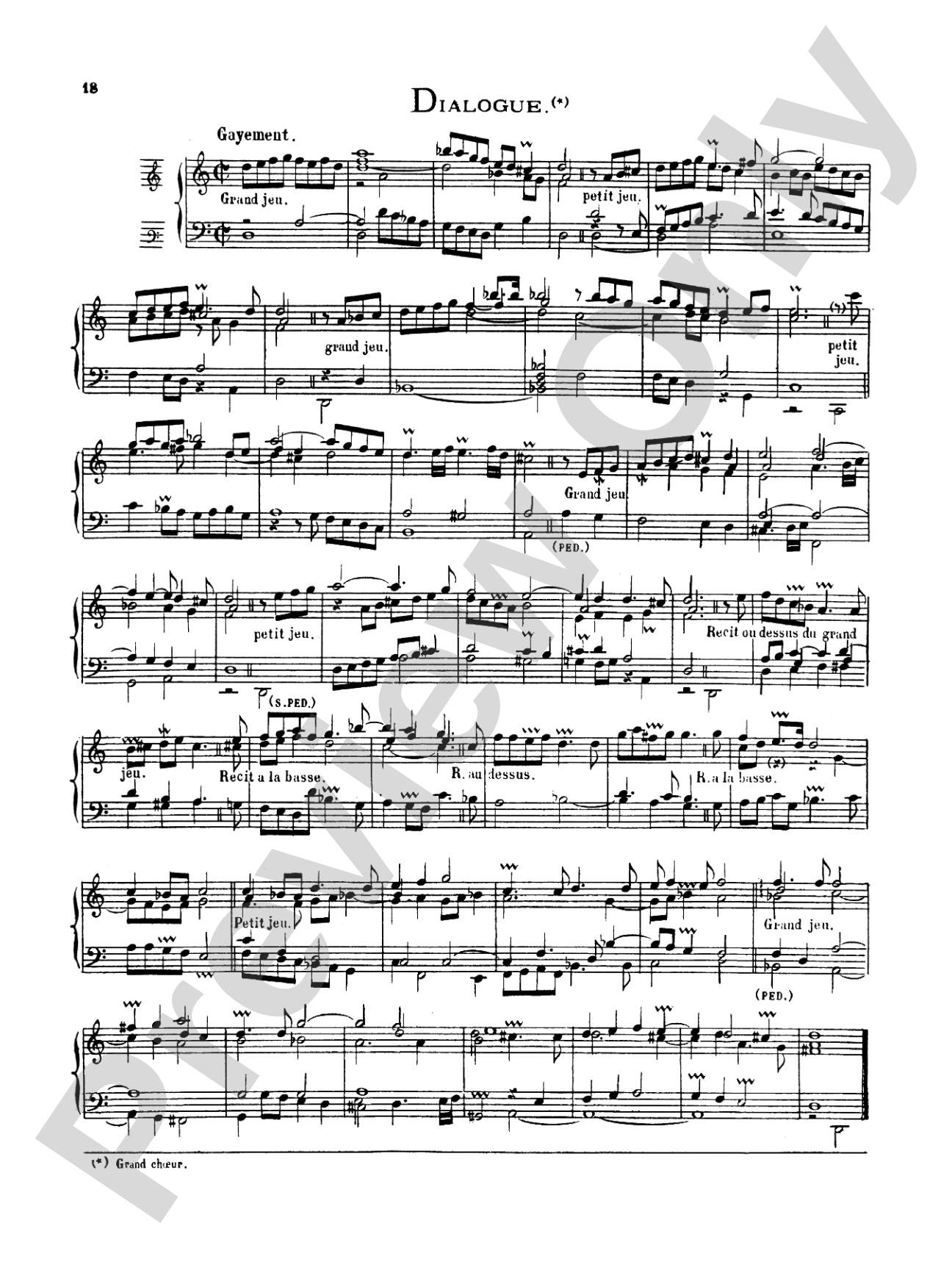
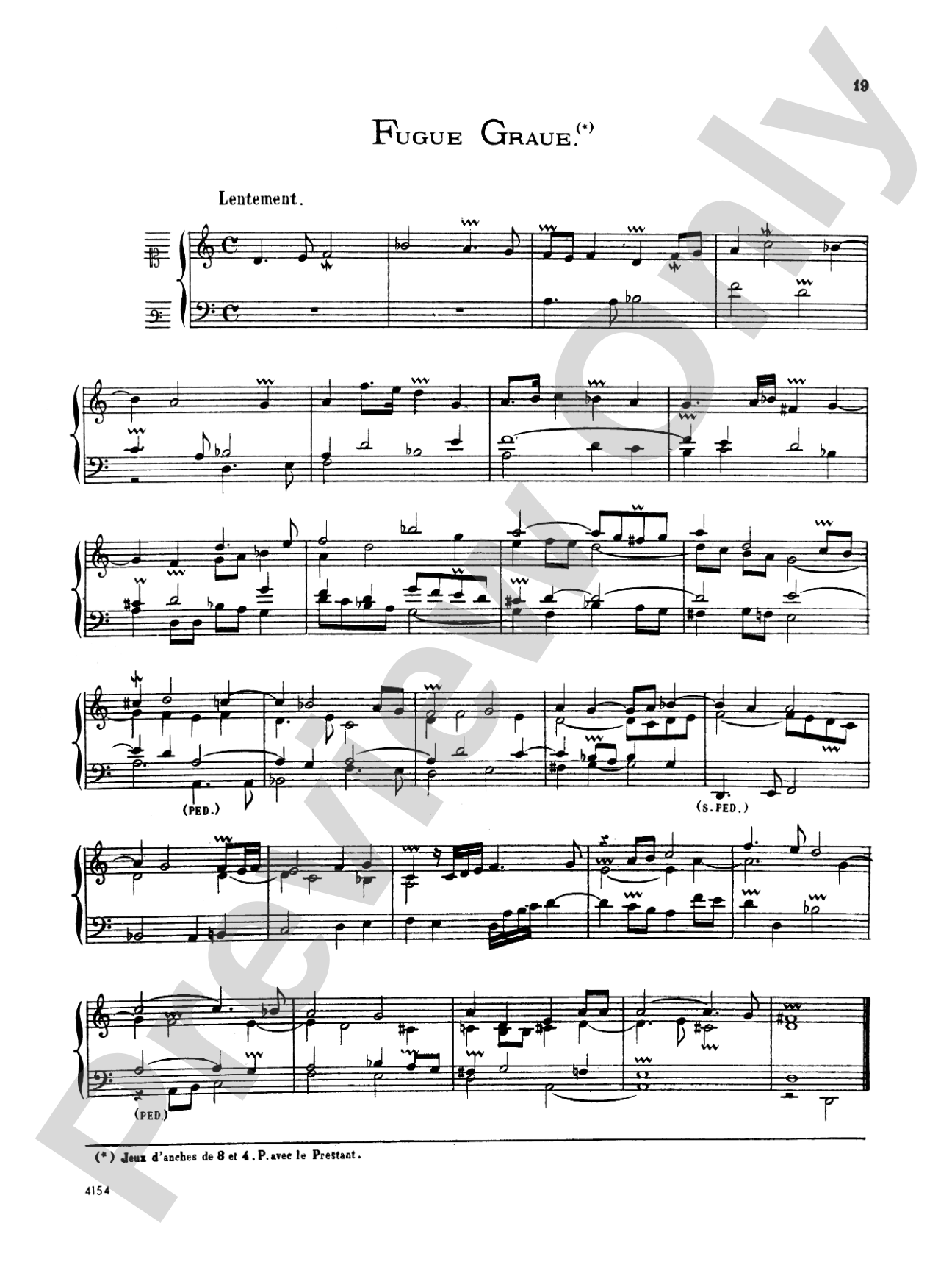
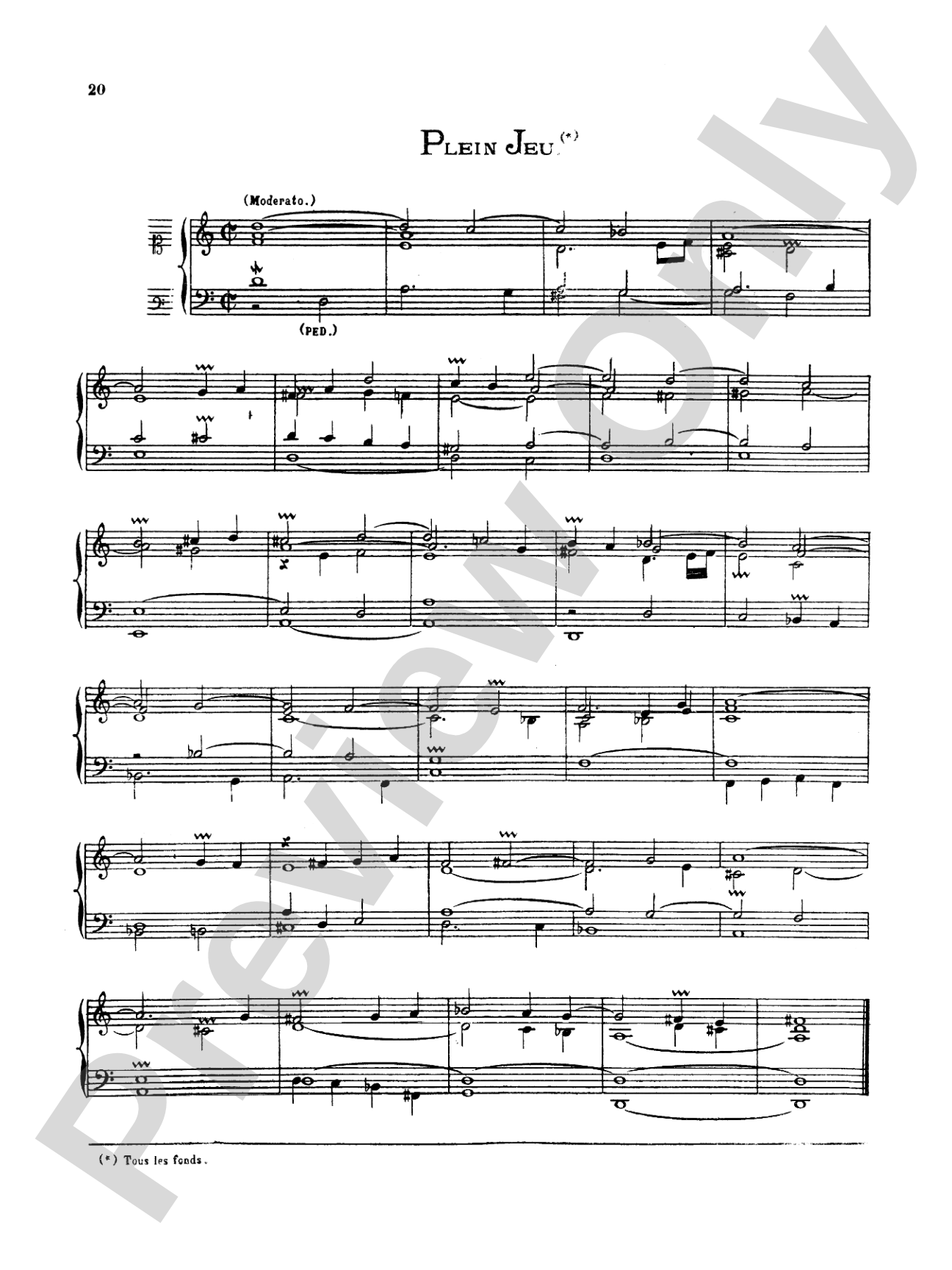

Lebegue: Complete Organ Works, Volume I: Organ Book
By Nicolas Lebegue
Level: Advanced
Item: 00-PK-0003436

$17.99
Pickup currently not available
Buy Extra Parts (Digital PDF Download)
| Product | Price | Quantity |
|---|---|---|
| Lebegue: Complete Organ Works, Volume I | $1.99 | |
| Lebegue: Complete Organ Works, Volume I | $1.99 | |
| Lebegue: Complete Organ Works, Volume I | $1.99 | |
| Lebegue: Complete Organ Works, Volume I | $1.99 | |
| Lebegue: Complete Organ Works, Volume I | $1.99 | |
| Lebegue: Complete Organ Works, Volume I | $1.99 | |
| Lebegue: Complete Organ Works, Volume I | $1.99 | |
| Lebegue: Complete Organ Works, Volume I | $1.99 |
Parts Added to Cart!
Related Items
Complete Organ Works, Volume I: Organ Book |
$17.95
|
View |
Description
1st Through 8th Tone


Don't just read it, hear it, play along with it, and watch your students grow with it. In MakeMusic Cloud, Lebegue: Complete Organ Works, Volume I: Organ Book comes alive with professional accompaniment, adjustable tempo, and built-in practice tools that turn solo practice into real progress.
Open in the Player
Jump straight in and assign it today.
Start Your Free Trial
Open this title and explore the full library in minutes.
Sample Audio
No sample audio found.
Sample Video
No sample videos found.
Additional Details
Series:
Kalmus Edition
Publisher:
Alfred Music
Page Count:
104
SKU:
00-PK-0003436
More about this title
About the Composer: Nicolas Lebegue
Nicolas Lebegue (1631-1702) was a central figure in French Baroque organ music and held the position of organist at Saint-Germain-des-Prés in Paris for most of his career. His compositional output established many of the formal and stylistic conventions that would define the French organ school, blending Italian harmonic sophistication with the dance-based forms and ornamentation native to France.
Lebegue's organ works survive in three published collections and represent some of the most demanding and inventive keyboard writing of the seventeenth century. His mastery of counterpoint, registration schemes, and structural clarity made his music essential repertoire for professional organists of his time and continues to demand serious technical and interpretive engagement from performers today.
Why we love this
This collection presents Lebegue's eight organ books in one authoritative score, offering organists direct access to the foundational French Baroque repertoire without fragmentation across multiple editions. The logical organization by tone provides clarity for both liturgical use and concert study, and the straightforward presentation of the music itself lets the sophisticated counterpoint and harmonic language speak without editorial intrusion.
What to expect
Lebegue's organ writing unfolds with a sense of architectural clarity and courtly grace. Voices interact with precision and elegance, moving through harmonic spaces that feel both inevitable and surprising. The music conveys a kind of intellectual generosity, never showy but never austere either, with dance rhythms and vocal gestures woven through rigorous counterpoint.
Who it's for
This edition serves advanced organists preparing professional recital repertoire, music history students tracing the development of Baroque keyboard forms, and church musicians looking to deepen their understanding of the organ literature that shaped liturgical practice. It is not suited for beginners but rewards serious students with years of keyboard study behind them.
How to get the most out of it
- Study the registration markings and historical organ specifications together; Lebegue's voices were conceived for specific manual and stop combinations that shape phrasing and weight in ways modern organs require reimagining.
- Address the rhythmic notation carefully, especially inequality (notes inégales) in passages marked with running sixteenths; French Baroque convention calls for subtle long-short articulation that modern notation often obscures.
- Map out hand and pedal distribution in advance, particularly in thick contrapuntal passages where the figured bass line and upper voices compete for manual space.
- Balance the ornaments (trills, turns, mordents) with the underlying harmonic motion rather than treating them as surface decoration; Lebegue's embellishments are structural.
How to use it
Program individual pieces or suites in organ recitals to establish the French Baroque context alongside German and Italian contemporaries, or use selections in liturgical settings where they function as they were originally intended. Graduate organ students benefit from studying complete volumes as a throughline in their examination of keyboard technique and historical registration.
Skills your students will build
- Reading and performing figured bass with harmonic independence across multiple manuals
- Navigating French Baroque ornamentation (trills, turns, mordents) with historical style awareness
- Counterpoint voice leading across pedal and manual divisions
- Rhythmic inequality (notes inégales) in French style
- Structural understanding of organ suite forms (prélude, fugue, dialogue, gigue)