
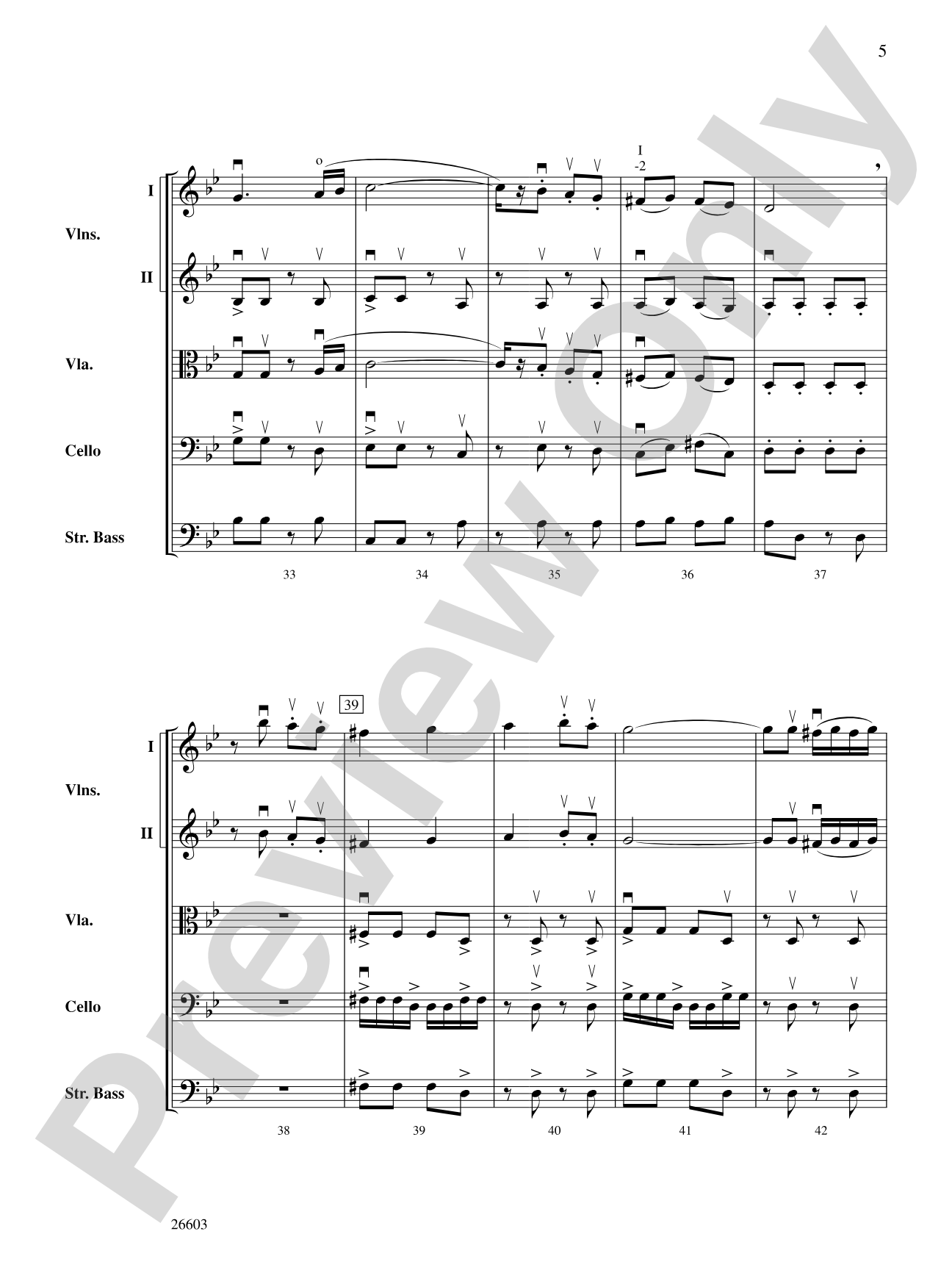
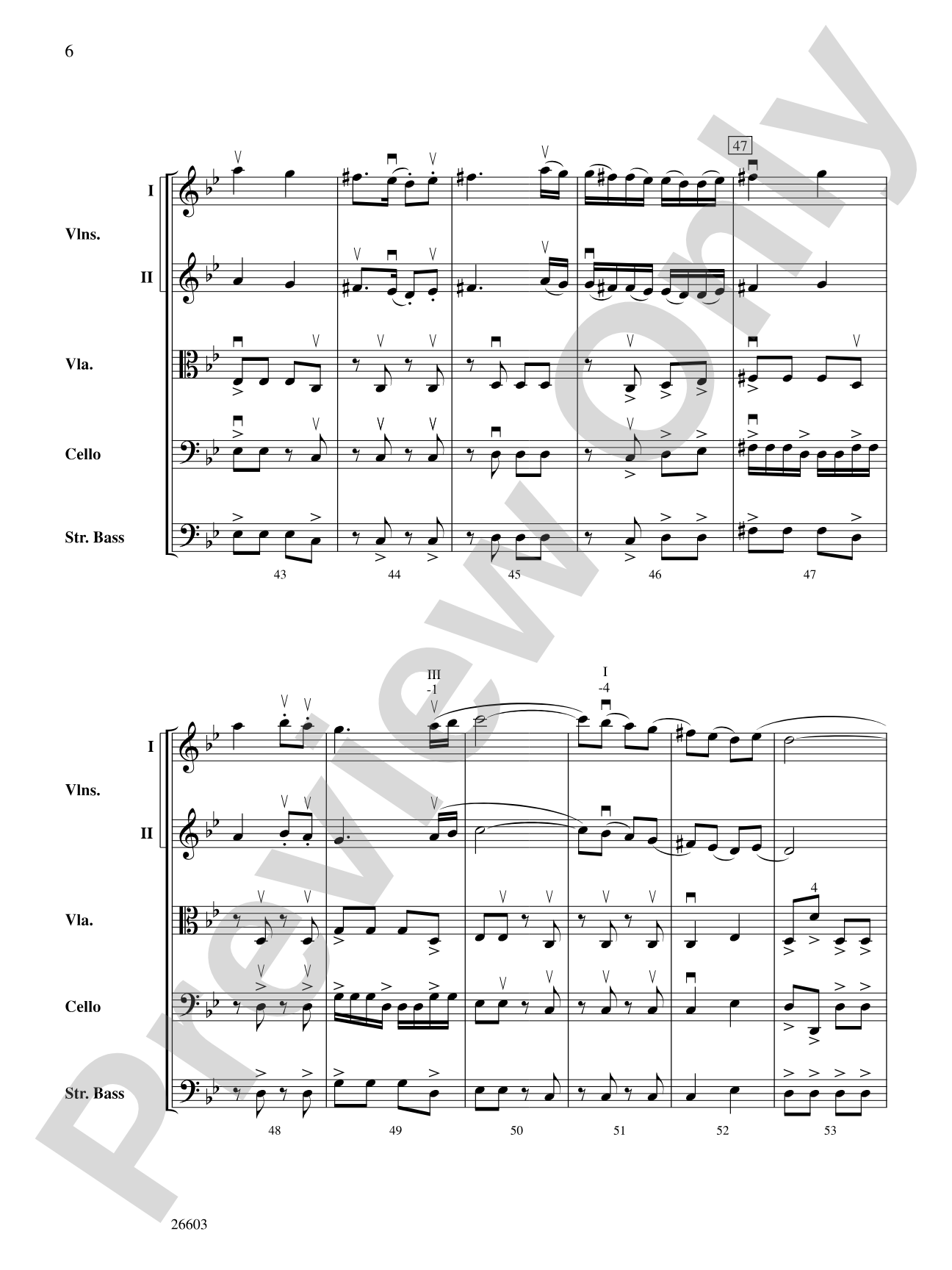
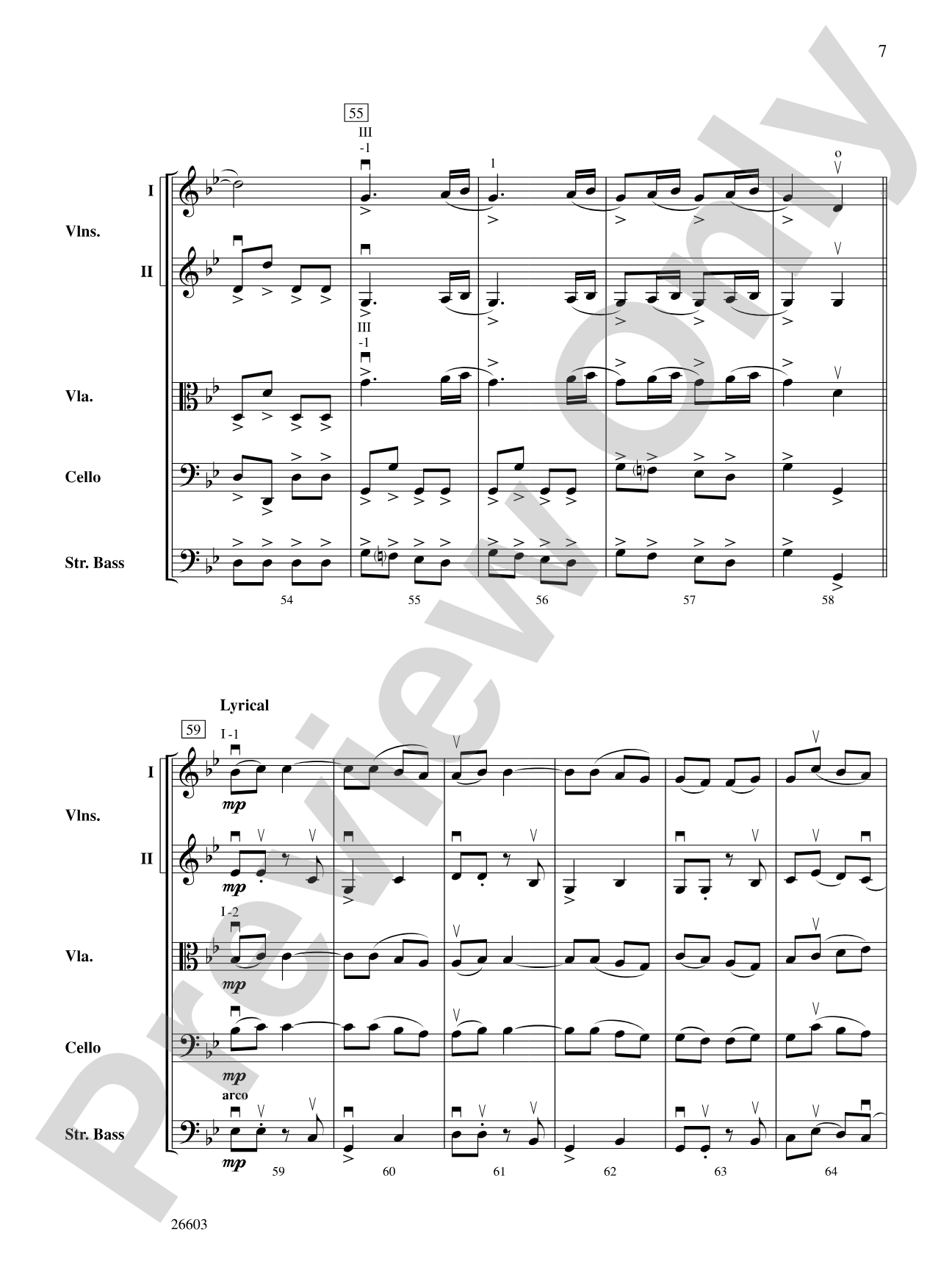
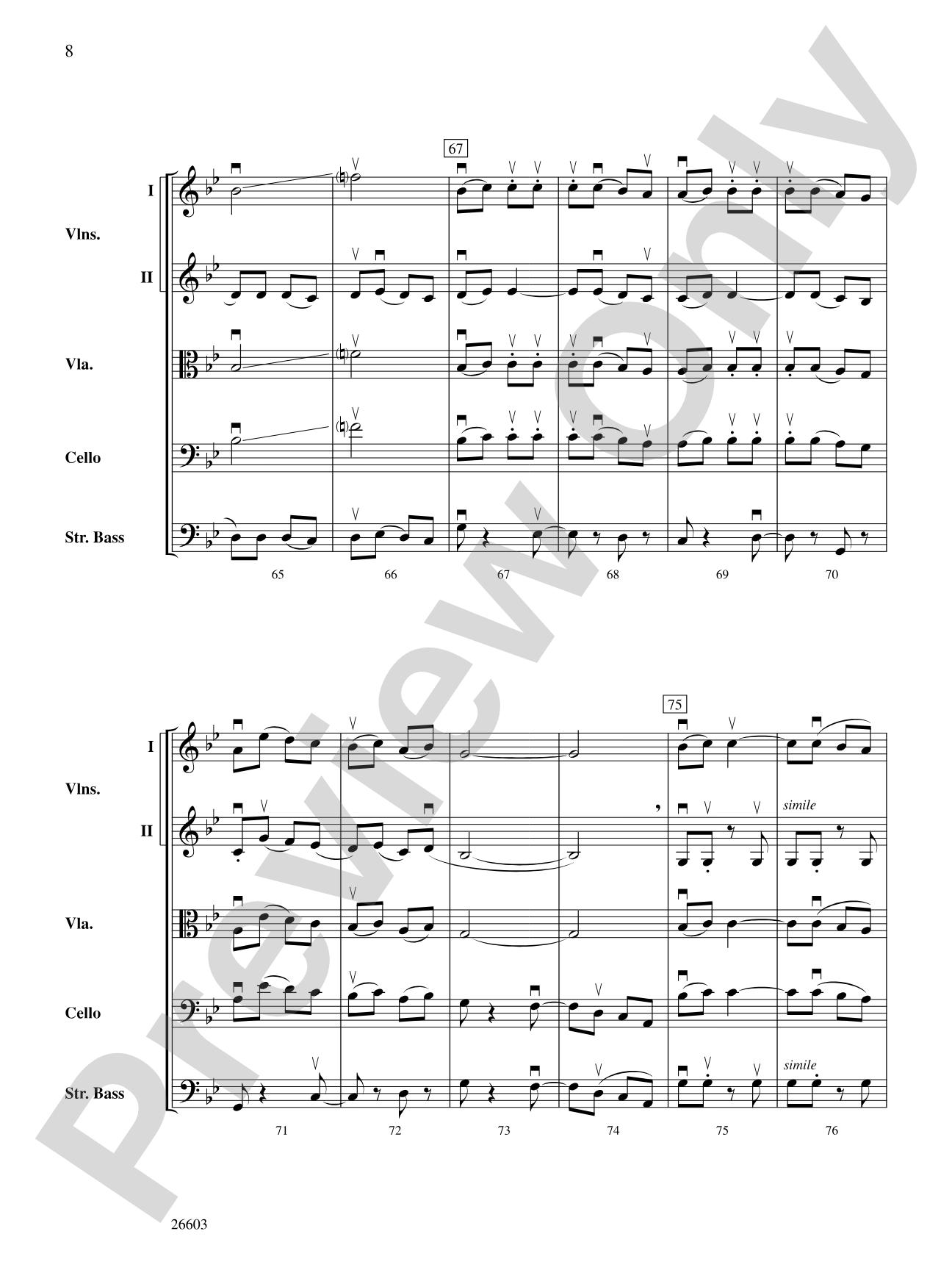
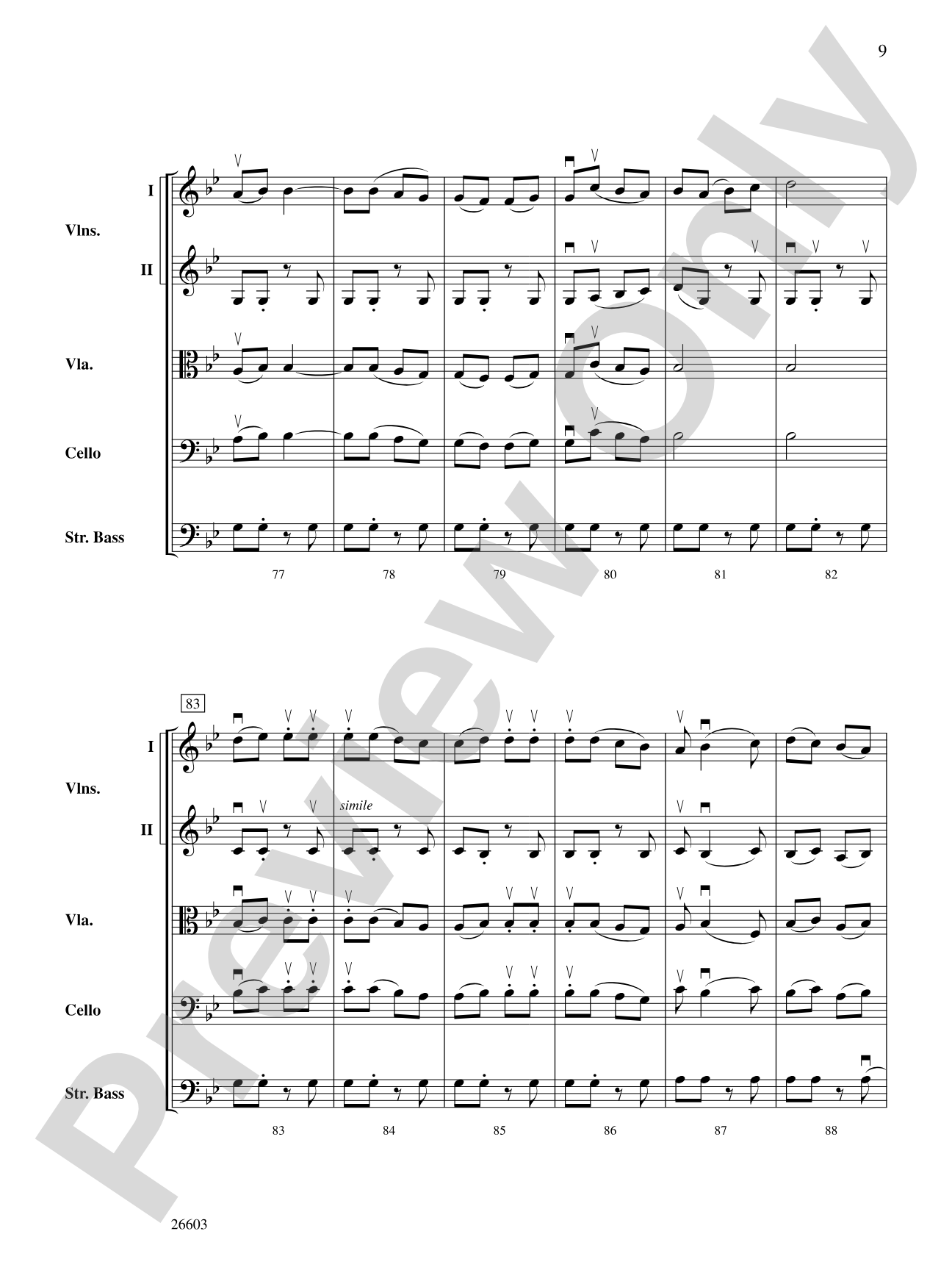
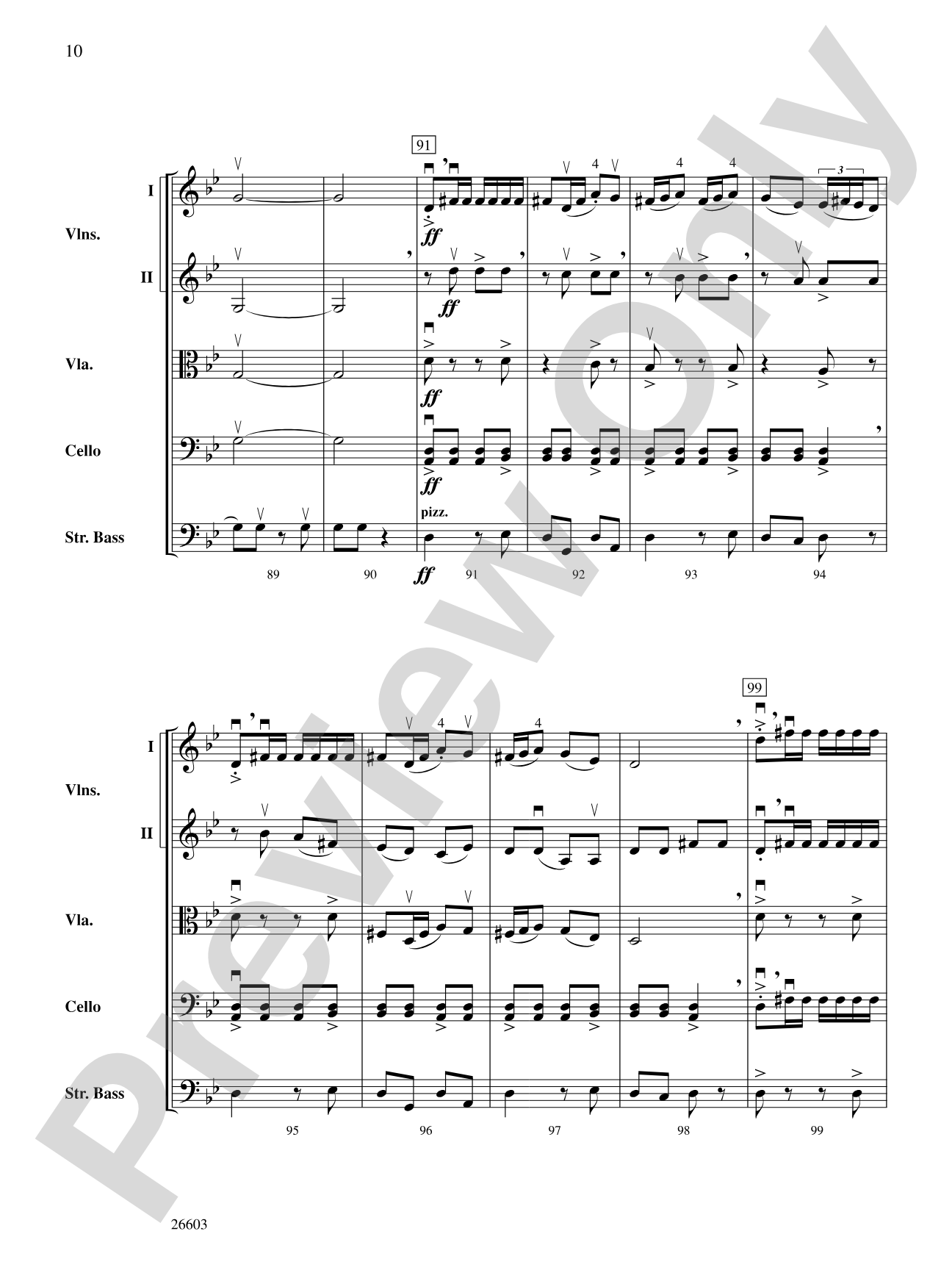
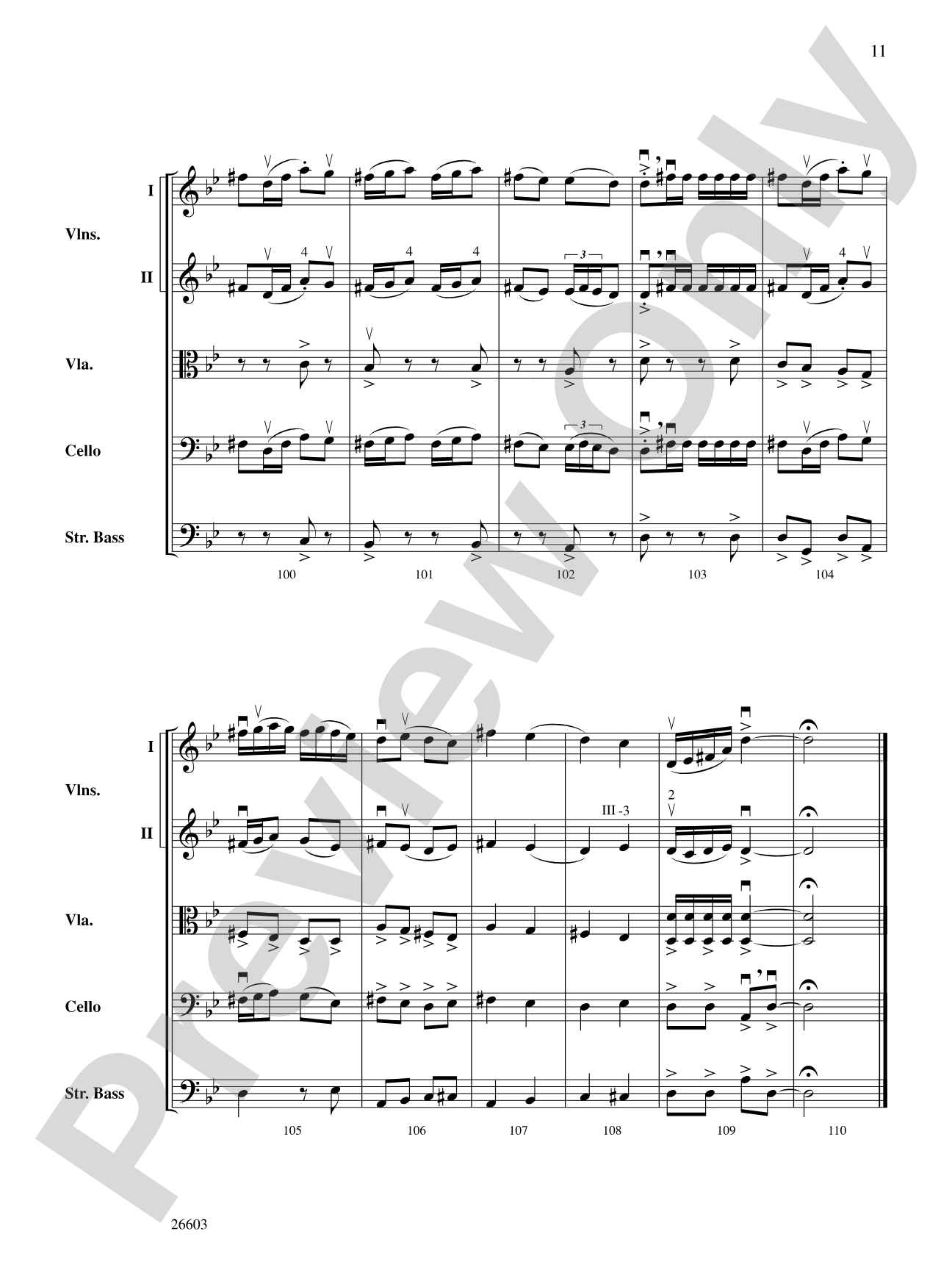


Lebedike Honga (A Lively Honga): String Orchestra Conductor Score & Parts
Traditional / arr. Julie Lyonn Lieberman
Grade: 3.5
Item: 00-PK-0001115

$48.00
Pickup currently not available
Buy Extra Parts (Digital PDF Download)
| Product | Price | Quantity |
|---|---|---|
| Lebedike Honga (A Lively Honga): Score | $7.00 | |
| Lebedike Honga (A Lively Honga): 1st Violin | $5.99 | |
| Lebedike Honga (A Lively Honga): 2nd Violin | $5.99 | |
| Lebedike Honga (A Lively Honga): Viola | $5.99 | |
| Lebedike Honga (A Lively Honga): Cello | $5.99 | |
| Lebedike Honga (A Lively Honga): String Bass | $5.99 |
Parts Added to Cart!
Description
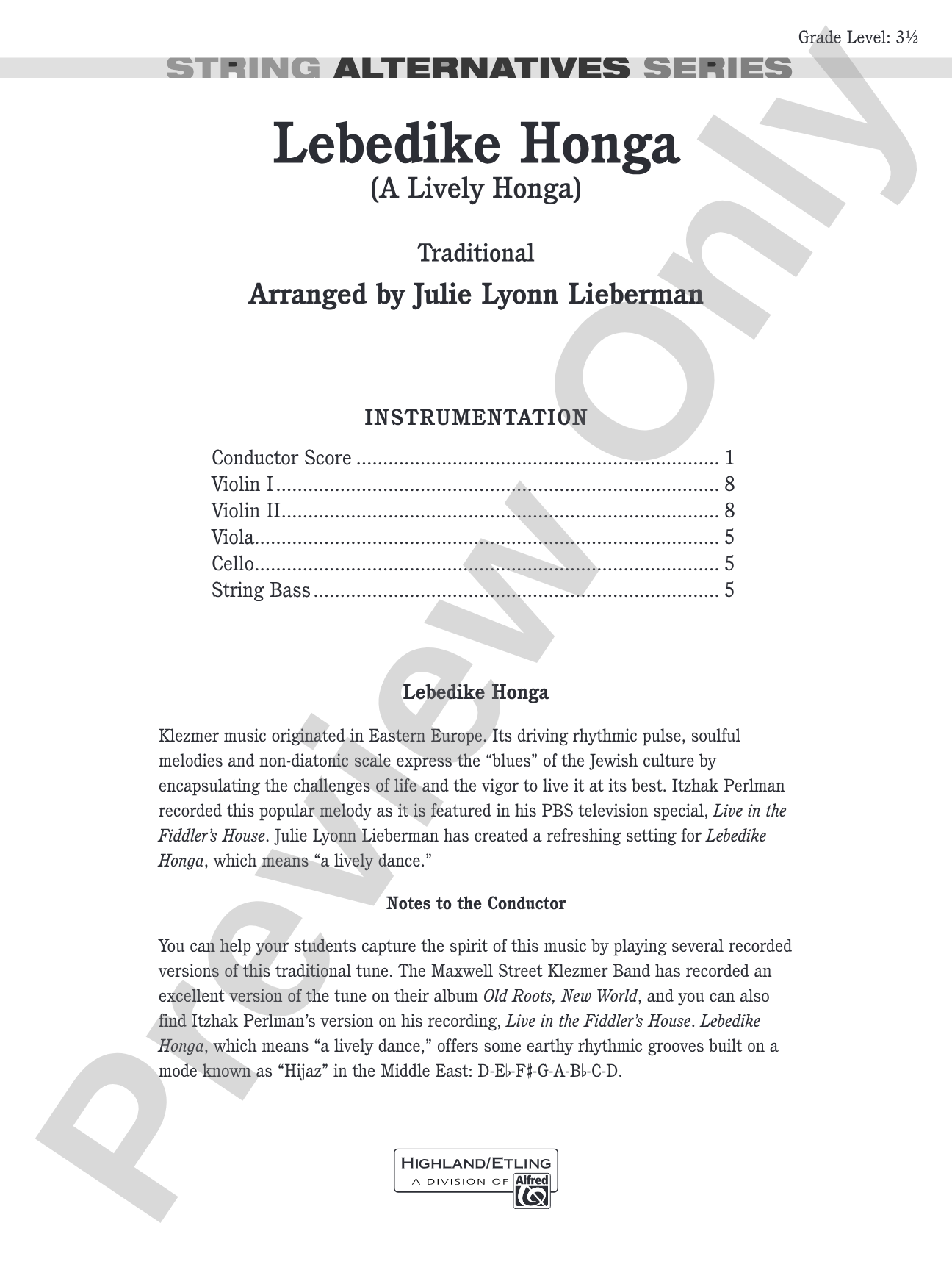
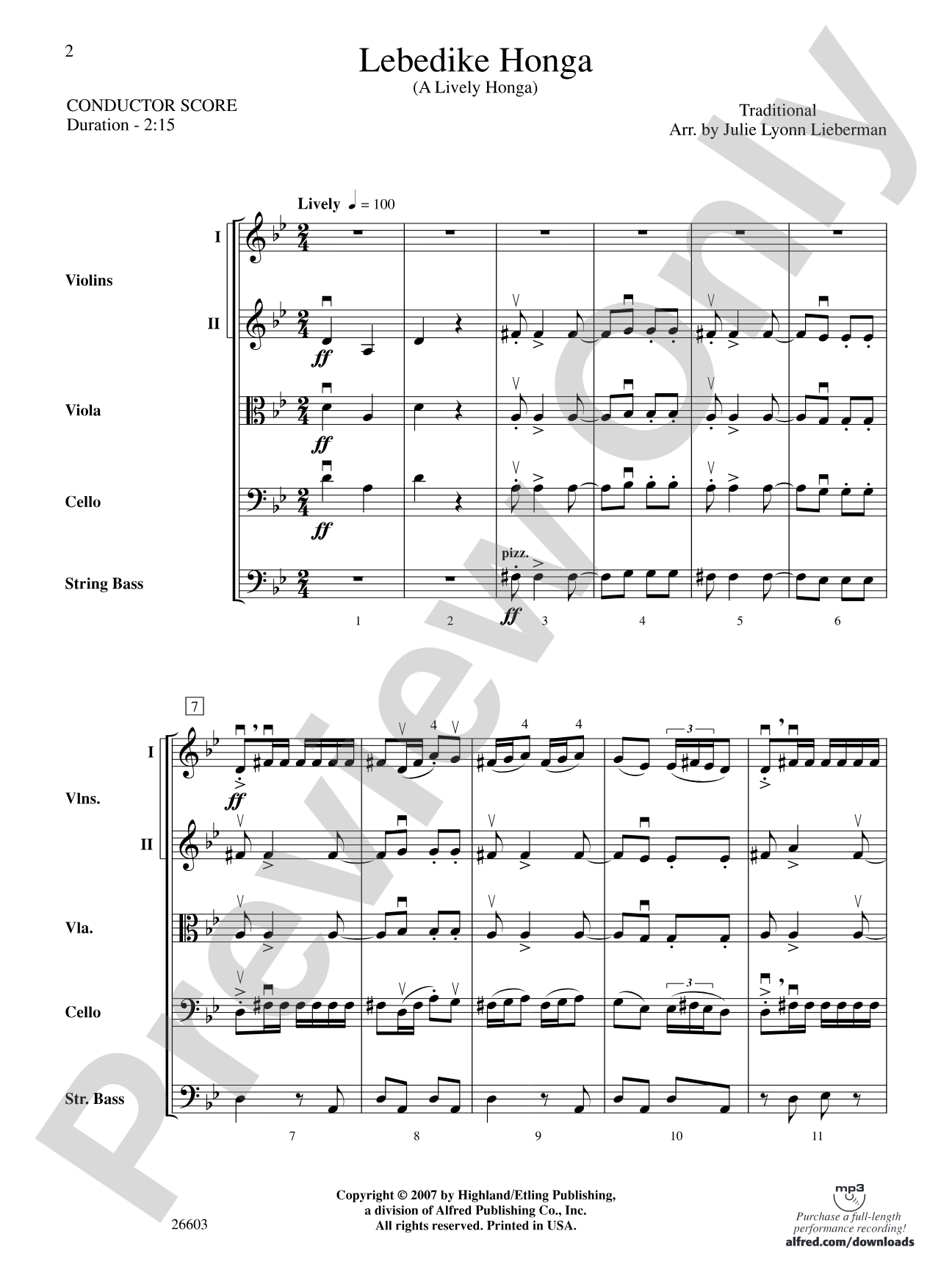
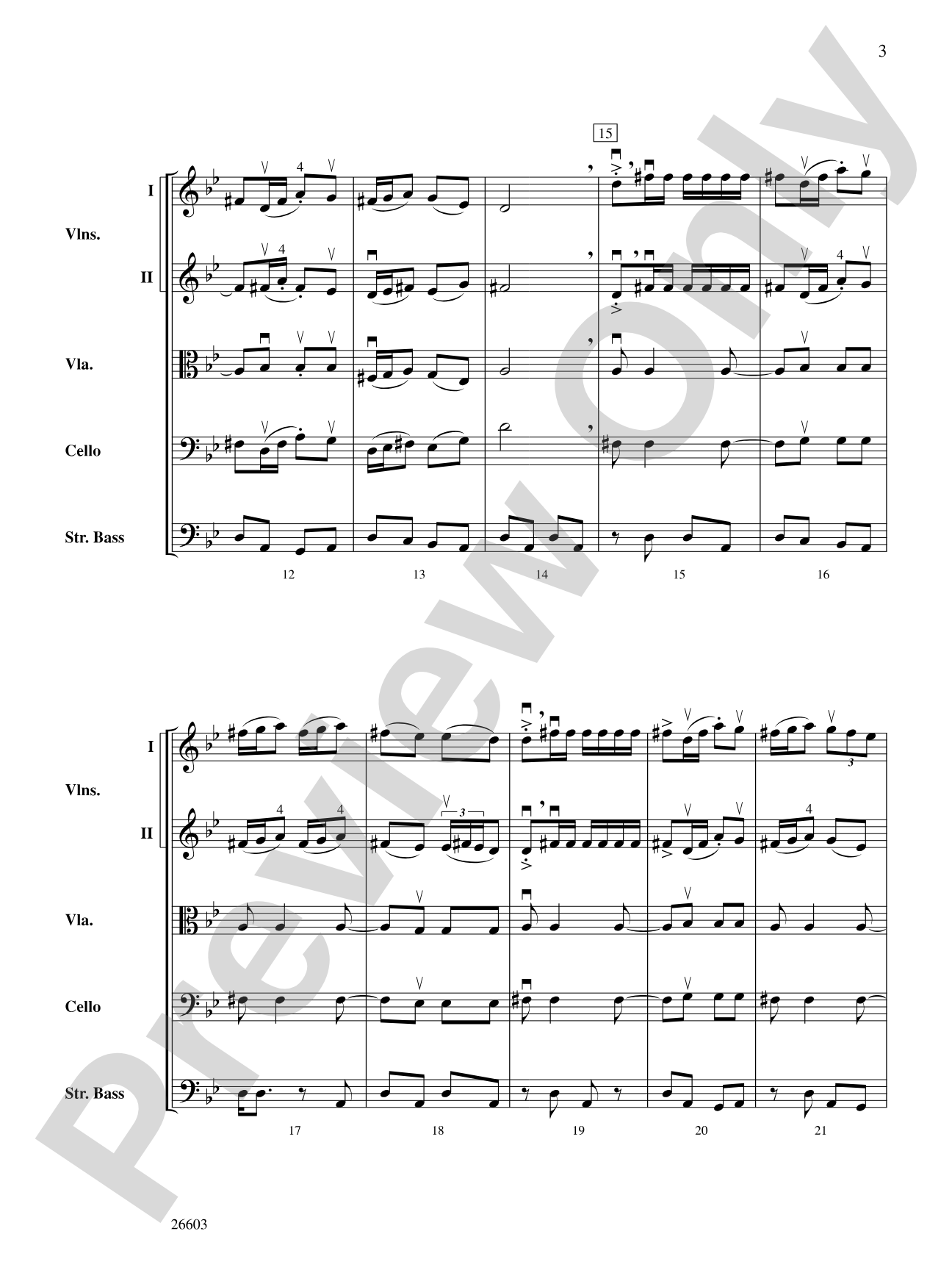
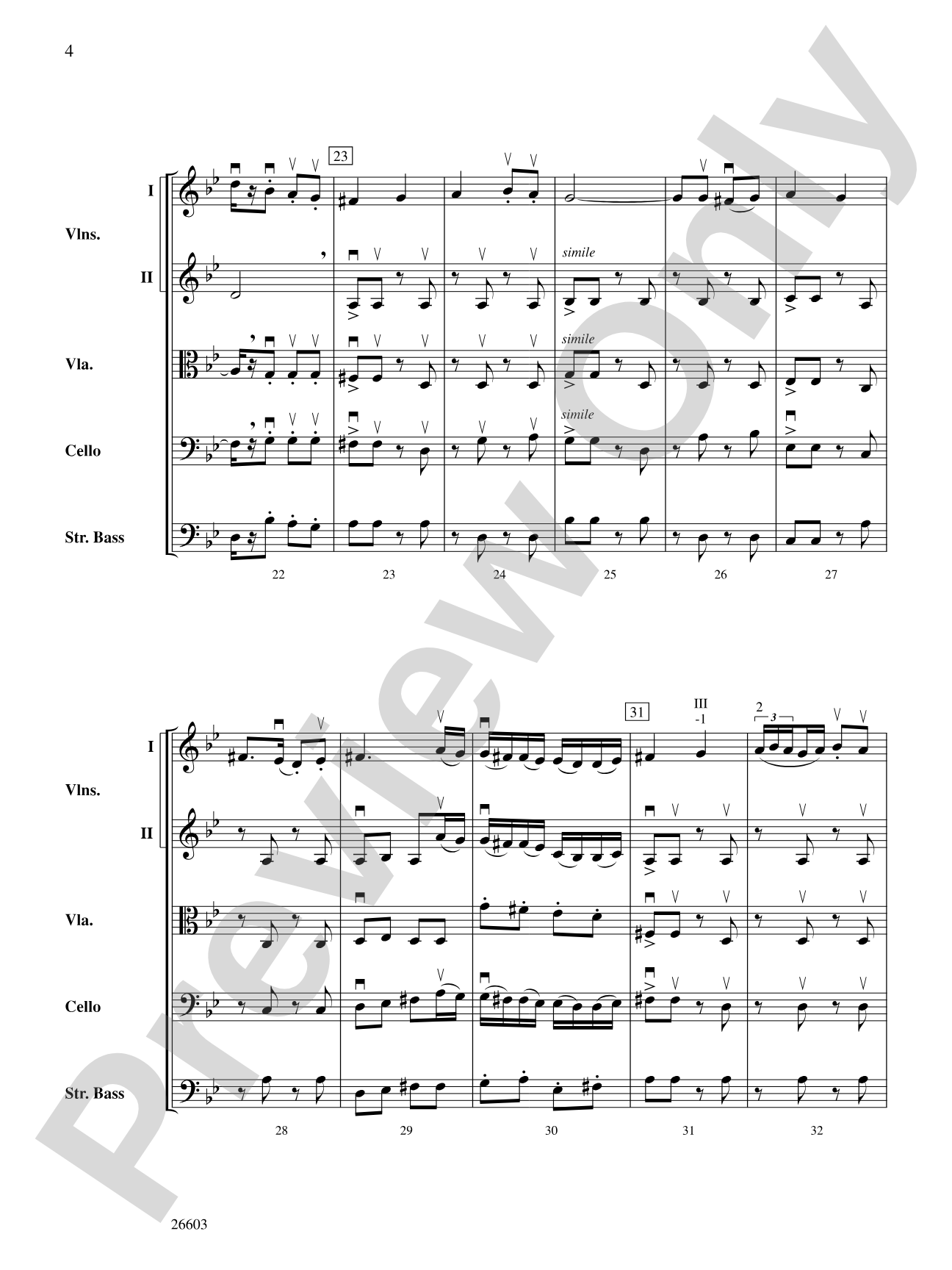
Klezmer music's driving rhythmic pulse, soulful melodies and non-diatonic scale expressed the "blues" in Jewish culture. Itzhak Perlman recorded this popular melody as part of his PBS television special Live In the Fiddler's House, Lebedike Honga, meaning "A Lively Dance," offers earthly rhythmic grooves. Its infectious spirit will buoy your students, put a smile on the audience's face, and may even inspire a few to dance in the aisles. This title is available in MakeMusic Cloud.


Don't just read it, hear it, play along with it, and watch your students grow with it. In MakeMusic Cloud, Lebedike Honga (A Lively Honga): String Orchestra Conductor Score & Parts comes alive with professional accompaniment, adjustable tempo, and built-in practice tools that turn solo practice into real progress.
Open in the Player
Jump straight in and assign it today.
Start Your Free Trial
Open this title and explore the full library in minutes.
Sample Audio
1
Audio File
--:--
0:00
0:00
Sample Video
No sample videos found.
Additional Details
Series:
Highland/Etling String Alternatives
Publisher:
Alfred Music
Page Count:
62
SKU:
00-PK-0001115
More about this title
About the Arranger: Julie Lyonn Lieberman
Julie Lyonn Lieberman is a violinist, composer, and educator who has spent decades bridging classical training with world music traditions and folk idioms. Her arrangements bring authentic cultural voices into the school orchestra repertoire while remaining accessible to student musicians, grounding her work in both musical integrity and pedagogical insight.
Why we love this
This arrangement captures the raw vitality of klezmer music without sacrificing playability. Lieberman preserves the genre's rhythmic swagger and modal color while writing parts that engage every section of the orchestra, making it equally rewarding for advanced Grade 3 groups and developing Grade 4 ensembles.
What to expect
Lebedike Honga pulses with infectious joy and earthiness. The soulful melodies sit atop driving rhythmic grooves that feel both grounded and irrepressible, inviting listeners to move whether they intend to or not.
Who it's for
String orchestras at the intermediate level who want to explore folk traditions beyond European classical canon. It works equally well for groups seeking a high-energy concert closer or for programs celebrating cultural diversity.
How to get the most out of it
- Anchor the rhythmic grooves in the lower strings. The vitality of klezmer music depends on a steady, slightly pushed pulse from cellos and basses rather than metronomic precision.
- Shape the soulful melodies with flexibility and rubato, letting the main voice (typically first violins) breathe and lean into the emotional contours of the line.
- Emphasize the non-diatonic scale passages clearly in rehearsal so students hear how the modal color creates the "blues" quality of the music.
- Allow the ensemble to lift slightly at phrase endings rather than stopping dead. This reflects the improvisational spirit of the tradition.
How to use it
Program this in the second half of a concert where the audience has settled in and you want to shift the energy. Its celebratory character makes it an excellent pairing with other folk or world music titles, or it can stand alone as a spirited contrast to more formal classical repertoire.
Skills your students will build
- Playing with rhythmic precision and drive in folk idioms
- Navigating non-diatonic scales and modal harmony
- Shaping melodic lines with rubato and expressive flexibility
- Balancing independent rhythmic voices within the ensemble
- Understanding klezmer music's cultural and musical context