Learn to Fly Sheet Music Preview

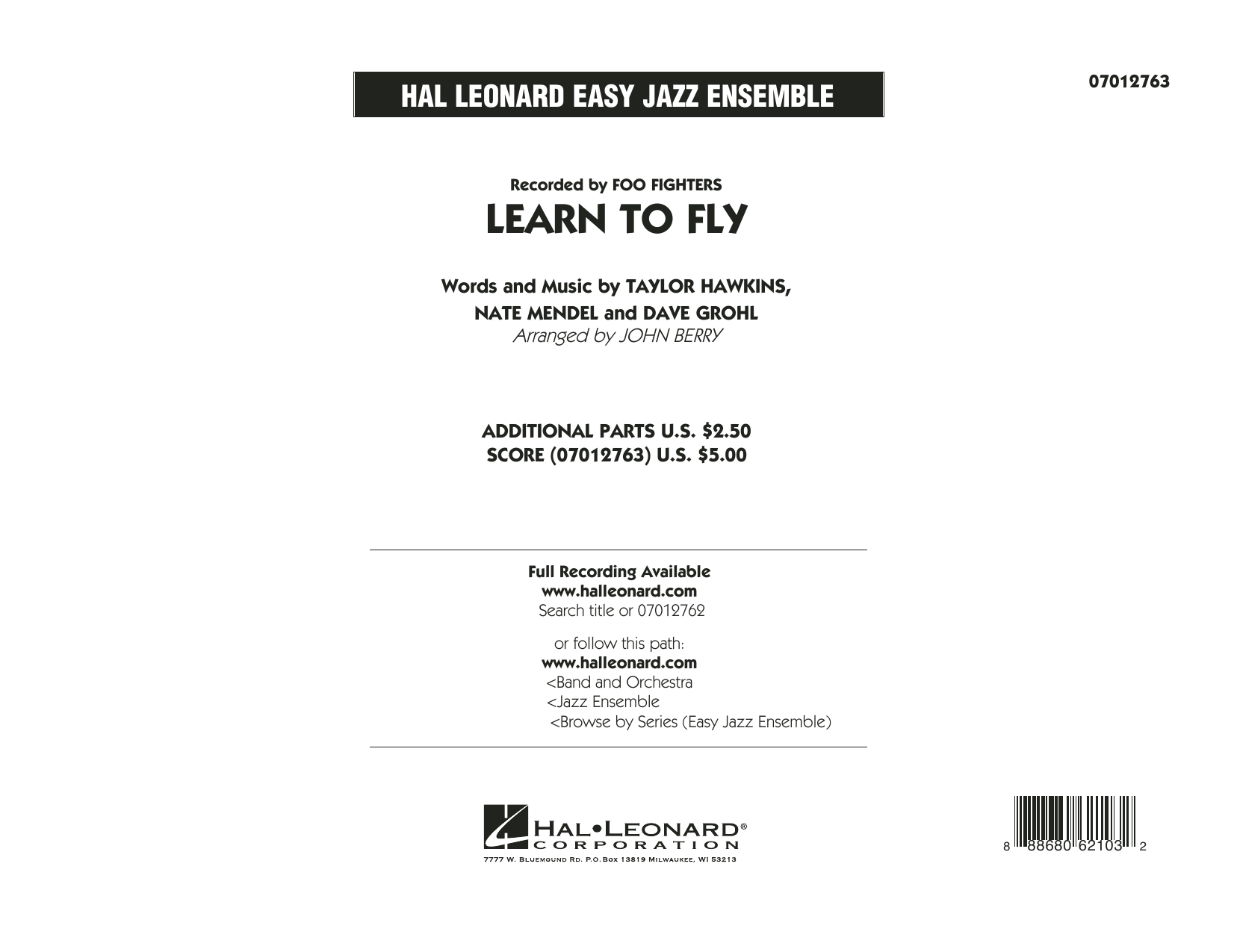
Learn to Fly: Jazz Ensemble Conductor Score & Parts

As performed by Foo Fighters / Arranged by John Berry

Grade: 2

Item: 35-PK00337616

Digital Download
$40.00

One moment…

Description
This rock tune recorded by the Foo Fighters has remained a favorite ever since its release in 1999. John Berry expertly trades the melody around from section to section in this great sounding chart for young players that requires no solos.

Learn to Fly: Jazz Ensemble Conductor Score & Parts isn't in MakeMusic Cloud just yet...but it could be. Let us know you'd like to see it, and you'll help shape what comes next. In the meantime, start a free trial and dive into thousands of interactive titles your students can play along with today.

Sample Audio
No sample audio found.
Sample Video
Additional Details
Publisher: Hal Leonard
SKU: 35-PK00337616

More about this title

About the Artist: Foo Fighters

Foo Fighters emerged from the Seattle grunge scene in the mid-1990s, fronted by Dave Grohl following his time as drummer for Nirvana. The band's accessible yet energetic rock sound made them one of the most commercially successful acts of their era, with "Learn to Fly" becoming one of their signature tracks upon its 1999 release.

For music educators, Foo Fighters represent the bridge between classic rock sensibilities and contemporary pop accessibility. Their catalog offers straightforward melodic hooks and driving rhythms that resonate with student musicians, making arrangements of their work particularly engaging for younger ensembles.

Why we love this

John Berry's arrangement captures everything that makes this tune work: the irresistible hook, the kinetic forward momentum, and the kind of energy that doesn't depend on virtuosic soloing. Grade 2 charts this accessible rarely sound this polished, with the melodic trading among sections creating natural ensemble texture while keeping technical demands manageable. Your students will sound genuinely good playing this.

What to expect

This chart captures the breezy, optimistic quality of the original recording. There's a lightness to it despite the rock foundation, with enough harmonic movement to stay interesting without ever feeling heavy or complex. Playing it feels like momentum; your ensemble builds something that carries the room along with it.

Who it's for

Jazz ensemble directors at the middle school and early high school levels will find this especially valuable. It works for groups that aren't quite ready for the technical demands of Grade 3 material but need something with real personality and contemporary relevance.

How to get the most out of it

  • Lock the groove first. The chart relies on a consistent rhythmic pocket, so establish that foundation before worrying about blend or balance.
  • Treat the melodic exchanges between sections as conversations rather than solo moments. This keeps the arrangement flowing smoothly and prevents awkward handoffs.
  • Keep the energy lifted but controlled. The tune wants to soar, but young ensembles often rush when they get excited. A steady, intentional tempo helps maintain shape.
  • Balance your rhythm section carefully. With no solos to anchor attention, the drums and bass carry responsibility for keeping the ensemble grounded.

How to use it

Program this alongside other contemporary rock or pop arrangements to show students that jazz ensemble repertoire extends well beyond standards and swing. It also works beautifully in a pops concert where you want to establish your jazz program's contemporary chops without the weight of heavier material. The no-solo format makes it flexible for guest performers or situation where you want full ensemble texture throughout.

Skills your students will build

  • Trading melodies across instrumental sections with rhythmic clarity
  • Maintaining steady groove under section solos and ensemble figures
  • Reading and executing syncopated rhythms in rock/pop context
  • Balancing melody and accompaniment roles within an ensemble texture
  • Interpreting stylistic articulation and phrasing in popular music

You May Also Like