
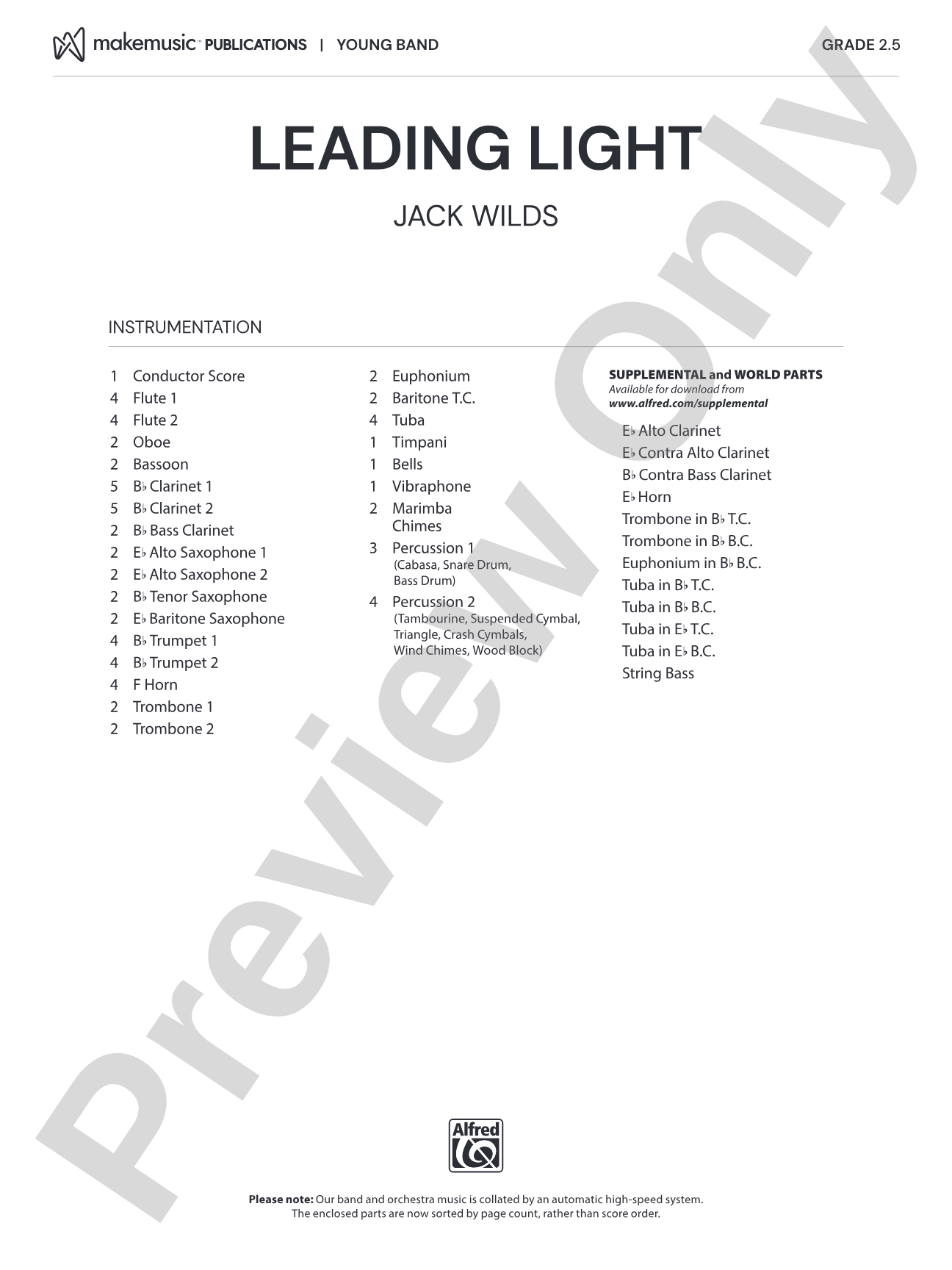
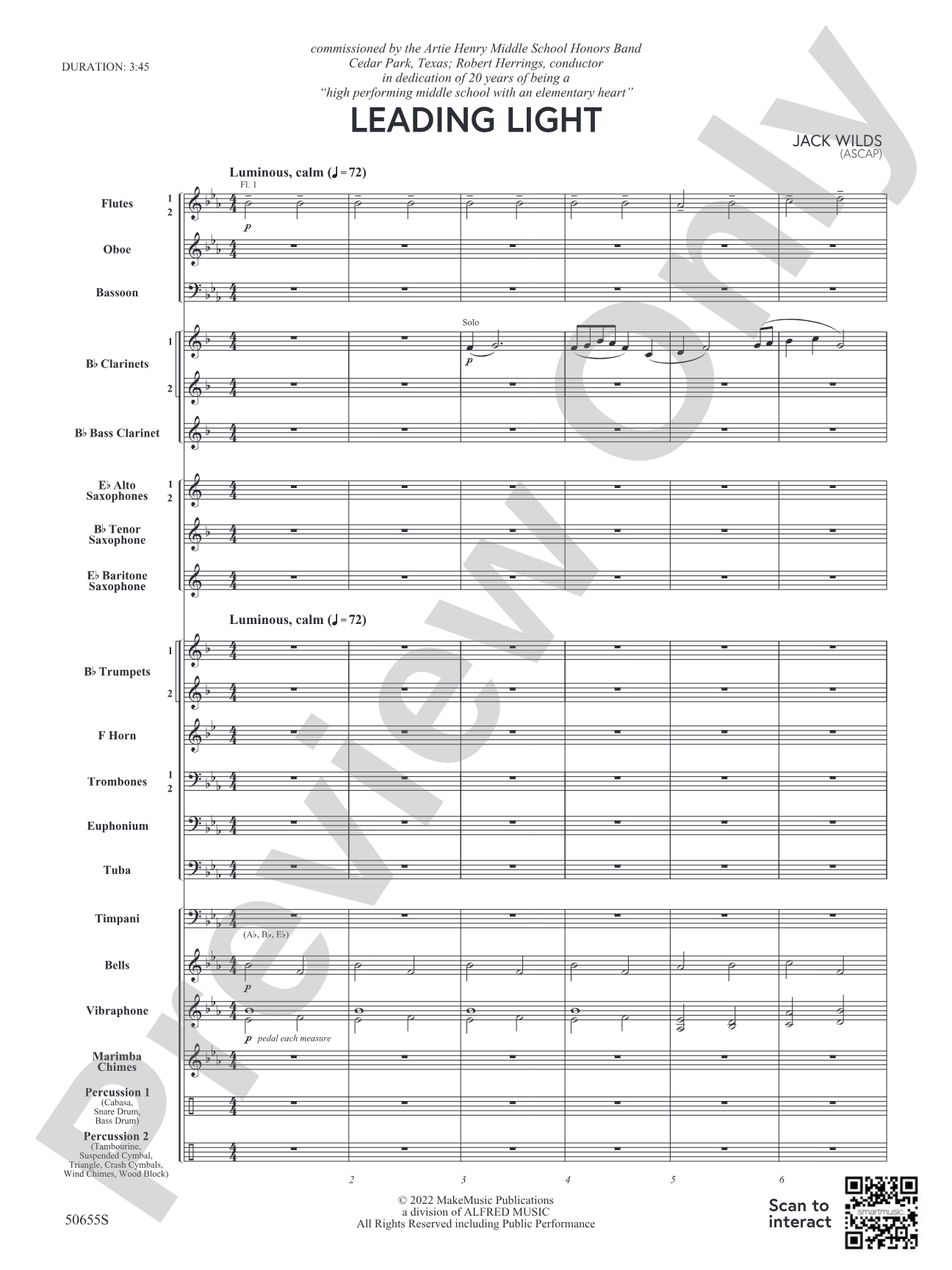
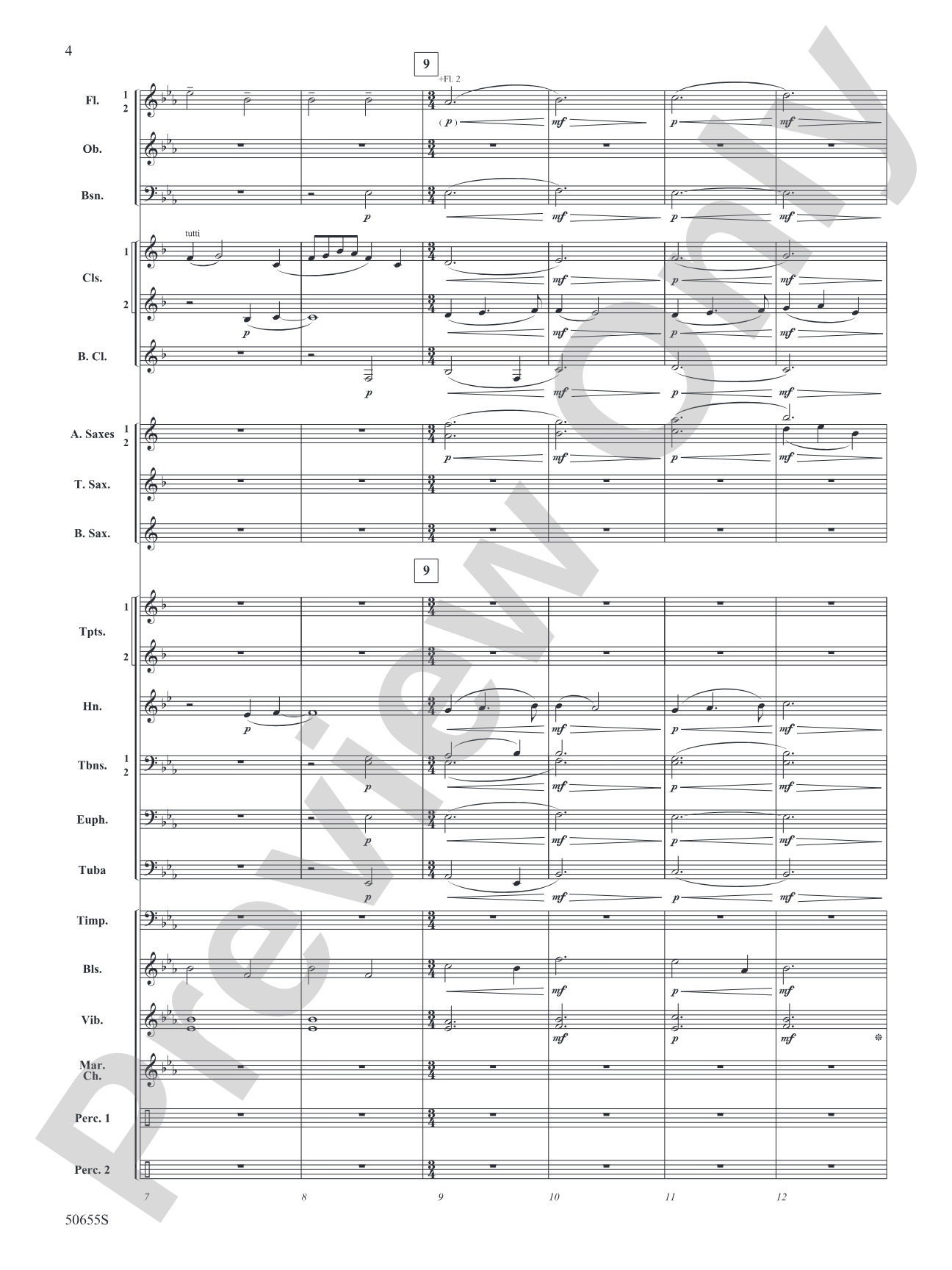
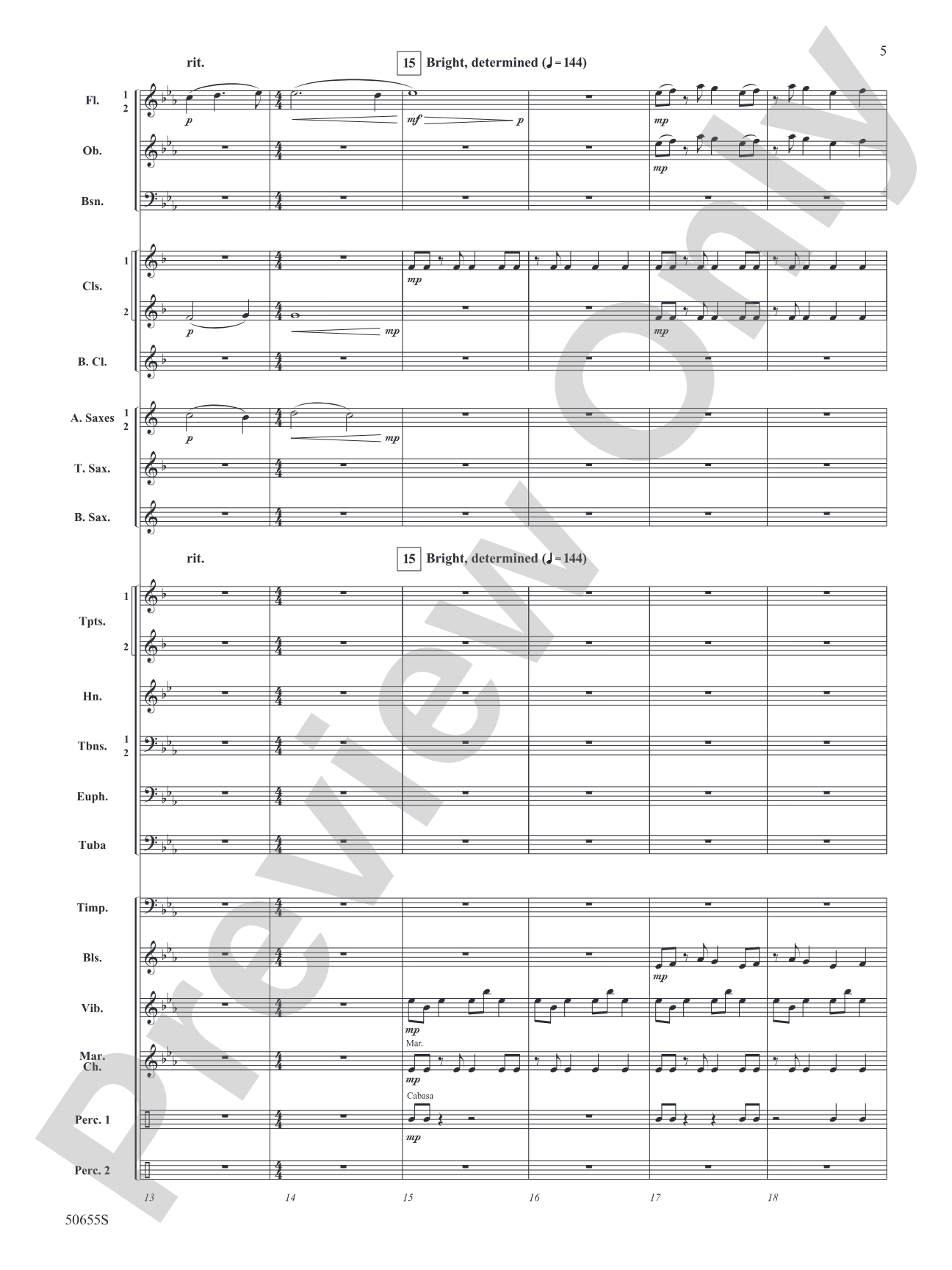
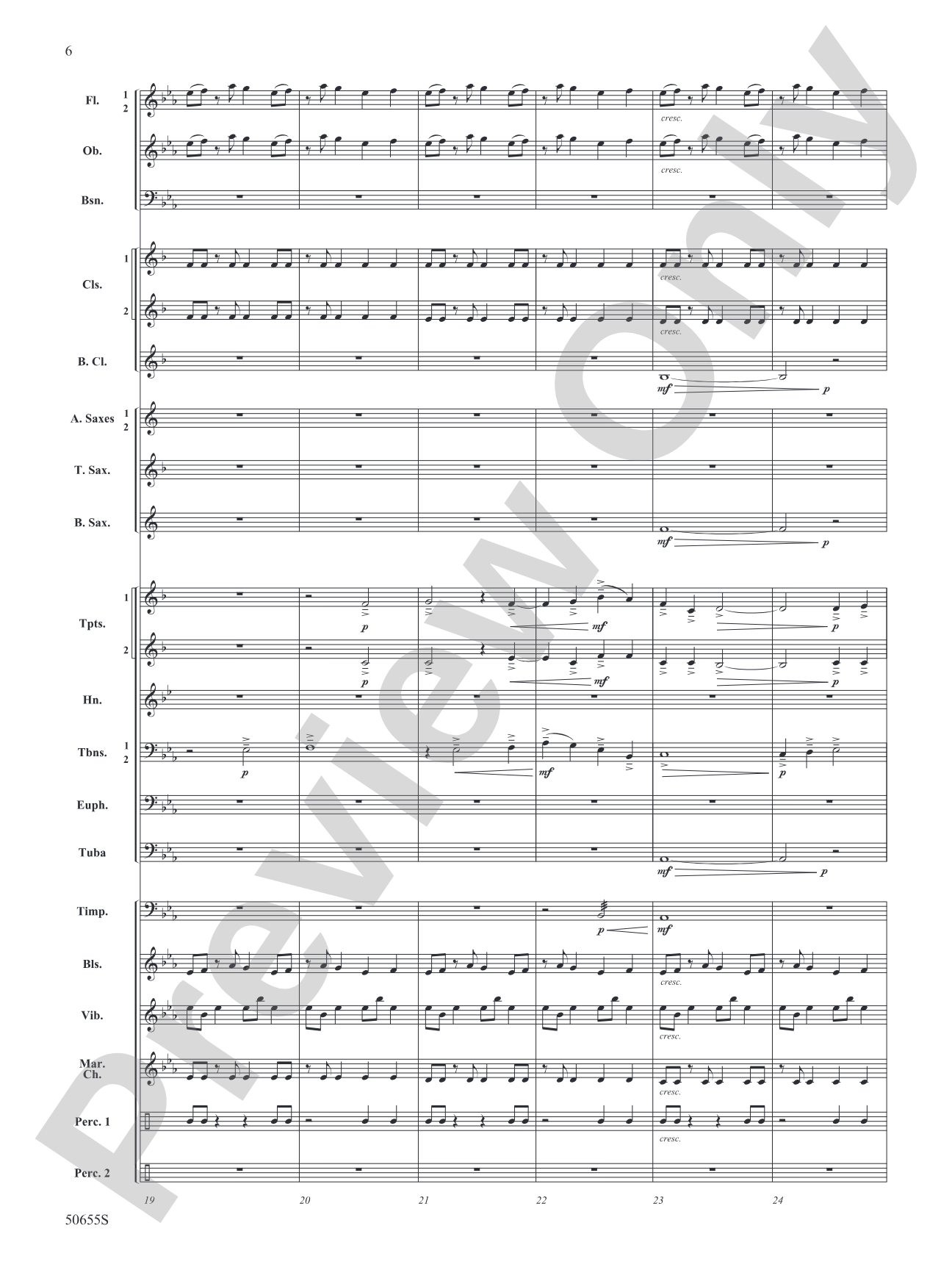
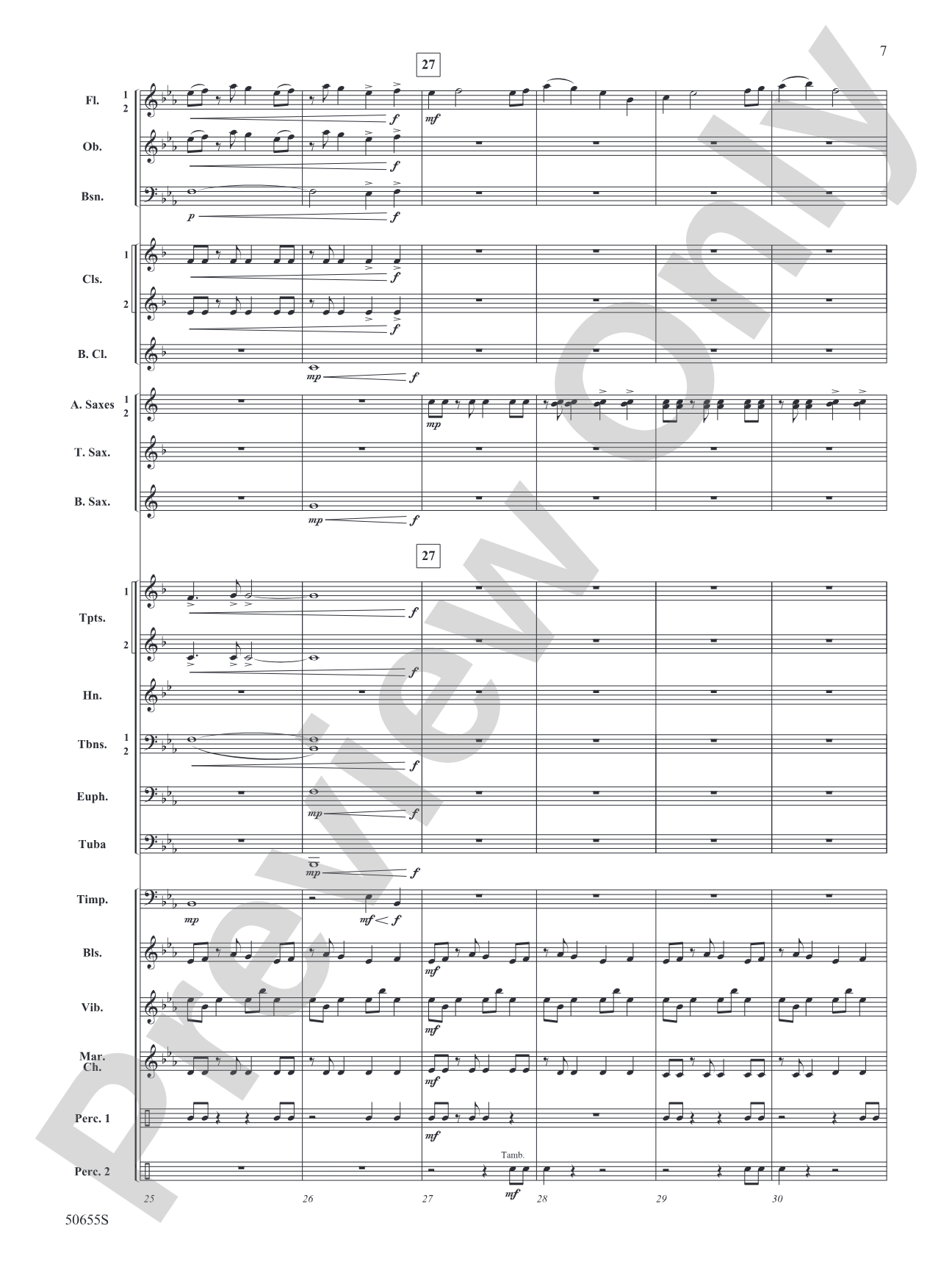
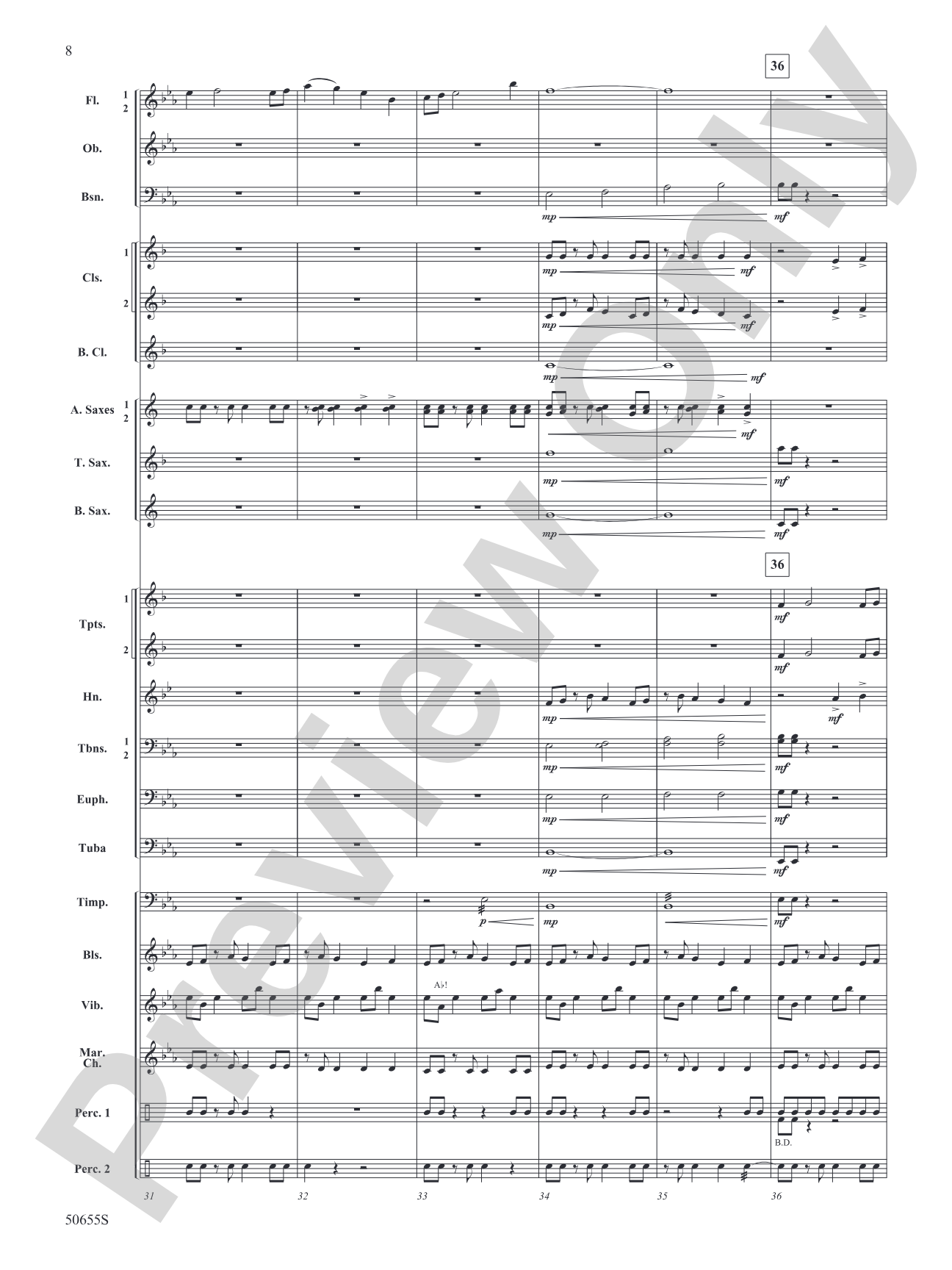
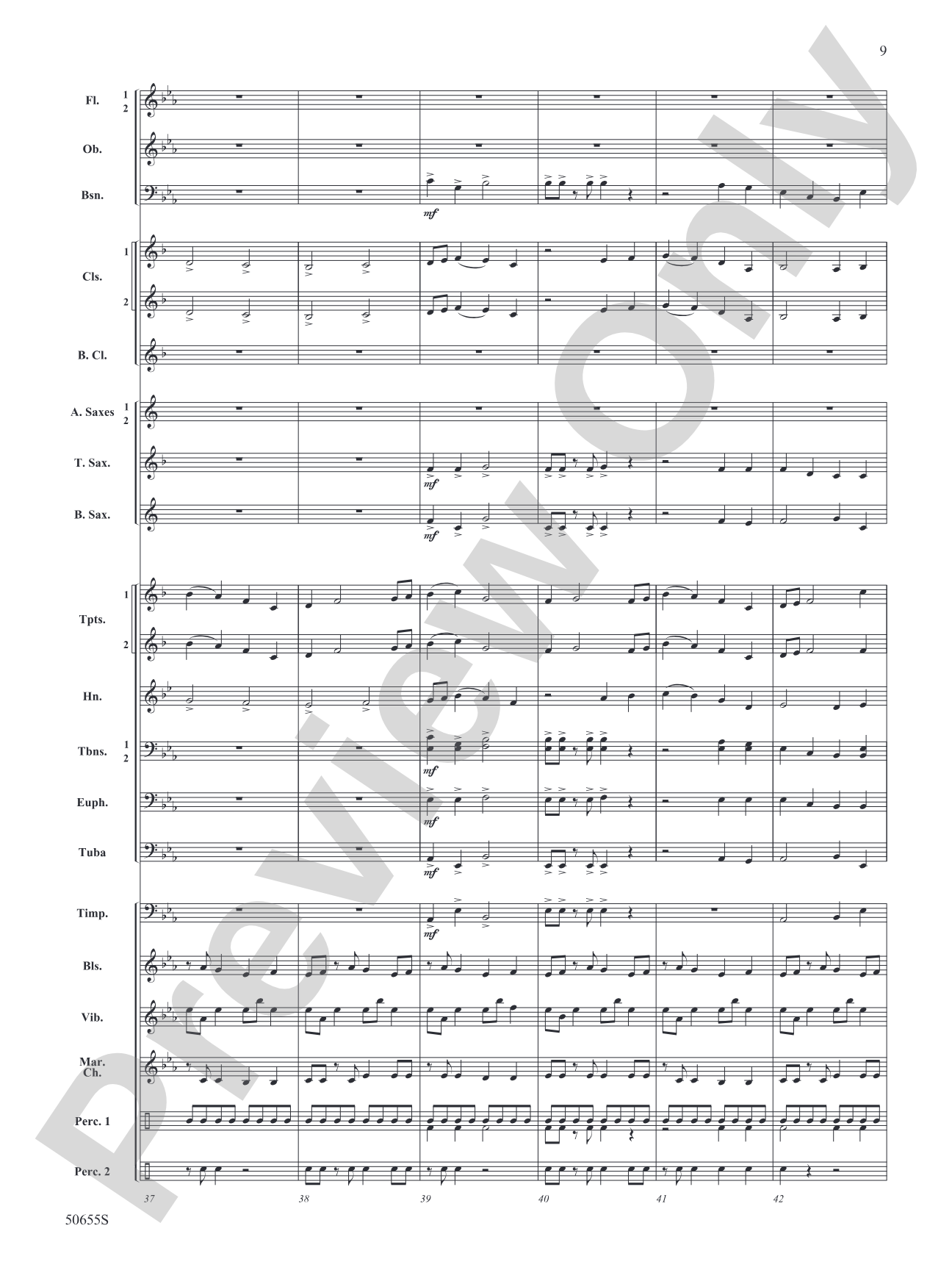
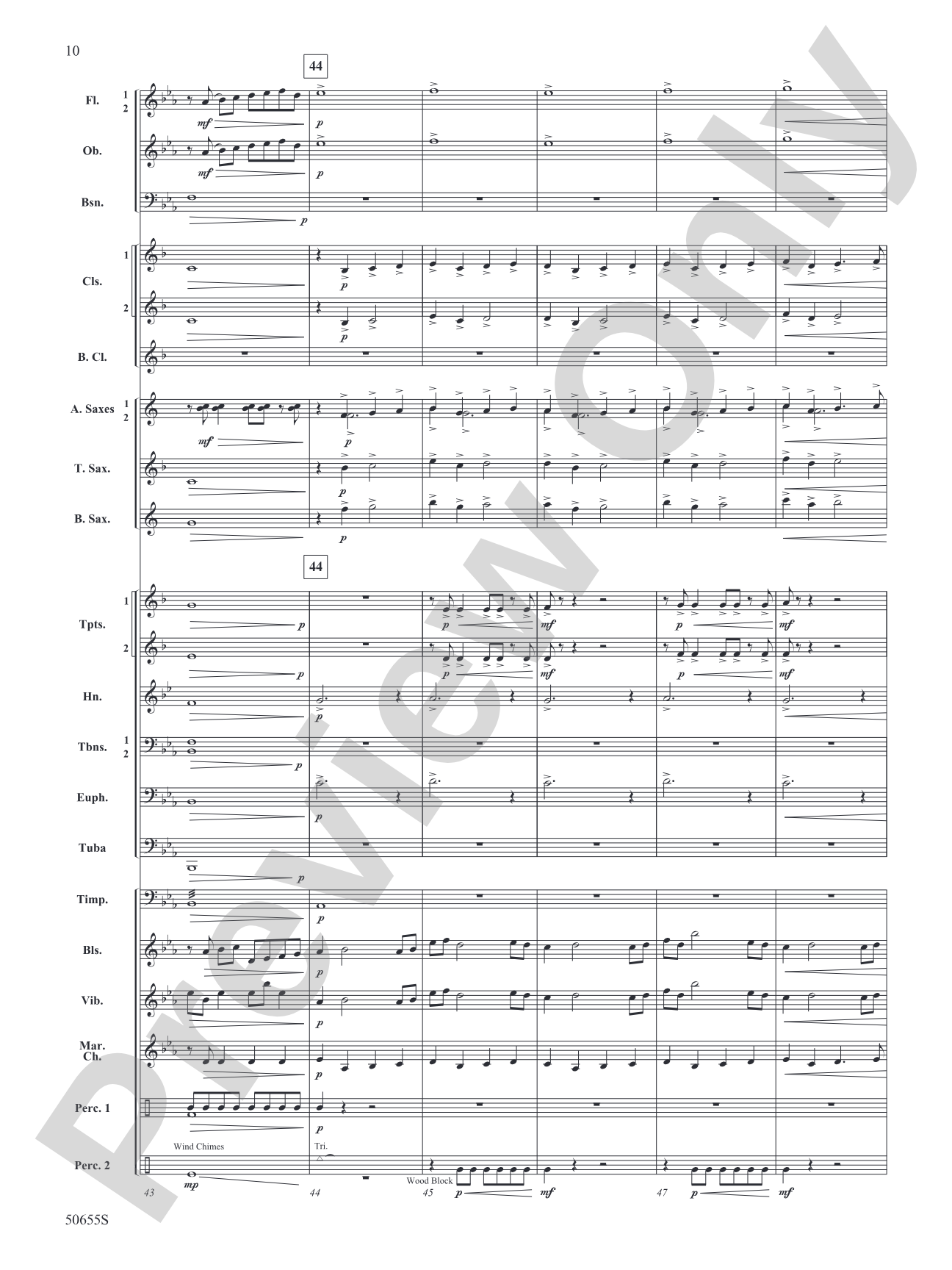
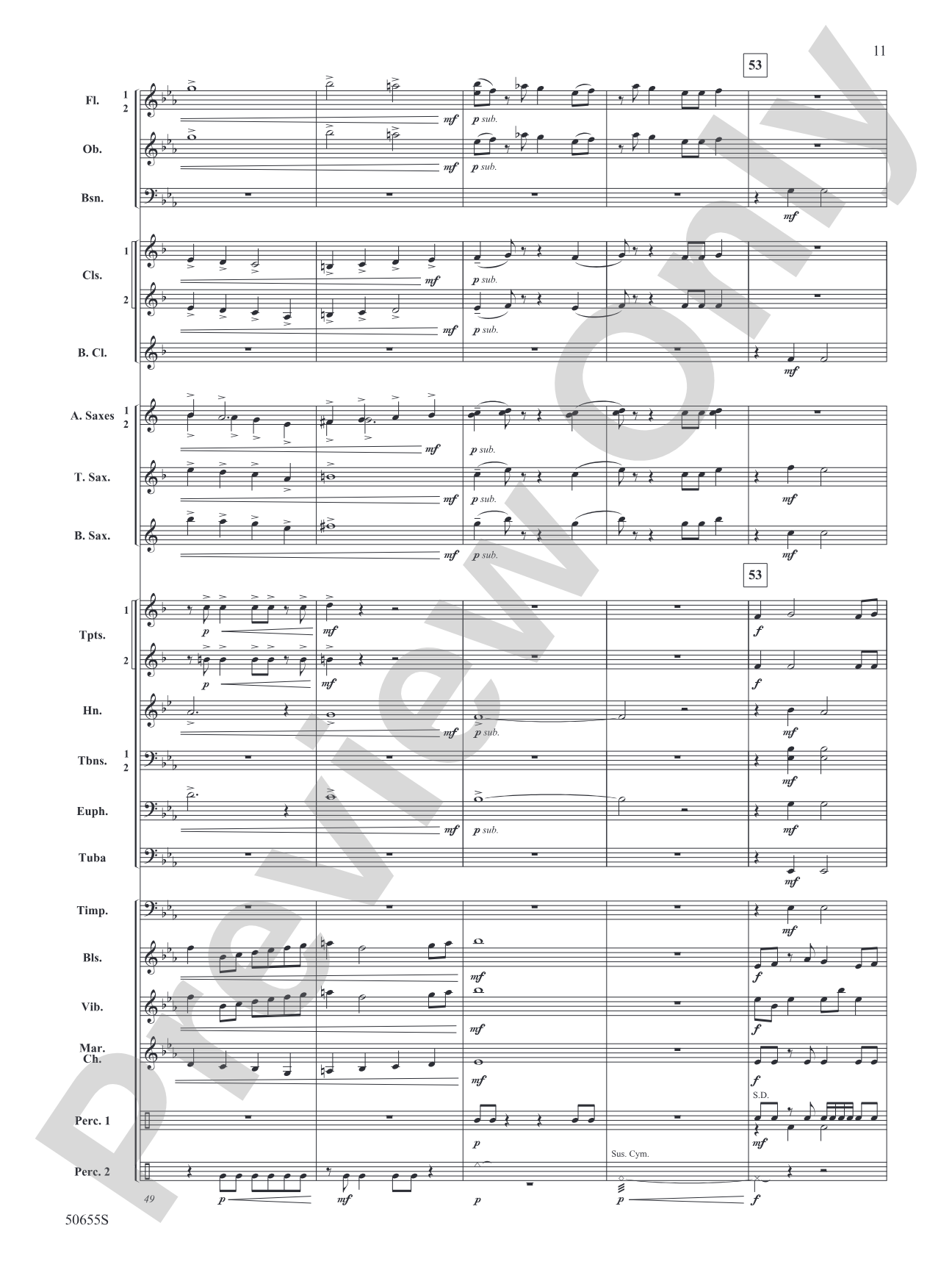
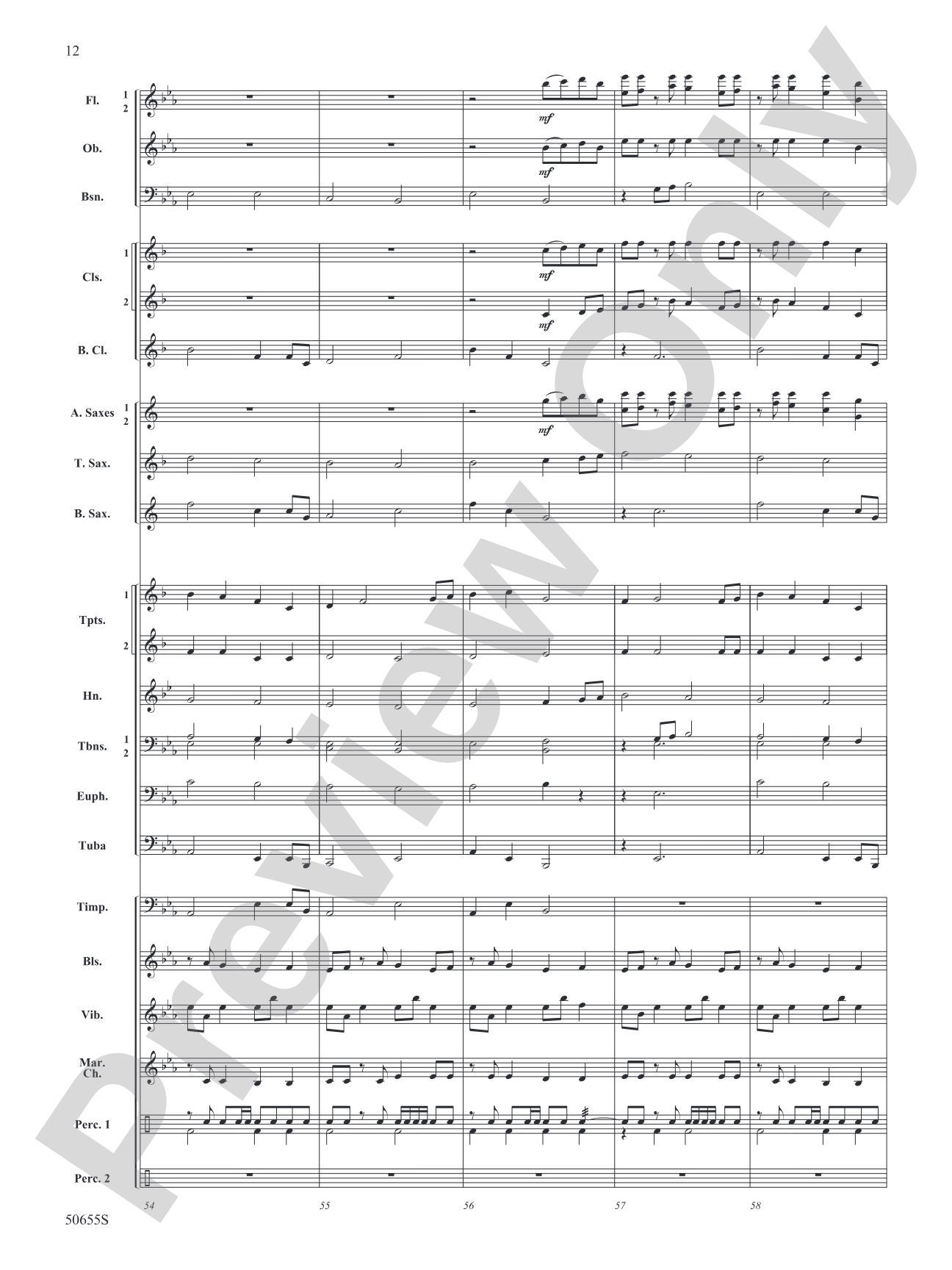
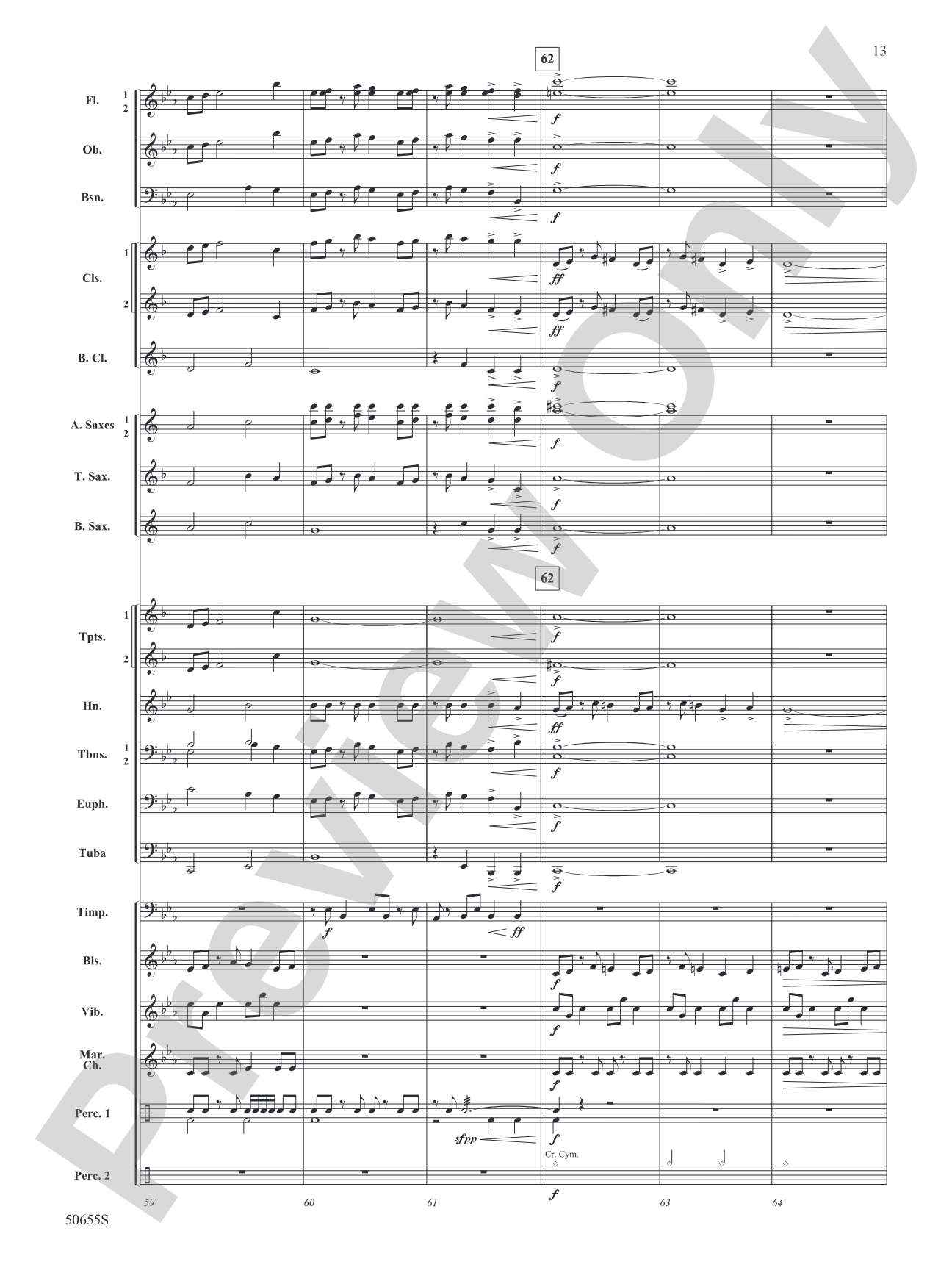
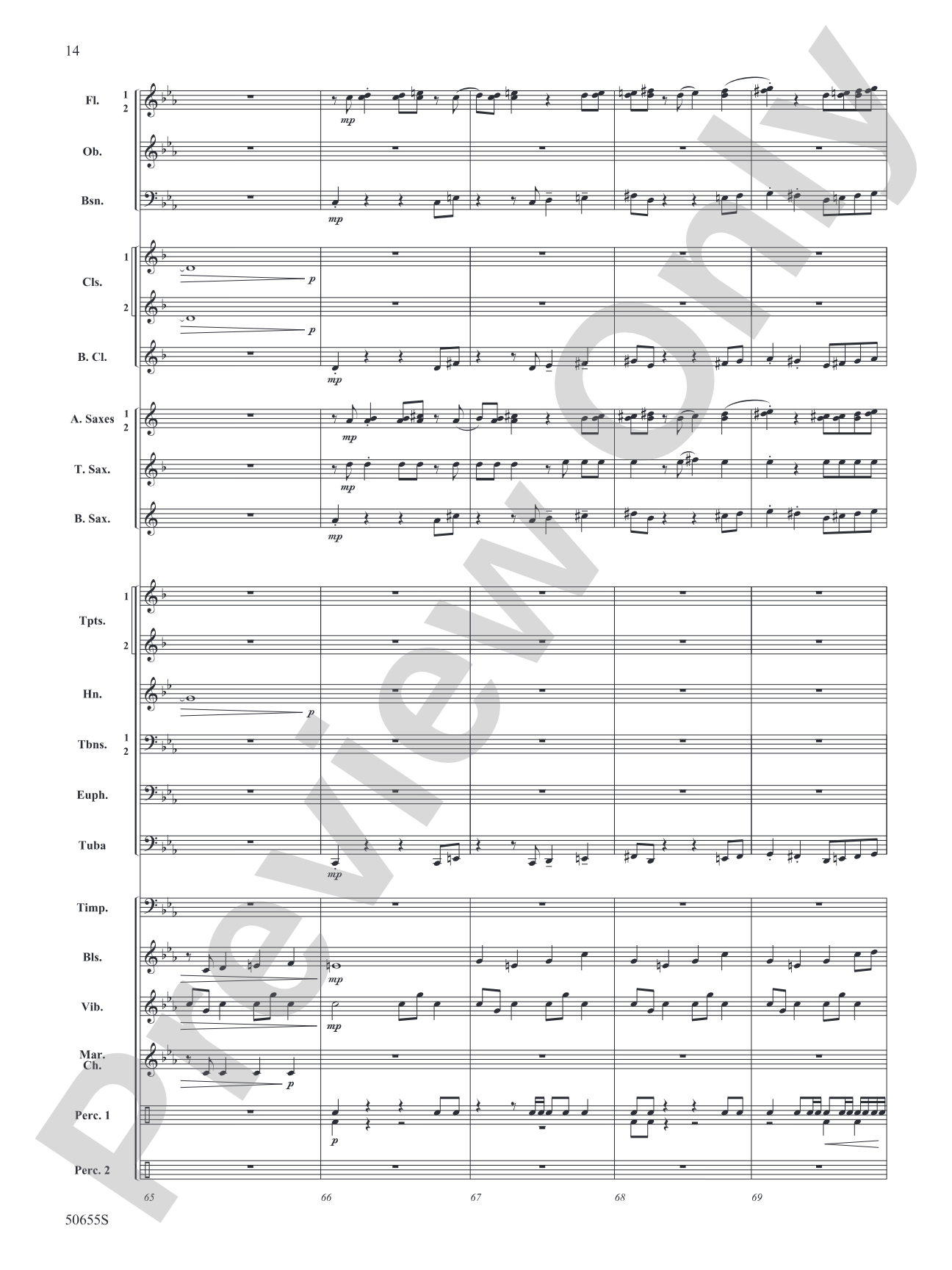
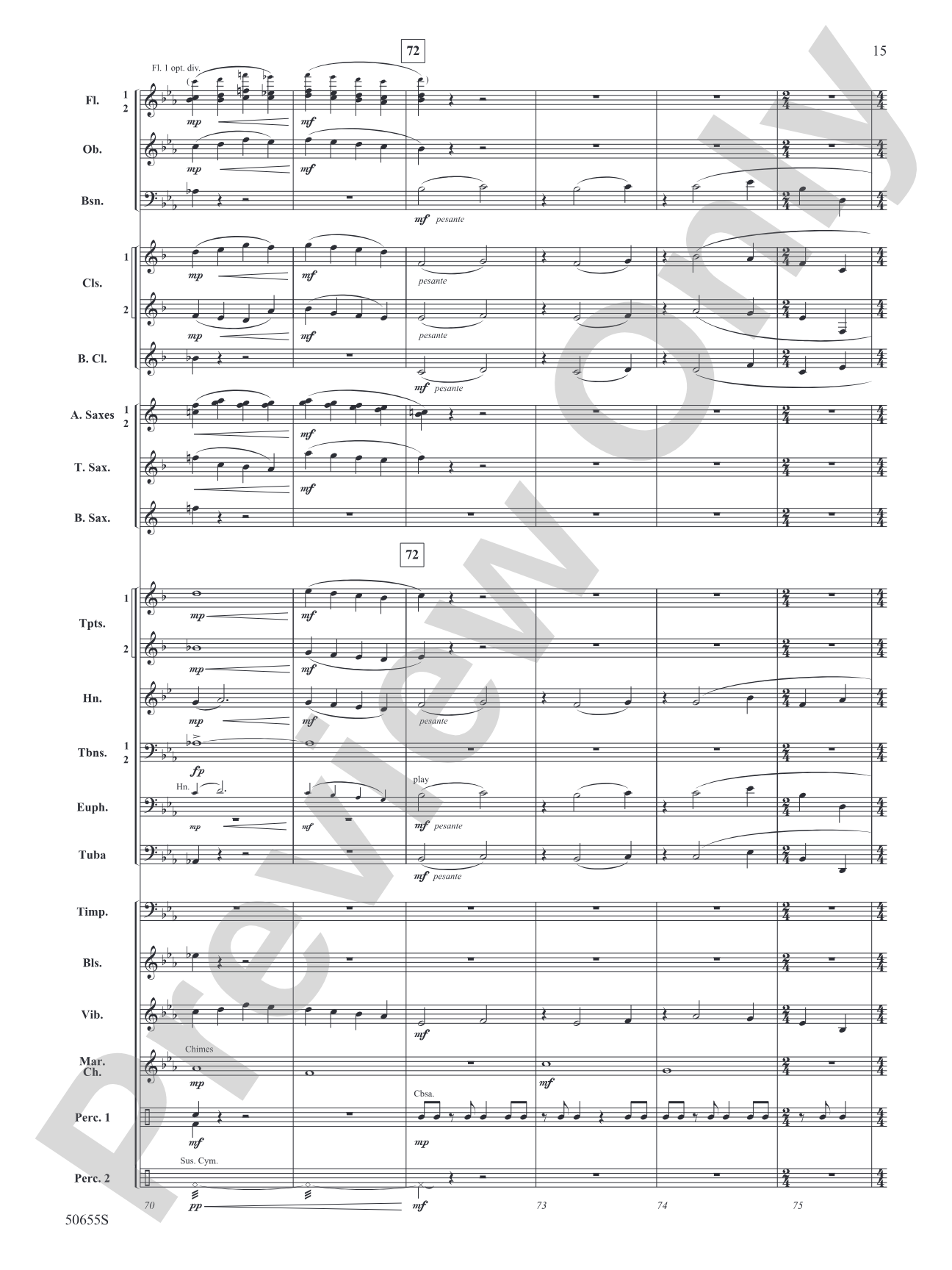
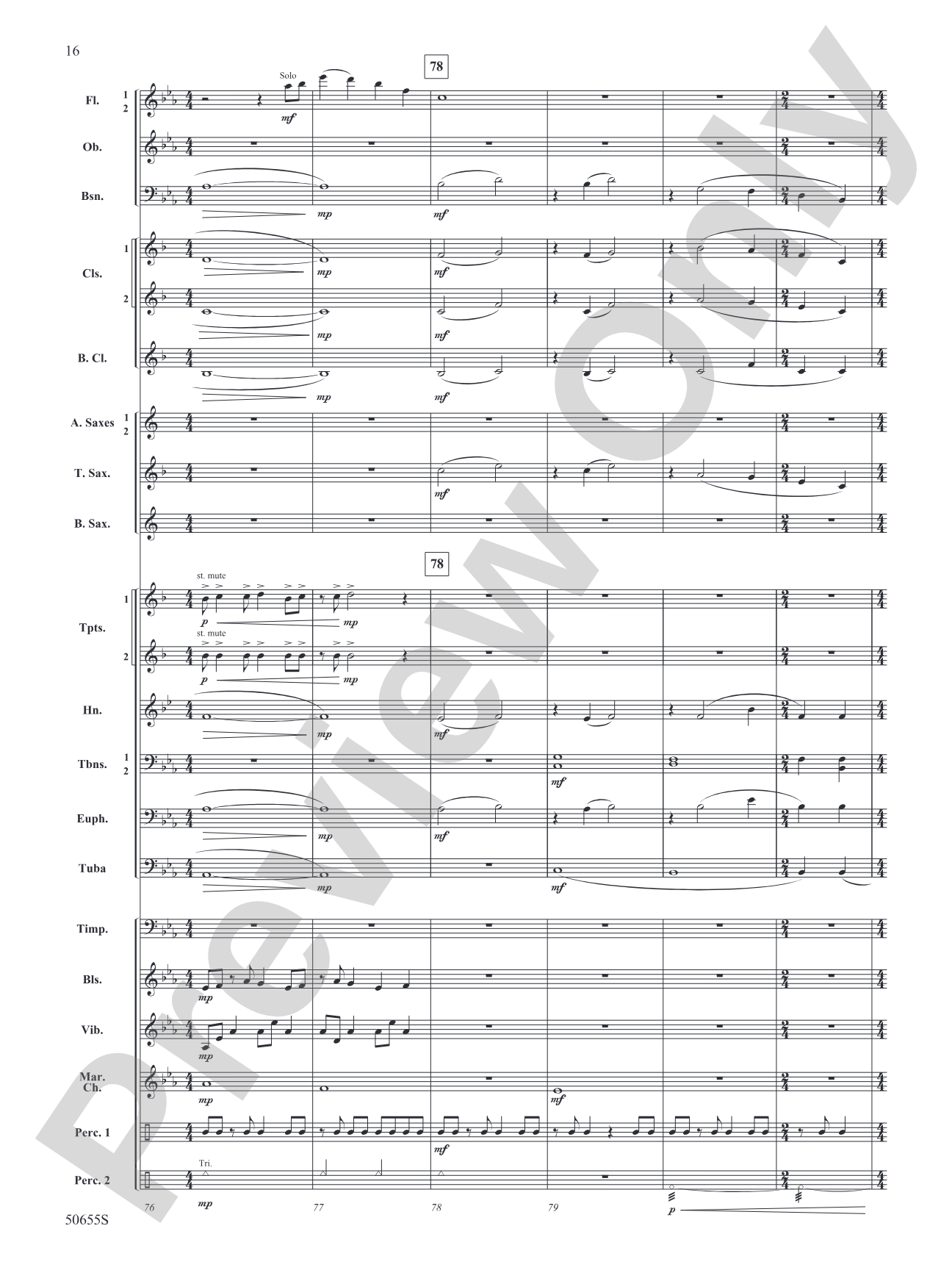
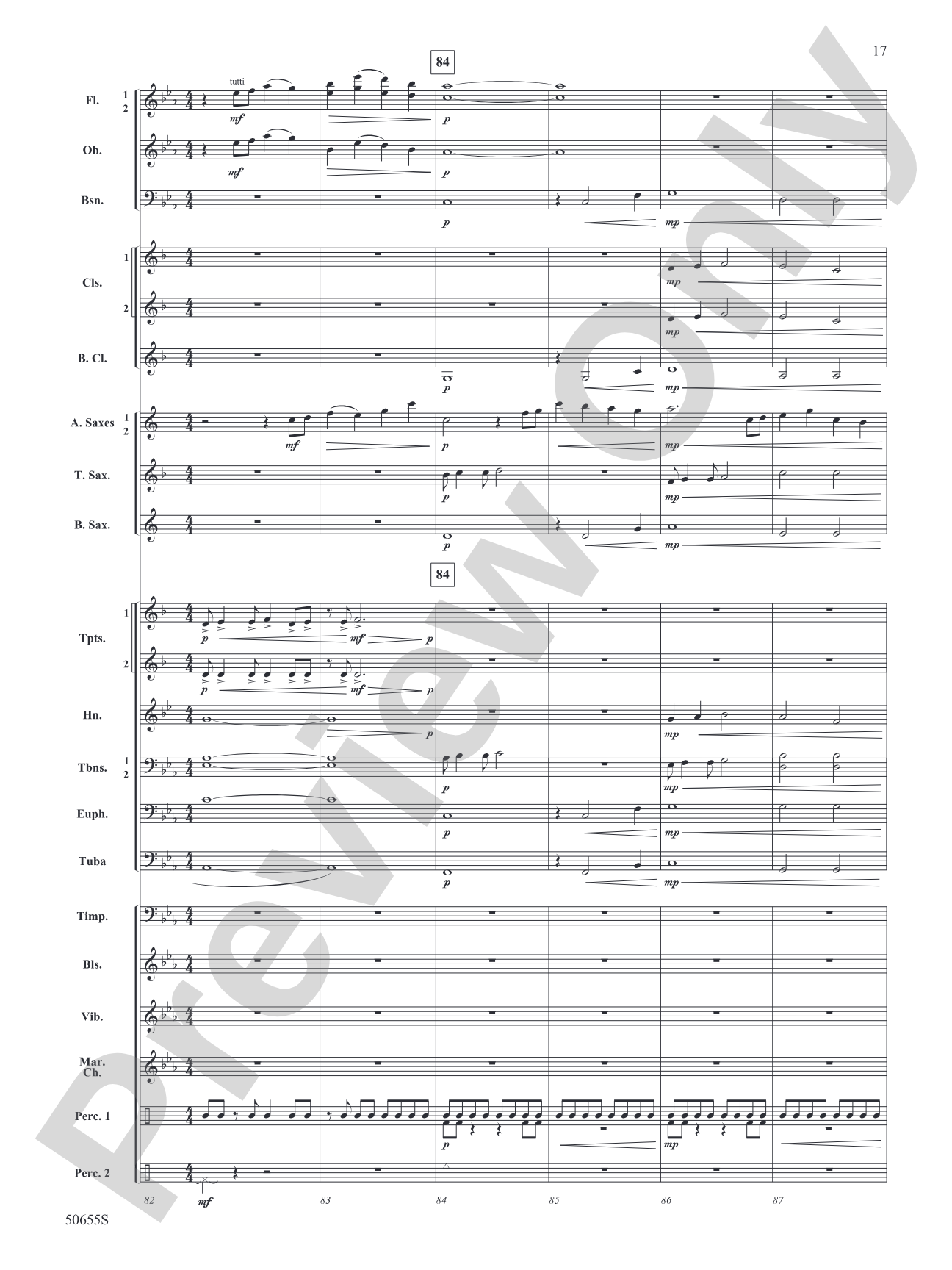
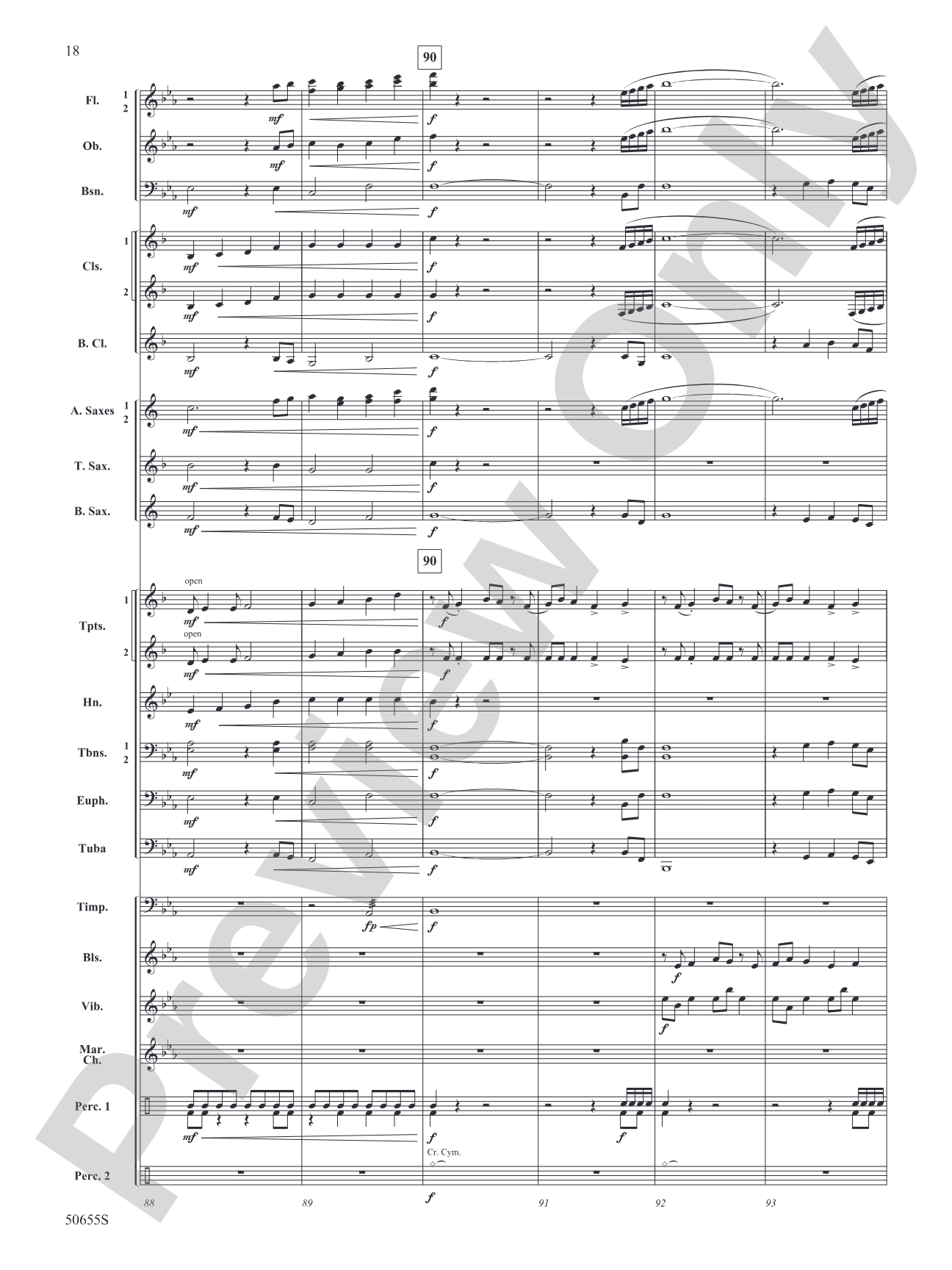
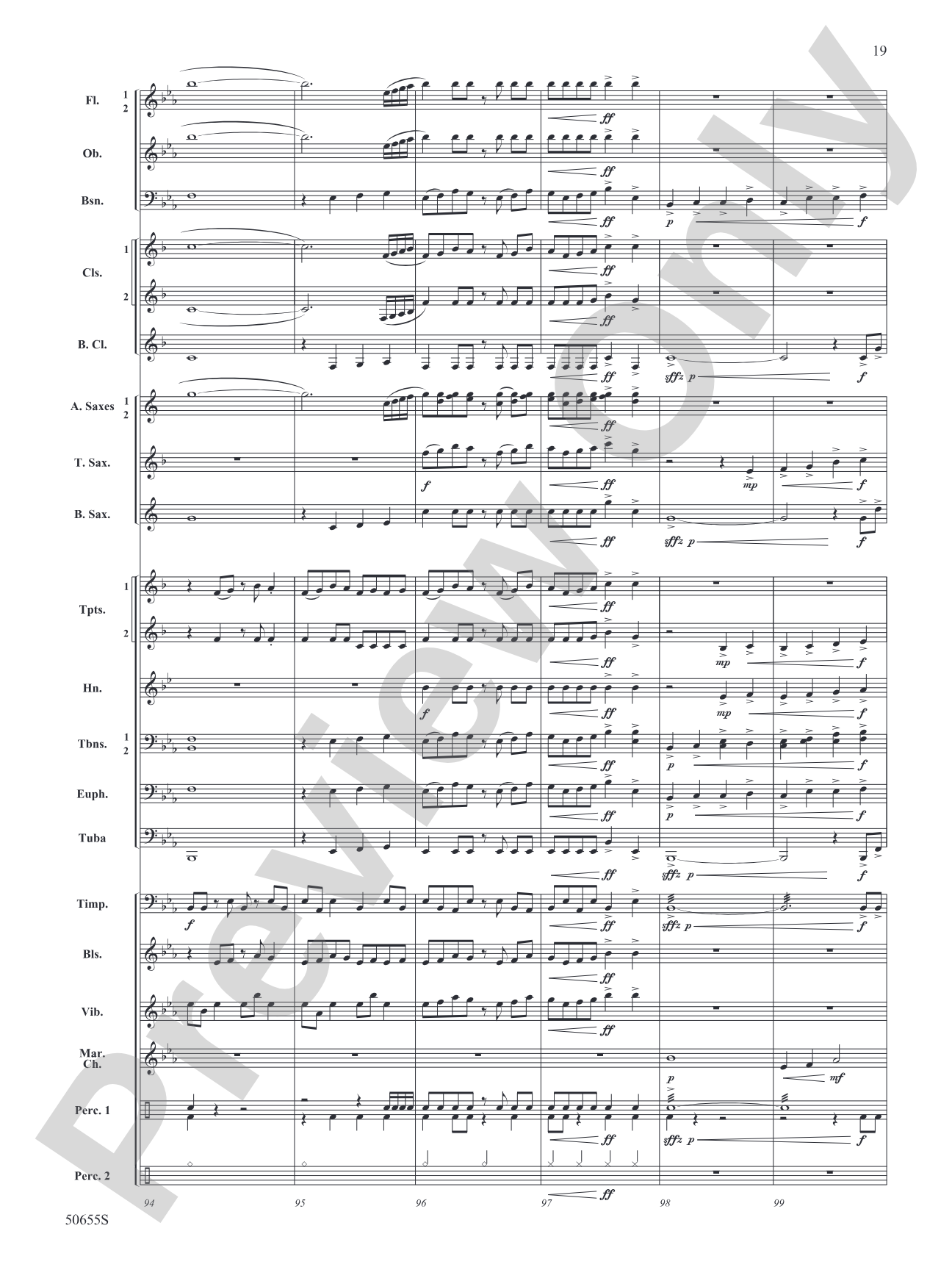
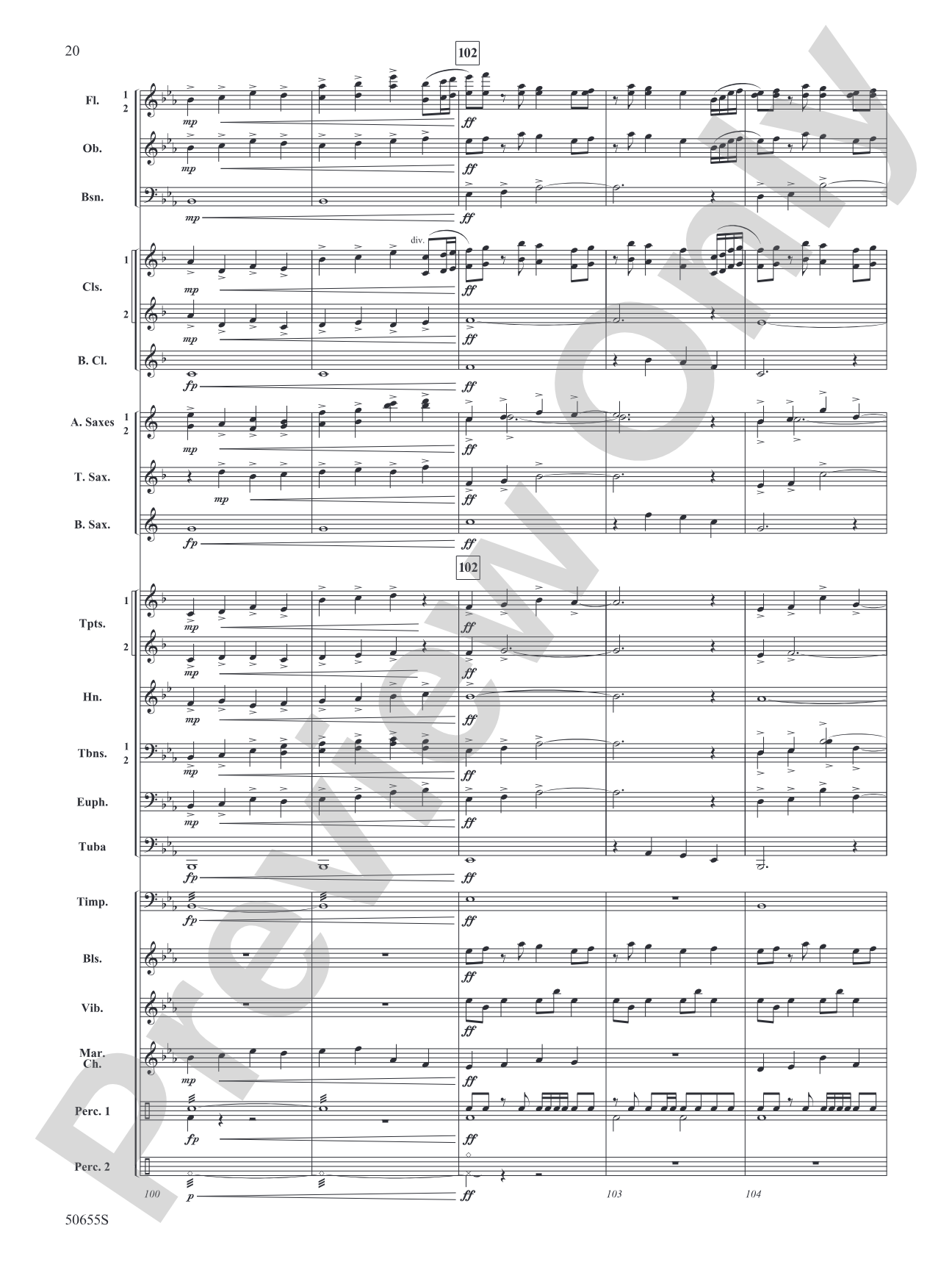
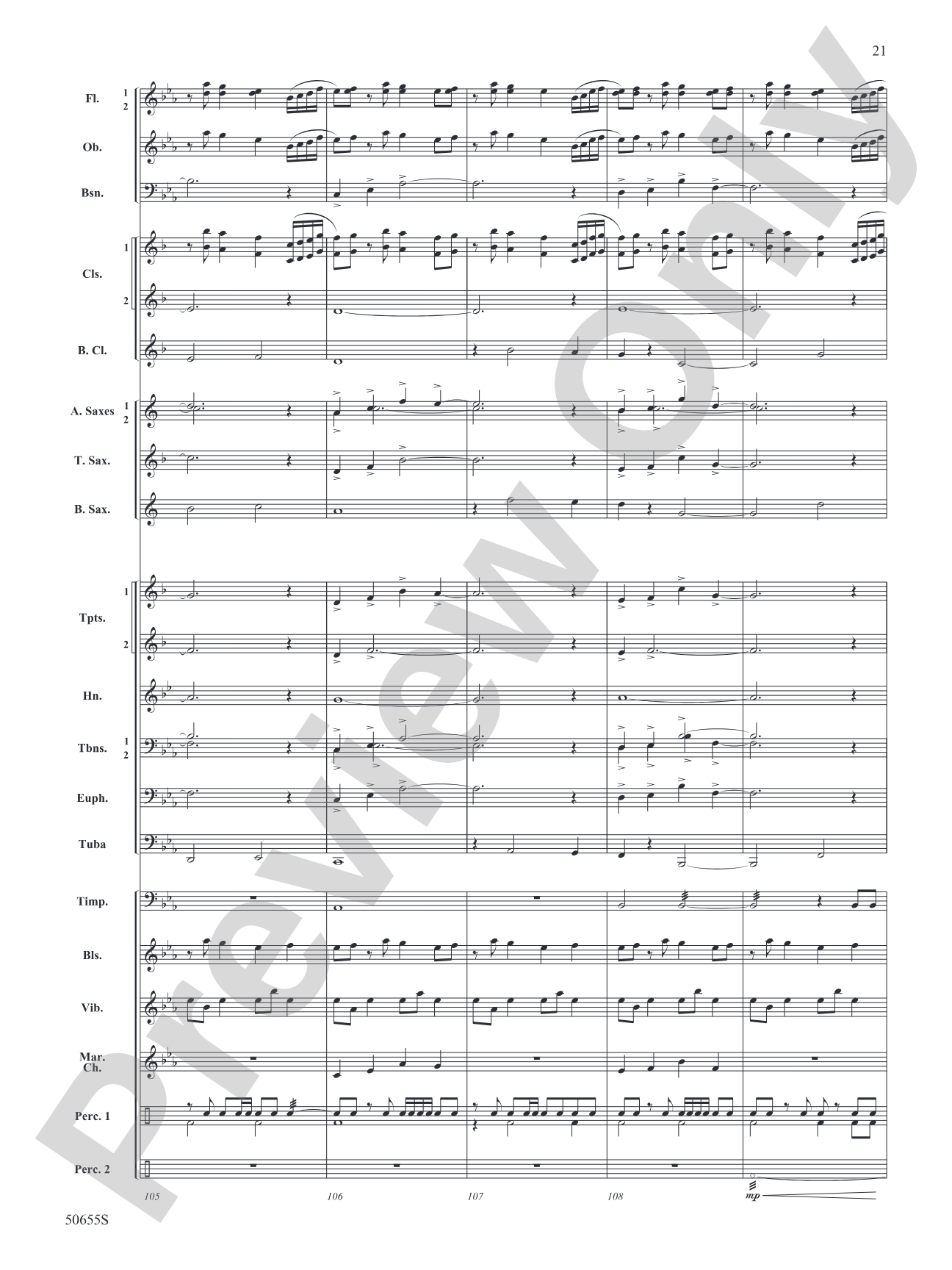
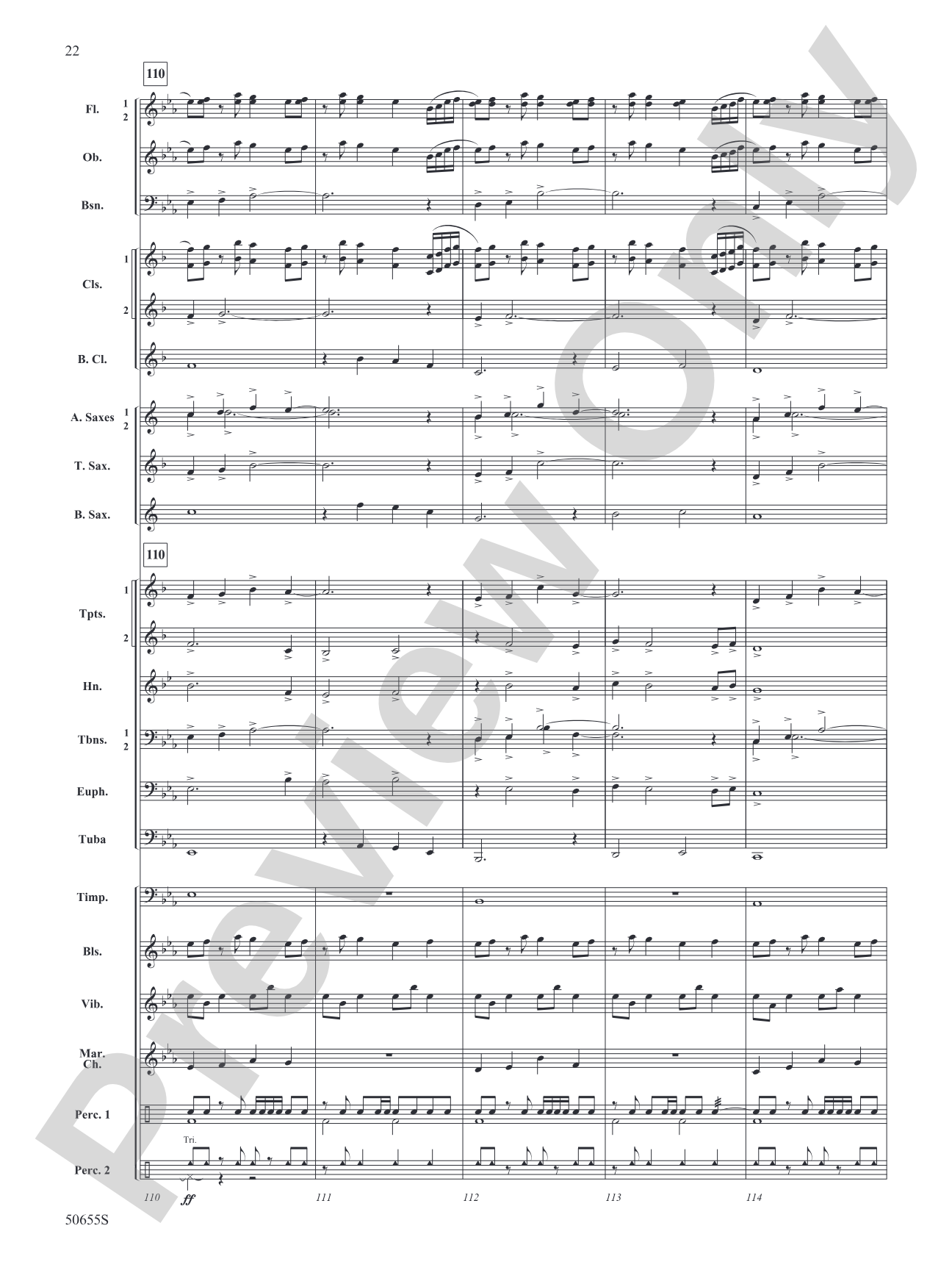
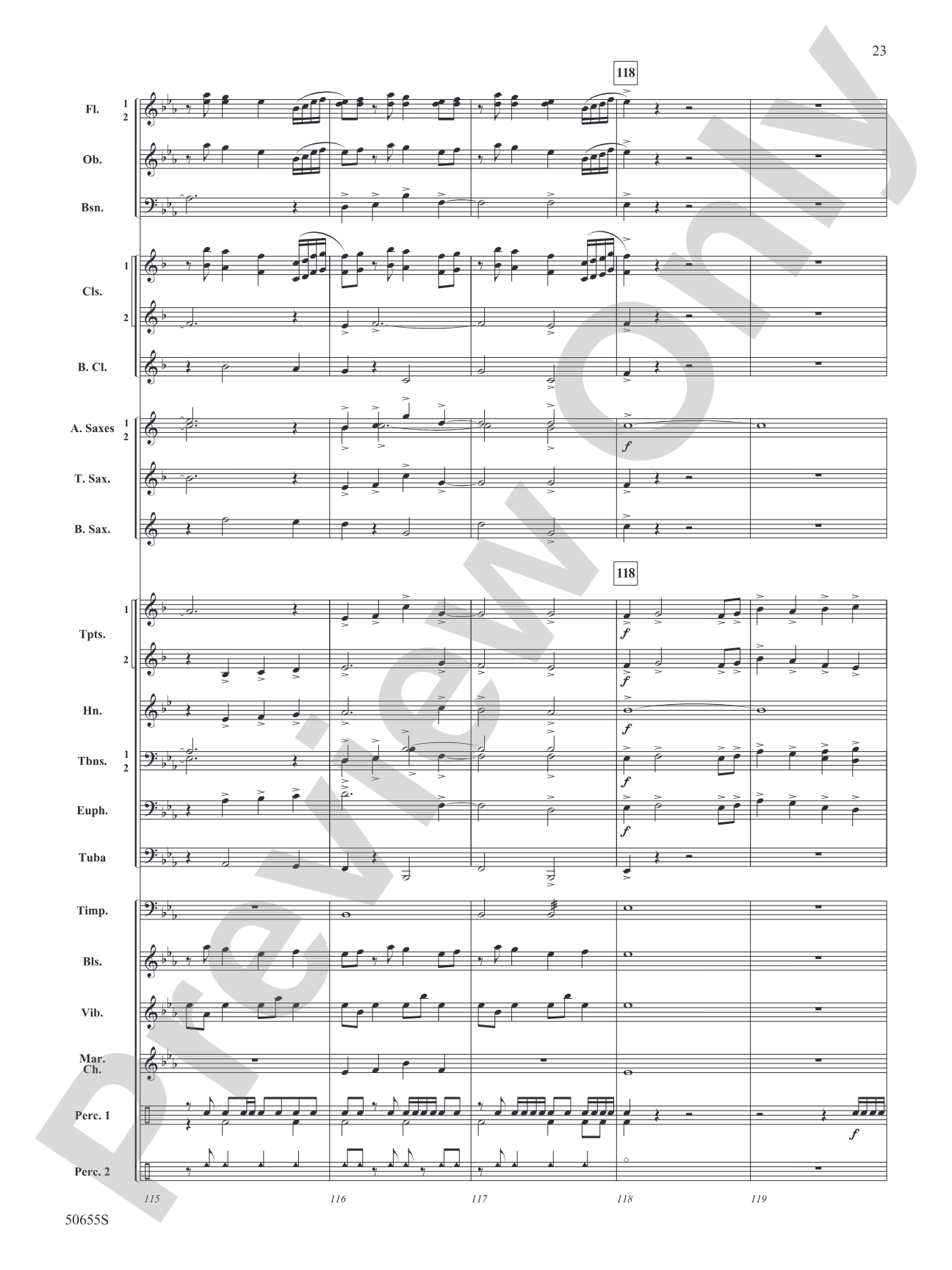
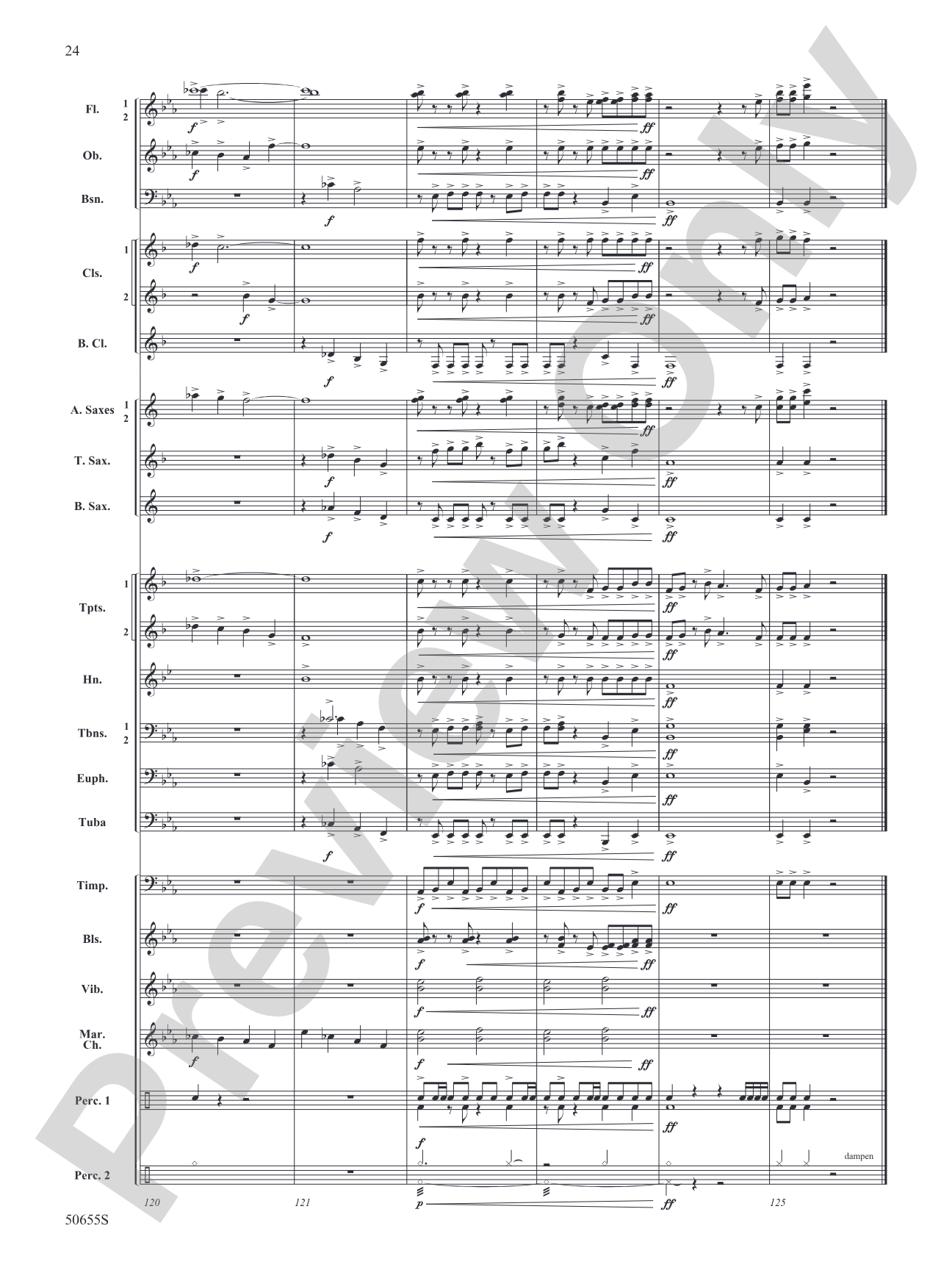

Leading Light: Concert Band Conductor Score & Parts
By Jack Wilds
Grade: 2.5
Item: 00-PK-0008765

$70.00
One moment…
Related Items
Leading Light: Concert Band Conductor Score |
$12.00
|
View |
Description
Based on a school's powerful growth in the arts, this piece follows a single melody from a slower, quiet beginning filled with potential into a faster section crackling with energy. The theme steadily builds momentum through each variation until it reaches a joyful outpouring of sound in the final bars. (3:45)


Don't just read it, hear it, play along with it, and watch your students grow with it. In MakeMusic Cloud, Leading Light: Concert Band Conductor Score & Parts comes alive with professional accompaniment, adjustable tempo, and built-in practice tools that turn solo practice into real progress.
Open in the Player
Jump straight in and assign it today.
Start Your Free Trial
Open this title and explore the full library in minutes.
Sample Audio
1
Audio File
--:--
0:00
0:00
Sample Video
Additional Details
Series:
MakeMusic Young Band
Publisher:
MakeMusic Publications
SKU:
00-PK-0008765
More about this title
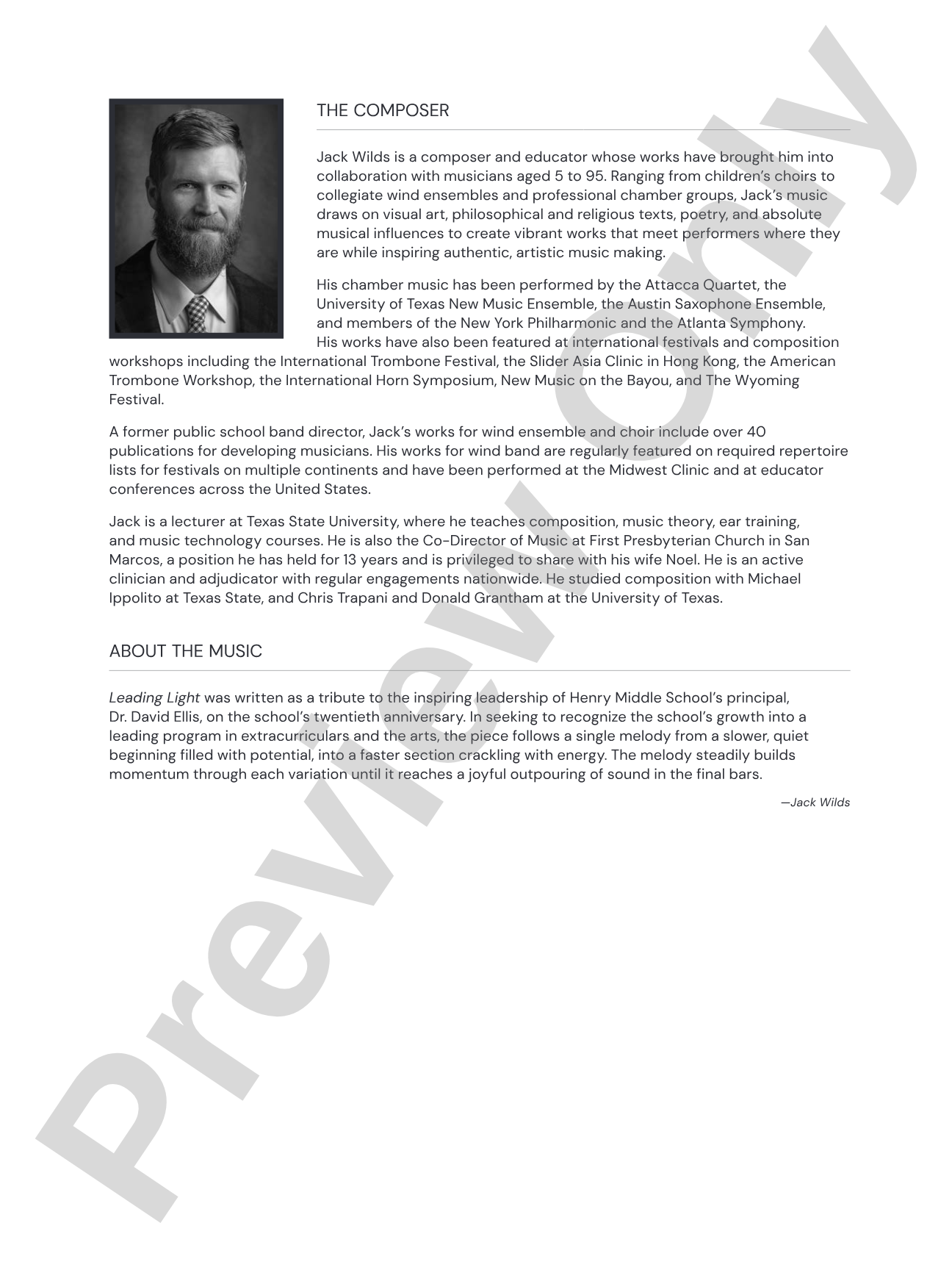
About the Composer: Jack Wilds

Jack Wilds composes across an unusually wide range of ensembles and ages, from children's choirs to professional chamber groups. His music draws deliberate inspiration from visual art, philosophical and religious texts, and poetry alongside purely musical impulses, resulting in works that meet performers at their current level while still demanding authentic artistry. His chamber works have been performed by ensembles including the Attacca Quartet and members of the New York Philharmonic and Atlanta Symphony, and his compositions have appeared at major festivals from the International Trombone Festival to the Midwest Clinic.
Wilds' extensive catalog for developing musicians includes over 40 published works for wind ensemble and choir. His wind band pieces regularly appear on festival required repertoire lists across multiple continents. A former public school band director, he has taught composition, music theory, ear training, and music technology at Texas State University and serves as Co-Director of Music at First Presbyterian Church in San Marcos. He maintains an active schedule as a clinician and adjudicator across the United States.
Why we love this
The narrative arc here is irresistible for student musicians. Wilds takes a single melodic idea and transforms it from tentative and quiet into a full-voiced celebration, making the structural journey transparent and deeply satisfying to perform. The Grade 2.5 writing is genuinely musical without ever becoming thin or underdeveloped.
What to expect
The piece opens like a school assembling itself, quiet and full of possibility. As momentum builds across each restatement of the theme, you feel the organization gaining confidence and energy, moving inevitably toward that final burst of collaborative sound. It's celebratory without being empty, and programmatic without relying on literal storytelling.
Who it's for
Concert bands at the Grade 2 to 2.5 level looking for repertoire with genuine artistic ambition and a clear narrative arc. This piece works equally well for groups building festival programming and those seeking music that students will want to rehearse because the journey feels meaningful.
How to get the most out of it
- Shape the opening with restraint. The "potential" Wilds describes lives in the space between notes, so allow silence to matter as much as sound during the quiet section.
- Track the energy level across each variation rather than playing louder at each iteration. The accelerating tempo itself will naturally create momentum without forcing dynamics.
- In the final section, resist overplaying the tutti scoring. Clarity in the ensemble voices will let the joy read more authentically than raw volume.
How to use it
Program this as a centerpiece in a concert that traces growth or institutional development, or use it as a festival selection that demonstrates both technical control and musicianship at the 2.5 level. The sub-four-minute length also makes it a natural opener or closer that builds genuine momentum for surrounding pieces.
Skills your students will build
- Performing with controlled dynamics in a slow, expressive opening section
- Maintaining consistent tempo during accelerating restatements of a theme
- Balancing individual voice clarity within ensemble texture during fuller scoring
- Understanding programmatic structure and how melody can be developed across formal sections