
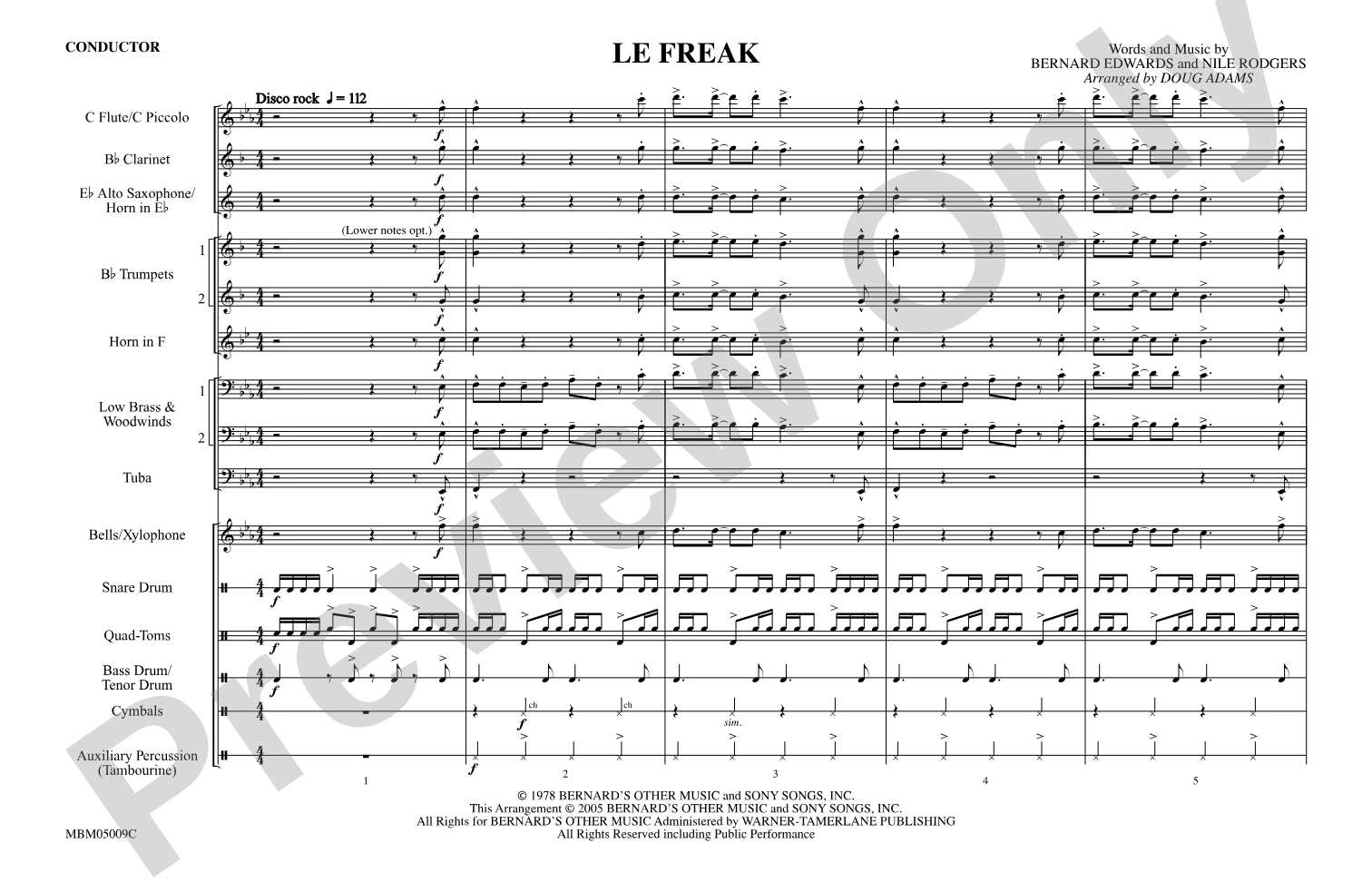
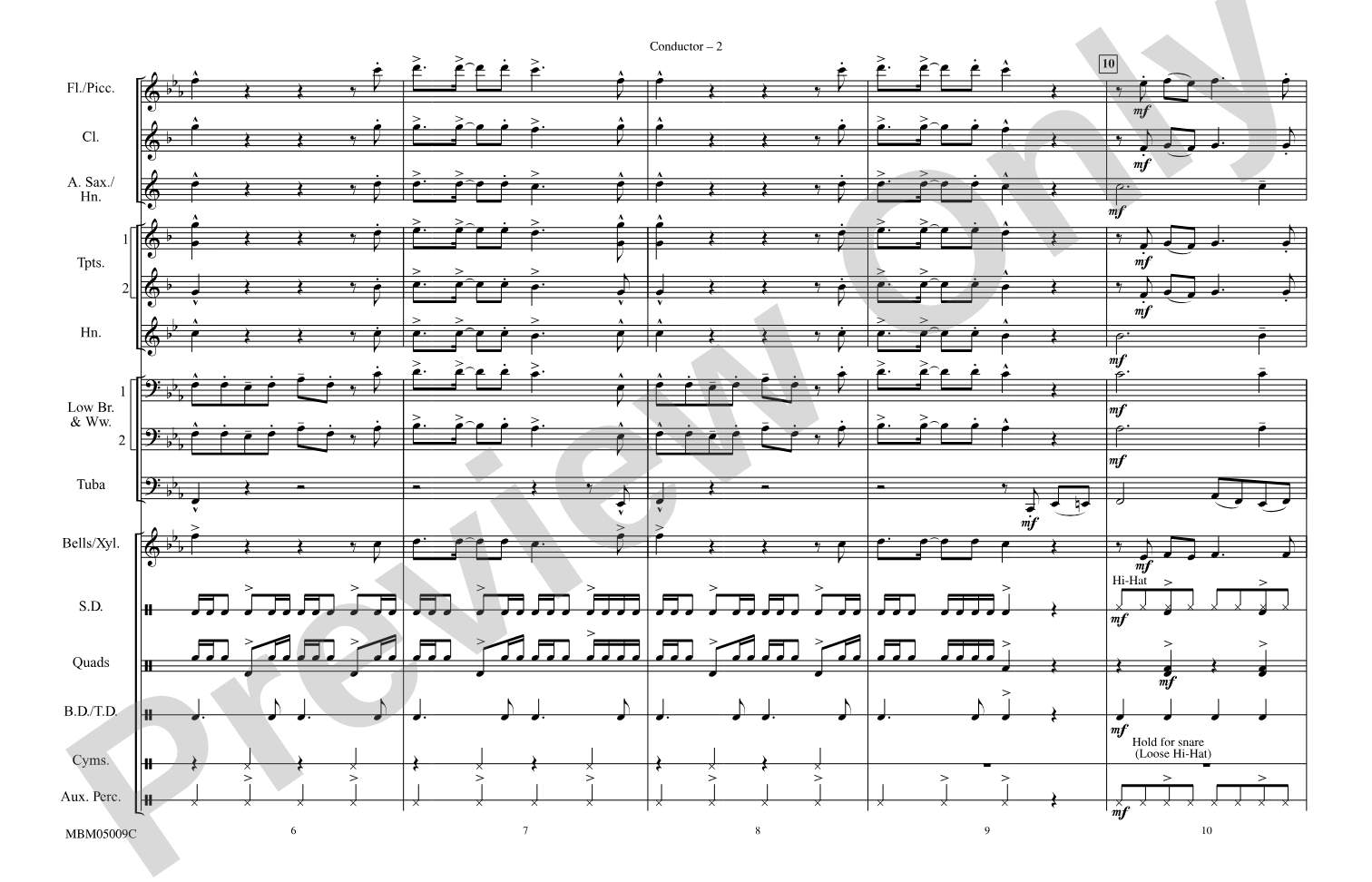
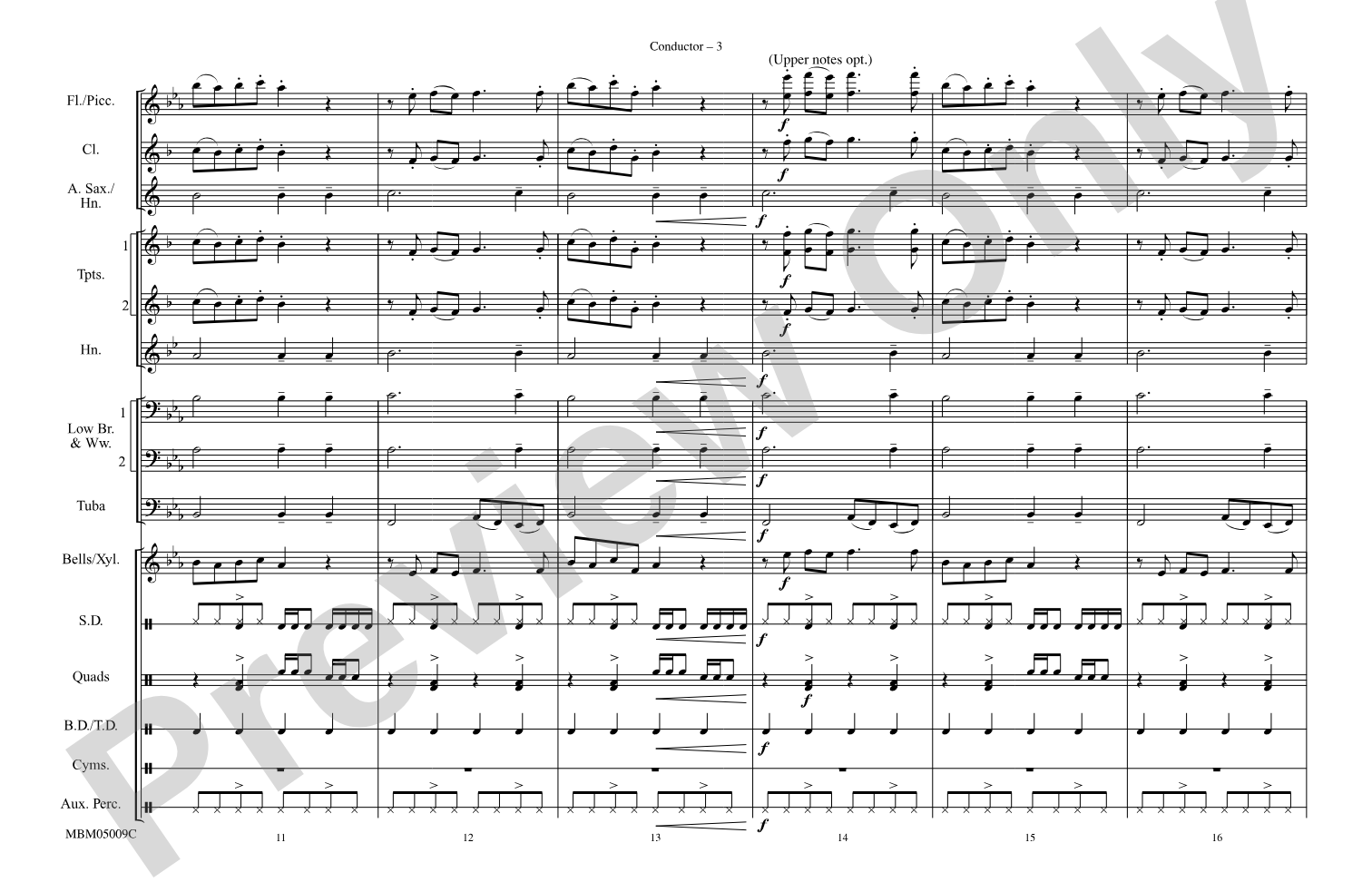
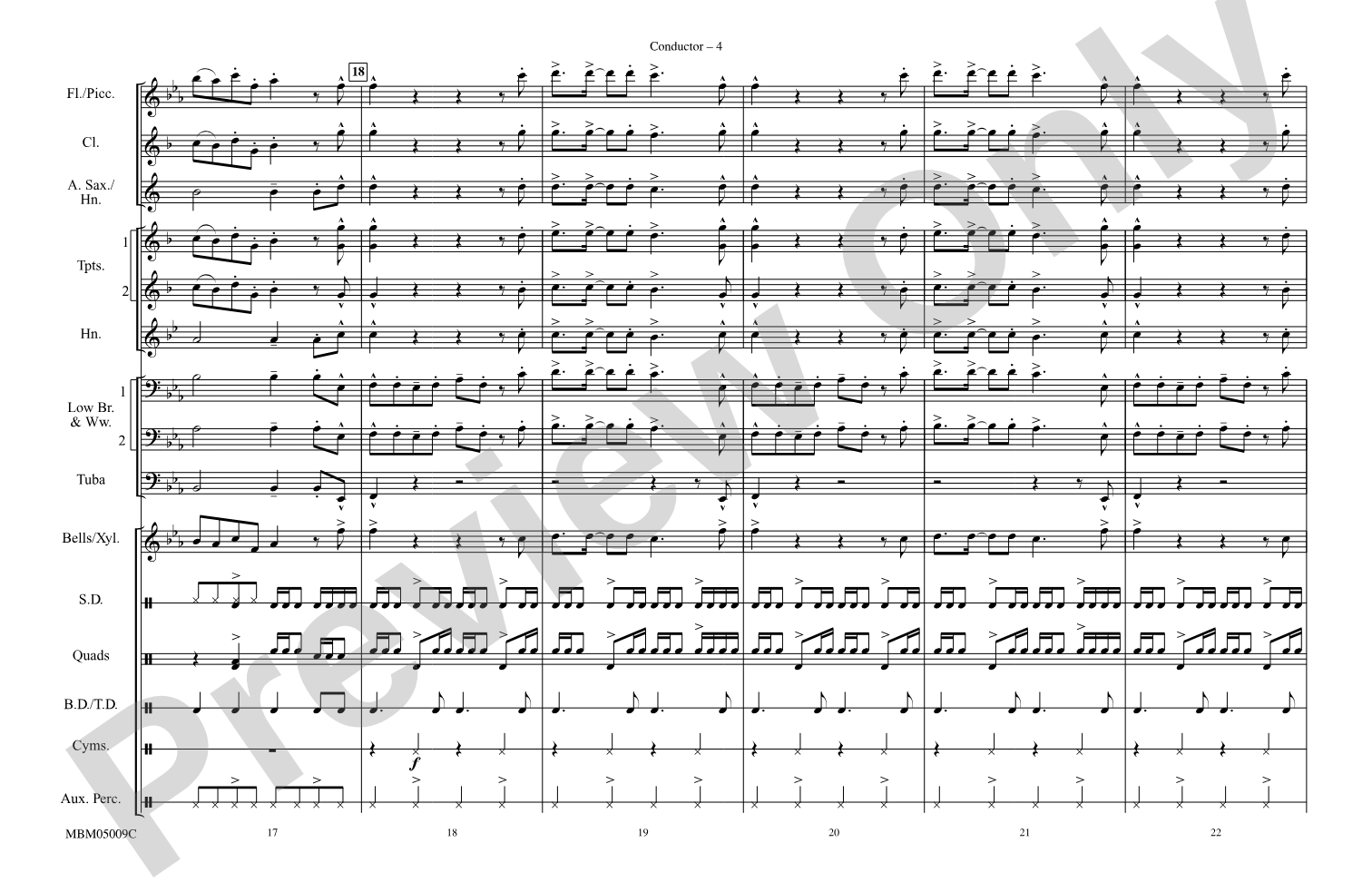
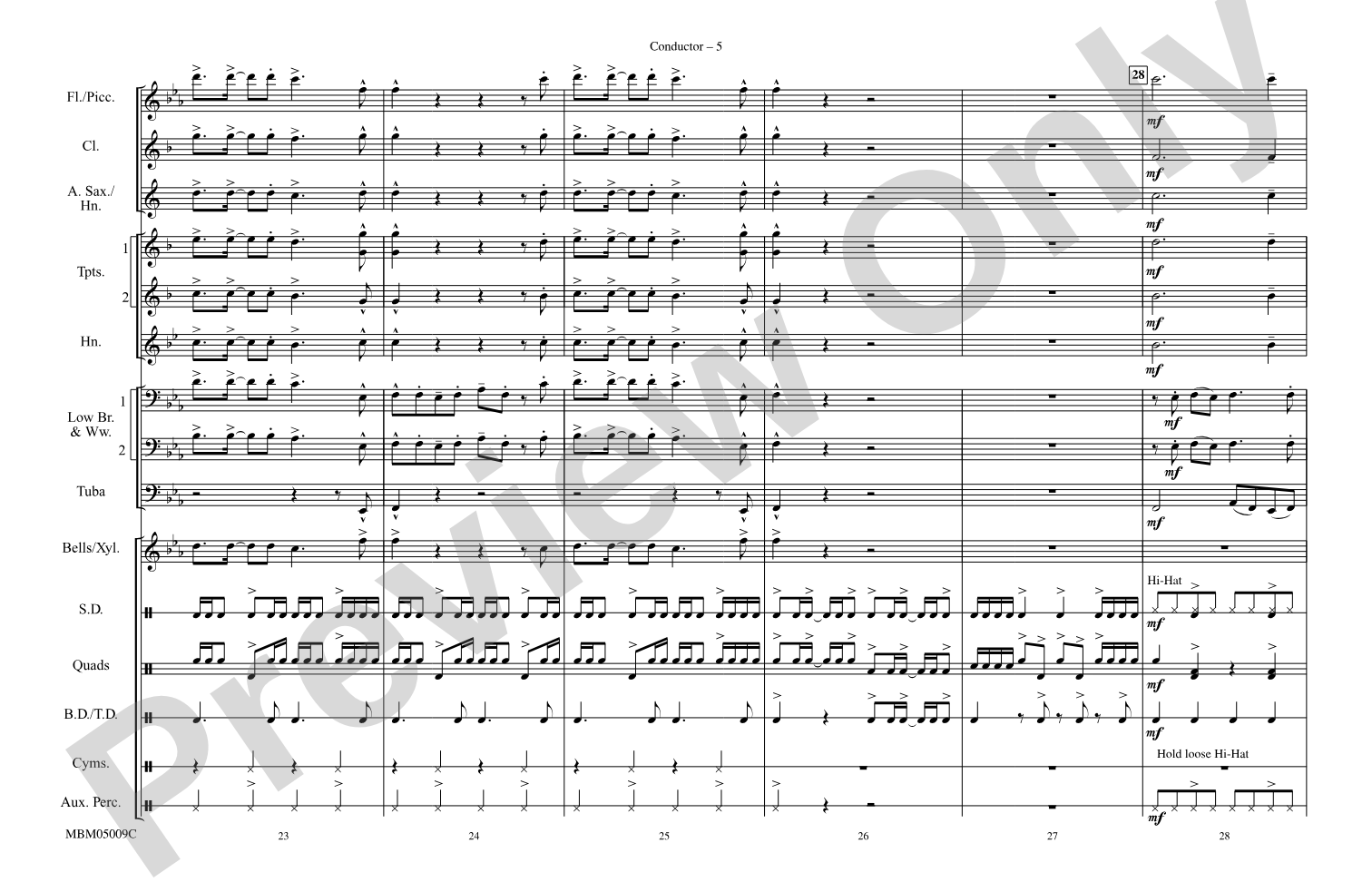
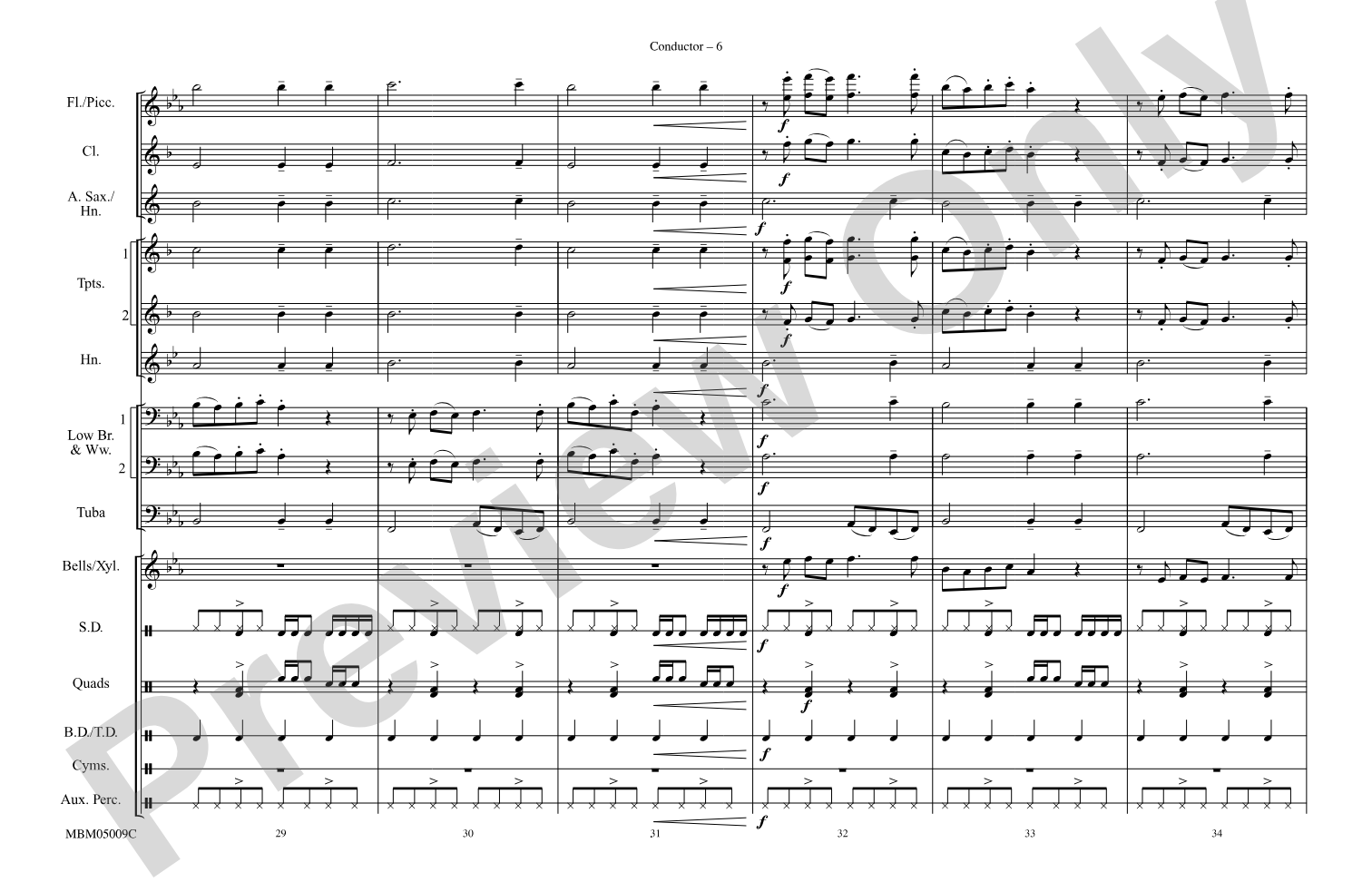
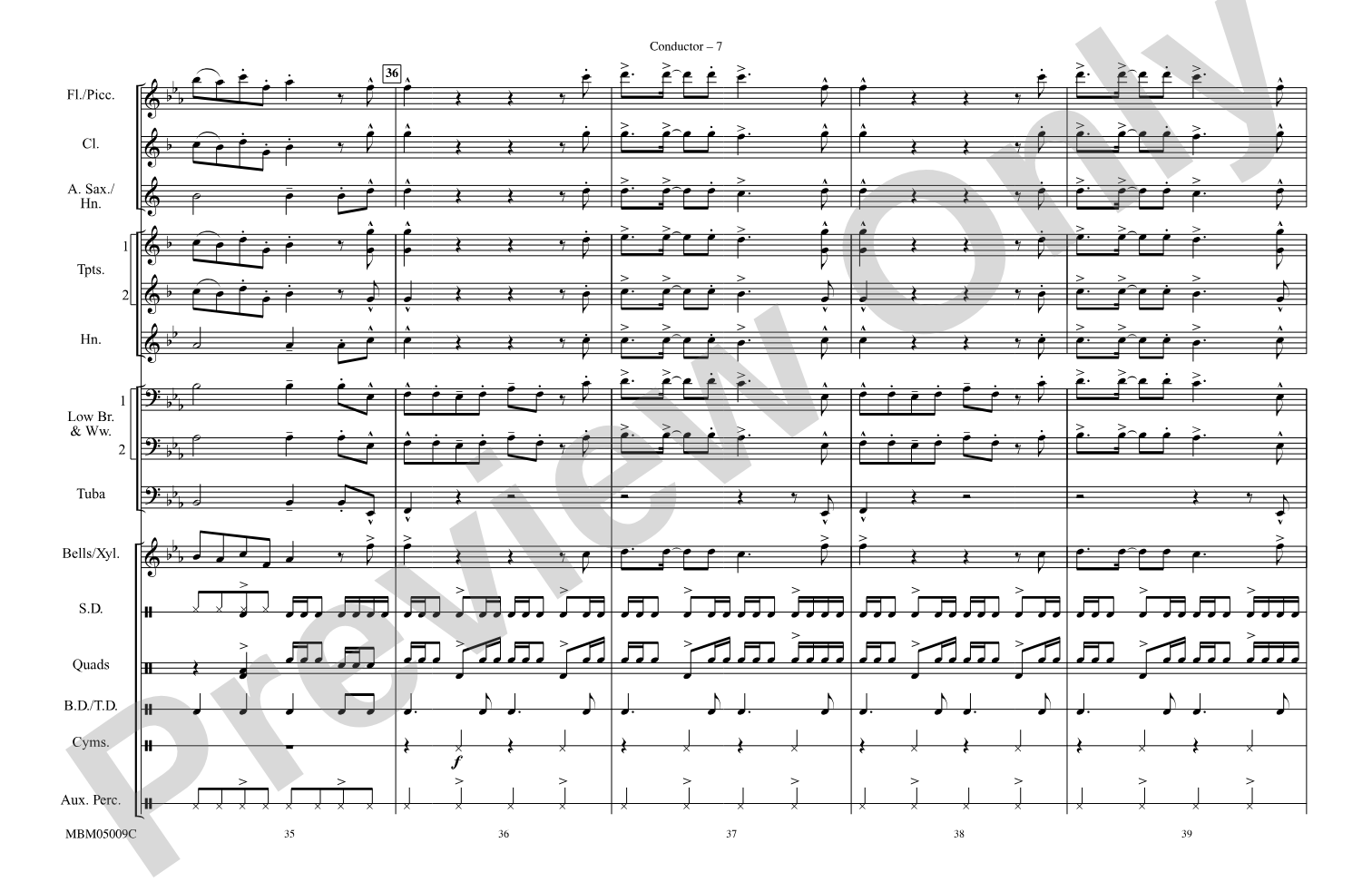
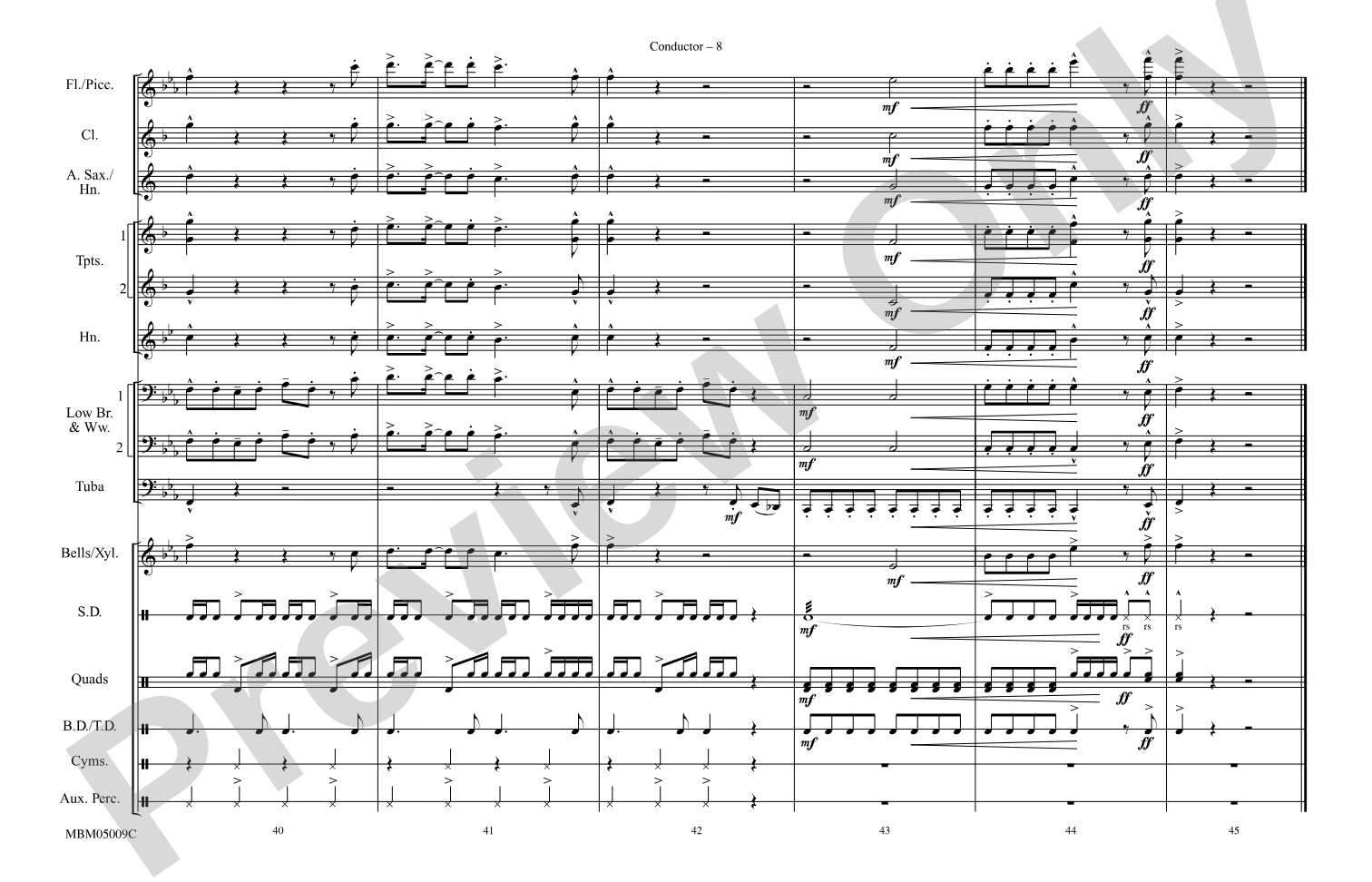

Le Freak: Marching Band Conductor Score & Parts
Words and music by Bernard Edwards and Nile Rodgers / arr. Doug Adams
Grade: 2 (Easy)
Item: 00-PK-0008083

$55.00
One moment…
Description
This classic disco hit is now playable by any band thanks to Doug Adam's hot new arrangement. Your students and your audience will love it! (1:47)


Don't just read it, hear it, play along with it, and watch your students grow with it. In MakeMusic Cloud, Le Freak: Marching Band Conductor Score & Parts comes alive with professional accompaniment, adjustable tempo, and built-in practice tools that turn solo practice into real progress.
Open in the Player
Jump straight in and assign it today.
Start Your Free Trial
Open this title and explore the full library in minutes.
Sample Audio
1
Audio File
--:--
0:00
0:00
Sample Video
No sample videos found.
Additional Details
Series:
Easy Pops for Marching Band
Publisher:
Alfred Music
SKU:
00-PK-0008083
More about this title
About the Composer: Bernard Edwards
Bernard Edwards was a bassist, composer, and producer who co-founded Chic, one of the most influential bands of the disco era. His melodic sensibility and rhythmic precision defined the sound of 1970s dance music and shaped popular music for decades beyond. Edwards' compositions, including "Le Freak," remain touchstones of the disco repertoire and continue to demonstrate how strong songwriting transcends genre and era.
Working alongside guitarist Nile Rodgers, Edwards created some of the most sampled and covered recordings in music history. His understanding of groove, harmony, and orchestration made Chic's music both immediately accessible and enduringly sophisticated. For music educators, Edwards' work offers a masterclass in how clarity of intent and infectious rhythm can engage any audience.
Why we love this
Doug Adams has captured the infectious energy of "Le Freak" while keeping the arrangement straightforward enough for Grade 2 ensembles to execute cleanly. The arrangement respects the original's groove and melodic hooks without overwhelming your band, and audiences respond immediately to the familiar disco pulse. This is genuinely fun music that rewards clean execution and doesn't require your students to play beyond their current abilities.
What to expect
Smooth, confident, and irresistibly groovy. The arrangement channels the sophisticated funk of the original Chic recording, with a steady heartbeat rhythm that pulls listeners into the pocket. Your band will feel the disco era's cool confidence without needing to navigate complexity.
Who it's for
Marching bands at the Grade 2 level looking to program something contemporary that doesn't require extensive advanced technique. Directors working with emerging ensembles will find the part writing accessible while still musically satisfying. Audiences of all ages know this song, making it an ideal choice for community engagement and concert programming.
How to get the most out of it
- Lock in the rhythmic foundation by having your percussion section and low brass establish the steady four-on-the-floor pulse before the melody enters; this groove is the glue that holds the piece together
- Balance the melody line so it sits clearly above the accompaniment without the ensemble working too hard; disco hinges on relaxed pocket playing rather than pushed dynamics
- Shape the phrases with subtle dynamic swells that follow the vocal contours of the original song; resist the urge to add aggressive articulation that would fight the groove
- Keep the tempo consistent and slightly relaxed; this is not uptempo music, and rushing will destroy the funk
How to use it
Program this early in a concert to set an upbeat tone and immediately capture audience attention, or use it as a palate cleanser between contrasting works. The accessibility of the arrangement and the familiarity of the song make it ideal for pep rallies, football games, or any event where you want your band to sound polished and energetic. It works equally well as a morale builder during rehearsal season.
Skills your students will build
- Maintaining steady rhythmic pulse in a groove-based context
- Playing with relaxed, pocket-centered articulation rather than percussive tonguing
- Balancing melody and accompaniment textures
- Understanding disco and funk rhythmic conventions
- Executing a Grade 2 arrangement with musical maturity