
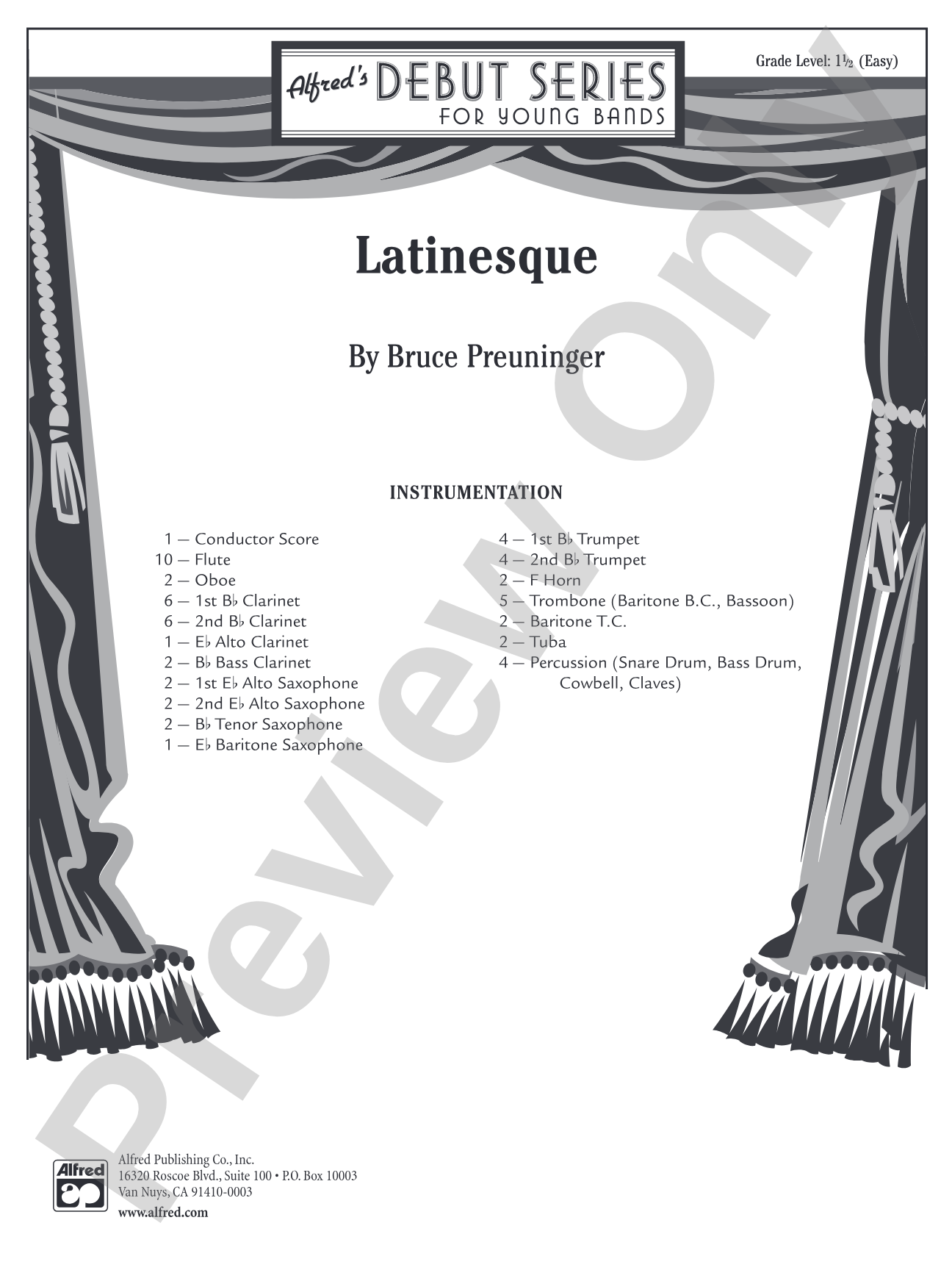

Latinesque: Concert Band Conductor Score & Parts
By Bruce Preuninger
Grade: 1.5 (Easy)
Item: 00-PK-0000525

$48.00
Pickup currently not available
Buy Extra Parts (Digital PDF Download)
| Product | Price | Quantity |
|---|---|---|
| Latinesque: Score | $5.00 | |
| Latinesque: Flute | $3.00 | |
| Latinesque: Oboe | $3.00 | |
| Latinesque: 1st B-flat Clarinet | $3.00 | |
| Latinesque: 2nd B-flat Clarinet | $3.00 | |
| Latinesque: E-flat Alto Clarinet | $3.00 | |
| Latinesque: B-flat Bass Clarinet | $3.00 | |
| Latinesque: E-flat Alto Saxophone | $3.00 | |
| Latinesque: 2nd E-flat Alto Saxophone | $3.00 | |
| Latinesque: B-flat Tenor Saxophone | $3.00 | |
| Latinesque: E-flat Baritone Saxophone | $3.00 | |
| Latinesque: 1st B-flat Trumpet | $3.00 | |
| Latinesque: 2nd B-flat Trumpet | $3.00 | |
| Latinesque: 1st F Horn | $3.00 | |
| Latinesque: 1st Trombone | $3.00 | |
| Latinesque: Baritone T.C. | $3.00 | |
| Latinesque: Tuba | $3.00 | |
| Latinesque: 1st Percussion | $3.00 |
Parts Added to Cart!
Description
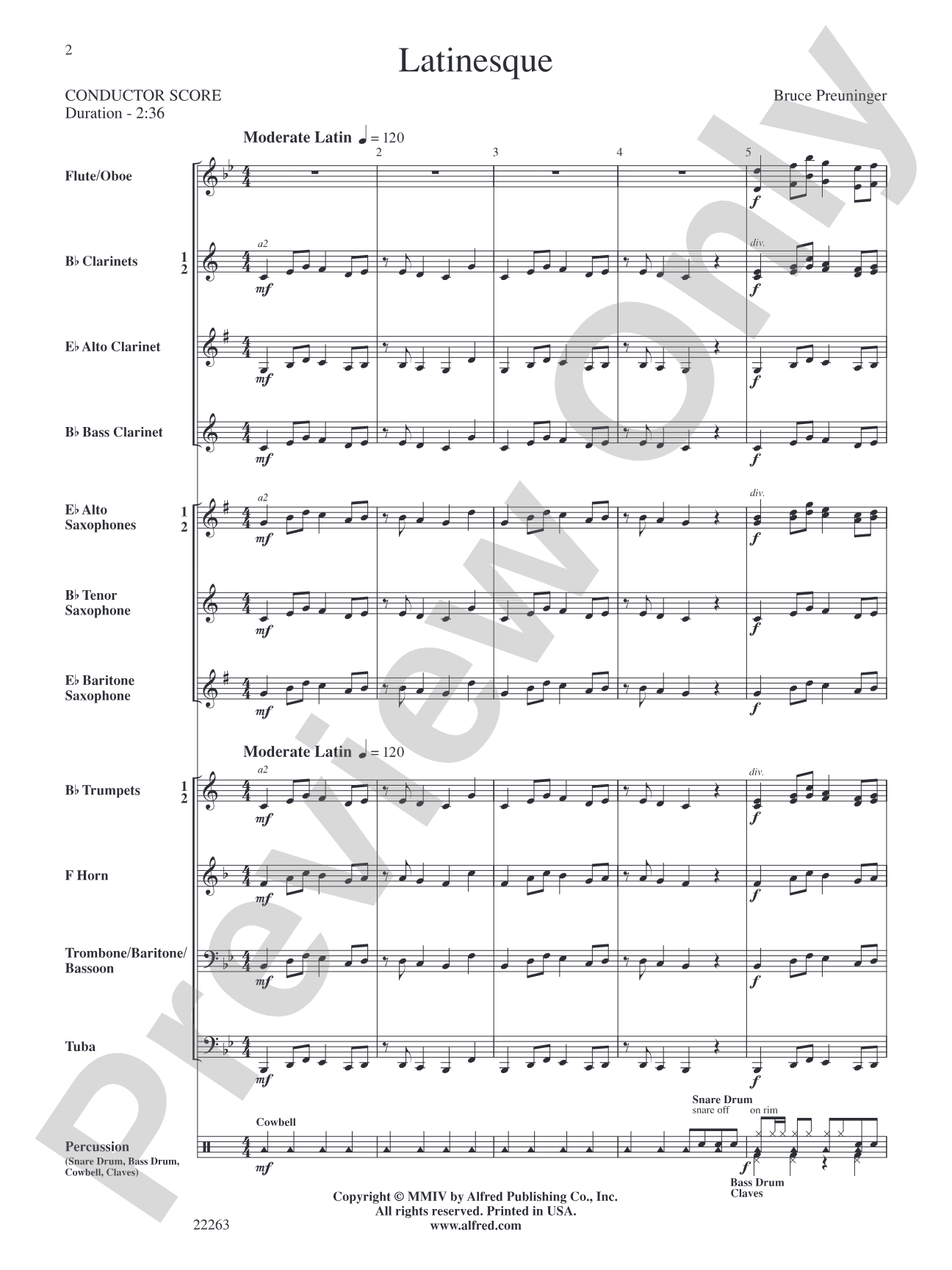
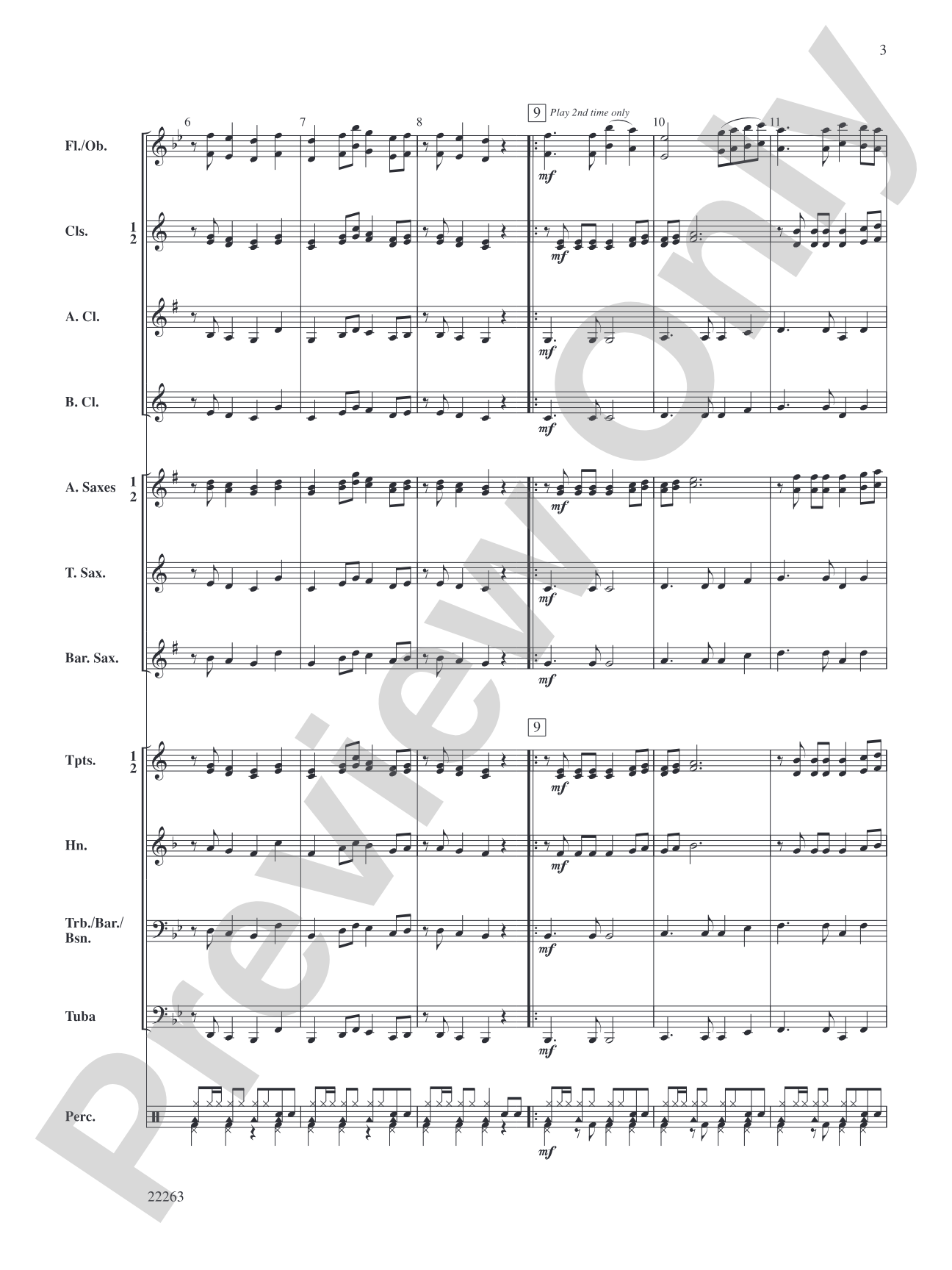
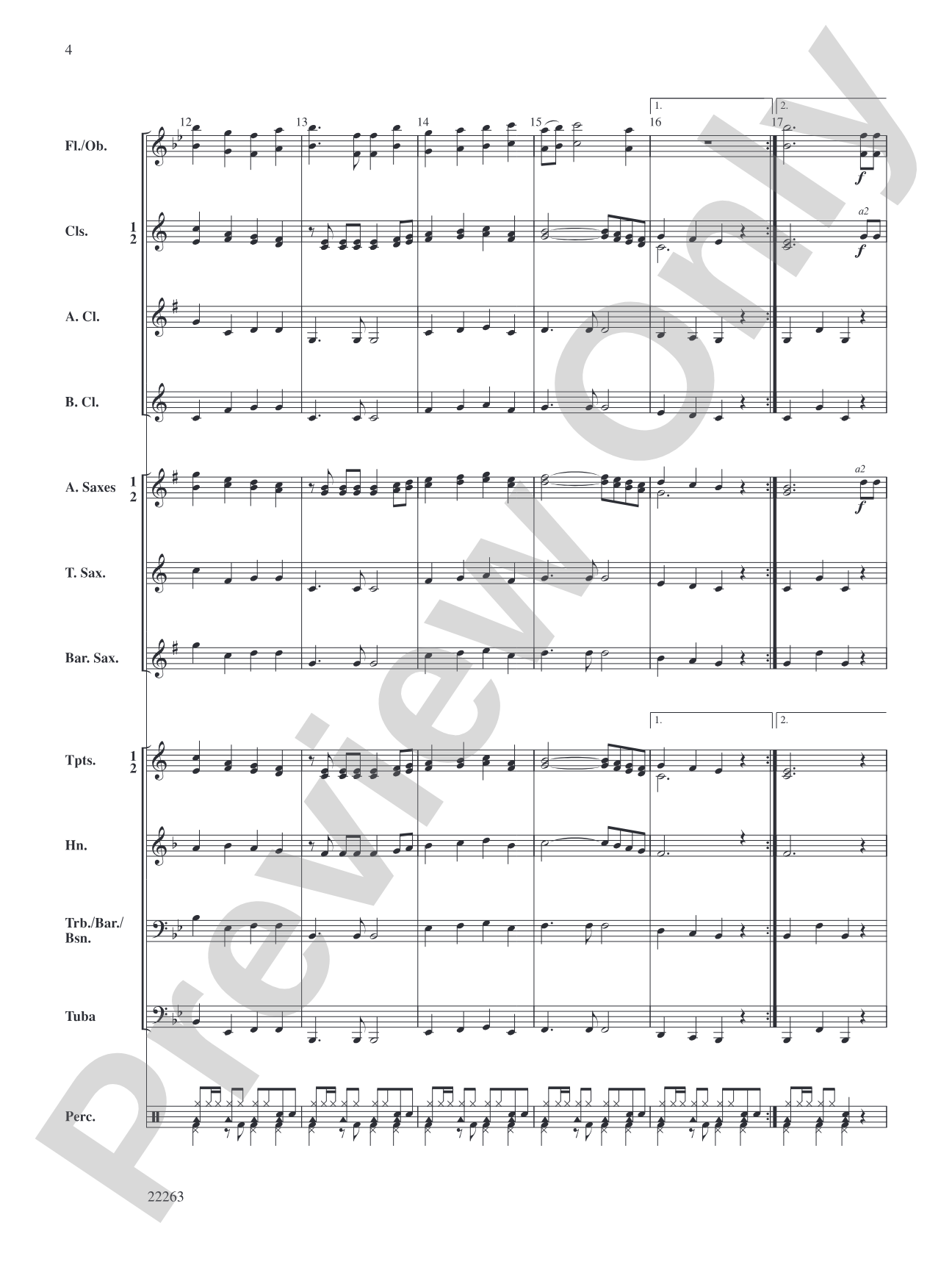
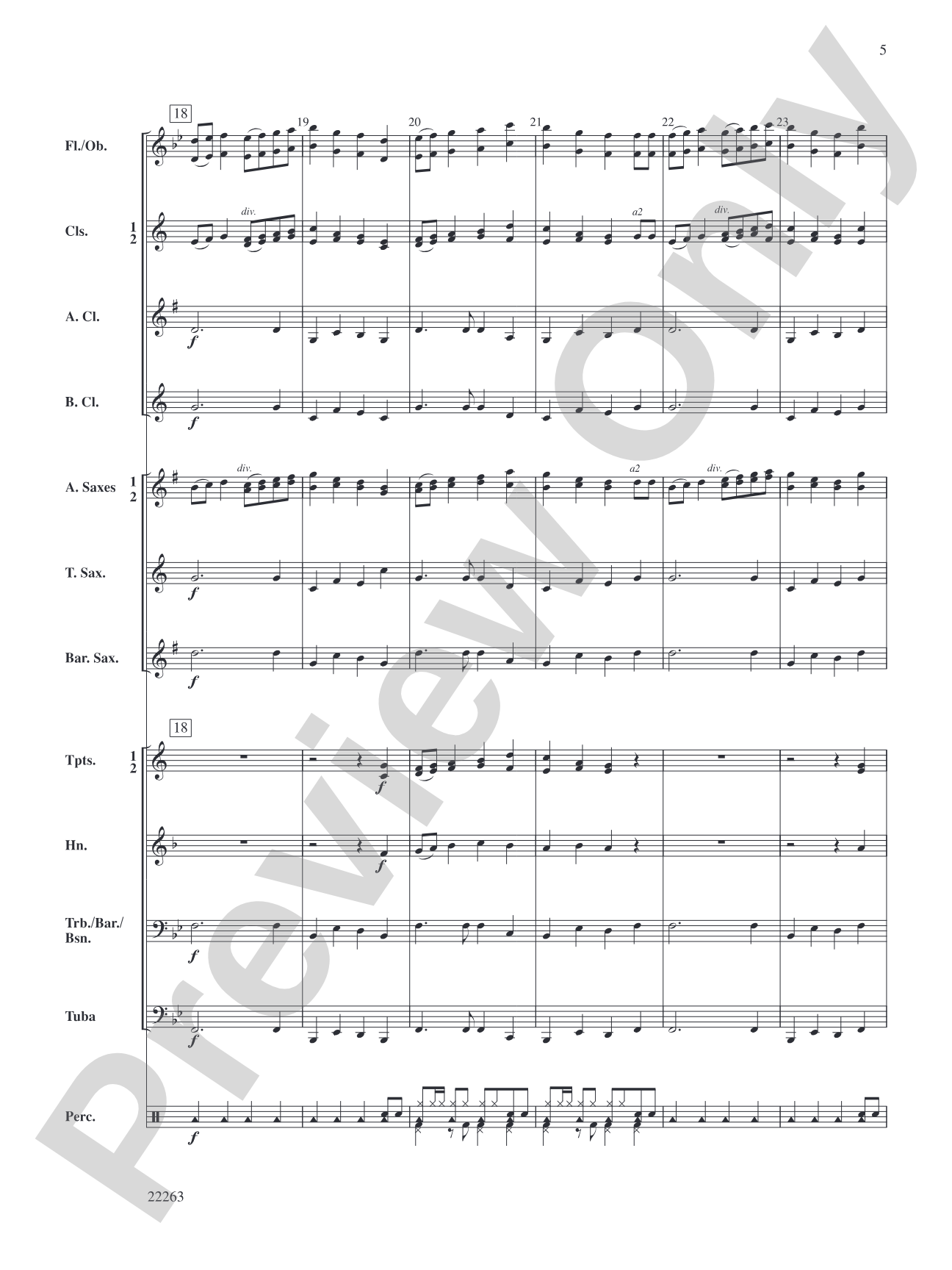
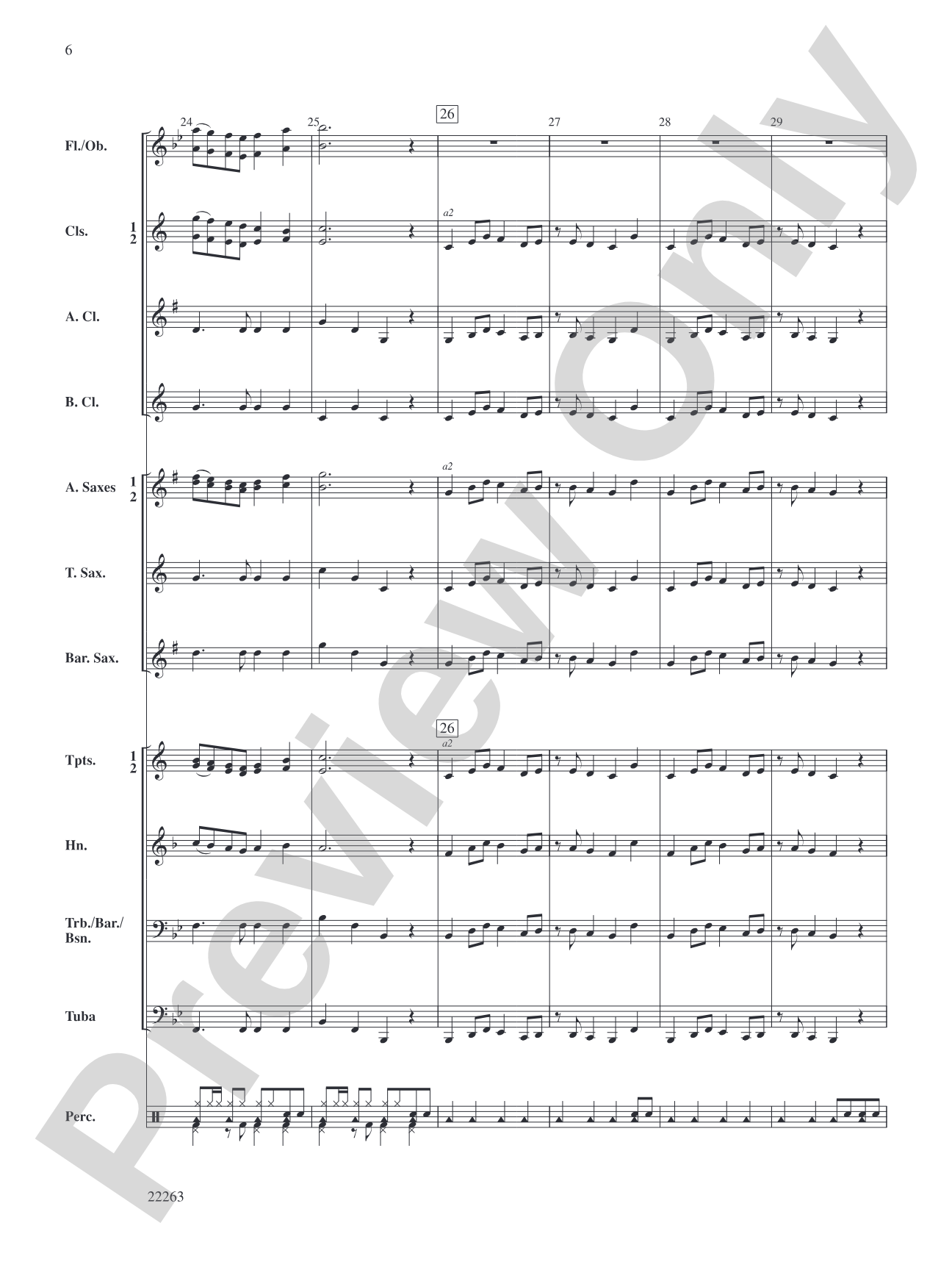
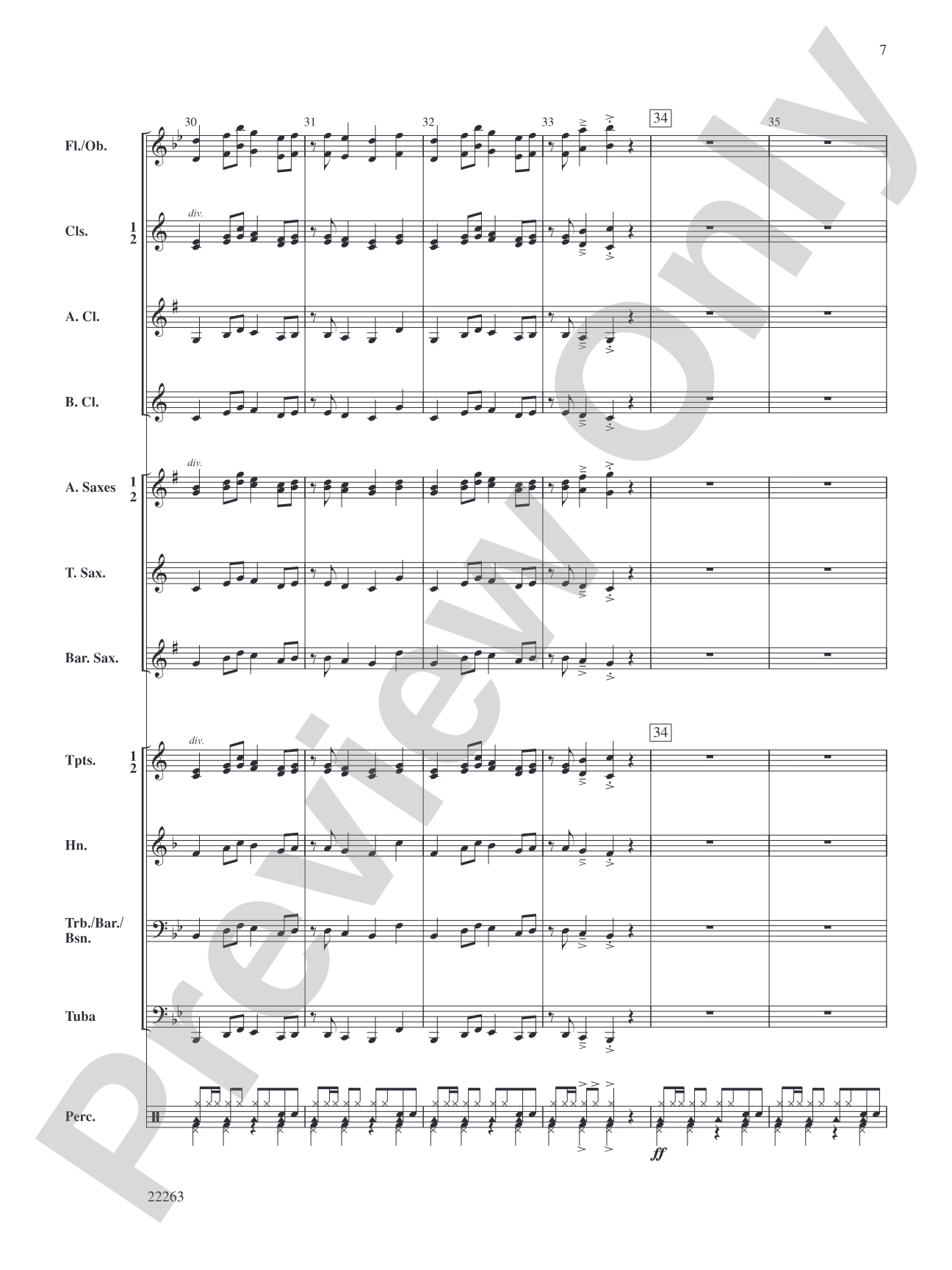
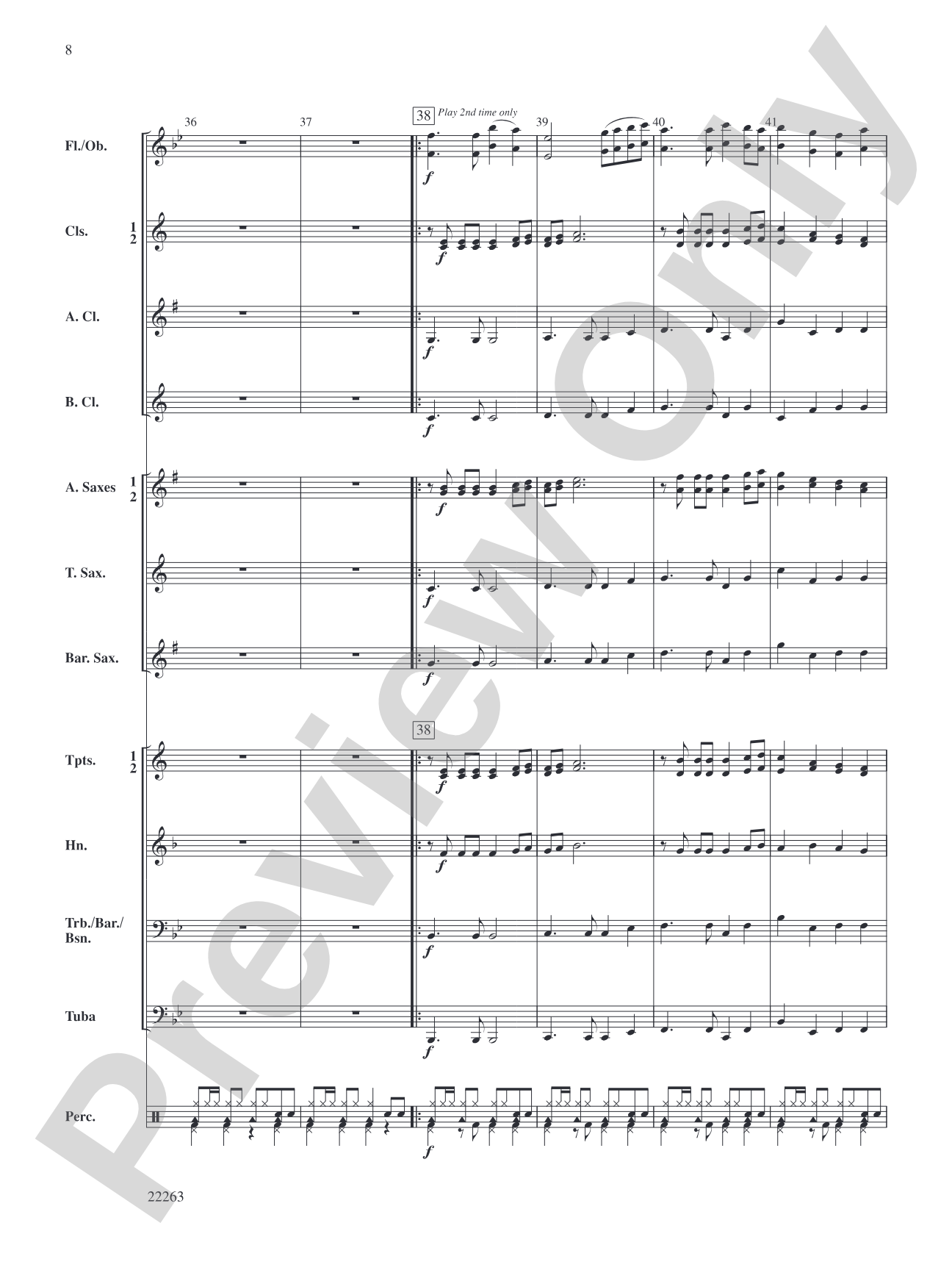
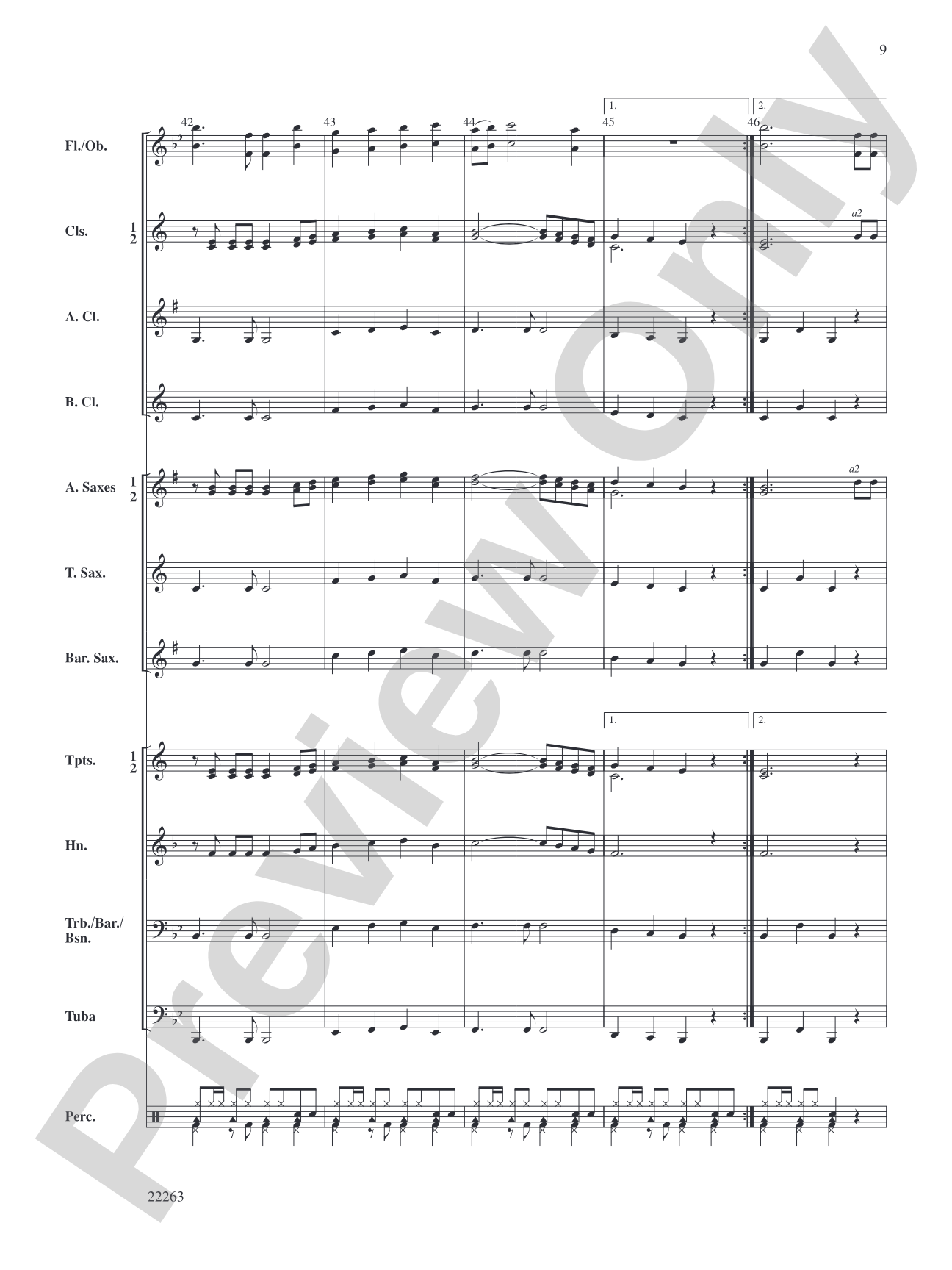
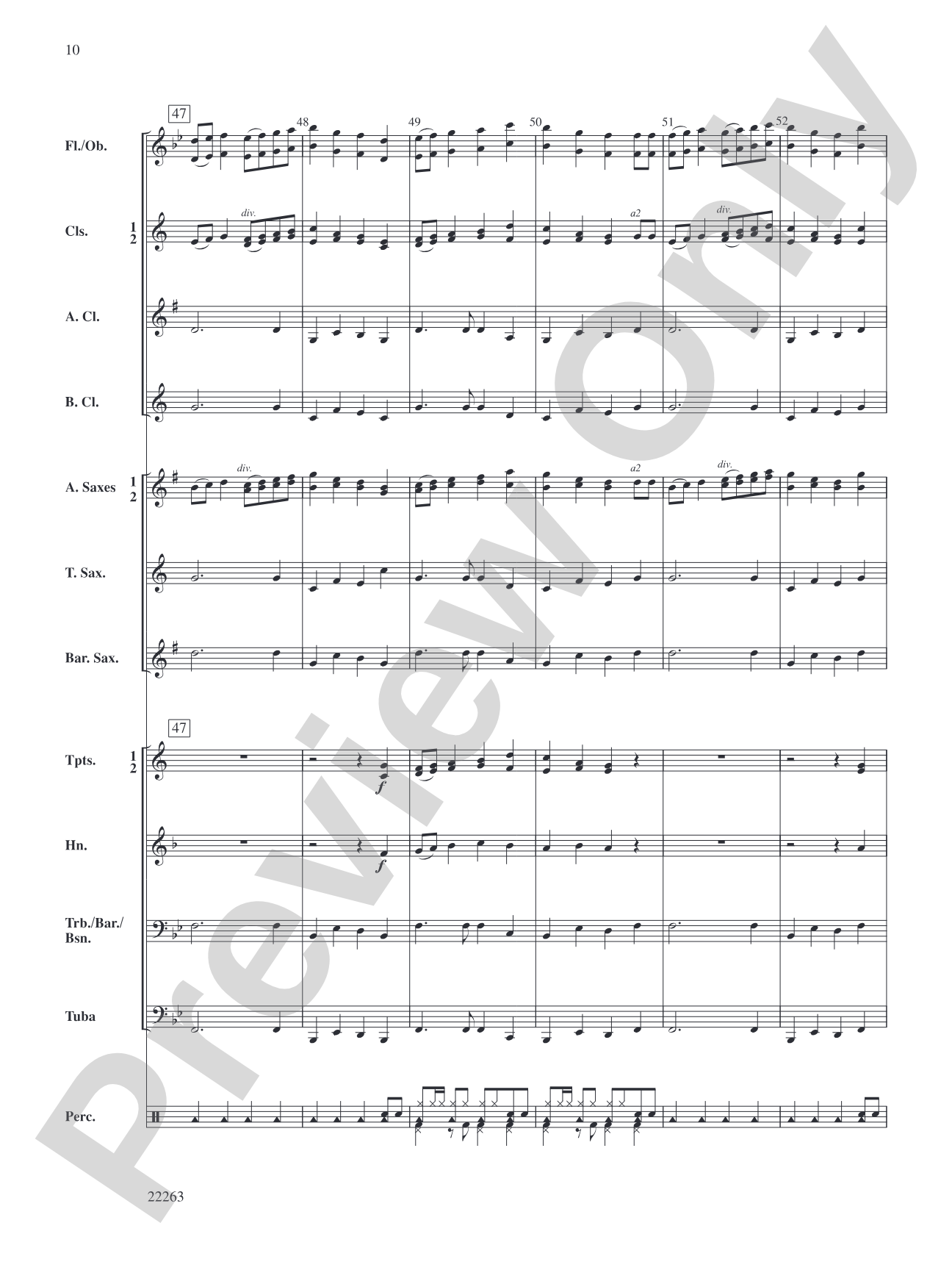
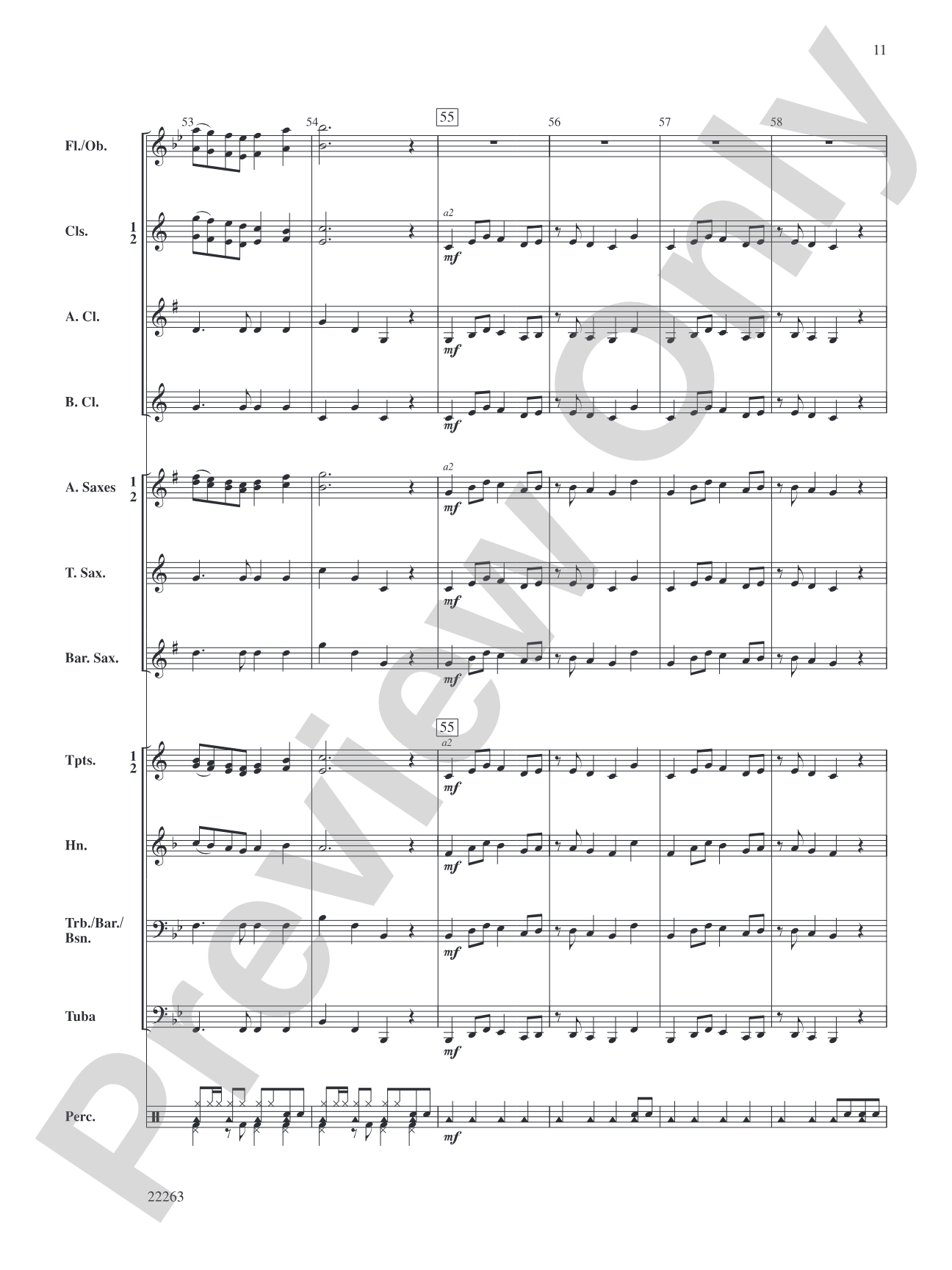
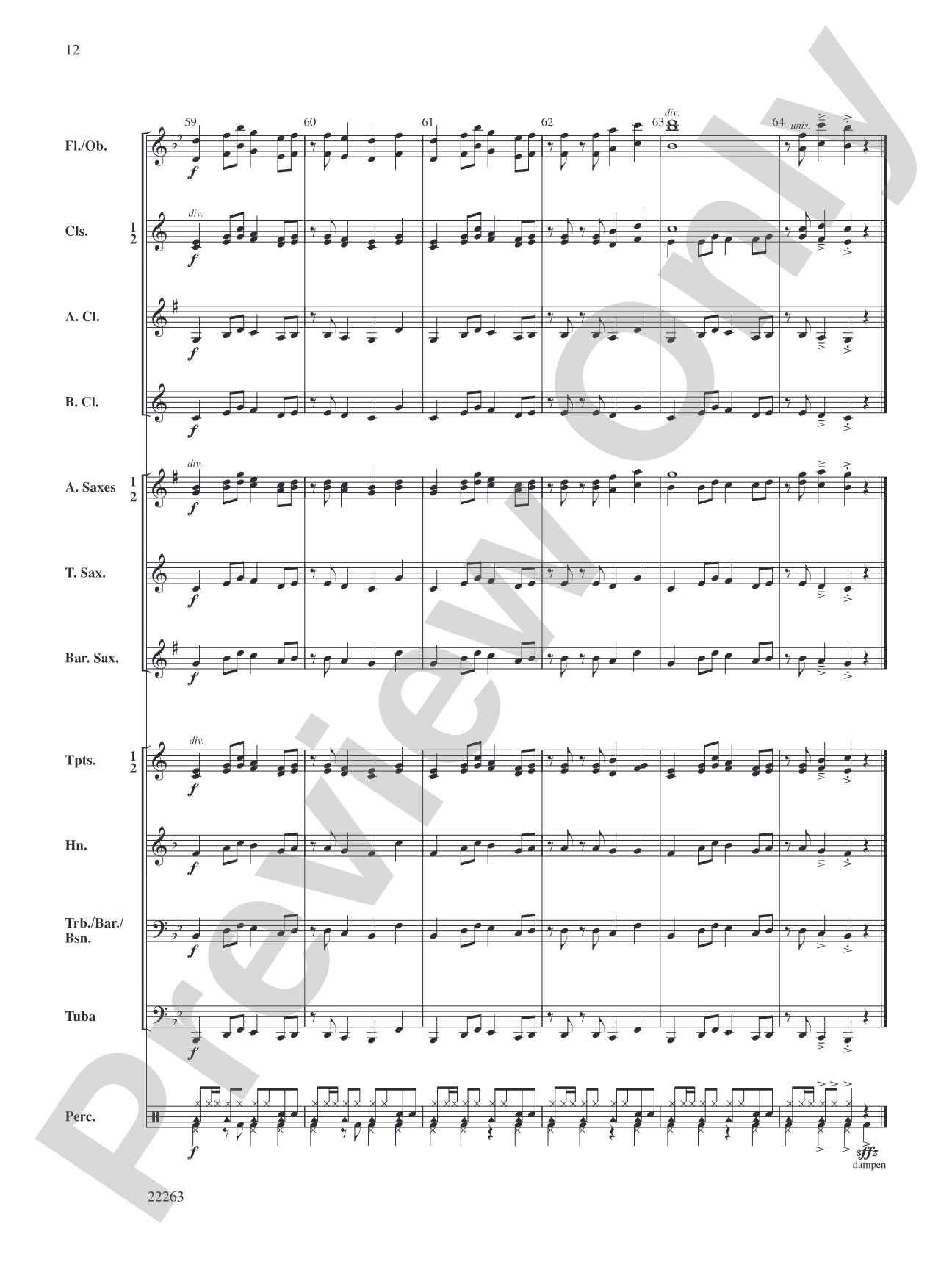
Here is a work for young players with an energetic feel from beginning to end. A catchy tutti ensemble riff ties each musical section together and the percussion shine as they provide a simple but effective "latinesque" feel. Performers and audience alike will find it hard to resist the upbeat mood conveyed by this delightful piece. This title is available in MakeMusic Cloud.


Don't just read it, hear it, play along with it, and watch your students grow with it. In MakeMusic Cloud, Latinesque: Concert Band Conductor Score & Parts comes alive with professional accompaniment, adjustable tempo, and built-in practice tools that turn solo practice into real progress.
Open in the Player
Jump straight in and assign it today.
Start Your Free Trial
Open this title and explore the full library in minutes.
Sample Audio
1
Audio File
--:--
0:00
0:00
Sample Video
No sample videos found.
Additional Details
Series:
Alfred Debut Series
Publisher:
Alfred Music
Page Count:
114
SKU:
00-PK-0000525
More about this title
About the Composer: Bruce Preuninger

Bruce Preuninger earned his undergraduate degree in Music Education from Eastern Washington University and went on to complete graduate work at Gonzaga University, focusing on K-12 music curriculum development. He spent 36 years teaching instrumental music in public schools, beginning in Bellevue, Washington, and later establishing a long tenure in the East Valley School District of Spokane, Washington, before retiring after the 2004-2005 school year.
Since 1999, Preuninger's band compositions have been published by Alfred Music, earning recognition on state and international contest and festival programs. His work reflects decades of classroom experience and a clear understanding of what young musicians need to grow.
Why we love this
Preuninger knows exactly how to write for young bands without sacrificing musical substance or fun. The piece uses a repeating tutti riff as structural glue, which gives your ensemble something memorable to latch onto while the percussion section gets room to shine with an accessible yet authentic Latin flavor. Your students will feel the energy from first note to last, and your audience will leave smiling.
What to expect
Latinesque bubbles with infectious rhythmic energy from the opening downbeat through to the final chord. The interplay between the ensemble riff and the Latin percussion colors creates a warm, celebratory feel that makes this music a natural crowd pleaser.
Who it's for
First-year and second-year concert bands will find this piece immediately accessible and rewarding. It works equally well for intermediate groups looking for high-energy repertoire that doesn't demand advanced technique. Players at this level gain confidence from music that sounds polished and fun without requiring virtuosity.
How to get the most out of it
- Balance the main riff across the ensemble so it reads as one coherent idea rather than individual parts. This tune is the piece's backbone.
- Let the percussion section own the Latin feel without overwhelming it. Their groove sets the mood, so clarity in articulation matters more than volume.
- Find the natural phrase points within the catchy sections and use them as breathing opportunities for the band. Young players need clear musical landmarks.
How to use it
This piece excels as a warmup or opening number on a concert when you want to establish an upbeat mood. It also pairs beautifully with other light or contrasting works to create dynamic programming variety. Consider it for spring concerts or festivals where you want the band to leave a memorable impression.
Skills your students will build
- Rhythmic precision in Latin styles (even sixteenth-note patterns, syncopation)
- Ensemble riff playing (precision unison, phrasing across a repeated figure)
- Dynamic contrast within energetic sections
- Listening to percussion as rhythmic anchors