

Latin Rhythms for Drums and Timbales
By Ted Reed
Item: 00-PB-0002109
$6.95
Pickup currently not available
Related Items
Latin Rhythms for Drums and Timbales: Drum Book |
$6.95
|
View |
Description
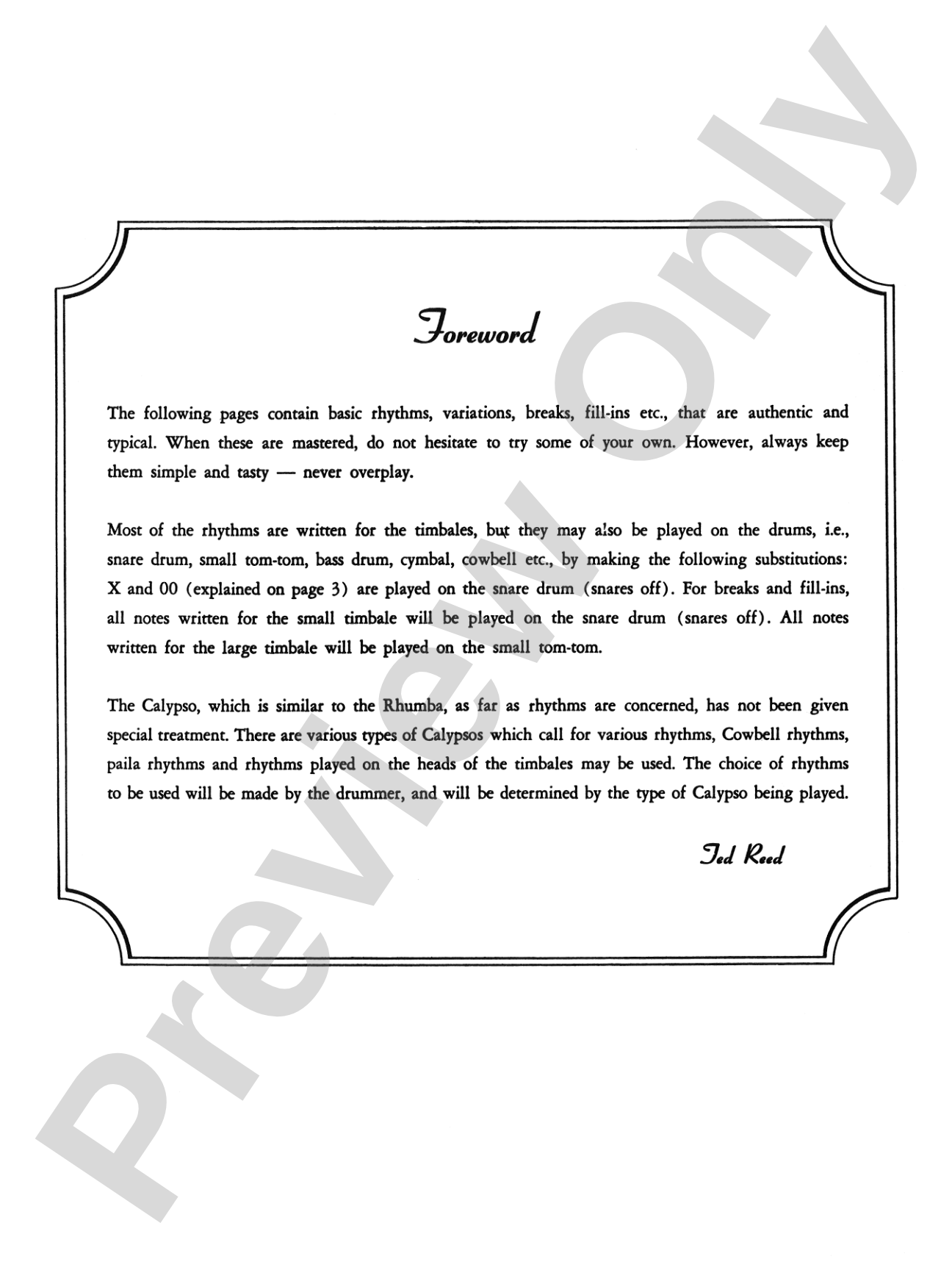
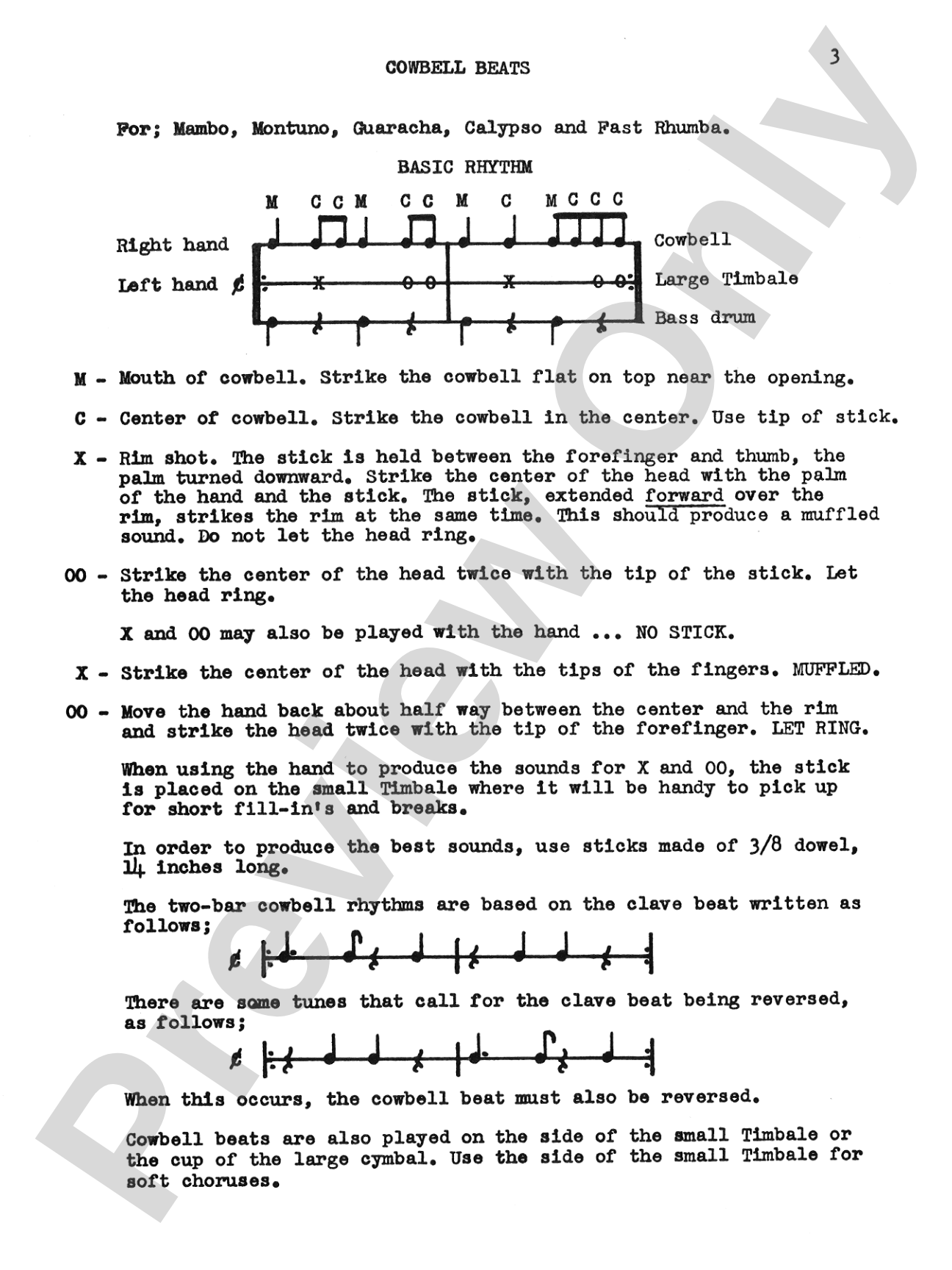
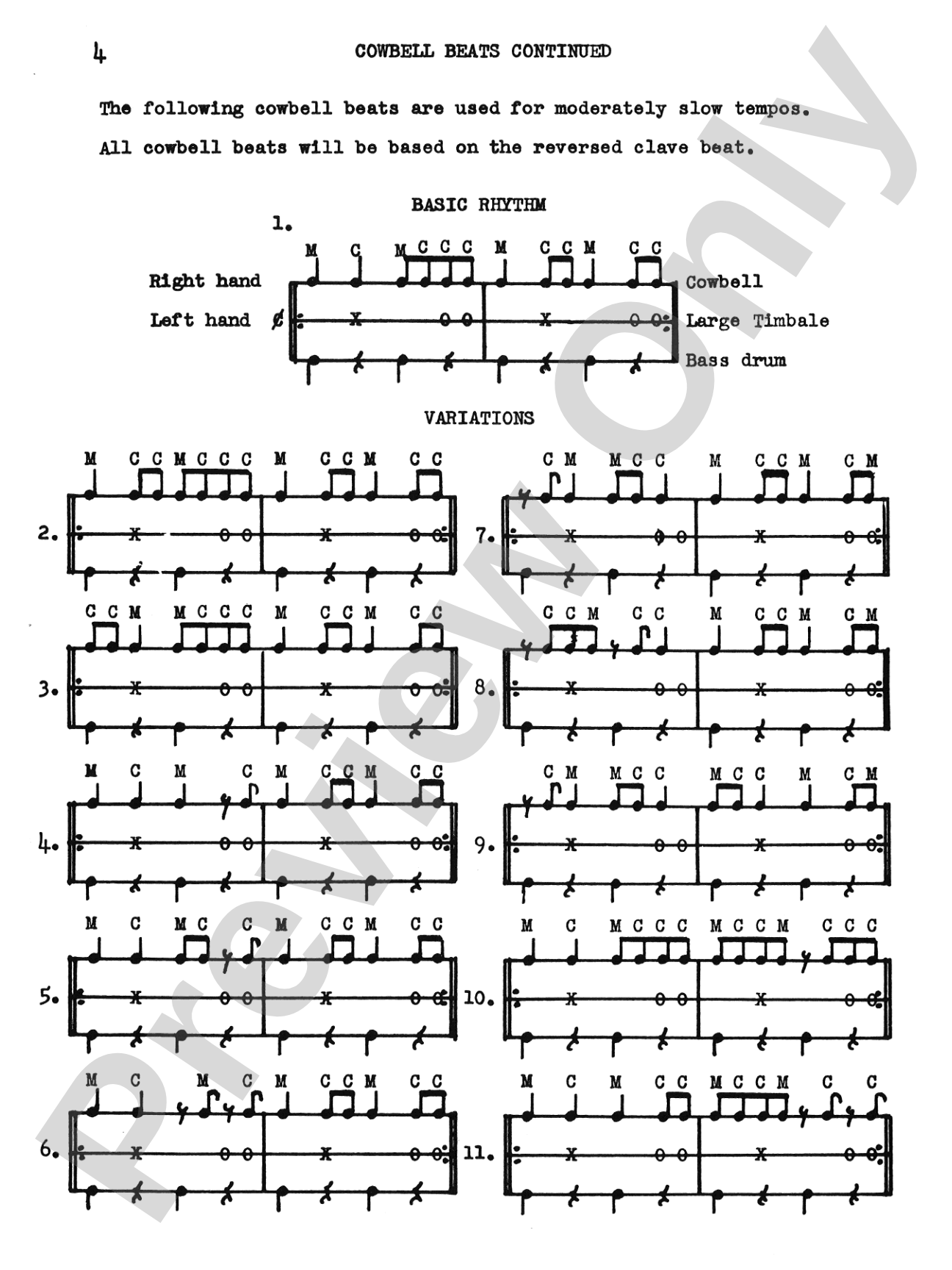
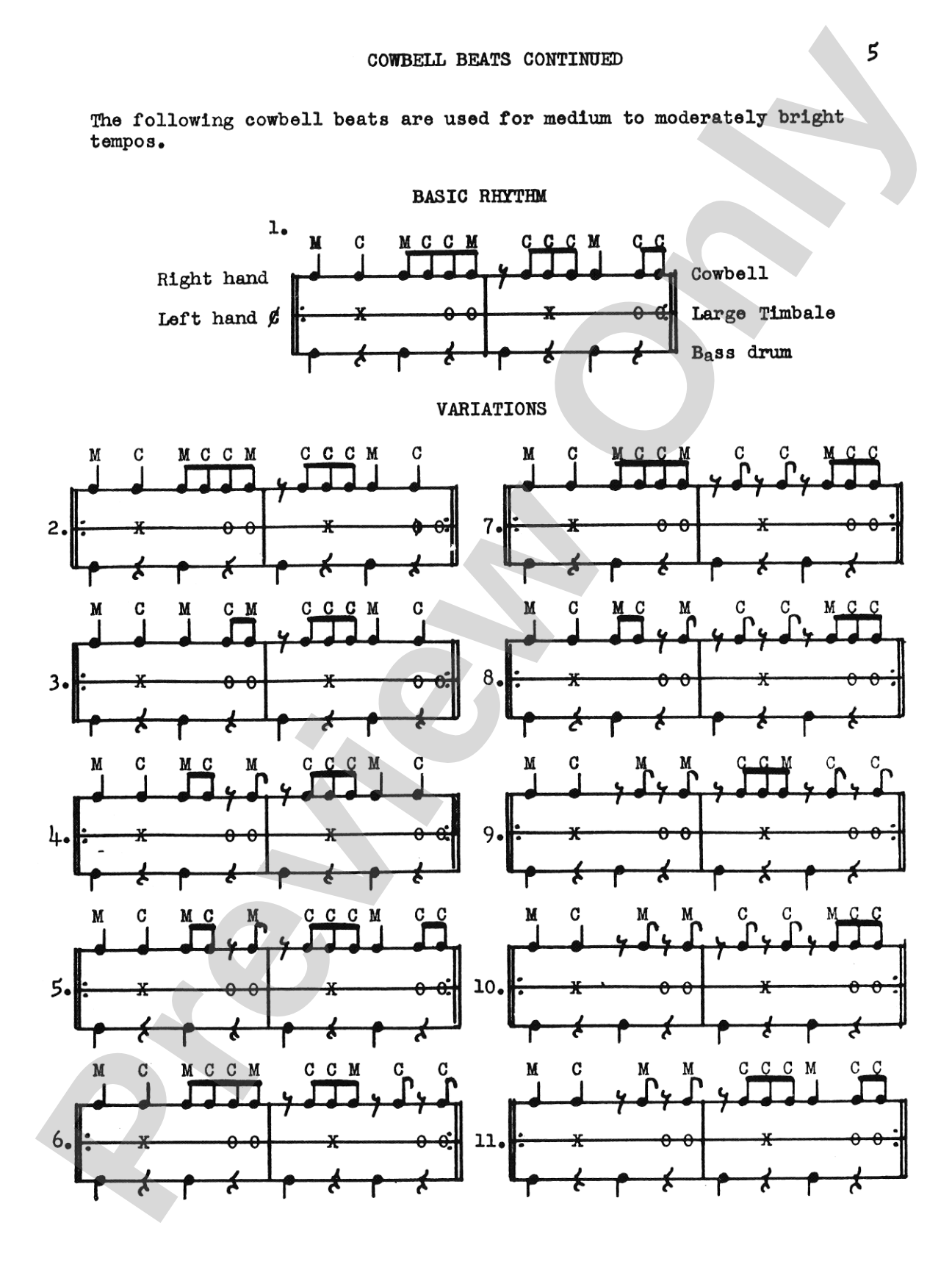
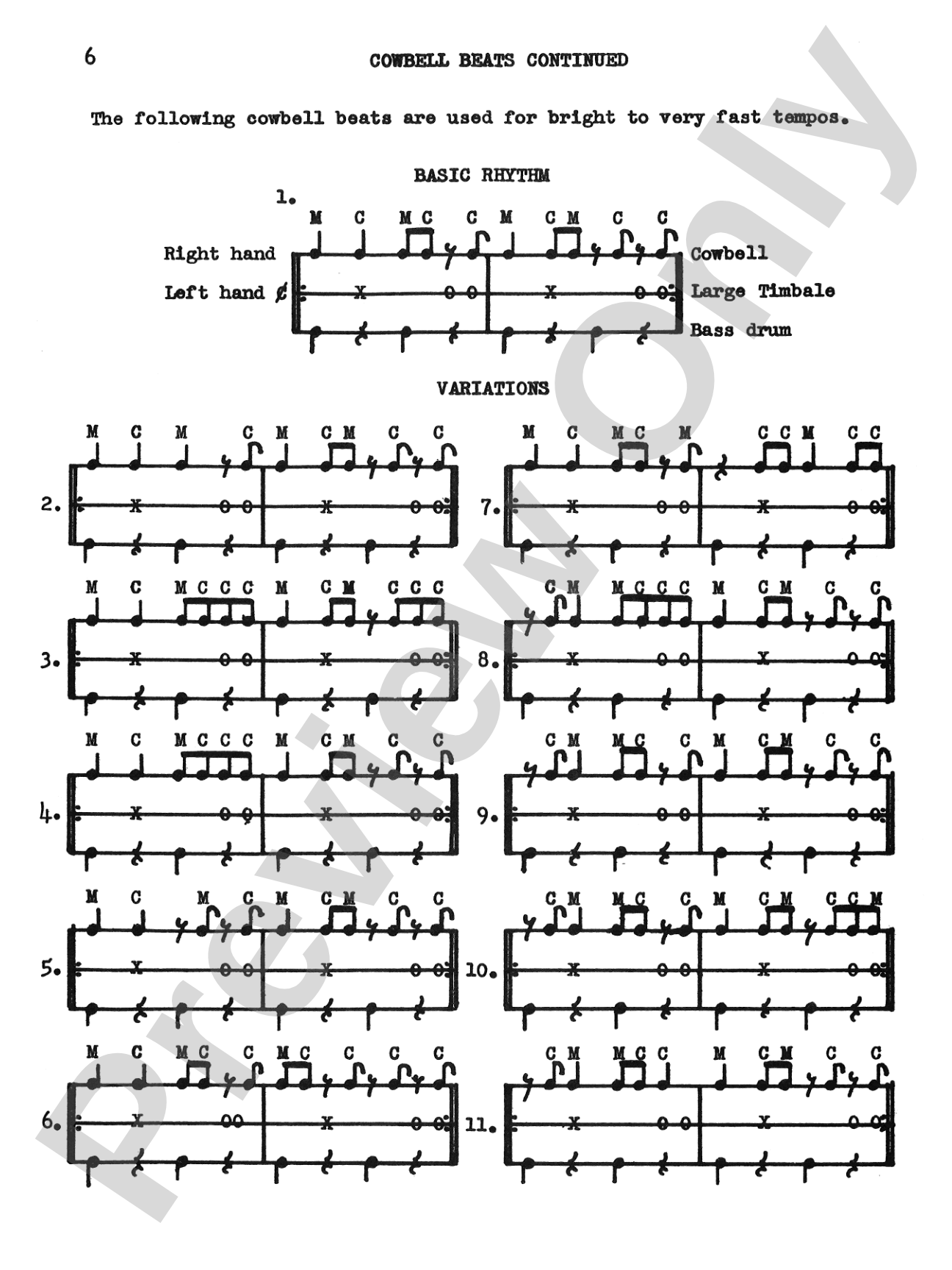
Basic rhythms, variations, breaks, short solos and fill-ins for the mambo, cha-cha, merengue, bolero, samba, conga, beguien, paso doble, tango, montuno, calypso and joropo. Most rhythms are written for the timbales, but may be played on drums, cymbal or cowbell by making simple substitutions.


Latin Rhythms for Drums and Timbales isn't in MakeMusic Cloud just yet...but it could be. Let us know you'd like to see it, and you'll help shape what comes next. In the meantime, start a free trial and dive into thousands of interactive titles your students can play along with today.
Request This Title
Tell us you want it.
Start Your Free Trial
Explore everything that's ready to play right now.
Sample Audio
No sample audio found.
Sample Video
No sample videos found.
Additional Details
Publisher:
Alfred Music
Page Count:
28
SKU:
00-PB-0002109
More about this title
About the Composer: Ted Reed
Ted Reed stands as one of percussion education's most practical voices. His pedagogical approach prioritizes immediate playability and real world application, making complex rhythmic concepts accessible to drummers at all levels.
Reed's influence on percussion pedagogy extends across generations of students who learned not just technique, but the cultural and musical contexts behind world rhythms. His methodical presentation of Latin styles has become foundational material in percussion curricula worldwide.
Why we love this
Few resources distill the essential patterns of twelve distinct Latin styles into one coherent, immediately usable format. Reed's approach respects the structural integrity of each tradition while acknowledging the practical reality that students learn faster when they can apply rhythmic concepts across multiple instruments. The progression from basic patterns through variations, breaks, and solos builds genuine musicianship rather than mere pattern collection.
What to expect
Moving through these pages feels like touring rhythmic landscapes, each with distinct character and texture. The mambo sits bright and insistent; the bolero breathes with restraint; the samba pulses with infectious lift. You're not collecting patterns so much as developing fluency in a whole musical language.
Who it's for
Drummers pursuing serious facility with Latin styles will find an exceptionally organized reference that moves beyond surface patterns. Percussion instructors building a Latin unit will appreciate how clearly these twelve styles are delineated and how naturally they build on each other. Ensemble directors without strong Latin percussion backgrounds can confidently assign these patterns knowing students have a structured, reliable source.
How to get the most out of it
- Start with the foundational pattern for each style before attempting variations; the core rhythm must sit in your body before embellishment becomes musical rather than decorative.
- Transpose the timbales parts to your preferred instrument thoughtfully. Cowbell articulation differs dramatically from timbales resonance, and cymbal dynamics require intentional adjustment to avoid overwhelming the ensemble.
- Practice the breaks and fill-ins separately from the main patterns, then layer them back in with a steady tempo. This prevents rushing and ensures your phrasing sits comfortably inside the groove.
- Listen to recorded examples of each style before drilling the page. Your hands will absorb the cultural pulse far more completely when your ear anchors the patterns to their authentic context.
How to use it
Build a Latin percussion unit around this book by assigning one or two styles per week, allowing students to develop deep familiarity rather than shallow exposure. Pair it with repertoire featuring the same styles (a samba chart, a tango arrangement) so students hear and play the patterns in musical context simultaneously. Include student showcases where small ensembles perform the solos and fill-ins, transforming technical study into performance experience.
Skills your students will build
- Coordination between hands playing independent rhythmic lines on different instruments
- Reading and executing syncopated rhythms specific to twelve Latin traditions
- Recognizing and replicating the distinctive articulation and attack requirements of mambo, cha-cha, merengue, bolero, samba, conga, beguine, paso doble, tango, montuno, calypso, and joropo
- Improvising variations and fill-ins within established rhythmic frameworks
- Translating written patterns for timbales to alternative percussion instruments with appropriate tonal adjustments