Lasso: Six Fantasies Sheet Music Preview

Lasso: Six Fantasies

By Orlando di Lasso

Item: 00-PC-0010973

Digital Download
$0.99
Description
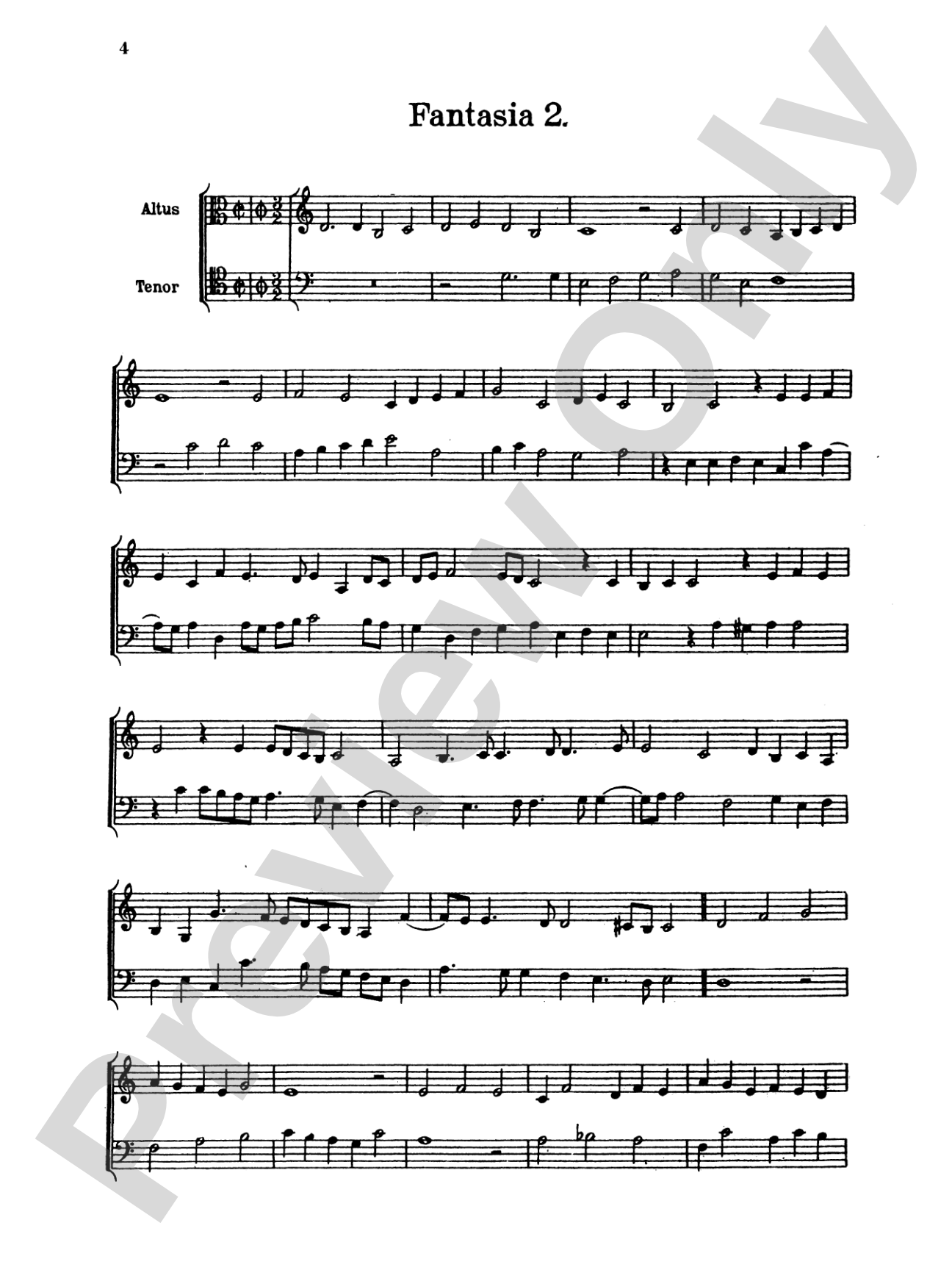
A String Duet for Violin and Cello, composed by Orlando di Lasso.

Don't just read it, hear it, play along with it, and watch your students grow with it. In MakeMusic Cloud, Lasso: Six Fantasies comes alive with professional accompaniment, adjustable tempo, and built-in practice tools that turn solo practice into real progress.

Sample Audio
No sample audio found.
Sample Video
Additional Details
Series: Kalmus Edition
Publisher: Alfred Music
Page Count: 16
SKU: 00-PC-0010973

More about this title

About the Composer: Orlando di Lasso

Orlando di Lasso (c. 1530-1594) was one of the most prolific and celebrated composers of the Renaissance, with a catalog exceeding 2,000 works spanning nearly every vocal and instrumental genre of his era. Born in Mons (in present-day Belgium), he served at courts across Europe before spending the final decades of his life as Kapellmeister at the Bavarian court in Munich, where he composed continuously and trained generations of musicians. His instrumental music, including these fantasies, demonstrates the same contrapuntal mastery and expressive depth that defined his vocal output.

Why we love this

These fantasies reveal Lasso's gift for writing idiomatic string music that balances technical challenges with genuine musical substance. Renaissance duet repertoire at this level remains scarce in performance archives, making this collection a valuable addition to festival and recital programming. The writing respects the strengths of both instruments without favoring one voice, creating genuinely collaborative music that develops equally in both parts.

What to expect

These fantasies move with the conversational elegance characteristic of Renaissance instrumental music, where both voices engage in thoughtful dialogue rather than hierarchical accompaniment. The writing unfolds with a sense of exploration, each fantasy discovering new contrapuntal possibilities while maintaining a lyrical, singing quality throughout. There is sophistication without virtuosic display; the pieces reward attention to line and harmony over technical display.

Who it's for

Intermediate to advanced string duos seeking substantial Renaissance repertoire for recitals, competitions, or chamber music studies. Violinists and cellists at the high school and early college level will find these fantasies technically rewarding and musically mature, offering exposure to a genuine master of counterpoint working in an instrumental medium.

How to get the most out of it

  • Shape phrases around the harmonic rhythm rather than metric downbeats; Renaissance fantasies benefit from linear continuity that often cuts across barlines.
  • Balance the independent melodic lines by listening carefully to voice leading rather than aiming for equal volume; one voice frequently carries structural weight while the other provides harmonic or textural support.
  • Attend to the relationship between the two parts as you prepare; identify where they move in parallel motion, where they cross, and where one voice echoes or develops an idea from the other.
  • Allow for slight flexibility in tempo where the harmonic motion slows or accelerates; these pieces often signal changes in pace through changes in note density rather than explicit markings.

How to use it

Program these fantasies as anchors for a Renaissance or early music recital, pairing them with other duet literature from the 16th century or with solo repertoire from the same period. They work equally well in a chamber music festival context, where they demonstrate the depth available in string duet writing before the Baroque era. Consider using them to frame a thematic concert exploring how composers approached counterpoint across different instrumental combinations.

Skills your students will build

  • Maintaining independent melodic lines while listening to harmonic relationships
  • Reading and realizing Renaissance notation conventions and clefs
  • Balancing dialogue between equal instrumental voices
  • Shaping long phrases across formal sections without modern dynamic markings
  • Understanding contrapuntal technique through performance rather than analysis alone

You May Also Like