
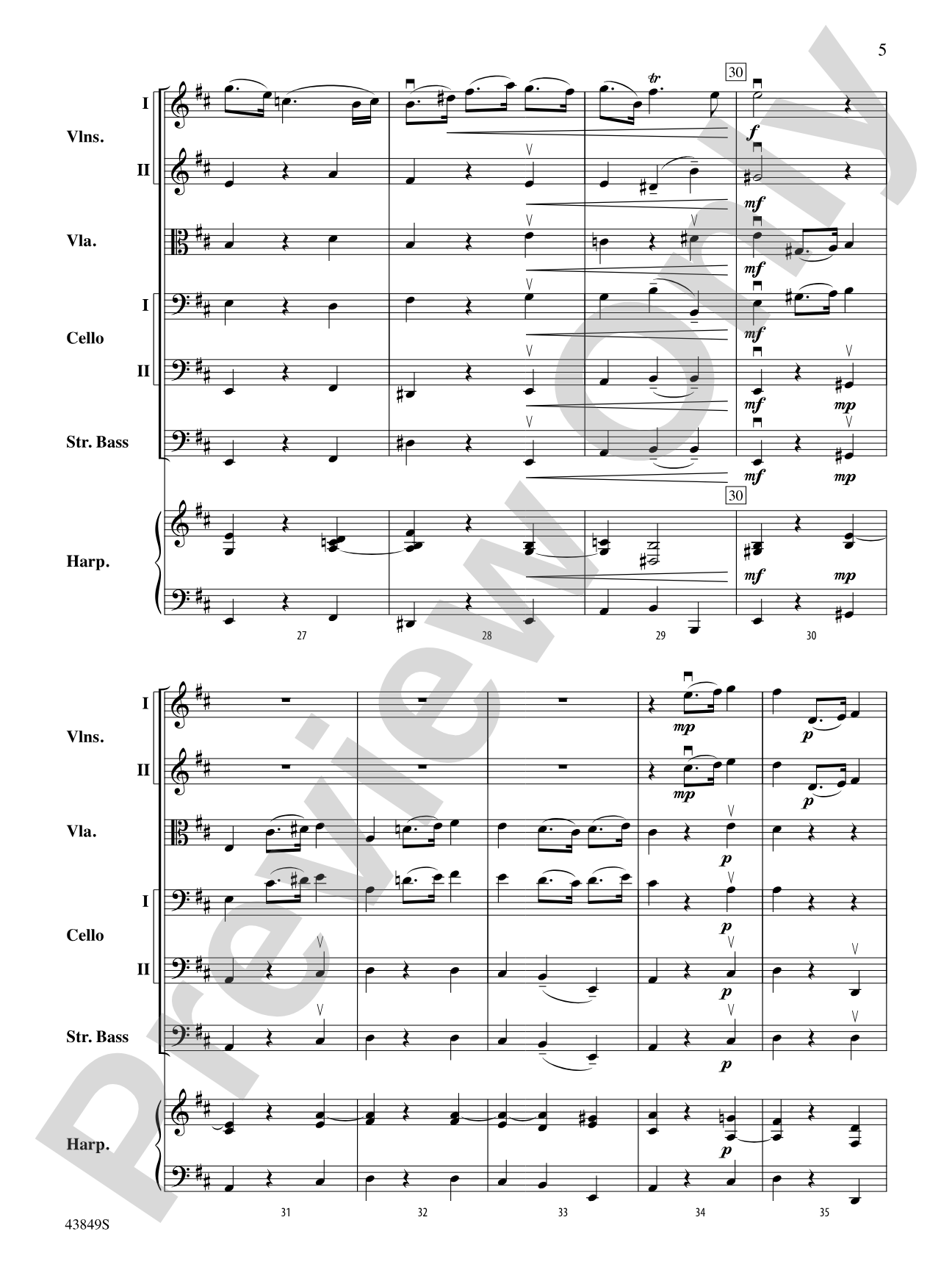
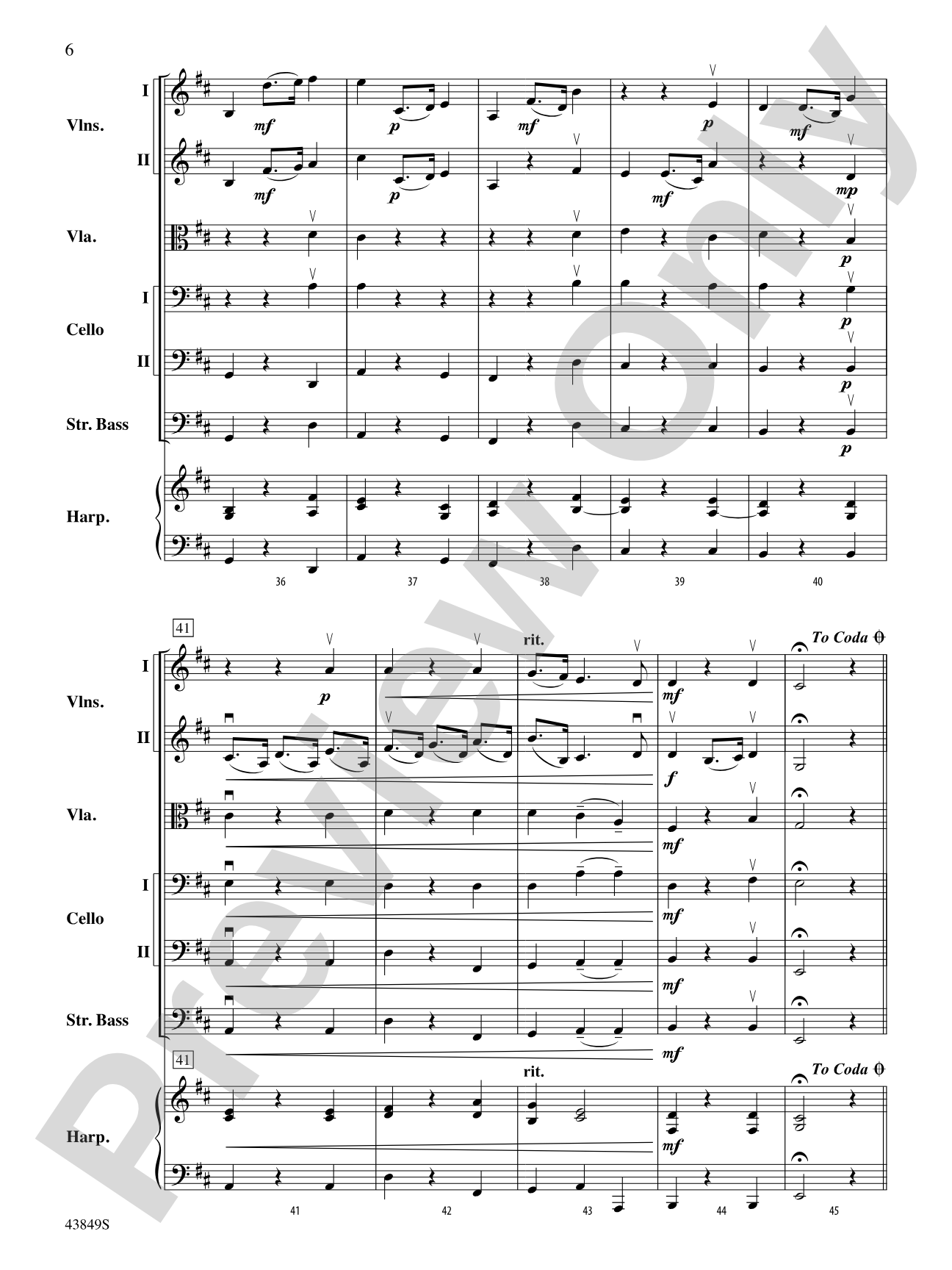
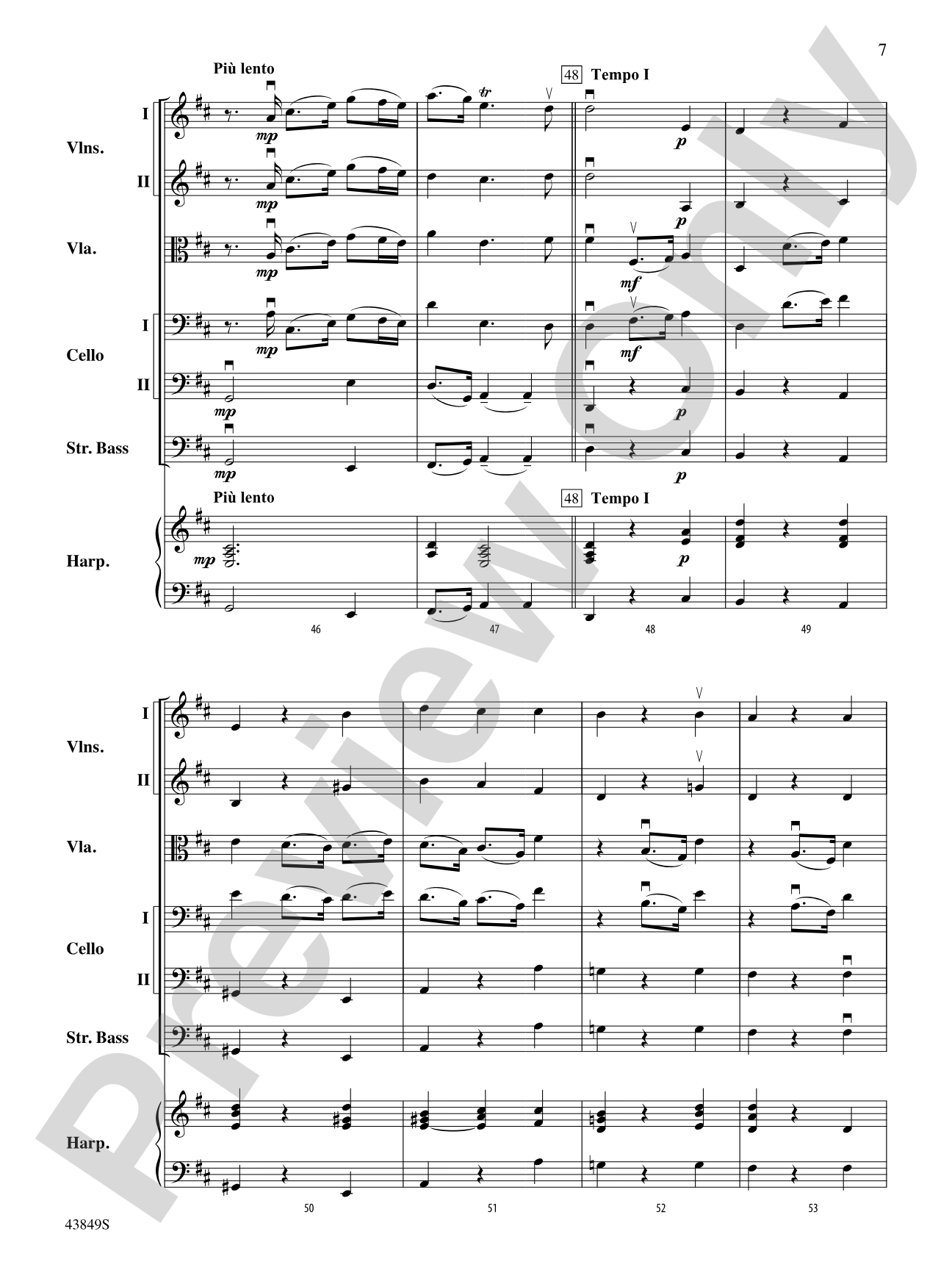
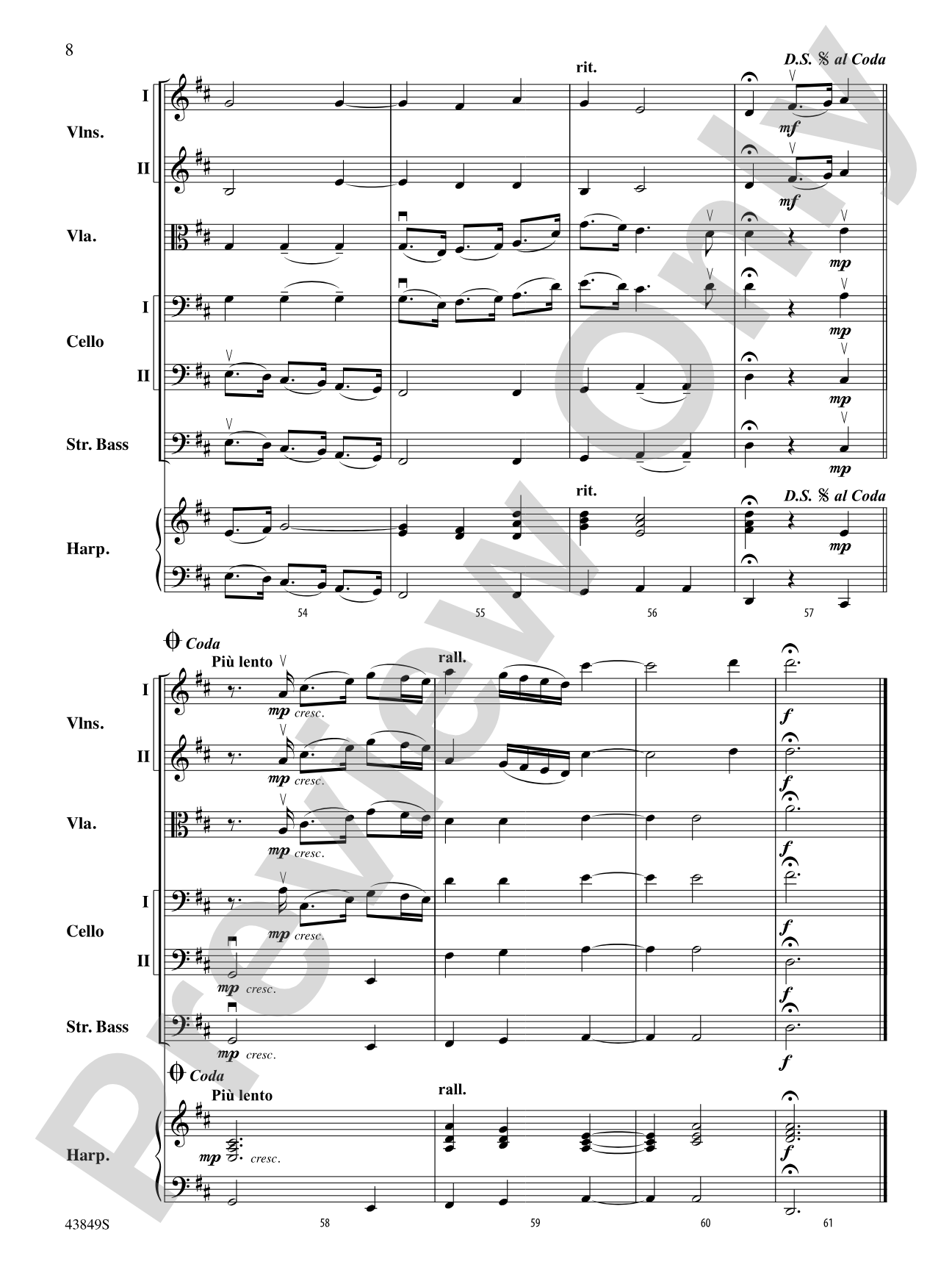

Largo: Score
From Concerto for Viola, Mvt. 1
By Georg Philipp Telemann / arr. Robert Sieving
Grade: 3
Item: 00-PR-0005187
$9.00
Pickup currently not available
Description
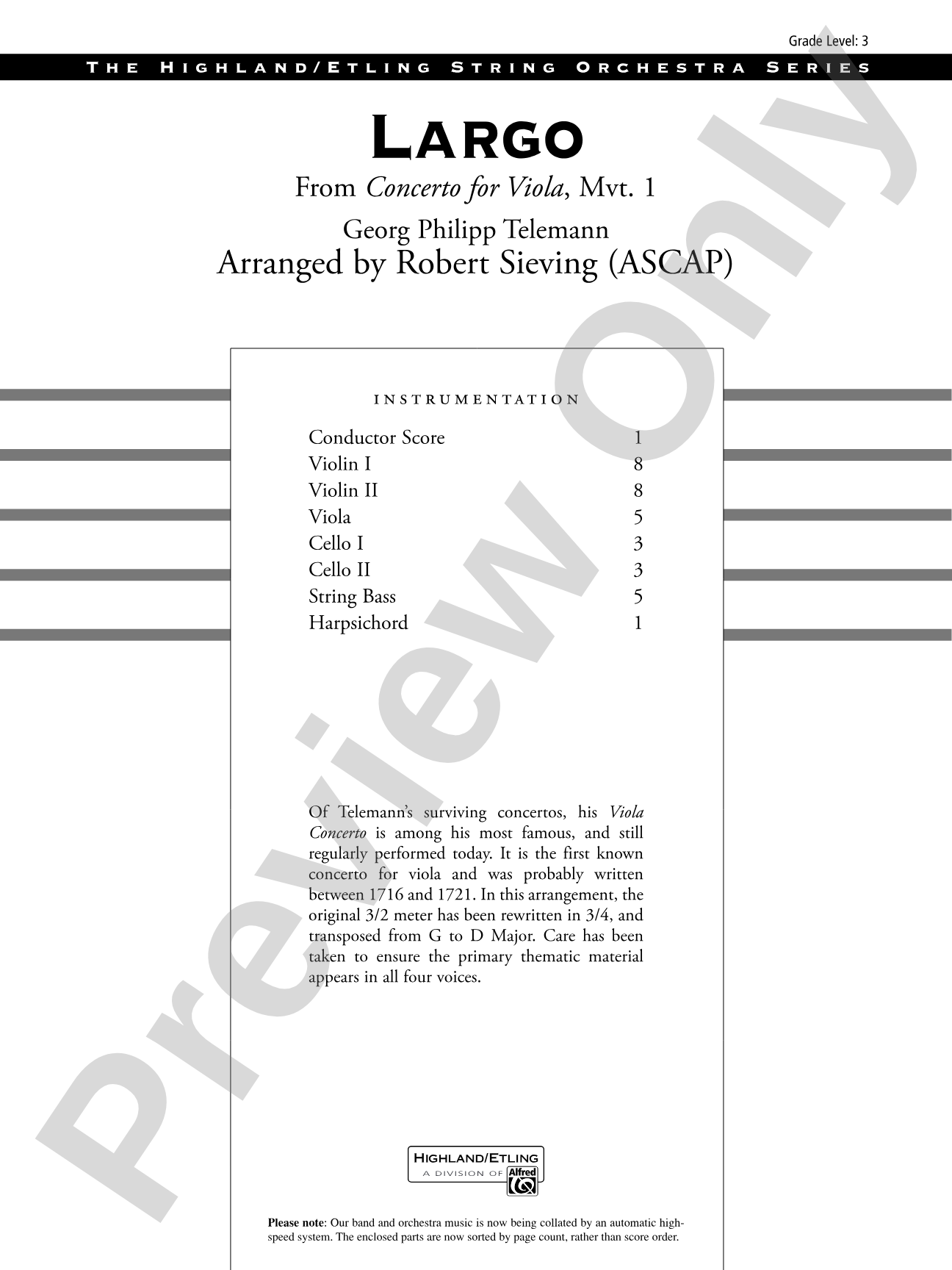
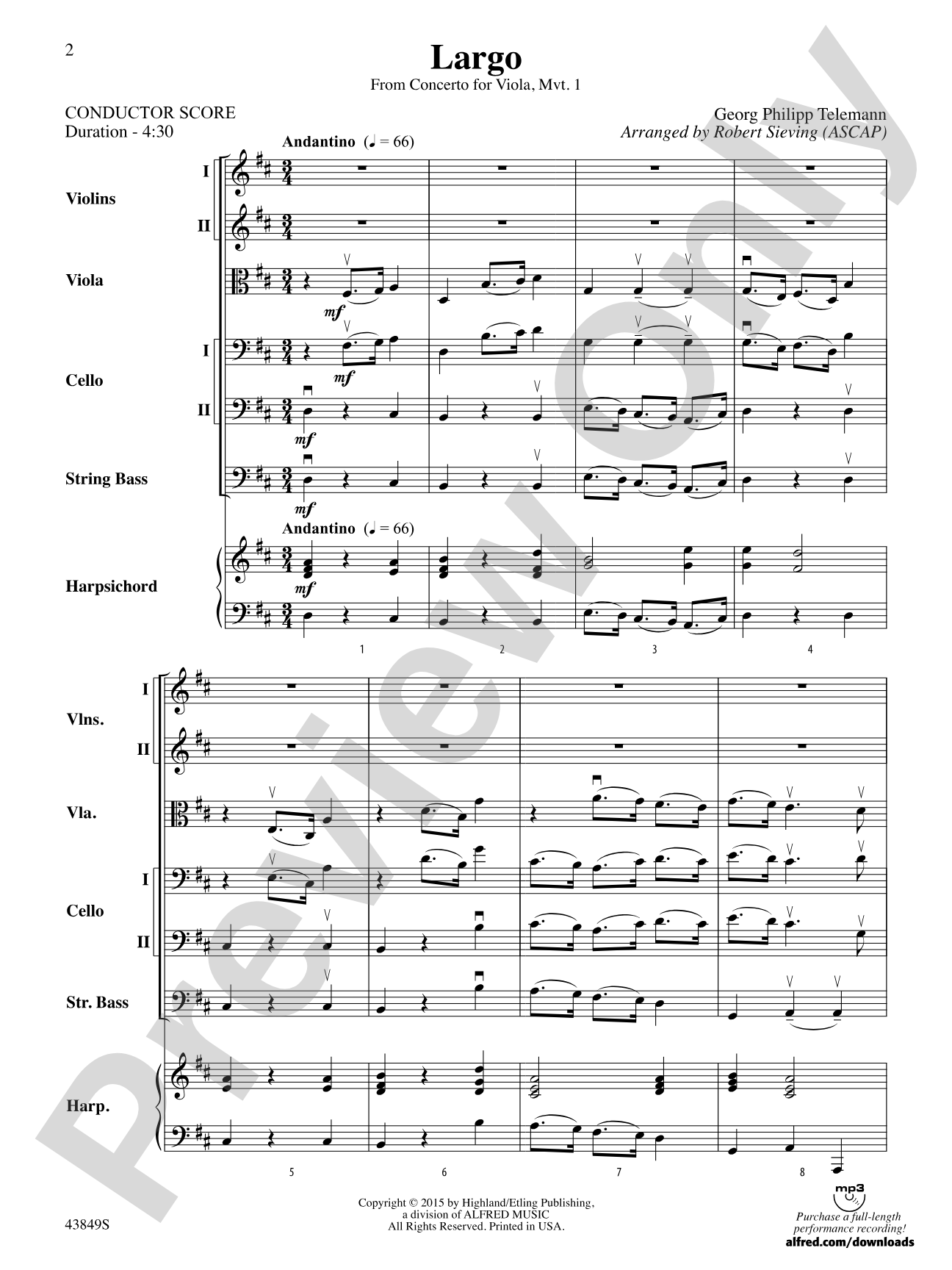
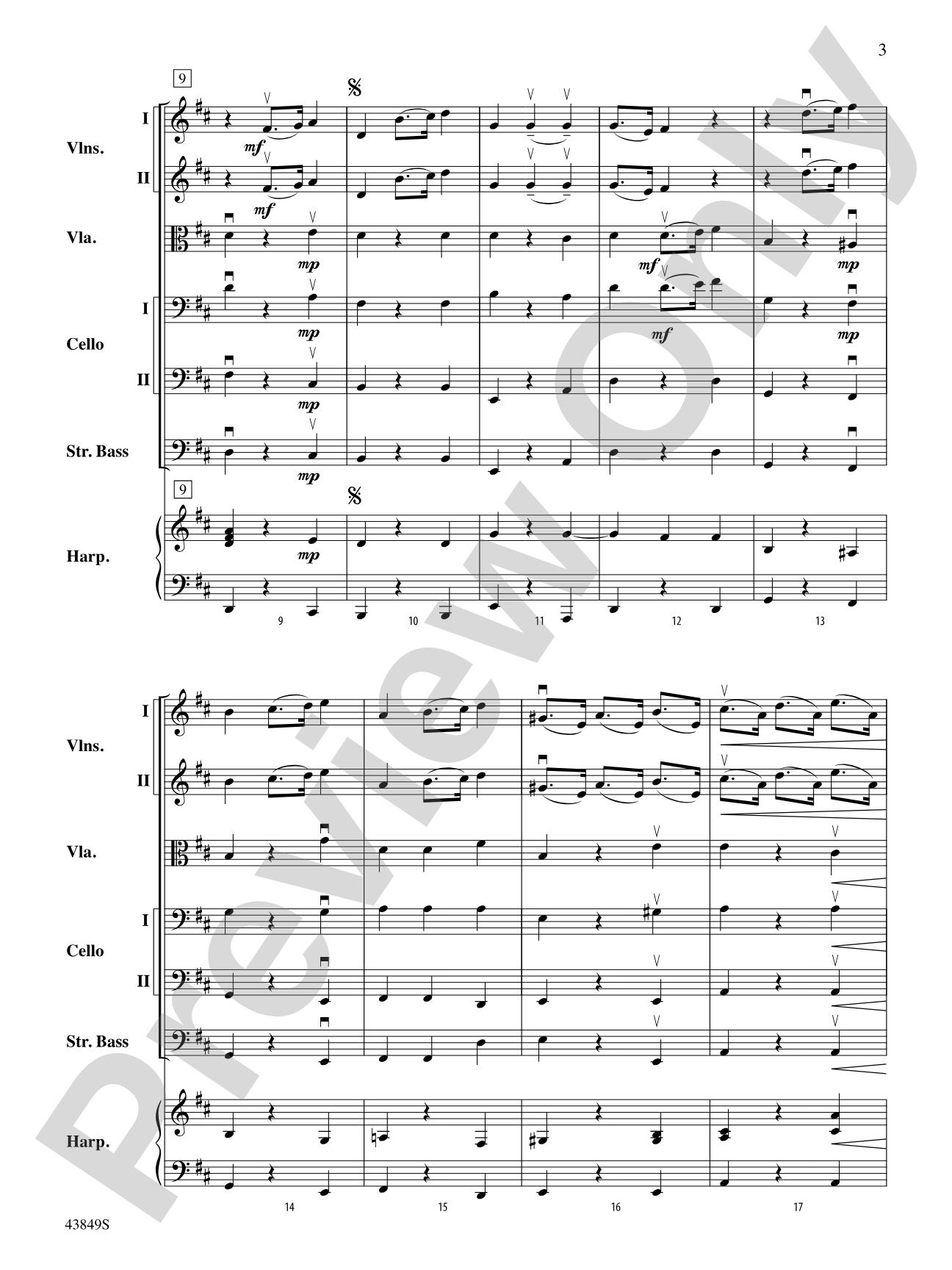
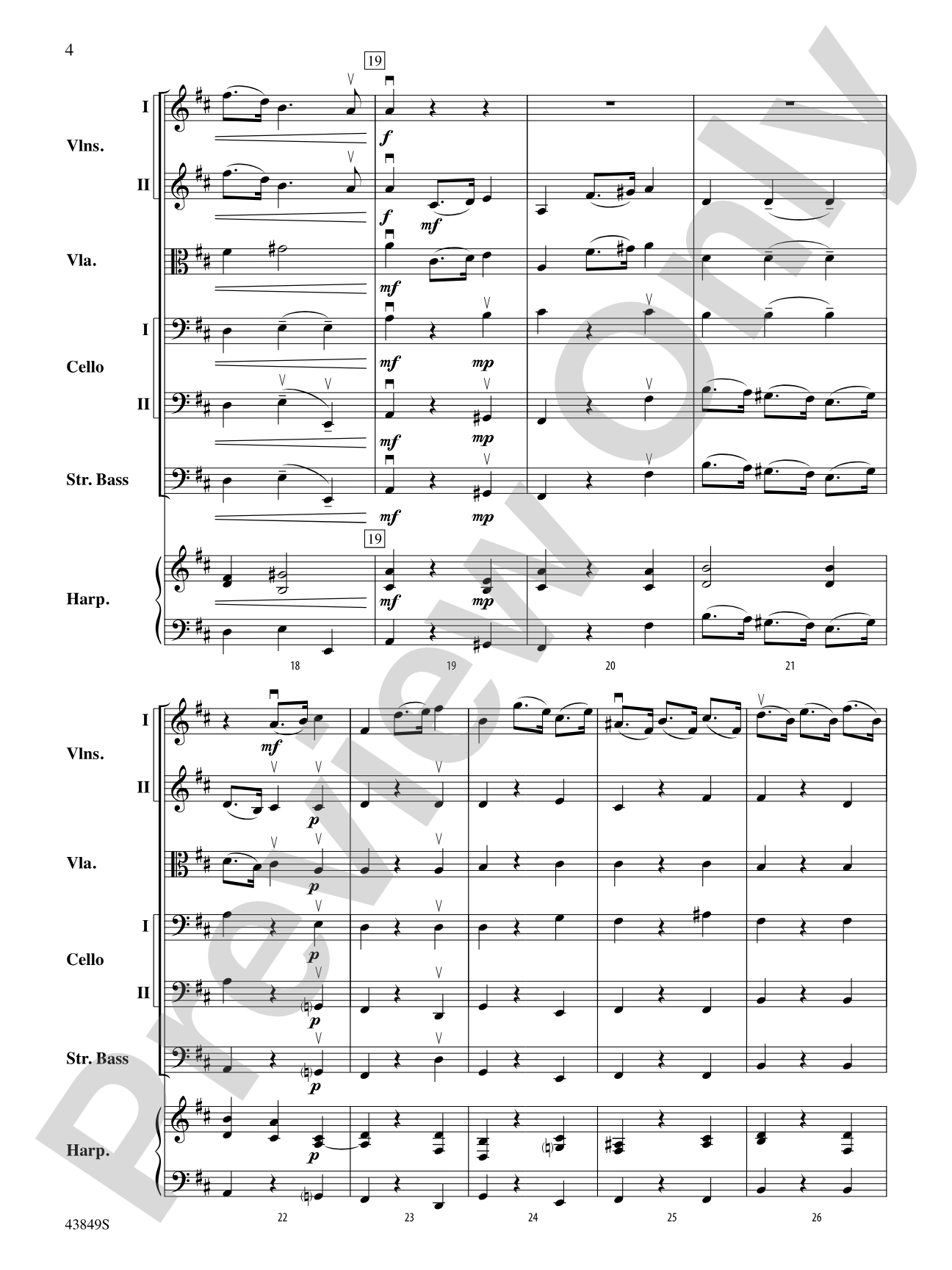
Set in 3/4 and in D major, all four voices share the theme. A lovely string setting of this first known viola concerto! (4:30)


Don't just read it, hear it, play along with it, and watch your students grow with it. In MakeMusic Cloud, Largo: Score comes alive with professional accompaniment, adjustable tempo, and built-in practice tools that turn solo practice into real progress.
Open in the Player
Jump straight in and assign it today.
Start Your Free Trial
Open this title and explore the full library in minutes.
Sample Audio
1
Audio File
--:--
0:00
0:00
Sample Video
No sample videos found.
Additional Details
Series:
Highland/Etling String Orchestra
Publisher:
Alfred Music
Page Count:
68
SKU:
00-PR-0005187
More about this title
About the Composer: Georg Philipp Telemann
Georg Philipp Telemann (1681-1767) was one of the most prolific composers of the Baroque era, producing over 3,600 works across nearly every musical genre. A contemporary of Bach and Handel, Telemann held major positions in Frankfurt, Paris, and Hamburg, where he directed the city's churches and civic concerts. His music combines Italian lyricism with German contrapuntal skill, making it accessible without sacrificing sophistication.
Telemann's instrumental works, particularly his concertos, remain staples of string orchestra and wind ensemble repertoire. His writing for strings is idiomatic and gratifying to play, which explains why his music continues to dominate school and community orchestra programs. He understood how to write lines that sing naturally while maintaining musical substance, a gift that translates beautifully to young musicians.
Why we love this
Robert Sieving's arrangement honors Telemann's original orchestration while making the work accessible to Grade 3 strings without sacrificing the elegance of the material. The shared thematic writing across all four voices creates natural independence and engagement for every section, so violins don't carry the entire load. This is the kind of piece that teaches musicians to listen to each other while playing genuinely beautiful music.
What to expect
The D major tonality and 3/4 meter create a gentle, lyrical quality despite the Baroque idiom; the music flows with natural grace. Each voice receives moments of prominence, giving the piece a conversational, almost chamber-like intimacy even in full orchestration. The four-and-a-half-minute duration sustains an unhurried elegance without ever feeling static.
Who it's for
This arrangement suits intermediate string orchestras seeking substantial Baroque literature that doesn't require soloists or specialized expertise. It works equally well for orchestras preparing for festival competitions or building concert programs around masterworks. Conductors will appreciate that Grade 3 difficulty allows focus on interpretation rather than technical survival.
How to get the most out of it
- Shape the phrase through the 3/4 meter by allowing the line to breathe at natural cadence points; resist rushing into the next phrase to maintain the Baroque pacing.
- Balance all four string voices equally since the theme passes among them; use sectional rehearsals to ensure each group hears their role as primary before blending.
- Keep the vibrato narrow and controlled to preserve the transparent Baroque sonority; this clarity makes the thematic exchanges audible to the audience.
How to use it
Open a concert with this elegant work to establish a thoughtful tone, or pair it with contrasting contemporary or Romantic pieces to highlight the Baroque aesthetic. It fits naturally into classical music education units where students explore different historical periods and compositional approaches. The manageable length and moderate difficulty make it ideal for honor orchestras, regional festivals, or end-of-year programs celebrating technical growth.
Skills your students will build
- Baroque phrasing and articulation conventions
- Playing thematic material when it moves between string sections
- Maintaining independence while balancing four voices
- Responding to 3/4 meter with appropriate rubato and breathing
- Distinguishing Baroque string textures from Romantic and contemporary styles