

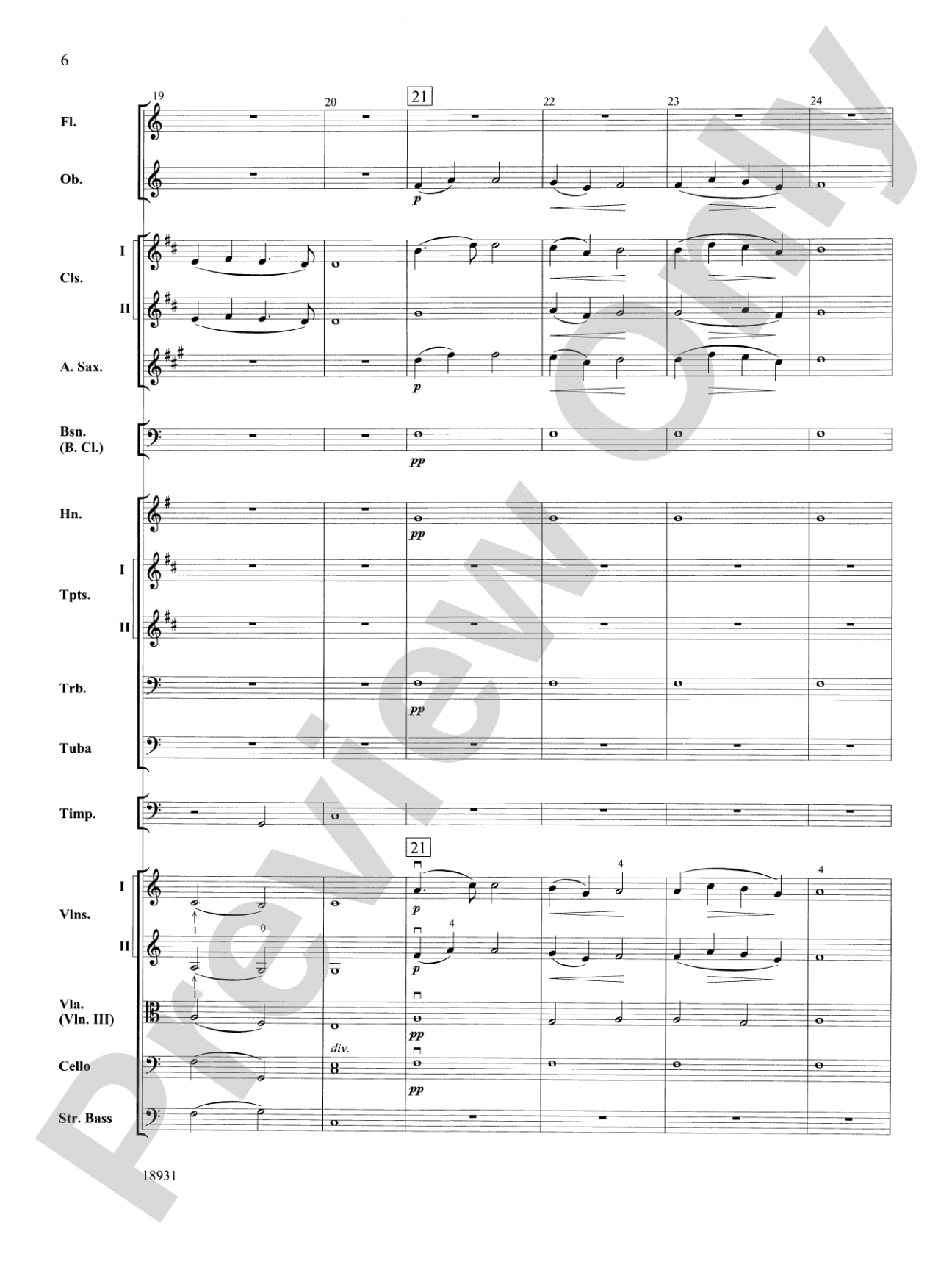
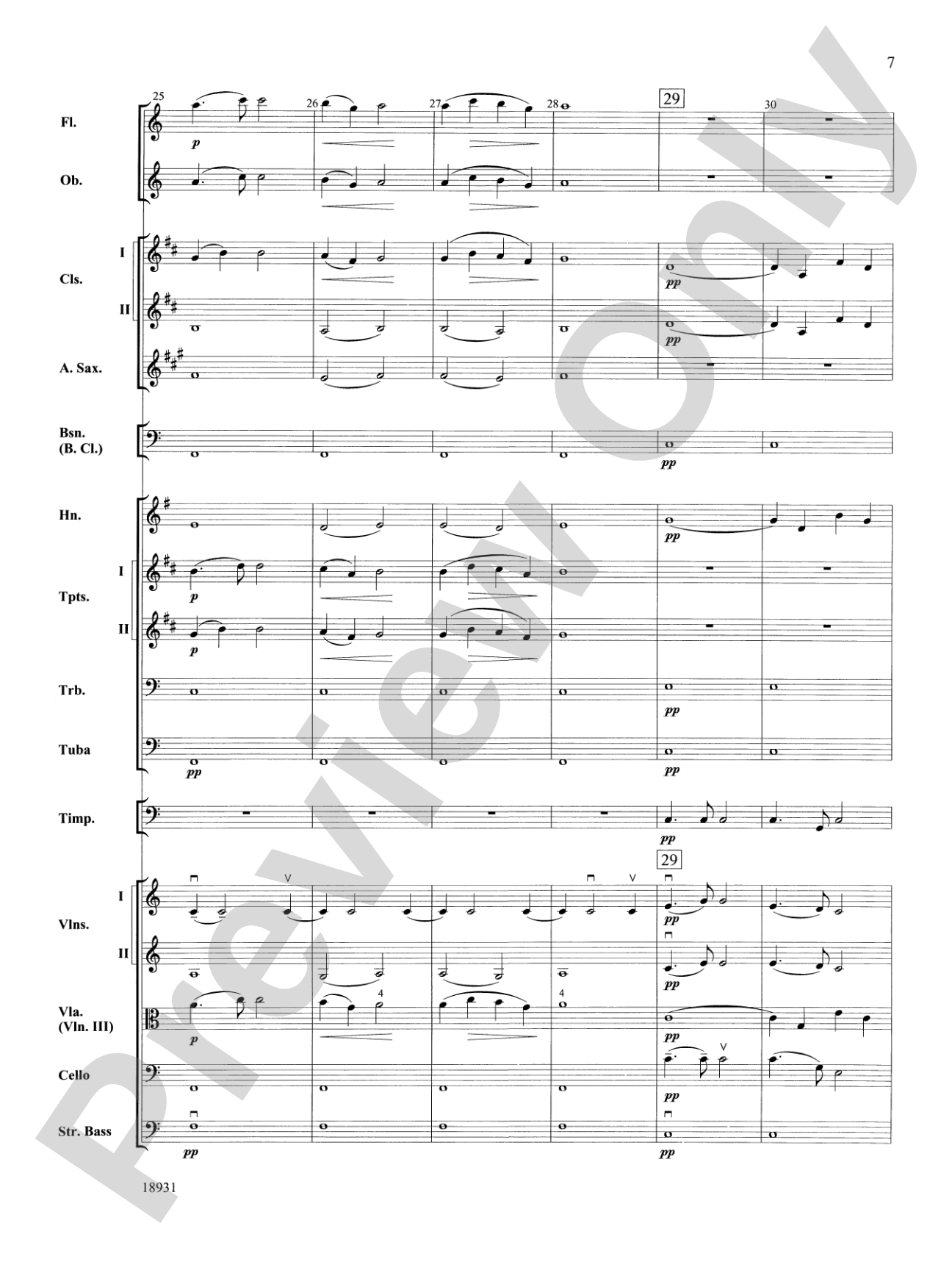
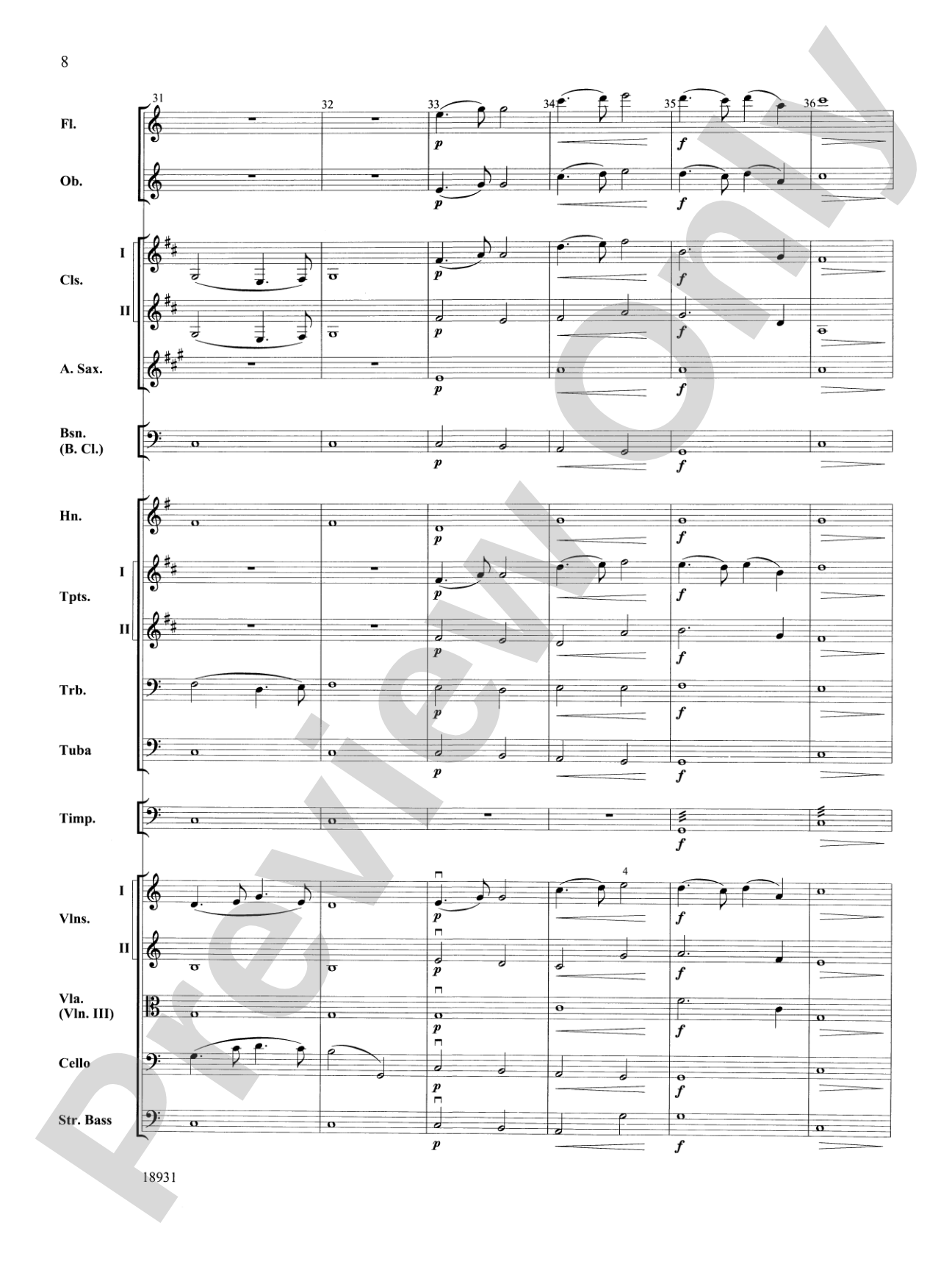
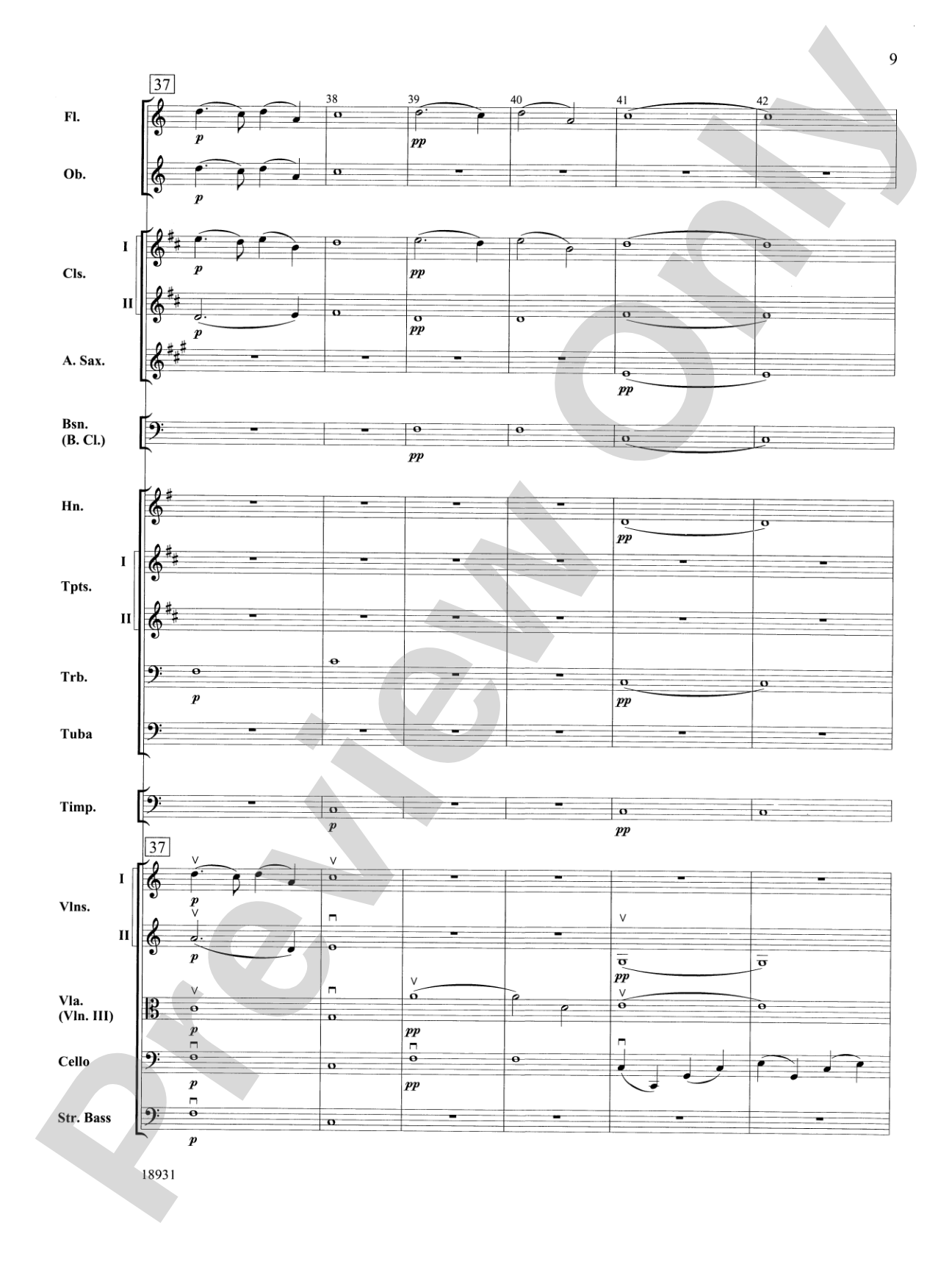
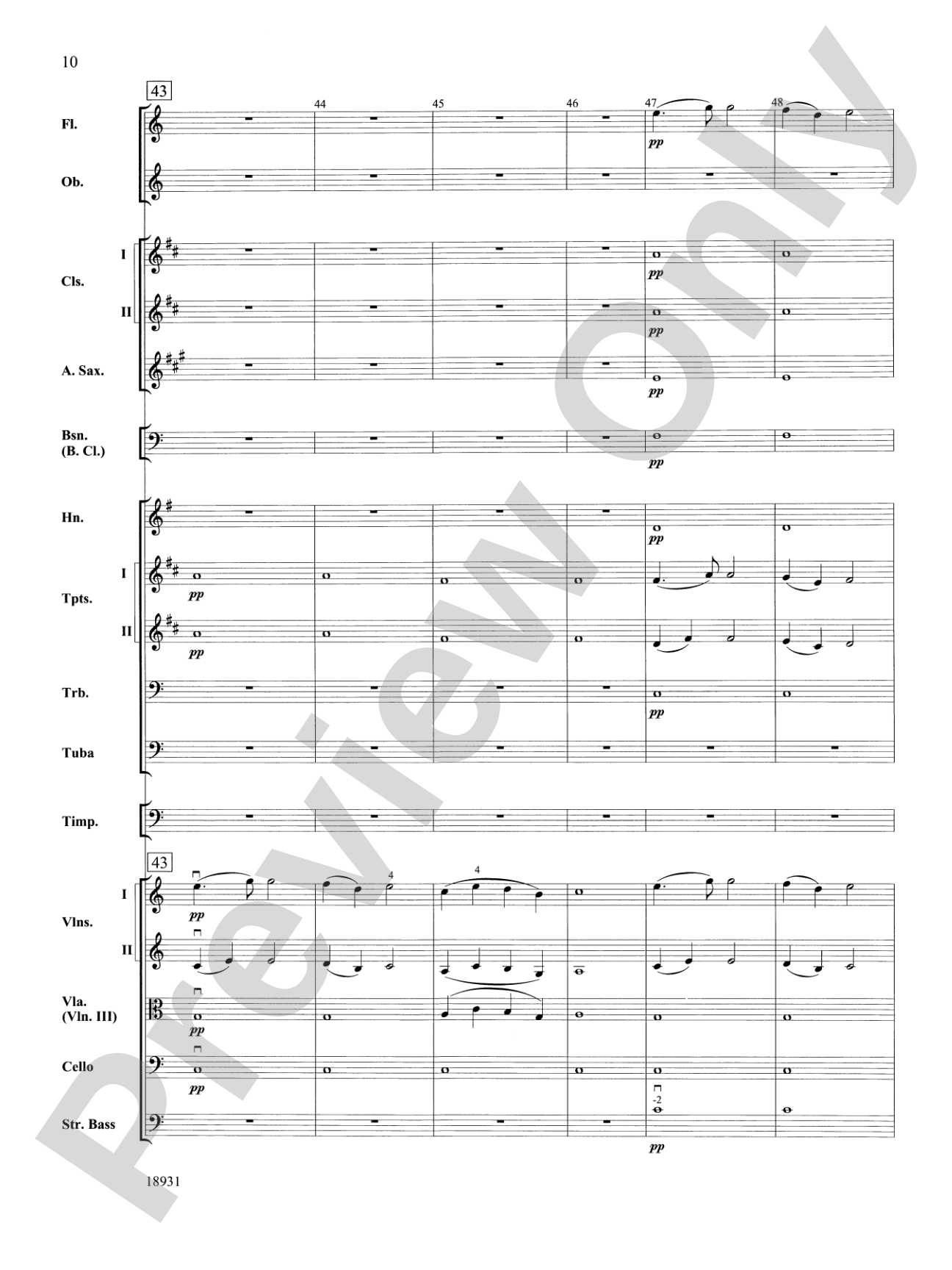
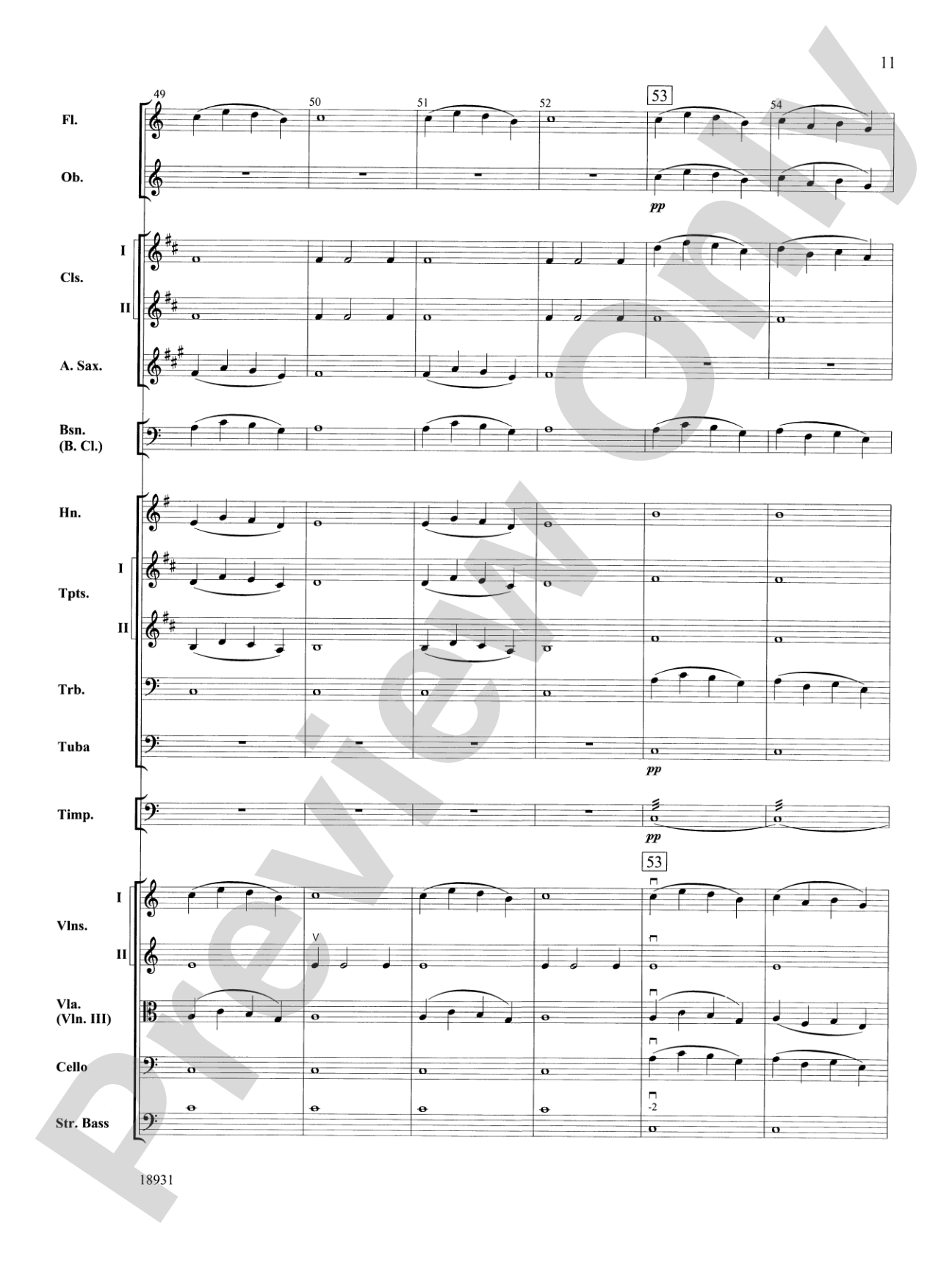
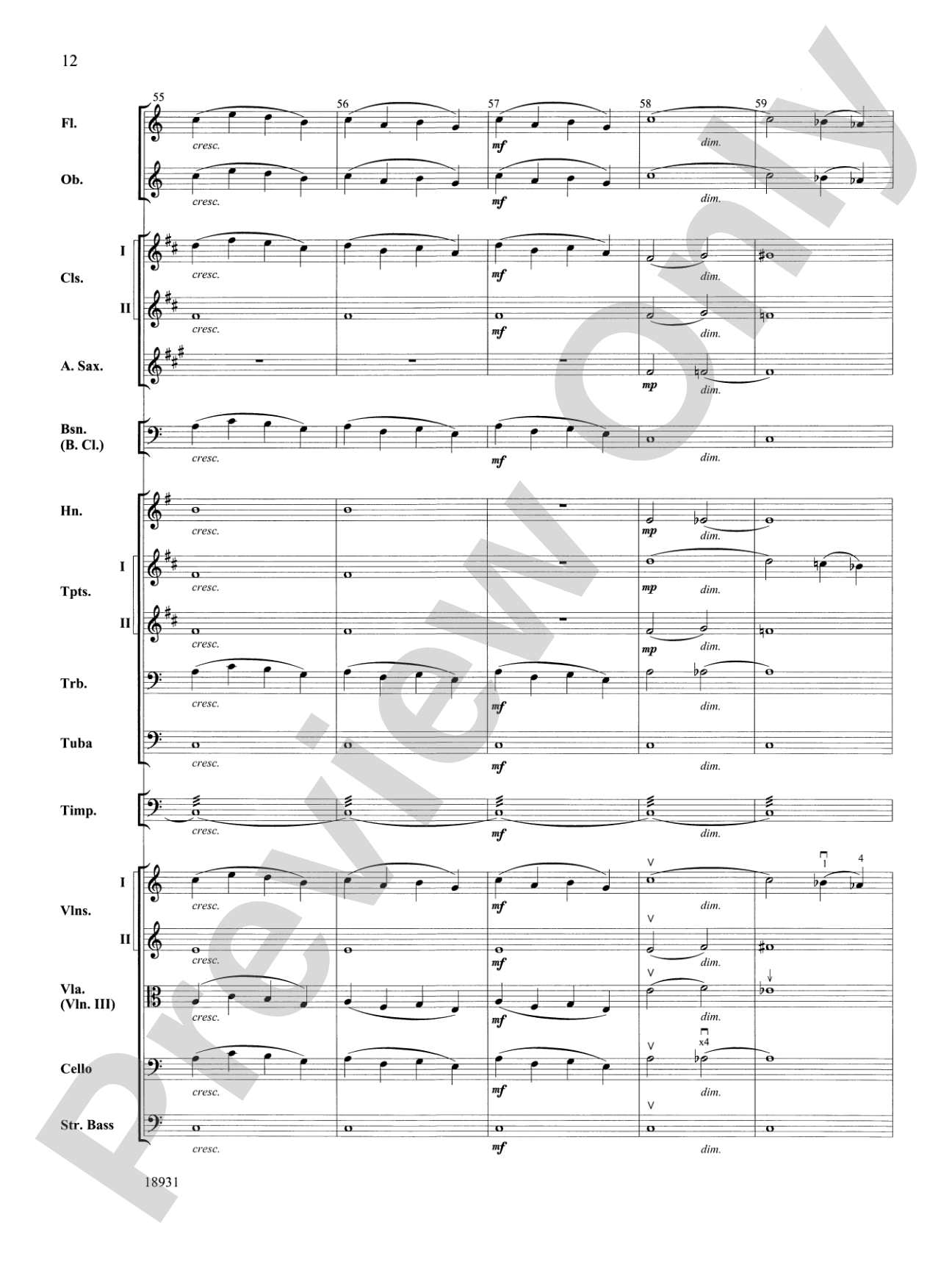
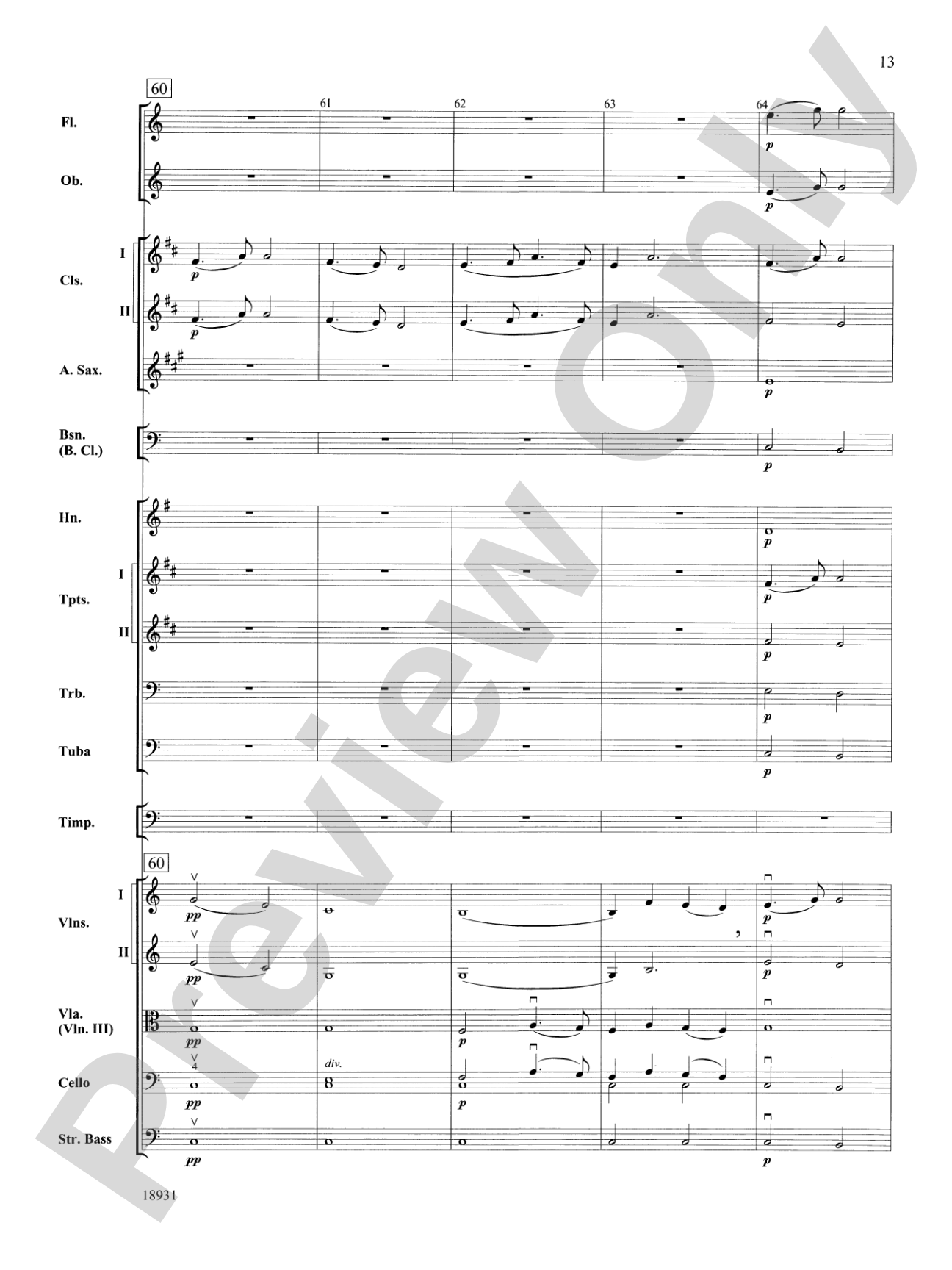
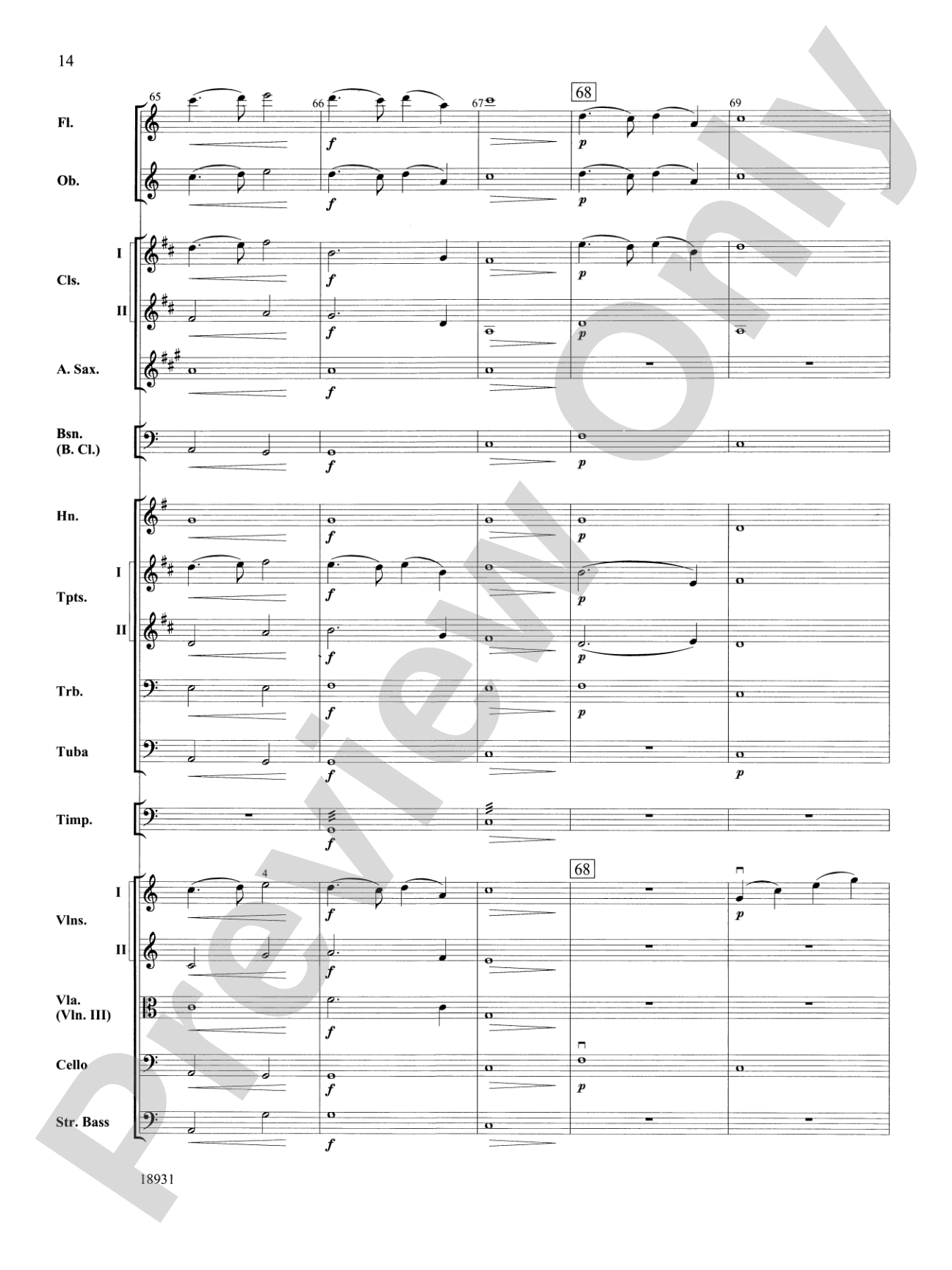
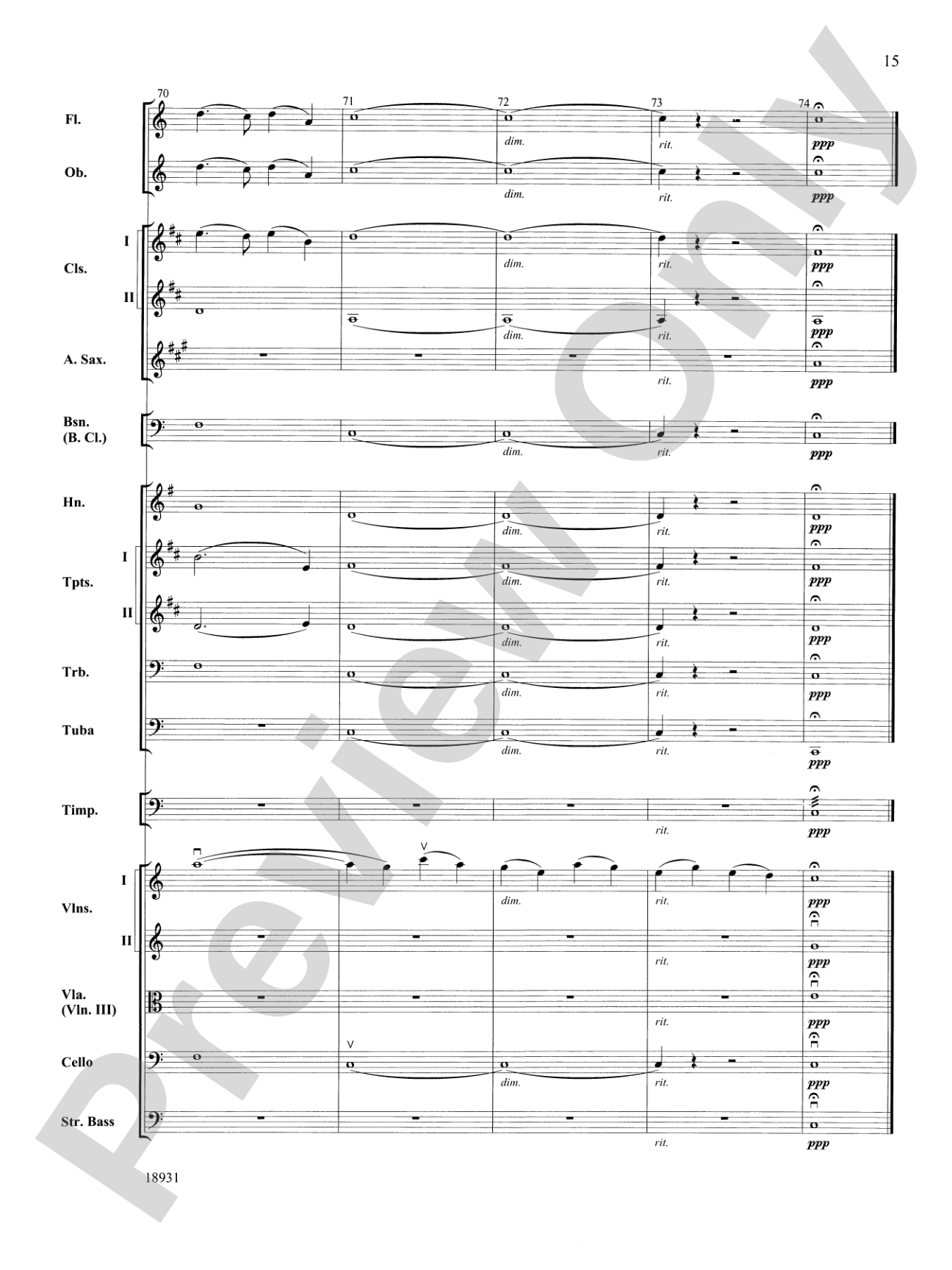


Largo from Symphony No. 9, "New World": Score
(from Symphony No. 9, "New World")
By Antonín Dvorák / arr. Richard Meyer
Grade: 1
Item: 00-PR-0000302
$9.00
Pickup currently not available
Description
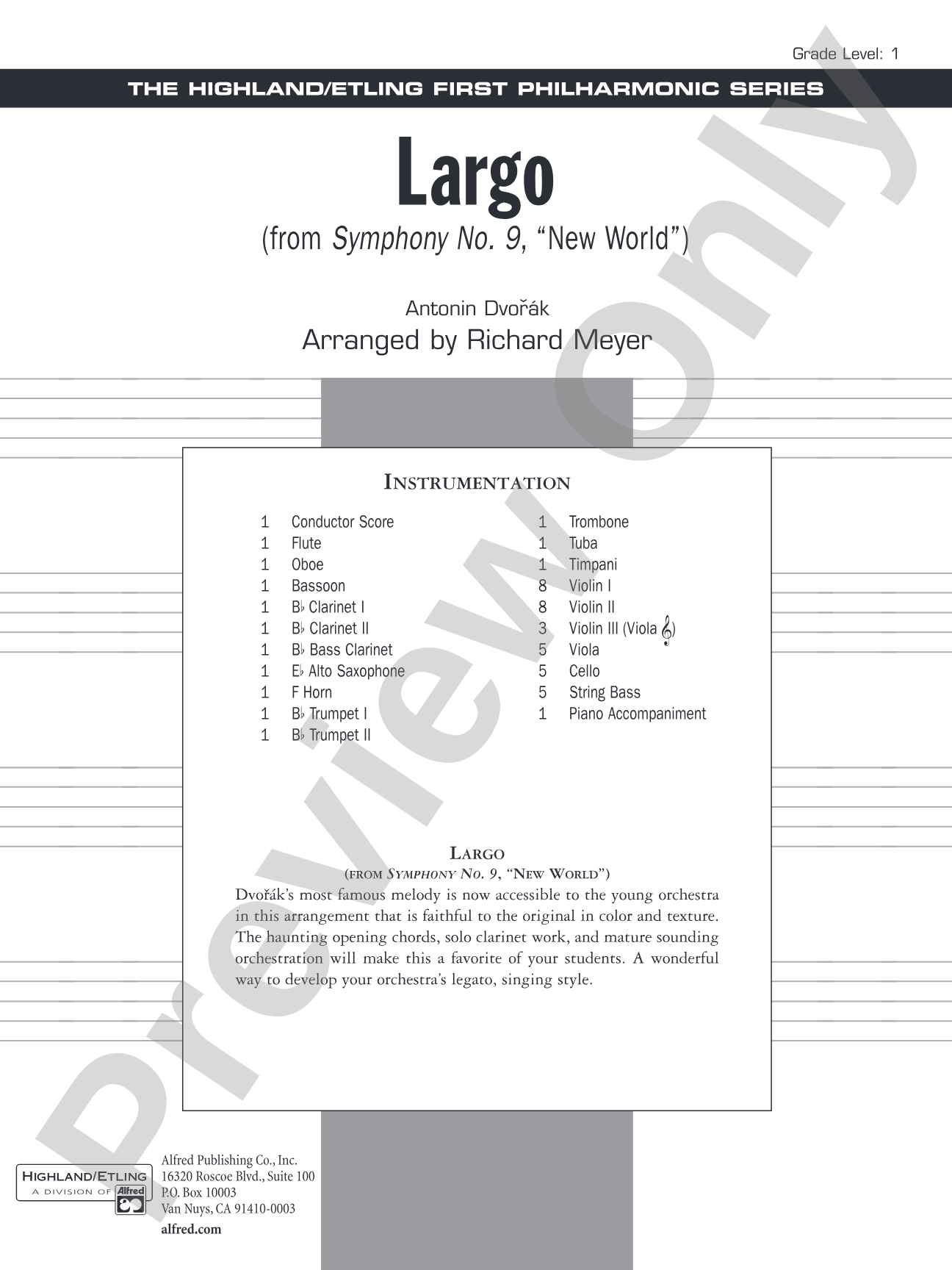
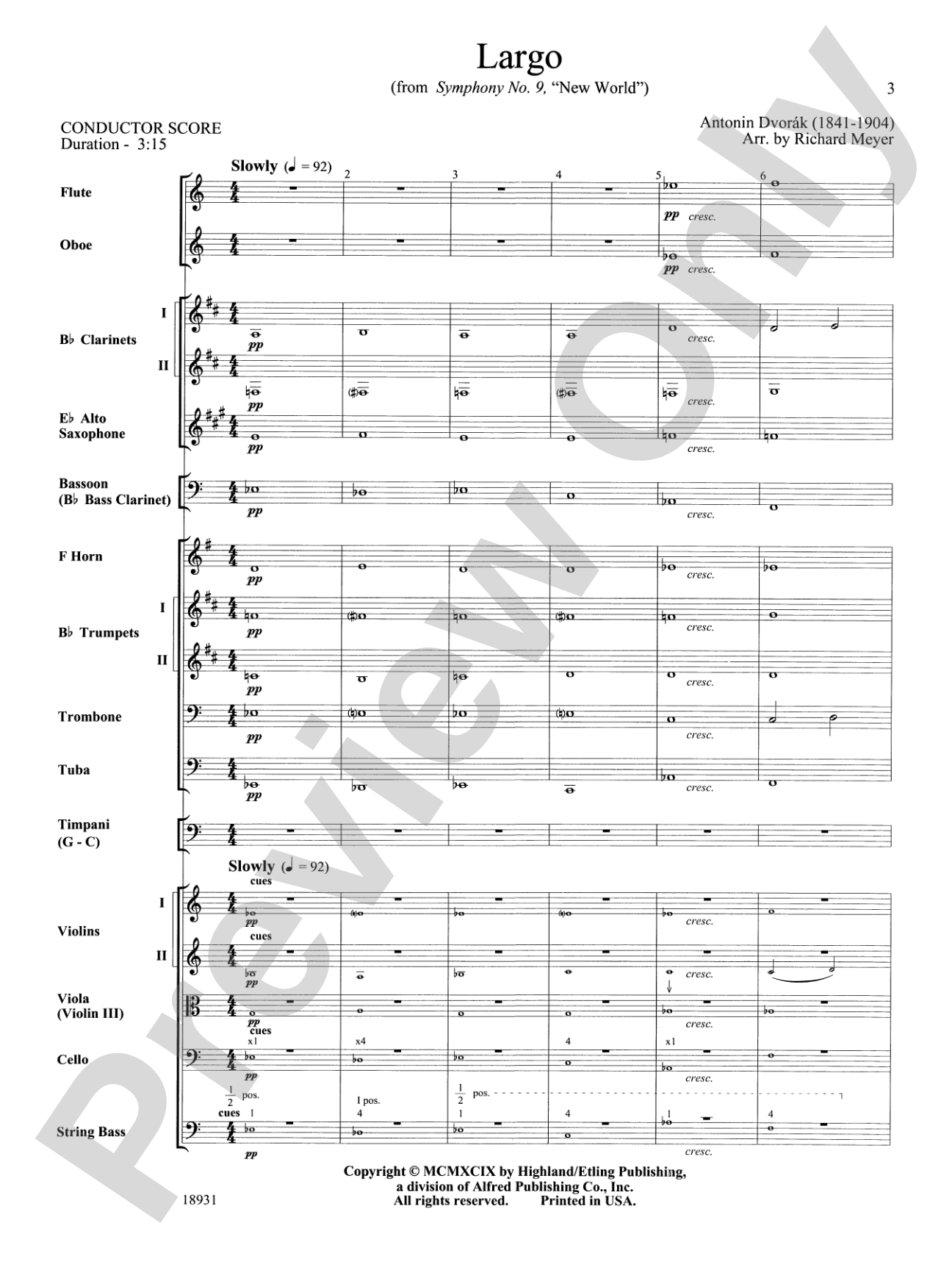
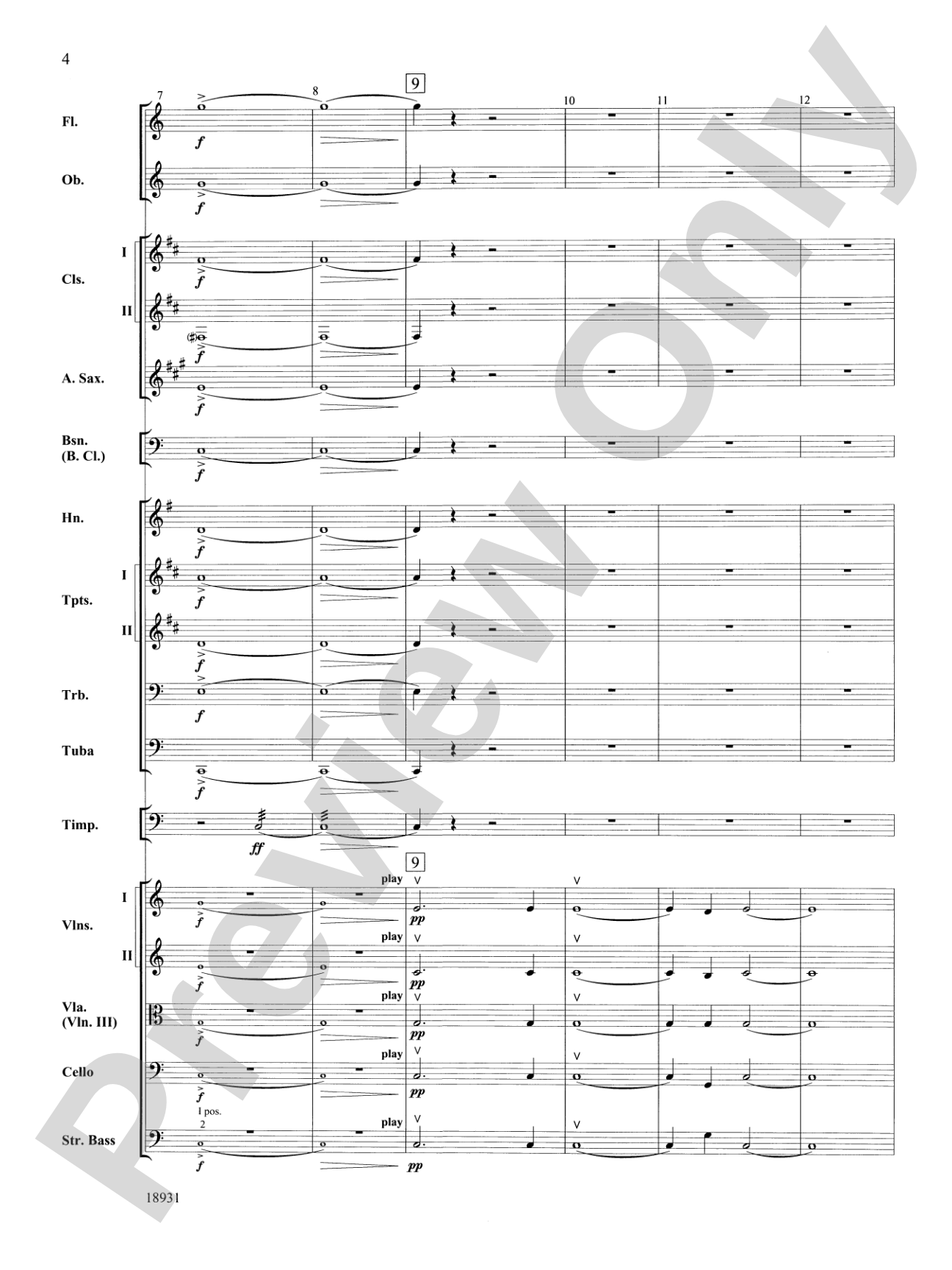
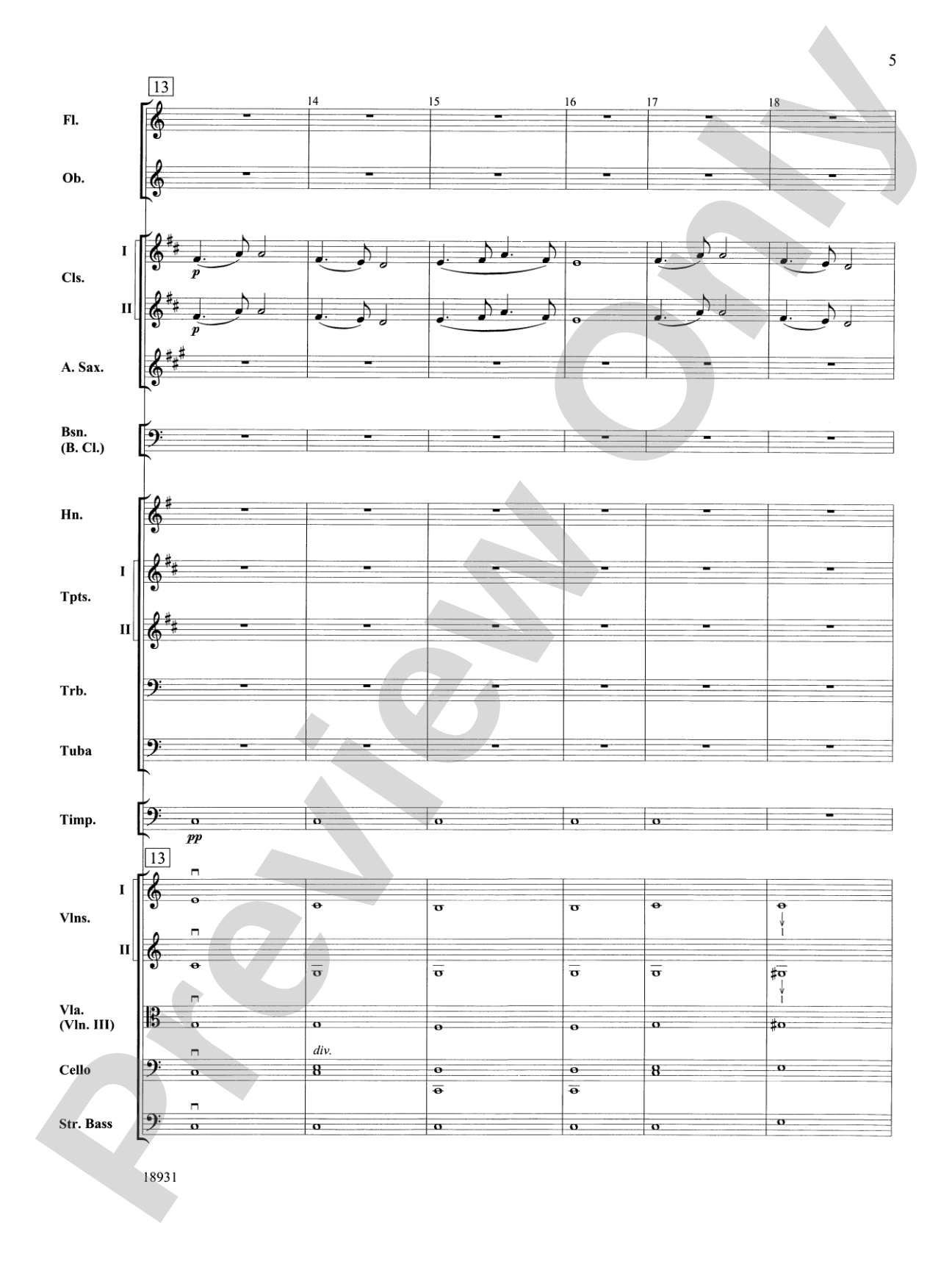
Antonín Dvorák's most famous melody is now accessible to the young orchestra in this arrangement that is faithful to the original in color and texture. The haunting opening chords, solo clarinet work and mature sounding orchestration will make this a favorite of your students. A wonderful way to develop your orchestra's legato, singing style.


Don't just read it, hear it, play along with it, and watch your students grow with it. In MakeMusic Cloud, Largo from Symphony No. 9, "New World": Score comes alive with professional accompaniment, adjustable tempo, and built-in practice tools that turn solo practice into real progress.
Open in the Player
Jump straight in and assign it today.
Start Your Free Trial
Open this title and explore the full library in minutes.
Sample Audio
1
Audio File
--:--
0:00
0:00
Sample Video
No sample videos found.
Additional Details
Series:
Highland/Etling First Philharmonic
Publisher:
Alfred Music
Page Count:
98
SKU:
00-PR-0000302
More about this title
About the Composer: Antonin Dvorák
Antonín Dvořák (1841-1904) was a Czech composer who bridged Romantic nationalism and classical form, earning international recognition while remaining deeply rooted in Czech musical identity. His nine symphonies established him as a major voice of the nineteenth century, and the "New World" Symphony, written during his time in America (1892-1895), remains his most performed work.
Dvořák's gift for melody and orchestral color made him a natural educator. His works reward careful listening and reveal new details with each rehearsal, qualities that make his mature compositions ideal models for developing orchestras seeking repertoire with genuine artistic substance.
Why we love this
This arrangement preserves the symphony's emotional core and orchestral sophistication while staying within reach of young players. The Grade 1 scoring opens the door to genuine masterwork repertoire, not a simplified version that loses the music's character. Your orchestra will sound mature and musically substantial from the opening chords.
What to expect
The opening unfolds with quiet dignity, the clarinet voice emerging from warm harmonic support like a voice speaking in a hushed room. The melody has the quality of folk song refined through classical discipline, and the orchestration wraps around it with gentle color and respect. This is music that invites contemplation and careful listening.
Who it's for
Young orchestras with solid fundamentals and a desire to engage with major repertoire. This works equally well for beginning high school orchestras and strong middle school ensembles. Players will grow musically by inhabiting parts in a work of genuine artistic merit rather than music written down to their level.
How to get the most out of it
- Shape the opening clarinet melody with a singing, unforced tone; this solo is the heart of the movement and sets the emotional temperature for everything that follows.
- Build the harmonic support from the rest of the orchestra as a unified ensemble voice, letting the clarinet sit naturally on top rather than fighting for space.
- Use dynamic control to reveal the internal voice leading in the accompaniment figures; resist the urge to play "loud" when the score calls for forte, instead listen for balance and texture.
- Take time with the legato phrases to develop sustained tone across the ensemble; this movement teaches singing style more effectively than many pieces written specifically for that purpose.
How to use it
Program this as a concert opener or a centerpiece for a "Masterworks" program where Grade 1 repertoire shares billing with more challenging material. It also serves beautifully in a thematic concert exploring melody or legato playing across repertoire. The 98-page score provides substantial value for contests and festivals.
Skills your students will build
- Sustained legato playing across long phrases
- Listening for balance and blend in harmonic accompaniment
- Responding to principal voice lines while maintaining ensemble cohesion
- Shaping melodic contours with maturity and restraint
- Reading a full orchestra score and understanding orchestral color