Larghetto Sheet Music Preview

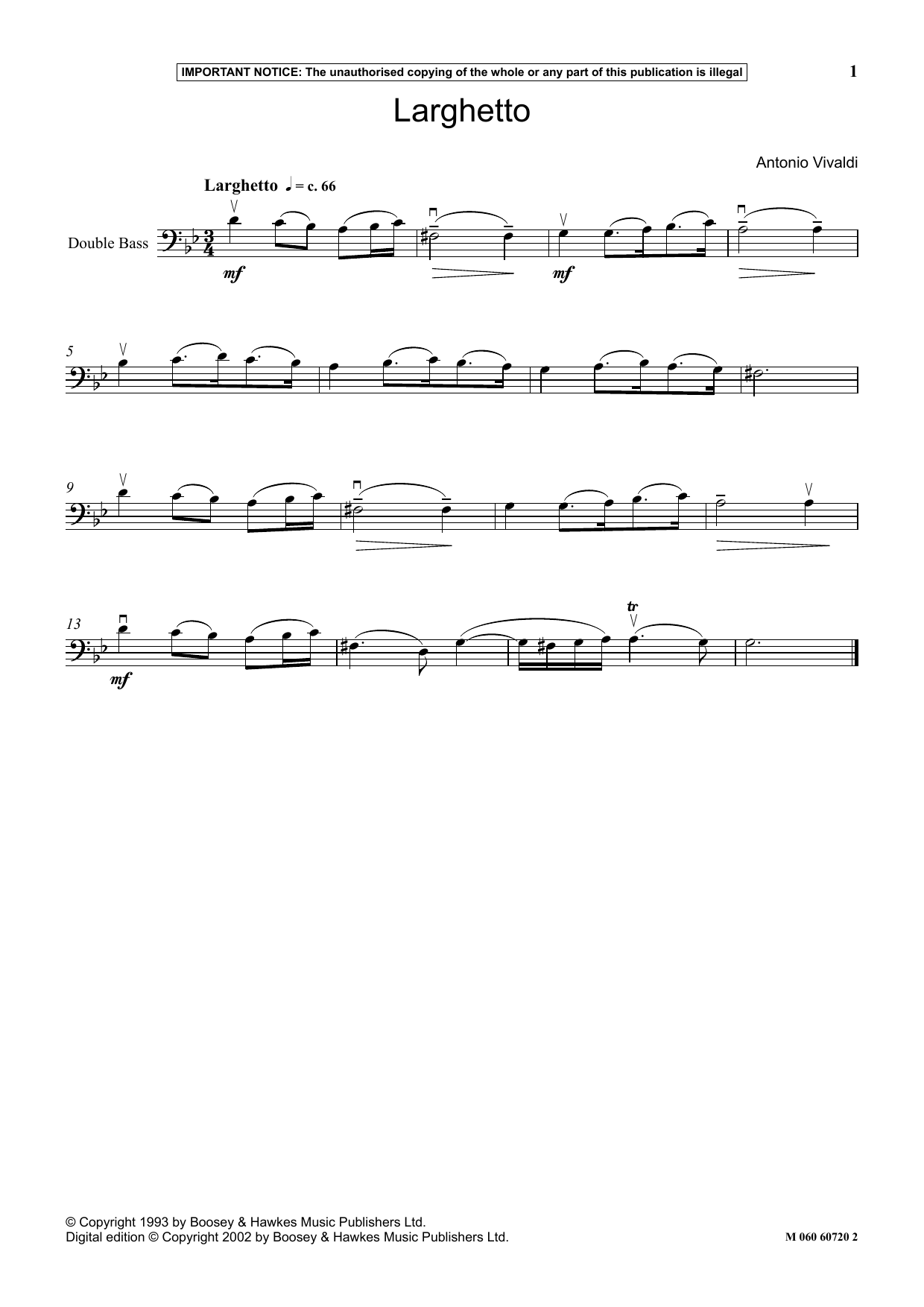
Larghetto: Instrumental Solo

As performed by Antonio Vivaldi

Item: 35-DS00239105

Digital Download
$3.99
One moment…
Description

Discover MakeMusic Cloud: thousands of interactive titles your students can play along with today.

Sample Audio
No sample audio found.
Sample Video
Additional Details
Publisher: Hal Leonard
Page Count: 2
SKU: 35-DS00239105

More about this title

About the Artist: Antonio Vivaldi

Antonio Vivaldi (1678-1741) was a Venetian priest and composer whose prolific output shaped the Baroque concerto and influenced generations of musicians. His ability to craft memorable melodies and dramatic instrumental writing made him one of the most performed composers of his era and remains central to music education today.

Vivaldi's mastery of orchestral color and rhythmic vitality continues to engage students and audiences. His works demand technical facility while remaining deeply expressive, making them ideal for developing both instrumental skill and musical maturity.

Why we love this

This Larghetto reveals Vivaldi's gift for sustained, singing melody. The brevity and focused harmonic language make it an excellent choice for developing students who need experience with sustained tone production and lyrical phrasing without the technical demands of his faster movements.

What to expect

The Larghetto unfolds with graceful restraint, its measured pacing inviting reflection rather than urgency. There is nobility in its simplicity; each phrase feels inevitable, shaped by the gentle logic of Vivaldi's harmonic language.

Who it's for

This piece serves intermediate students and ensembles seeking authentic Baroque repertoire with manageable technical demands. It works equally well for soloists building their expressive toolkit or small ensembles learning to blend as a unit.

How to get the most out of it

  • Shape the line with gentle dynamic swell at the center of phrases rather than forcing volume; let breath placement define the architecture.
  • Find the natural pulse beneath the slow tempo; avoid excessive rubato that obscures the underlying metric feel.
  • Balance accompanying voices so they support without overwhelming the primary melodic line.

How to use it

Pair this with a contrasting fast movement from the same era to show the breadth of Baroque expression, or use it as a musical interlude between more demanding concert works to give performers and audience a moment of repose.

Skills your students will build

  • Sustaining tone quality across phrase lengths without loss of focus
  • Baroque phrasing conventions and structural clarity
  • Balance between solo and accompaniment voices
  • Intonation in sustained harmonic contexts

You May Also Like