
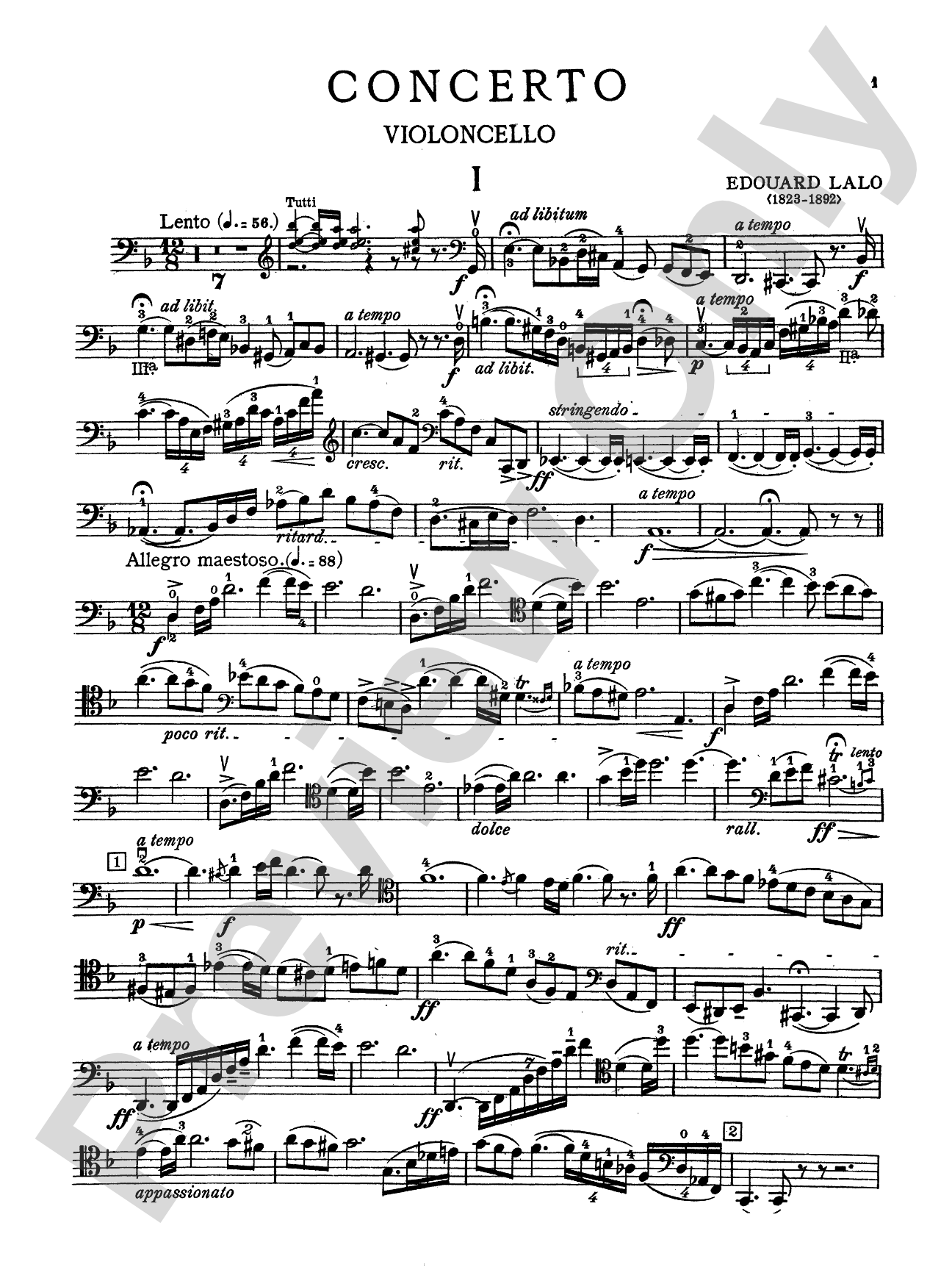
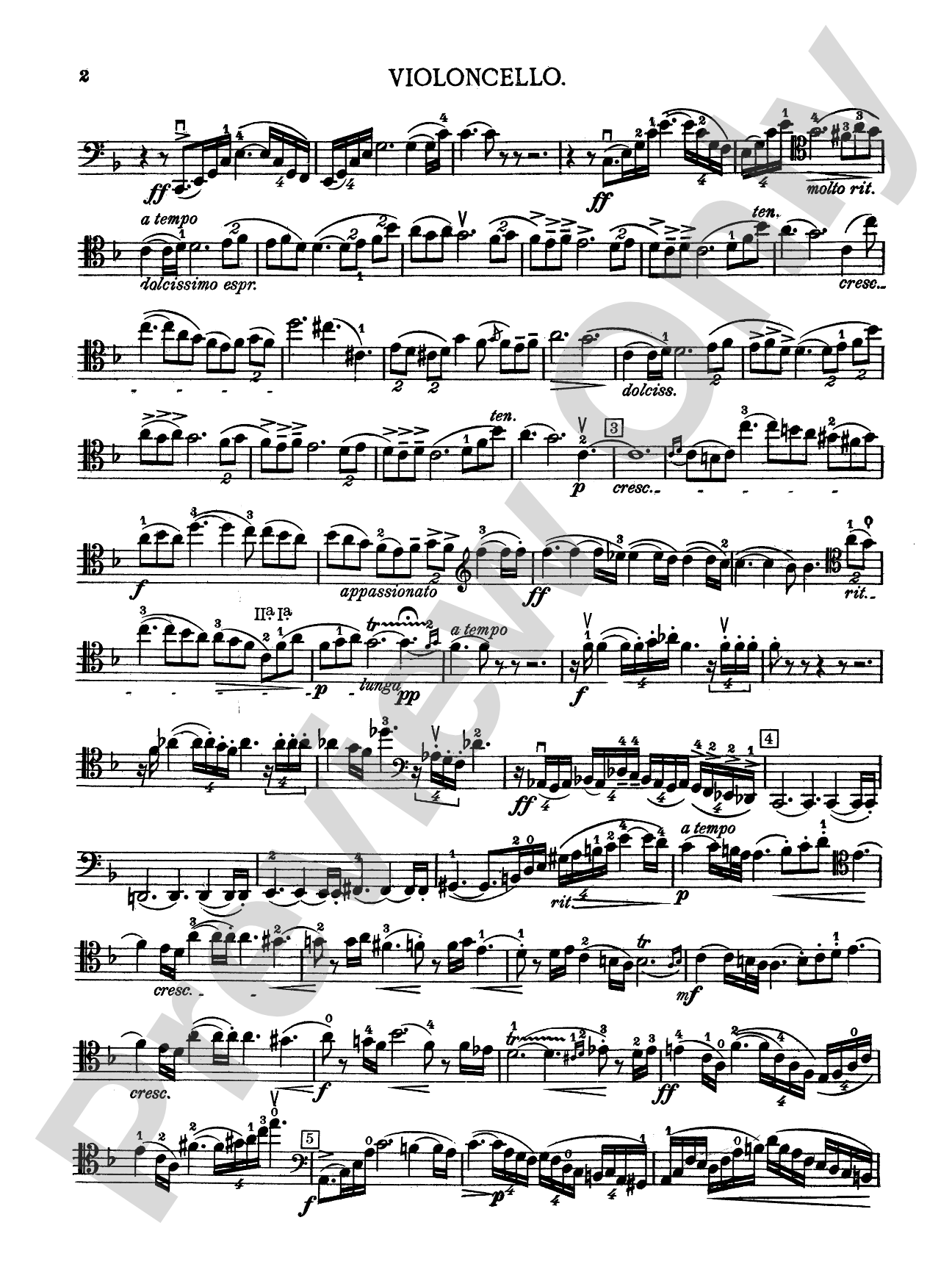
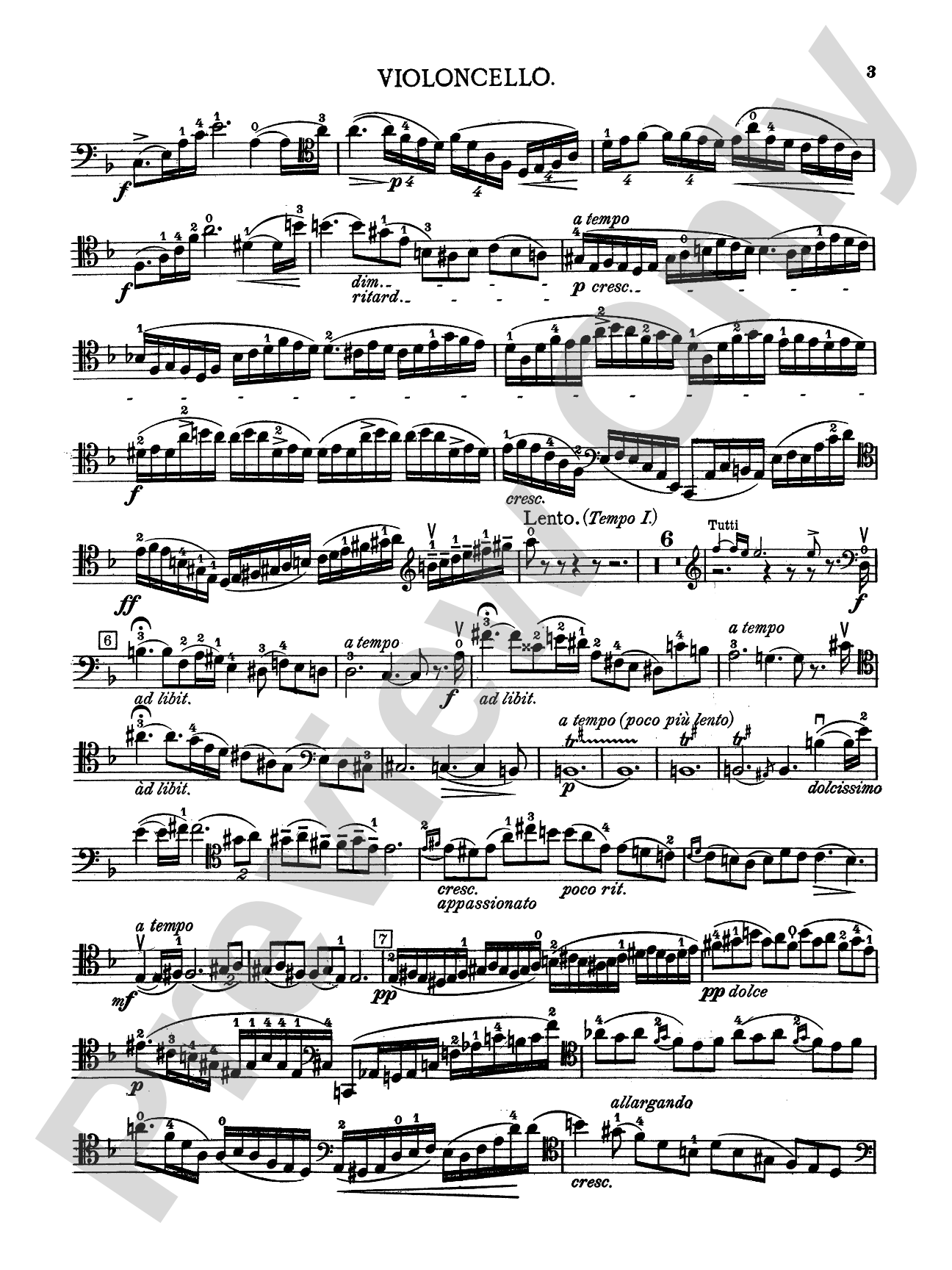
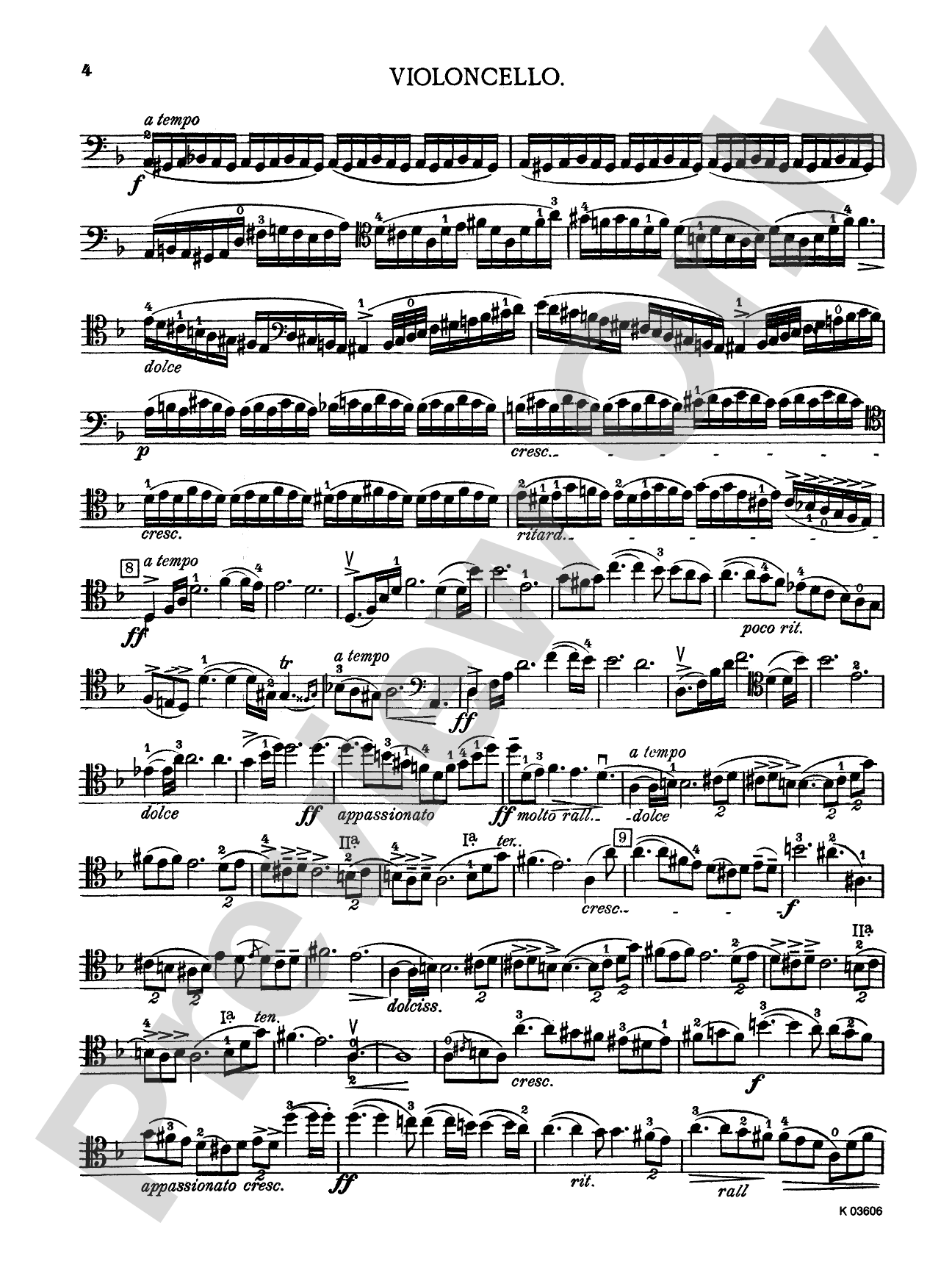
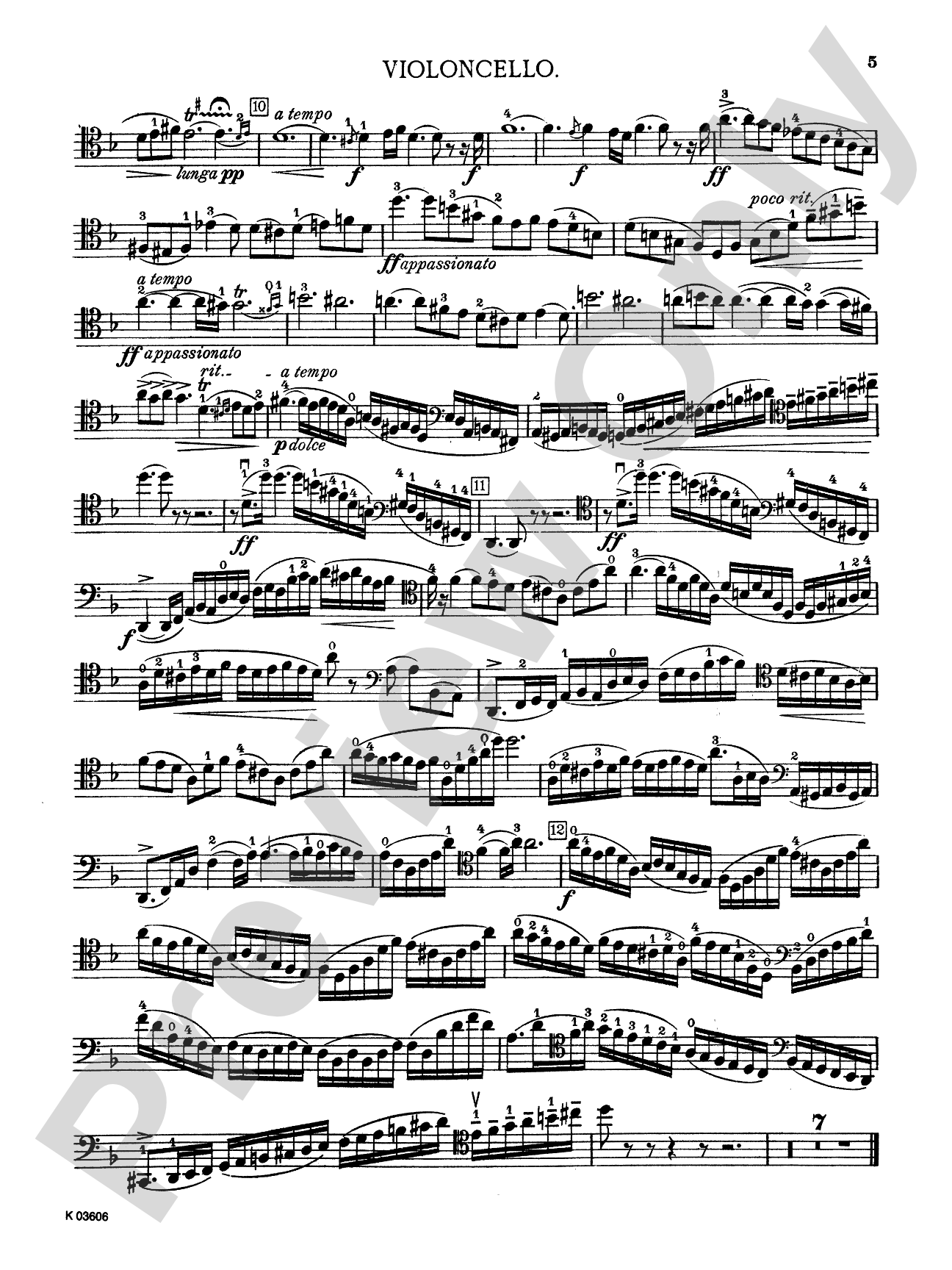
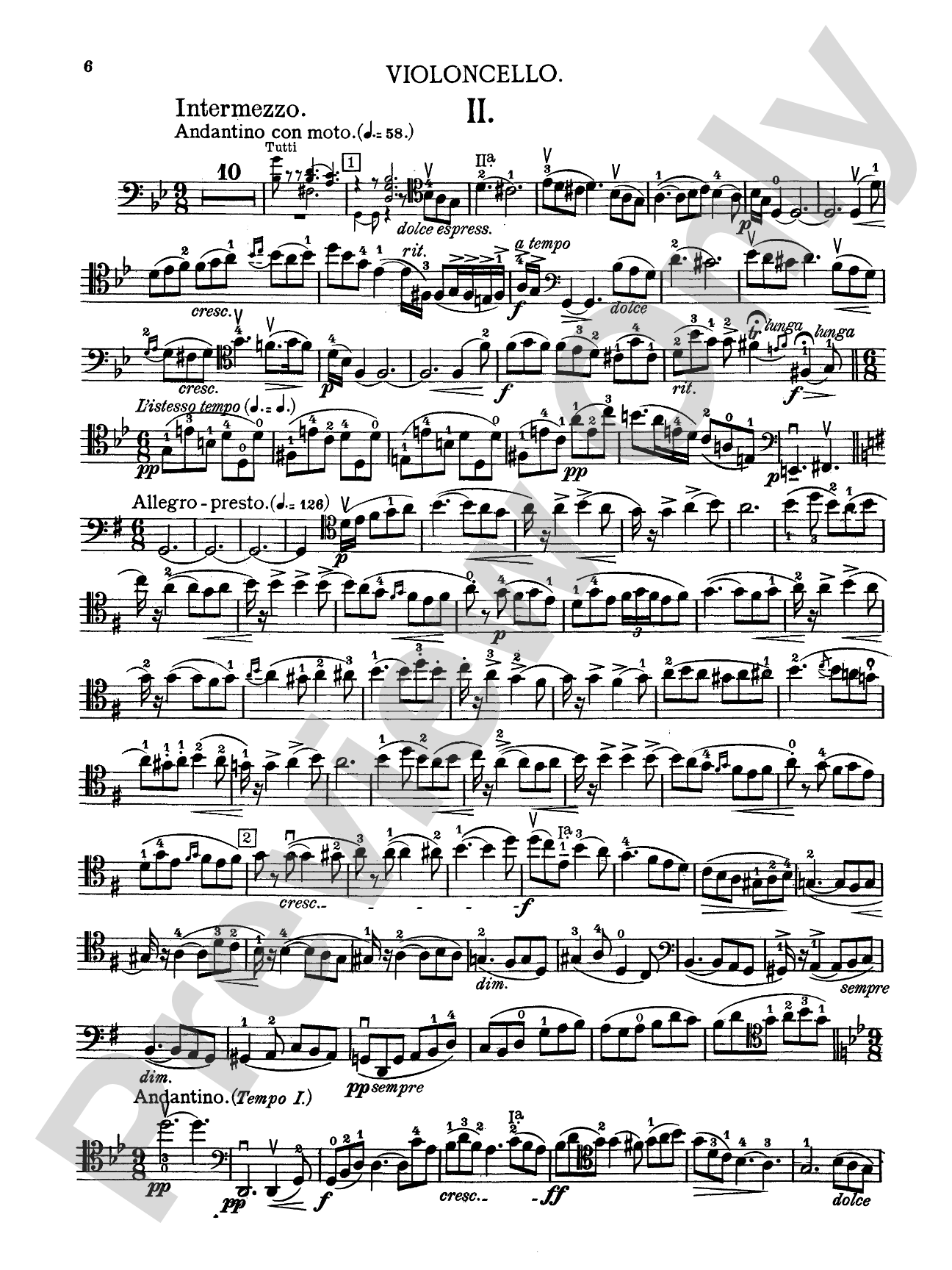
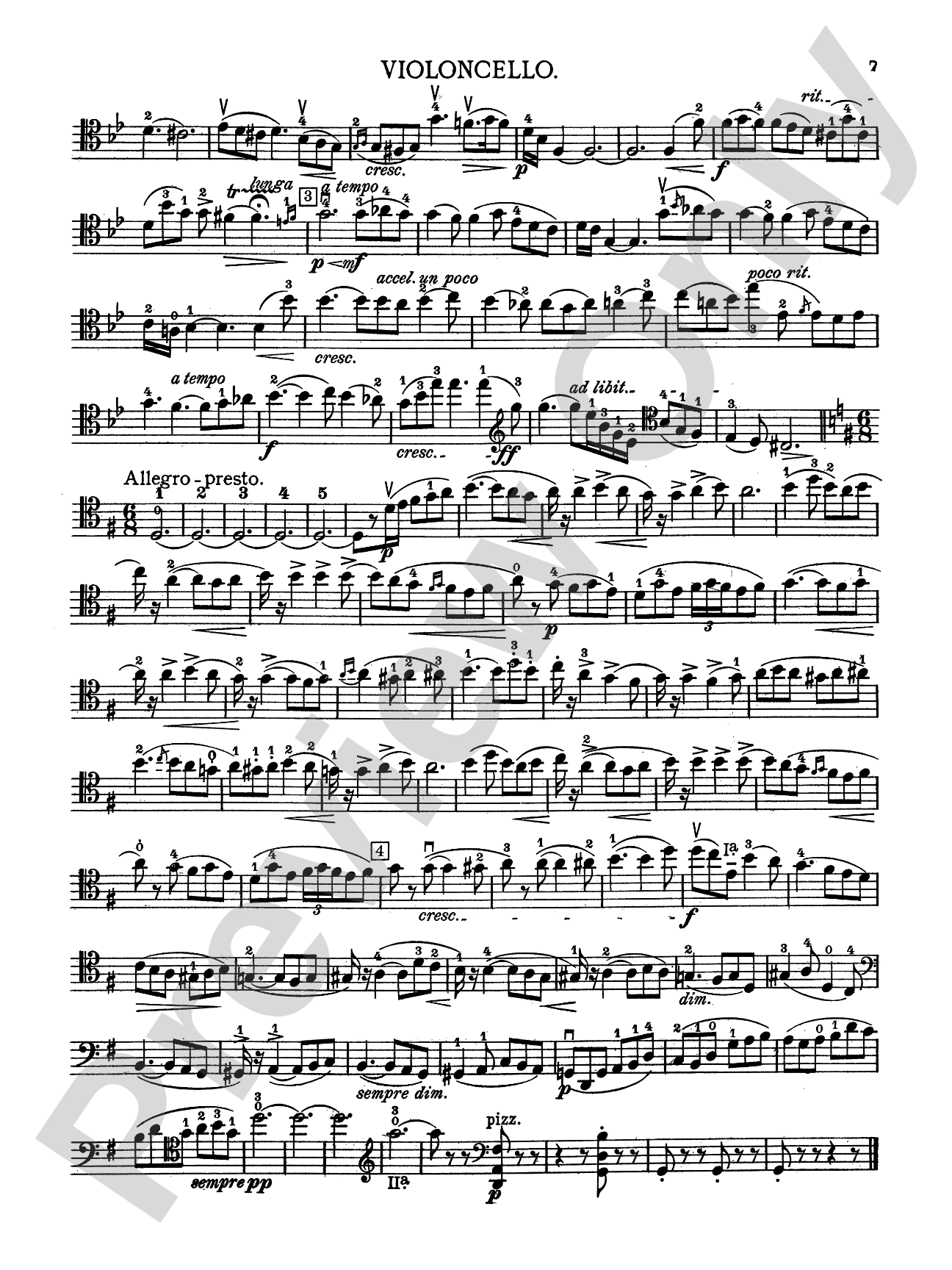
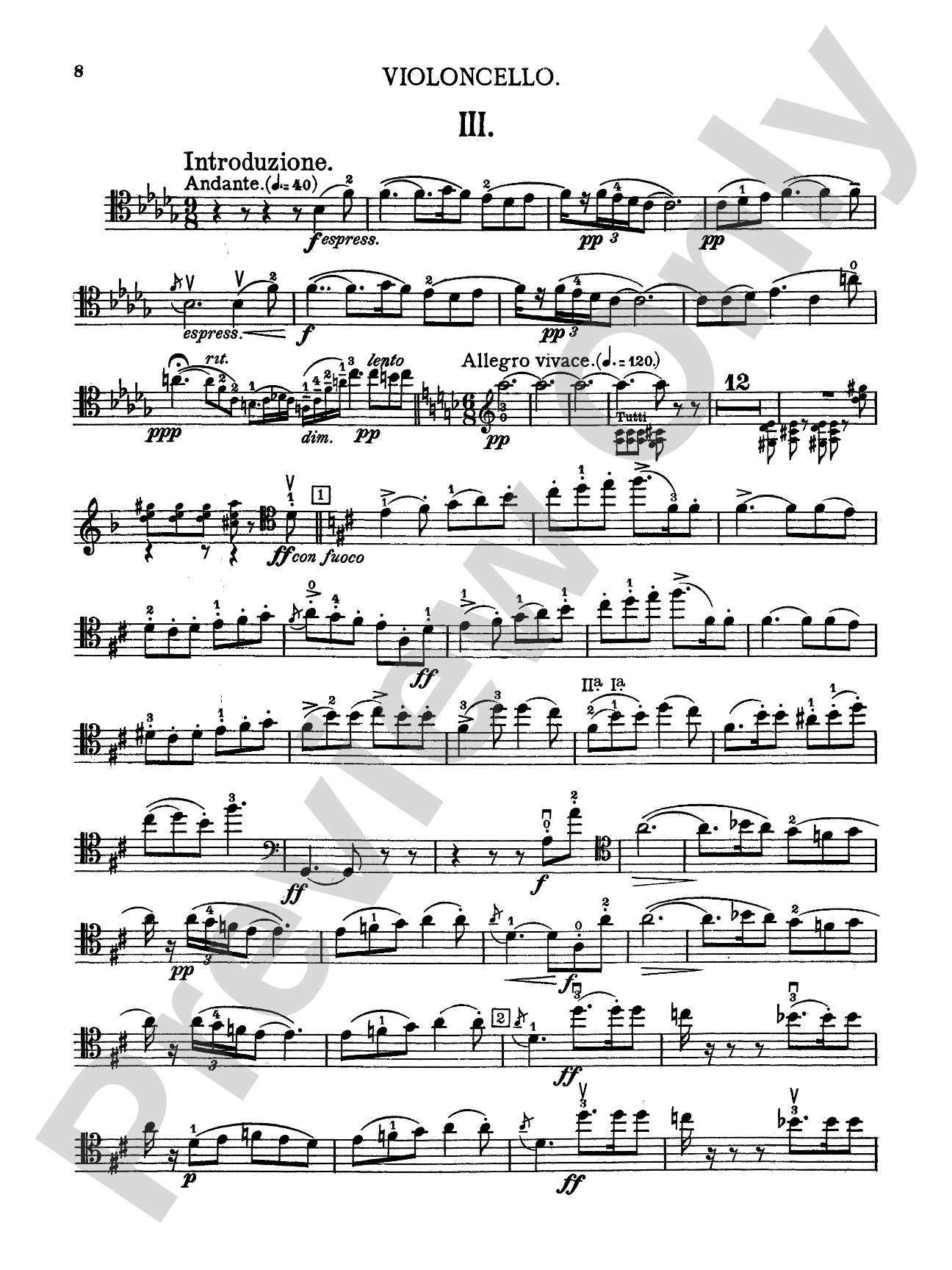
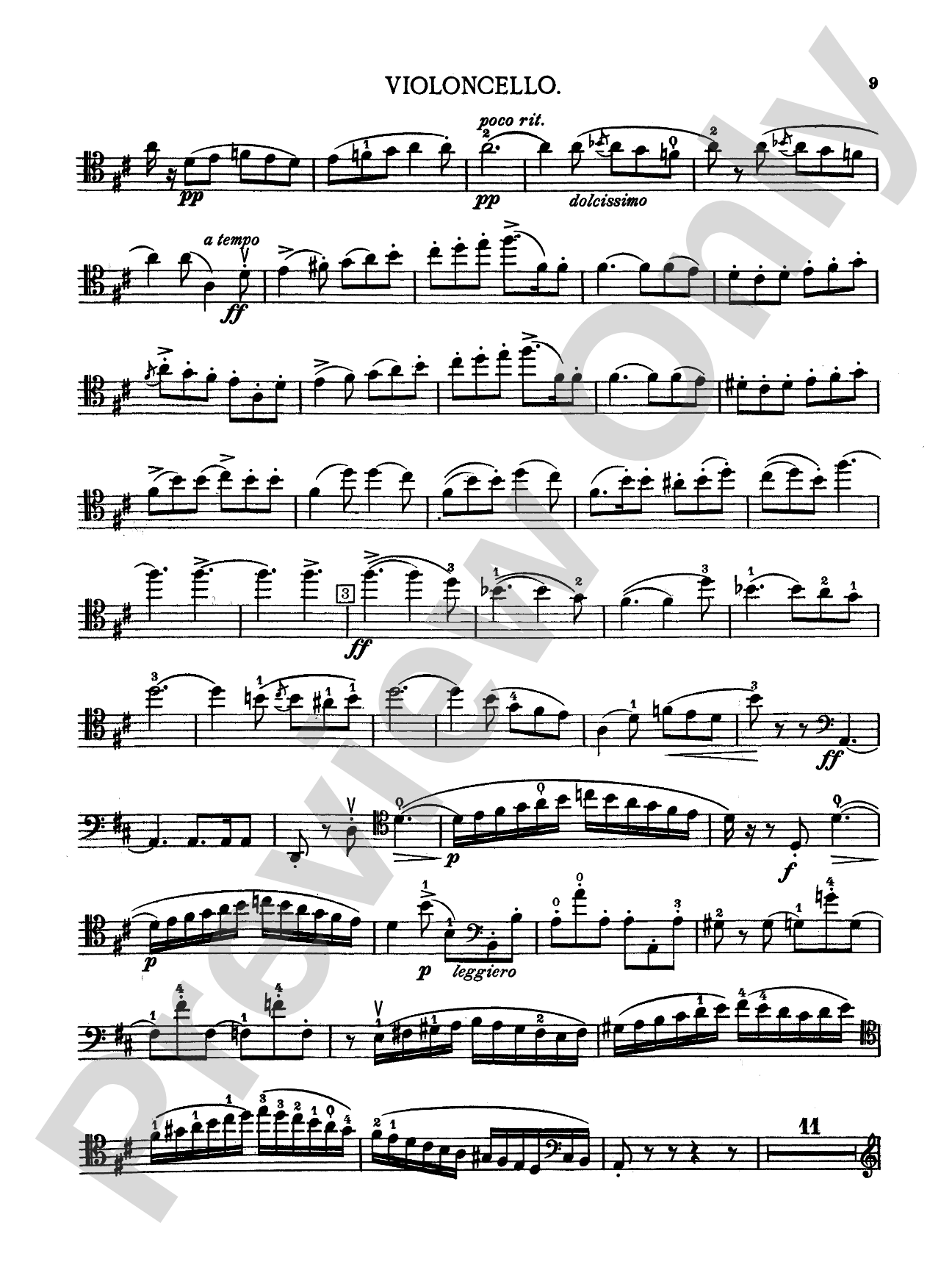
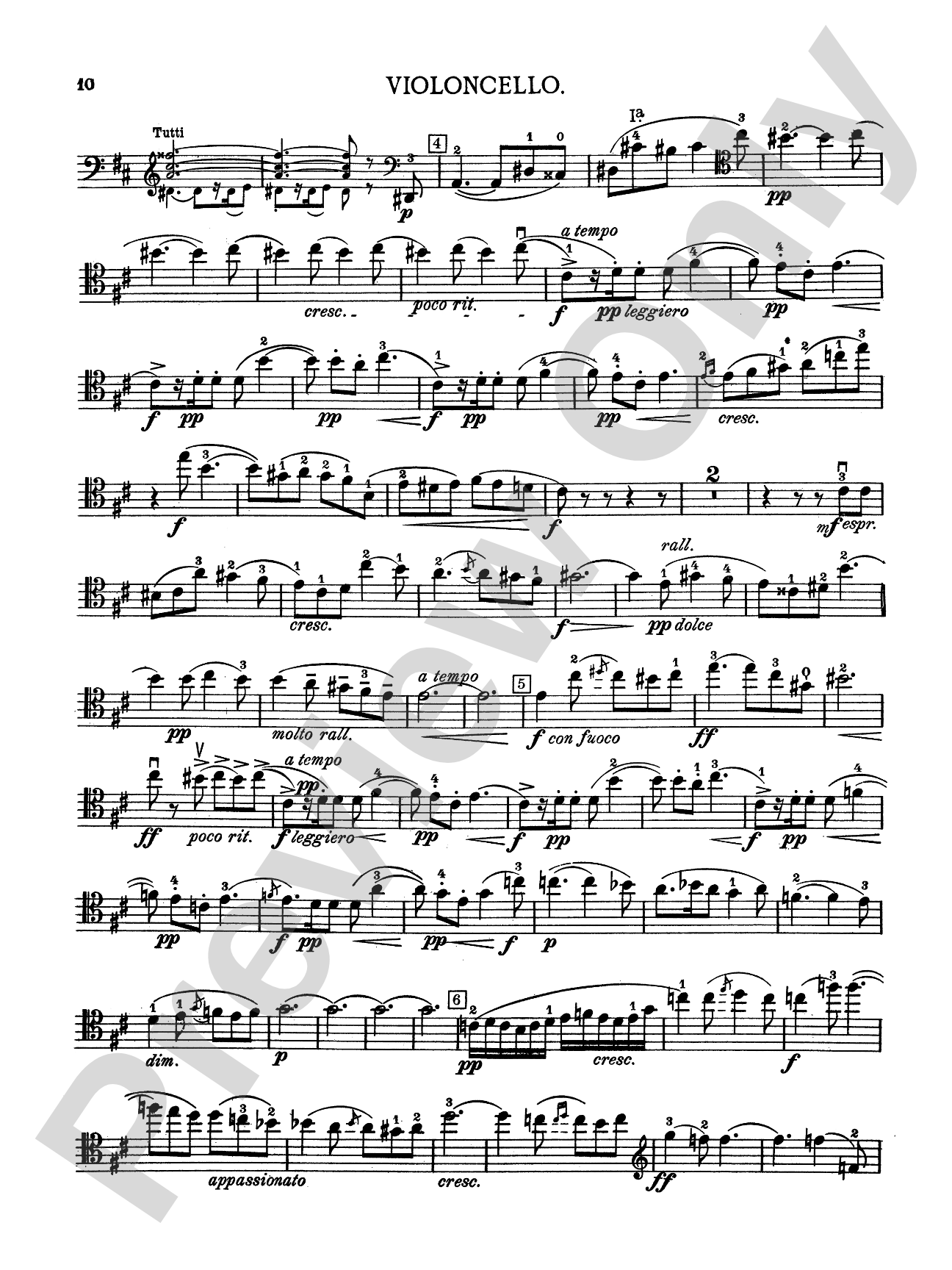
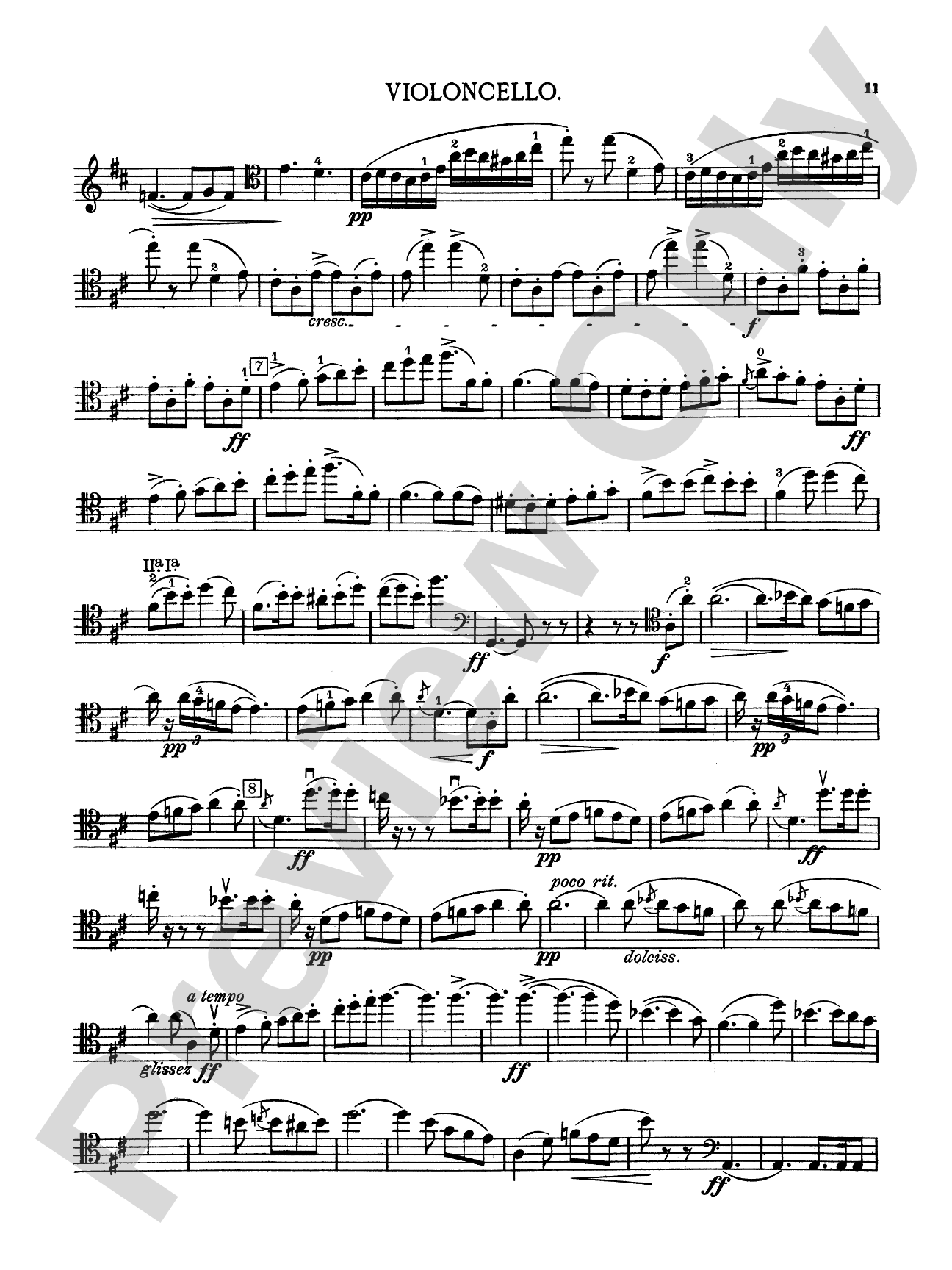
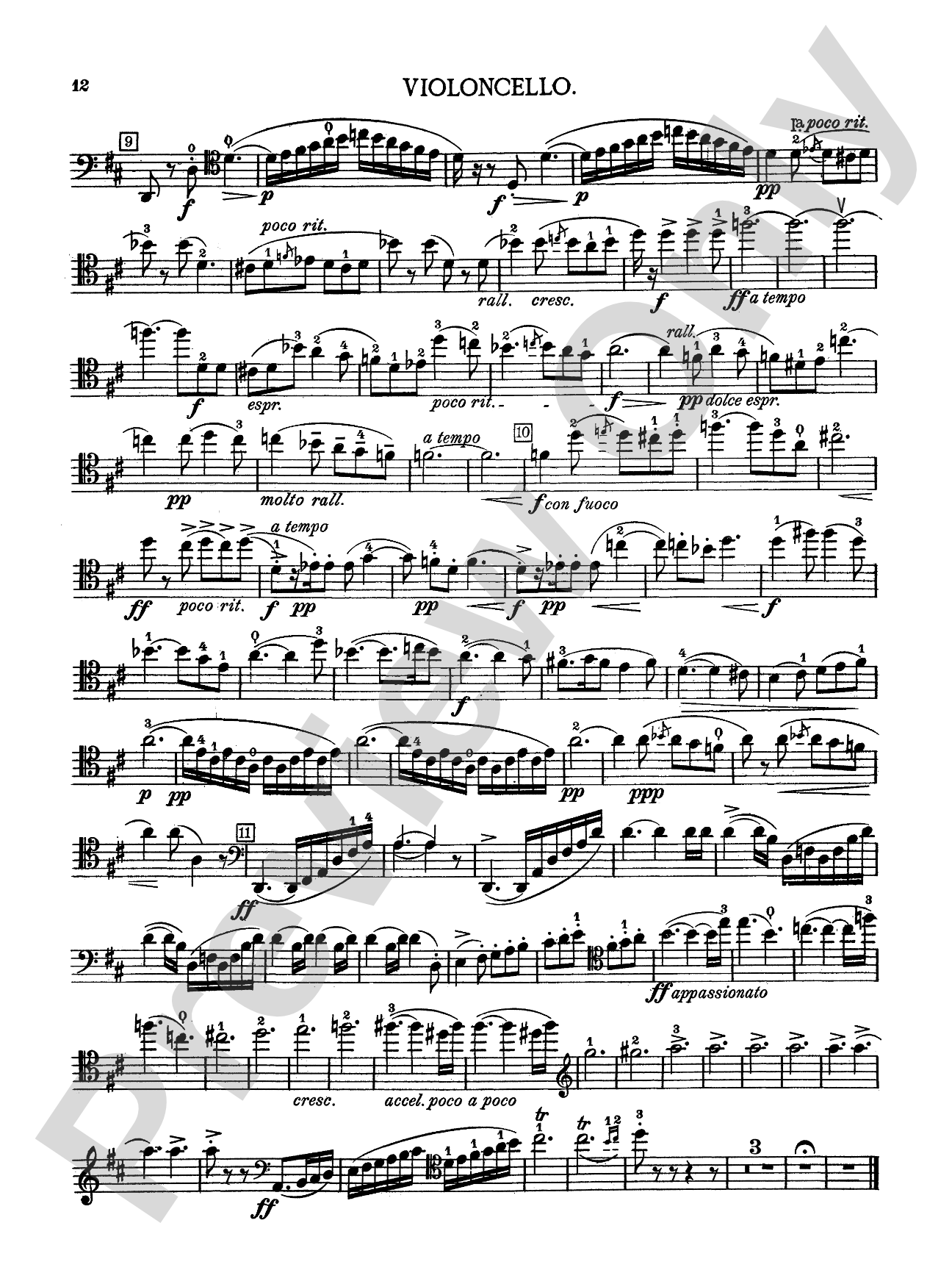

Lalo: Concerto in D Minor: Cello Book
By Édouard Lalo
Item: 00-PK-0003176
$12.99
Pickup currently not available
Buy Extra Parts (Digital PDF Download)
| Product | Price | Quantity |
|---|---|---|
| Lalo: Concerto in D Minor | $5.99 | |
| Lalo: Concerto in D Minor | $5.95 |
Parts Added to Cart!
Related Items
Concerto in D Minor: Cello Book |
$12.99
|
View |
Description
A Cello solo with Piano Accompaniment composed by Édouard Lalo.


Discover MakeMusic Cloud: thousands of interactive titles your students can play along with today.
Sample Audio
No sample audio found.
Sample Video
No sample videos found.
Additional Details
Series:
Kalmus Edition
Publisher:
Alfred Music
Page Count:
48
SKU:
00-PK-0003176
More about this title
About the Composer: Édouard Lalo
Édouard Lalo (1823, 1892) was a French Romantic composer whose gift for orchestration and lyrical invention made him a bridge between the virtuosic demands of his era and genuine musical substance. Though overshadowed by his contemporaries, Lalo wrote with unusual clarity for string instruments, understanding their voice in ways that feel both idiomatic and expressive.
His cello concerto stands as one of the finest examples of 19th-century French writing for the instrument. Lalo crafted a work that rewards both technical facility and interpretive maturity, balancing Romantic expansiveness with structural clarity. For cellists, this concerto represents an essential stepping stone toward the great concerti of the standard repertoire.
Why we love this
The Concerto in D Minor showcases Lalo's gift for writing idiomatically brilliant cello passages without sacrificing songfulness. This work stands apart in the romantic cello canon for its dramatic structural arcs and its refusal to let technical display overwhelm the music's emotional core. Advanced cellists consistently gravitate toward it because it rewards deep interpretive work alongside the considerable technical demands.
What to expect
The opening announces itself with restless, passionate energy, pulling the listener into the work's dramatic landscape. Lalo balances moments of virtuosic brilliance with passages of profound lyricism, creating an emotional journey that feels both intimate and grand. The overall arc carries the weight of a full dramatic statement compressed into a sophisticated chamber-scale work.
Who it's for
Advanced cellists preparing for competitions, festivals, or advanced recitals will find this concerto essential repertoire. Serious students working toward pre-college performance assessments or undergraduate performance degrees benefit from its technical rigor and artistic substance. Teachers building a cellist's command of the romantic repertoire will value this work's combination of accessibility and challenge.
How to get the most out of it
- Shape the opening theme with a singing tone that acknowledges the work's French romanticism; avoid treating the exposition as a mere technical exercise.
- Balance the dialog between soloist and accompaniment throughout, particularly in passages where the piano carries harmonic or thematic weight alongside your line.
- Mark your own internal subdivisions for the faster passages to ensure rhythmic security without rushing; the accompaniment's relative complexity requires steady anchor points.
- Prepare the higher positions thoroughly and practice the shifts in isolation to ensure clean, musical transitions rather than audible position changes.
How to use it
Schedule this as a substantial centerpiece on a cello recital, pairing it with either baroque dance suites or contemporary works to anchor a varied program. In a competitive festival setting, it demonstrates technical command and musical maturity simultaneously. As a concerto for cello and piano, it also works well in chamber music contexts where a pianist collaborator with solid accompaniment skills is available.
Skills your students will build
- Secure command of positions above fourth position
- Management of lyrical, singing tone across the full range of the instrument
- Rhythmic precision and communication with a complex piano accompaniment
- Interpretation of romantic-era phrasing and harmonic language
- Sustained technical execution across longer formal structures