
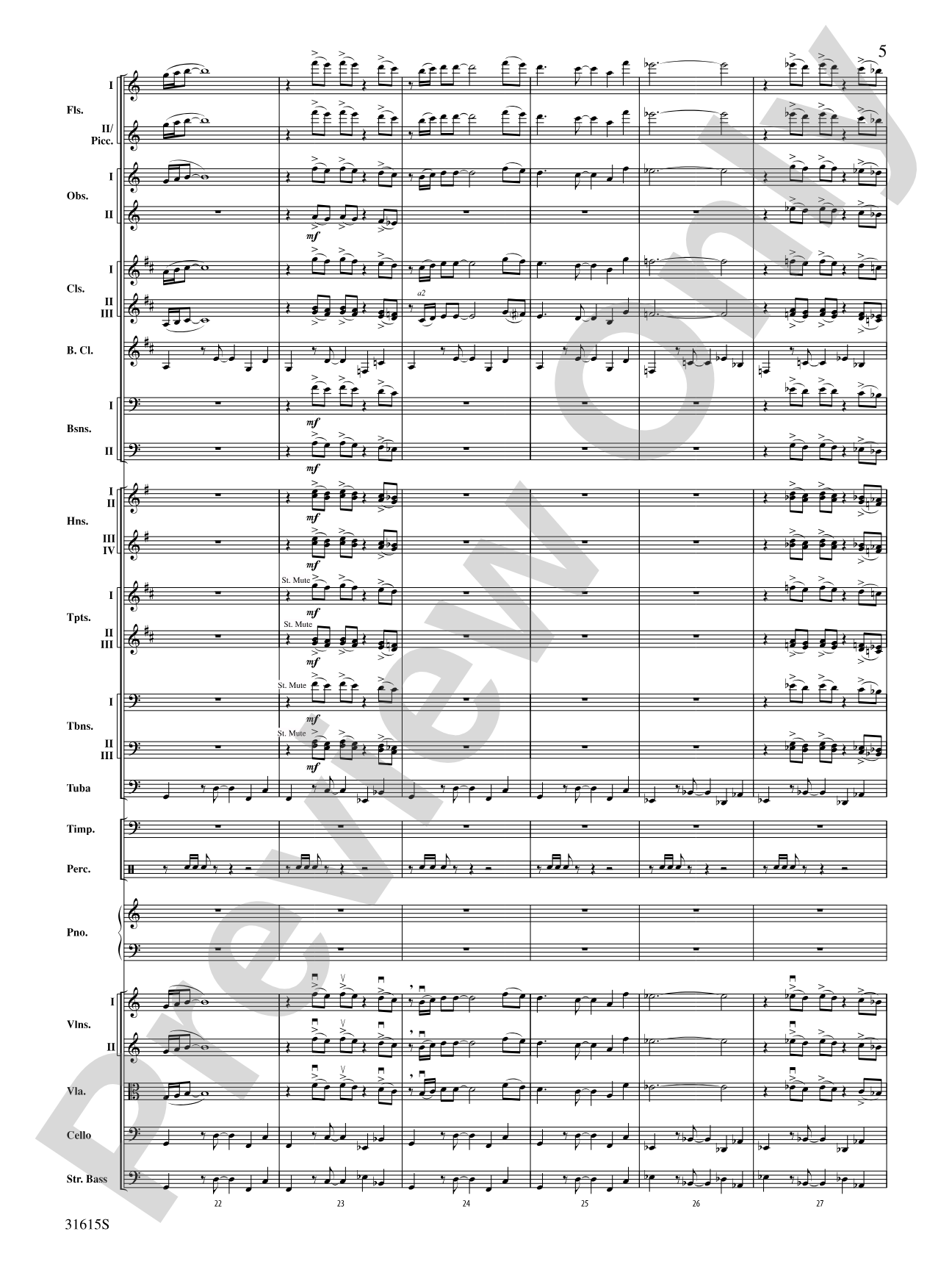
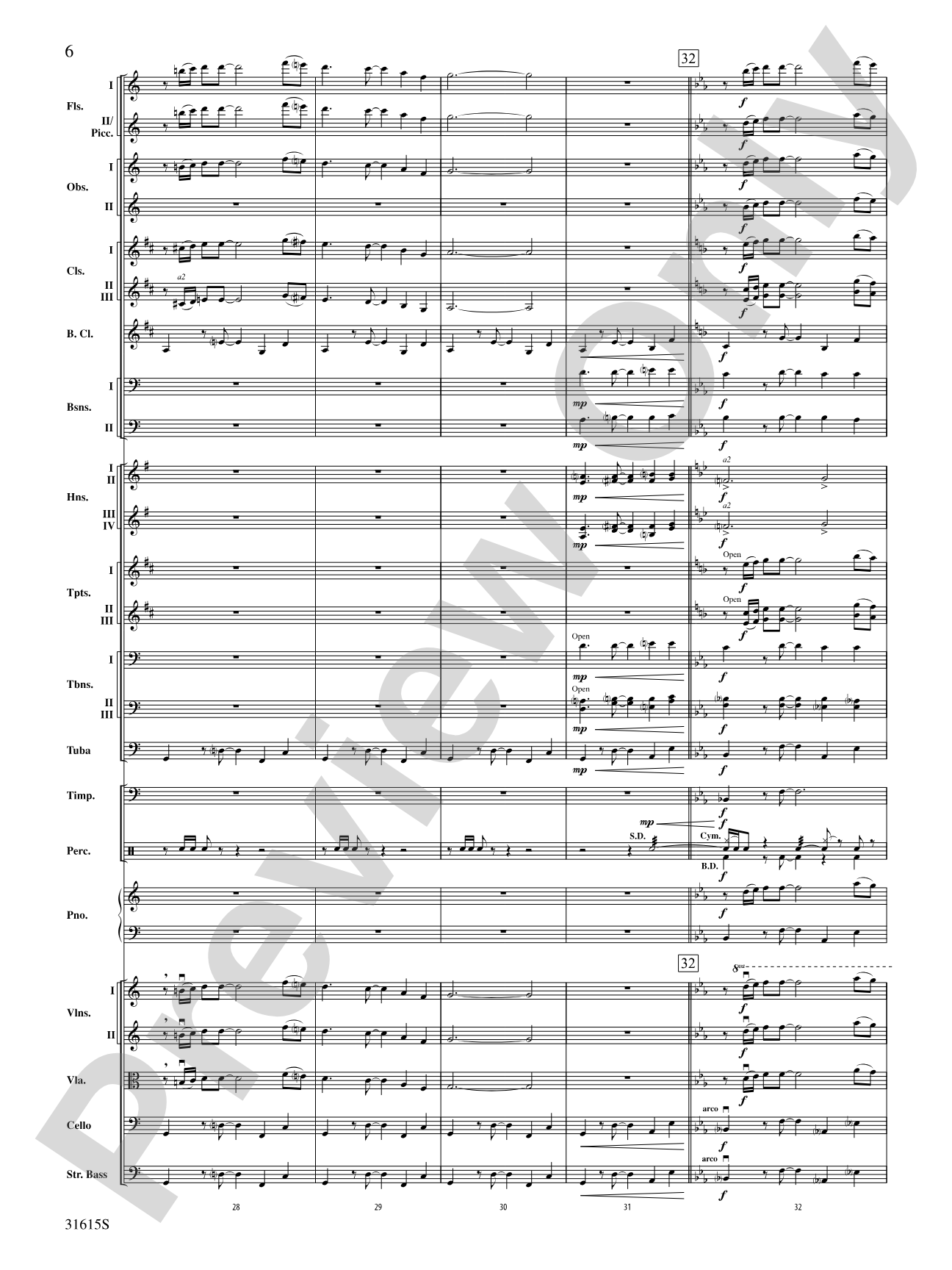
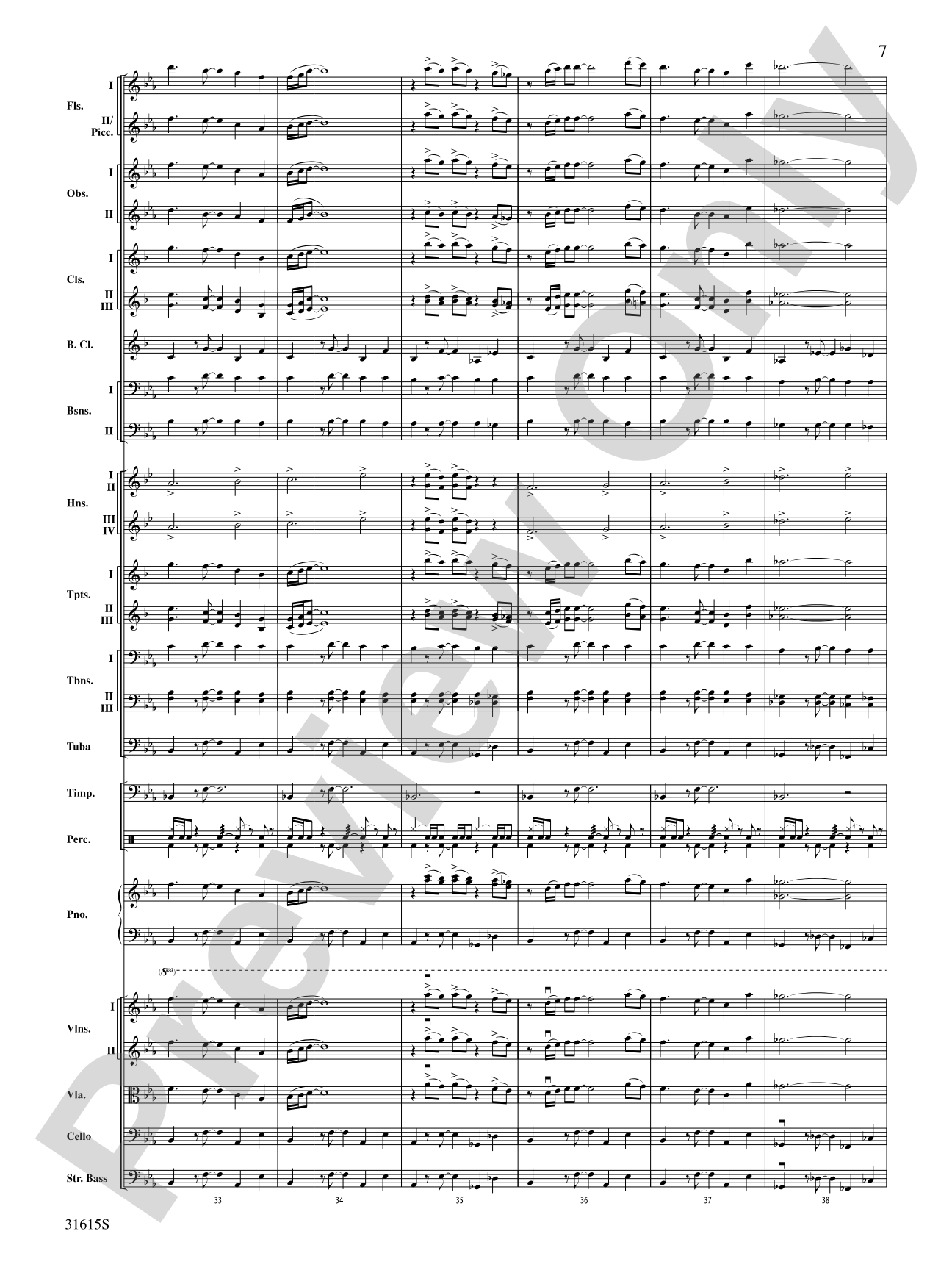
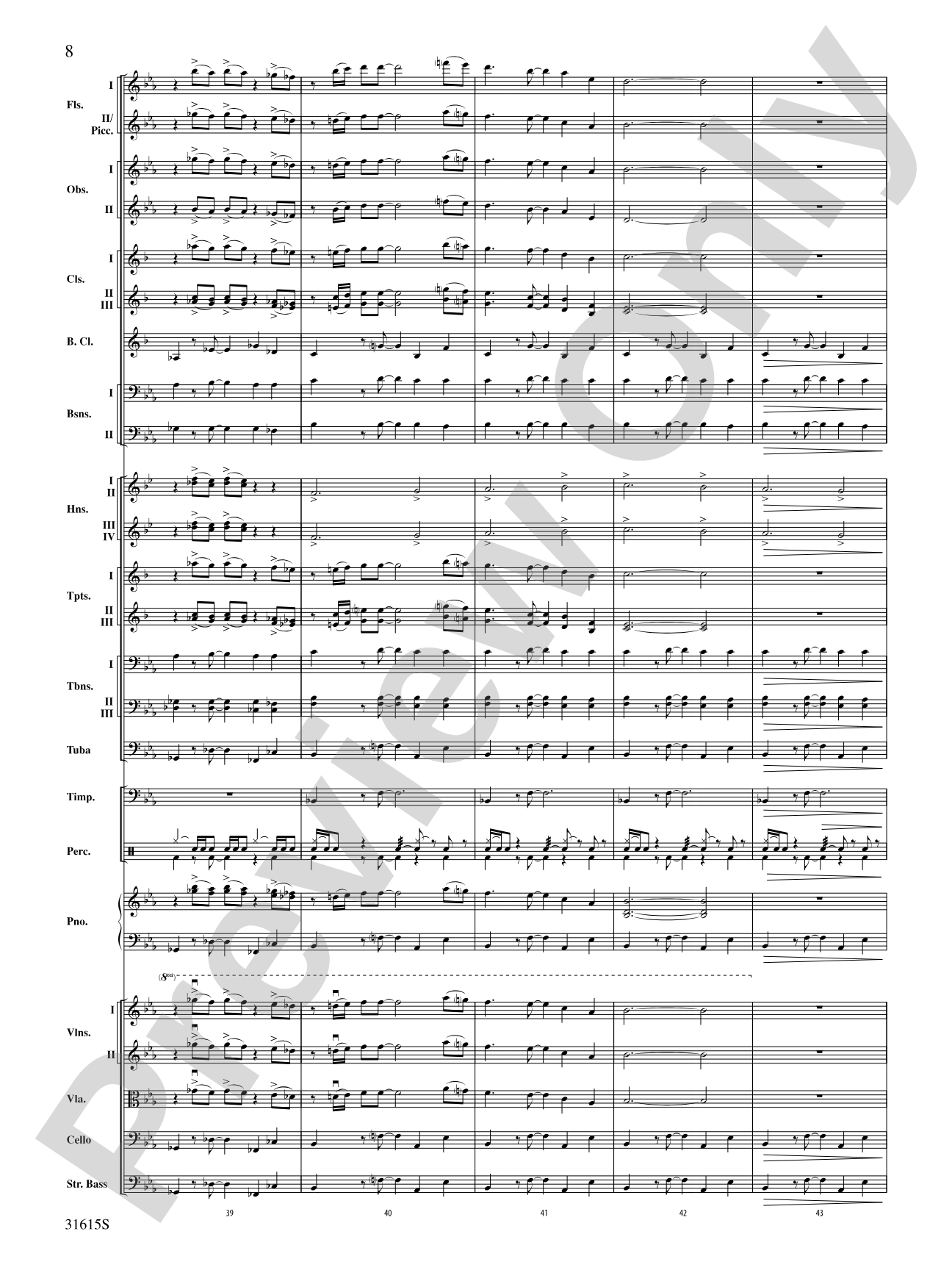
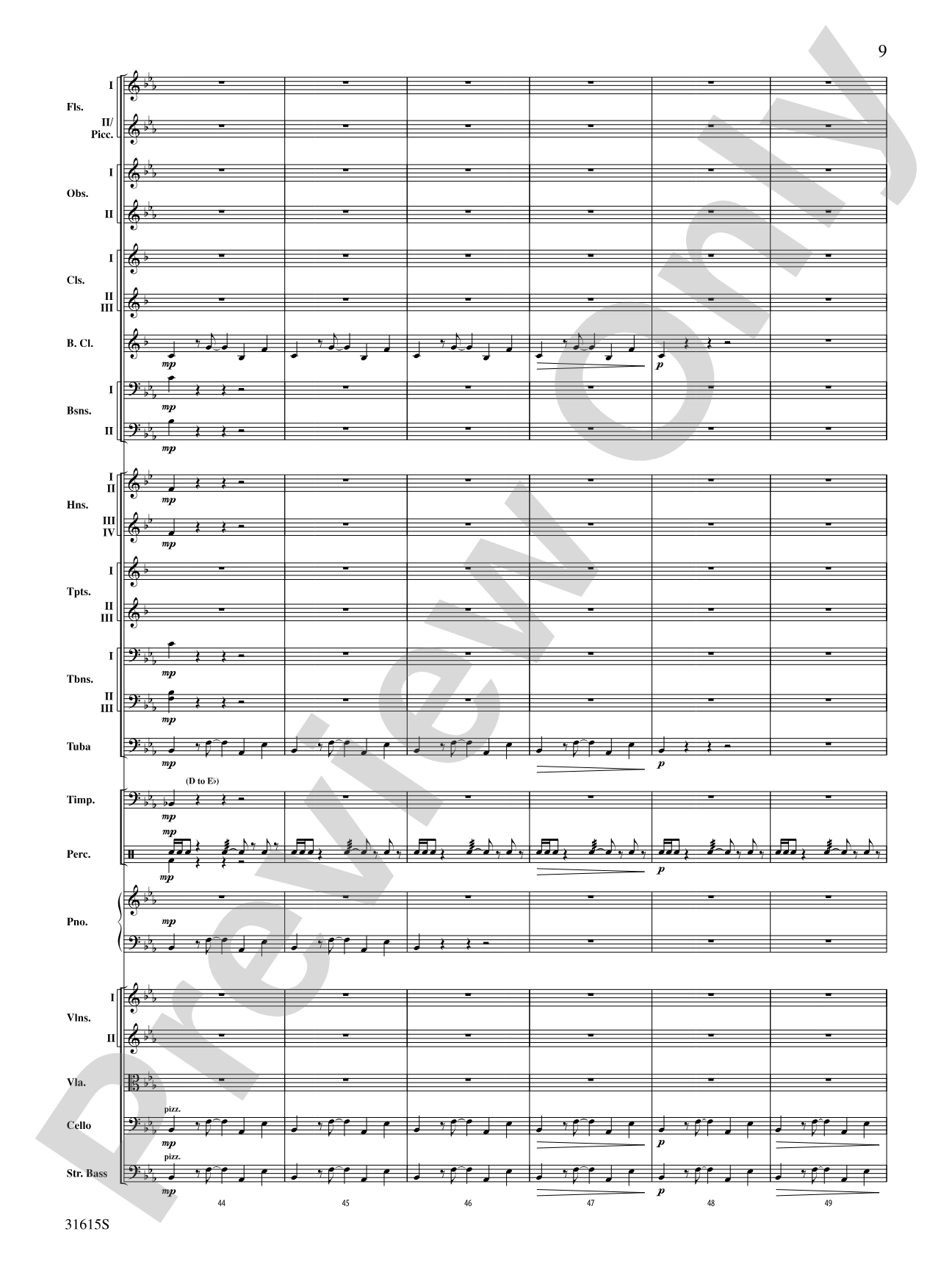
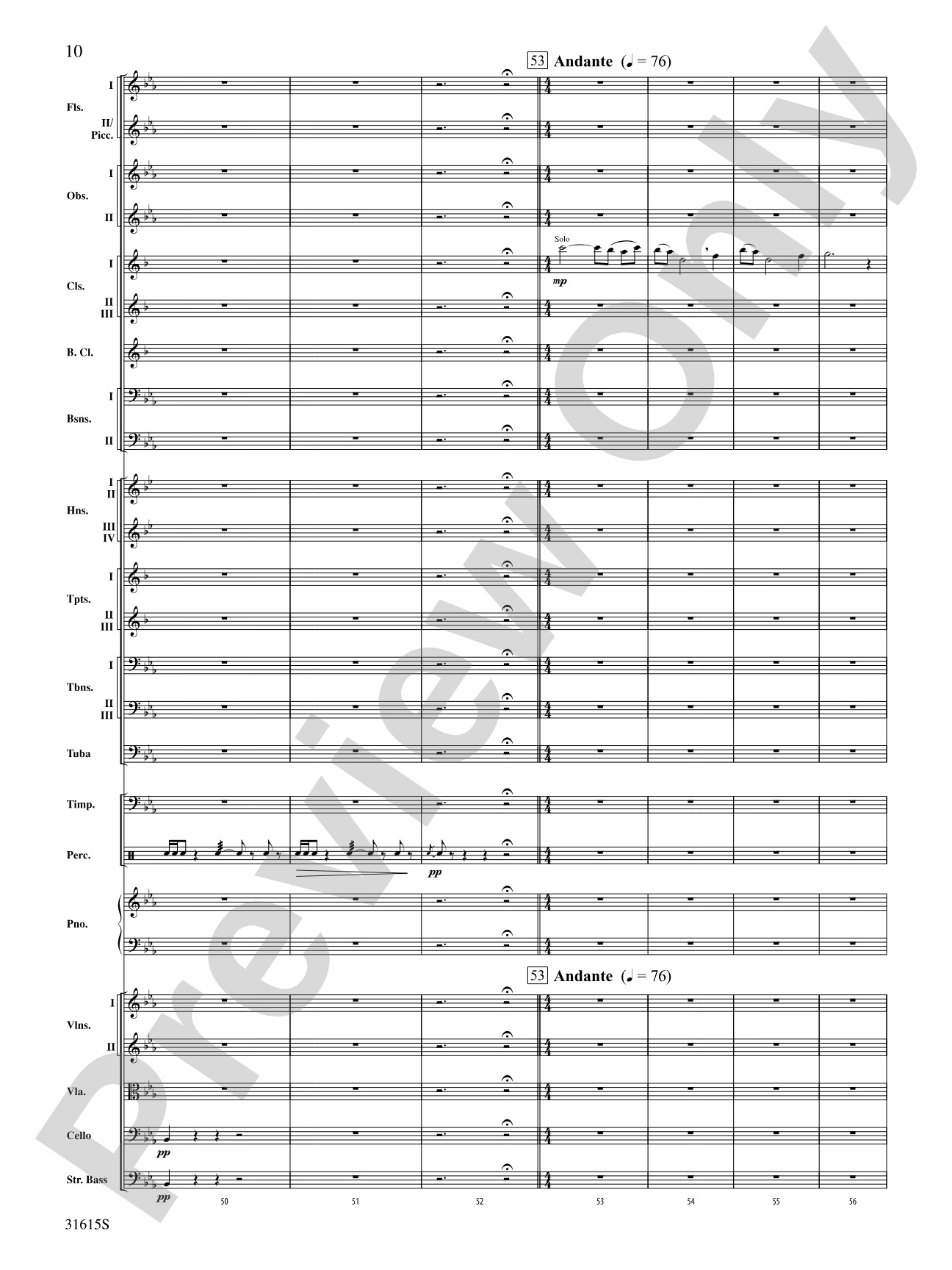
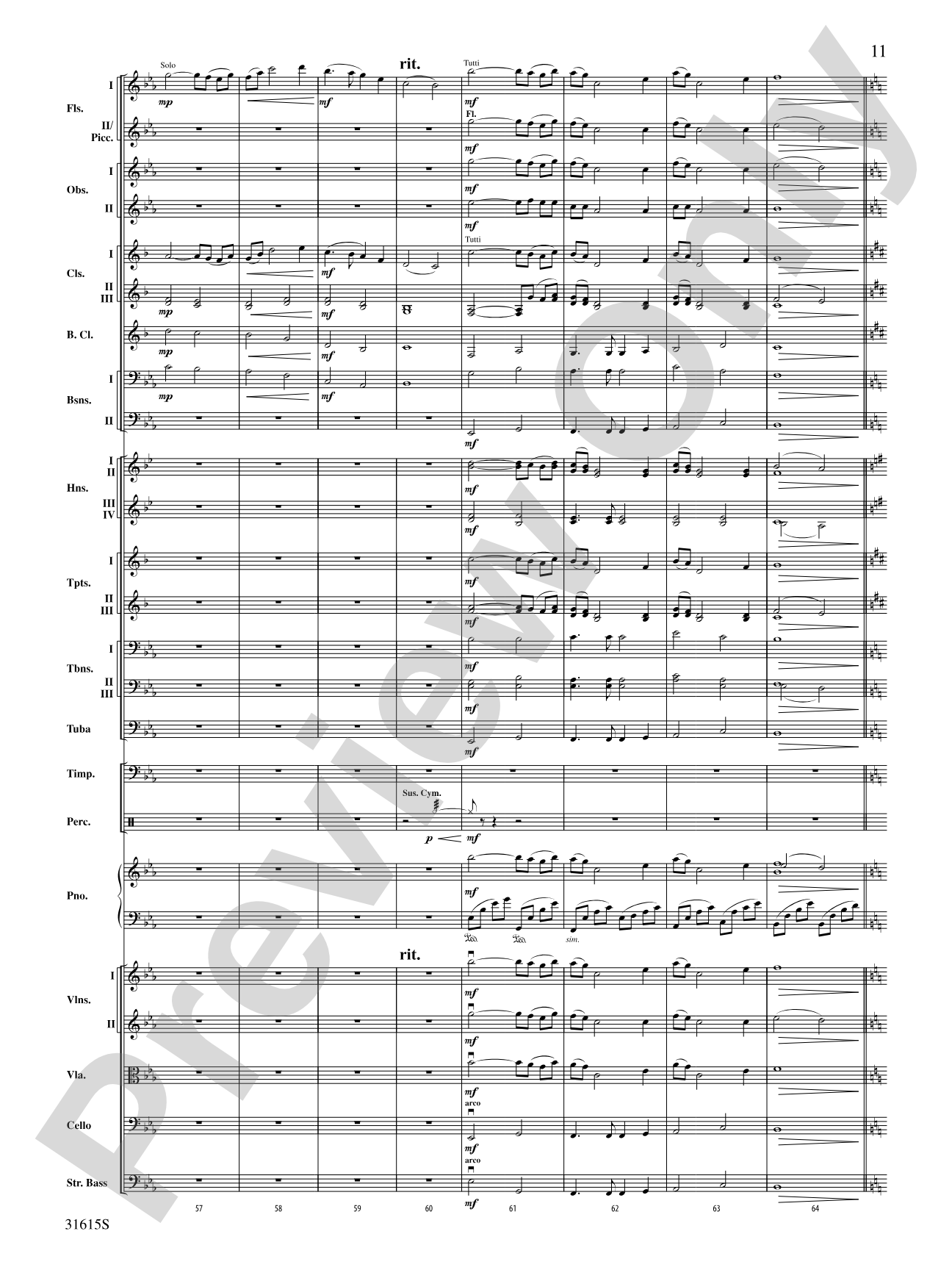
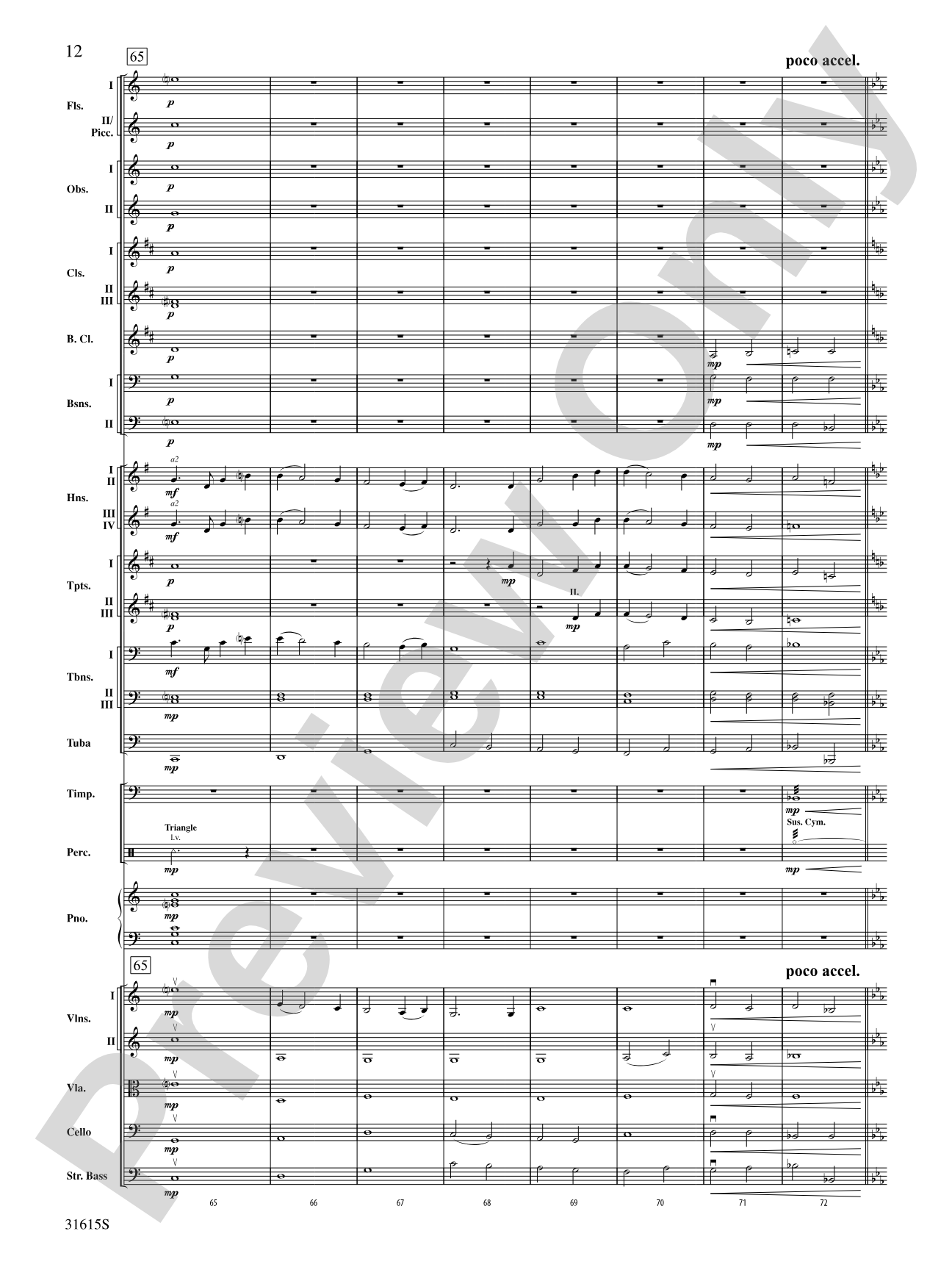
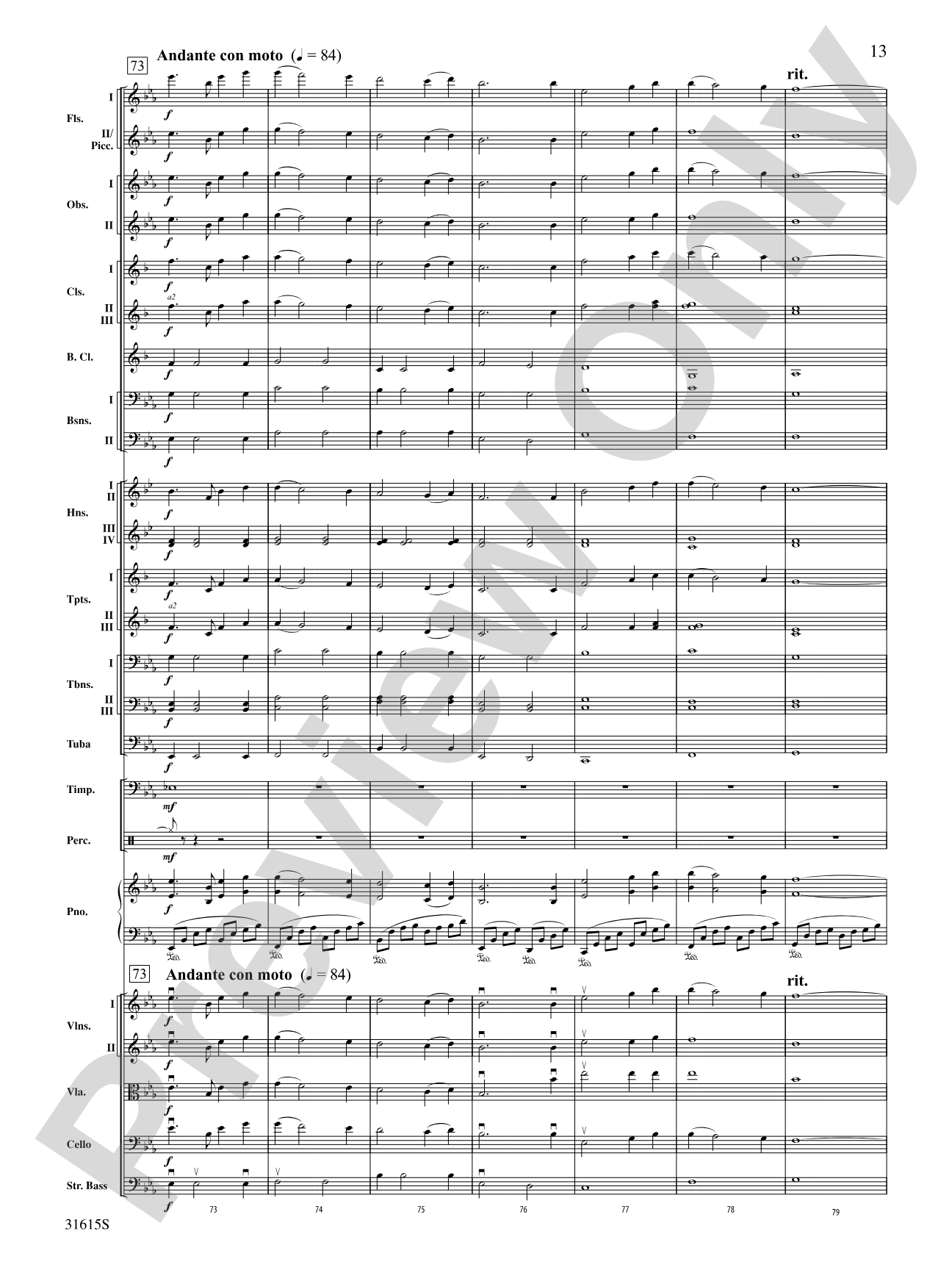
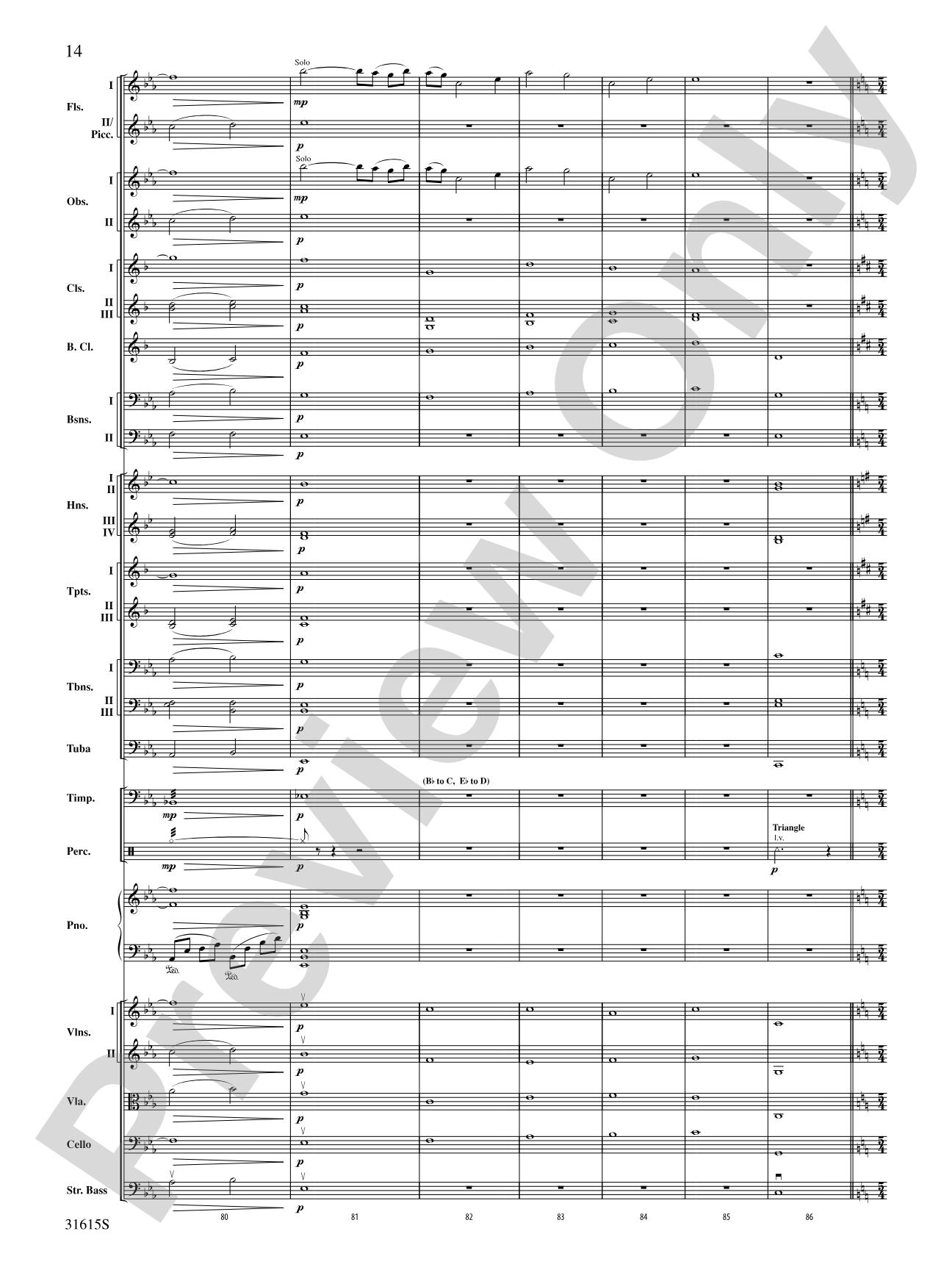
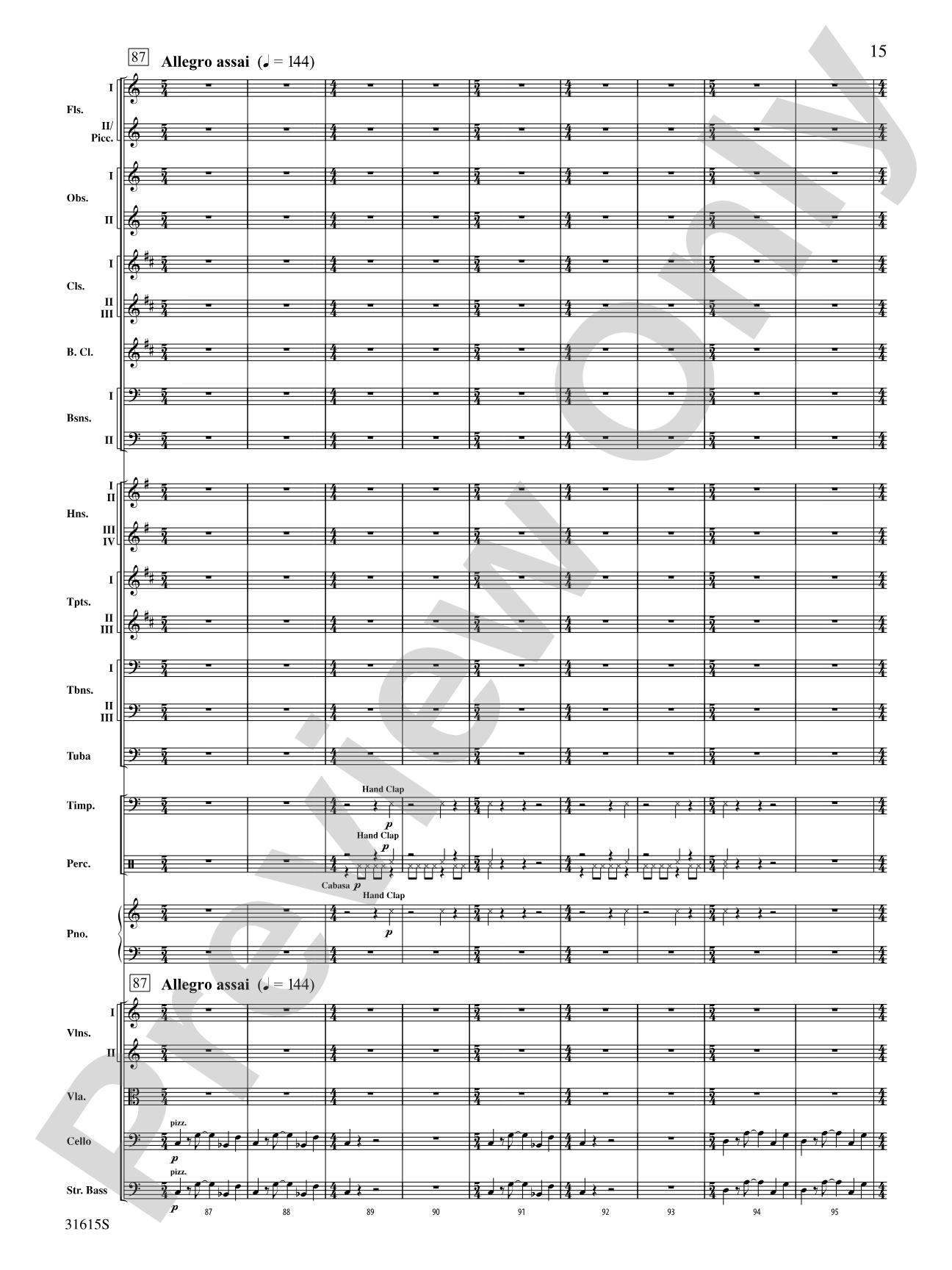
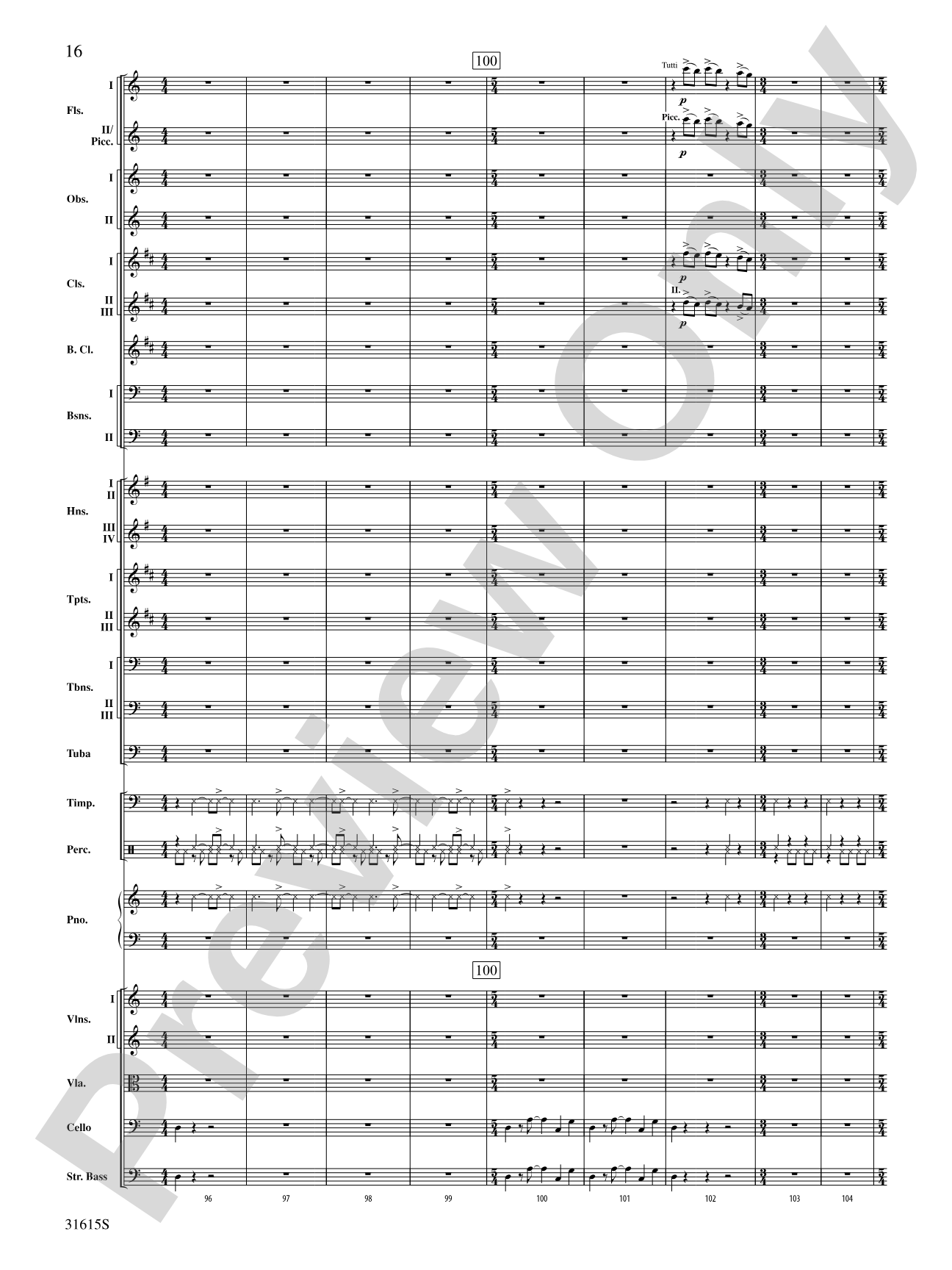
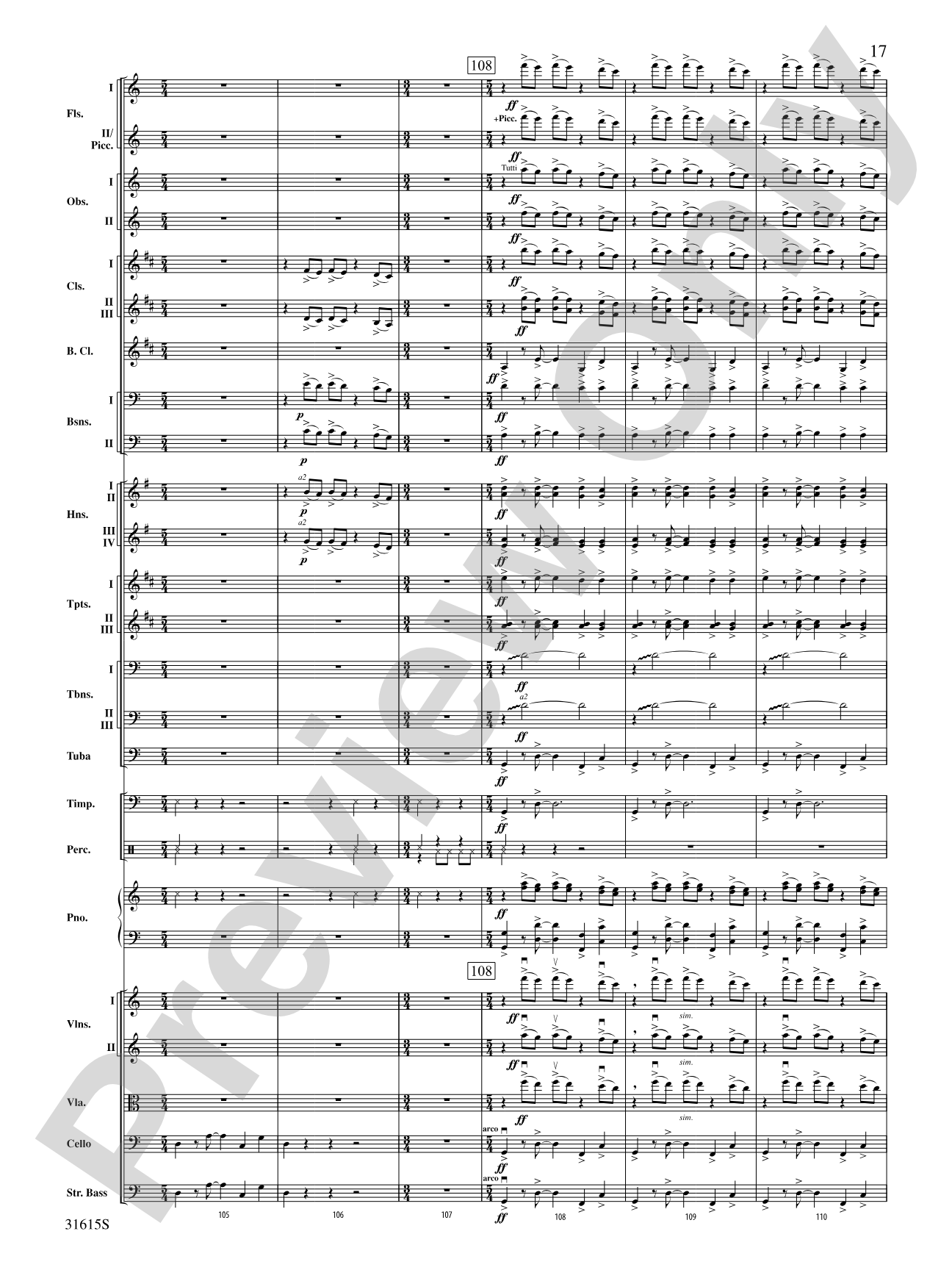
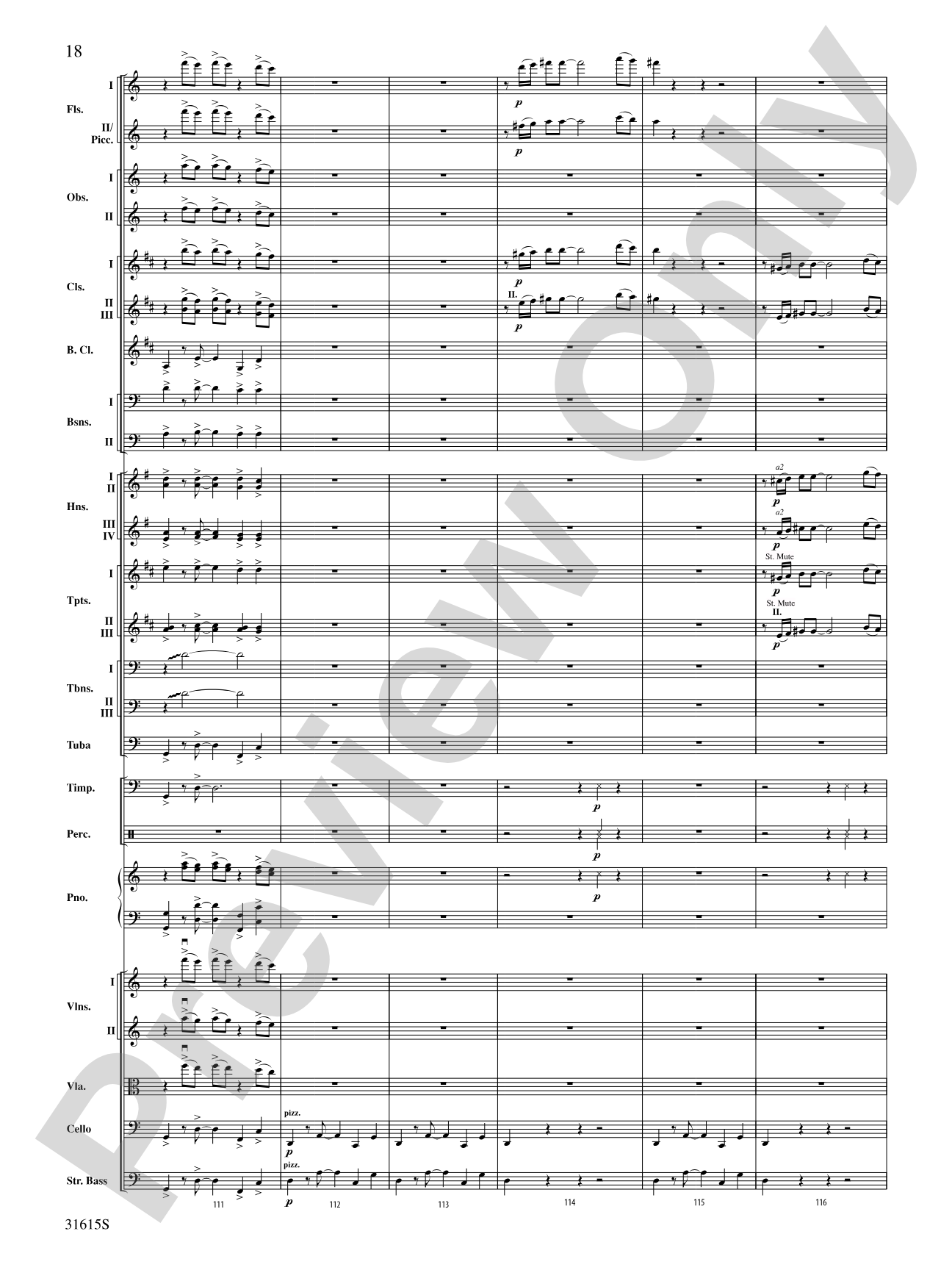
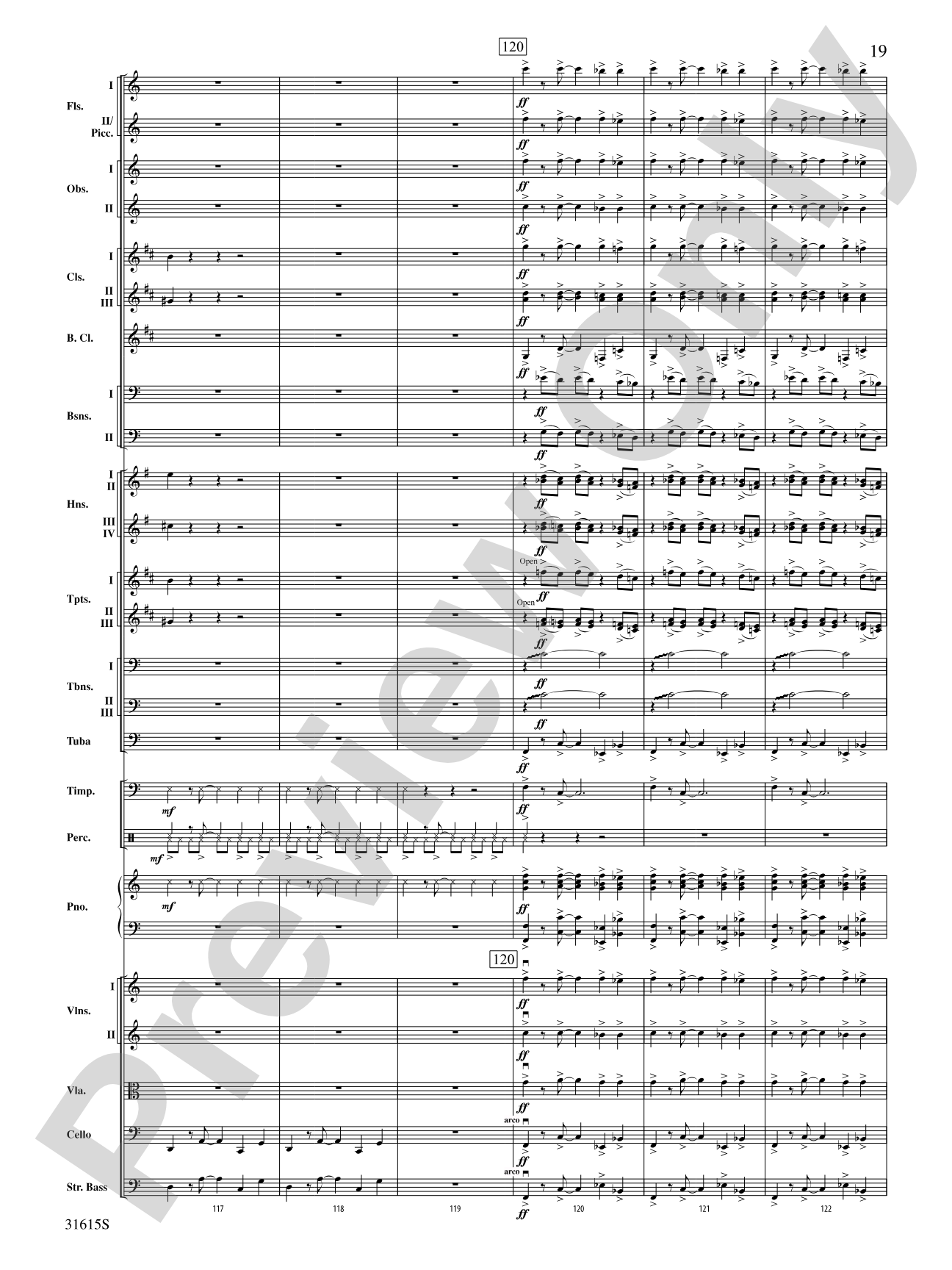
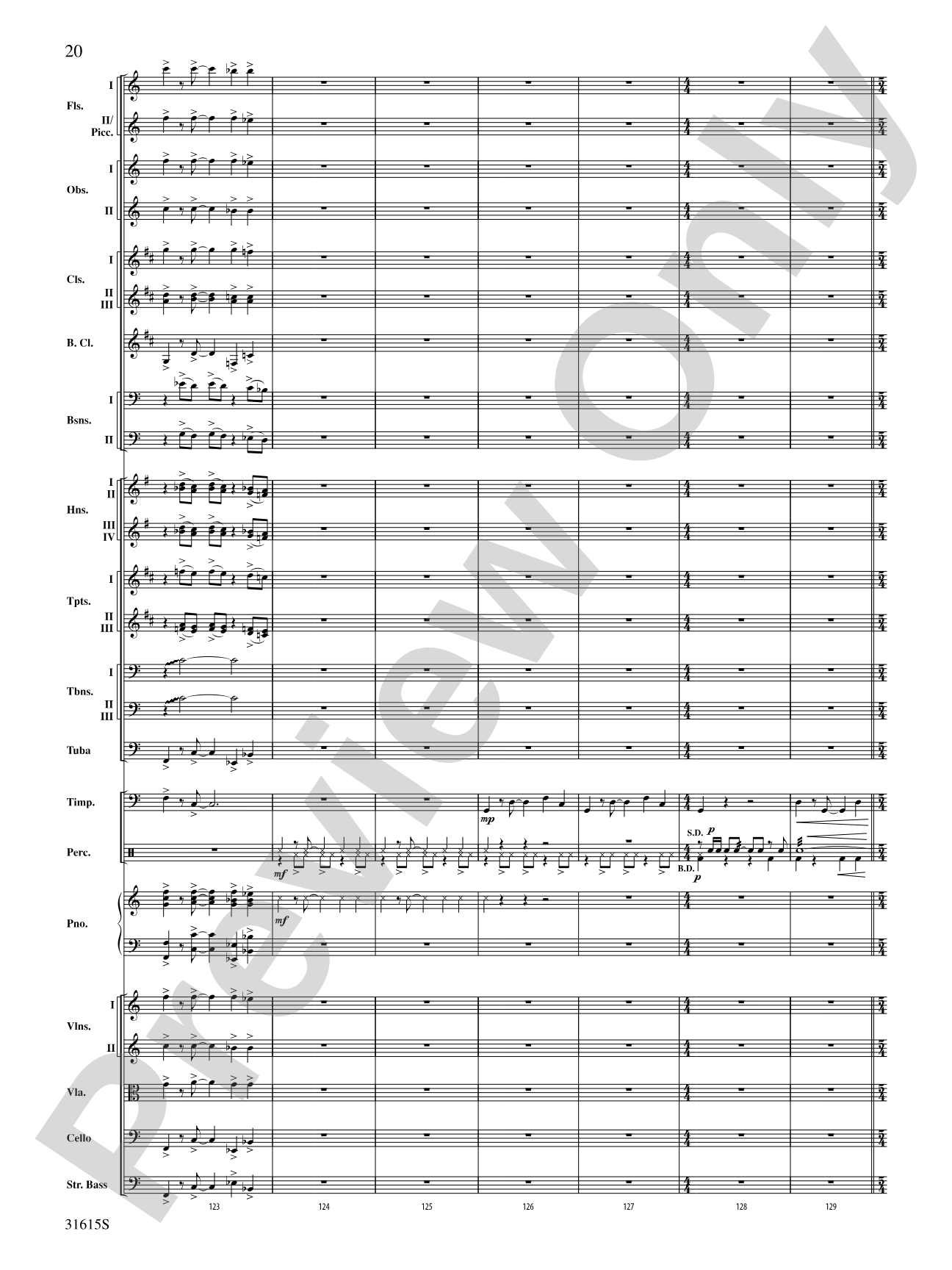
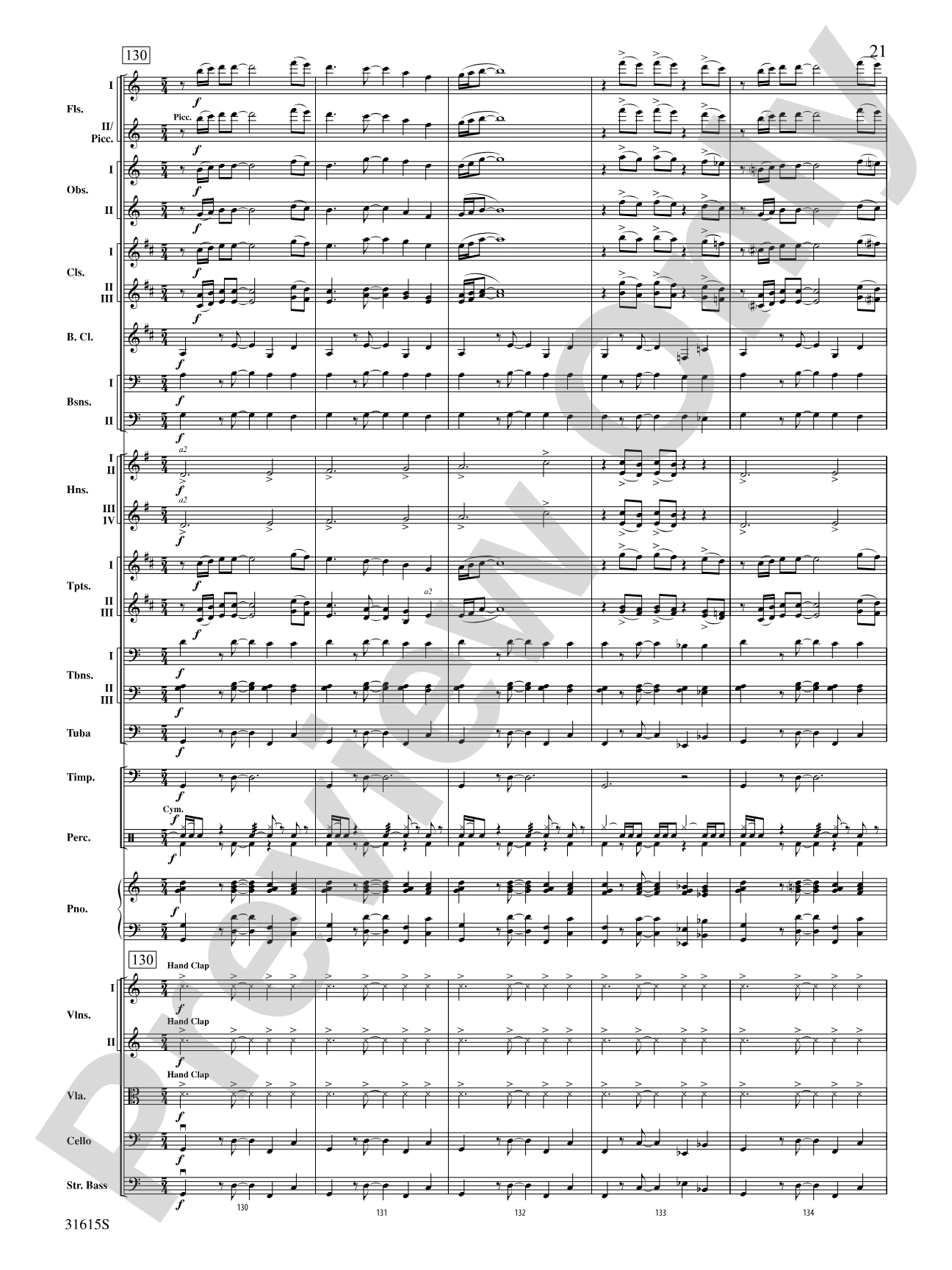
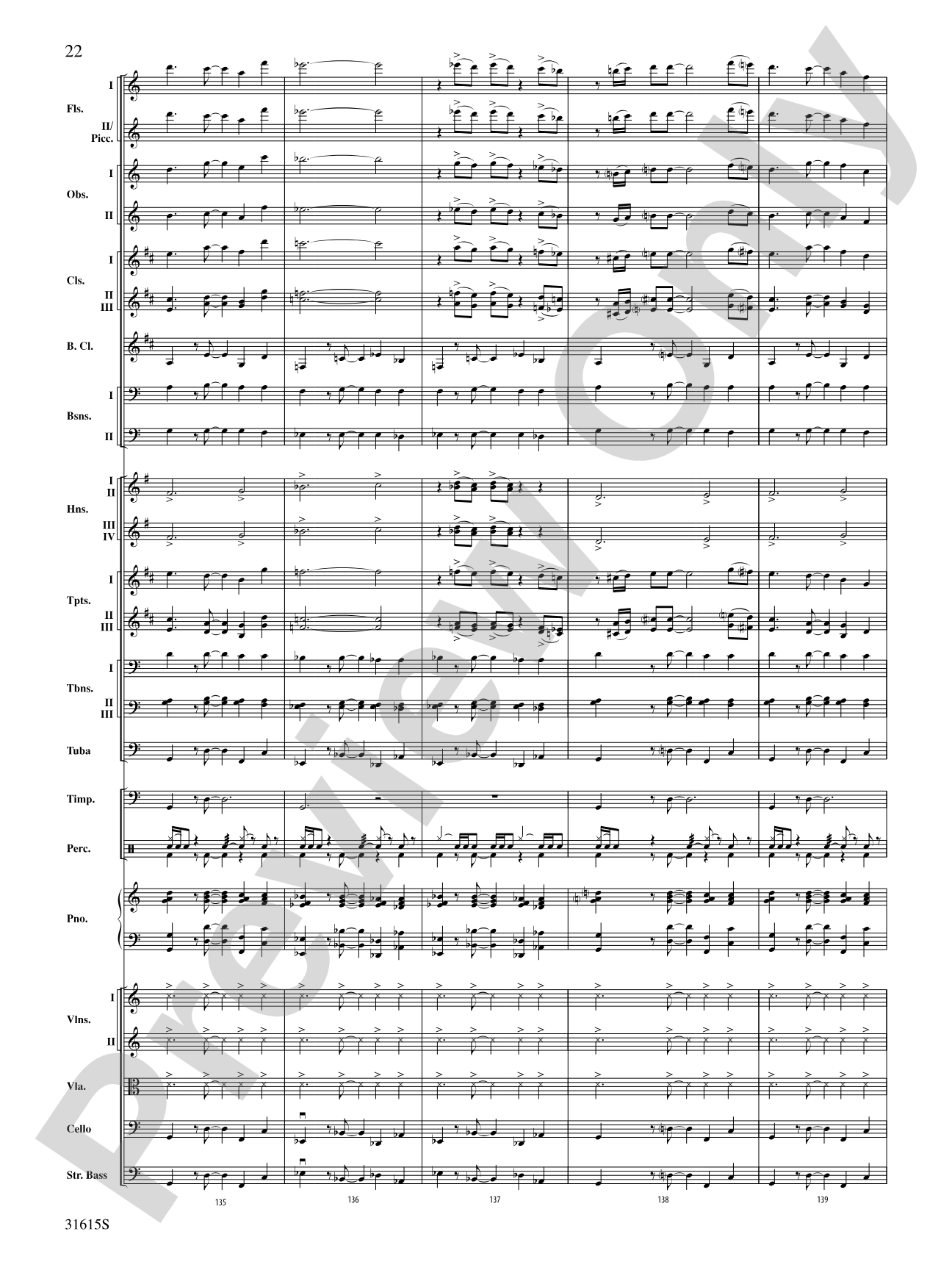
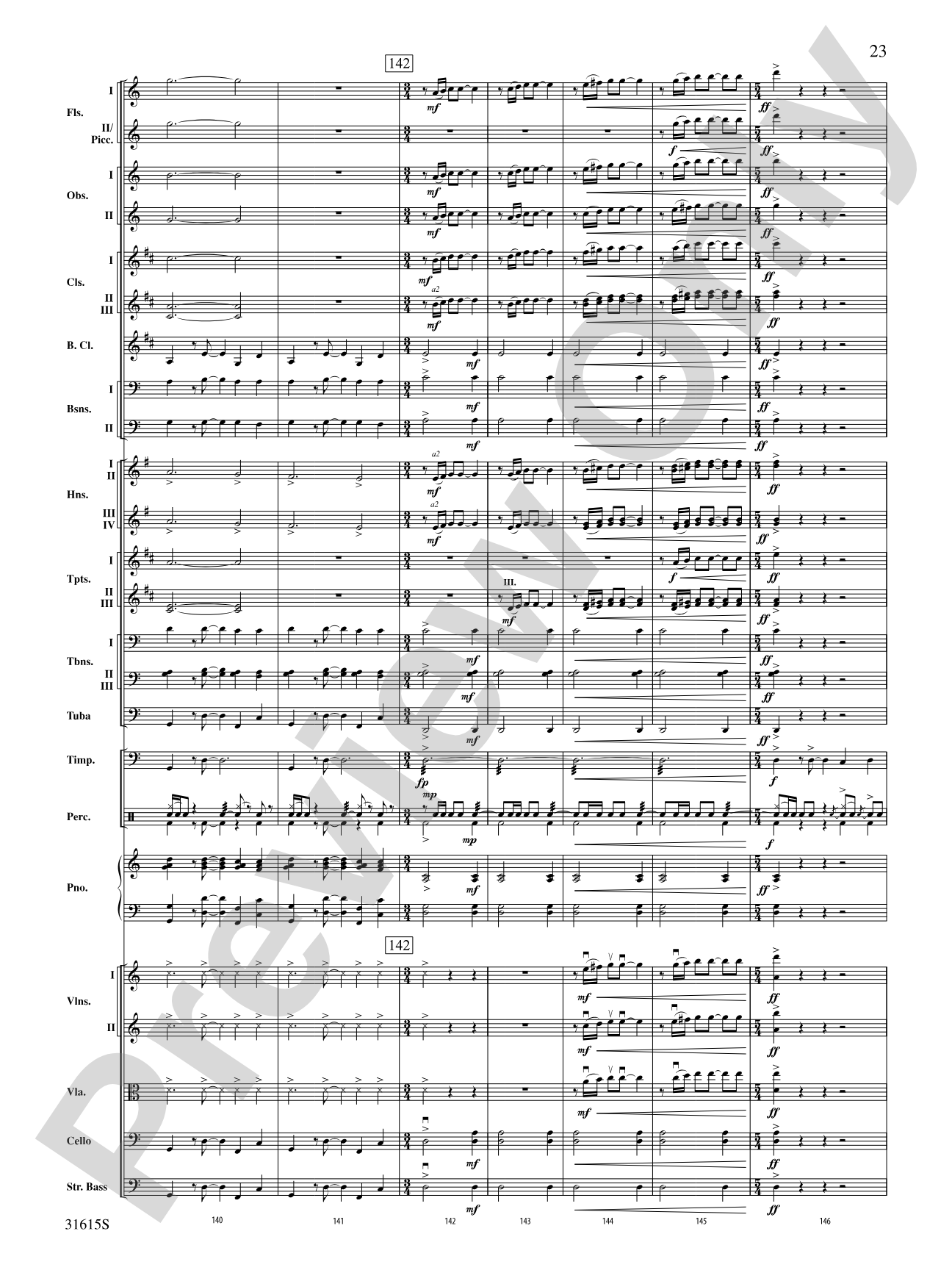
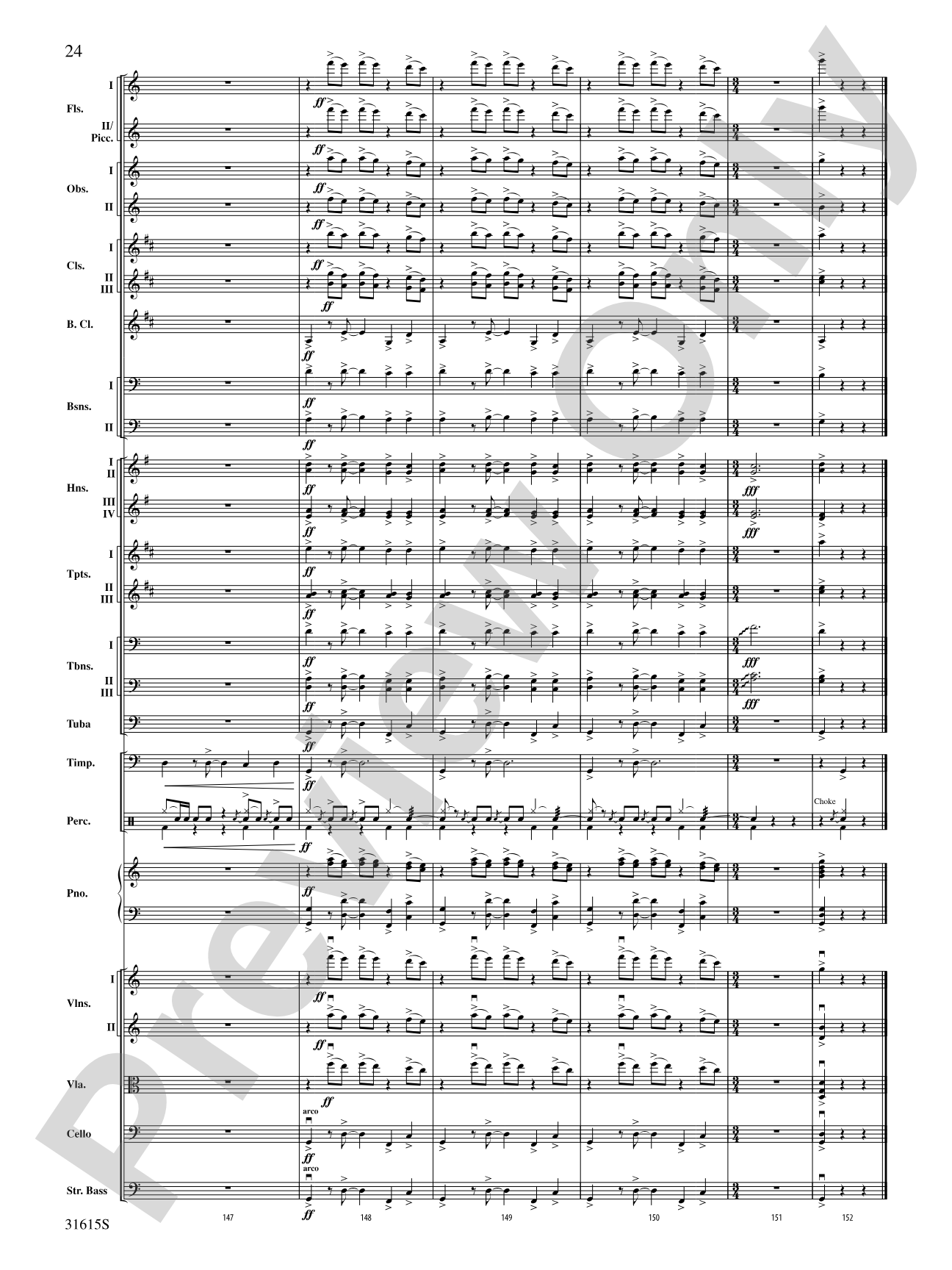

Lake Dance: Score
By William G. Harbinson
Grade: 3.5
Item: 00-PR-0001757
$8.00
Pickup currently not available
Description
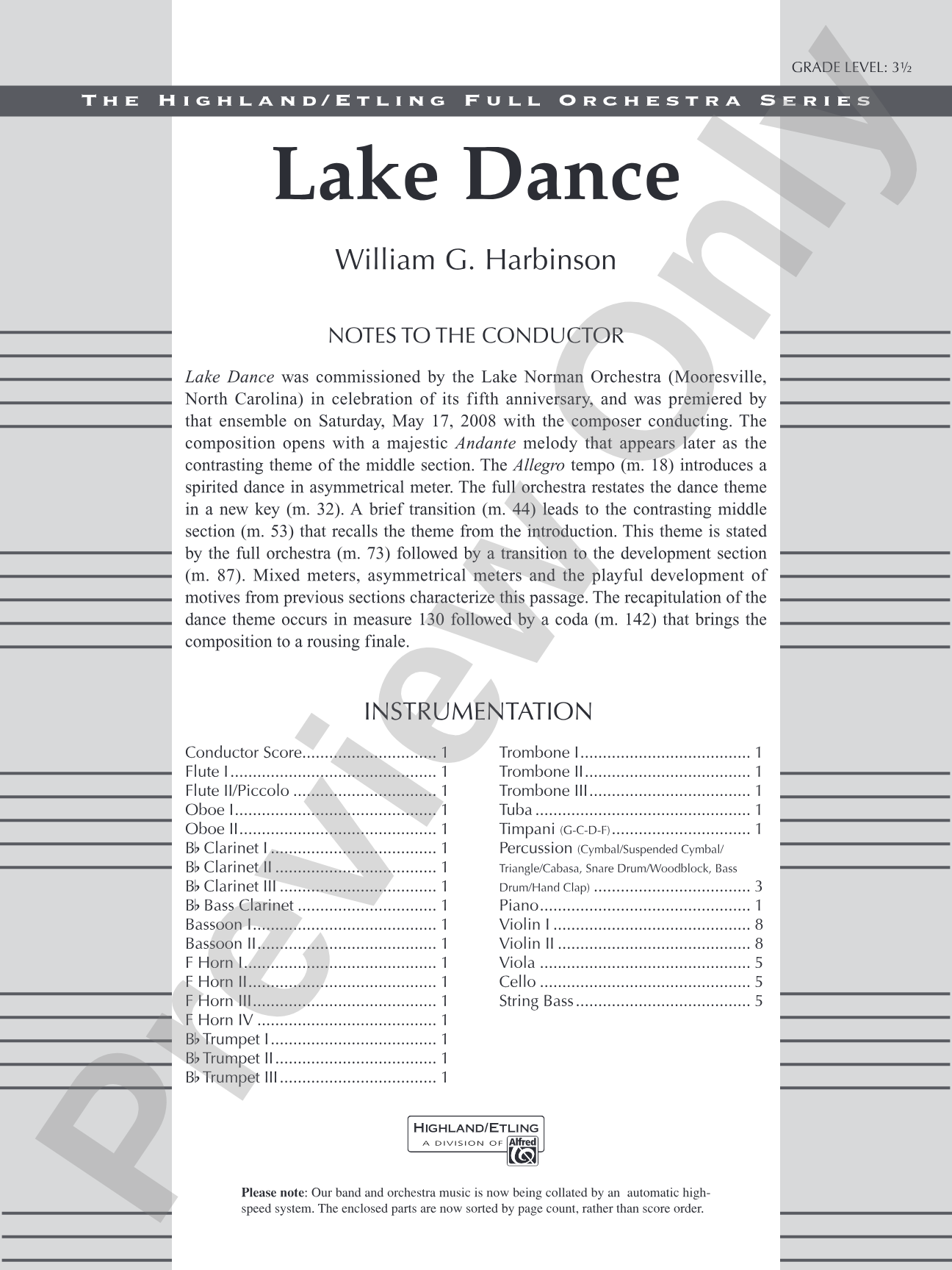
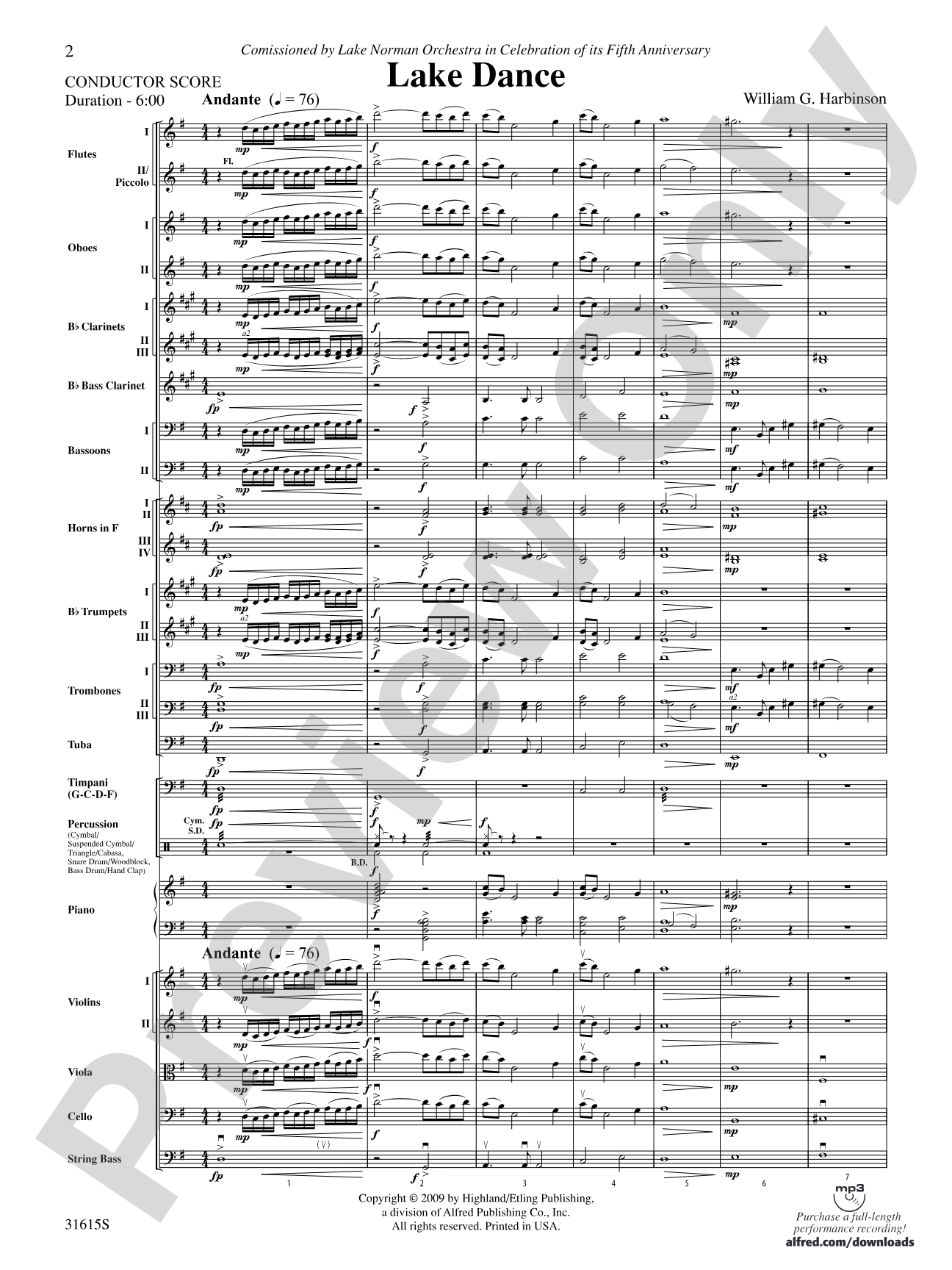
Recurring themes within contrasting sections, ranging from the majestic to a spirited dance, will delight audiences and players alike. Mixed meters, asymmetrical meters and the playful development of previous motives characterize the development section, leading into a rousing finale. Great contemporary composition! (6:02)


Don't just read it, hear it, play along with it, and watch your students grow with it. In MakeMusic Cloud, Lake Dance: Score comes alive with professional accompaniment, adjustable tempo, and built-in practice tools that turn solo practice into real progress.
Open in the Player
Jump straight in and assign it today.
Start Your Free Trial
Open this title and explore the full library in minutes.
Sample Audio
1
Audio File
--:--
0:00
0:00
Sample Video
No sample videos found.
Additional Details
Series:
Highland/Etling Full Orchestra
Publisher:
Alfred Music
Page Count:
228
SKU:
00-PR-0001757
More about this title
Why we love this
Harbinson writes for the ensemble with real orchestral sophistication without overwhelming Grade 3.5 players. The metric variety feels purposeful rather than arbitrary, and the way he develops his dance material keeps players engaged through the development section instead of recycling ideas passively.
What to expect
Lake Dance moves between reflective, majestic moments and infectious rhythmic energy. The development section keeps the ear moving with unexpected metric turns and motivic variations that feel playful rather than chaotic, building toward a finale that sends the piece out with genuine excitement.
Who it's for
Middle school and early high school orchestras ready for metric complexity and contemporary compositional techniques. This piece fits programs where students are developmentally ready to tackle asymmetrical meters but still need clear structural landmarks.
How to get the most out of it
- Balance the majestic opening sections by letting the brass sing without drowning out the inner woodwind voices; this contrast sets up the spirited dance material more effectively.
- Conduct the mixed and asymmetrical meters with a clear pulse; players at this level benefit from your physical clarity in the challenging development section more than from tempo flexibility.
- Shape the playful motif development so listeners hear what's being transformed; small dynamics shifts and articulation choices make the compositional craft audible.
- Build momentum into the rousing finale without rushing; the energy should feel earned from the preceding sections, not forced.
How to use it
Program this as a contemporary concert piece that showcases your orchestra's growing maturity with modern compositional language. At just over six minutes, it pairs well with Baroque or Classical repertoire on the same concert, offering audiences a clear window into how twentieth and twenty-first century composers approach familiar orchestral forms.
Skills your students will build
- Reading mixed meters and asymmetrical meters (5/8, 7/8, irregular groupings within 4/4)
- Tracking motivic development and recognizing orchestral transformation techniques
- Balancing dynamic contrast between solo lines and harmonic accompaniment
- Maintaining rhythmic independence while responding to conducted meter changes