
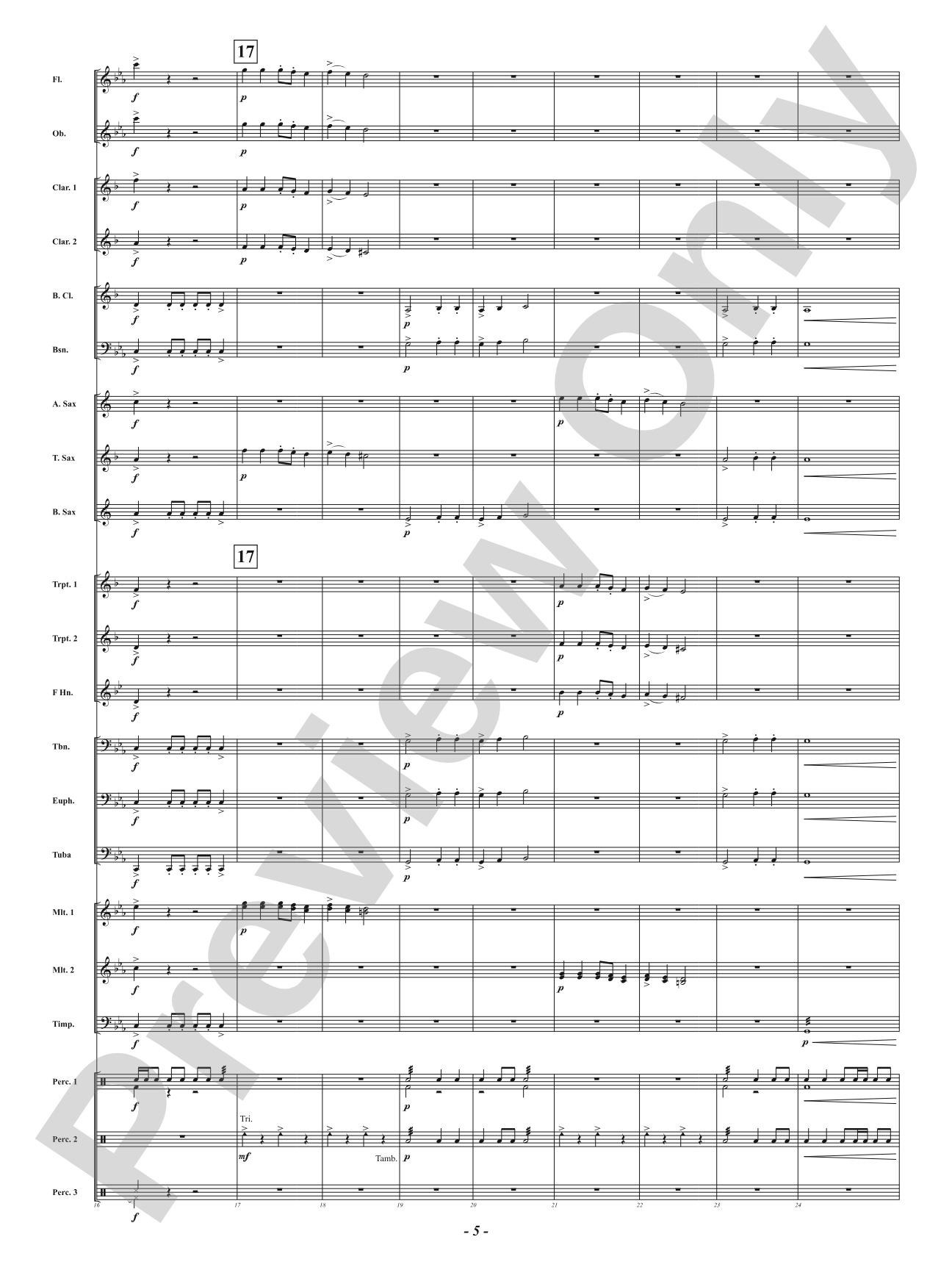
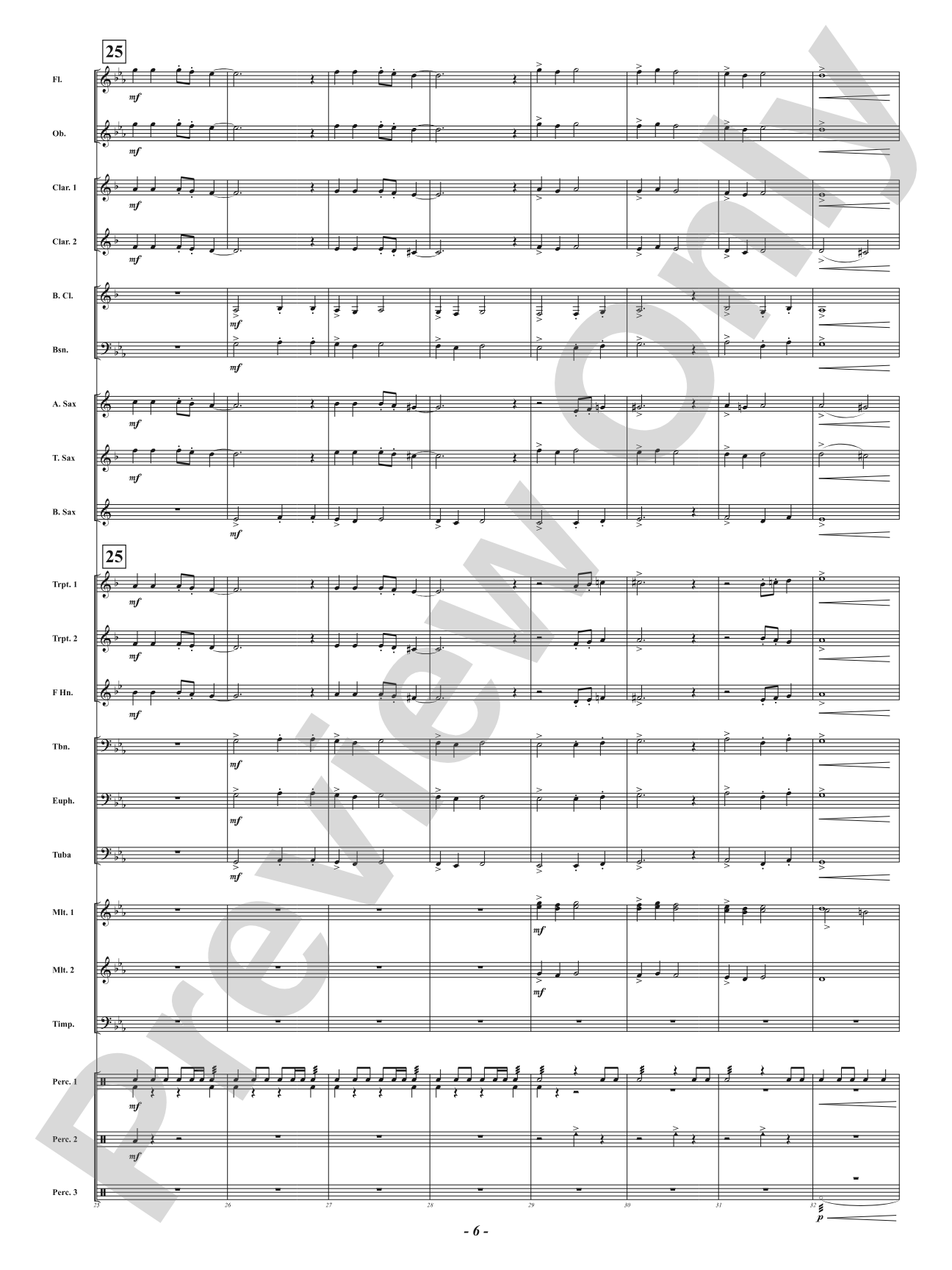
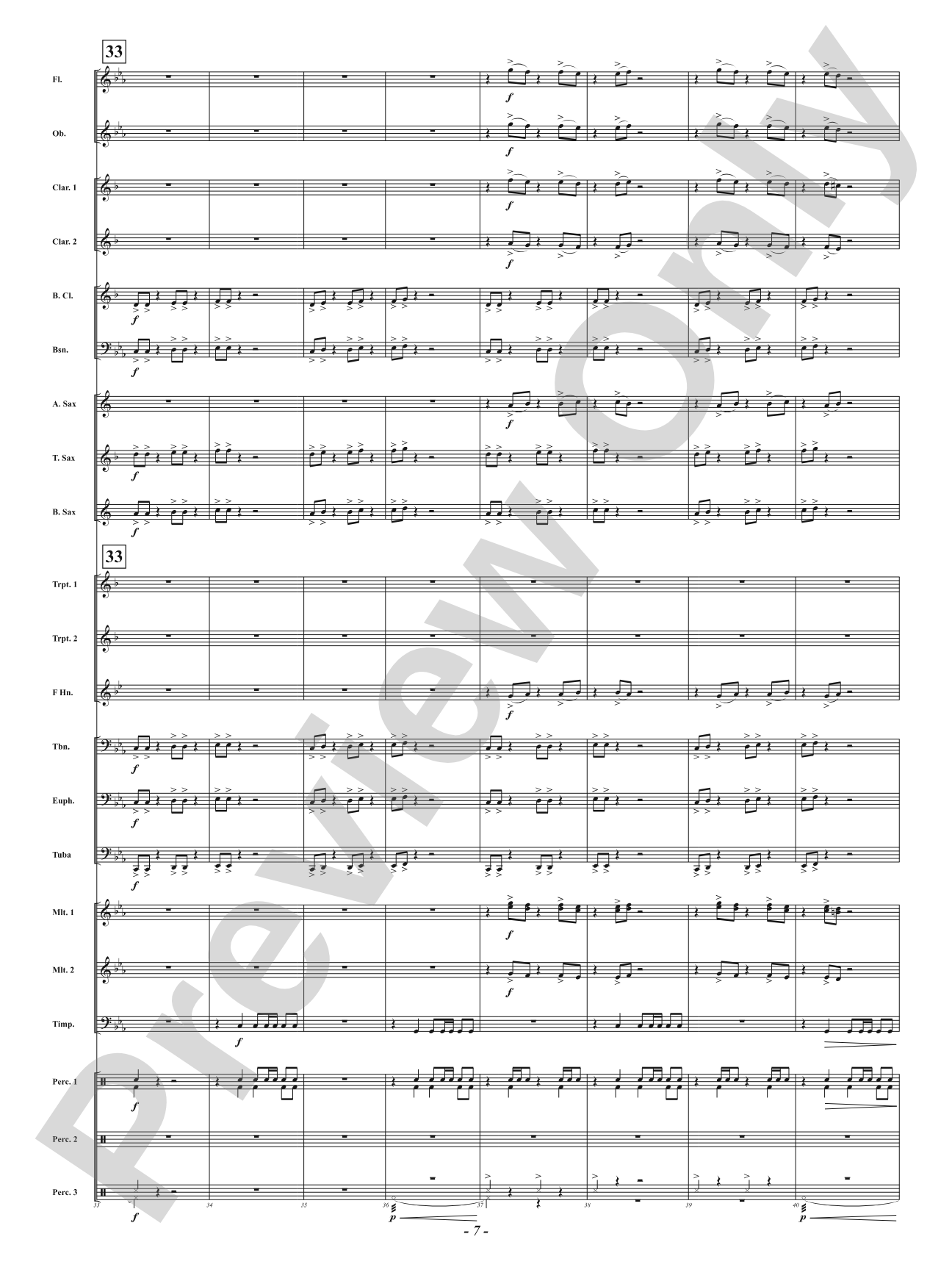
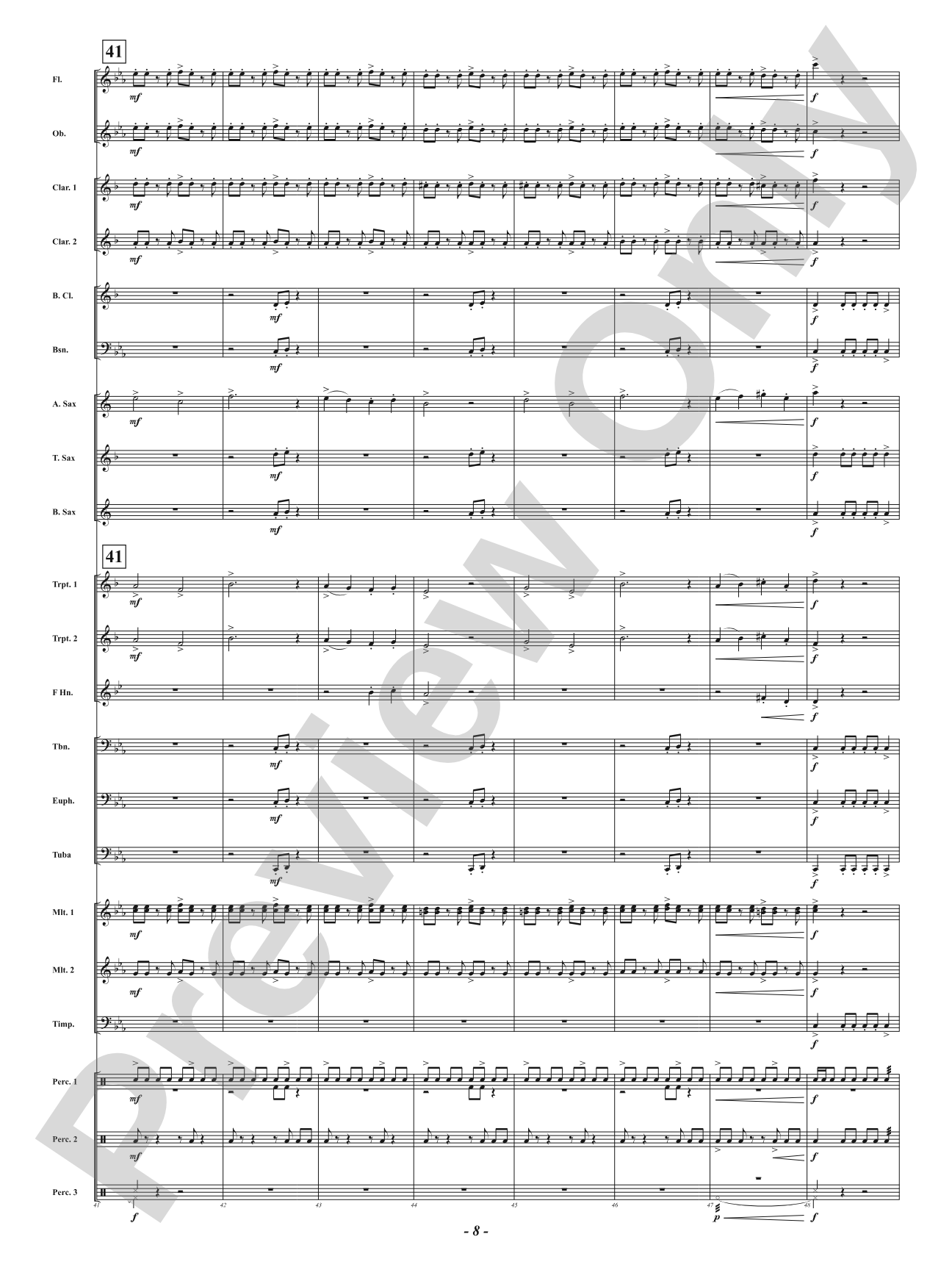

Lair Of The Gorgon: Score
By F. Scott Kroll
Grade: 2.5
Item: 98-PR-RWS2113
$8.00
Pickup currently not available
Description
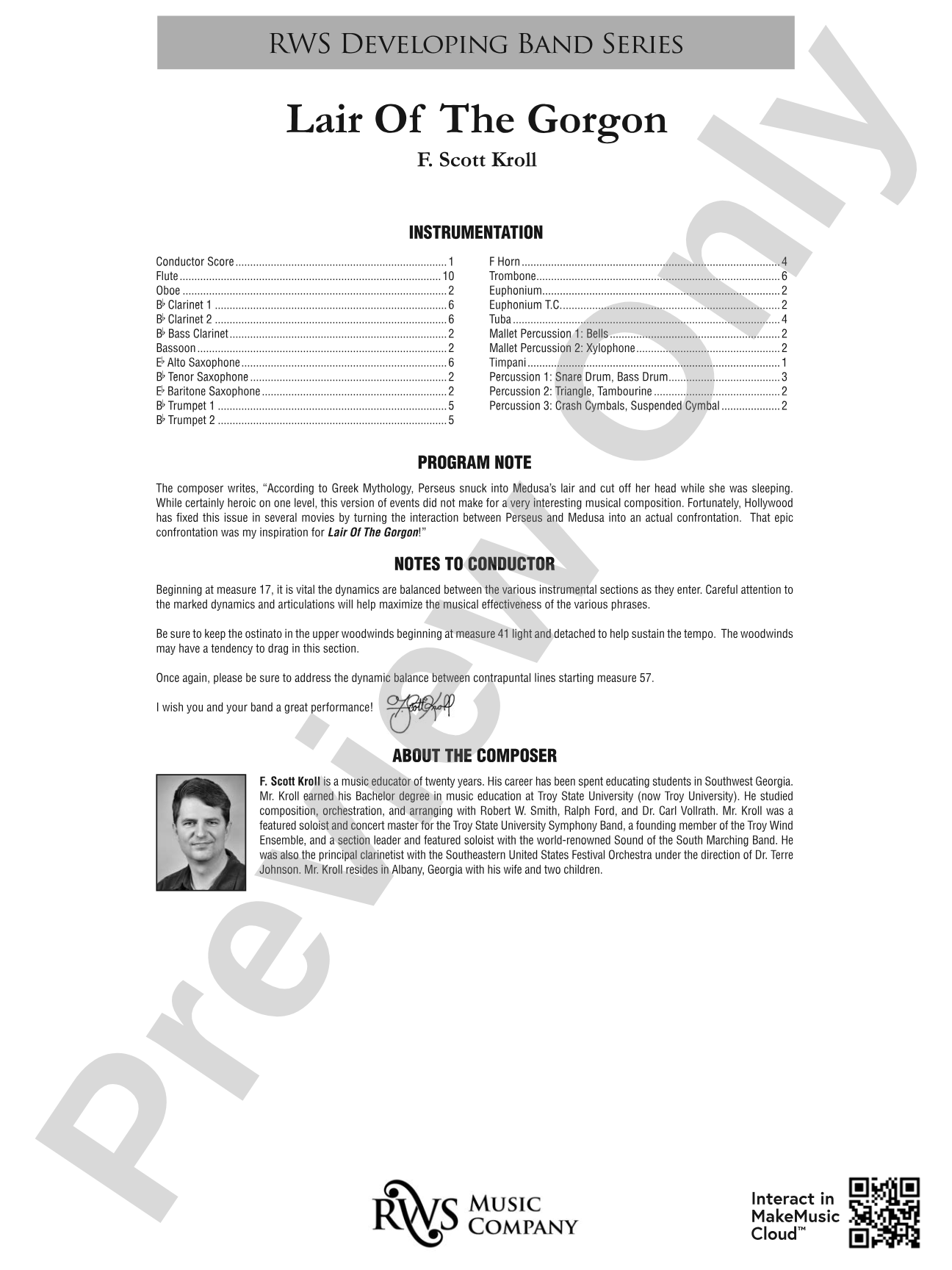
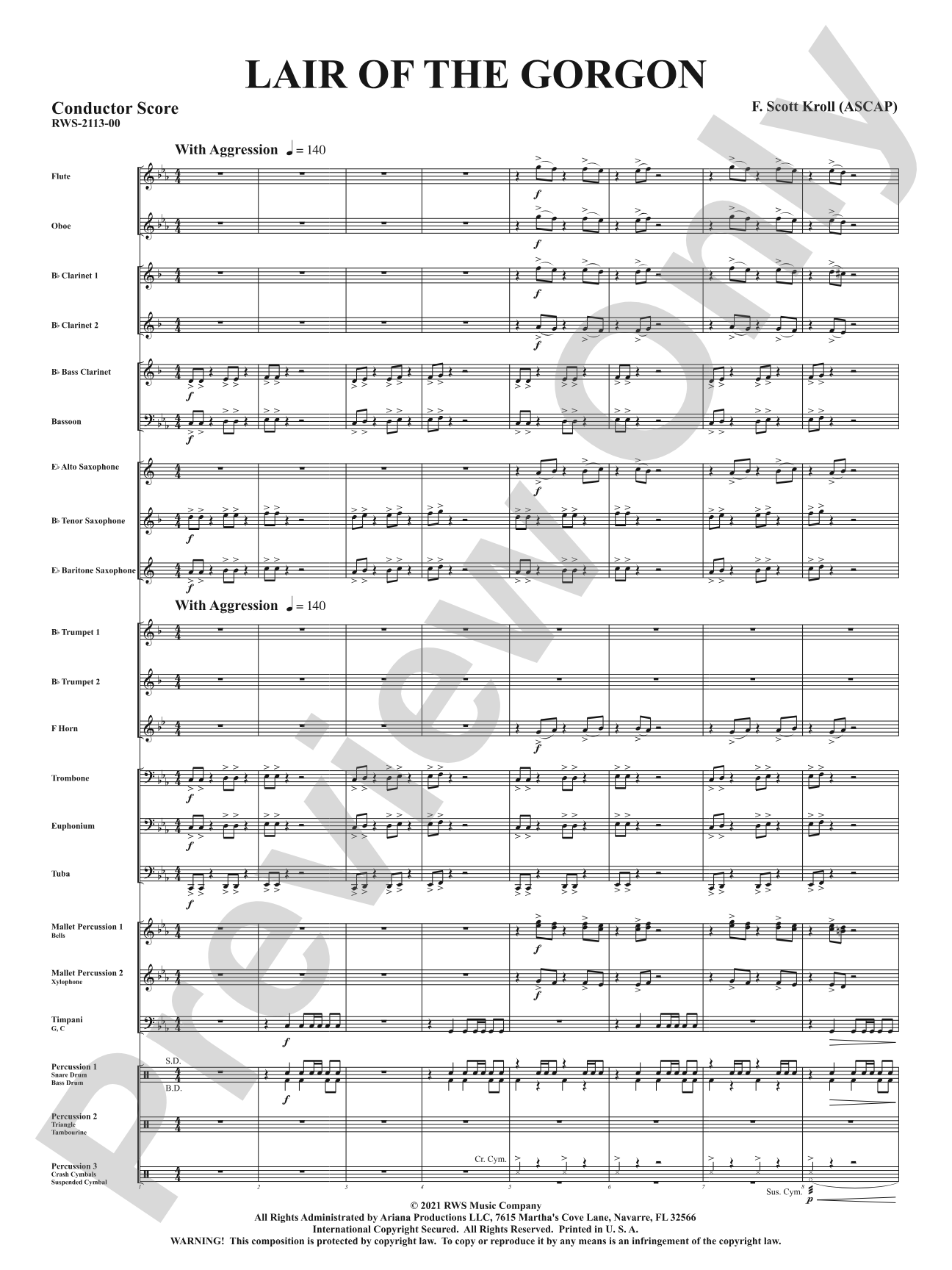
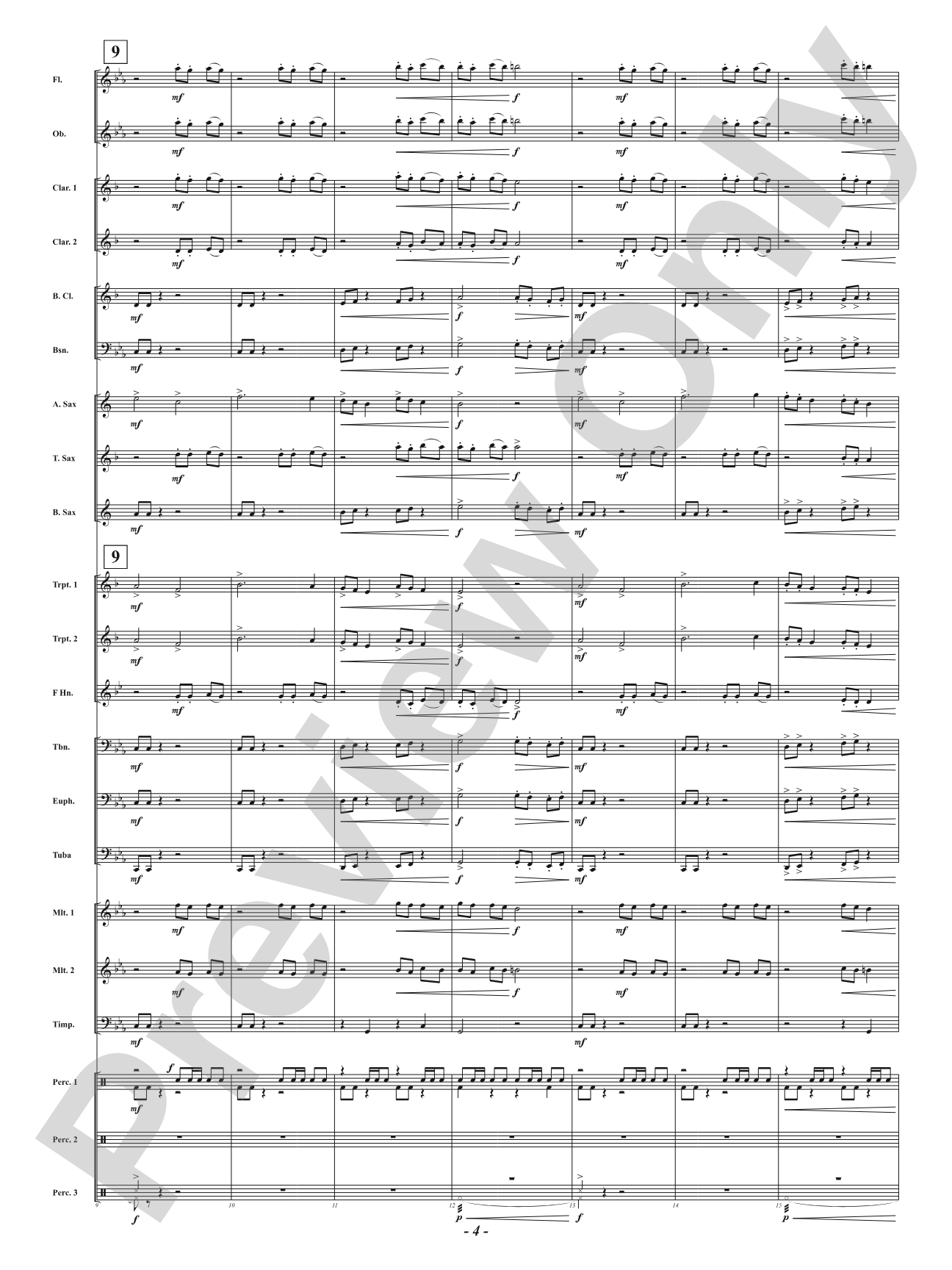
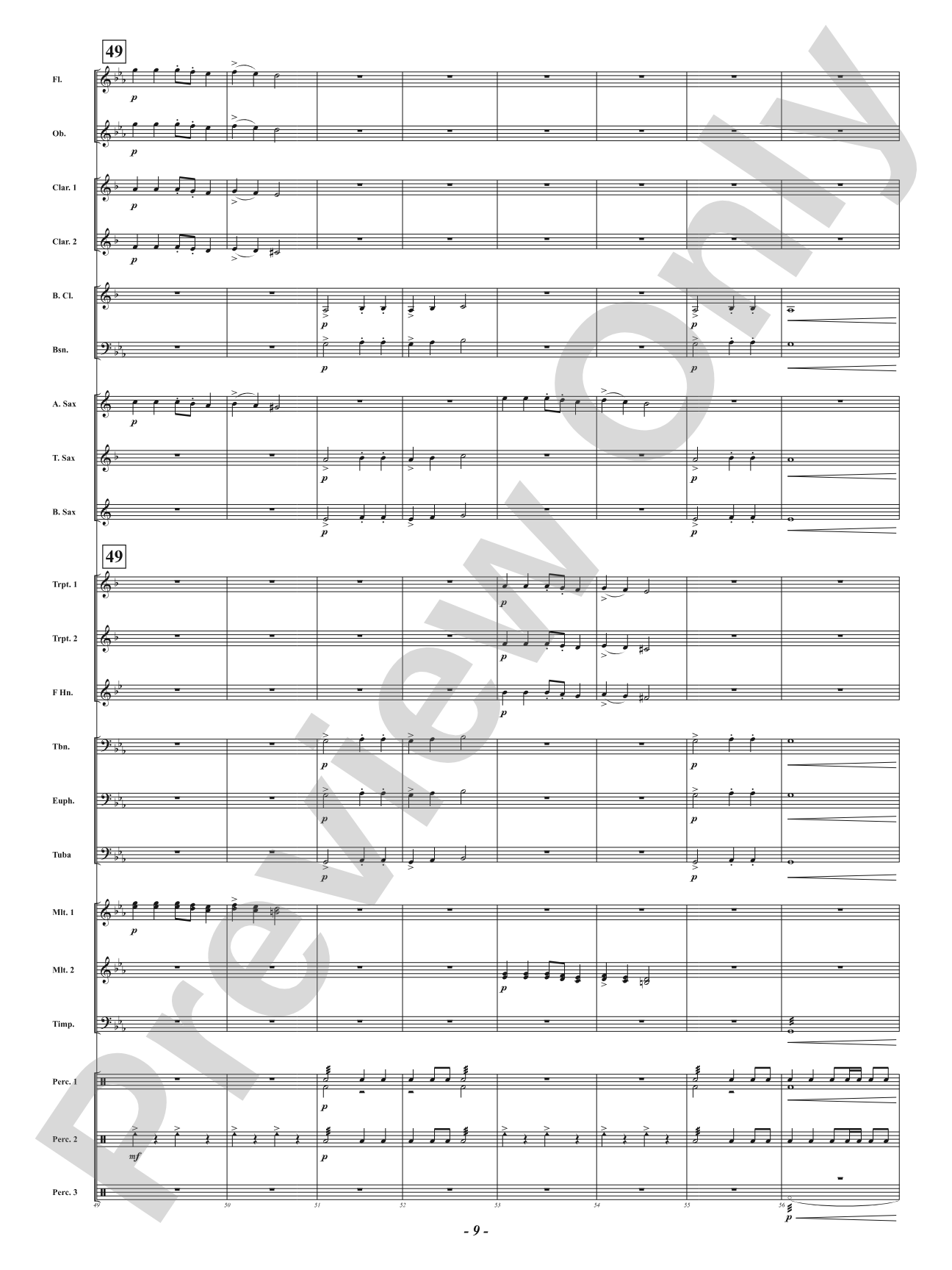
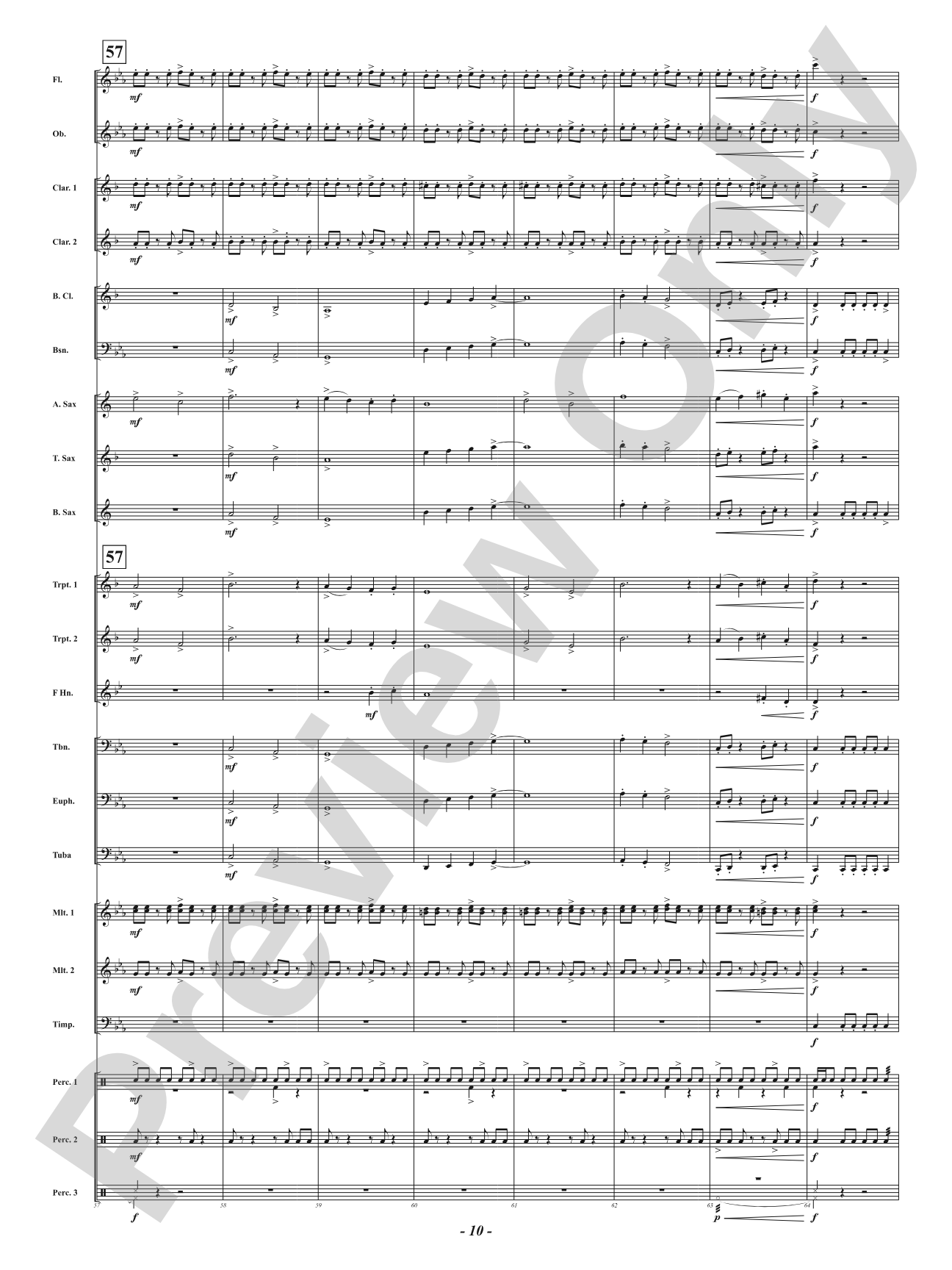
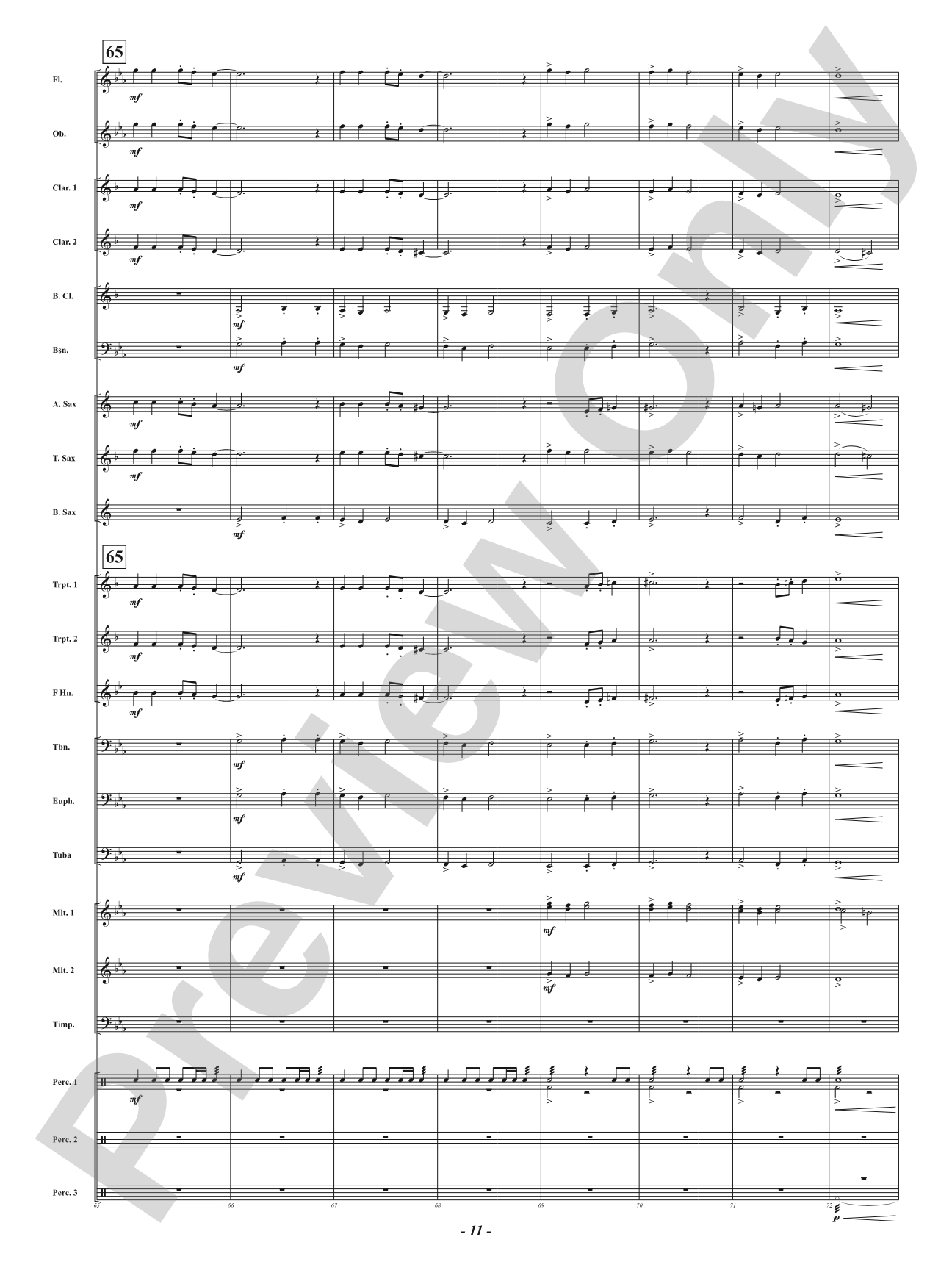
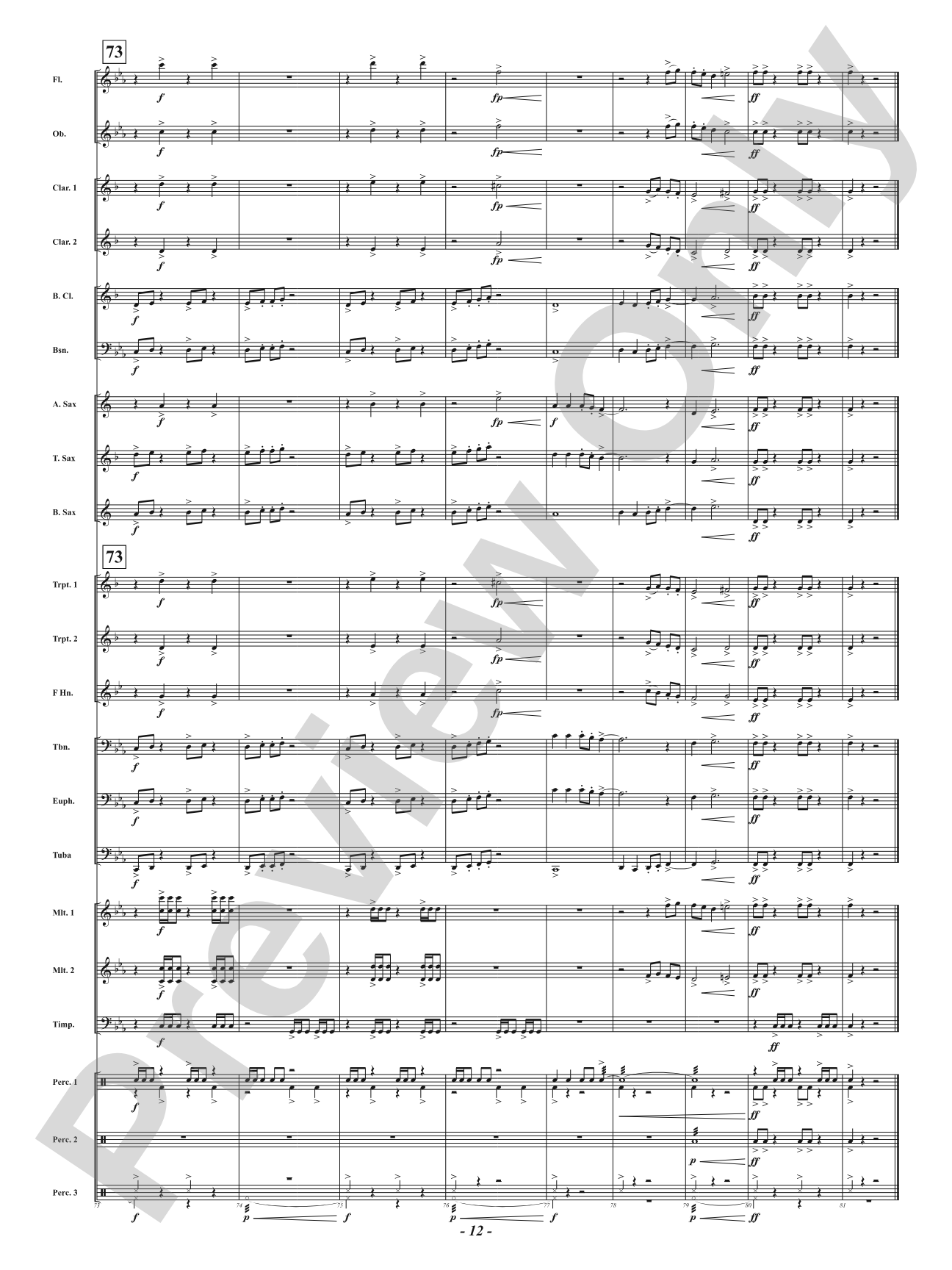
Your students will enjoy this exciting cross-curricular piece commemorating a famous confrontation from Greek mythology. Perseus searches through Medusa's lair searching for the Queen of the Gorgons. As Perseus delves further into the dungeon, he encounters Medusa and the battle begins. Take your audience along for this epic audio adventure.
Original Item#: RWS-2113-00


Original Item#: RWS-2113-00
Lair Of The Gorgon: Score isn't in MakeMusic Cloud just yet...but it could be. Let us know you'd like to see it, and you'll help shape what comes next. In the meantime, start a free trial and dive into thousands of interactive titles your students can play along with today.
Request This Title
Tell us you want it.
Start Your Free Trial
Explore everything that's ready to play right now.
Sample Audio
1
Audio File
--:--
0:00
0:00
Sample Video
No sample videos found.
Additional Details
Series:
RWS - Developing Band
Publisher:
RWS Music Company
SKU:
98-PR-RWS2113
More about this title
About the Composer: F. Scott Kroll
F. Scott Kroll has established himself as a composer deeply committed to creating accessible yet engaging music for developing ensembles. His work across multiple genres demonstrates a keen understanding of how to balance musical sophistication with technical feasibility for students still building foundational skills.
Kroll's compositional approach prioritizes narrative and color, using orchestration and thematic development to draw young musicians into the music-making process. His contributions to the Developing Band series reflect a philosophy that intermediate students deserve music that entertains and challenges them simultaneously.
Why we love this
Kroll captures the narrative arc of Perseus's quest with orchestral clarity that keeps young musicians engaged from the first measure. The programmatic writing lets your band tell a story without sacrificing musical substance, and the Grade 2.5 scoring ensures your ensemble can handle the dramatic moments without getting buried in technical demands.
What to expect
Adventurous and cinematic. The piece moves from creeping exploration through shadowy passages into genuine dramatic confrontation, with orchestration that suggests a dungeon's echoes and the intensity of mythological combat. Your band will feel like they're scoring an action sequence.
Who it's for
Concert bands at the Grade 2.5 level who want repertoire that engages audiences while developing solid ensemble skills. This works especially well for programs that value cross-curricular connections and want to give students experience with programmatic writing that doesn't oversimplify the music.
How to get the most out of it
- Use the dramatic tempo changes to shape the narrative. The shift from exploration to battle needs a palpable gear change; rehearse these transitions in isolation so they land with impact rather than feeling abrupt.
- Balance the melodic lines between sections. Since the piece follows Perseus through different moments, make sure accompaniment parts don't obscure the lead voice carrying the story forward at any given moment.
- Lock the rhythm section into the pulse during the battle section. When energy peaks, a solid foundation in drums and low brass will let your upper voices soar without the ensemble feeling scattered.
- Shape phrases with the program in mind. Listen to how each musical gesture supports the narrative; this helps musicians understand why a crescendo matters and keeps phrasing musical rather than mechanical.
How to use it
Program this as a centerpiece on a concert themed around mythology, literature, or world cultures. It also pairs well with shorter works on a general concert where you want one piece that commands attention and tells a complete story. The grade level makes it accessible enough to prepare in a reasonable rehearsal timeline without sacrificing impact.
Skills your students will build
- Narrative phrasing and musical storytelling
- Dynamic contrast and dramatic shape
- Ensemble balance in multi-sectional textures
- Tempo flexibility and transition management
- Programmatic listening and interpretation