
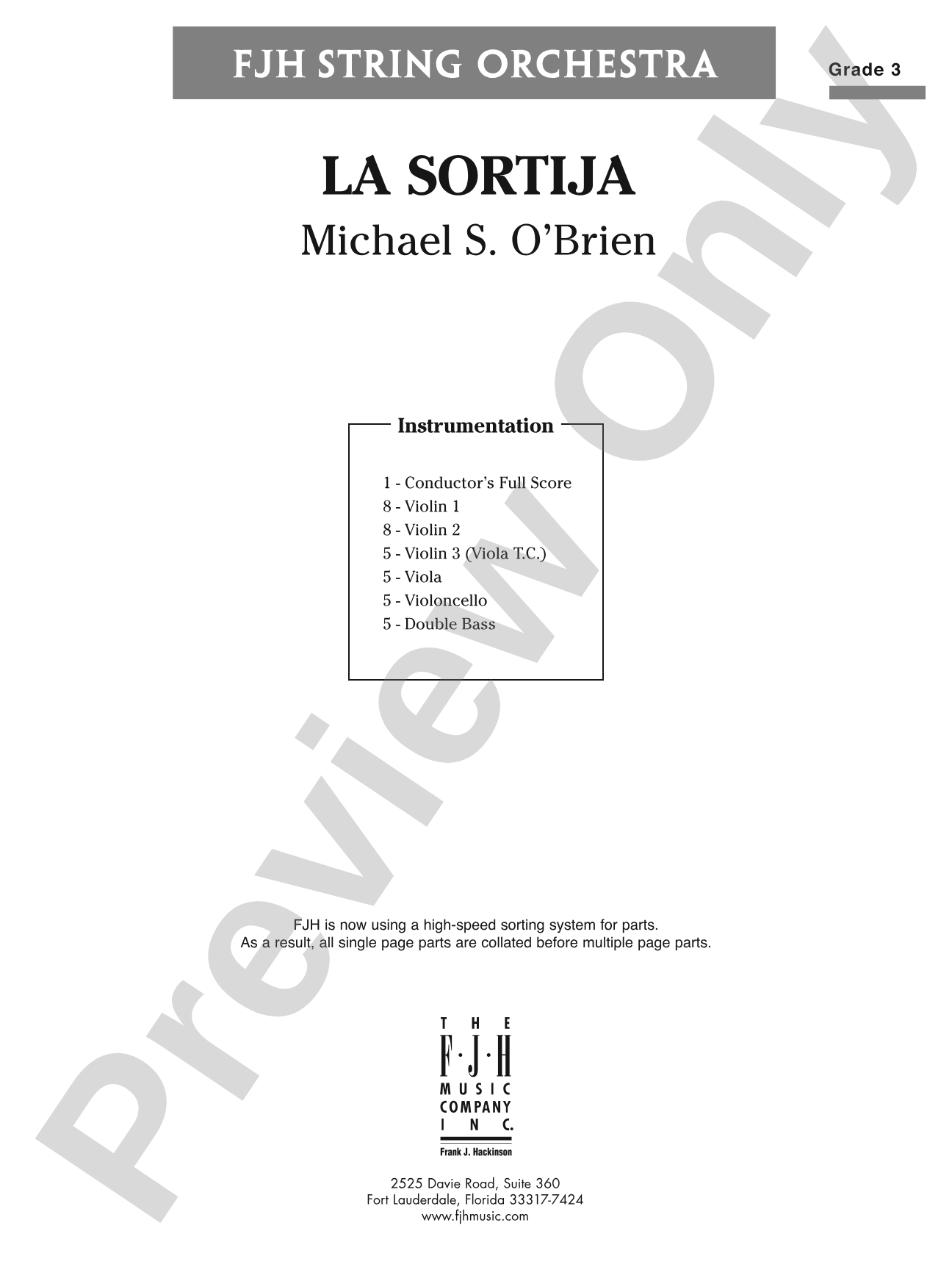

La sortija: String Orchestra Conductor Score & Parts
By Michael S. O'Brien
Grade: 3
Item: 98-DST6313

$50.00
Pickup currently not available
Buy Extra Parts (Digital PDF Download)
| Product | Price | Quantity |
|---|---|---|
| La sortija: Score | $5.00 | |
| La sortija: Violin 1 | $7.00 | |
| La sortija: Violin 2 | $7.00 | |
| La sortija: Violin 3 (Viola T.C.) | $7.00 | |
| La sortija: Viola | $7.00 | |
| La sortija: Violoncello | $7.00 | |
| La sortija: Double Bass | $7.00 |
Parts Added to Cart!
Description
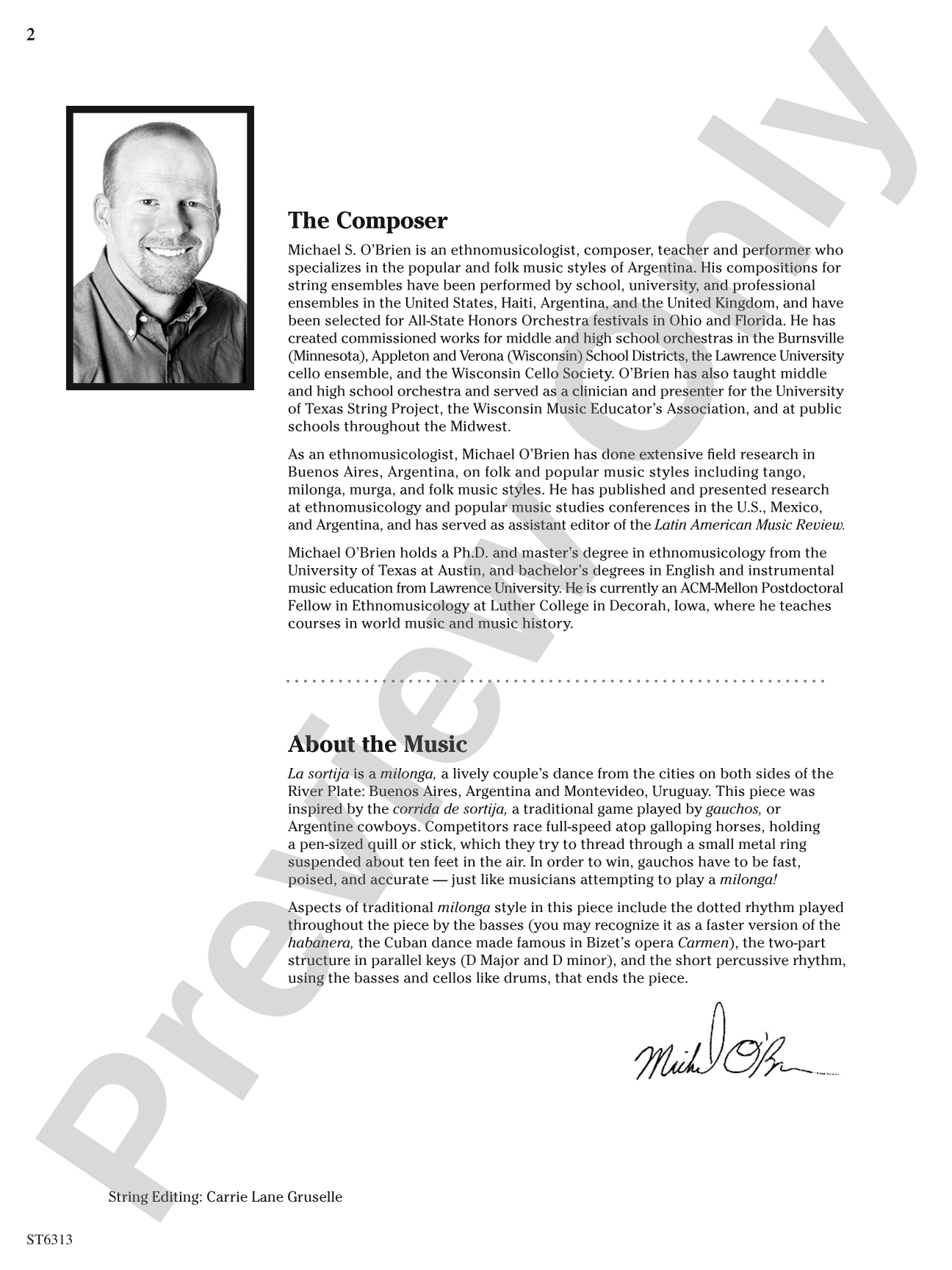
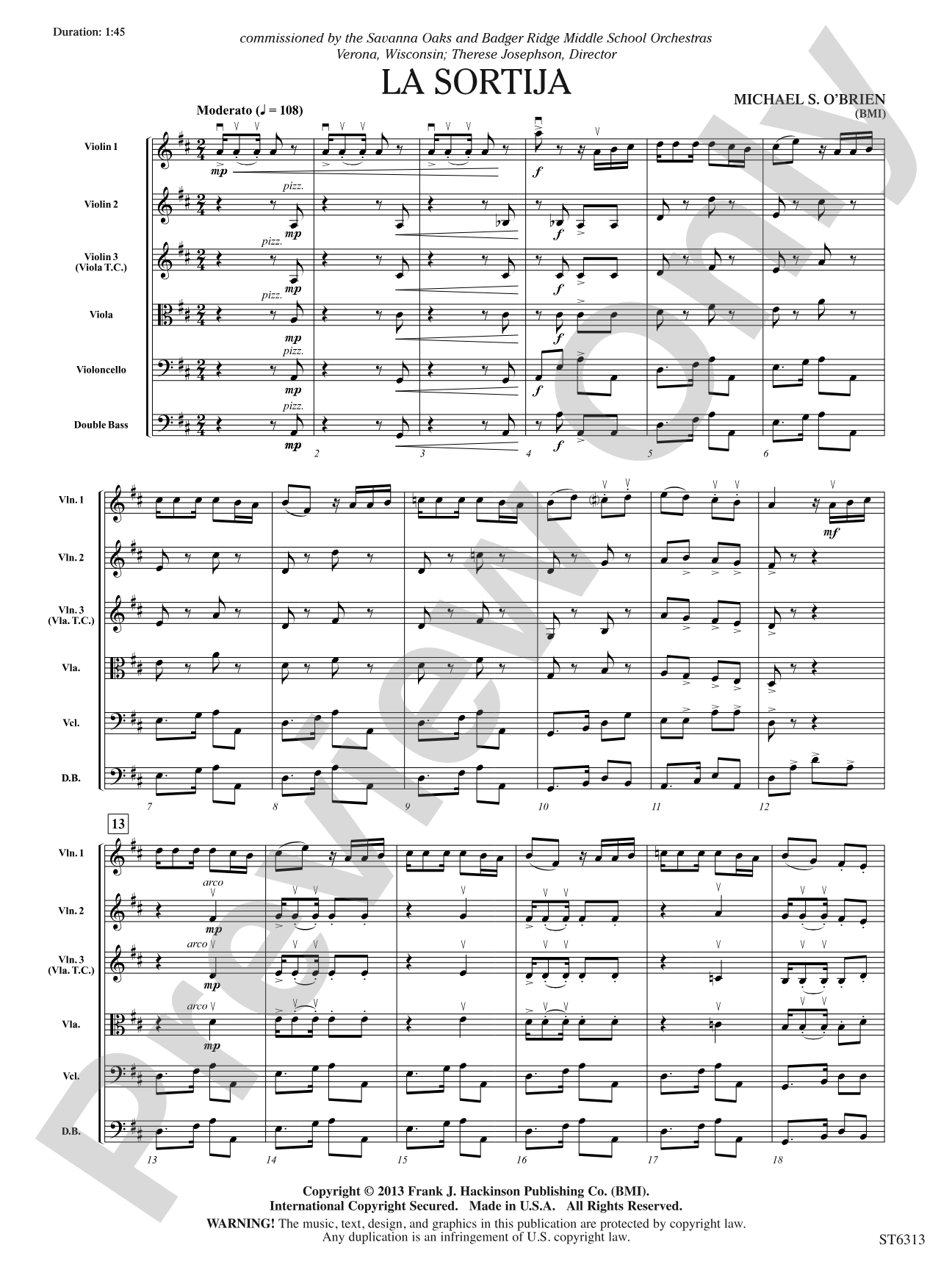
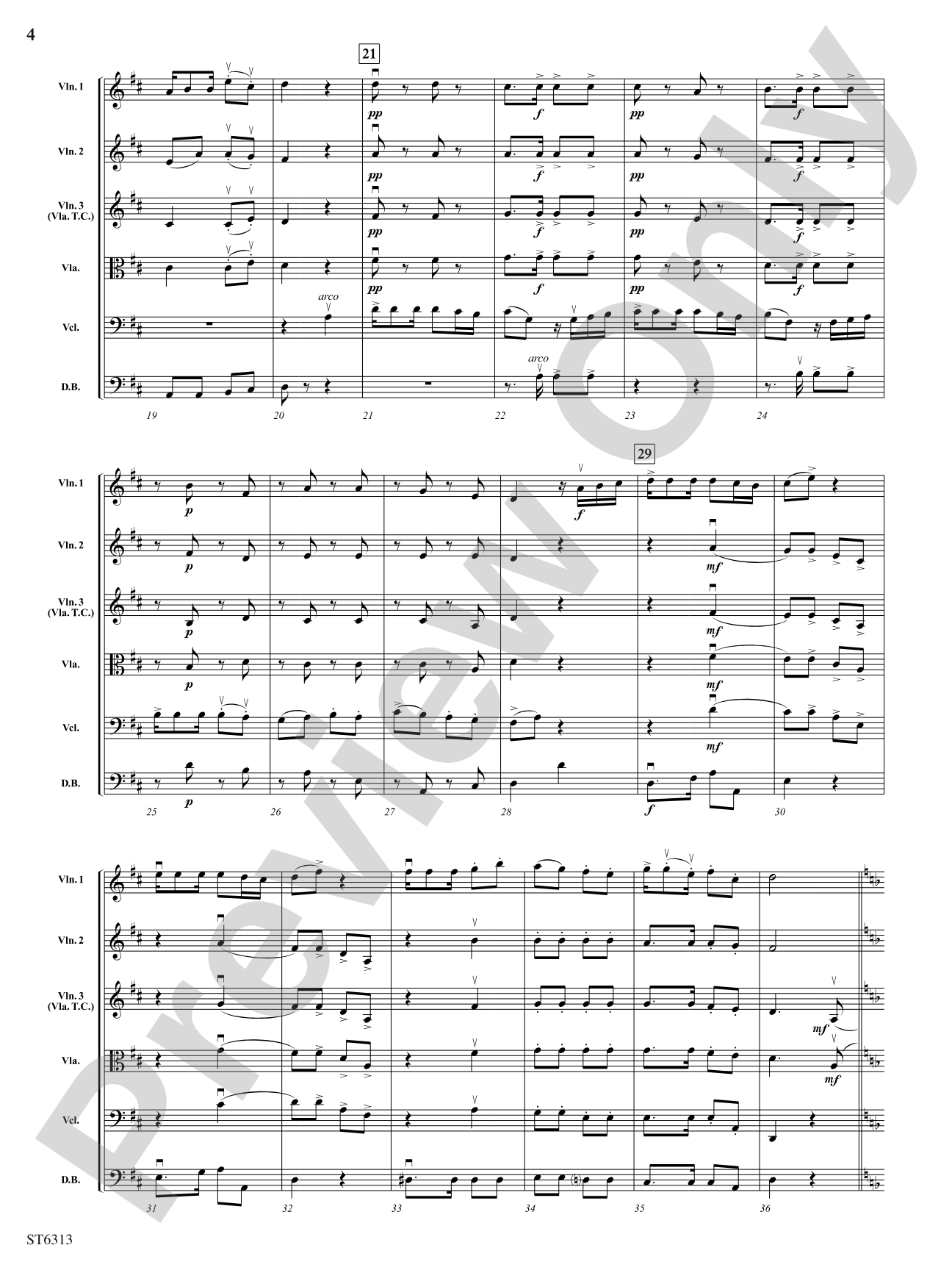
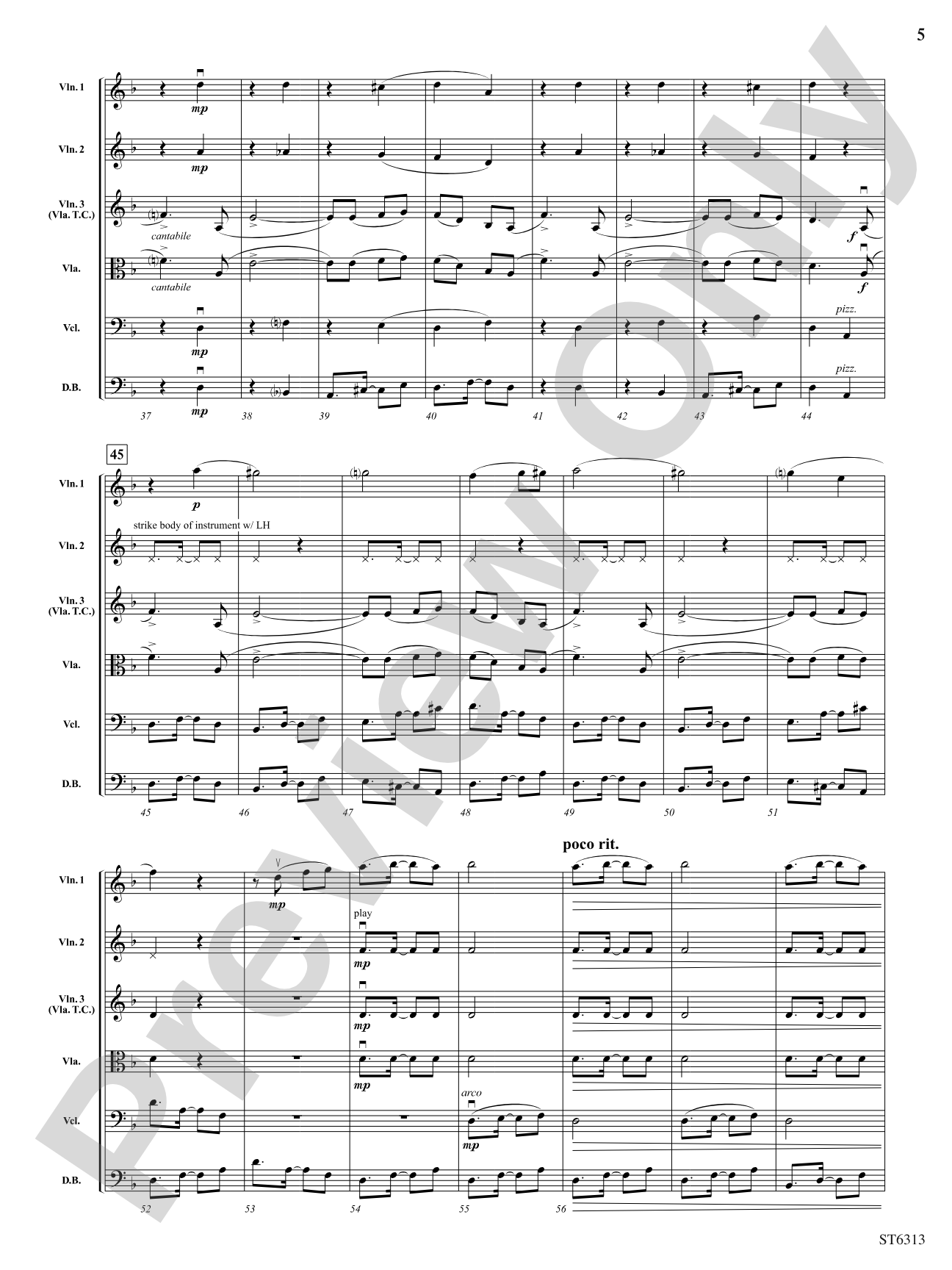
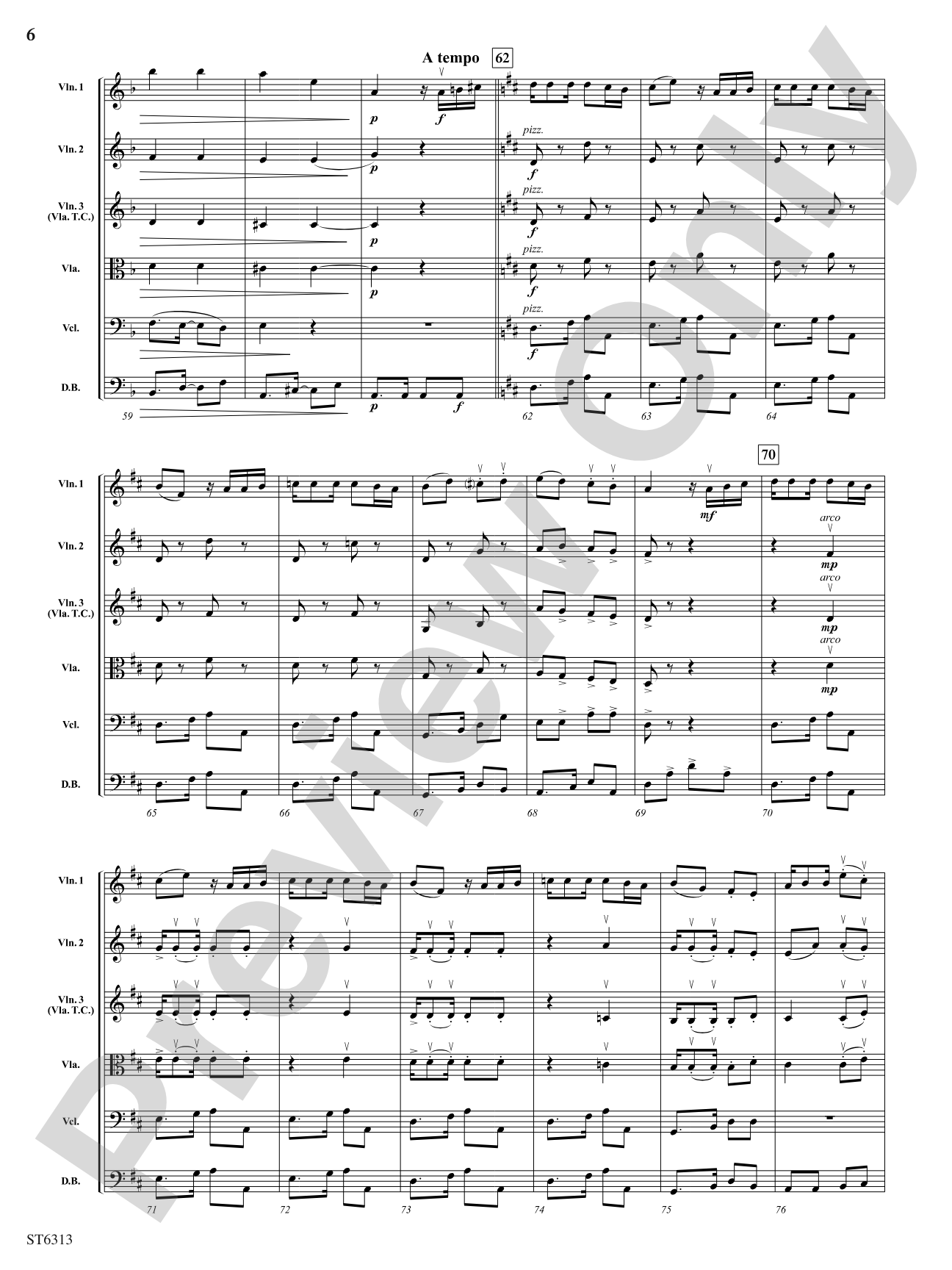
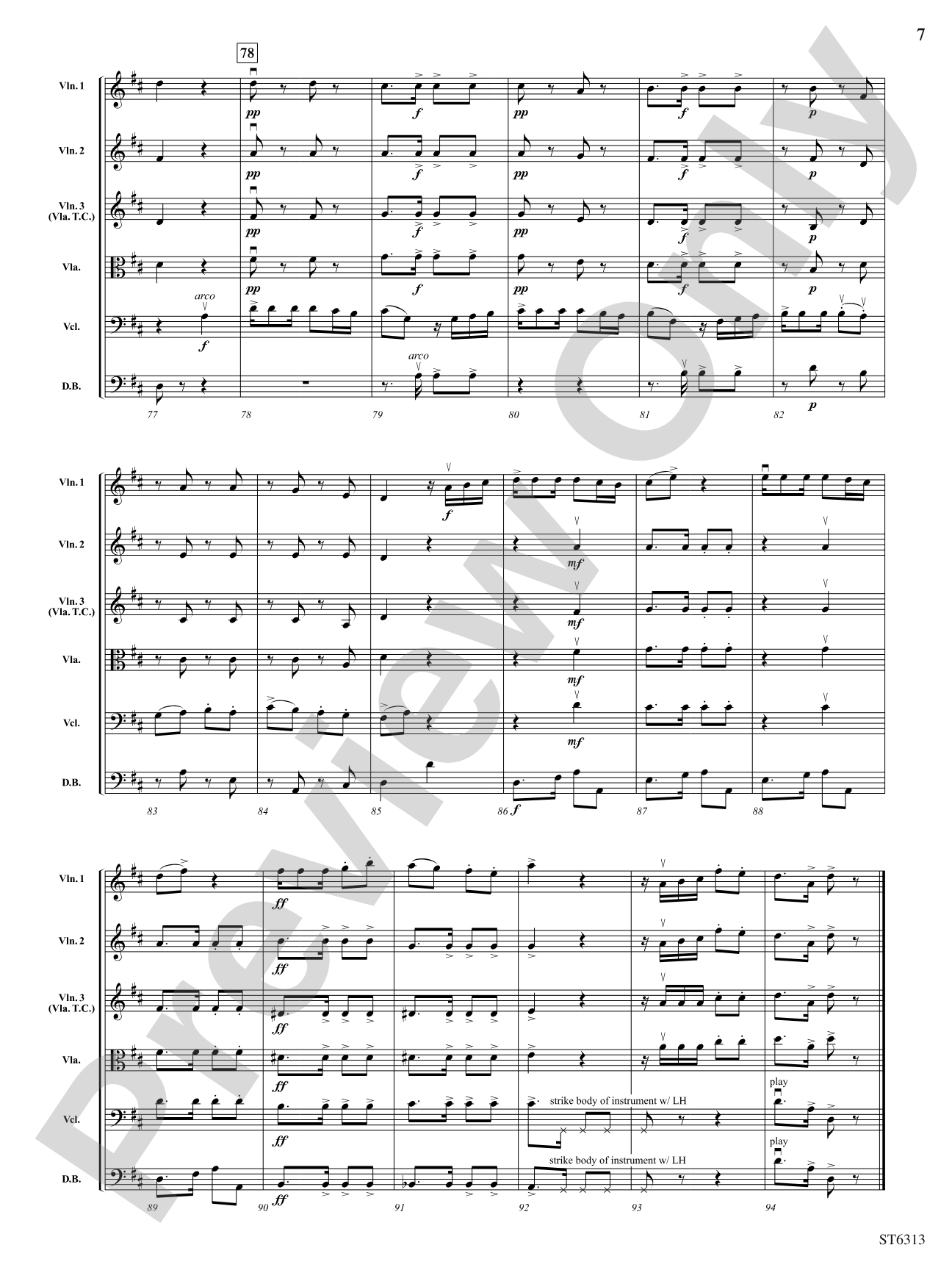
Based on the lively milonga dance of Argentina, this exuberant work settles into an infectious groove with highly rhythmic melodies. There are featured melodies for violin, viola and cello, while the basses provide the habañera dance rhythm. Minimal shifting (with sections in D Major and D minor) allow players to focus on the rhythm challenges in the right hand. Fun!


Don't just read it, hear it, play along with it, and watch your students grow with it. In MakeMusic Cloud, La sortija: String Orchestra Conductor Score & Parts comes alive with professional accompaniment, adjustable tempo, and built-in practice tools that turn solo practice into real progress.
Open in the Player
Jump straight in and assign it today.
Start Your Free Trial
Open this title and explore the full library in minutes.
Sample Audio
1
Audio File
--:--
0:00
0:00
Sample Video
No sample videos found.
Additional Details
Series:
FJH String Orchestra
Publisher:
The FJH Music Company, Inc.
SKU:
98-DST6313
More about this title
Why we love this
O'Brien has written a piece that solves a real programming challenge: you need something energetic and culturally rich that won't derail your ensemble with technical demands. The habañera foundation keeps everyone locked in rhythmically while individual players get genuine spotlight moments, which keeps a Grade 3 group engaged and proud.
What to expect
Argentine energy bottled into a lean, driving groove. The piece pulses with the playful spirit of the milonga while staying grounded in the deep, swaying heartbeat of the habañera. It's lively without being frantic, sophisticated in its cultural awareness yet immediately joyful to play.
Who it's for
String orchestras at Grade 3 looking to program accessible yet vibrant multicultural repertoire. Directors who want to build rhythmic confidence and right-hand facility without asking students to navigate shifting complexities.
How to get the most out of it
- Lock the rhythm section first. Have your bass players internalize the habañera pattern in isolation before adding the full ensemble; once that groove is solid, everything else settles into place.
- Bring out the featured melodies in violin, viola, and cello by slightly balancing away from accompaniment voices during those passages. Each soloist deserves to be heard over the rhythmic texture.
- Emphasize the stylistic difference between the D Major and D minor sections. These key changes are your dramatic landmarks; make the tonal shift perceptible to the audience.
- Shape the infectious groove with subtle dynamic waves rather than straight playing. The milonga lives in rhythmic lift and natural swing, not metronomic precision.
How to use it
Program this as a high-energy concert opener or second piece to shift the mood after a lyrical selection. Its contest-appropriate length and upbeat character make it ideal for spring festivals or pops concerts where you want to showcase cultural diversity alongside technical growth.
Skills your students will build
- Habañera rhythm recognition and performance (3-2 clave foundation)
- Right-hand rhythmic precision and independence from left-hand position
- Key modulation between parallel major and minor tonalities
- Balancing featured melodic lines against accompaniment texture
- Ensemble groove and rhythmic synchronization in Latin idioms