La Sonrisa de Lina Cover Image

La Sonrisa de Lina

$12.00 USD
Sale price  $12.00 USD Regular price 
Skip to product information
La Sonrisa de Lina Cover Image

La Sonrisa de Lina

Lina's Smile

By John Nieto

Grade: 2

Item: 00-50355S

$12.00
Shipped
One moment…
Description
Dedicated to the composer John Nieto's daughter, La Sonrisa de Lina celebrates the warmth of a smile that can melt a heart of stone and a voice to match. Composed in the romantic bolero ranchera style-a genre originating in Cuba-this piece features sweeping melodies over a classic 4/4 rhythm, combining driving armonía eighth-note strums with a grounded half-and-two-quarters guitarrón bass line.

Discover MakeMusic Cloud: thousands of interactive titles your students can play along with today.

Sample Pages

Sample Audio
No sample audio found.
Sample Video
Additional Details
Series: Sound Innovations Series for Mariachi Band
ISBN10: 1-4706-8957-X
ISBN13: 978-1-4706-8957-5
UPC: 038081624679
SKU: 00-50355S

More about this title

About the Composer: John Nieto
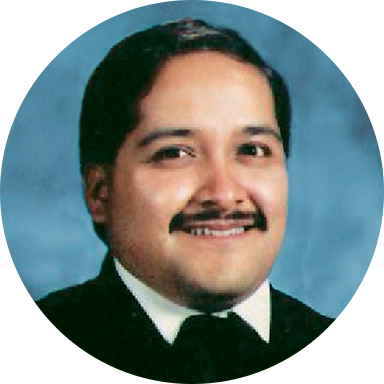
John Nieto

John Nieto directs mariachi at Brackenridge High School in San Antonio and leads the San Antonio ISD All District Mariachi ensemble. Beyond his classroom work, he serves as instructor, arranger, and transcriber at both the Albuquerque and Tucson mariachi conferences, bringing decades of pedagogical expertise to emerging musicians across the region.

Nieto performs professionally with top-tier groups including Mariachi Vargas de Tecalitlan and Mariachi Sol De Mexico, experience that directly informs his compositional voice. His high school ensembles have placed second and third at the University level in major national competitions, and his students have represented San Antonio as cultural ambassadors worldwide. His journey into mariachi began at Our Lady of Guadalupe church nearly three decades ago; his parents were right about the path he would take.

Why we love this

Nieto writes with the specificity of someone who knows exactly how mariachi musicians actually play. The rhythmic drive of the eighth-note armonia paired with that grounded guitarrón foundation gives students something tangible to lock into, making this an ideal Grade 2 piece that doesn't sacrifice musicality for accessibility. It's a personal dedication that carries genuine warmth without resorting to sentimentality.

What to expect

Warm, unhurried, and genuinely affectionate. The sweeping melodies drift over a rhythmic foundation that never rushes, inviting listeners into an intimate moment. There's a romantic generosity to the writing that makes even young musicians feel the emotional stakes of what they're performing.

Who it's for

Intermediate mariachi ensembles ready to explore the bolero ranchera style with more sophistication than beginning arrangements typically allow. Directors seeking Grade 2 material that builds rhythmic independence between sections while maintaining accessibility will find real value here.

How to get the most out of it

  • Lock the armonia eighth-note strums into a unified pulse; any rhythmic drift here will undermine the piece's propulsive energy. Have players tap their feet together during rehearsals until the pattern becomes automatic.
  • Balance the guitarrón bass line so it anchors without overwhelming the melodic voices. The half-and-two-quarters figure should sit as the foundation, not dominate.
  • Shape the bolero ranchera melody with genuine lyricism. This romantic style thrives when players commit to the sweeping phrases rather than playing mechanically through the changes.
  • Lean into the warmth of the piece's character during slower passages. The dedication to a daughter's smile should come through in tone choices, not just technical execution.

How to use it

This works beautifully on a concert celebrating Latin American traditions or as a standalone feature when you want to showcase mariachi's romantic roots. Consider pairing it with more energetic pieces to highlight the ensemble's range, or place it midway through a set where its unhurried pace provides contrast and allows audiences to fully absorb the ensemble's warmth.

Skills your students will build

  • Sustaining the bolero ranchera rhythmic style (eighth-note armonia strum patterns with quarter-note anchoring)
  • Balancing melody and accompaniment in ensemble texture
  • Phrasing and shaping romantic melodic lines
  • Coordination between guitarrón bass figures and harmonic rhythm
  • Maintaining steady tempo through relaxed, lyrical passages

You May Also Like