
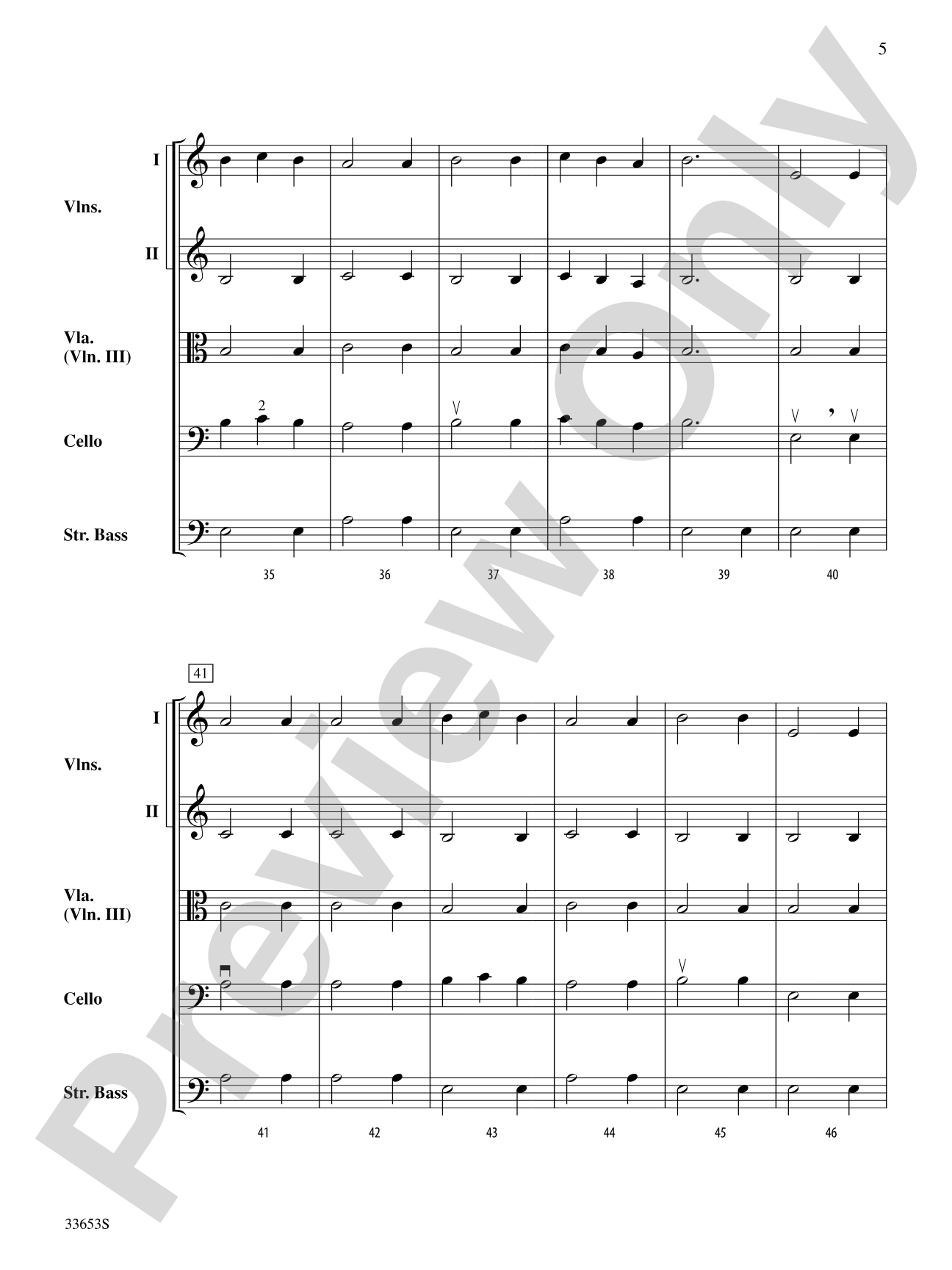
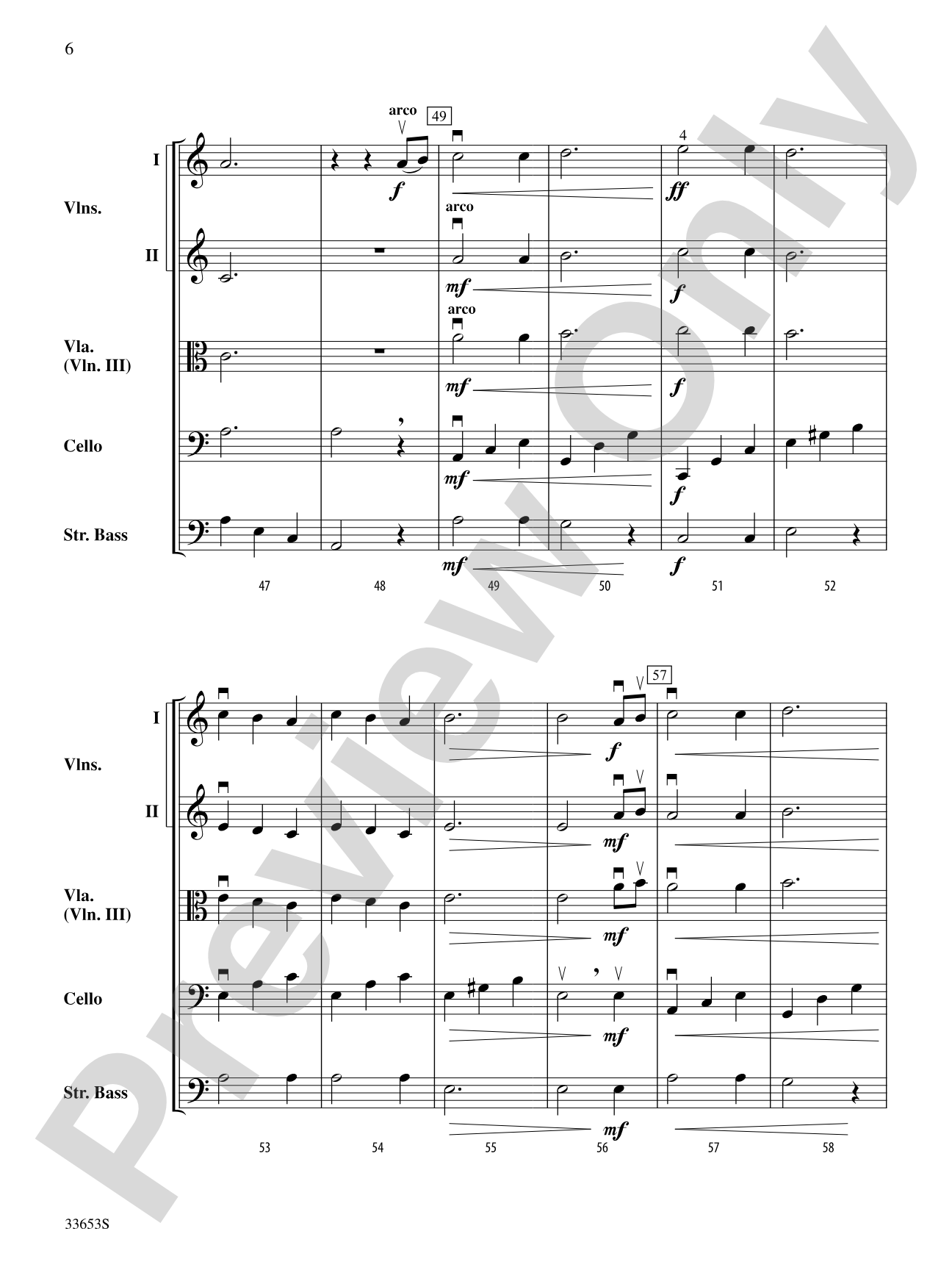
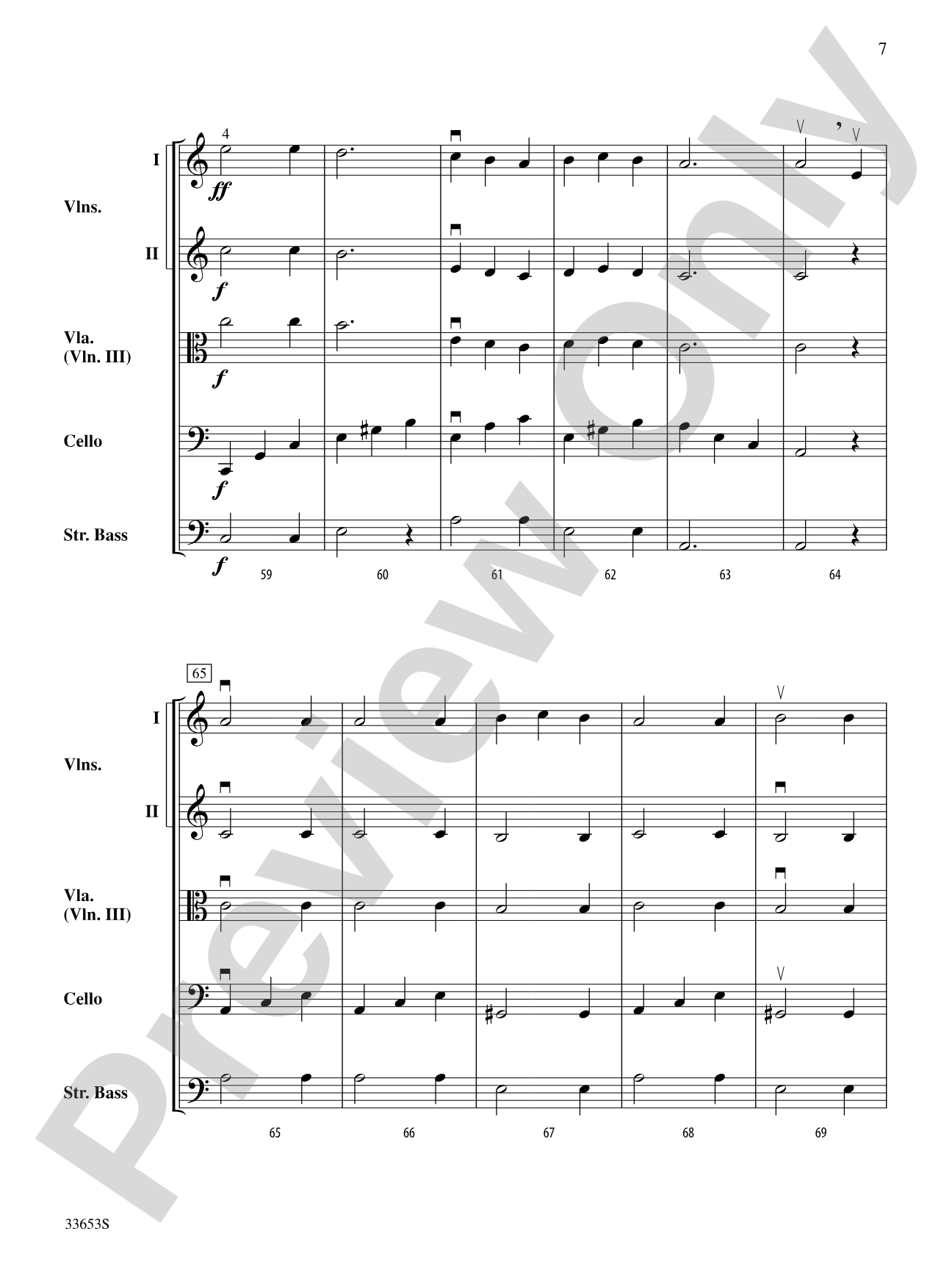
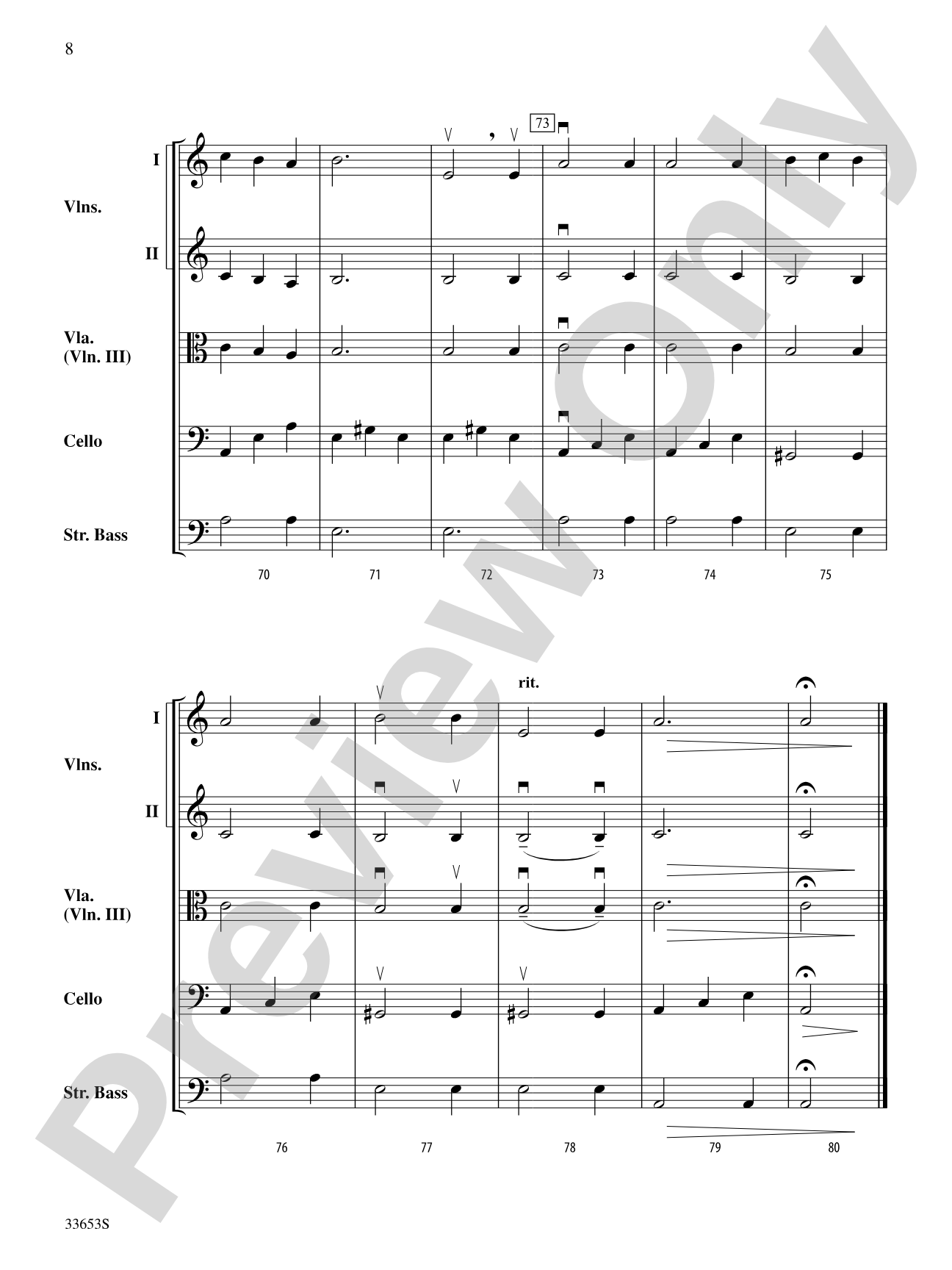

La Marmotte: String Orchestra Conductor Score & Parts
By Ludwig van Beethoven / arr. Tim McCarrick
Grade: 2
Item: 00-PK-0004151

$40.00
Pickup currently not available
Buy Extra Parts (Digital PDF Download)
| Product | Price | Quantity |
|---|---|---|
| La Marmotte: Score | $6.00 | |
| La Marmotte: 1st Violin | $5.99 | |
| La Marmotte: 2nd Violin | $5.99 | |
| La Marmotte: 3rd Violin (Viola [TC]) | $5.99 | |
| La Marmotte: Viola | $5.99 | |
| La Marmotte: Cello | $5.99 | |
| La Marmotte: String Bass | $5.99 |
Parts Added to Cart!
Description
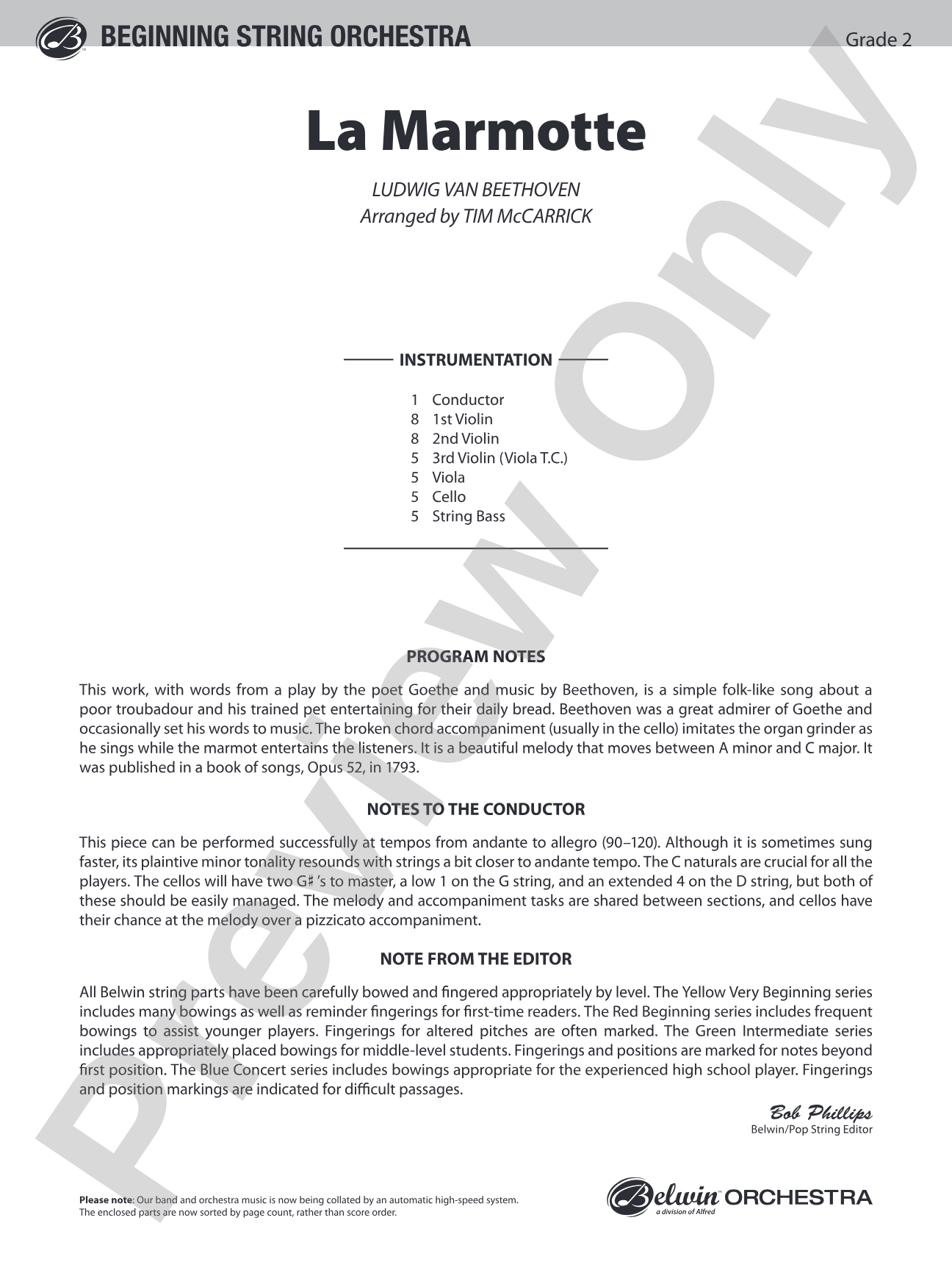
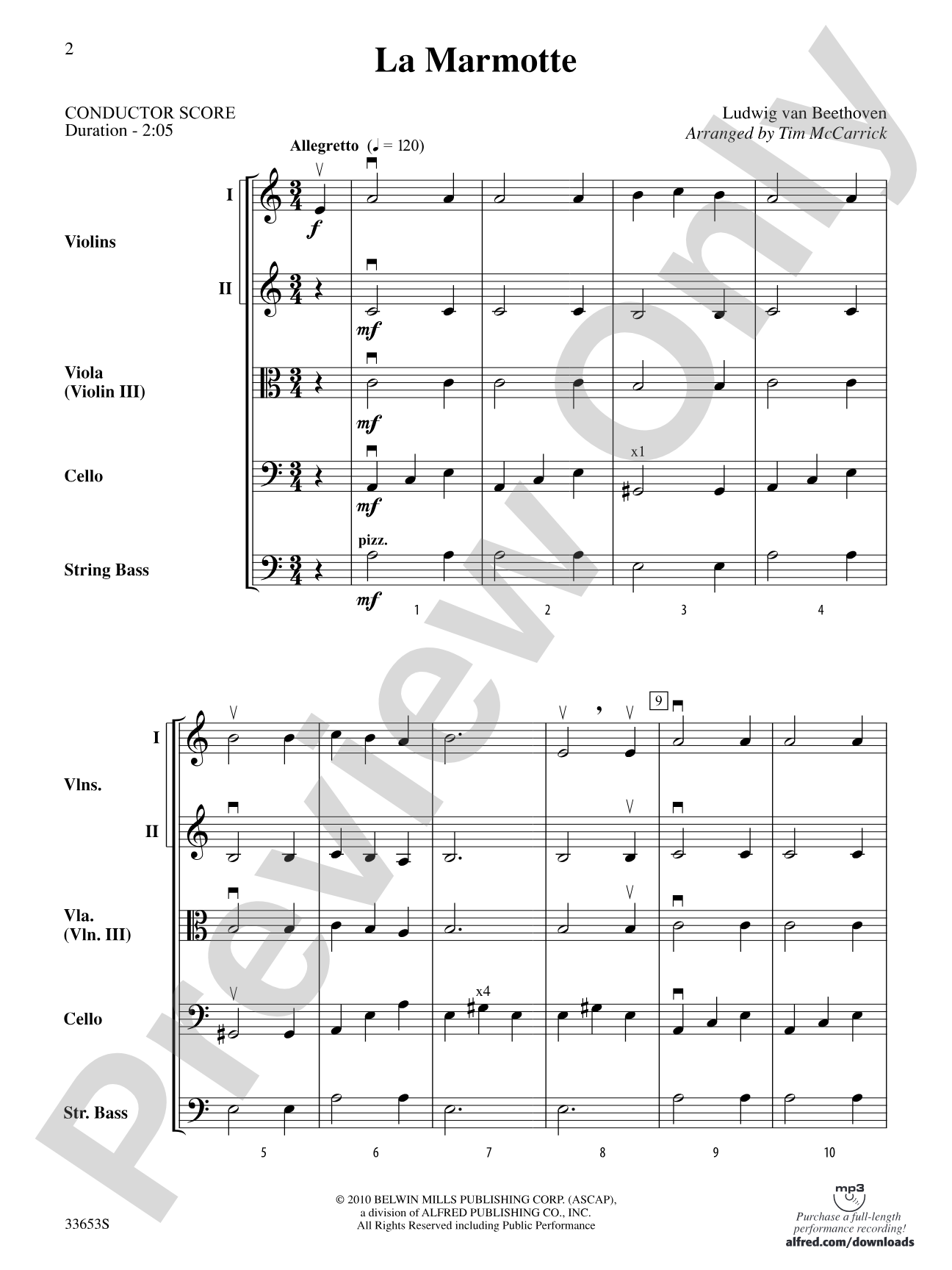
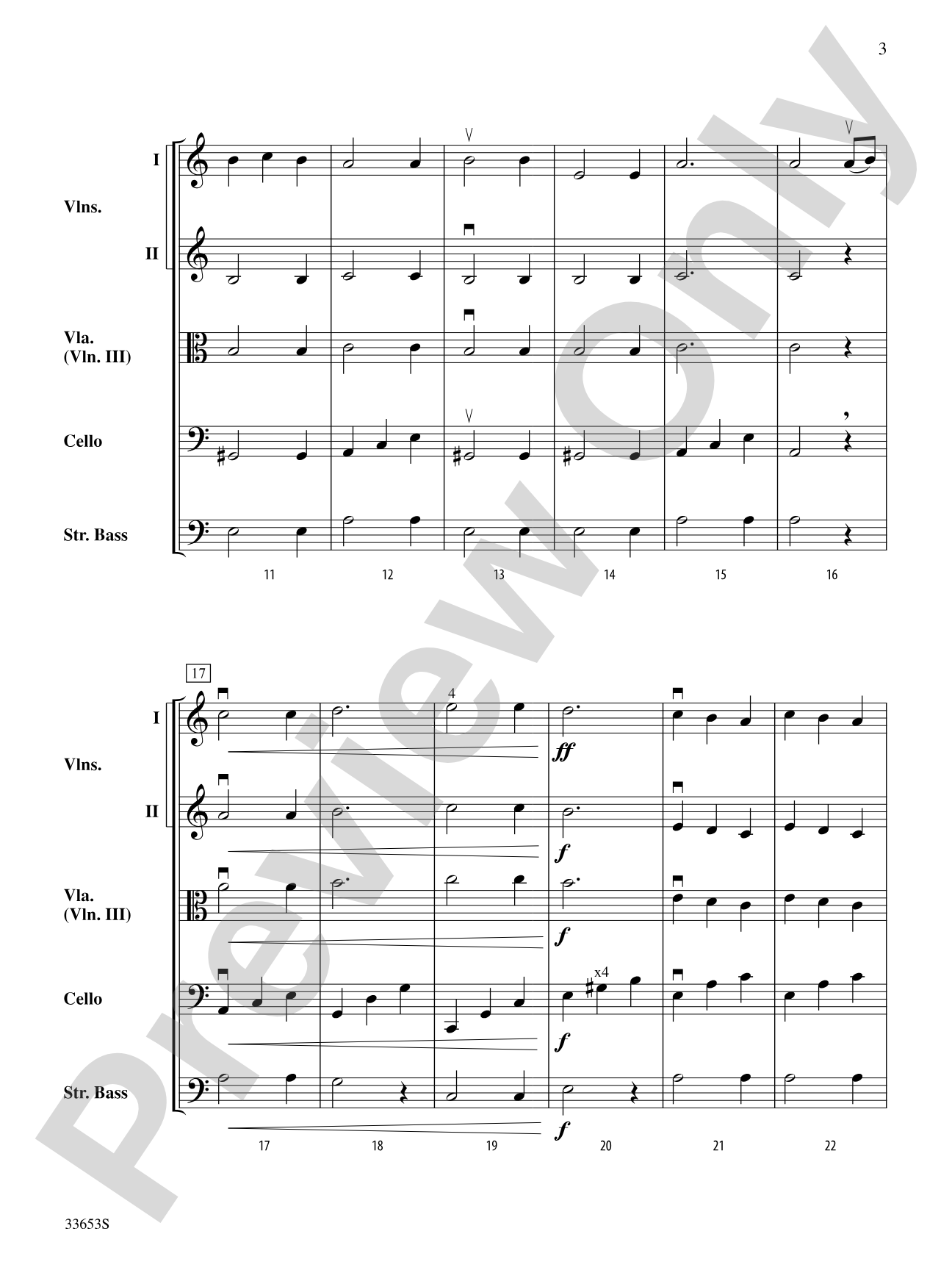
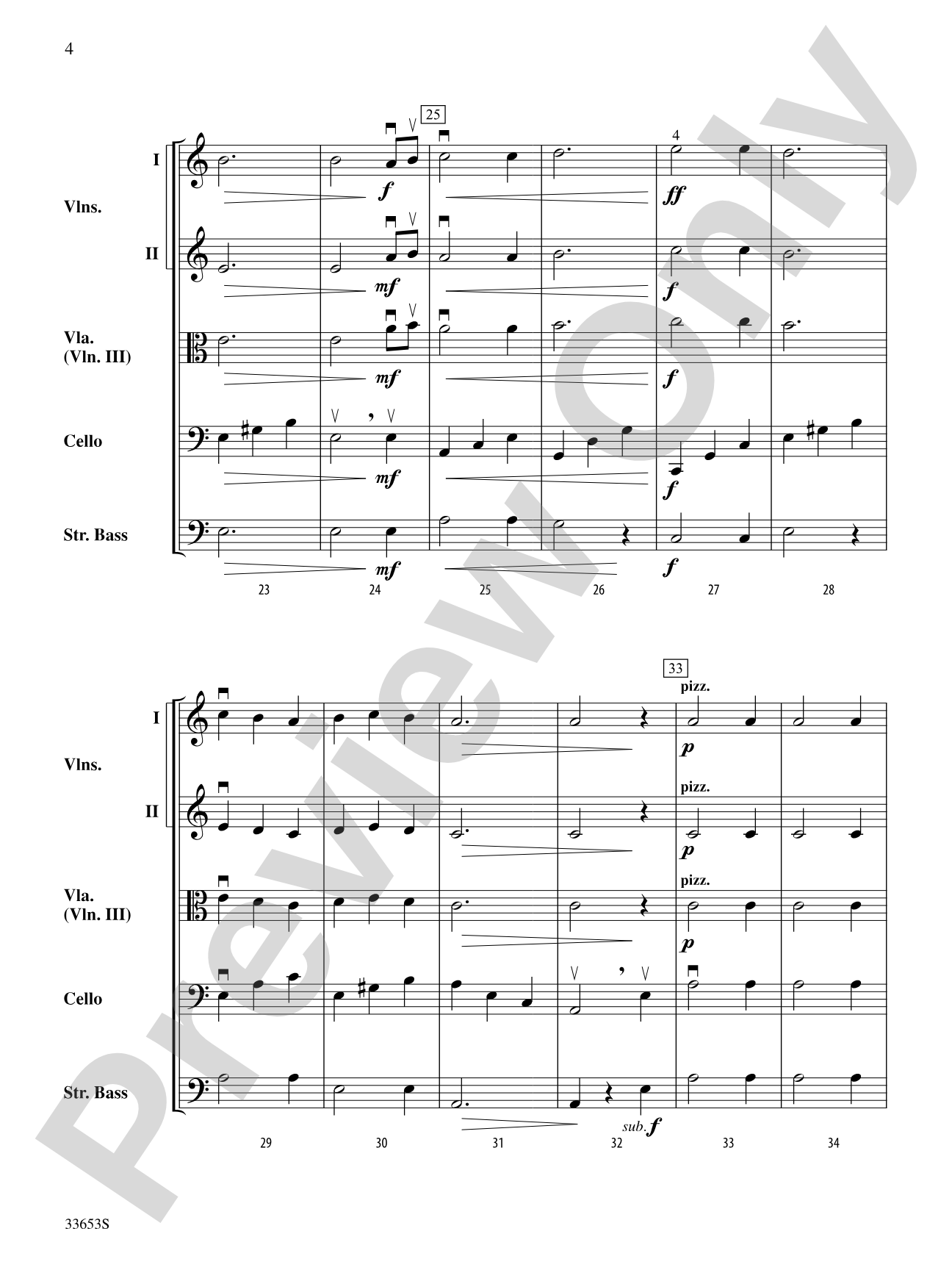
A simple folk-style song that works wonderfully for strings and depicts a traveling troubadour and his trained pet entertaining for their food. The broken-chord accompaniment imitates the organ grinder as he sings while the marmot performs tricks for the listeners. It is a beautiful melody that moves between A minor and C major. Both upper strings and cellos take turns on the melody!


Don't just read it, hear it, play along with it, and watch your students grow with it. In MakeMusic Cloud, La Marmotte: String Orchestra Conductor Score & Parts comes alive with professional accompaniment, adjustable tempo, and built-in practice tools that turn solo practice into real progress.
Open in the Player
Jump straight in and assign it today.
Start Your Free Trial
Open this title and explore the full library in minutes.
Sample Audio
1
Audio File
--:--
0:00
0:00
Sample Video
No sample videos found.
Additional Details
Series:
Belwin Beginning String Orchestra
Publisher:
Alfred Music
Page Count:
72
SKU:
00-PK-0004151
More about this title
About the Composer: Ludwig van Beethoven
Beethoven's output spans genres most composers never attempted, and his folk song arrangements occupy a curious corner of his legacy. Between 1803 and 1818, he arranged over 150 Scottish, Irish, and Continental folk melodies for various combinations of voices and instruments, often working on commission. These arrangements reveal a composer fascinated by melody itself, stripped of virtuosic decoration, the tune becomes everything.
Why we love this
Beethoven's melodic gift shines through in this arrangement, which Tim McCarrick has scaled perfectly for young string players without sacrificing the character of the original. The alternation between upper strings and cellos on the melody keeps every section engaged, and the broken-chord accompaniment actually teaches harmonic awareness while remaining easy to execute. A Grade 2 piece that sounds far more sophisticated than its level suggests.
What to expect
Charming and intimate. You're watching a street scene unfold, a traveler and his marmot moving through town, playing for spare coins. The melody is immediate and hummable, the accompaniment pattern creates motion without fuss, and the alternation between upper strings and cellos feels like different characters in the story taking their turn at the spotlight.
Who it's for
Beginning string orchestras in Grades 2-4 ready to explore repertoire beyond unison exercises will find this accessible and rewarding. The piece works equally well for students encountering Beethoven for the first time and for programs looking to build independent part-reading in a musical context that sustains interest.
How to get the most out of it
- Bring out the narrative in the melody line by having whichever section holds it shape the phrase as if telling a story; the troubadour and marmot deserve distinct, expressive voices.
- Balance the broken-chord accompaniment so it accompanies rather than overpowers; think of it as background music for the street performance, not the main event.
- Shape the harmonic movement between A minor and C major to highlight the story's tone shifts; minor for the struggle, major for the marmot's playful tricks.
- Use the tutti moments to reinforce ensemble cohesion and intonation, especially where all sections return to support the melody.
How to use it
This works beautifully as an opening number on a concert featuring folk-inspired arrangements, or as a standalone festival piece that demonstrates a young orchestra's ability to balance melody and accompaniment. Its modest length and engaging narrative also make it ideal for outreach performances or as a bridge between early-level unison repertoire and full orchestration assignments.
Skills your students will build
- Reading and executing independent parts (melody vs. accompaniment) within a single piece
- Transferring melody between sections (upper strings to cellos) while maintaining musical continuity
- Understanding harmonic movement and modal interchange (A minor to C major)
- Shaping accompaniment figures to support rather than compete with the primary melody
- Building ensemble balance and listening across four string parts