
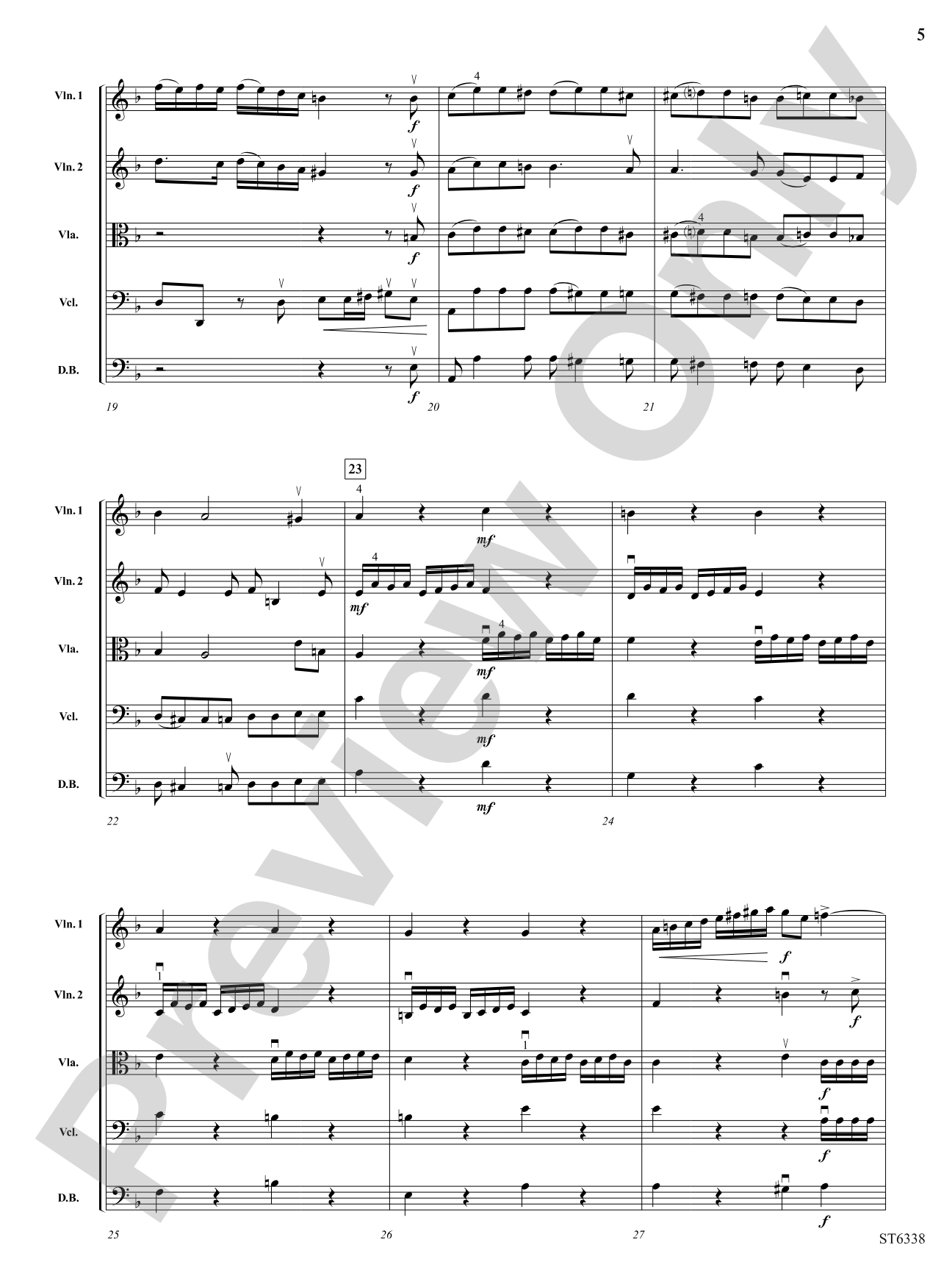
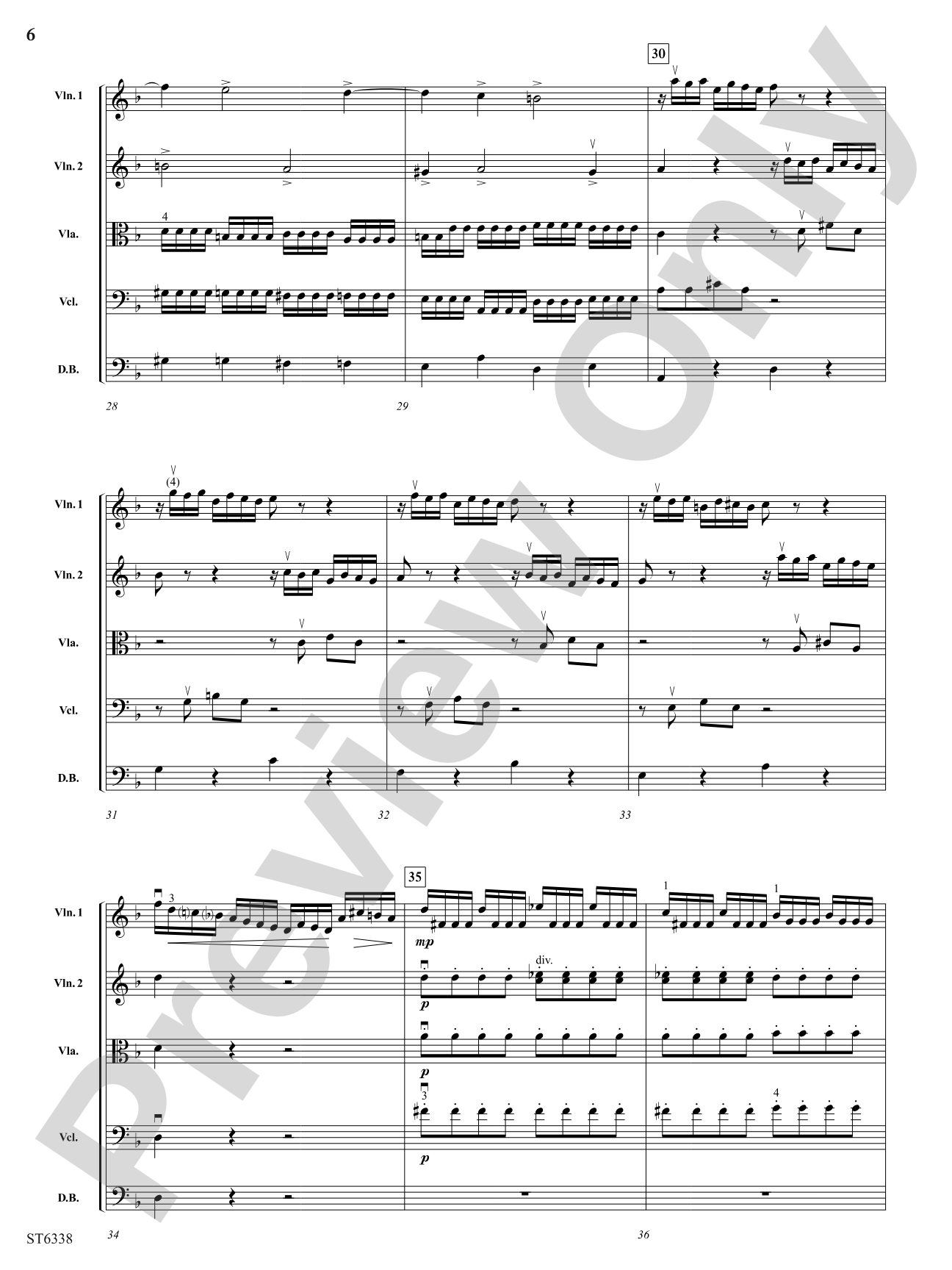
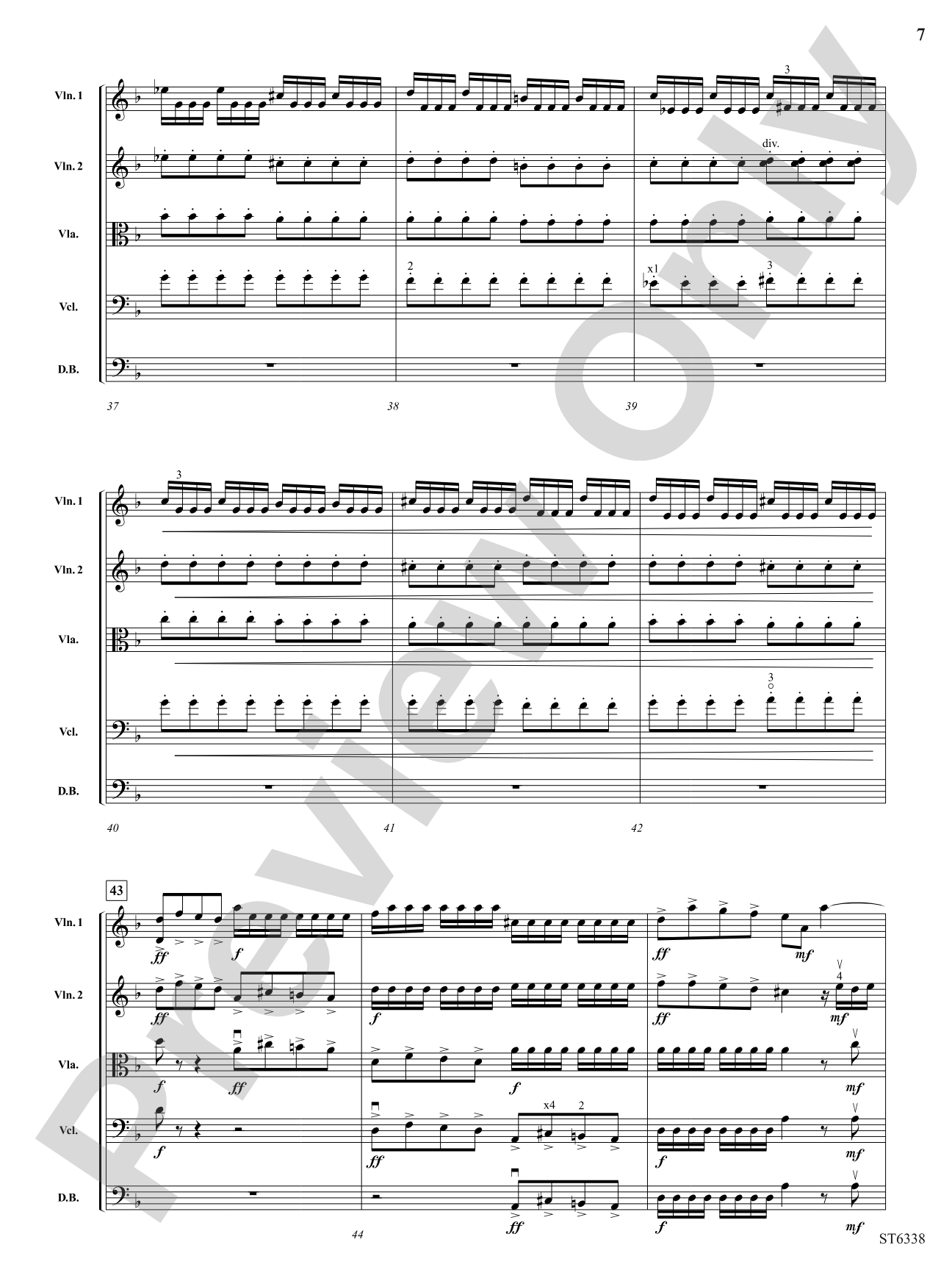
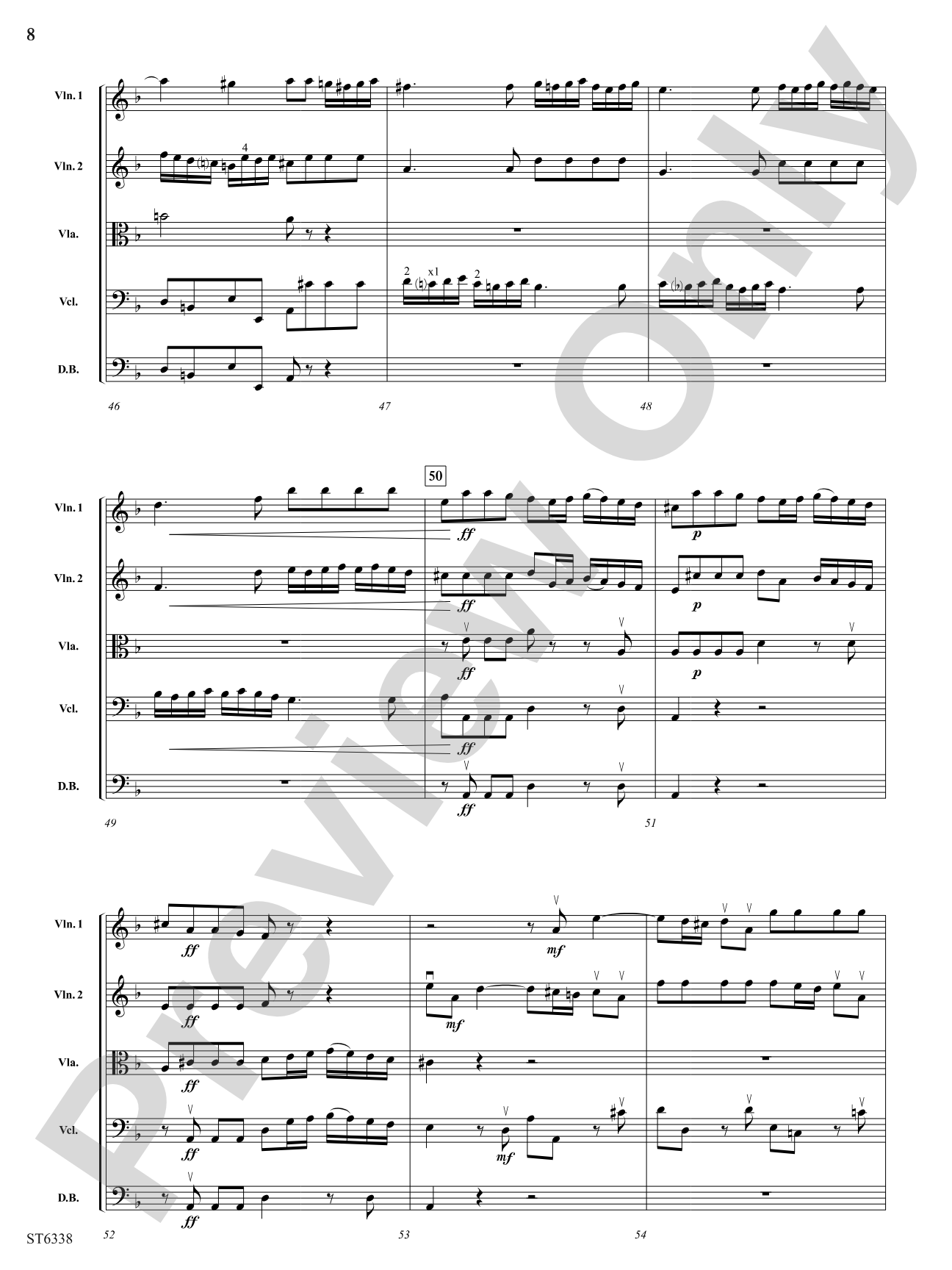

L'estro armonico: String Orchestra Conductor Score & Parts
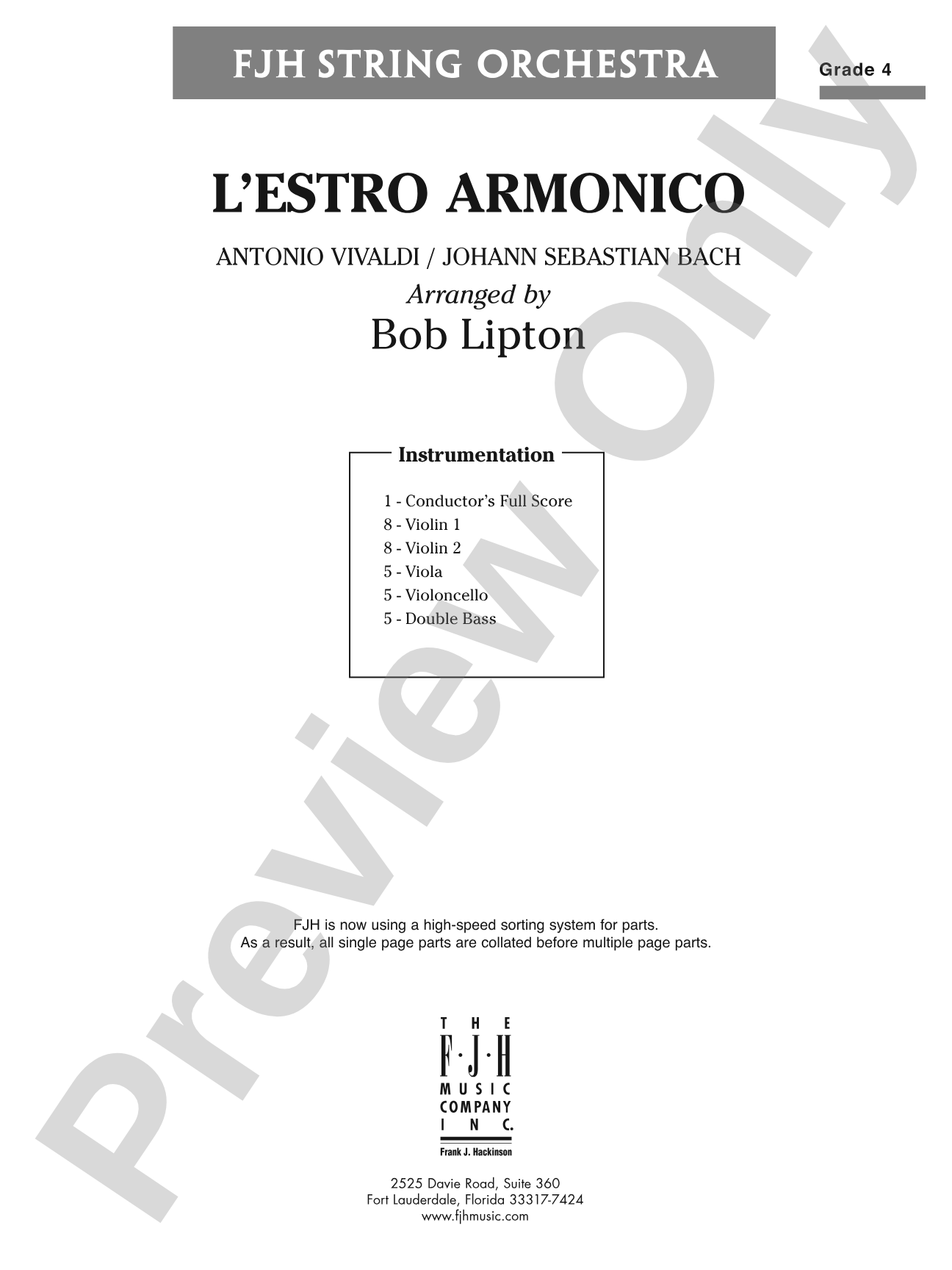
By Antonio Vivaldi, J.S. Bach / arr. Bob Lipton
Grade: 4
Item: 98-DST6338

$75.00
Pickup currently not available
Buy Extra Parts (Digital PDF Download)
| Product | Price | Quantity |
|---|---|---|
| L'estro armonico: Score | $11.00 | |
| L'estro armonico: Violin 1 | $7.00 | |
| L'estro armonico: Violin 2 | $7.00 | |
| L'estro armonico: Viola | $7.00 | |
| L'estro armonico: Violoncello | $7.00 | |
| L'estro armonico: Double Bass | $7.00 |
Parts Added to Cart!
Description
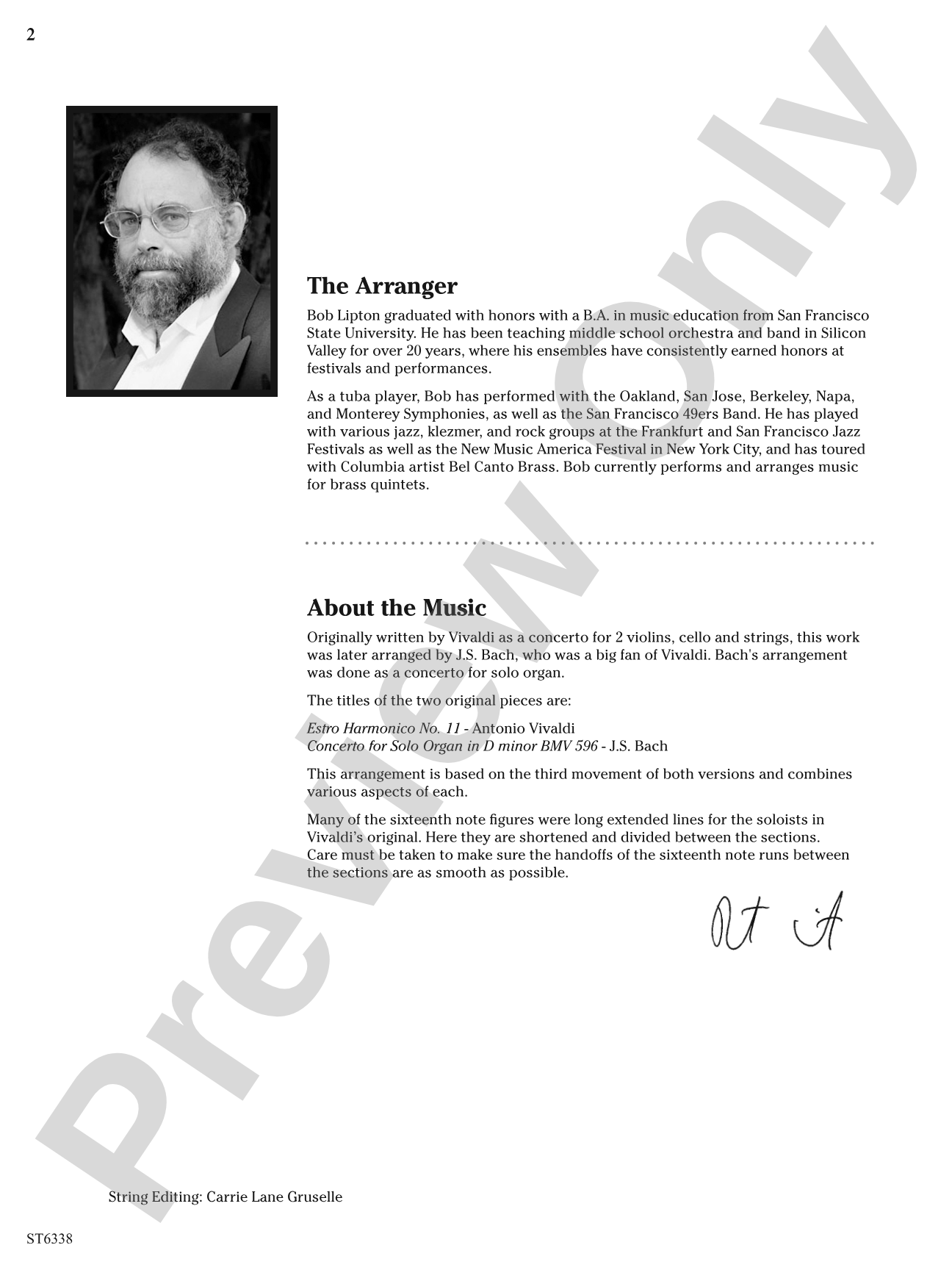
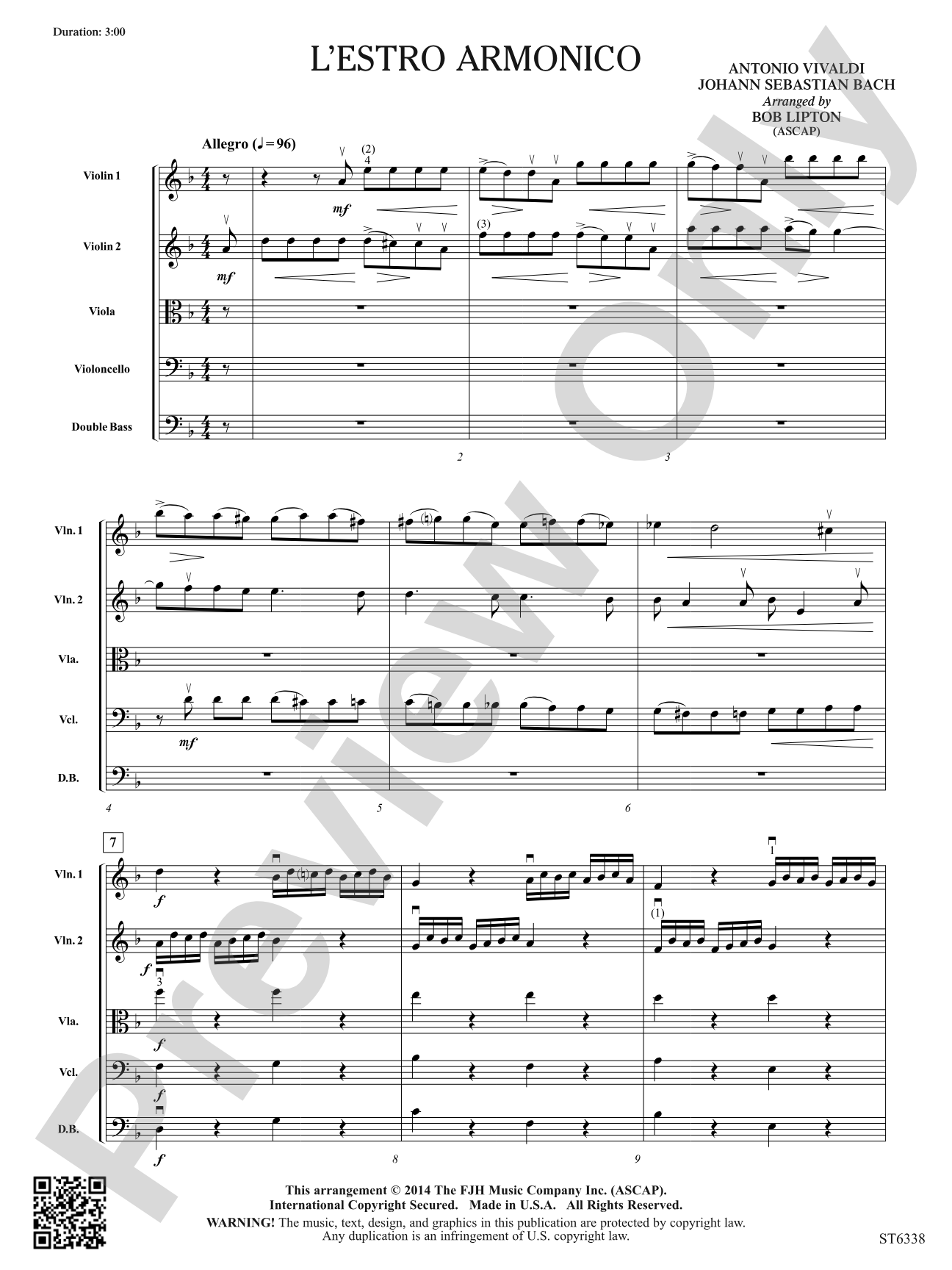
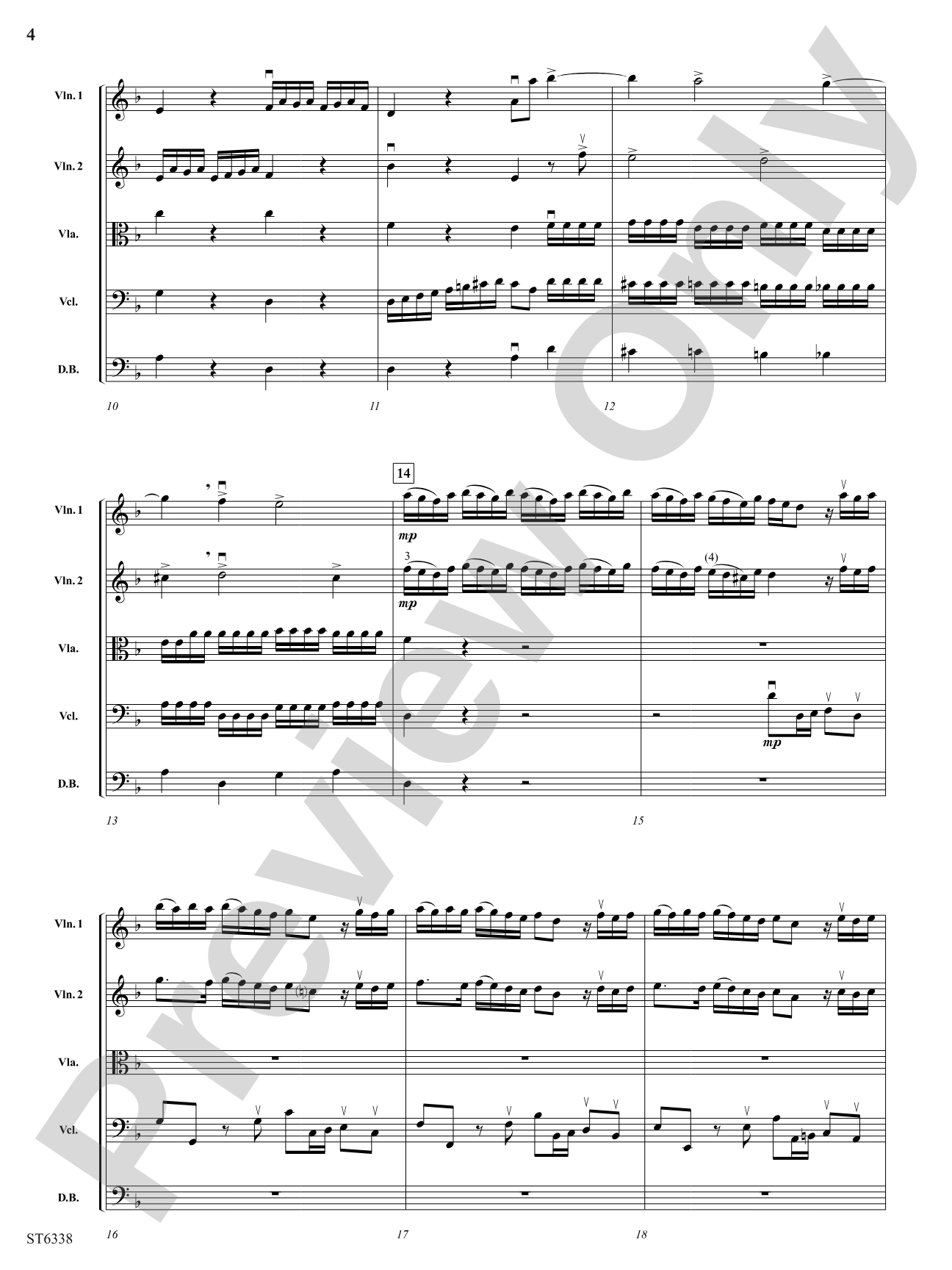
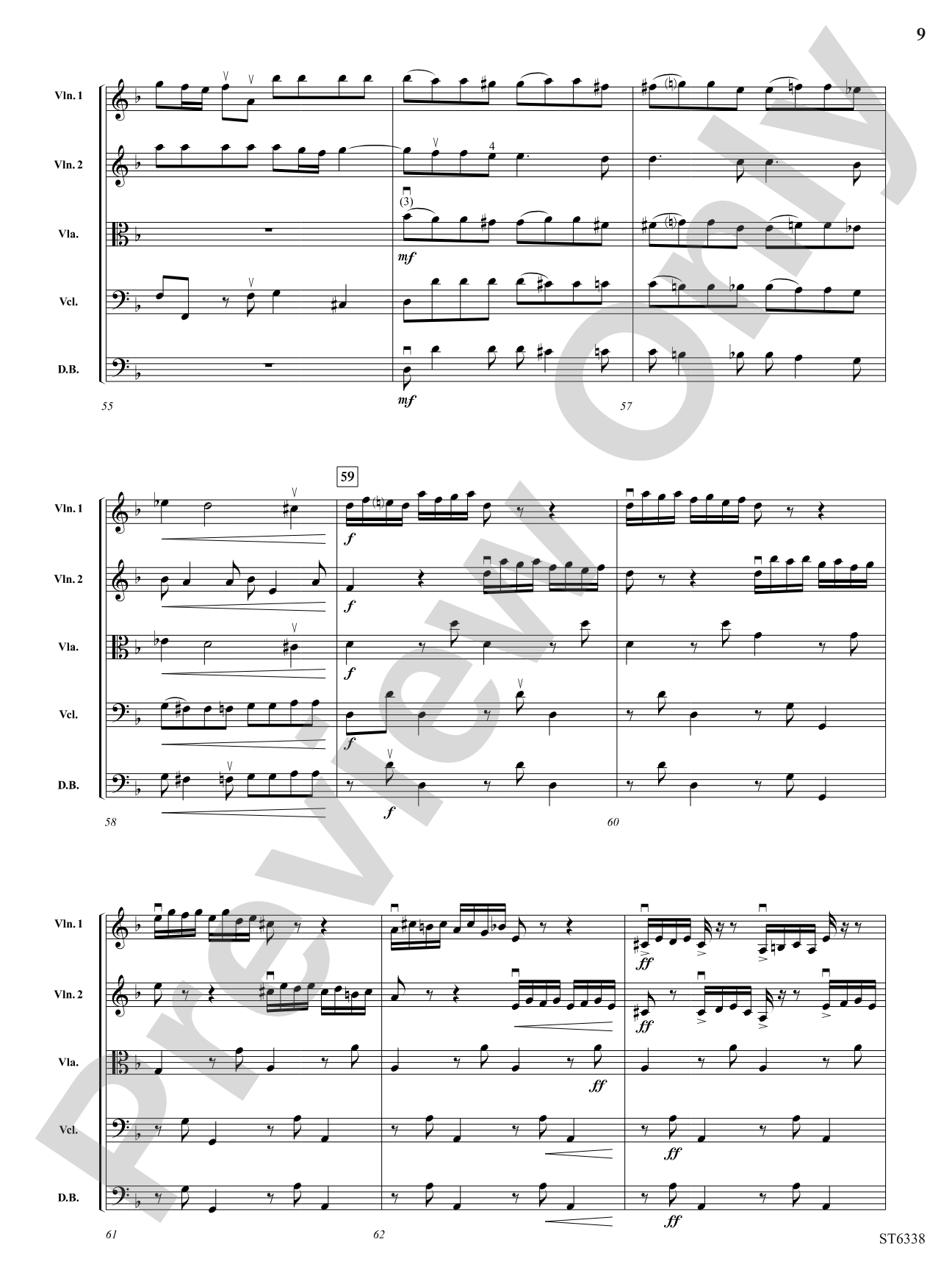
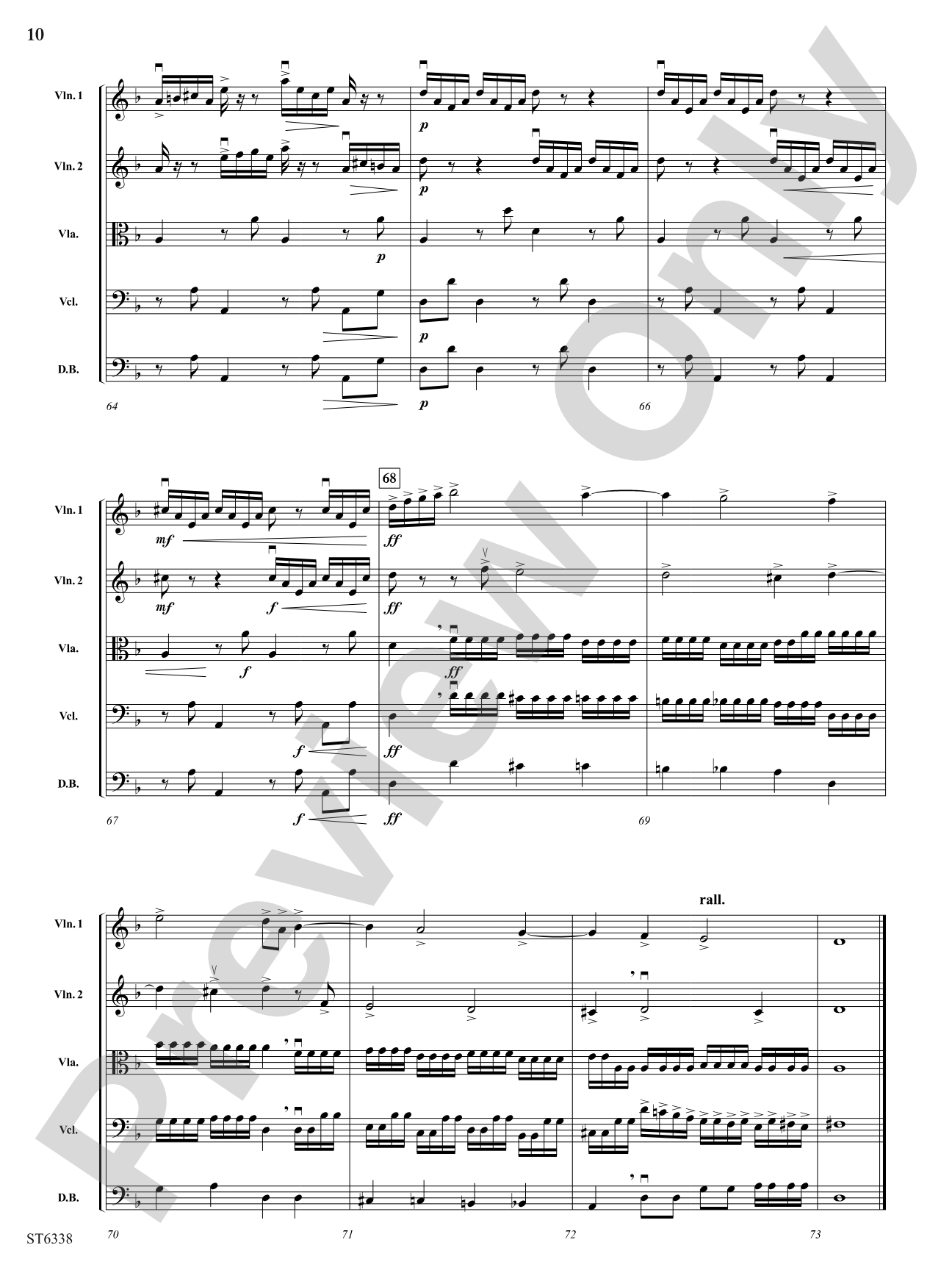
Vivaldi and Bach together - what could be better?! Originally written by Vivaldi as a concerto for 2 violins, cello and strings, the piece was later arranged by Bach as a concerto for solo organ. This thoughtful arrangement draws on both versions and showcases the genius of these two giants.


Don't just read it, hear it, play along with it, and watch your students grow with it. In MakeMusic Cloud, L'estro armonico: String Orchestra Conductor Score & Parts comes alive with professional accompaniment, adjustable tempo, and built-in practice tools that turn solo practice into real progress.
Open in the Player
Jump straight in and assign it today.
Start Your Free Trial
Open this title and explore the full library in minutes.
Sample Audio
1
Audio File
--:--
0:00
0:00
Sample Video
No sample videos found.
Additional Details
Series:
FJH String Orchestra
Publisher:
The FJH Music Company, Inc.
SKU:
98-DST6338
More about this title
About the Composer: Antonio Vivaldi
Antonio Vivaldi (1678-1741) was a Venetian priest, virtuoso violinist, and one of the most prolific composers of the Baroque era. His output spanned concertos, sonatas, operas, and sacred music, but he remains best known for his instrumental works, particularly The Four Seasons. Vivaldi's influence on instrumental music was profound: he helped standardize the three-movement concerto form, wrote with unprecedented technical demands for solo instruments, and created a style that bridged virtuosity with direct, memorable melodic writing.
For string players and orchestras, Vivaldi represents the foundation of modern violin technique and ensemble writing. His concertos demand clarity, rhythmic precision, and the ability to project character through rapid passagework and elegant phrasing. Teachers turn to Vivaldi not only for his historical importance but because his music remains immediately engaging and musically rewarding for students at every level.
Why we love this
This arrangement honors both the original concerto and Bach's keyboard reworking, giving string orchestras access to a genuine masterwork without requiring soloists or specialized instrumentation. The writing stays true to Baroque idiom while remaining playable at the Grade 4 level, making it an ideal choice for contests, festivals, or concert programming that demands substance without sacrificing ensemble inclusivity.
What to expect
Energetic and elegant, with the forward momentum of a Vivaldi concerto balanced against the architectural clarity of Bach's harmonic language. The piece unfolds with transparency and rhythmic drive, inviting listeners into the intricate dialogue between melody and accompaniment that defined the Baroque master's craft.
Who it's for
String orchestras performing at Grade 4 level who want substantial repertoire with historical weight. Directors seeking pieces that work equally well in festival competition, concert hall programming, or as teaching tools for understanding Baroque form and orchestration.
How to get the most out of it
- Shape phrases with the natural breath of the Baroque line rather than forcing dramatic dynamics; Vivaldi's architecture is rhythmic and melodic, not romantic and sentimental.
- Balance the first violin line clearly without drowning the inner voices; the violas and cellos carry harmonic and textural material that reveals the piece's contrapuntal sophistication.
- Articulate cleanly in the fast passages using a consistent stroke across the section; muddied sixteenth notes will obscure the inventive counterpoint that makes this arrangement distinctive.
- Allow the organ arrangement heritage to inform your phrasing; consider where the original keyboard part would naturally breathe and shape your string sound accordingly.
How to use it
This works beautifully as a centerpiece in a concert exploring Baroque instrumental music or as an opener that establishes sophistication and ensemble unity. It also serves well in festival settings where adjudicators value musicianship and clarity, or as a mainstay in the advanced youth orchestra repertoire where students need exposure to masterworks written specifically for their ensemble.
Skills your students will build
- Baroque articulation and phrasing conventions
- Rhythmic precision in rapid passagework across all parts
- Awareness of inner voice independence and harmonic function
- Balance between multiple simultaneous melodic lines
- Reading and executing contrapuntal textures
- Sustained intonation in longer harmonic progressions