
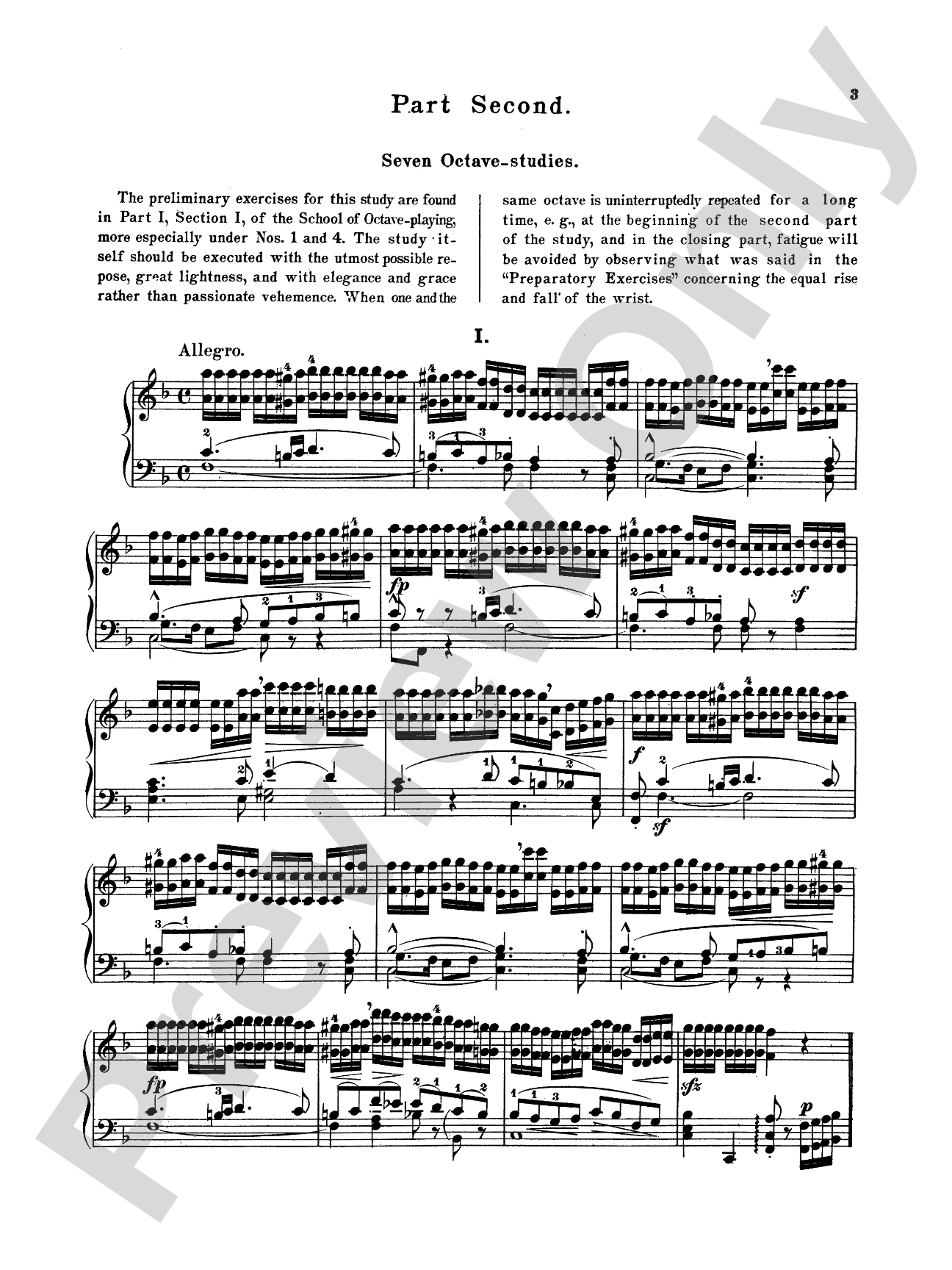
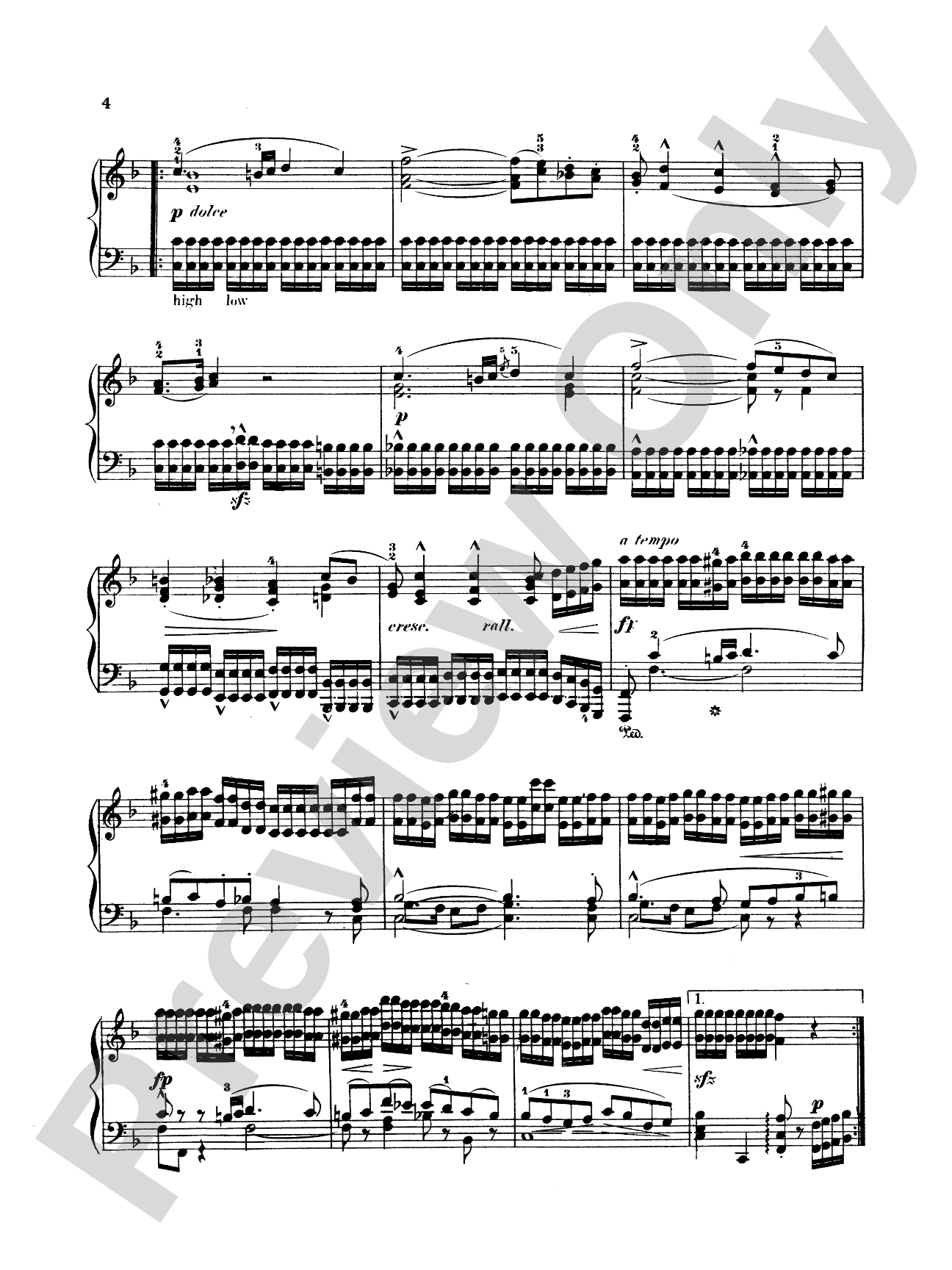
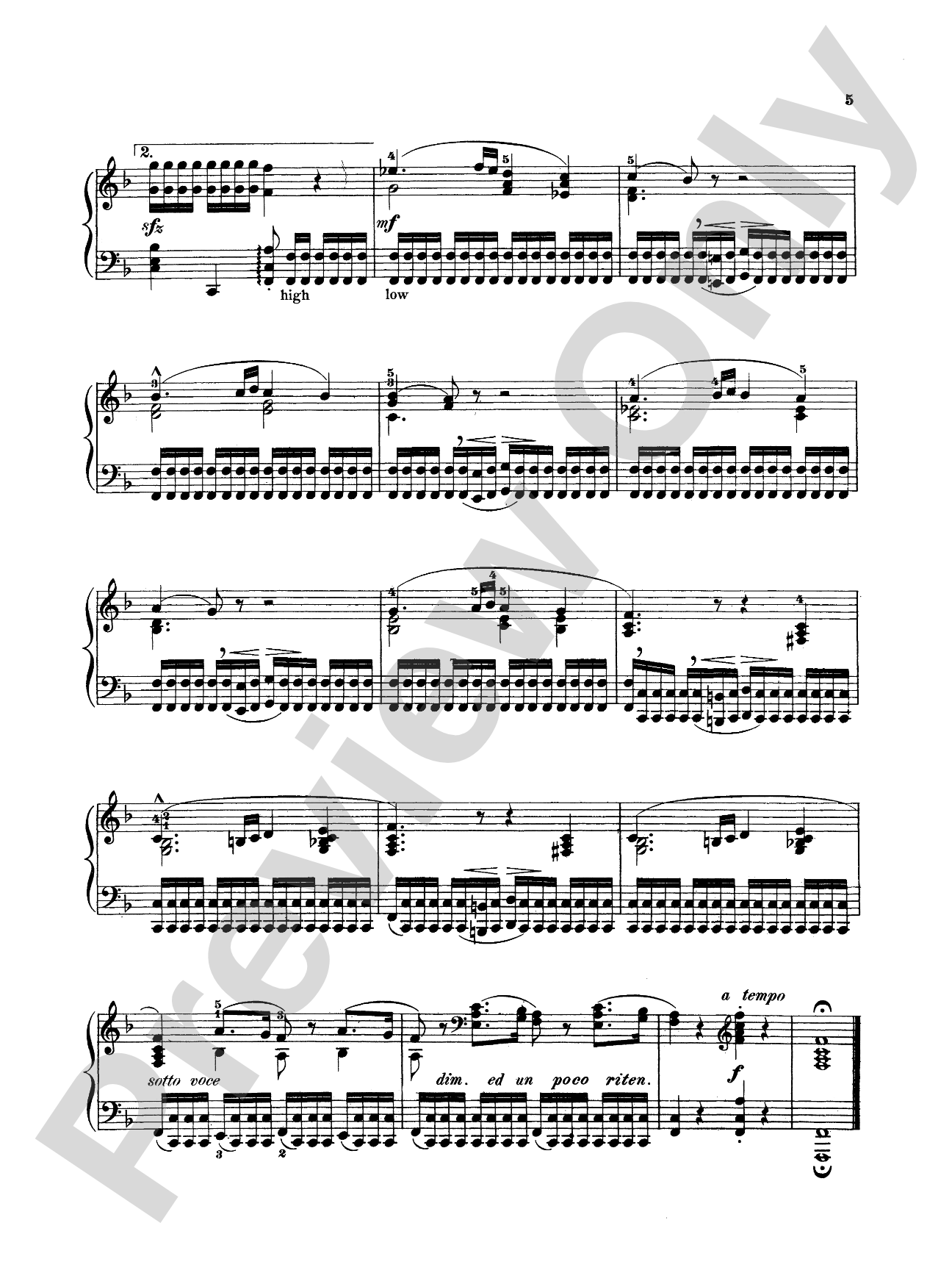

Kullak: School of Octave-Playing (Volume II): Piano Book
By Theodor Kullak
Item: 00-PK-0003169

$9.99
Pickup currently not available
Buy Extra Parts (Digital PDF Download)
Parts Added to Cart!
Related Items
School of Octave Playing, Volume II: Piano Book |
$9.95
|
View |
Description


Don't just read it, hear it, play along with it, and watch your students grow with it. In MakeMusic Cloud, Kullak: School of Octave-Playing (Volume II): Piano Book comes alive with professional accompaniment, adjustable tempo, and built-in practice tools that turn solo practice into real progress.
Open in the Player
Jump straight in and assign it today.
Start Your Free Trial
Open this title and explore the full library in minutes.
Sample Audio
No sample audio found.
Sample Video
No sample videos found.
Additional Details
Series:
Kalmus Edition
Publisher:
Alfred Music
Page Count:
32
SKU:
00-PK-0003169
More about this title
About the Composer: Theodor Kullak
Theodor Kullak (1818, 1882) was a German pianist and pedagogue whose influence on piano technique remains central to music education. A student of Czerny, he synthesized European pianism into a systematic, progressive method that prioritized both technical mastery and musical intelligence. His conservatory in Berlin trained generations of pianists, and his published studies continue to shape how serious students develop independence, control, and virtuosity at the keyboard.
Why we love this
Kullak's octave studies are refreshingly direct about what pianists actually need to play well. Volume II builds on foundational material with exercises that isolate the specific demands of octave work, strength, evenness, rotation, and agility, without the padding of contemporary method books. This is hands-on pedagogy from a teacher who knew exactly where students struggle.
What to expect
Kullak's writing balances rigor with musical warmth. The pieces in Volume II move through Romantic idioms with clear textures, offering the satisfying sensation of control as students master octave patterns that initially feel sprawling and unwieldy.
Who it's for
Intermediate to early advanced pianists building independence and stamina in both hands simultaneously. Teachers seeking graded technical study that maintains musical relevance will find this volume essential for students preparing for advanced repertoire.
How to get the most out of it
- Work through hand position and arm weight before tempo; octave playing depends on relaxed shoulders and a stable wrist that rotates rather than bends.
- Practice the separate hand parts individually at a slow tempo to isolate finger patterns and chord progressions before combining them.
- Attend to voice leading within the octaves themselves; even technical studies gain shape when the melody line and inner voices receive phrasing attention.
- Record yourself periodically to assess evenness and balance between octave and accompaniment; the ear often hears uneven tone production before the hand feels it.
How to use it
Assign Volume II as core technical work during the months when students are also learning octave-heavy repertoire, late Romantic concertos, contemporary works, or pieces with passage work. Running parallel studies and performance repertoire accelerates both growth. This book also pairs well with a broader Kullak method sequence for students on a structured technical progression.
Skills your students will build
- octave independence and evenness across both hands
- wrist rotation and arm weight management
- sustaining musical phrasing while executing rapid technical passages
- hand stamina and endurance in non-legato figurations
- sight-reading skills through graduated difficulty