

Kullak: School of Octave-Playing (Volume I): Piano Book
By Theodor Kullak
Item: 00-PK-0003168

$9.99
Pickup currently not available
Buy Extra Parts (Digital PDF Download)
Parts Added to Cart!
Related Items
School of Octave Playing, Volume I: Piano Book |
$9.99
|
View |
Description
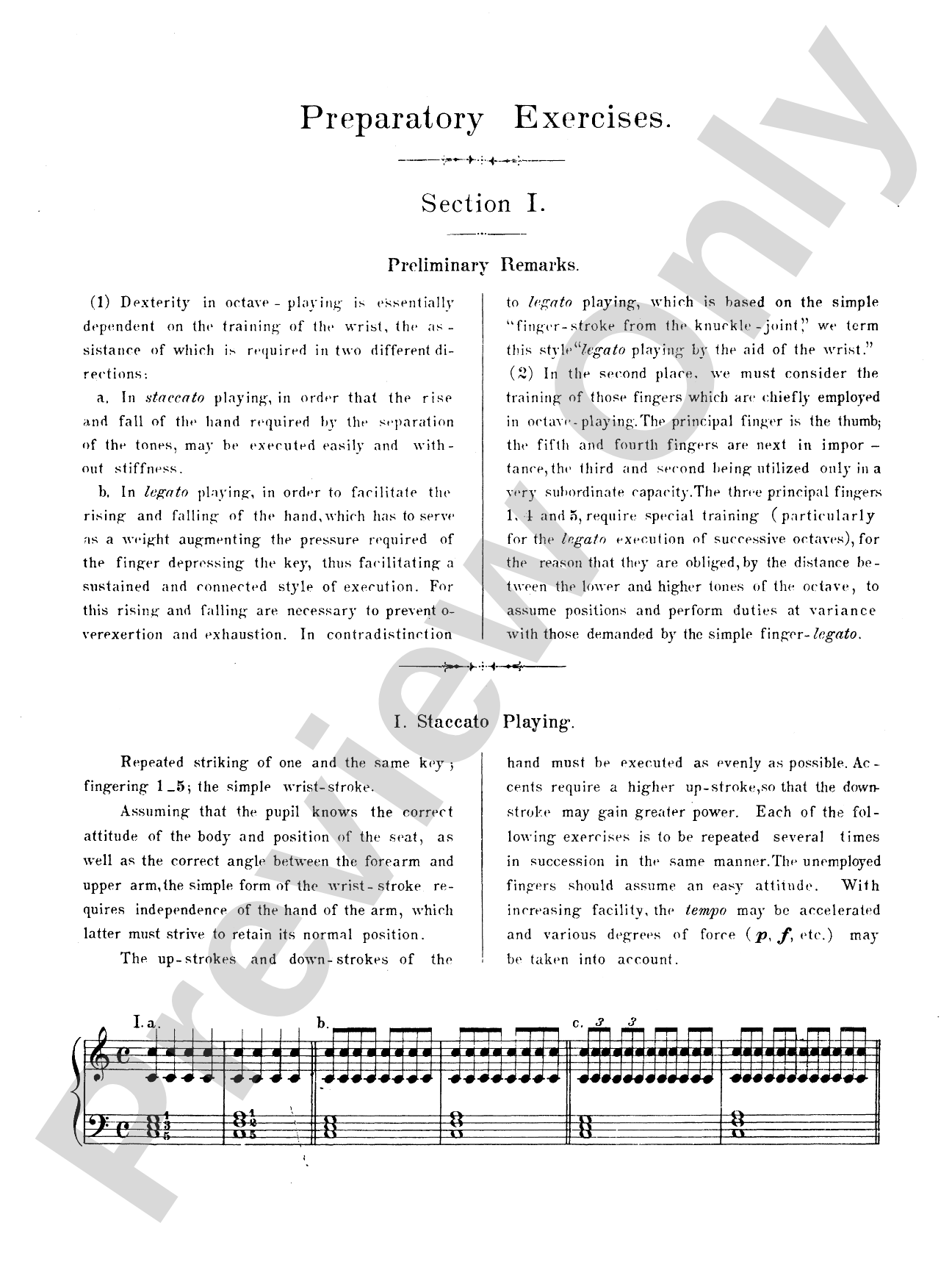
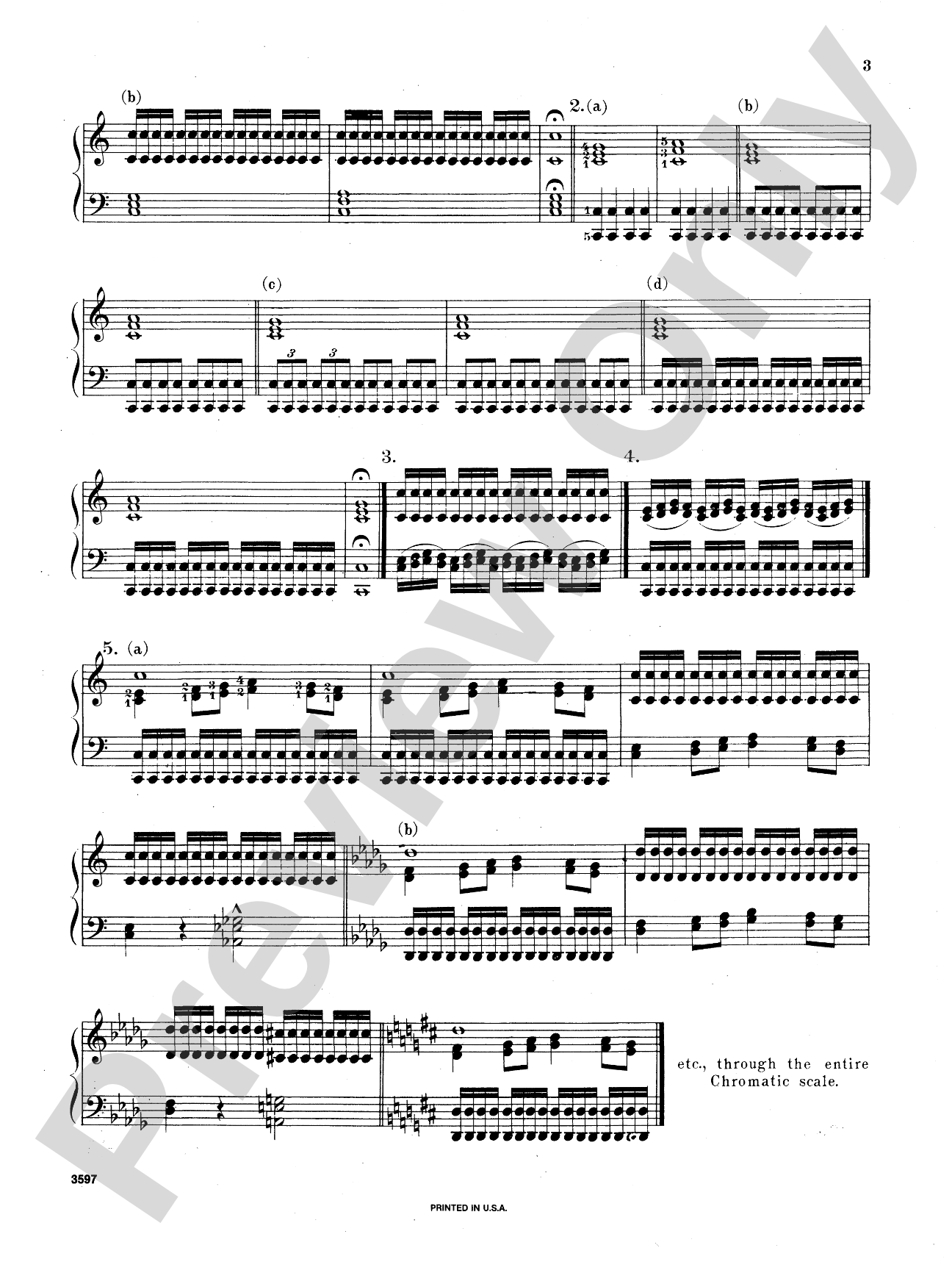
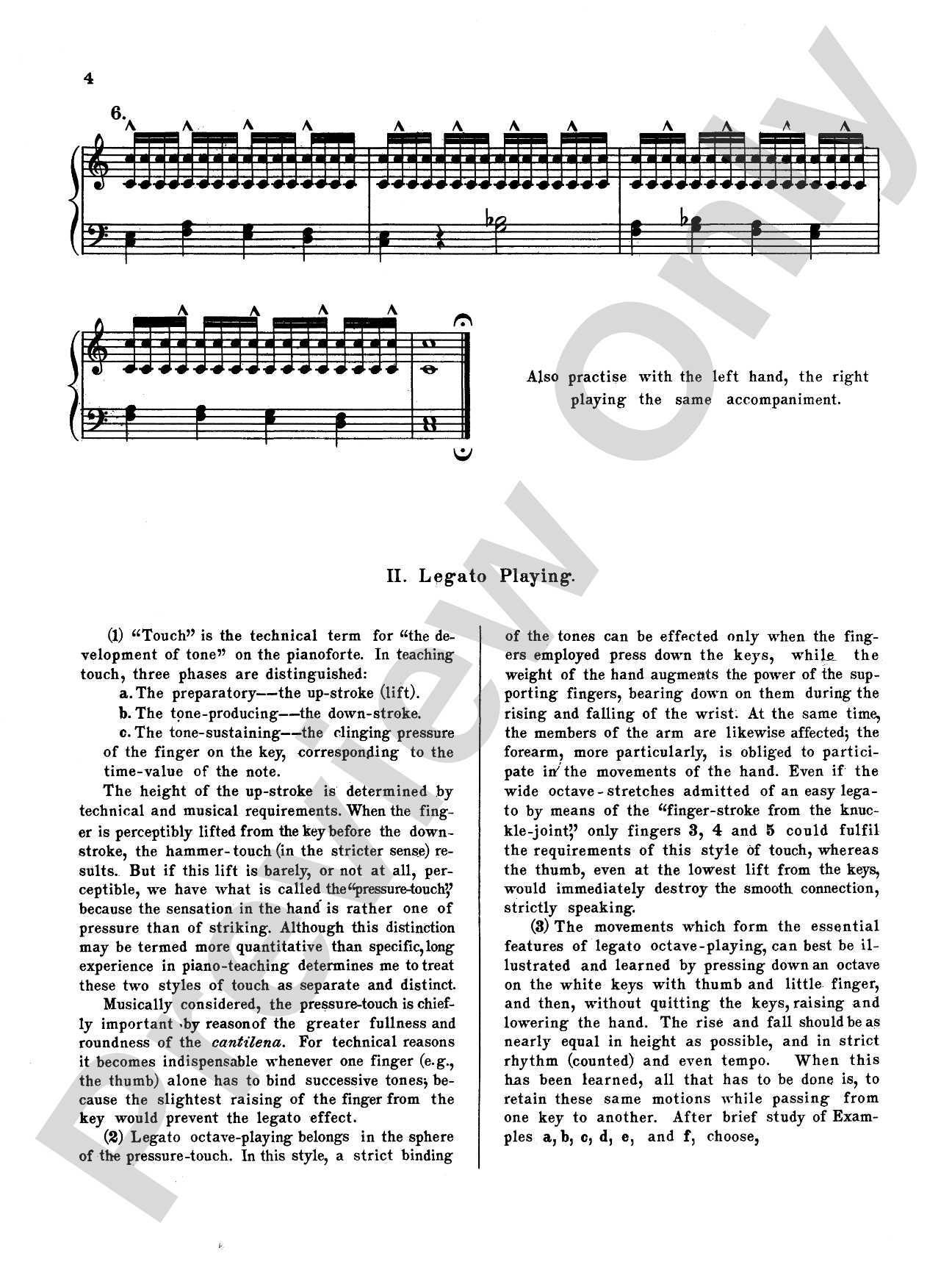
A collection of piano solos composed by Theodor Kullak.


Don't just read it, hear it, play along with it, and watch your students grow with it. In MakeMusic Cloud, Kullak: School of Octave-Playing (Volume I): Piano Book comes alive with professional accompaniment, adjustable tempo, and built-in practice tools that turn solo practice into real progress.
Open in the Player
Jump straight in and assign it today.
Start Your Free Trial
Open this title and explore the full library in minutes.
Sample Audio
No sample audio found.
Sample Video
No sample videos found.
Additional Details
Series:
Kalmus Edition
Publisher:
Alfred Music
Page Count:
40
SKU:
00-PK-0003168
More about this title
About the Composer: Theodor Kullak
Theodor Kullak (1818, 1882) was a German pianist and pedagogue whose contributions to keyboard technique shaped studio practice for generations. Known for his systematic approach to developing pianistic mastery, Kullak authored method books and technical studies that remain foundational in contemporary piano instruction.
Why we love this
Kullak understood octave technique as both a physical and musical challenge, and these pieces demand clarity without sacrificing elegance. They bridge the gap between pure technical studies and repertoire, making them ideal for intermediate students who need structured octave work but deserve material that engages them musically.
What to expect
These pieces possess the elegant architecture of Romantic pedagogy, balancing technical demands with lyrical phrases and varied textures. The octave work sits within a musical context rather than dominating it, creating pieces that feel purposeful rather than purely mechanical.
Who it's for
Intermediate pianists developing octave technique and seeking repertoire that combines technical growth with musical substance. This collection works well for students preparing for exams, competitions, or recitals who need focused material on a specific technical challenge.
How to get the most out of it
- Maintain a relaxed wrist throughout octave passages. The hand should rotate slightly rather than flex rigidly, allowing the thumb and fifth finger to engage the keys with even weight distribution.
- Practice octave passages slowly at first, establishing rhythmic accuracy and hand position before introducing tempo. This builds muscle memory and prevents tension.
- Pay attention to the spacing between octaves in scalar passages. Each octave should ring clearly without muddiness, requiring clean releases and deliberate finger placement.
- Use the recorded accompaniment or a metronome to stabilize rhythm during faster octave sections, ensuring the accompaniment layer doesn't become rushed.
How to use it
Program individual pieces from this collection on student recitals when you want to showcase technical growth in octave playing without relying on standard technical etudes. The pieces also serve as meaningful solo material for intermediate pianists in multi-movement recital programs or as standalone concert selections.
Skills your students will build
- Octave playing with even tone and controlled weight transfer
- Wrist flexibility and rotation in rapid octave passages
- Hand independence between octave voice and inner accompaniment
- Rhythmic stability in scalar octave patterns
- Dynamic control across a register spanning multiple octaves