
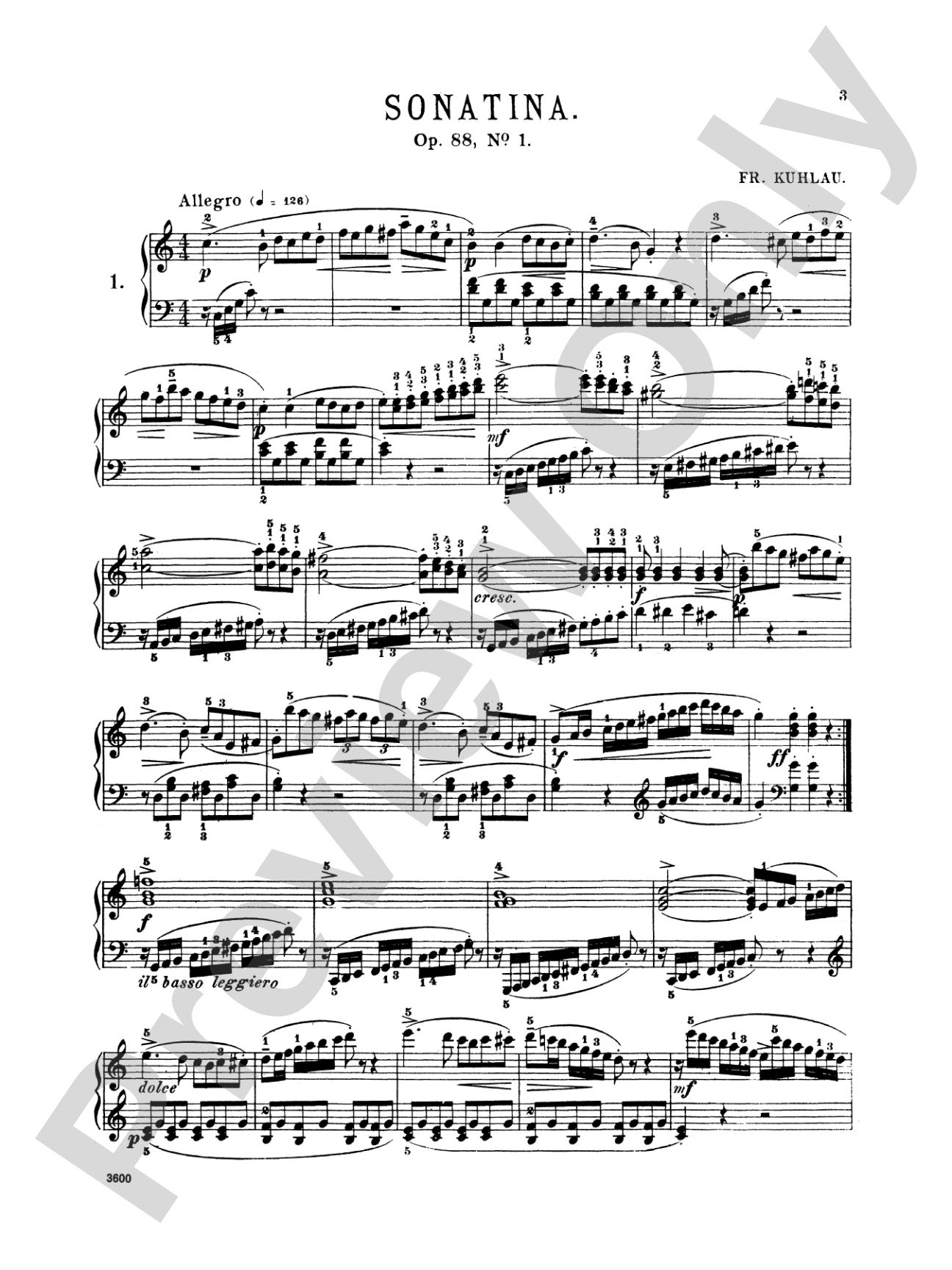
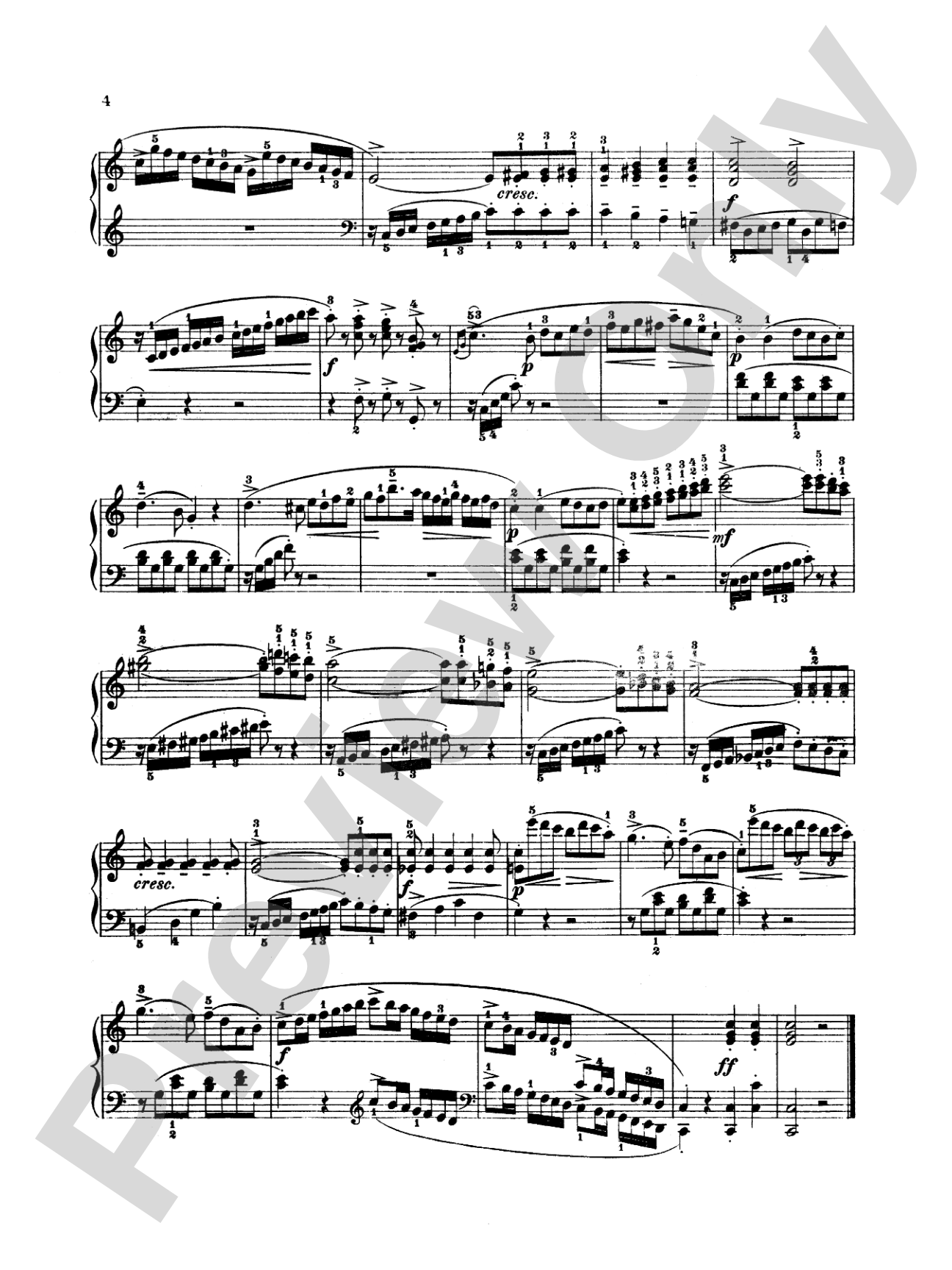
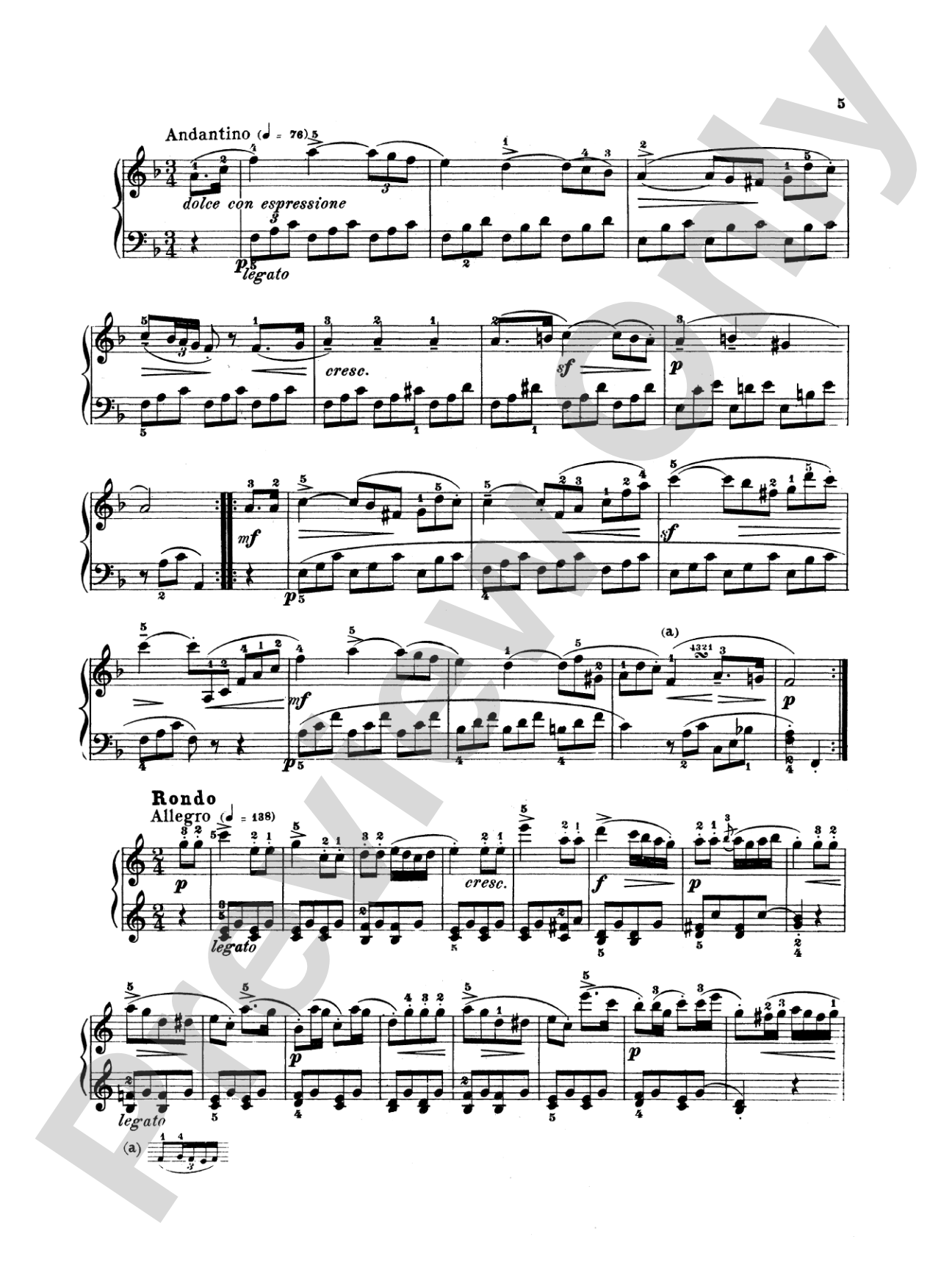
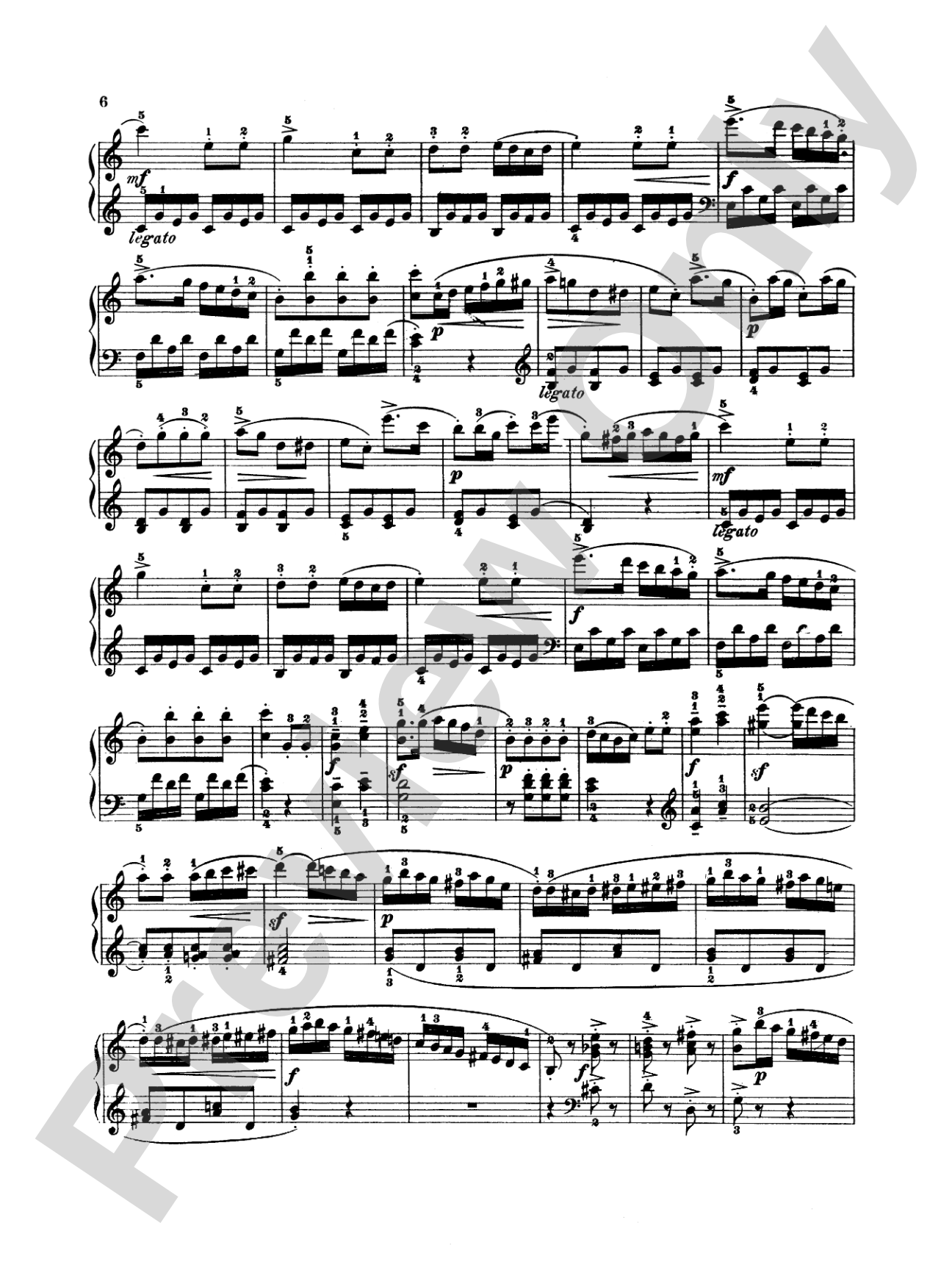
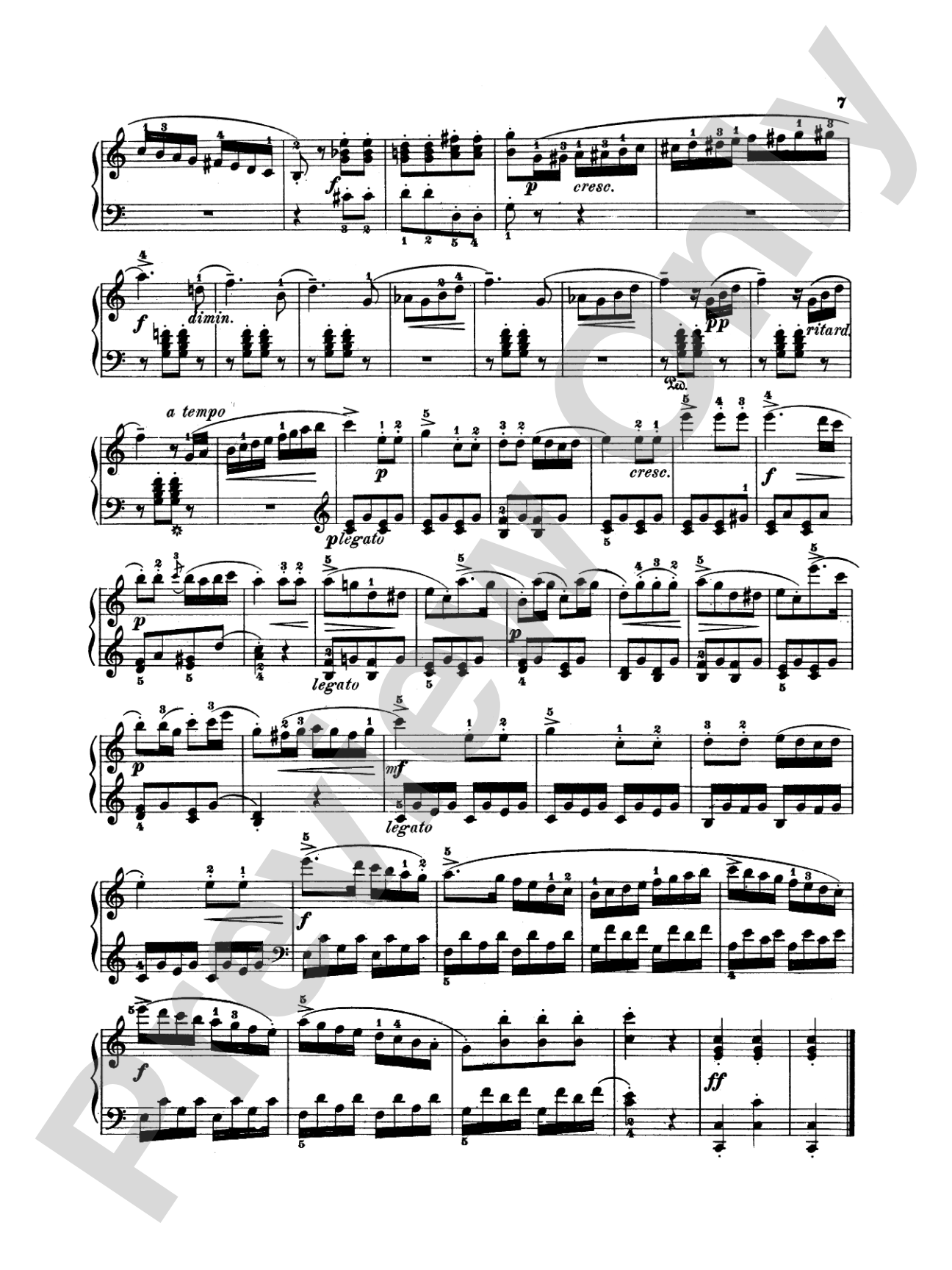

Kuhlau: Sonatinas (Volume II): Piano Book
By Daniel Friedrich Kuhlau
Level: Intermediate / Advanced
Item: 00-PK-0003171

$11.99
Pickup currently not available
Buy Extra Parts (Digital PDF Download)
| Product | Price | Quantity |
|---|---|---|
| Kuhlau: Sonatinas (Volume II) | $0.99 | |
| Kuhlau: Sonatinas (Volume II) | $0.99 | |
| Kuhlau: Sonatinas (Volume II) | $0.99 | |
| Kuhlau: Sonatinas (Volume II) | $0.99 | |
| Kuhlau: Sonatinas (Volume II) | $0.99 | |
| Kuhlau: Sonatinas (Volume II) | $0.99 | |
| Kuhlau: Sonatinas (Volume II) | $0.99 |
Parts Added to Cart!
Related Items
Sonatinas, Volume II: Piano Book |
$11.95
|
View |
Description
A collection of Intermediate / Advanced piano solos composed by Daniel Friedrich Kuhlau.


Don't just read it, hear it, play along with it, and watch your students grow with it. In MakeMusic Cloud, Kuhlau: Sonatinas (Volume II): Piano Book comes alive with professional accompaniment, adjustable tempo, and built-in practice tools that turn solo practice into real progress.
Open in the Player
Jump straight in and assign it today.
Start Your Free Trial
Open this title and explore the full library in minutes.
Sample Audio
No sample audio found.
Sample Video
No sample videos found.
Additional Details
Series:
Kalmus Edition
Publisher:
Alfred Music
Page Count:
52
SKU:
00-PK-0003171
More about this title
About the Composer: Daniel Friedrich Kuhlau
Daniel Friedrich Kuhlau (1786-1832) was a German-Danish composer and flutist whose prolific output shaped early 19th-century keyboard and chamber music. Though he gained prominence as a virtuoso flute performer and wrote extensively for wind instruments, his piano sonatinas established him as a serious voice in Classical keyboard literature, bridging the formal elegance of Haydn and Mozart with emerging Romantic sensibilities.
Kuhlau's sonatinas remain central to intermediate piano pedagogy because they demand genuine musicianship without sacrificing accessibility. His writing balances clear formal structures with melodic generosity, offering students the satisfaction of playing substantial works rather than exercises disguised as compositions.
Why we love this
These sonatinas strike the rare balance of being musically complete and genuinely playable at the intermediate level. Kuhlau writes with an instinctive sense of what works under the hands, layering in enough counterpoint and harmonic interest to keep accomplished players engaged while respecting the technical limits of developing pianists.
What to expect
These sonatinas inhabit a bright, conversational space between Classical propriety and emerging emotional warmth. The melodies are graceful and often memorable; the harmonies support rather than startle, creating an environment where a player's interpretive choices become audible without needing extreme technical display.
Who it's for
Intermediate to advanced pianists ready to tackle substantial single-movement and multi-movement works with genuine structural integrity. This collection appeals to students preparing for recitals, repertoire auditions, or competitions who want pieces that challenge their musicianship without requiring virtuosic technique.
How to get the most out of it
- Honor the Classical clarity of phrasing by attending to Kuhlau's articulation marks and dynamic contrasts; these pieces lose their architecture when played with too much pedal or romantic rubato.
- Approach the fast movements as conversations between hands rather than race conditions; clarity of voice independence matters more than speed.
- Shape the slow movements with a singing tone and careful voicing of inner lines, which often carry harmonic or thematic material that recedes in recordings played with heavier touch.
- Practice the accompaniment patterns and rhythmic figurations in isolation; they appear simple but require precision and evenness to serve the melody effectively.
How to use it
Program individual sonatinas or multi-movement selections as recital anchors for students who have outgrown beginner-level repertoire but aren't yet ready for late Romantic or contemporary concert work. They work exceptionally well in student-led chamber settings when paired with woodwind or string parts from Kuhlau's own chamber catalog.
Skills your students will build
- Multi-movement form (Allegro-Andante-Rondo or Sonata-form structures)
- Voice independence and textural clarity in Classical textures
- Pedal management in early 19th-century harmonic contexts
- Cantabile phrasing and melodic shaping at moderate tempos
- Rhythmic accuracy in accompanying figures and rondo refrains
- Dynamic control across a wider expressive range than beginner repertoire