Kuhlau: Six Duets, Op. 57bis and 81 Sheet Music Preview

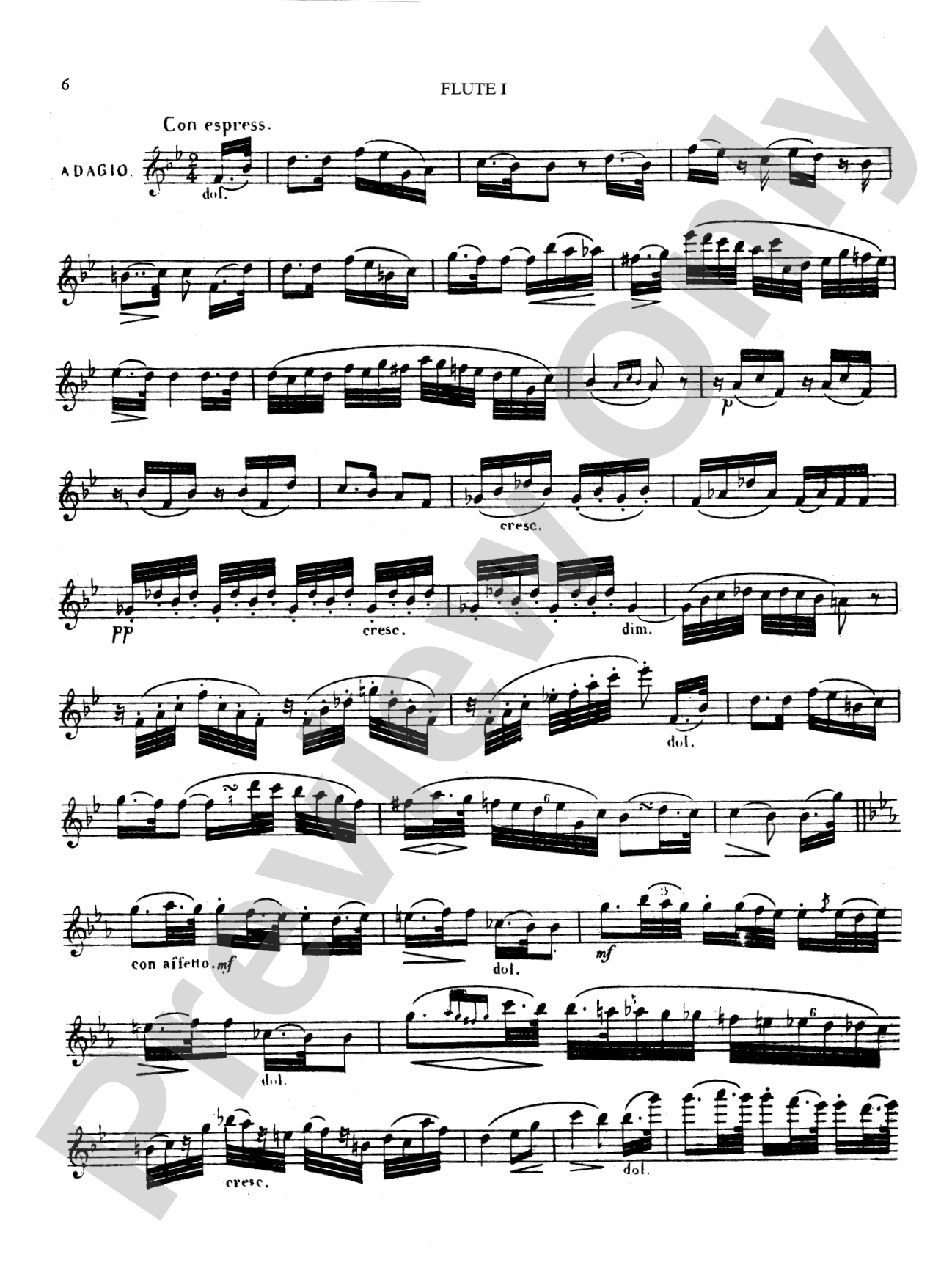
Kuhlau: Six Duets, Op. 57bis and 81

By Daniel Friedrich Kuhlau

Item: 00-PC-0003880

Digital Download
$0.99
Description
Two separate parts are included.

Don't just read it, hear it, play along with it, and watch your students grow with it. In MakeMusic Cloud, Kuhlau: Six Duets, Op. 57bis and 81 comes alive with professional accompaniment, adjustable tempo, and built-in practice tools that turn solo practice into real progress.

Sample Audio
No sample audio found.
Sample Video
Additional Details
Series: Kalmus Edition
Publisher: Alfred Music
Page Count: 64
SKU: 00-PC-0003880

More about this title

About the Composer: Daniel Friedrich Kuhlau

Daniel Friedrich Kuhlau (1786–1832) was a Danish-German flutist and composer who brought the flute to prominence as a concert instrument during the Classical era. His extensive output of flute music reflects both his virtuosity as a performer and his gift for writing idiomatically for the instrument, making his works standard repertoire in flute studios and ensemble classes worldwide.

Kuhlau's duets occupy a special place in flute pedagogy. They bridge the gap between elementary method books and advanced concert literature, offering genuine musical substance alongside technical development. His melodic gift and structural clarity made these duets beloved by generations of flute students learning to balance their sound with a partner.

Why we love this

Kuhlau's duets remain among the most musically satisfying works at this level of flute study. Unlike many pedagogical duets that feel like exercises, these pieces treat both players as equal voices with genuinely interesting material, making rehearsals feel less like drill and more like making real music together. The Classical idiom keeps the writing transparent and playable while building habits of ensemble balance and independence.

What to expect

Kuhlau's voice is sunny and transparent, full of elegant melody that feels conversational between the two flutes. Passages of parallel motion and dialogue between the parts create moments of lyrical warmth, while the Classical structure gives everything a sense of order and grace that feels purposeful without becoming academic.

Who it's for

Flute students in the intermediate to upper-intermediate range who are ready to move beyond method book duets will find genuine repertoire here. These duets work equally well for private lesson pairs, studio recitals, or flute choir warm-ups, and they offer teachers excellent material for demonstrating ensemble musicianship without the complexity of larger ensembles.

How to get the most out of it

  • Establish a strong pulse between the two flutes before adding expressive elements; Kuhlau's homophonic writing depends on rhythmic lock between parts
  • Shape phrases individually within each part rather than waiting for the other player to lead; both voices carry the musical weight equally
  • Attend to dynamic markings precisely, especially in passages where one flute plays melody and the other provides accompaniment
  • Record yourselves and listen back to check for intonation consistency, particularly in unison sections and held notes

How to use it

These duets work beautifully on a studio or school recital as a change of pace from solo pieces, especially if you're pairing intermediate and advanced students. They also fit naturally into a chamber concert or into rehearsals as ensemble-building work before moving to larger ensembles like flute choir or wind ensemble.

Skills your students will build

  • Balance and blend between two independent melodic lines
  • Maintaining rhythmic independence while listening to a partner
  • Reading Classical-era phrasing and articulation conventions
  • Sustaining tone control through longer phrases
  • Adapting tempo and nuance collaboratively

You May Also Like