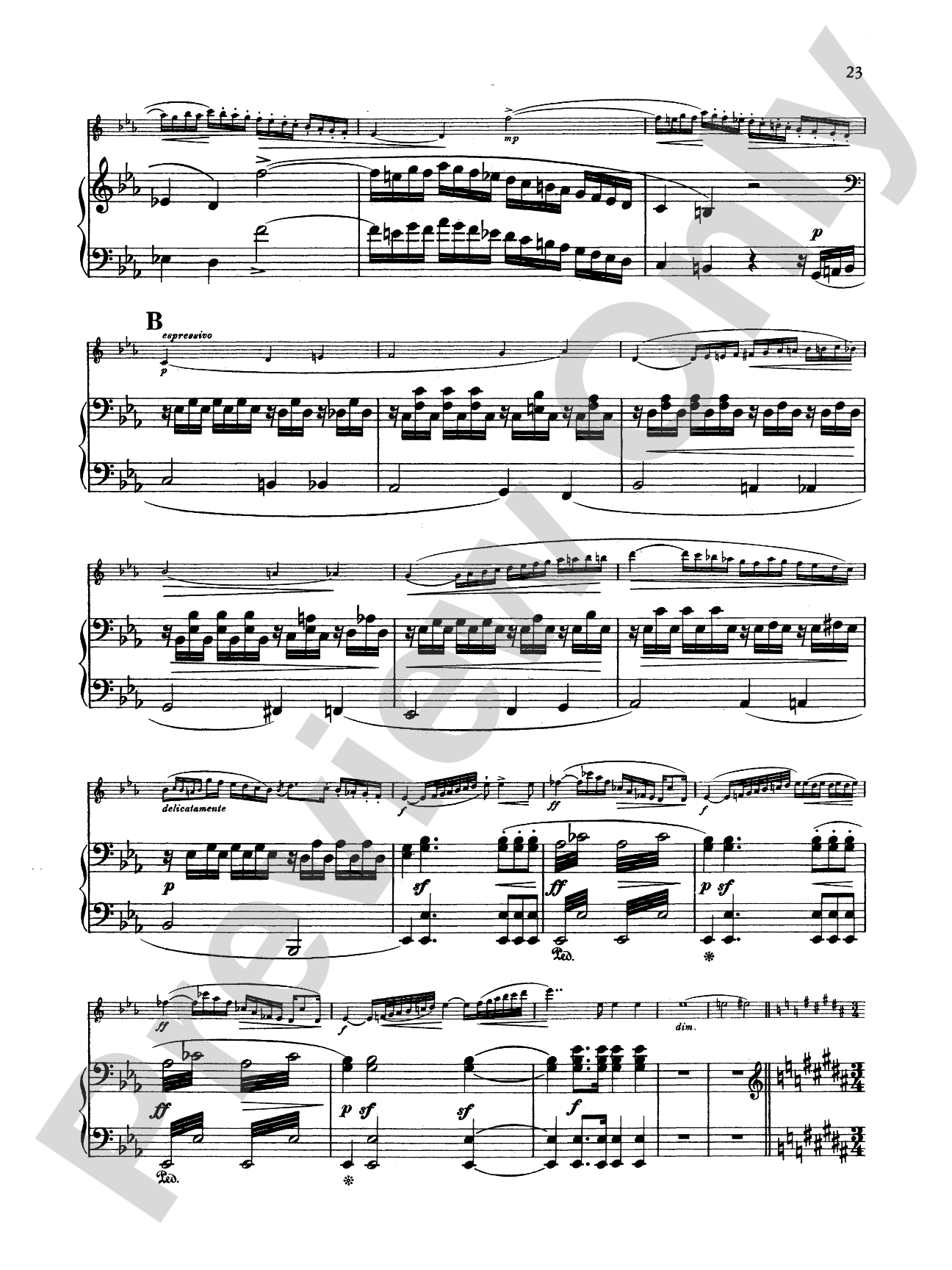
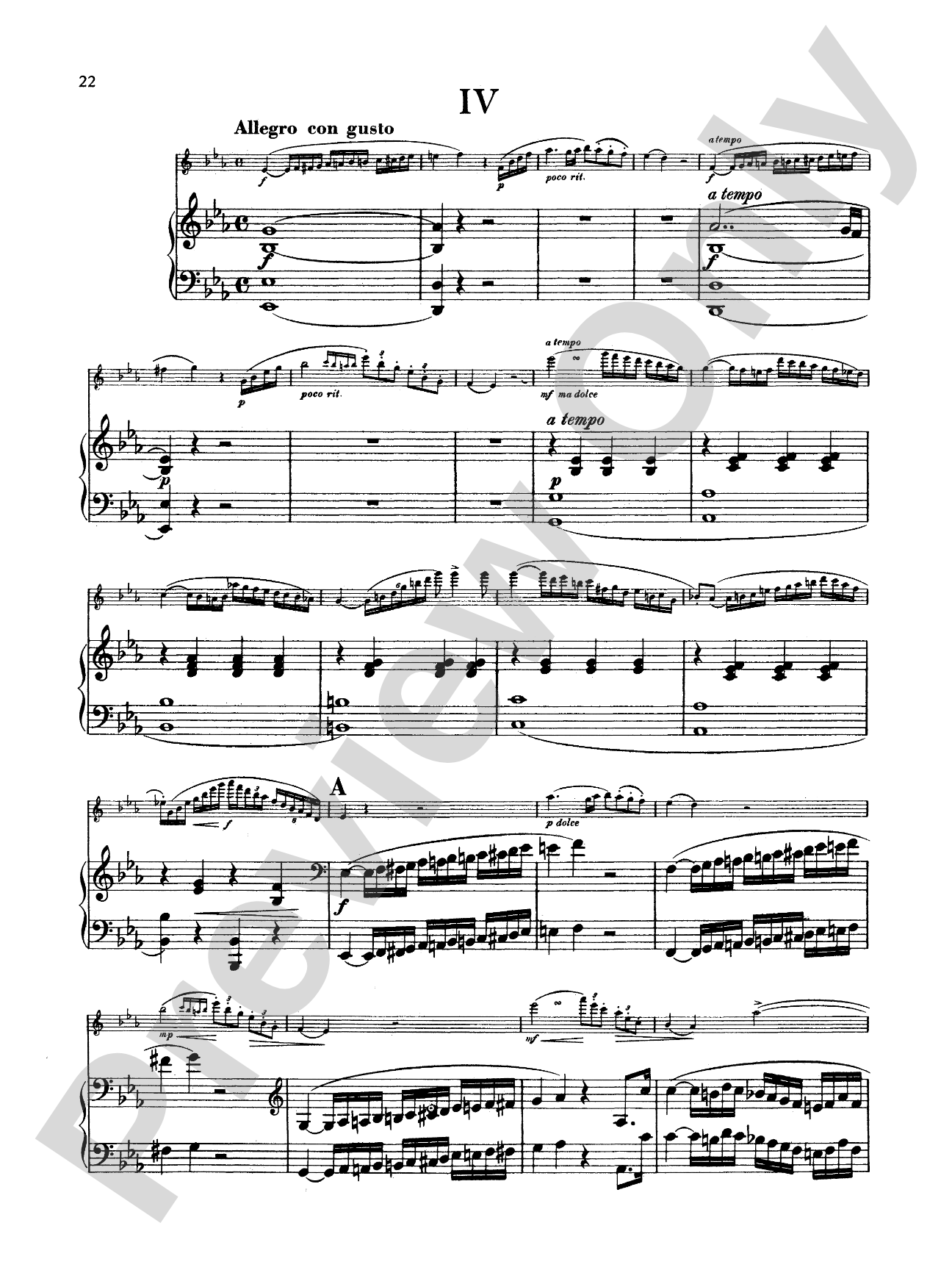
Kuhlau: Six Divertissements, Op. 68 Sheet Music Preview

Kuhlau: Six Divertissements, Op. 68

By Daniel Friedrich Kuhlau

Item: 00-PC-0007987

Digital Download
$1.99
Description
A collection of exercises for flute, composed by Daniel Friedrich Kuhlau.

Don't just read it, hear it, play along with it, and watch your students grow with it. In MakeMusic Cloud, Kuhlau: Six Divertissements, Op. 68 comes alive with professional accompaniment, adjustable tempo, and built-in practice tools that turn solo practice into real progress.

Sample Audio
No sample audio found.
Sample Video
Additional Details
Series: Kalmus Edition
Publisher: Alfred Music
Page Count: 72
SKU: 00-PC-0007987

More about this title

About the Composer: Daniel Friedrich Kuhlau

Daniel Friedrich Kuhlau (1786-1832) was a German-Danish flutist and composer whose prolific output established him as one of the most important voices in Romantic flute literature. His technical mastery of the instrument informed every work he wrote for flute, from his famous concertos to his chamber music and pedagogical suites. Kuhlau's ability to balance musical substance with idiomatic writing made his pieces essential repertoire for flutists of intermediate to advanced levels.

His divertissements occupy a unique space in flute pedagogy: they are serious musical works, not mere exercises, yet they systematically develop the technical and musical skills a mature player needs. This dual nature shaped his teaching legacy and explains why his compositions remain central to conservatory curricula across Europe and North America.

Why we love this

Kuhlau wrote these divertissements as genuine musical experiences rather than technical drills disguised as studies. Each piece invites the flutist to solve real musical problems (articulation clarity, phrasing over register breaks, maintaining lyrical shape across fast passage work) within compositions that are rewarding to perform and pleasant to hear. A collection this substantial gives teachers and students the freedom to work through material without the repetitive sameness that can plague exercise-focused pedagogical series.

What to expect

Kuhlau's divertissements strike a graceful balance between virtuosity and songfulness. The music breathes with Classical elegance while challenging the player with rapid figurations, secure intonation across the full range, and the musical maturity needed to make simple passages sing as compellingly as brilliant runs.

Who it's for

Intermediate to advanced flutists seeking serious yet accessible Classical-era repertoire that builds technical security without feeling like pure drill work. Solo students preparing for recitals will find substantial pieces here, as will teachers building a balanced curriculum that includes both concertos and chamber-ready suites.

How to get the most out of it

  • Shape phrases across entire sections rather than stopping at convenient breath marks; Kuhlau's melodic lines reward sustained legato phrasing even when the rhythm contains quick figures.
  • Pay close attention to his use of dynamics within ornament passages. The floriture should never overwhelm the underlying harmonic or melodic intent.
  • Balance your tone through register transitions by thinking about vowel placement and steady air support; these pieces will expose any instability in the second and third octaves.
  • Use the simplicity of some accompanimental figures as an opportunity to refine your articulation. Clear tongue attack and resonance matter more on plain note patterns than on showy passagework.

How to use it

These pieces work beautifully on solo recitals when paired with Romantic-era flute concertos or sonatas; they provide variety in scale and texture. Teachers often program individual divertissements throughout the year as recital repertoire or chamber concert selections, allowing students to advance through the set at their own pace rather than as a single unit.

Skills your students will build

  • Rapid scalar and arpeggio passage work across all registers
  • Clear articulation and note separation at varying tempos
  • Lyrical phrasing over ornamental accompaniments
  • Intonation security in the upper register and during quick transitions
  • Musical interpretation of Classical-era form and style
  • Breath management in longer phrases with minimal rests

You May Also Like