
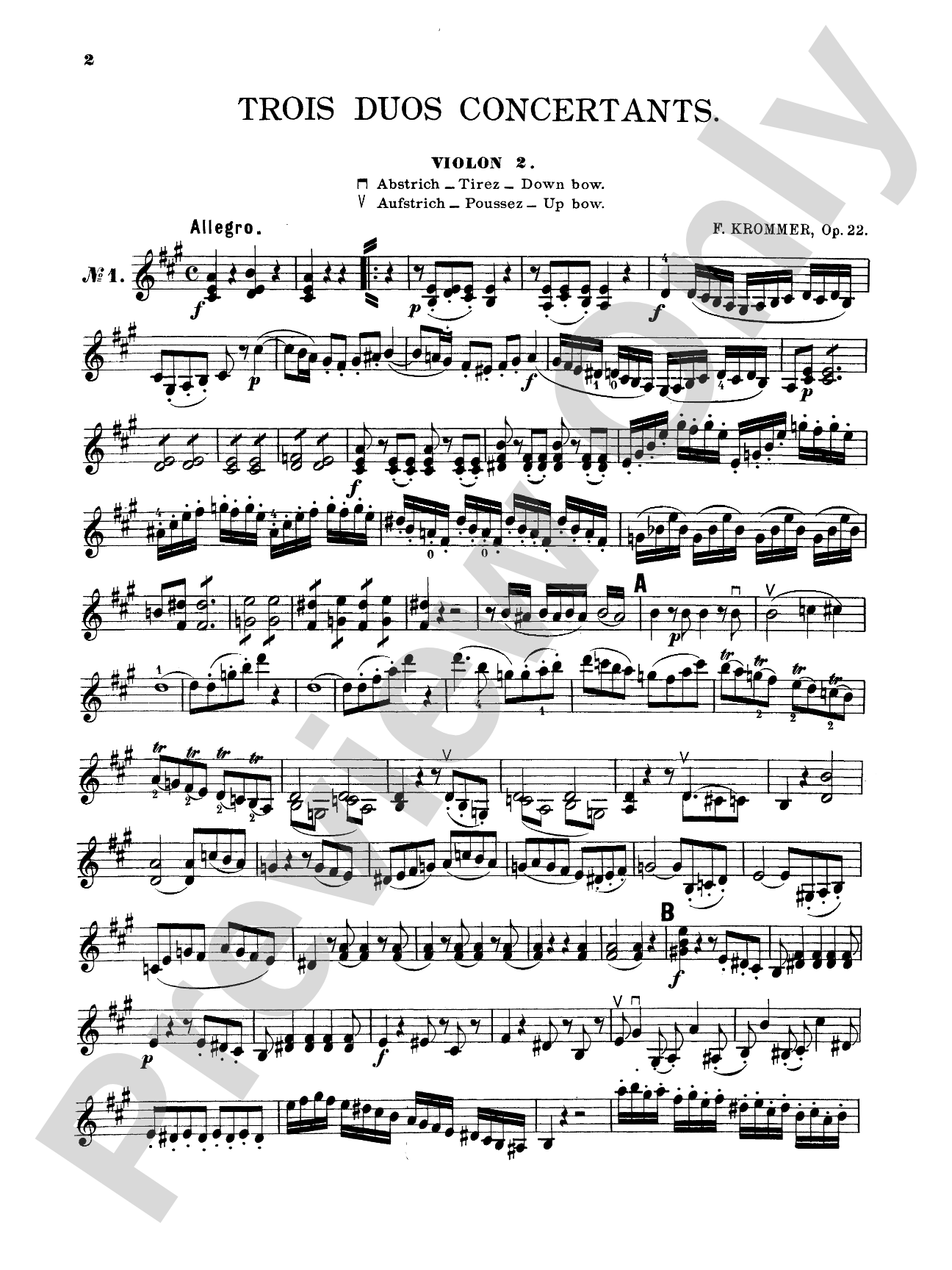
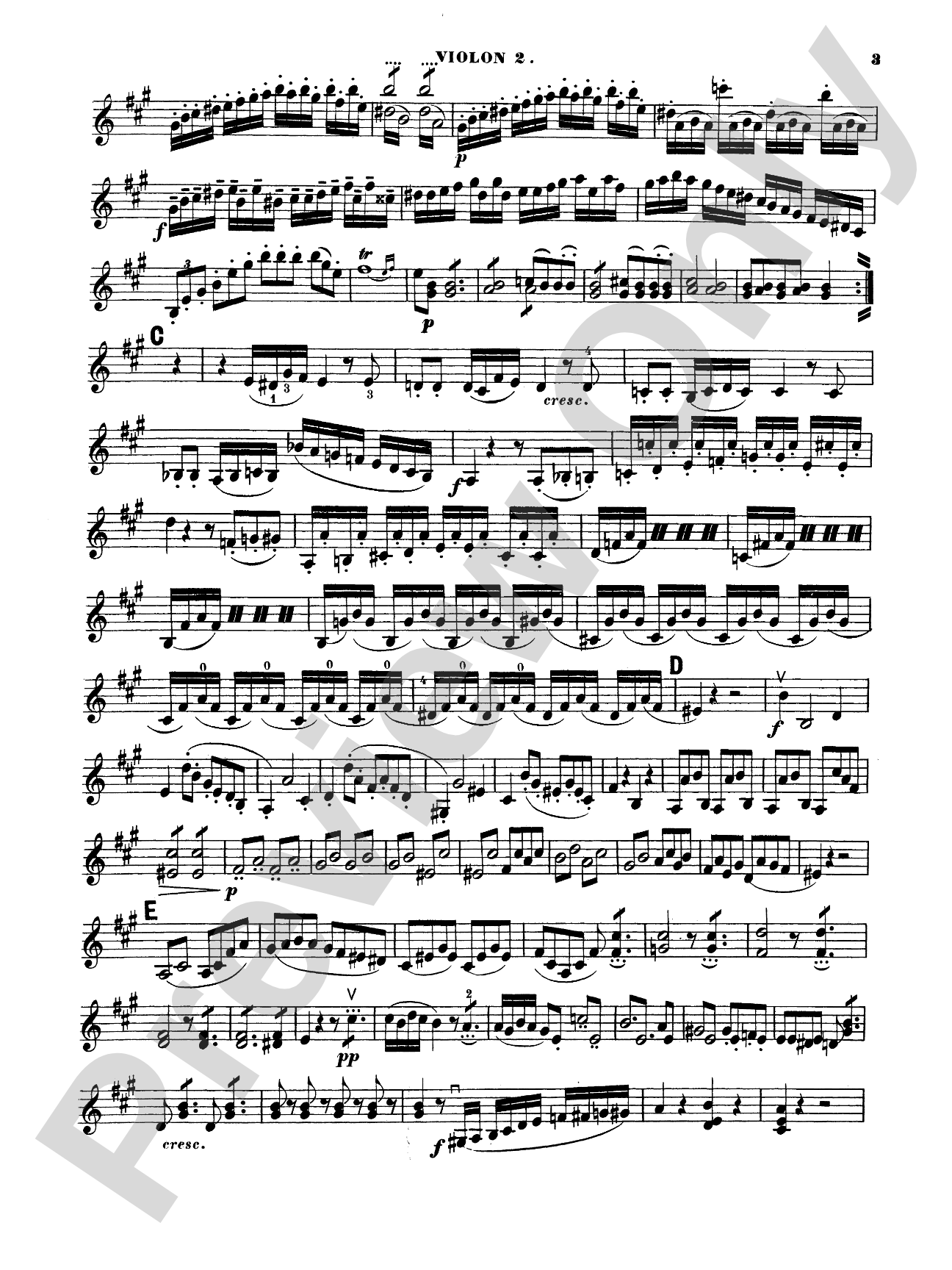
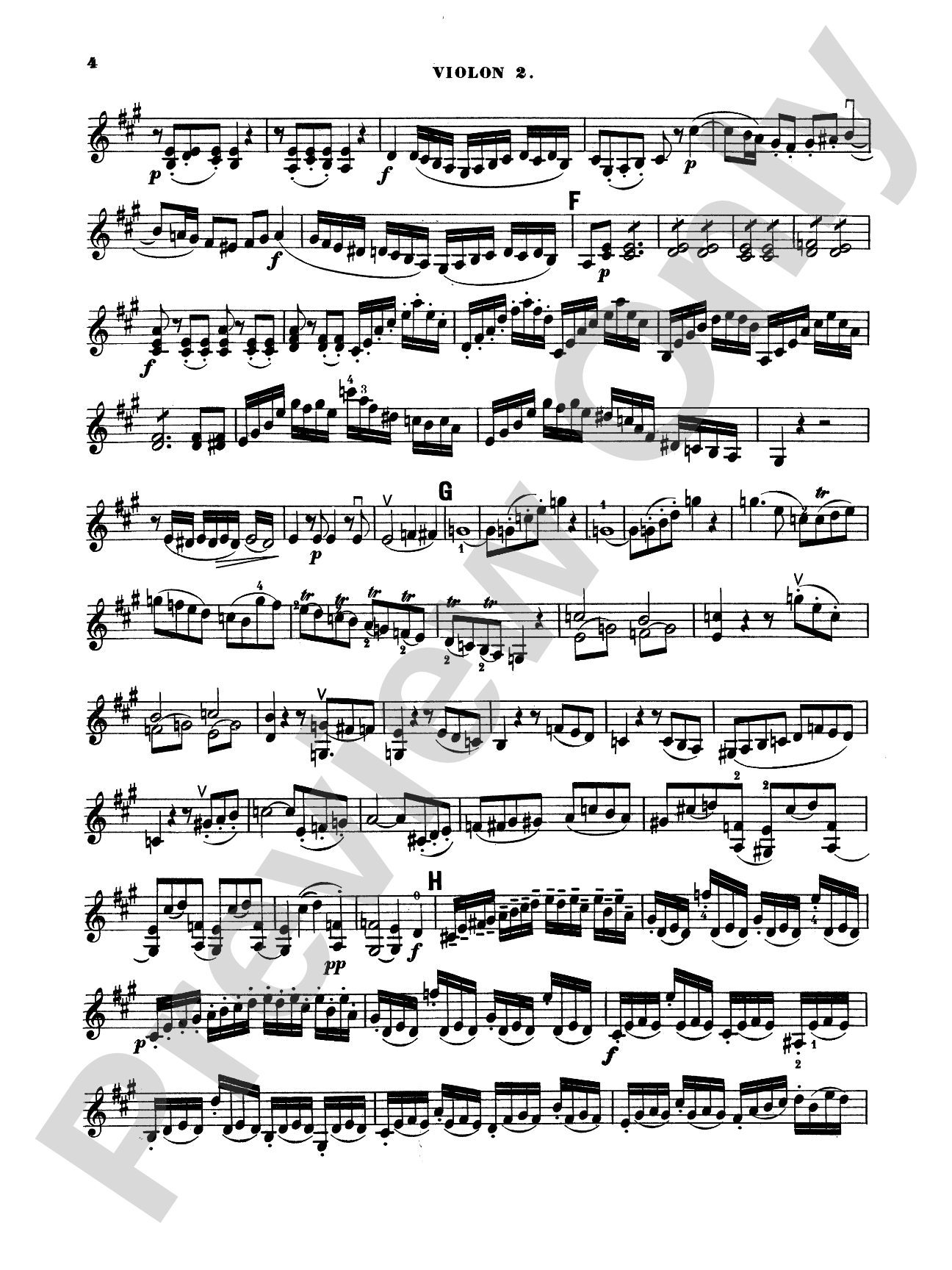
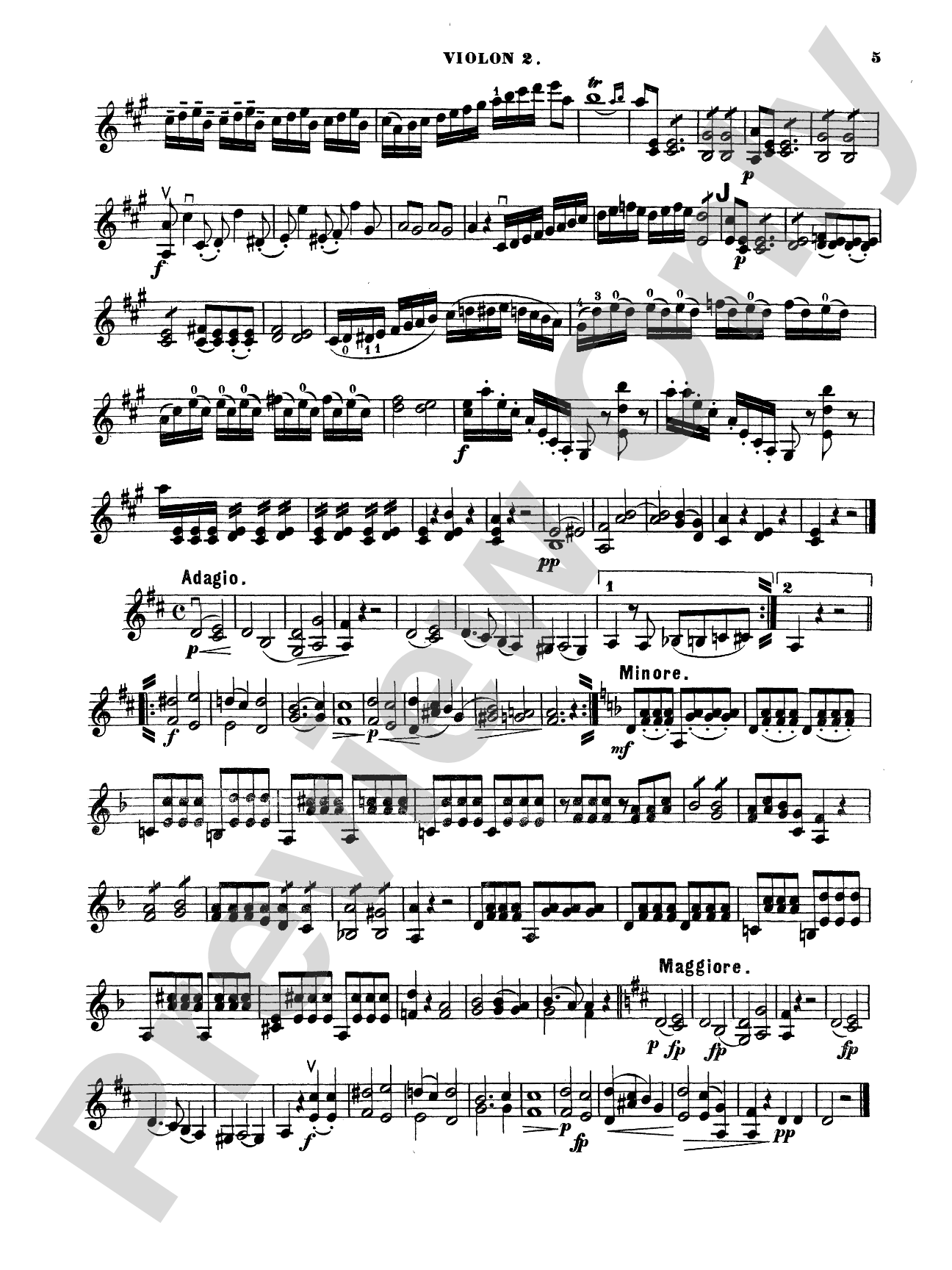
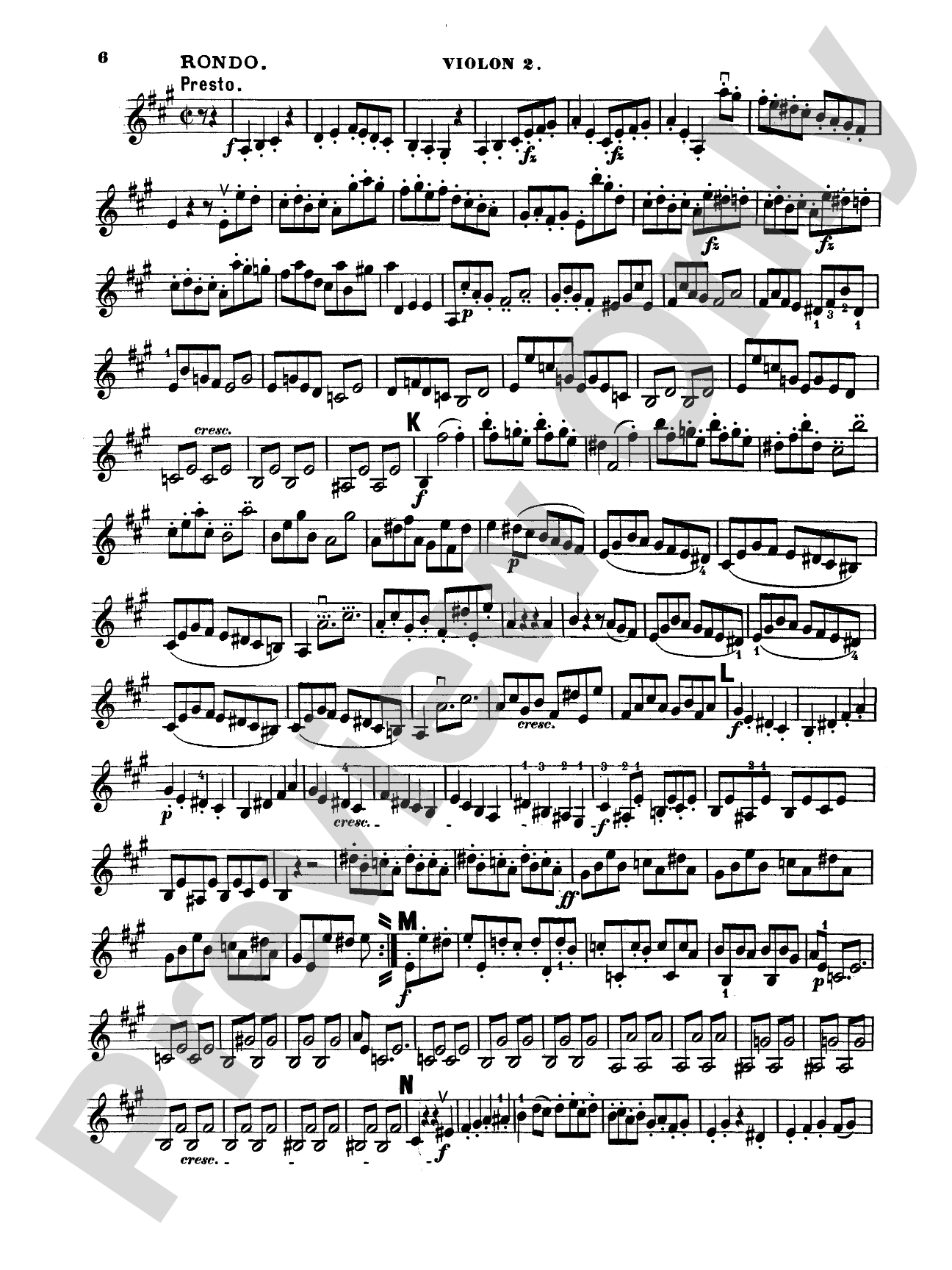
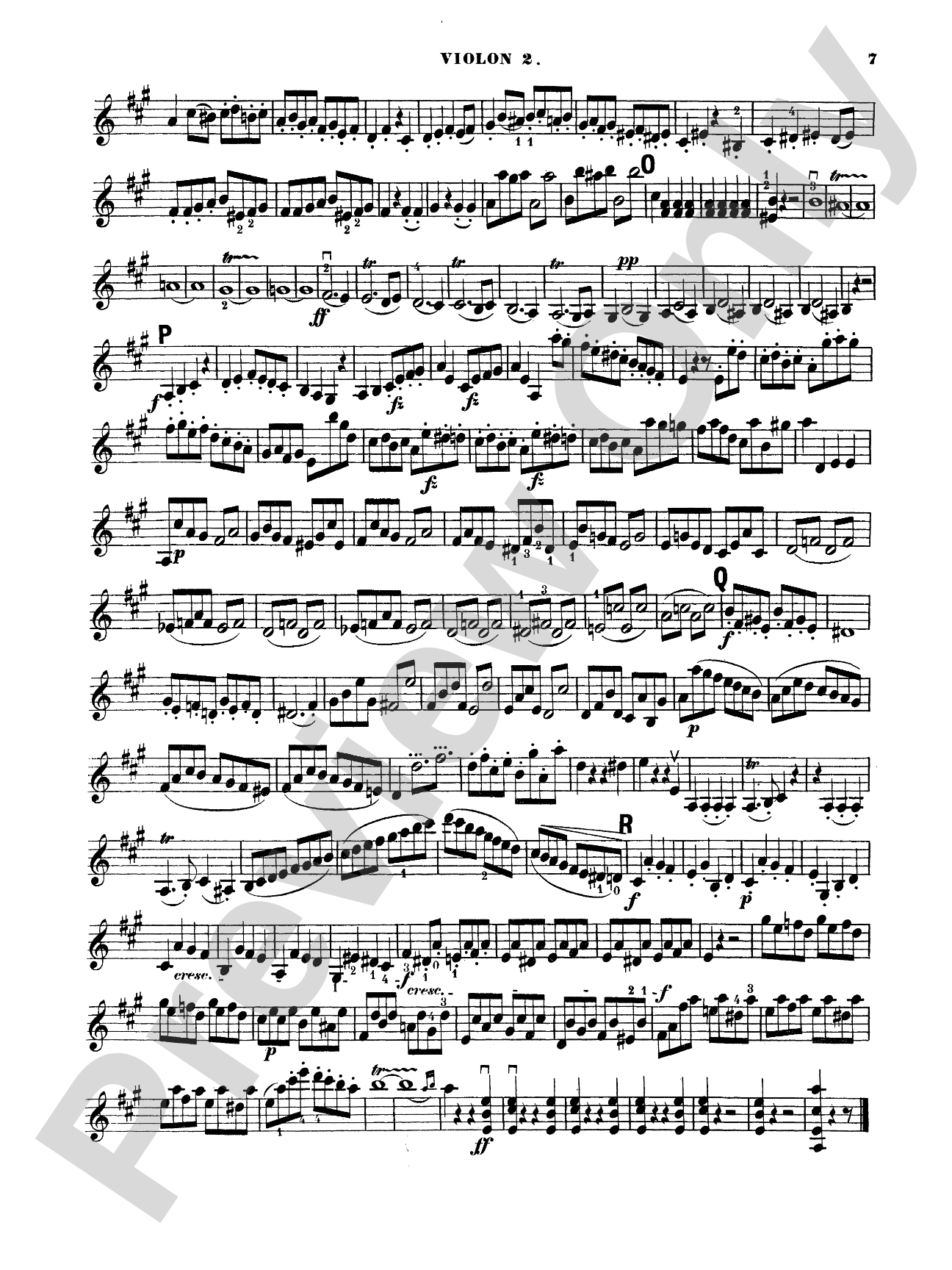

Krommer: Three Duos Concertants, Op. 22: Violin Book
By Franz Krommer
Item: 00-PK-0003868

$9.99
Pickup currently not available
Buy Extra Parts (Digital PDF Download)
| Product | Price | Quantity |
|---|---|---|
| Krommer: Three Duos Concertants, Op. 22 | $0.99 | |
| Krommer: Three Duos Concertants, Op. 22 | $0.99 | |
| Krommer: Three Duos Concertants, Op. 22 | $0.99 |
Parts Added to Cart!
Related Items
Three Duos Concertants, Opus 22: Violin Book |
$9.95
|
View |
Description
Three Violin Duets expertly composed by Franz Krommer.


Don't just read it, hear it, play along with it, and watch your students grow with it. In MakeMusic Cloud, Krommer: Three Duos Concertants, Op. 22: Violin Book comes alive with professional accompaniment, adjustable tempo, and built-in practice tools that turn solo practice into real progress.
Open in the Player
Jump straight in and assign it today.
Start Your Free Trial
Open this title and explore the full library in minutes.
Sample Audio
No sample audio found.
Sample Video
No sample videos found.
Additional Details
Series:
Kalmus Edition
Publisher:
Alfred Music
Page Count:
48
SKU:
00-PK-0003868
More about this title
About the Composer: Friedrich Krommer
Friedrich Krommer (1759, 1831) was an accomplished violinist and prolific composer whose chamber works earned him respect across Europe. Though often overshadowed by his contemporaries, Krommer wrote with genuine craftsmanship, blending classical form with melodic warmth that appealed to both amateur and professional musicians of his era.
His duos and chamber pieces remain valuable teaching and performance repertoire because they demand secure technique without sacrificing musical substance. Krommer understood the violin; his writing is idiomatic, grateful to play, and structured to challenge students at intermediate to advanced levels.
Why we love this
Krommer's Op. 22 duos strike an uncommonly satisfying balance between technical display and genuine lyricism. Each duo demands equal partnership from both violins, avoiding the soloist-accompanist trap that weakens so many pedagogical duets. The writing sits perfectly for advanced students and emerging professionals seeking concert repertoire that challenges both players without requiring orchestral forces.
What to expect
Krommer's idiom feels graceful and conversational, with the two violins moving in an easy dialogue that suggests salon performance rather than formal concert grandeur. The phrases breathe naturally, and the harmonic language, though firmly rooted in the Classical period, carries warmth and directness that appeals across centuries.
Who it's for
These duos suit advanced high school violinists, college students, and chamber musicians seeking substantial yet accessible Classical repertoire. They work equally well for recital preparation, festival competition, or ensemble study where both players deserve equally rewarding parts.
How to get the most out of it
- Balance the melodic interest equally between both parts; Krommer switches the musical lead frequently, and allowing one violin to dominate defeats the concertante principle.
- Shape phrases with long-line thinking rather than bar-by-bar articulation. The Classical vocabulary benefits from connected phrasing that emphasizes harmonic arrival points.
- Establish a solid tempo framework in the opening measures and trust it; rushing often emerges from uncertainty about the harmonic rhythm rather than true tempo instability.
- Pay attention to the dynamic markings as structural signposts. Krommer uses contrast deliberately to articulate formal sections.
How to use it
Slot these duos into chamber music recitals alongside Mozart and Beethoven duets, or program them as contrasting pairs within a larger violin solo evening. They also serve as excellent festival repertoire, offering substance and style without the ensemble coordination demands of larger ensemble works.
Skills your students will build
- Equality of partnership in ensemble playing
- Phrasing across four-bar and eight-bar periods in Classical structures
- Balancing fast passage work with sustained melodic lines
- Intonation awareness when playing in parallel intervals and harmonic thirds
- Stylistic understanding of Classical concertante writing