
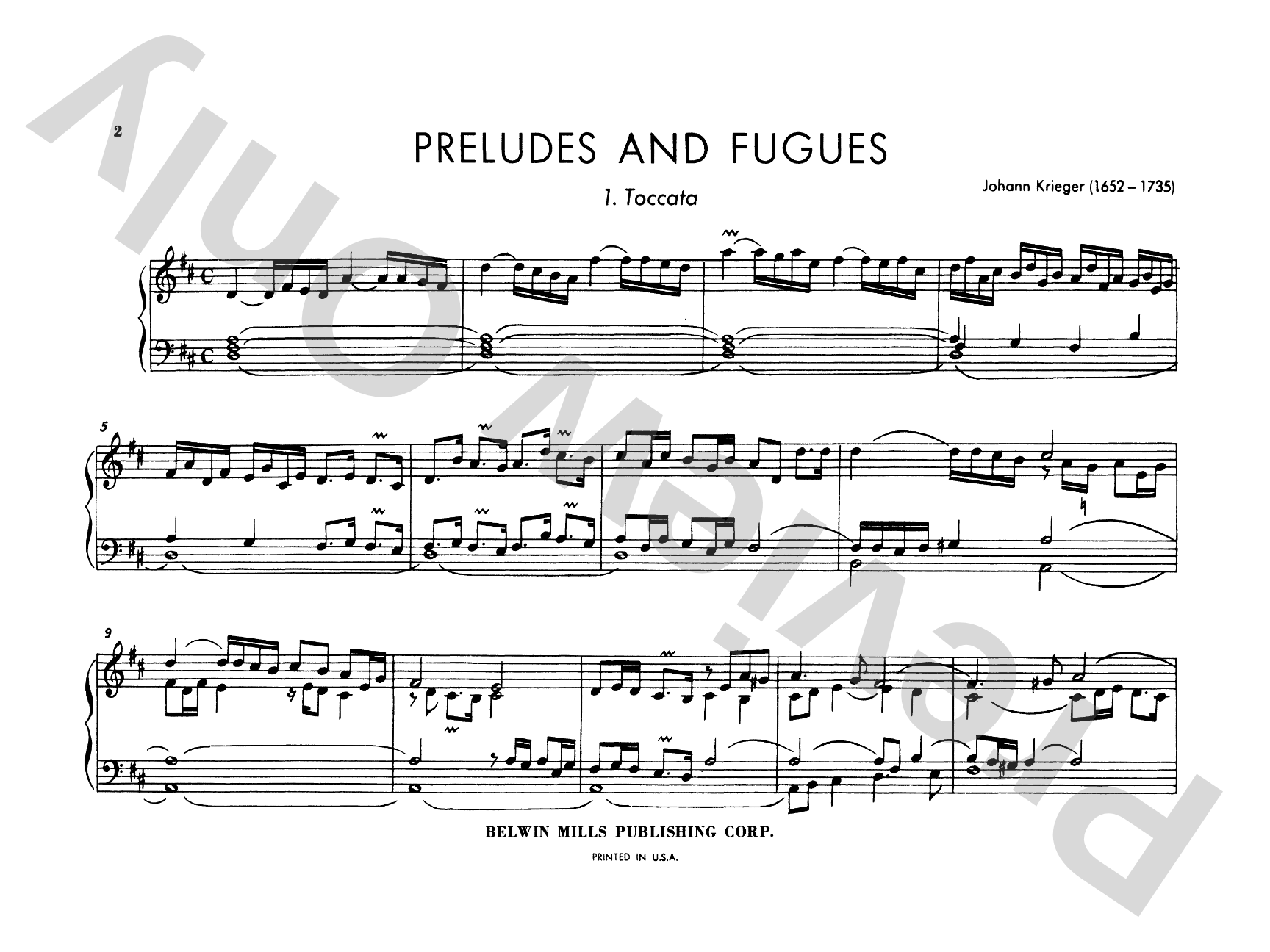
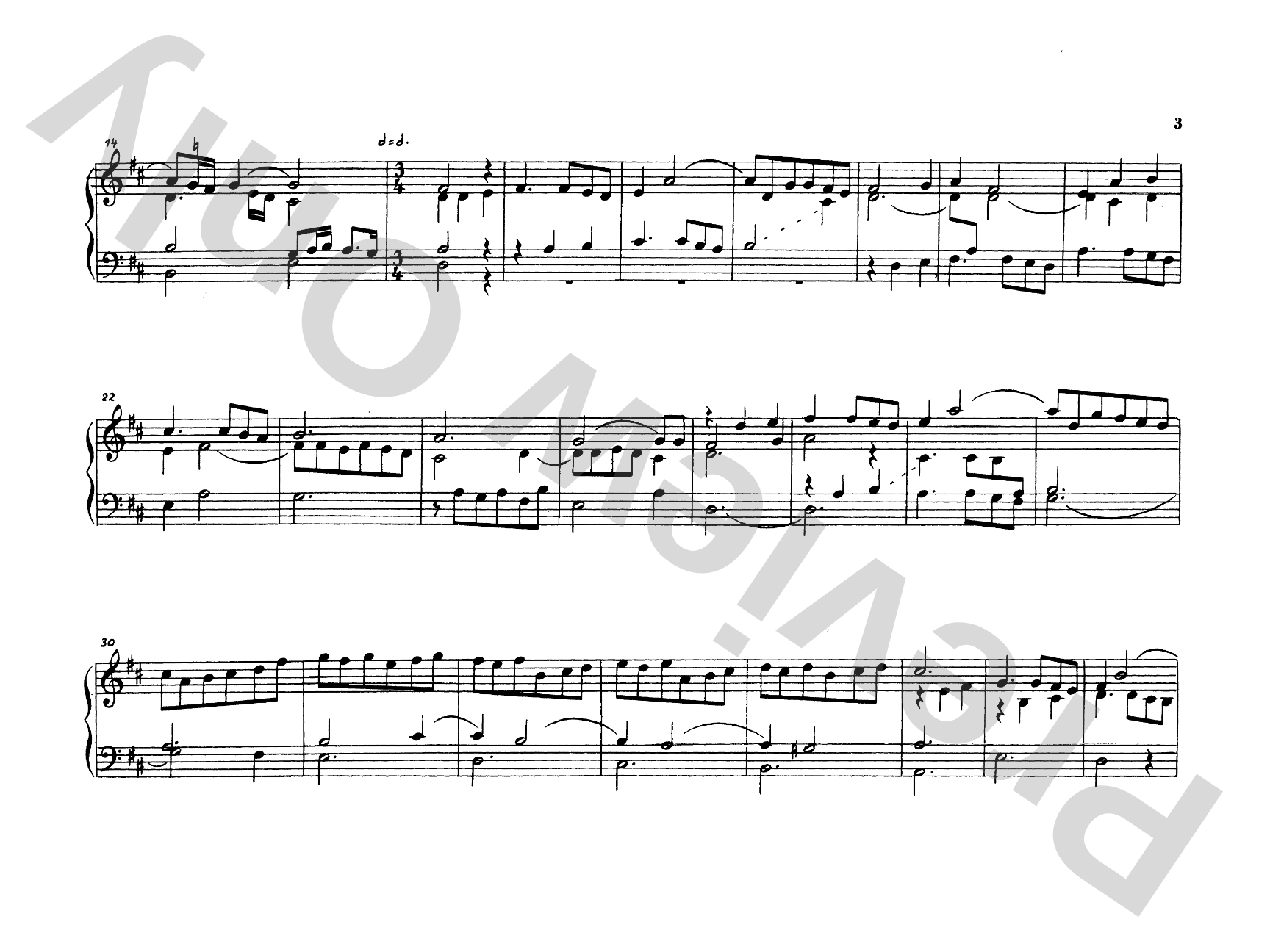
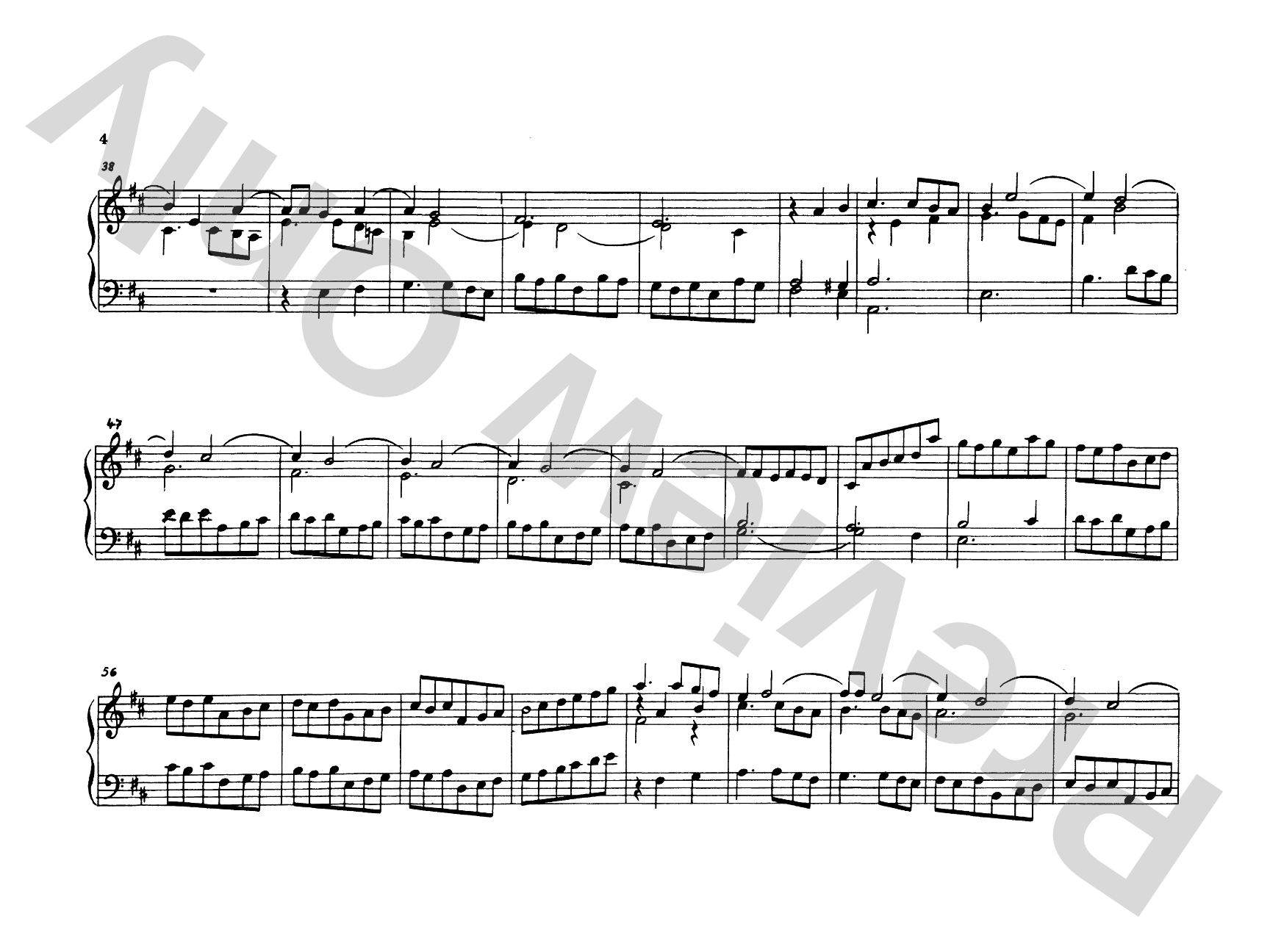
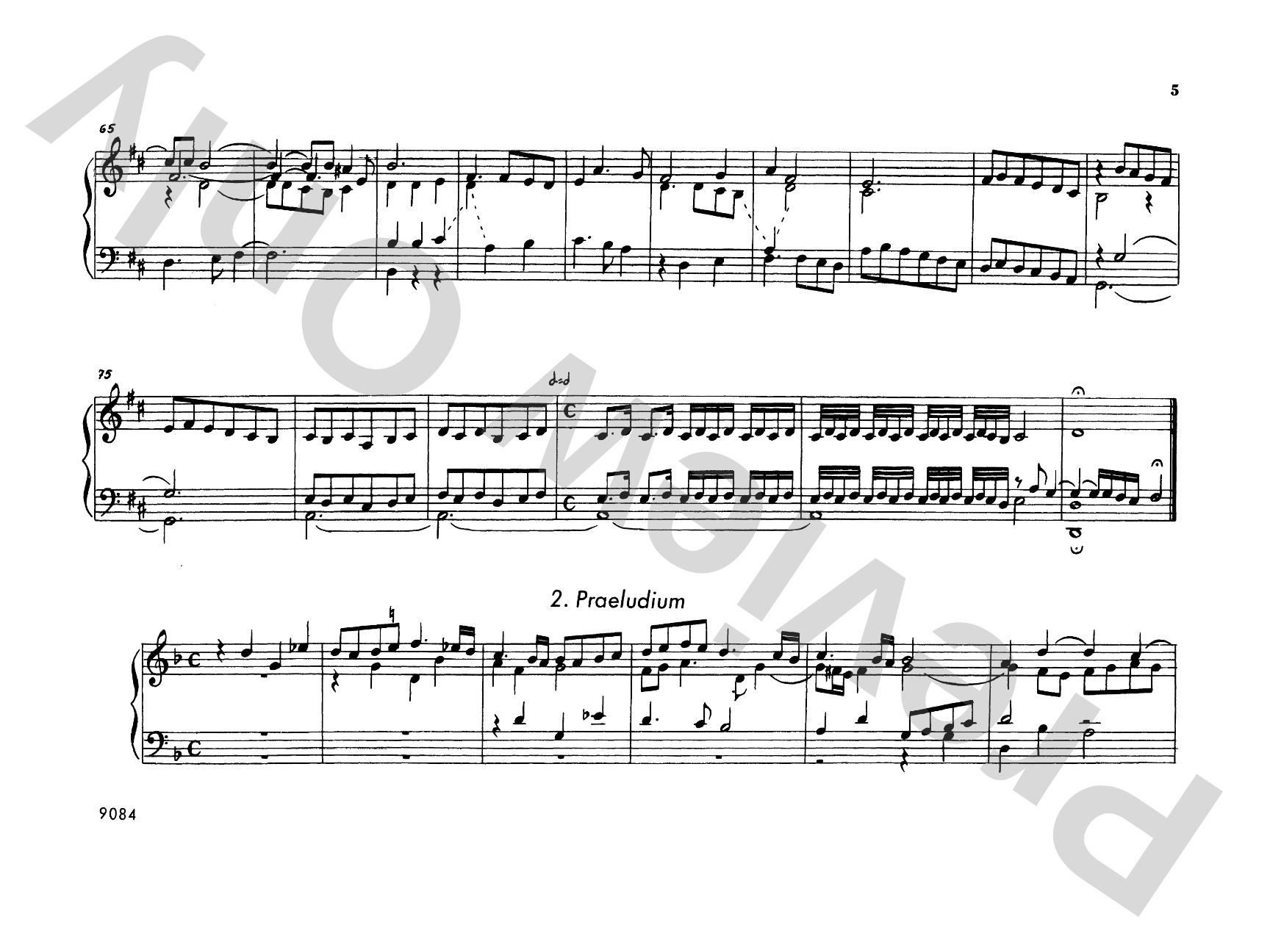

Krieger: Preludes and Fugues: Organ Comb Bound Book
By Johann Krieger
Item: 00-PK-0003674

$9.99
Pickup currently not available
Buy Extra Parts (Digital PDF Download)
| Product | Price | Quantity |
|---|---|---|
| Krieger: Preludes and Fugues | $0.99 | |
| Krieger: Preludes and Fugues | $0.99 | |
| Krieger: Preludes and Fugues | $0.99 | |
| Krieger: Preludes and Fugues | $0.99 | |
| Krieger: Preludes and Fugues | $0.99 | |
| Krieger: Preludes and Fugues | $0.99 | |
| Krieger: Preludes and Fugues | $0.99 | |
| Krieger: Preludes and Fugues | $0.99 | |
| Krieger: Preludes and Fugues | $0.99 | |
| Krieger: Preludes and Fugues | $0.99 |
Parts Added to Cart!
Description
The comb binding creates a lay-flat book that is perfect for study and performance.


Don't just read it, hear it, play along with it, and watch your students grow with it. In MakeMusic Cloud, Krieger: Preludes and Fugues: Organ Comb Bound Book comes alive with professional accompaniment, adjustable tempo, and built-in practice tools that turn solo practice into real progress.
Open in the Player
Jump straight in and assign it today.
Start Your Free Trial
Open this title and explore the full library in minutes.
Sample Audio
No sample audio found.
Sample Video
No sample videos found.
Additional Details
Series:
Kalmus Edition
Publisher:
Alfred Music
Page Count:
24
SKU:
00-PK-0003674
More about this title
About the Composer: Johann Krieger
Johann Krieger (1651-1735) was a prolific German Baroque composer and organist whose keyboard works represent a bridge between the North German organ school and the emerging galant style. Active primarily in Zittau, Saxony, he composed over 90 keyboard works that combine rigorous counterpoint with increasingly expressive harmonic language, earning him recognition as one of the significant organists of his generation.
Why we love this
Krieger's preludes and fugues sit at a pedagogically rich intersection: they demand genuine contrapuntal thinking without the overwhelming complexity of Bach, making them ideal for organists developing mature musical judgment. The comb binding here respects the performer's needs, staying open flat during practice and performance so you're not wrestling with page turns or binding tension.
What to expect
These pieces carry the learned gravity of Baroque counterpoint softened by moments of expressive warmth; they breathe with the formality of church music but reveal personal musical voice in their harmonic turns and emotional contours. There is intelligence and craft throughout, but also genuine melody and sentiment beneath the intellectual rigor.
Who it's for
Organists working toward intermediate-to-advanced repertoire who need strong models in prelude and fugue form beyond the Bach canon. This collection serves teachers introducing students to the broader Baroque organ tradition and performers programming concert recitals that trace the development of the form.
How to get the most out of it
- Establish the harmonic architecture of each fugue subject before adding voices; identify the answer's relationship to the subject and track how Krieger manipulates both throughout the development.
- Use registration to clarify the multiple voices in the fugal exposition, particularly when inner voices carry thematic material that could otherwise disappear into texture.
- Shape the prelude's figurative passages as coherent musical phrases rather than mere technical display; listen for the underlying harmonic progression guiding the passage work.
- Allow the fugue's concluding stretto to build gradually; resist the urge to rush, letting the accumulation of voices create genuine momentum rather than frantic energy.
How to use it
Program individual preludes and fugues as standalone recital works or pair them with contemporary North German composers to contextualize Krieger's place in the organ tradition. They work equally well as concert closers or opening statements, and their manageable length makes them suitable for church service voluntaries.
Skills your students will build
- Voice independence and contrapuntal clarity in multi-voice contexts
- Subject and answer relationships in fugal form
- Registration choices that enhance textural clarity
- Harmonic analysis of figured bass practice
- Baroque ornamentation and articulation conventions
- Formal design and structural pacing