

Kreutzer: Concerto No. 13 (Piano acc. Transcr. Friedrich Hermann): Violin Book
By Rudolphe Kreutzer / piano acc. transcr. Friedrich Hermann
Item: 00-PK-0002715

$8.99
Pickup currently not available
Buy Extra Parts (Digital PDF Download)
| Product | Price | Quantity |
|---|---|---|
| Kreutzer: Concerto No. 13 (Piano acc. Transcr. Friedrich Hermann) | $3.99 | |
| Kreutzer: Concerto No. 13 (Piano acc. Transcr. Friedrich Hermann) | $3.99 |
Parts Added to Cart!
Related Items
Concerto No. 13: Violin Book |
$8.95
|
View |
Description
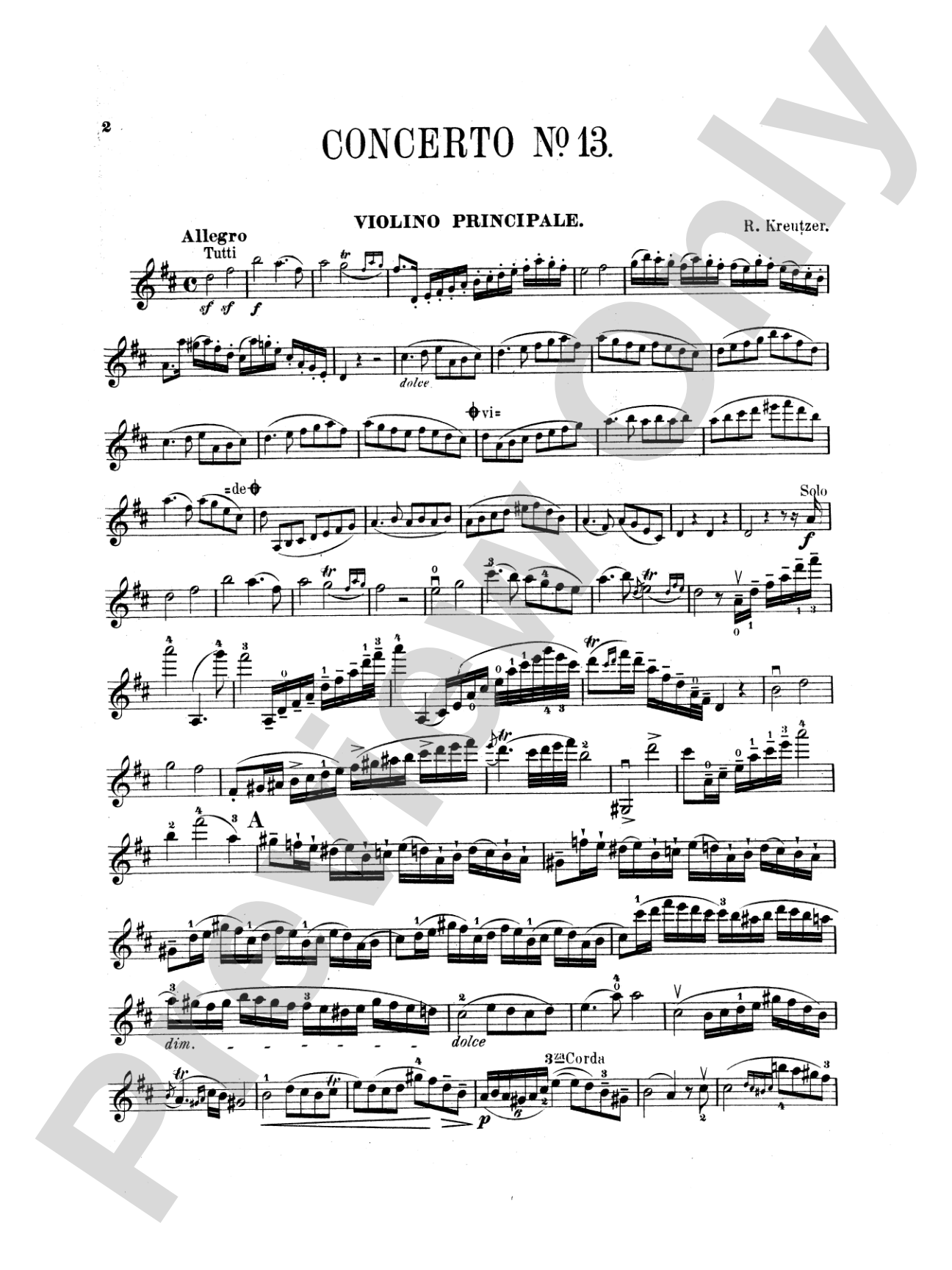
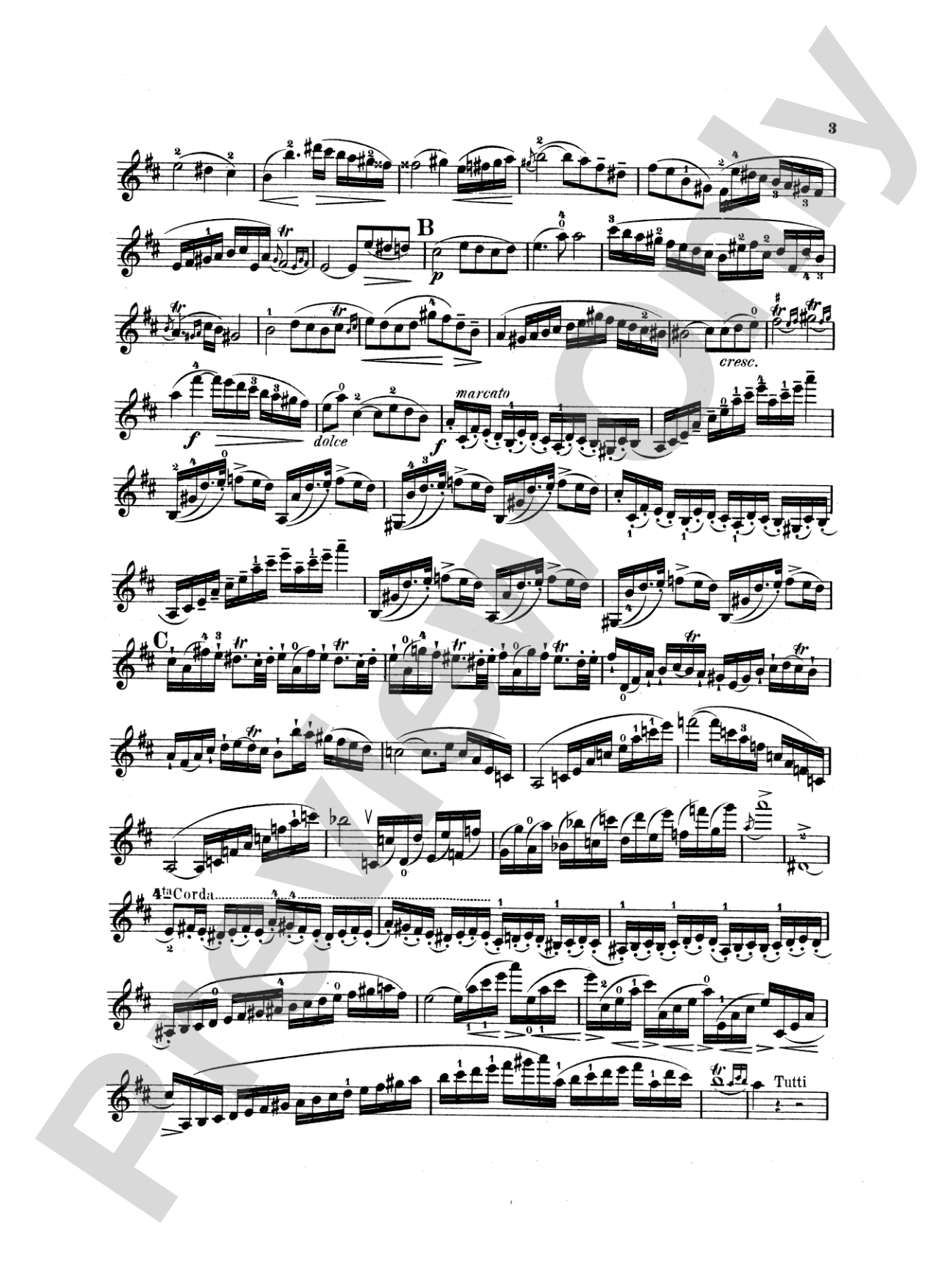
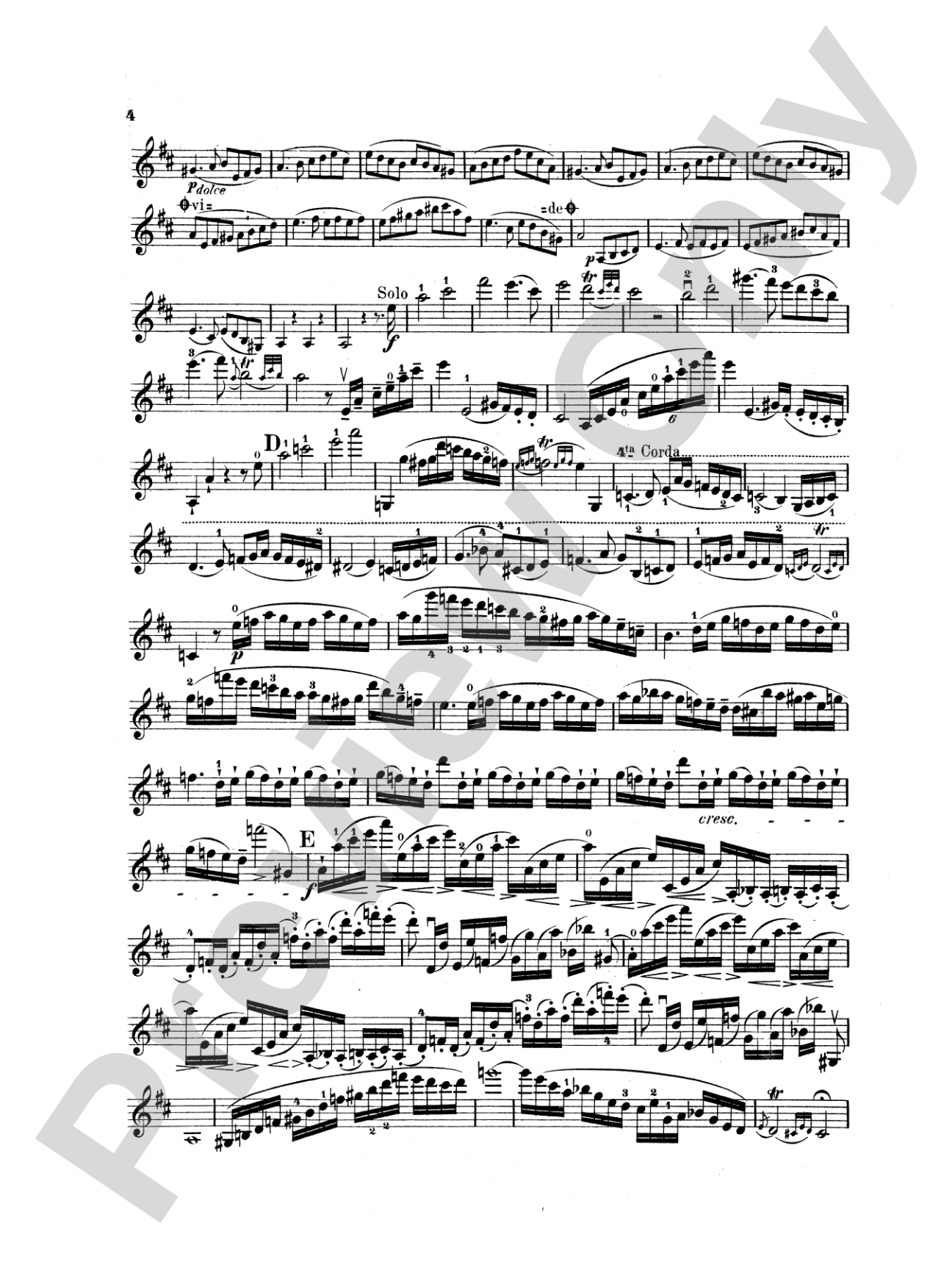
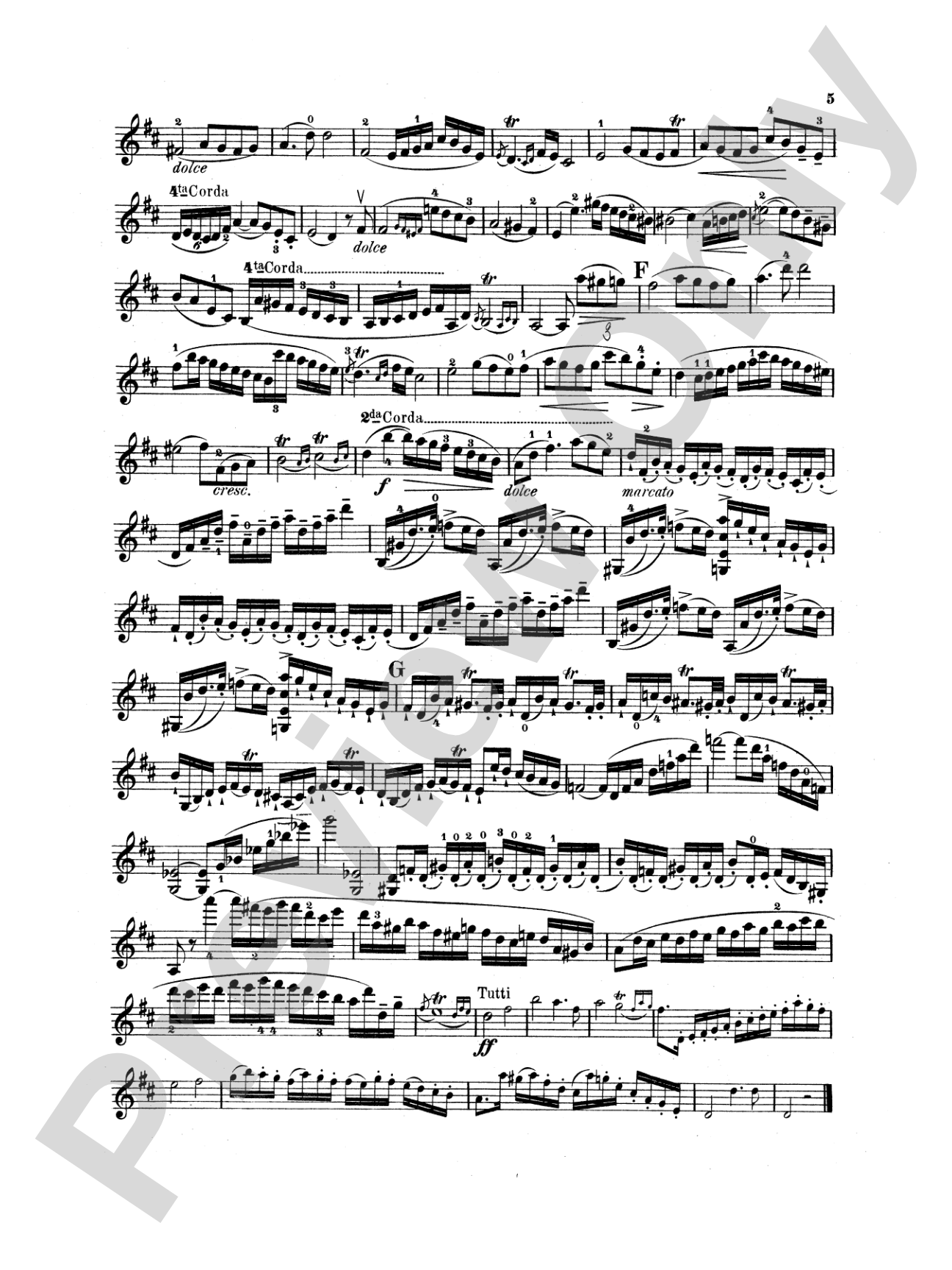
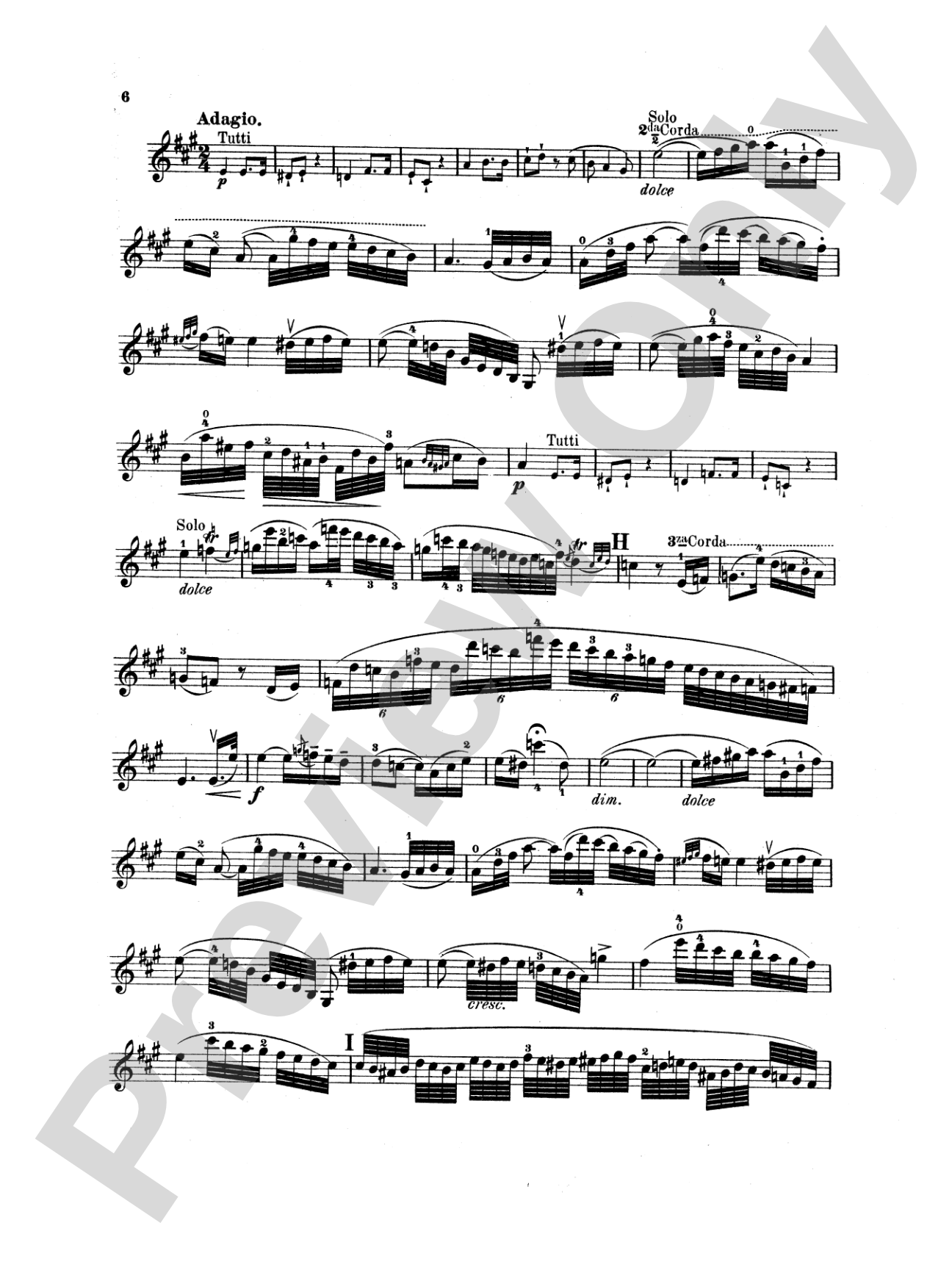
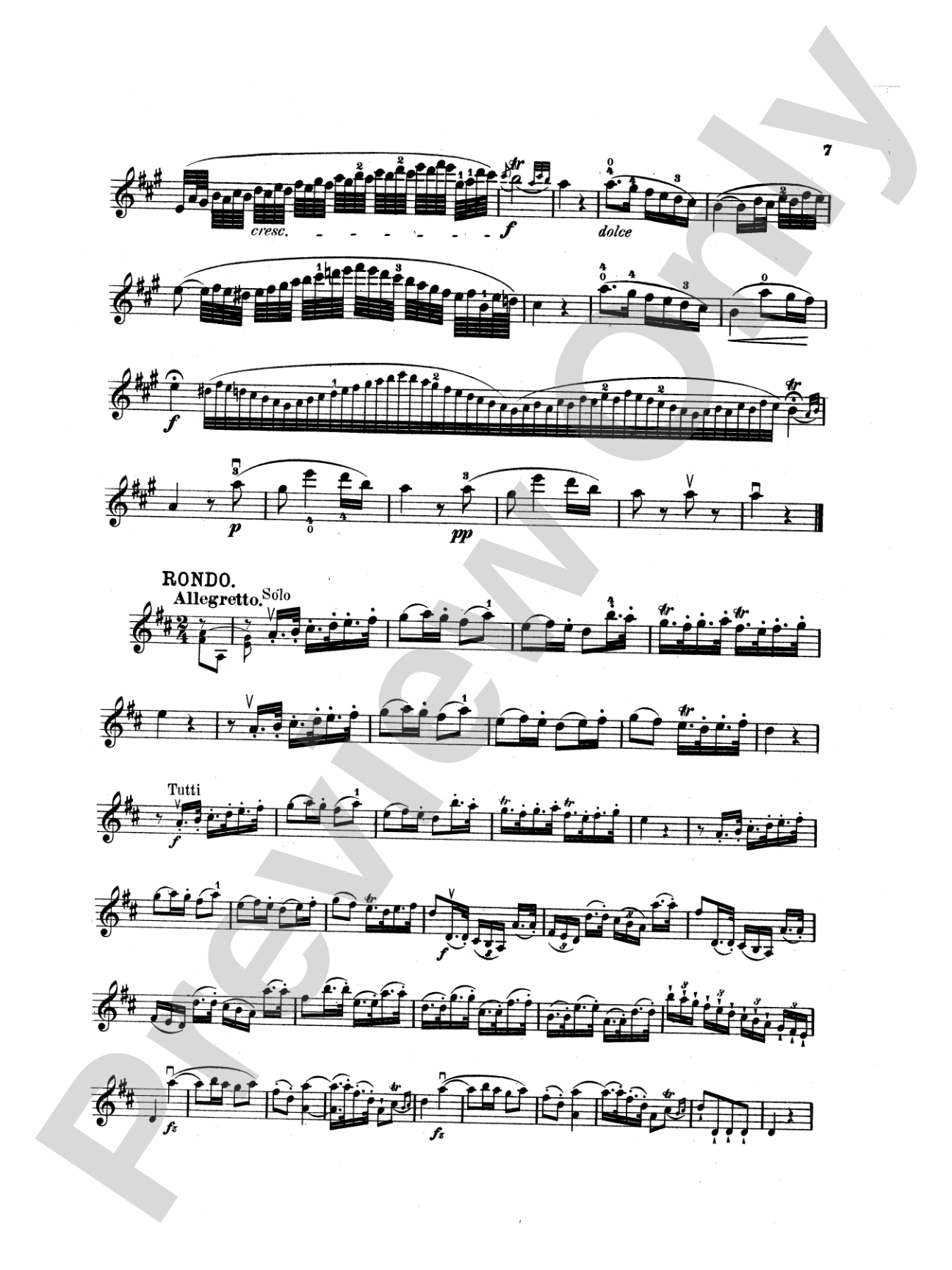
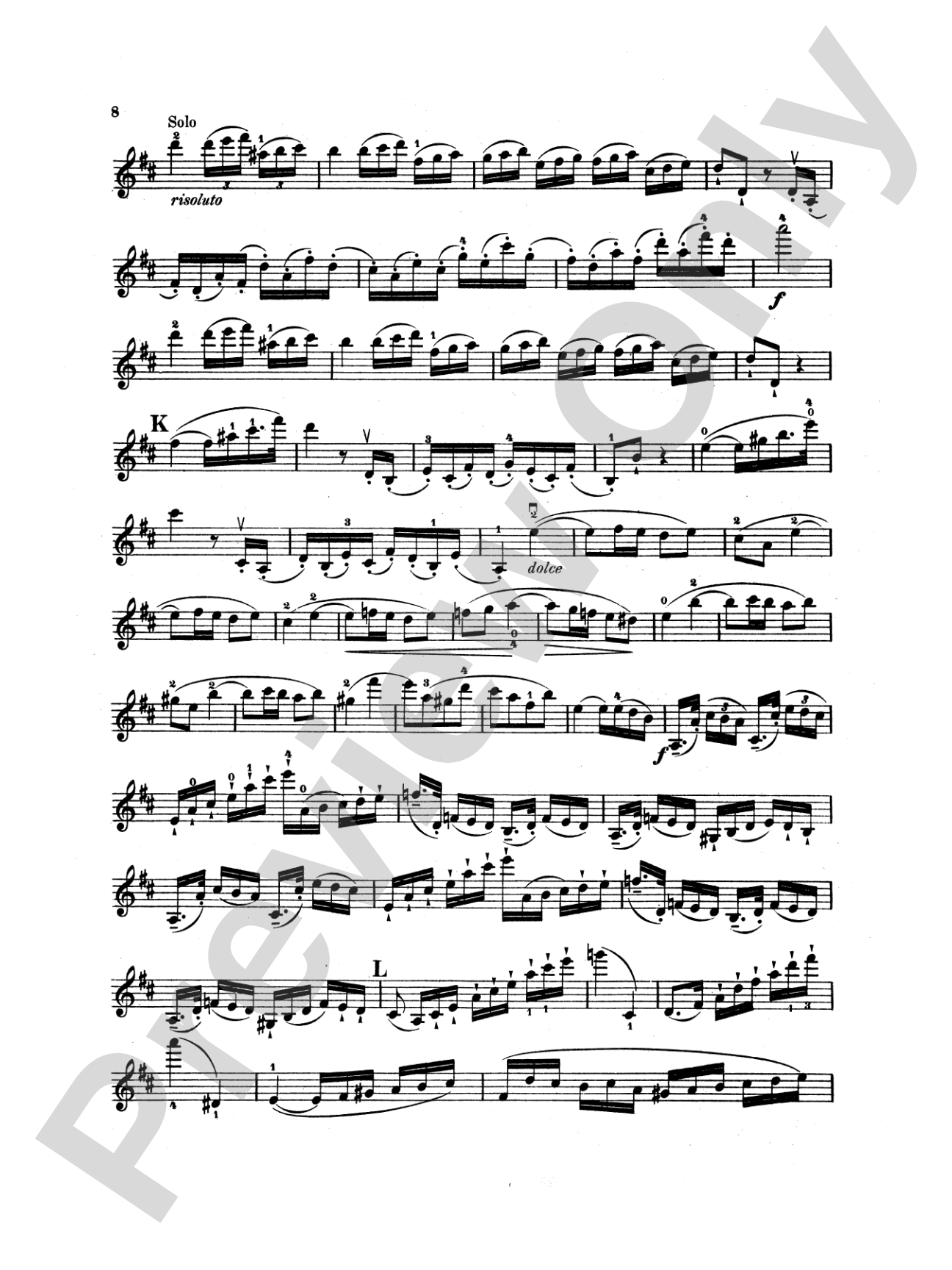
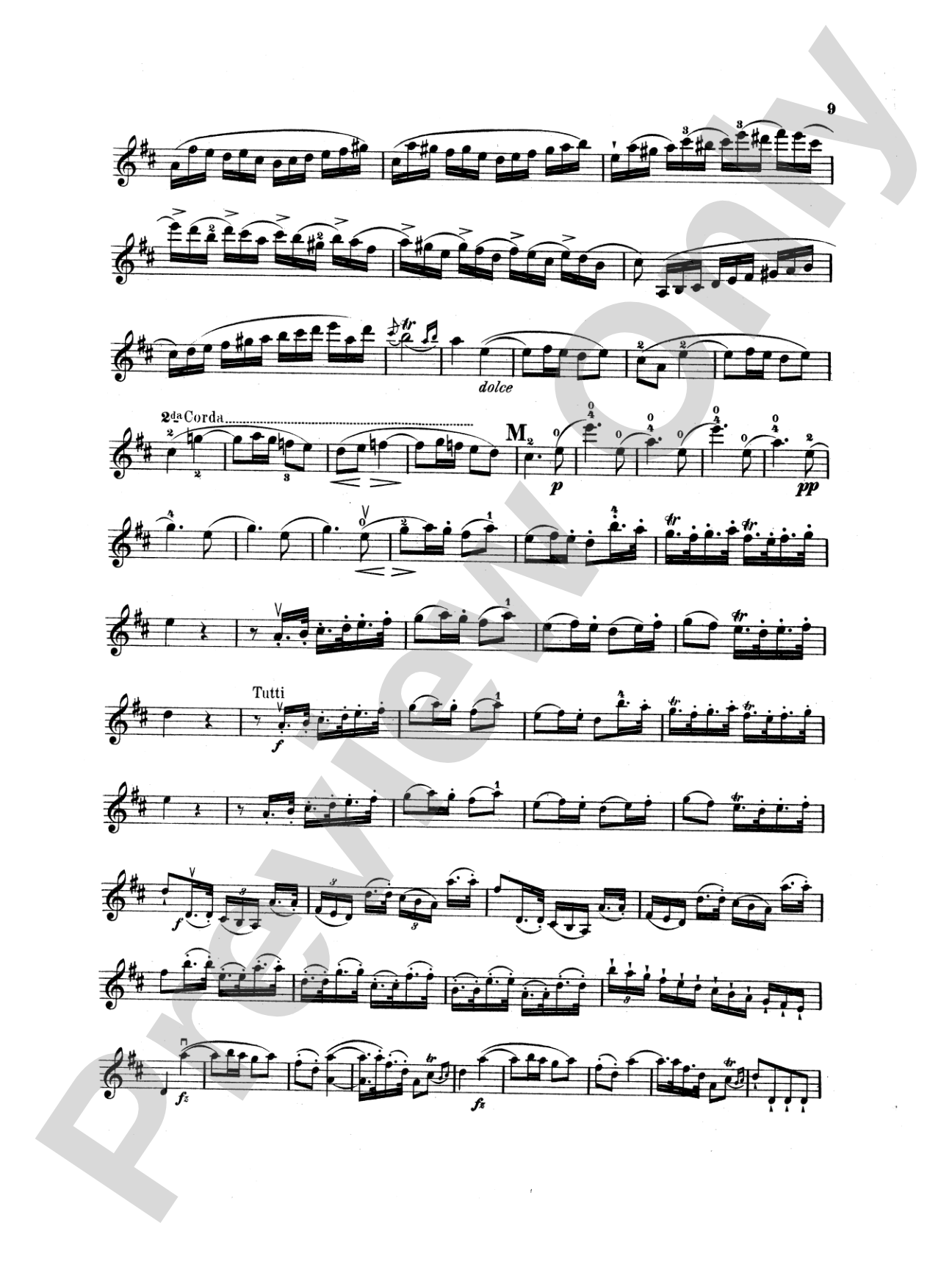
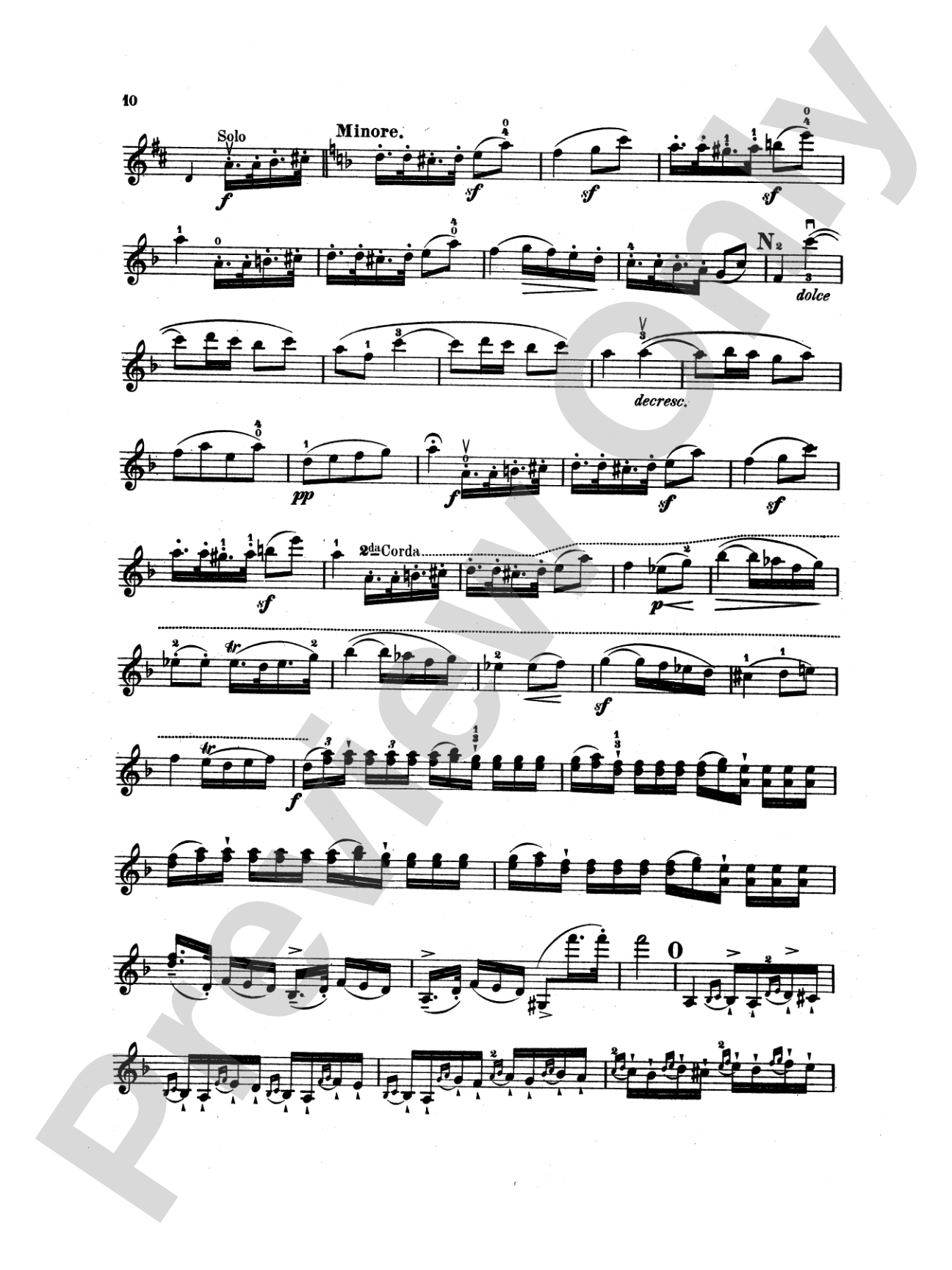
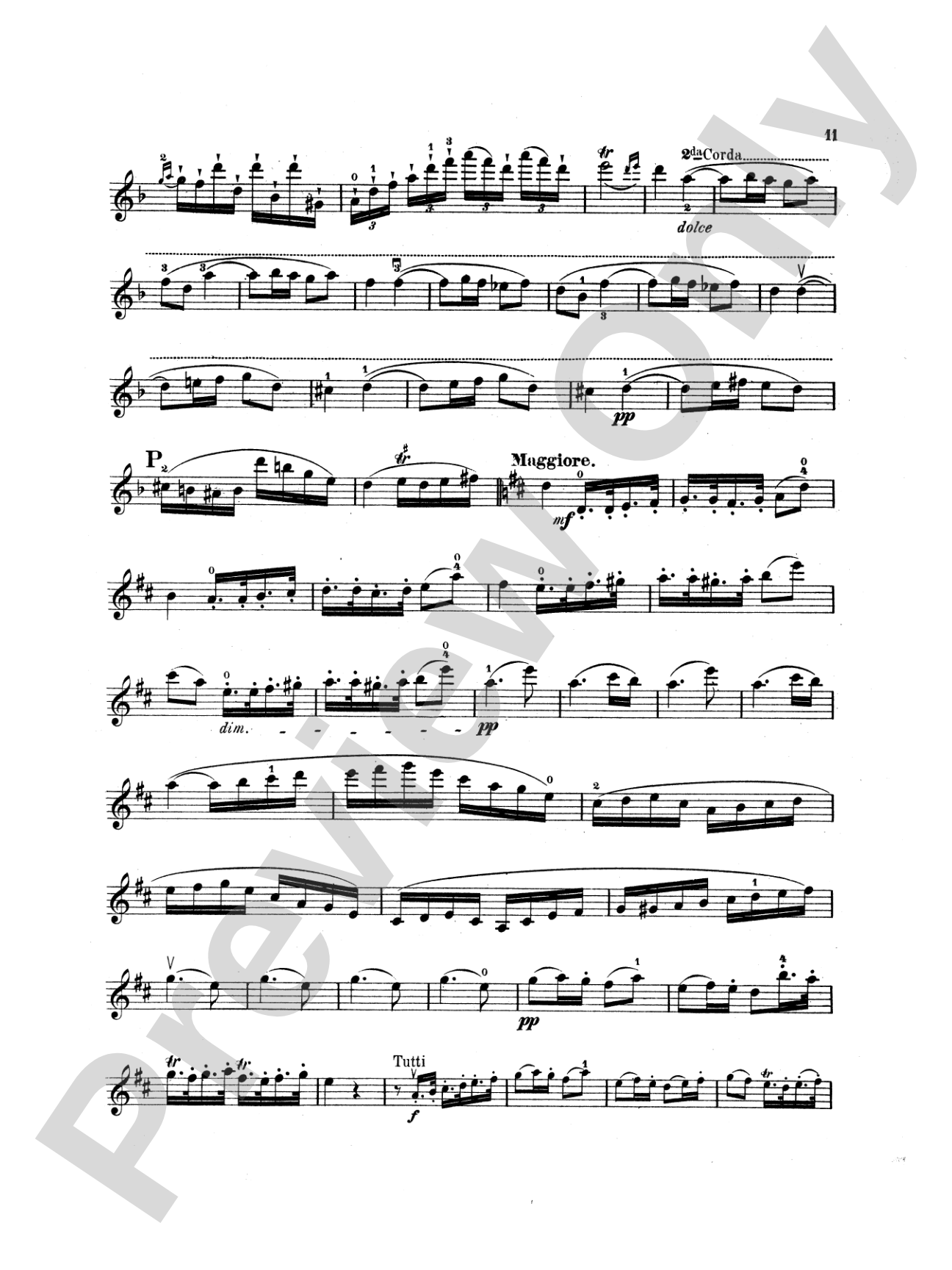
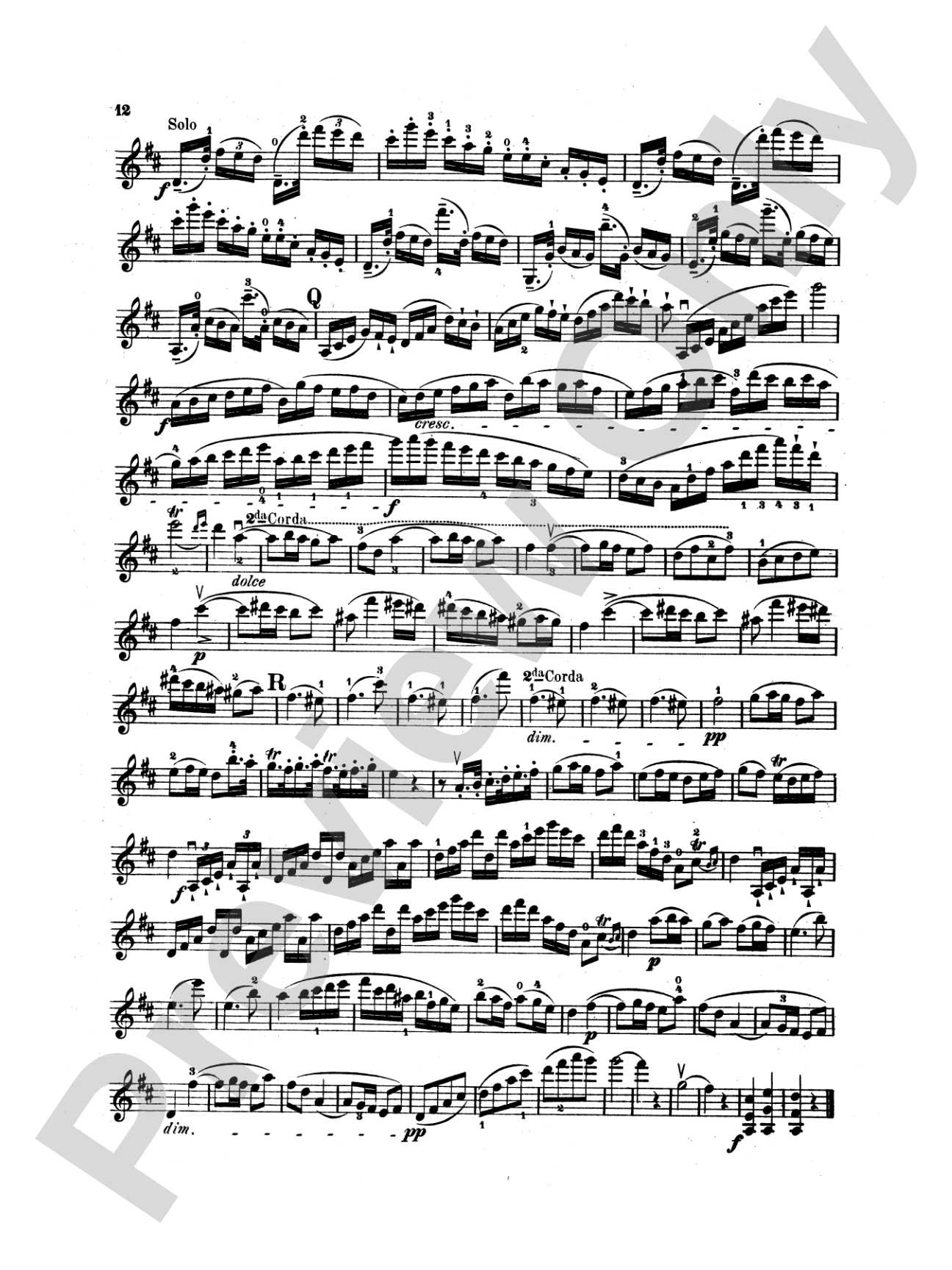
The 13th concerto of Kreutzer in a cleanly printed edition. Both violin and piano parts are included.


Don't just read it, hear it, play along with it, and watch your students grow with it. In MakeMusic Cloud, Kreutzer: Concerto No. 13 (Piano acc. Transcr. Friedrich Hermann): Violin Book comes alive with professional accompaniment, adjustable tempo, and built-in practice tools that turn solo practice into real progress.
Open in the Player
Jump straight in and assign it today.
Start Your Free Trial
Open this title and explore the full library in minutes.
Sample Audio
No sample audio found.
Sample Video
No sample videos found.
Additional Details
Series:
Kalmus Edition
Publisher:
Alfred Music
Page Count:
32
SKU:
00-PK-0002715
More about this title
About the Composer: Rudolphe Kreutzer
Rudolphe Kreutzer (1766-1831) was a virtuoso violinist and prolific composer whose 40 violin concertos became cornerstones of the Romantic repertoire. A principal violinist at the Paris Opera and later a professor at the Conservatoire de Paris, Kreutzer shaped violin pedagogy and performance standards across Europe through both his own compositions and his famous 42 Études, which remain essential for serious students.
Kreutzer's concertos bridge Classical form with Romantic expression, demanding technical brilliance alongside lyrical depth. His works established the modern violin concerto as a vehicle for both display and genuine musical substance, influencing generations of composers and performers.
Why we love this
Concerto No. 13 combines accessible Classical structure with genuinely engaging melody and harmonic color, making it ideal for advanced students preparing for competitions or festivals. The work sits comfortably in the upper-intermediate to advanced range without the extreme technical demands of Kreutzer's most famous concertos, allowing performers to focus on musical phrasing and interpretive choices. Hermann's piano transcription provides an idiomatic, supportive accompaniment that works equally well in lessons or recital settings.
What to expect
Kreutzer's Concerto No. 13 unfolds with the elegance of Classical form yet pulses with Romantic warmth. Lyrical passages invite singing, expressive playing while technical figures sparkle with clarity and purpose, creating a work that feels both intimate and virtuosic.
Who it's for
Advanced intermediate to advanced high school and college violinists preparing for auditions, competitions, or festival performances. This concerto rewards musicians ready to balance technical demands with interpretive maturity and suits both solo recital contexts and specialized programming.
How to get the most out of it
- Attend carefully to the balance between lyrical first-position playing and strategic shifts into higher positions; Kreutzer expects seamless navigation between registers without sacrificing tone quality.
- Shape long melodic lines through subtle vibrato and dynamic contours rather than relying on the piano accompaniment to carry the phrase; the violin voice must lead throughout.
- Coordinate with your pianist on the Classical-era harmonic pacing; rushing through transitional passages flattens the architecture of each movement.
- Practice the passagework in isolated sections at slow tempos to ensure technical accuracy, then gradually increase speed while maintaining evenness of tone and articulation.
How to use it
Program this as a centerpiece in a student recital or competition round where you need a substantial, recognized work that showcases both technique and musicianship. It pairs well with shorter character pieces or modern works, as its three-movement Classical structure provides structural weight without overwhelming a concert program.
Skills your students will build
- Navigating extended range from first position through higher positions with clean intonation
- Sustaining lyrical lines through long phrases with dynamic shaping and vibrato control
- Executing Classical-era passagework with evenness and appropriate ornamentation
- Coordinating with piano accompaniment across tempo and harmonic transitions
- Balancing virtuosic displays with musical intent across a full three-movement form