
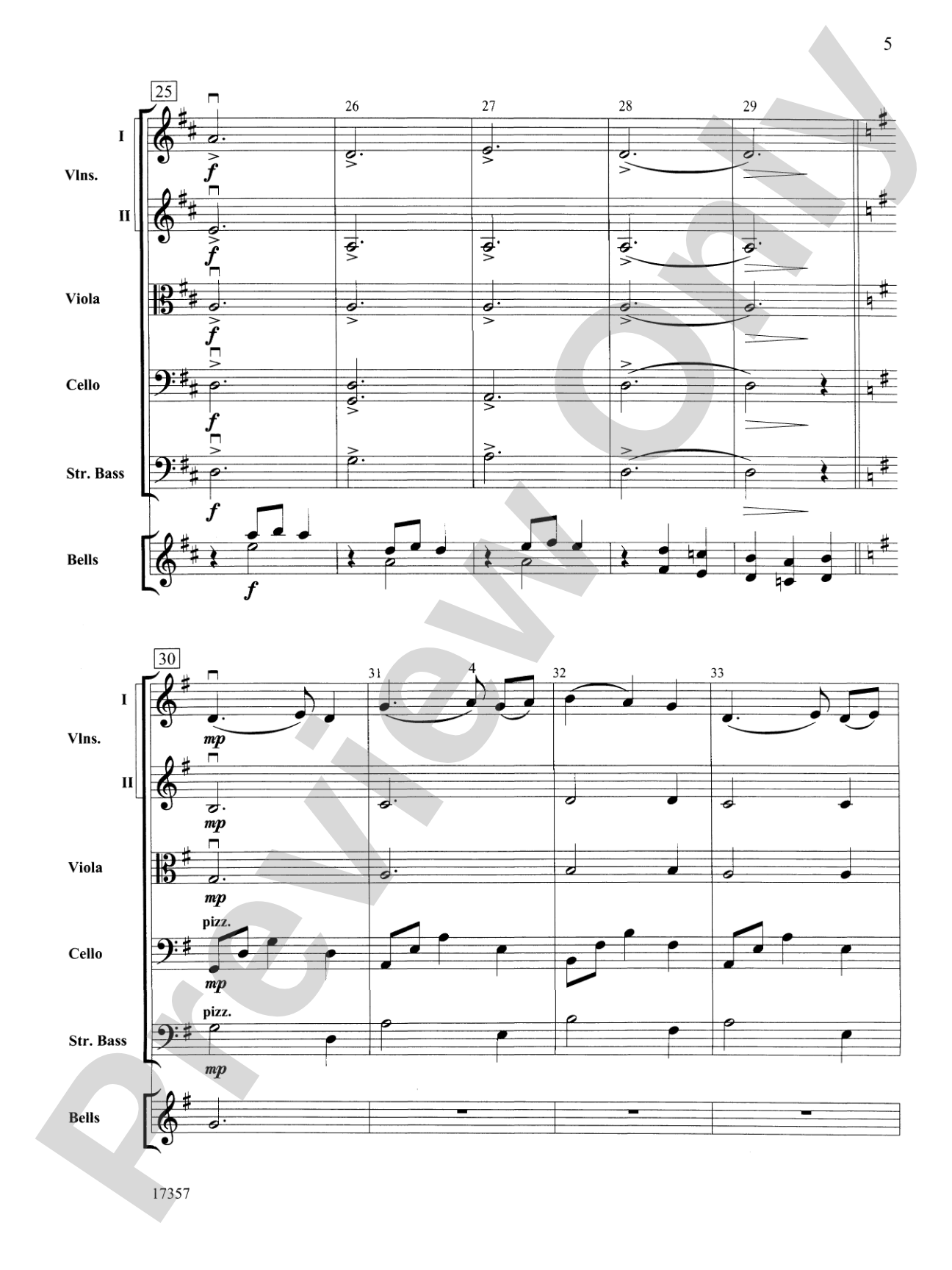
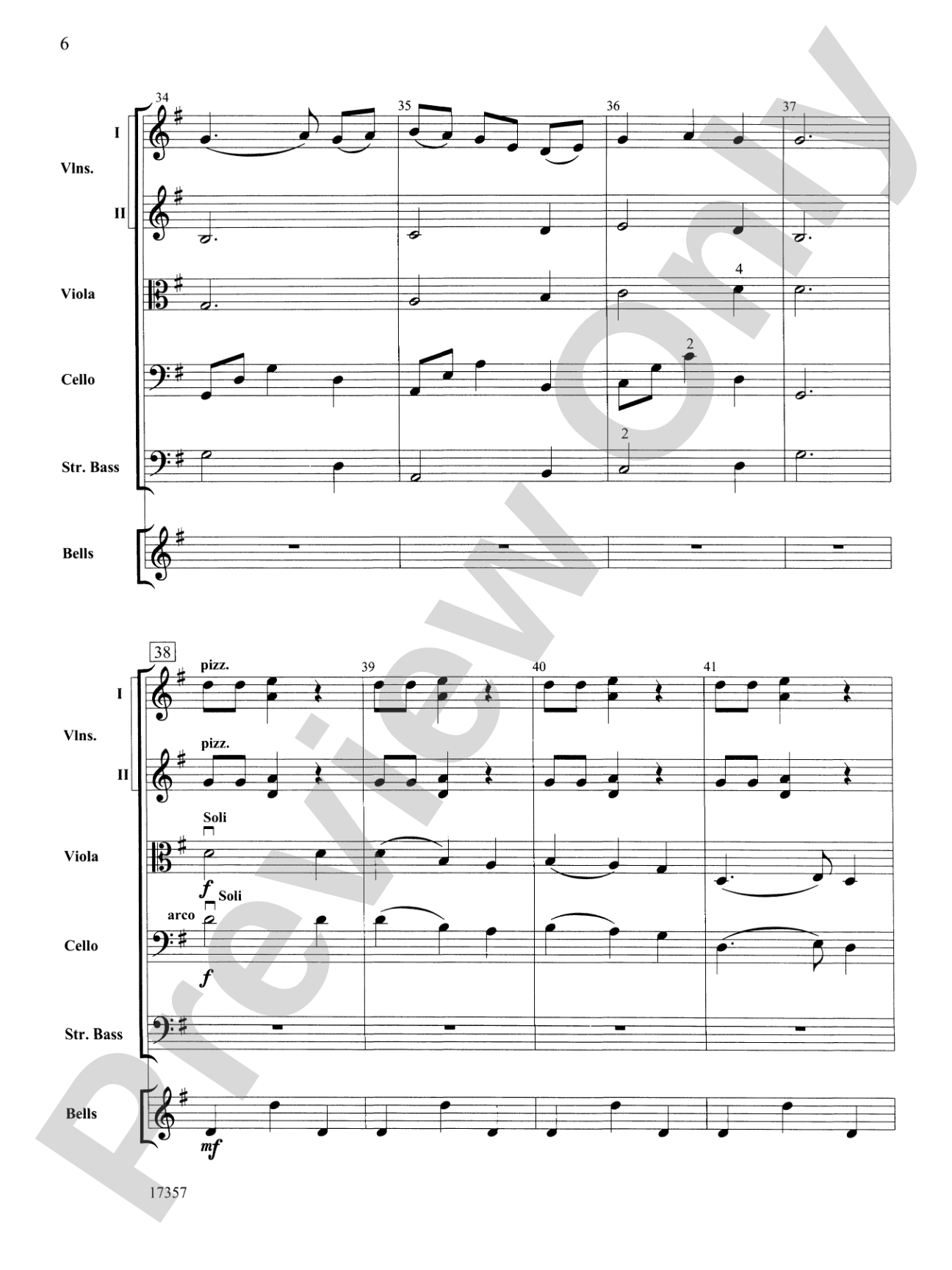
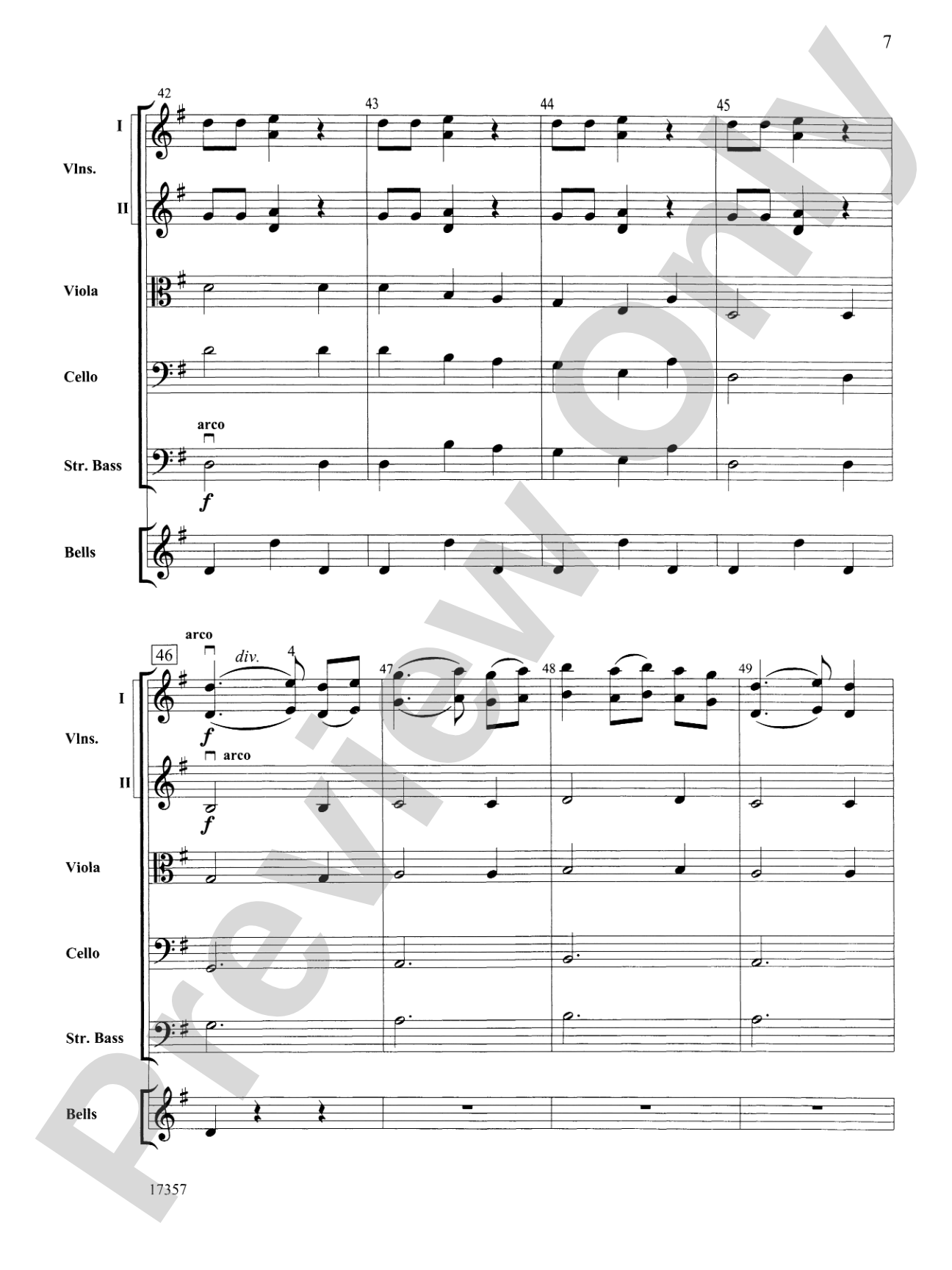
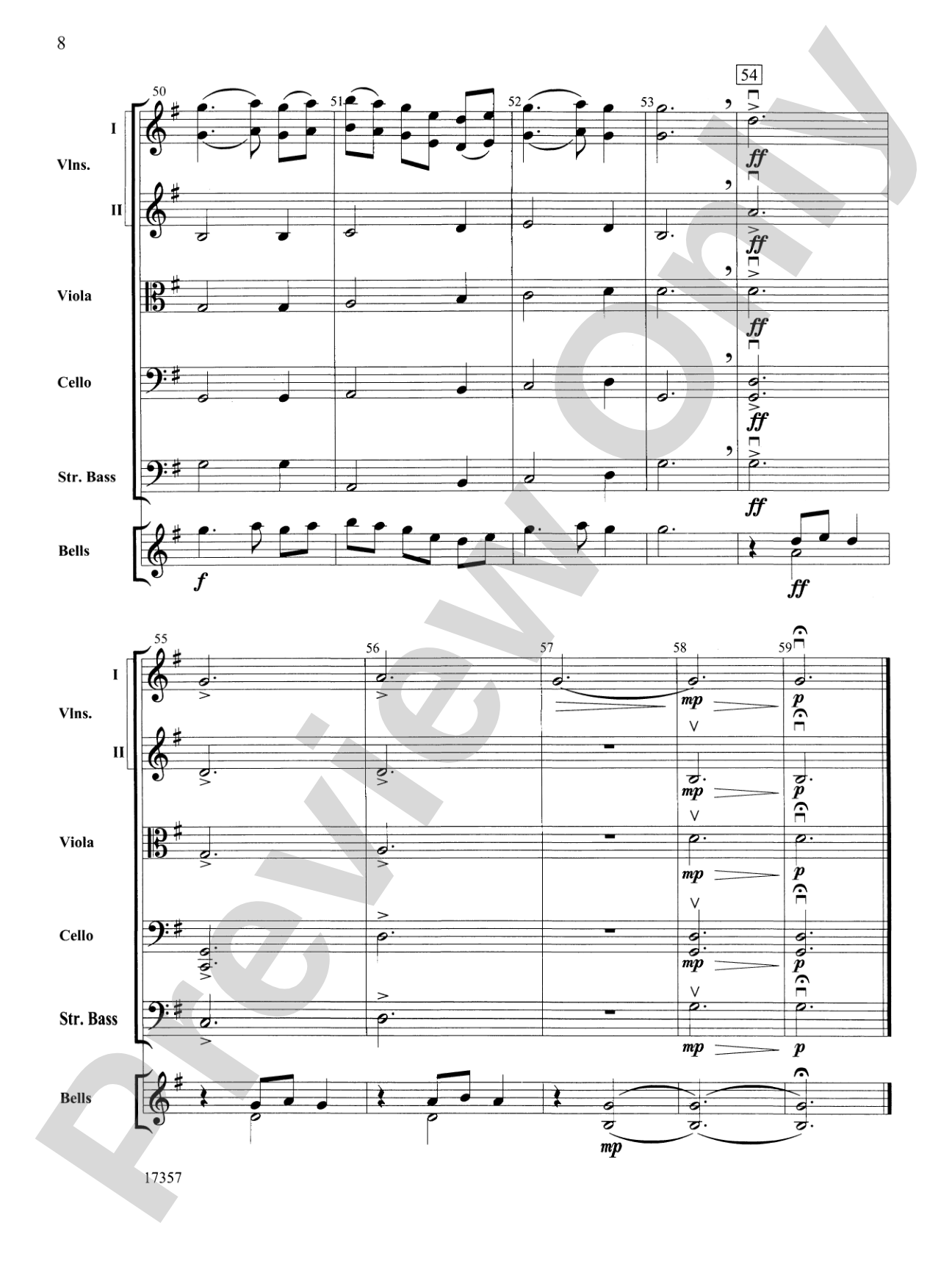

Korean Folk Tune: String Orchestra Conductor Score & Parts
Arr. Richard Meyer
Grade: 2
Item: 00-PK-0000239

$48.00
Pickup currently not available
Buy Extra Parts (Digital PDF Download)
| Product | Price | Quantity |
|---|---|---|
| Korean Folk Tune: Score | $9.00 | |
| Korean Folk Tune: 1st Violin | $5.99 | |
| Korean Folk Tune: 2nd Violin | $5.99 | |
| Korean Folk Tune: Viola | $5.99 | |
| Korean Folk Tune: Cello | $5.99 | |
| Korean Folk Tune: String Bass | $5.99 | |
| Korean Folk Tune: Bells | $5.99 |
Parts Added to Cart!
Description
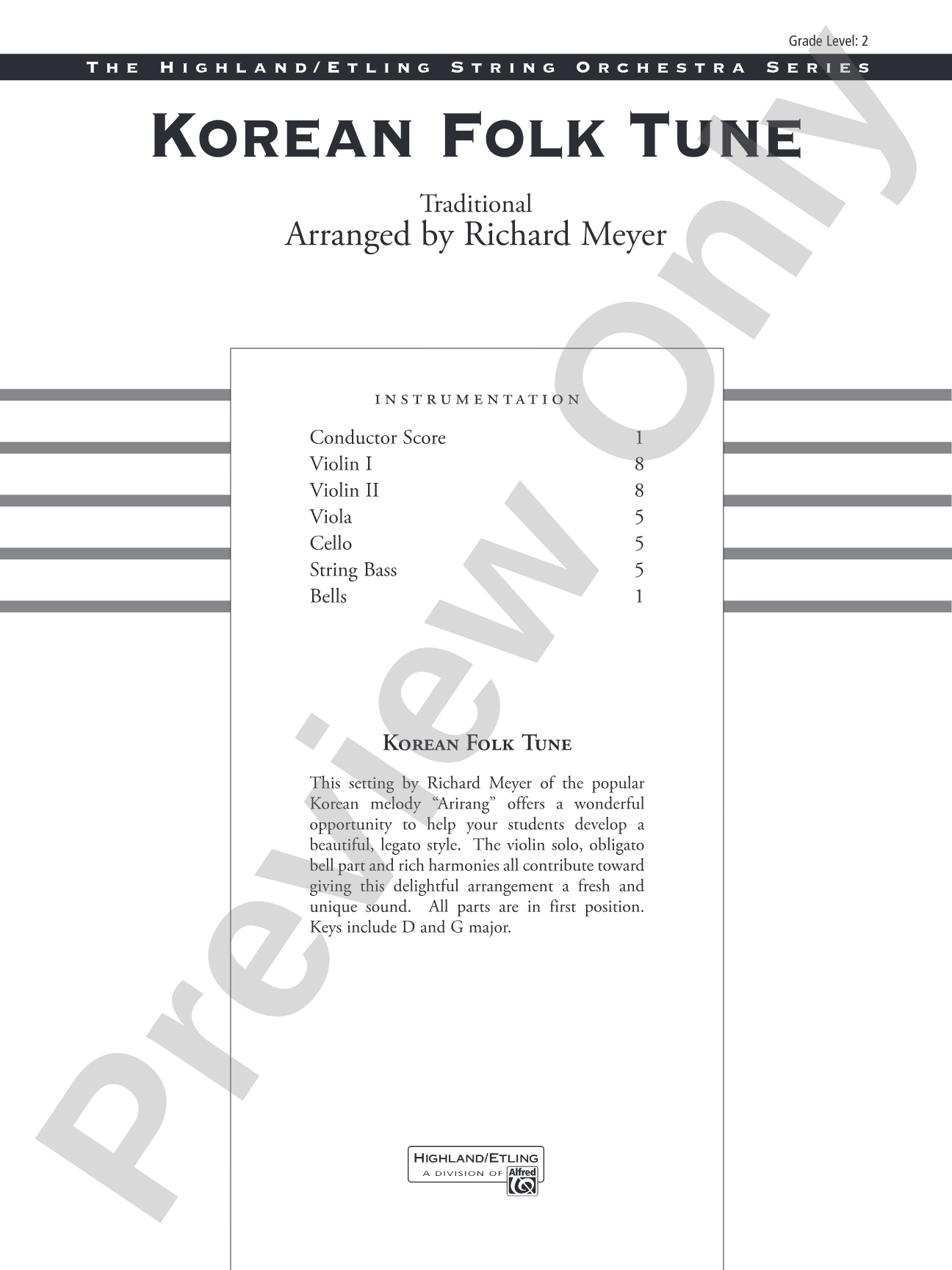
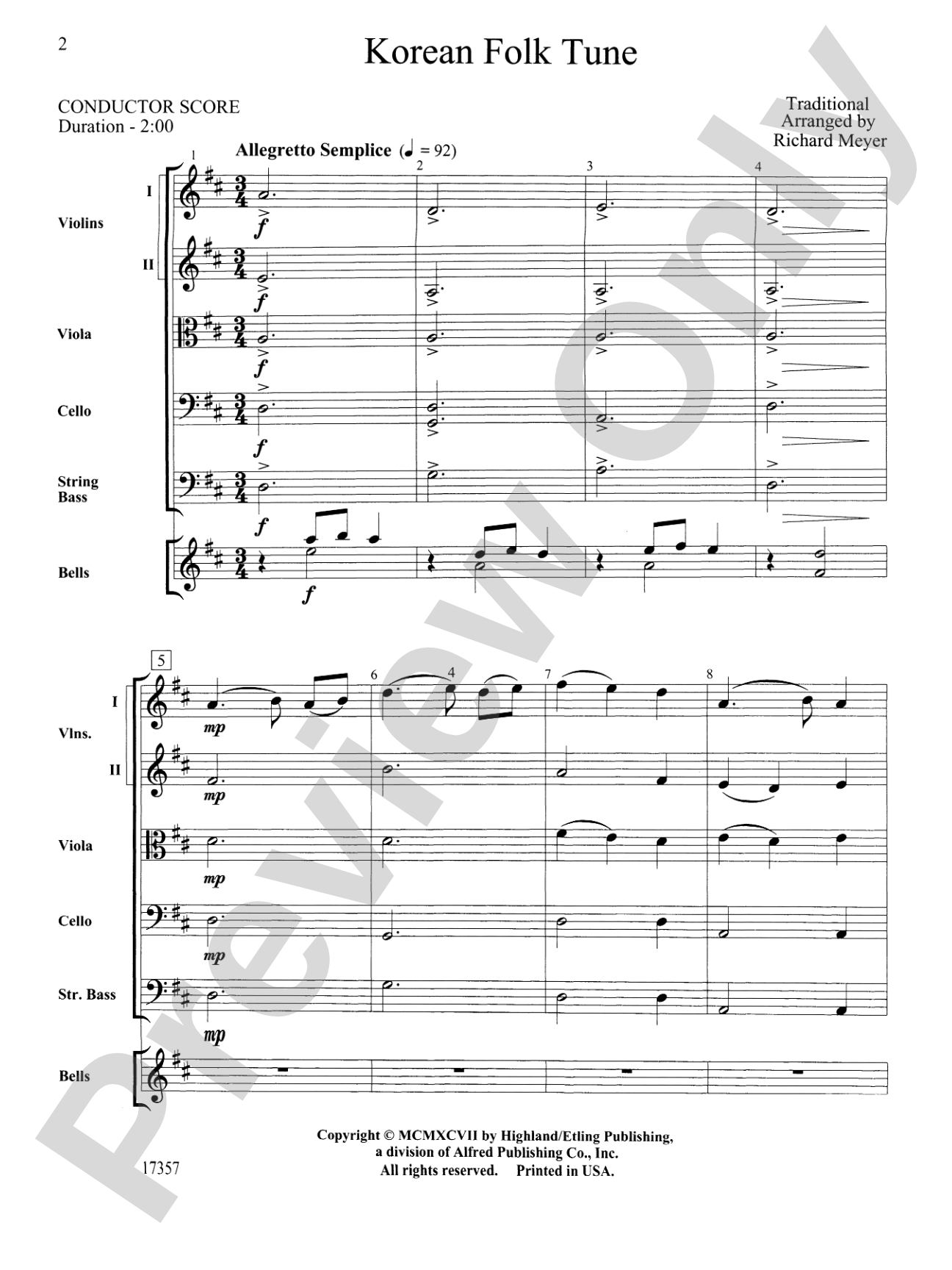
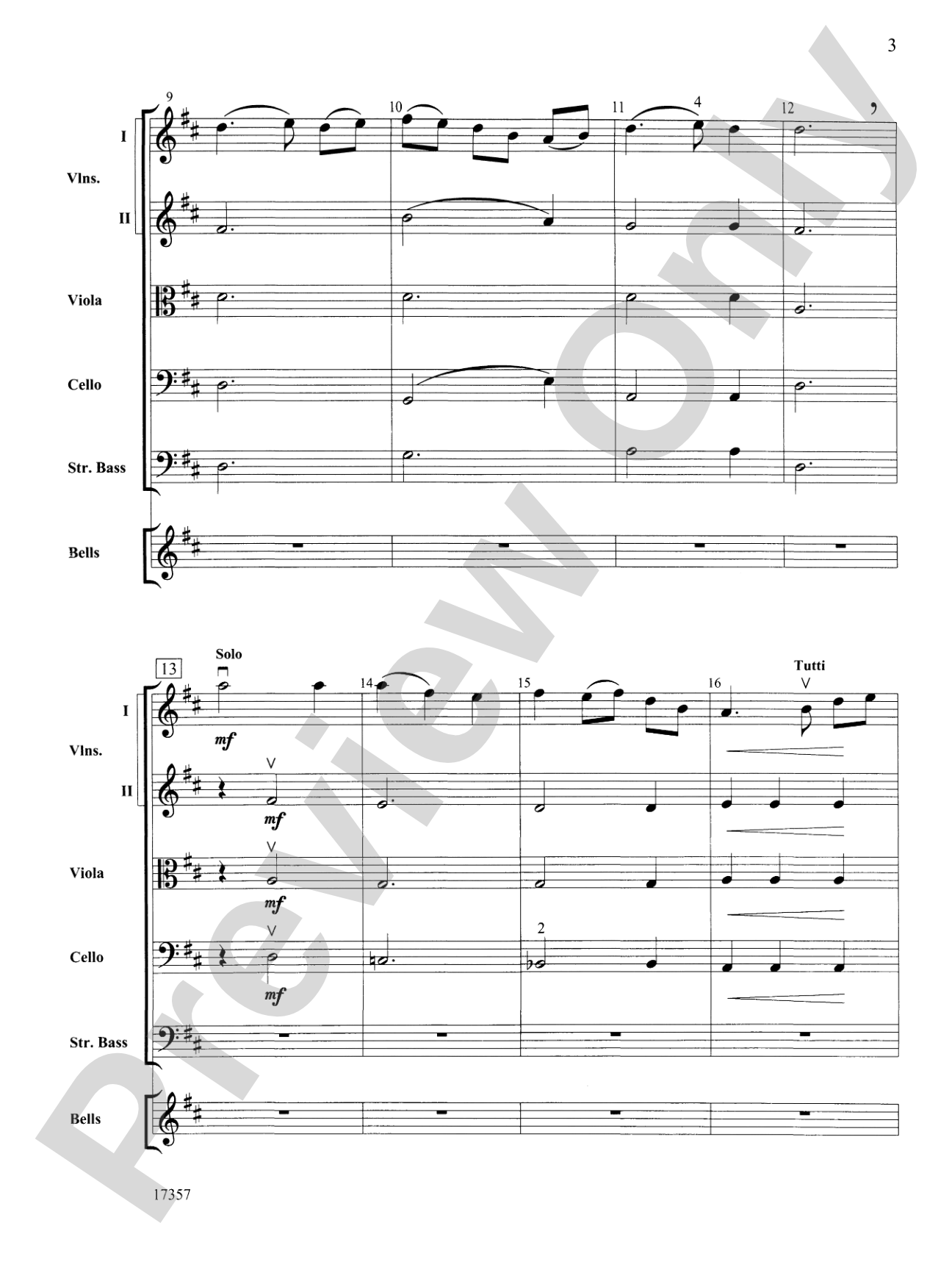
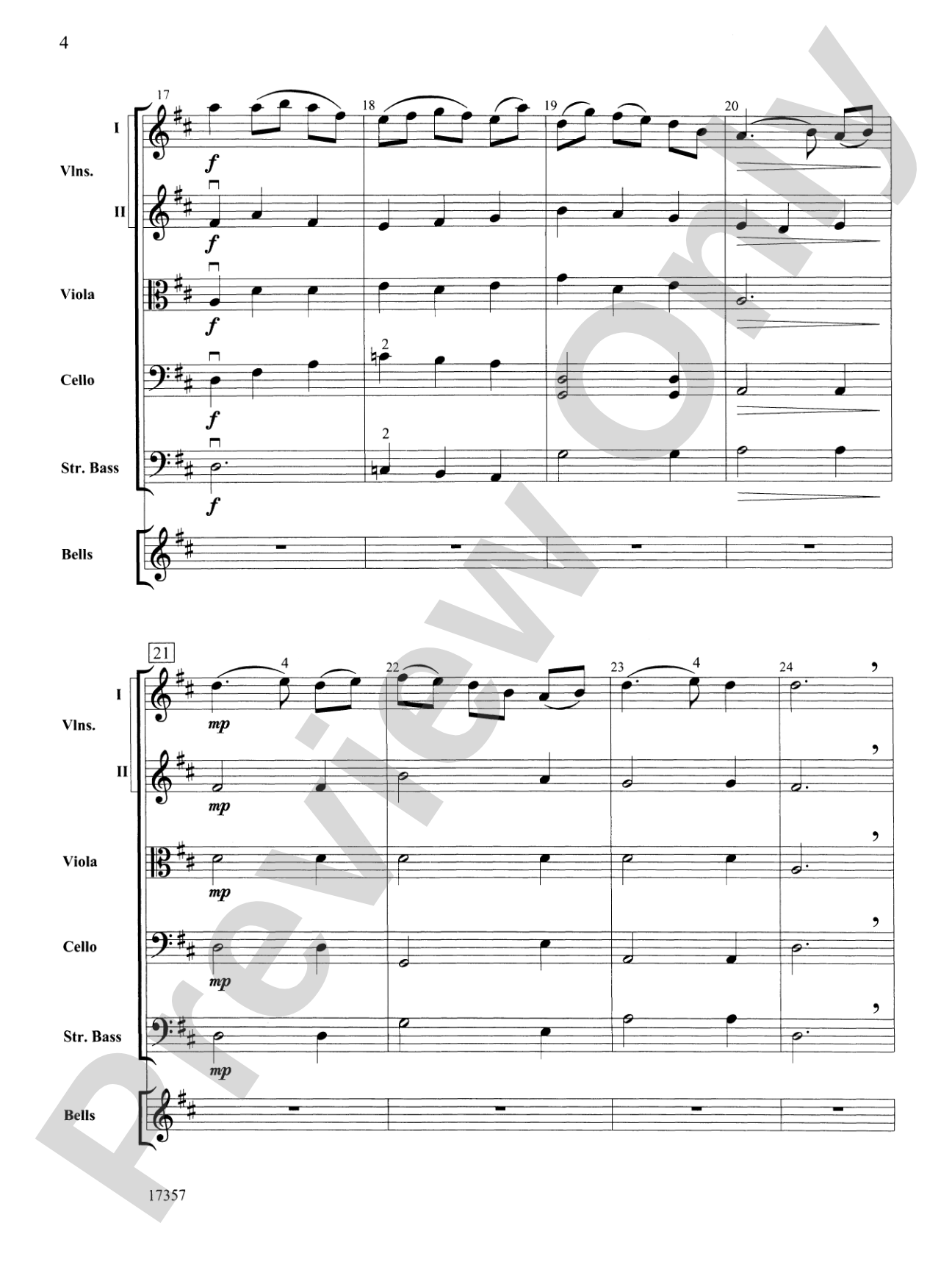
The Korean folk song "Ahrirang" is presented in this exquisite arrangement for strings and orchestra bells by Richard Meyer. The bell part may also be performed by handbell choir, if desired. An excellent multicultural selection for young strings. This title is available in MakeMusic Cloud.


Don't just read it, hear it, play along with it, and watch your students grow with it. In MakeMusic Cloud, Korean Folk Tune: String Orchestra Conductor Score & Parts comes alive with professional accompaniment, adjustable tempo, and built-in practice tools that turn solo practice into real progress.
Open in the Player
Jump straight in and assign it today.
Start Your Free Trial
Open this title and explore the full library in minutes.
Sample Audio
1
Audio File
--:--
0:00
0:00
Sample Video
No sample videos found.
Additional Details
Series:
Highland/Etling String Orchestra
Publisher:
Alfred Music
Page Count:
64
SKU:
00-PK-0000239
More about this title
About the Arranger: Richard Meyer

Richard Meyer spent 35 years teaching strings across elementary, middle, and high school levels in California public schools. During his 22 years directing orchestras at Oak Avenue Intermediate School in Temple City, he expanded the program from 29 students to 200 and oversaw the district's elementary string curriculum. He led the Pasadena Youth Symphony Orchestra for 16 years, taking students on performance tours to New York, Washington D.C., Vienna, Australia, and Canada.
Beyond the classroom, Meyer has established himself as a nationally recognized composer and arranger with over 190 works published. He served 16 years as string editor for Alfred Publishing Company and co-authored the String Explorer Series and Sight-read It for Strings method materials. His "Giving Bach" program, launched in 2009, uses interactive concerts to reach special needs and underserved students throughout Southern California. Meyer remains active as a guest conductor and clinician at major conferences including the A.S.T.A. National Conference and regional orchestra directors' workshops.
Why we love this
Meyer's arrangement captures the lyrical simplicity of "Arirang" while giving young string players genuine musicality to explore. The addition of orchestra bells (or handbell choir) creates textural color and gives percussionists a meaningful role in a string-focused ensemble, expanding the learning experience across the section.
What to expect
"Arirang" carries the quiet dignity of a traditional Korean song, its gentle melody evoking landscape and memory. Meyer's arrangement honors that character while remaining accessible to developing string players; the addition of bells brings a luminous quality that lifts the arrangement into something both simple and poignant.
Who it's for
Young string orchestras at the Grade 2 level seeking authentic multicultural repertoire that doesn't compromise musical substance. This arrangement works for both standard string ensembles and those with handbell or percussion programs looking to integrate additional timbres.
How to get the most out of it
- Balance the melody across the section so it sings clearly without effort; young string players often press too hard when they should let the bow do the work.
- Bring out the bell part as a distinct layer rather than doubling the strings; if using handbells, rehearse them separately first to ensure clean entrances and rhythmic precision.
- Shape the phrases with subtle dynamic shaping rather than dramatic swells; the folk tune's strength lies in its understated grace.
- Let the ensemble settle into a warm, relaxed tempo; rushing the folk melody diminishes its contemplative quality.
How to use it
Program this as a cultural bridge in a concert exploring world music, or pair it with other folk arrangements to create a thematic set. Its contest/festival designation makes it an excellent choice for festivals celebrating multicultural artistry, and at Grade 2 difficulty, it suits early-season programming when younger ensemble members are still building confidence.
Skills your students will build
- Sustaining legato phrases without tonal loss
- Responding to conductor gesture for ensemble entrances and phrase shaping
- Balancing melody and accompaniment voices across the section
- Reading and executing dynamic markings that serve the folk melody's character
- Coordinating with percussion or handbell players for ensemble cohesion