Köhler: Twenty Easy Melodic Progressive Exercises, Op. 93 (Volume II, Nos. 11-20) Sheet Music Preview

Köhler: Twenty Easy Melodic Progressive Exercises, Op. 93 (Volume II, Nos. 11-20)

By Ernesto Köehler

Item: 00-PC-0010691

Digital Download
$0.99
Description
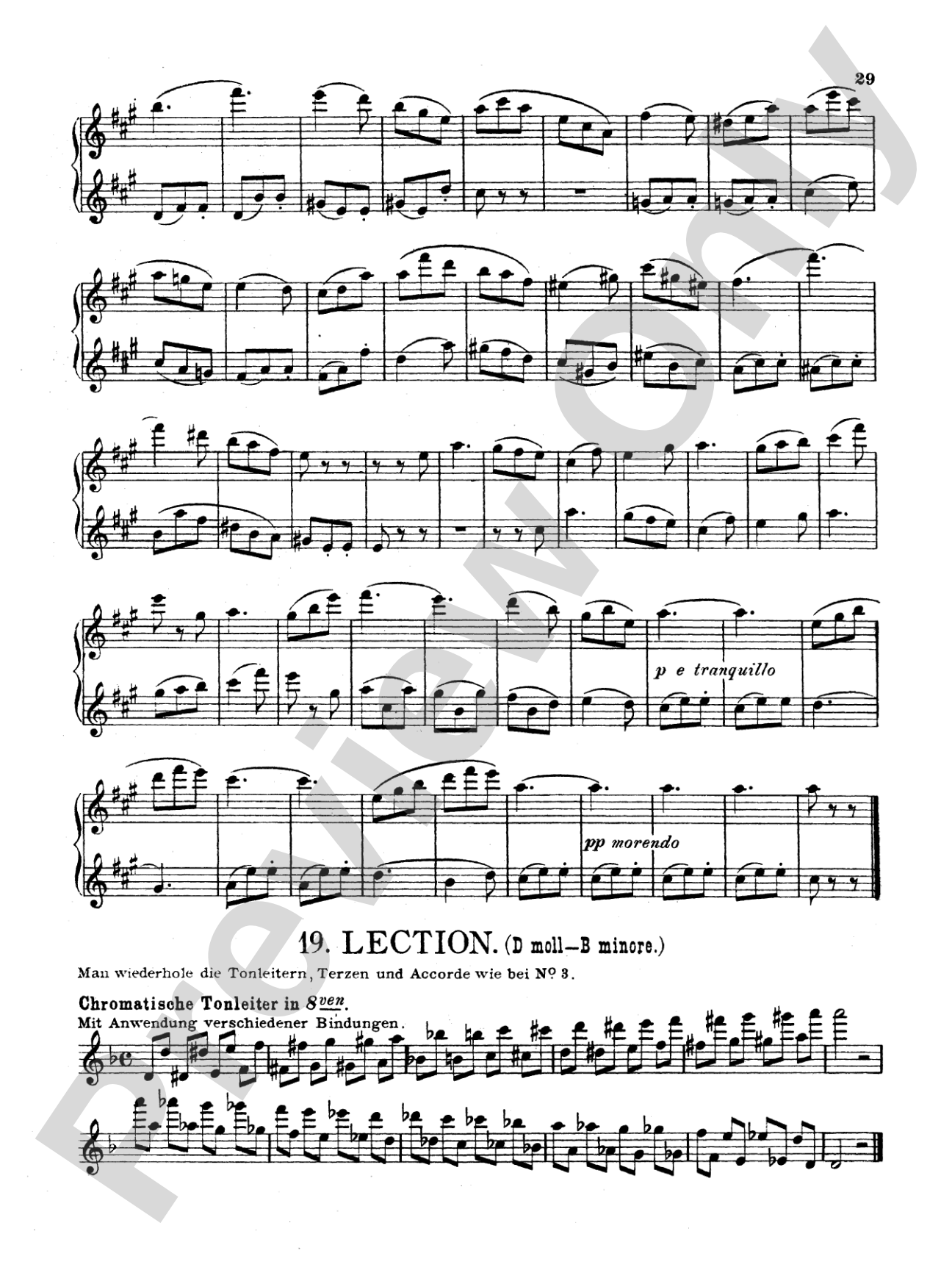
A collection of exercises for flute composed by Ernesto Koehler.

Don't just read it, hear it, play along with it, and watch your students grow with it. In MakeMusic Cloud, Köhler: Twenty Easy Melodic Progressive Exercises, Op. 93 (Volume II, Nos. 11-20) comes alive with professional accompaniment, adjustable tempo, and built-in practice tools that turn solo practice into real progress.

Sample Audio
No sample audio found.
Sample Video
Additional Details
Series: Kalmus Edition
Publisher: Alfred Music
Page Count: 36
SKU: 00-PC-0010691

More about this title

About the Composer: Ernesto Köhler

Ernesto Köhler (1849-1907) was a German flutist and composer whose pedagogical works became cornerstones of flute instruction throughout the 19th and 20th centuries. His output focused almost entirely on flute music, from orchestral parts to solo works, but he is remembered primarily for his systematic approach to technical and musical development through exercise collections.

Köhler's progressive exercises remain in active use because they treat technique as inseparable from musicality. Rather than isolating mechanical challenges, his pieces embed scale passages, arpeggios, and intervallic leaps within brief melodic contexts that reward expressive playing. This philosophy shaped flute pedagogy for generations and continues to distinguish his work from more austere technical studies.

Why we love this

These exercises strike an uncommon balance: they build real facility without feeling like drudgery. Each piece is genuinely musical, with a melody worth shaping and phrasing ideas that students naturally want to explore. For intermediate students, this collection bridges the gap between basic method books and standard recital repertoire, turning daily practice into something worth the effort.

What to expect

Köhler's writing has the character of short Romantic salon pieces translated into etudes. Each exercise breathes with gentle lyricism and lyrical momentum; there's no harshness or mechanical repetition. The range and technical demands expand gradually across the collection, creating a sense of steady growth rather than sudden difficulty jumps.

Who it's for

Intermediate flute students (typically grades 4-6) ready to move beyond beginner method books but not yet prepared for standard solos. These exercises work equally well in private lessons and group flute classes, providing material that builds independence and musicianship simultaneously.

How to get the most out of it

  • Shape each phrase with a clear destination, even within short eight or sixteen-bar spans. Köhler's melodies invite natural arching and breath planning.
  • Treat rhythmic passages as ensemble material; these exercises pair well with piano accompaniment and benefit from the discipline of precise ensemble coordination.
  • Let articulation variations serve your musical intent rather than default to uniform tonguing. Experiment with legato and staccato choices to discover how they shape the character of each exercise.
  • Practice at multiple tempos. A piece that flows naturally at quarter note equals 100 often reveals new technical challenges or musical insights when slowed to 80 or accelerated to 120.

How to use it

Assign exercises individually as weekly practice material leading toward a students' recital or end-of-term performance. Small groups can program three or four exercises back-to-back in a concert, showing technical and musical growth across a focused set. This volume (Nos. 11-20) works particularly well for students transitioning from absolute beginner to confident intermediate player.

Skills your students will build

  • Articulation control across varying note lengths and rhythmic figures
  • Melodic phrasing and breath placement within short formal structures
  • Technical fluency in passages combining scalar motion, arpeggios, and chromatic movement
  • Reading a variety of time signatures and rhythmic patterns at Romantic era tempos
  • Dynamic shaping and tone color variation to serve musical expression
  • Sustained pitch accuracy in the mid to upper-middle register

You May Also Like