Köhler: Easiest Studies, Op. 151 Sheet Music Preview

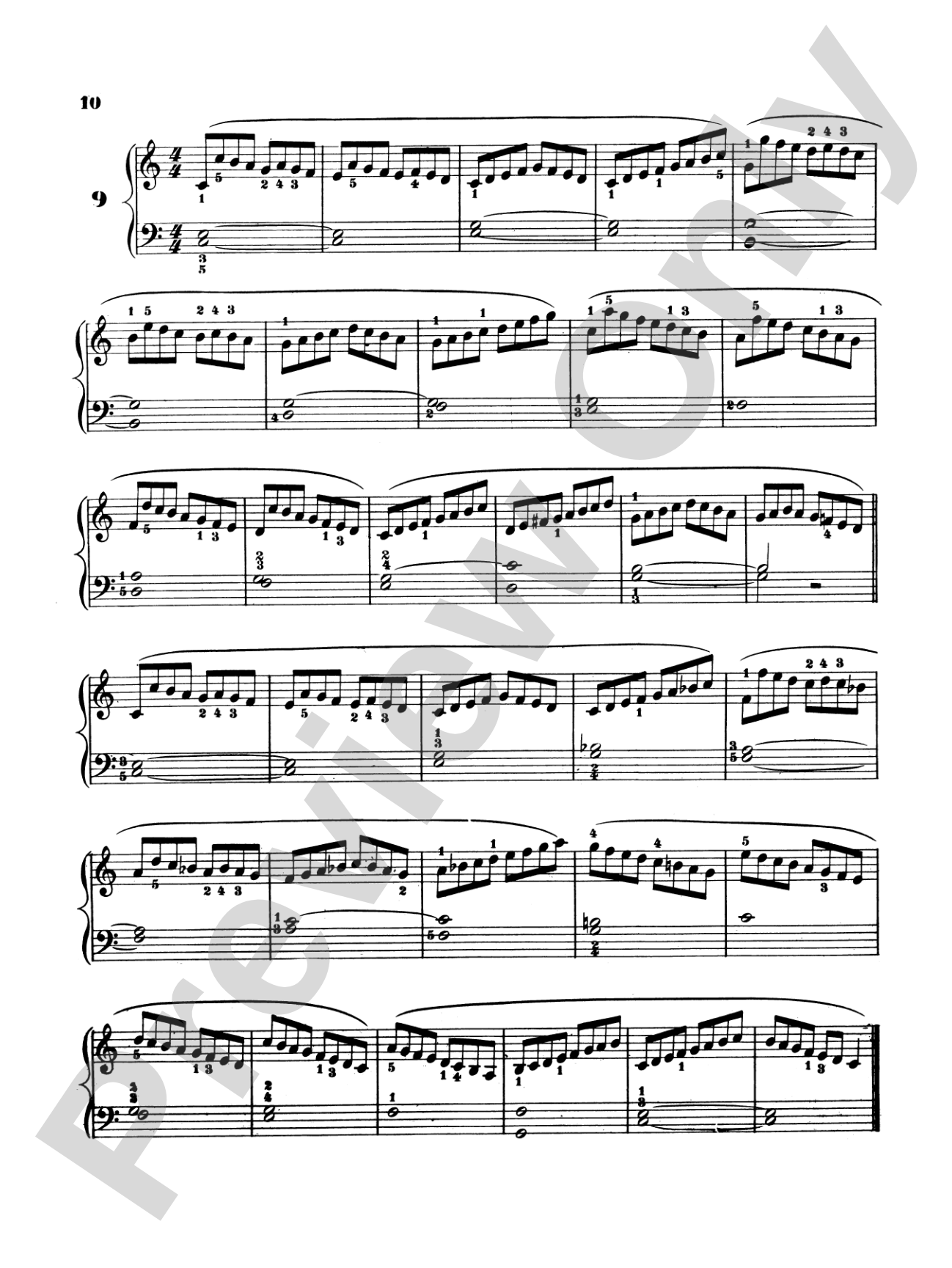
Köhler: Easiest Studies, Op. 151

By Louis Köhler

Item: 00-PC-0008039

Digital Download
$0.99
Description
A collection of piano solos composed by Louis Köhler.

Don't just read it, hear it, play along with it, and watch your students grow with it. In MakeMusic Cloud, Köhler: Easiest Studies, Op. 151 comes alive with professional accompaniment, adjustable tempo, and built-in practice tools that turn solo practice into real progress.

Sample Audio
No sample audio found.
Sample Video
Additional Details
Series: Kalmus Edition
Publisher: Alfred Music
Page Count: 16
SKU: 00-PC-0008039

More about this title

About the Composer: Louis Köhler

Louis Köhler (1820-1886) was a German pianist and pedagogue whose prolific output shaped 19th-century piano instruction. He composed over 200 works for piano, focusing on progressive studies and character pieces designed to develop technical fluency without sacrificing musicality. His studies remain foundational in piano curricula because they balance achievable technical goals with genuine musical content.

Köhler understood what young pianists needed at each stage of development. Rather than writing mechanical exercises, he embedded technique within melodically engaging pieces that students actually wanted to play. His legacy rests on this principle: that musical training and technical development advance together, not in isolation.

Why we love this

These studies live in the sweet spot between accessible and musical. They ask students to solve real pianistic problems (independence of hands, voicing, rhythmic clarity) without the dry, disconnected feeling of traditional exercises. Young pianists build confidence quickly because each piece is rewarding to perform.

What to expect

Lyrical and accessible, with the gentle elegance of Romantic miniatures. Melodies emerge clearly over simple accompaniments, creating moments of genuine musical beauty even at an easy level. There's a quality of understated charm that invites students to listen to themselves play.

Who it's for

Early intermediate pianists (typically grades 2-3) who are ready for short, focused studies that develop hand independence and rhythmic security. Teachers looking for transition repertoire between beginner method books and more substantial Romantic pieces will find these especially useful.

How to get the most out of it

  • Treat each study as a complete musical statement, not a stepping stone. Attend to phrasing and dynamic shape even in the simplest pieces.
  • Separate the hands at a slower tempo until independence is secure, then bring them together at performance speed.
  • Listen for balance between melody and accompaniment; the piano book format gives you room to voice each hand intentionally.
  • Use consistent pedaling strategically. These pieces often benefit from selective pedal to deepen tone without muddying harmonic clarity.

How to use it

Program individual studies from this collection in student recitals alongside slightly more advanced pieces to showcase growth across a season. They pair well with folk-song arrangements or simpler Schumann character pieces, creating a recital arc that builds without overwhelming. Use them strategically in lessons throughout the year as technical goals shift; each study can reinforce a specific skill without consuming practice time.

Skills your students will build

  • Hand independence and coordination between melody and accompaniment
  • Rhythmic accuracy and steady pulse maintenance
  • Legato and staccato articulation control
  • Basic voice leading and melodic phrasing
  • Pedal technique and harmonic awareness

You May Also Like