
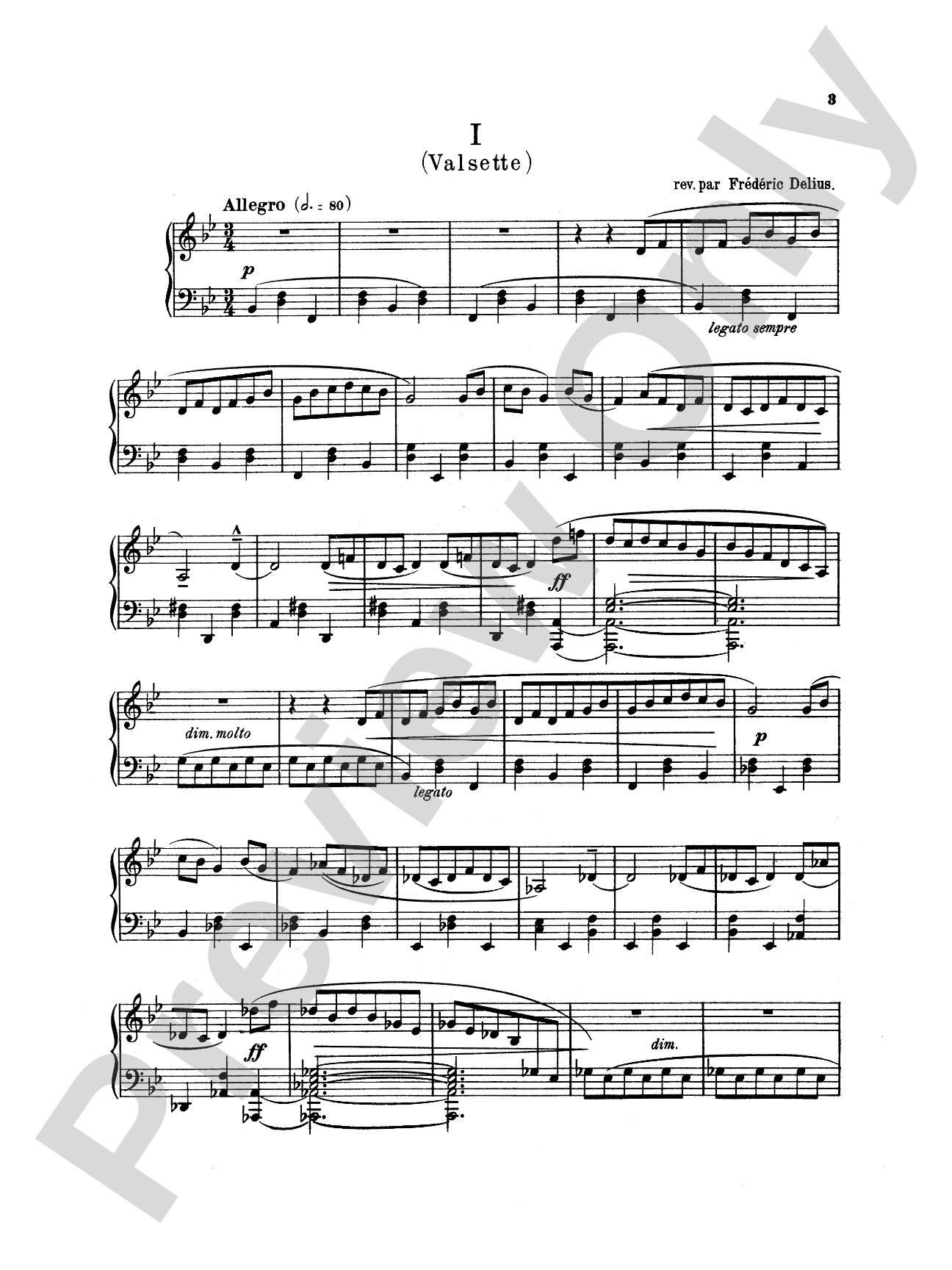
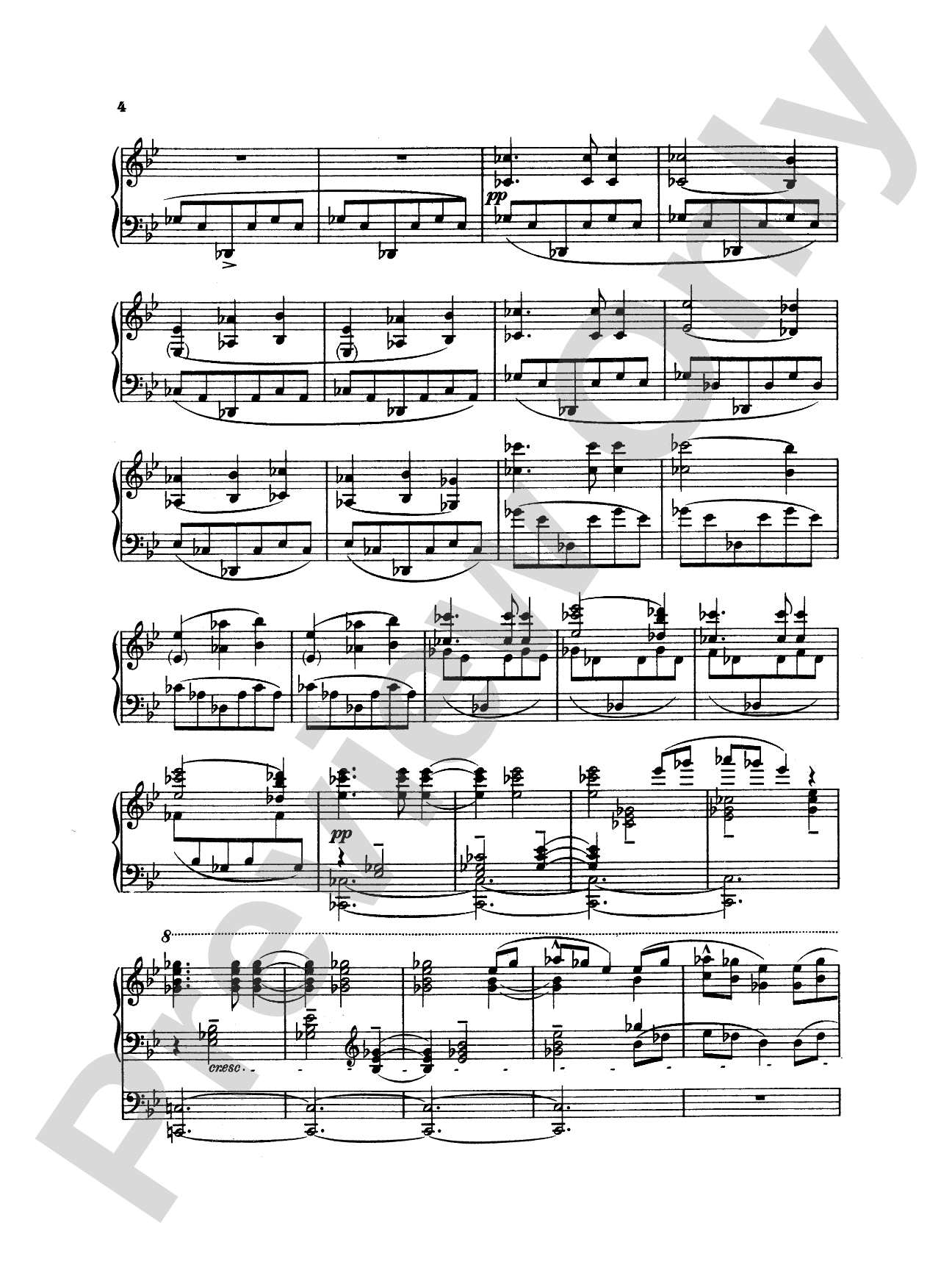
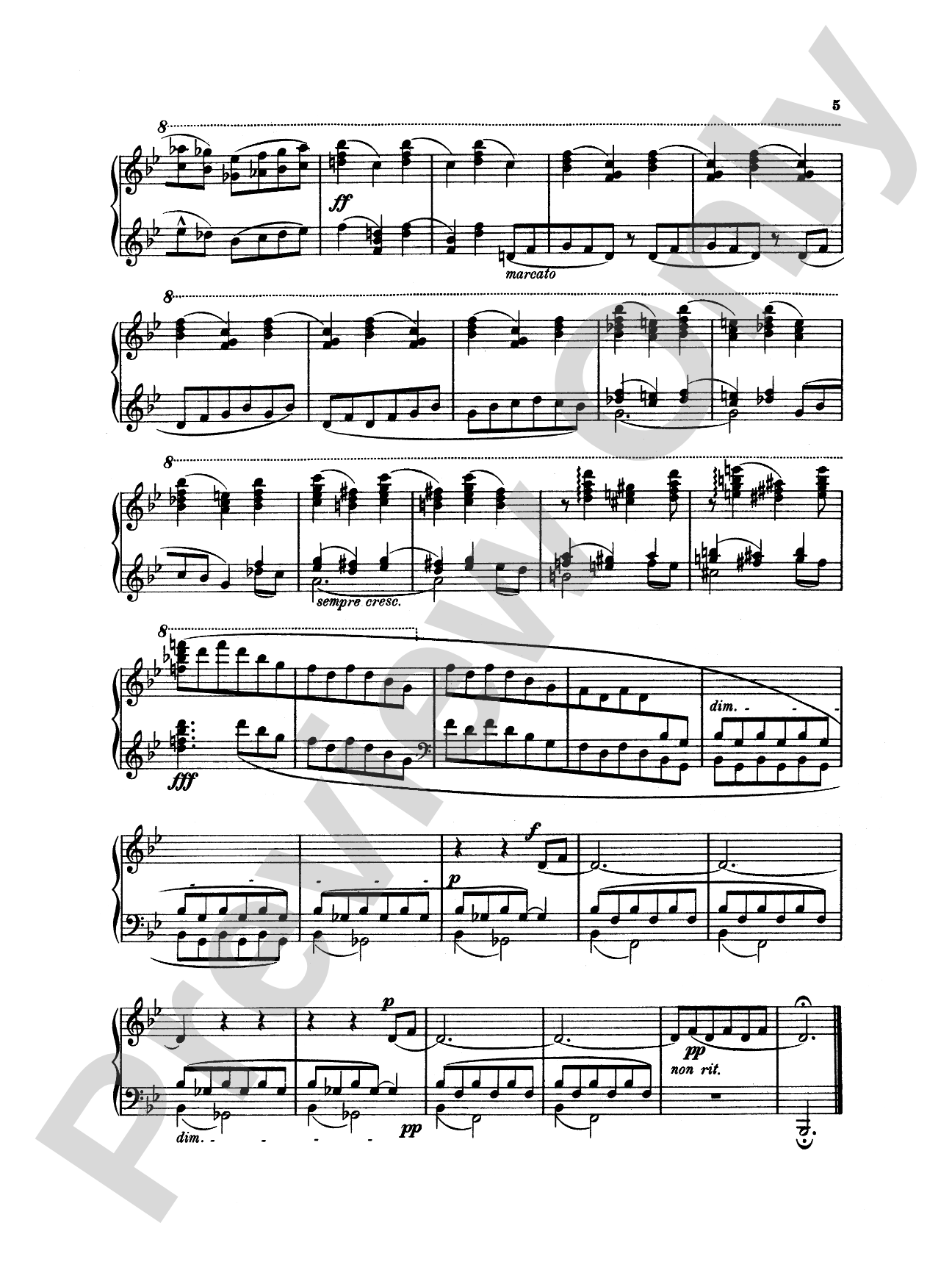

Kodály: Ten Pieces (Zongora Muzsika): Piano Book
By Zoltán Kodály
Item: 00-PK-0003163

$9.99
Pickup currently not available
Buy Extra Parts (Digital PDF Download)
| Product | Price | Quantity |
|---|---|---|
| Kodály: Ten Pieces (Zongora Muzsika) | $0.99 | |
| Kodály: Ten Pieces (Zongora Muzsika) | $0.99 | |
| Kodály: Ten Pieces (Zongora Muzsika) | $0.99 | |
| Kodály: Ten Pieces (Zongora Muzsika) | $0.99 | |
| Kodály: Ten Pieces (Zongora Muzsika) | $0.99 | |
| Kodály: Ten Pieces (Zongora Muzsika) | $0.99 | |
| Kodály: Ten Pieces (Zongora Muzsika) | $0.99 | |
| Kodály: Ten Pieces (Zongora Muzsika) | $0.99 | |
| Kodály: Ten Pieces (Zongora Muzsika) | $0.99 | |
| Kodály: Ten Pieces (Zongora Muzsika) | $0.99 |
Parts Added to Cart!
Related Items
Ten Pieces (Zongora Muzsika): Piano Book |
$9.95
|
View |
Description
A collection of piano solos composed by Zoltán Kodály.


Don't just read it, hear it, play along with it, and watch your students grow with it. In MakeMusic Cloud, Kodály: Ten Pieces (Zongora Muzsika): Piano Book comes alive with professional accompaniment, adjustable tempo, and built-in practice tools that turn solo practice into real progress.
Open in the Player
Jump straight in and assign it today.
Start Your Free Trial
Open this title and explore the full library in minutes.
Sample Audio
No sample audio found.
Sample Video
No sample videos found.
Additional Details
Series:
Kalmus Edition
Publisher:
Alfred Music
Page Count:
28
SKU:
00-PK-0003163
More about this title
About the Composer: Zoltán Kodály
Zoltán Kodály (1882, 1967) was a Hungarian composer, ethnomusicologist, and pedagogue whose influence on music education remains profound. Beyond his concert works, Kodály developed a revolutionary approach to teaching music literacy through folk song, emphasizing that every child deserves access to quality music education. His pedagogical philosophy shaped music curricula across Europe and beyond, making him as essential to the history of teaching as to the history of composition.
Kodály's piano works reflect his deep engagement with Hungarian folk idioms and his commitment to writing music that serves both artistic and educational purposes. These pieces balance technical accessibility with genuine compositional substance, offering pianists an entry point into modernist thinking without sacrificing musicality or cultural rootedness.
Why we love this
These ten pieces offer pianists exactly what Kodály promised across his career: music rooted in Hungarian idiom and folk sensibility, written with genuine compositional craft. They sit in a sweet spot between the demands of serious music study and the accessibility that makes daily practice rewarding, giving intermediate and advancing pianists repertoire that feels authentic rather than didactic.
What to expect
These pieces carry the warmth and lyrical directness of folk song, with harmonic language that feels both modern and rooted. The writing is never showy, yet it engages the full range of the instrument and invites genuine musical expression without technical grandstanding.
Who it's for
This collection serves intermediate through early advanced pianists seeking repertoire beyond standard method books and étude material. It works equally well for private studio students building their solo recital library and for pianists in music education programs who want to understand Kodály's compositional voice alongside his pedagogical legacy.
How to get the most out of it
- Attend to the folk-song qualities embedded in the melodic lines. These pieces draw on Hungarian musical speech patterns, so phrasing should honor the contours of song rather than metronomic regularity.
- Explore the pedal carefully. Kodály's harmonic language often benefits from subtle resonance, but clarity of line (especially in contrapuntal passages) requires precision and restraint.
- Balance left-hand accompaniment patterns with the foreground melody. Many pieces feature repetitive rhythmic figures that must remain unobtrusive while anchoring harmonic and rhythmic stability.
- Consider the cultural context. Familiarizing yourself with Hungarian folk melodies and the Kodály philosophy strengthens interpretive choices and deepens your connection to the material.
How to use it
Program one or more of these pieces on a recital that explores 20th-century nationalism or European composers, where they provide stylistic contrast to works of other traditions. They also work well as standalone concert offerings that introduce audiences to a major composer whose educational philosophy is less visible in performance venues than in teaching studios.
Skills your students will build
- Reading and executing folk-influenced melodic patterns and Hungarian rhythmic idioms
- Balancing accompaniment textures with melodic foreground voices
- Pedal control for harmonic resonance while maintaining rhythmic clarity
- Interpretive phrasing rooted in vocal (song-based) sensibility rather than purely pianistic gestures