
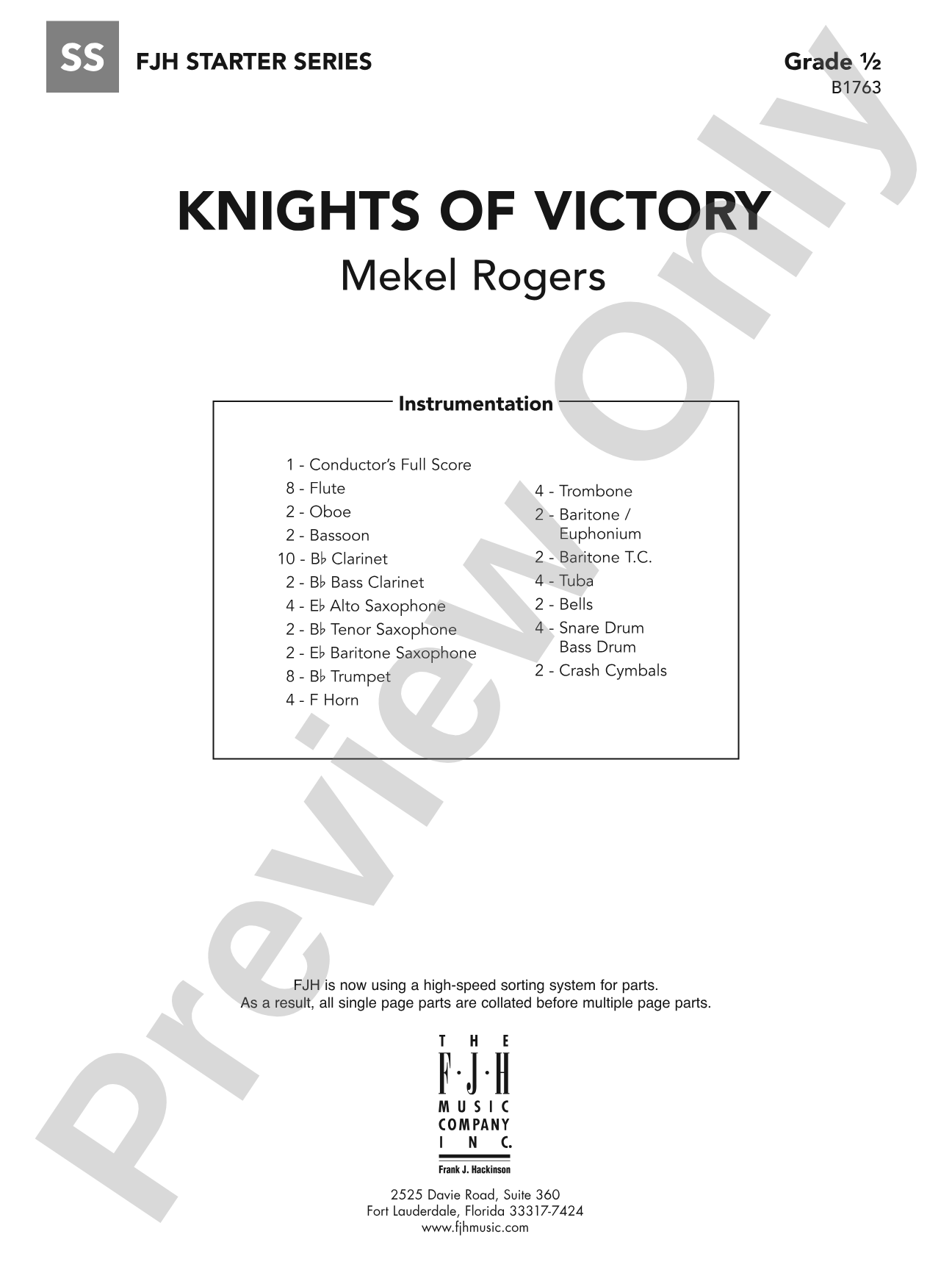
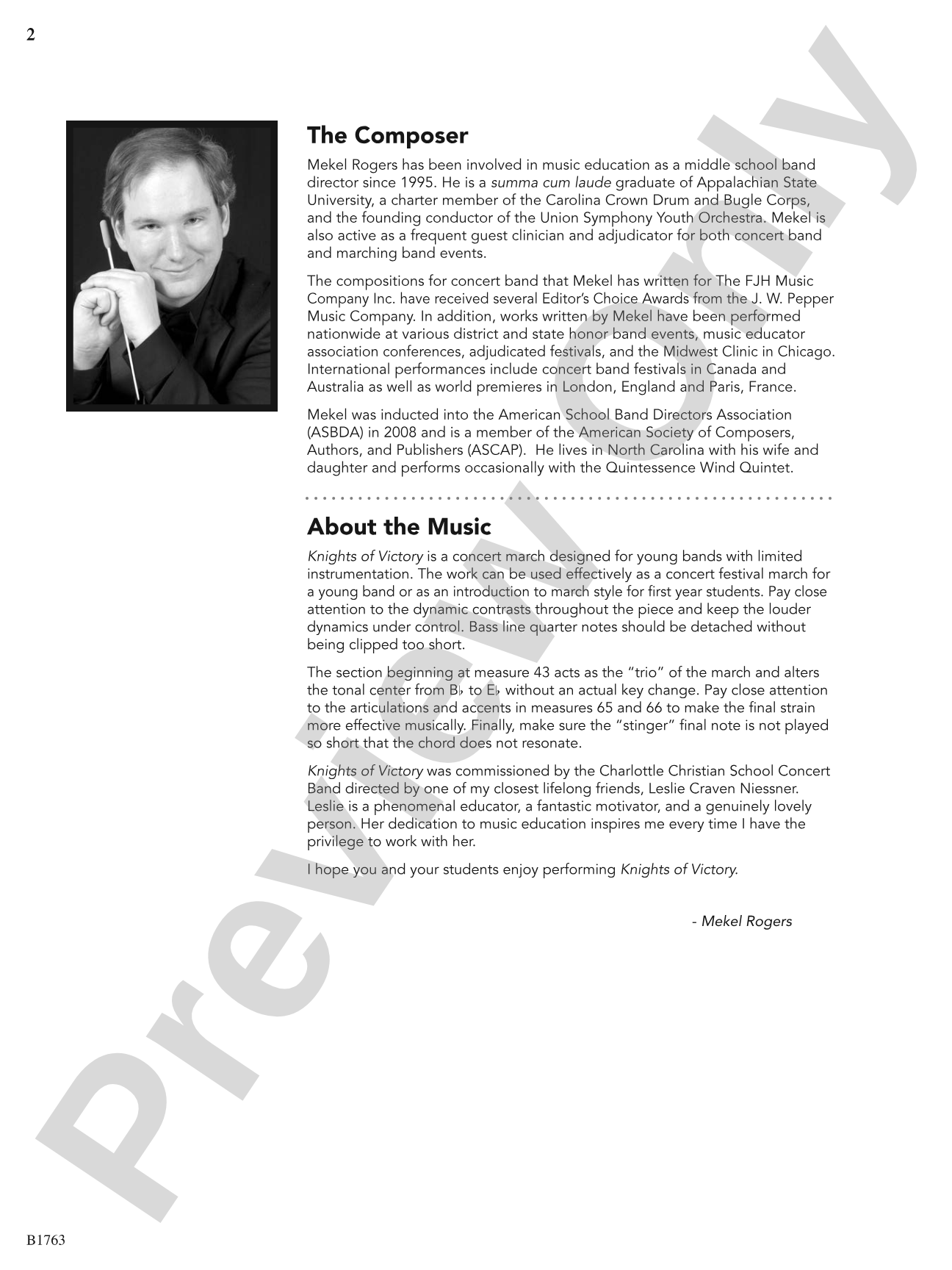
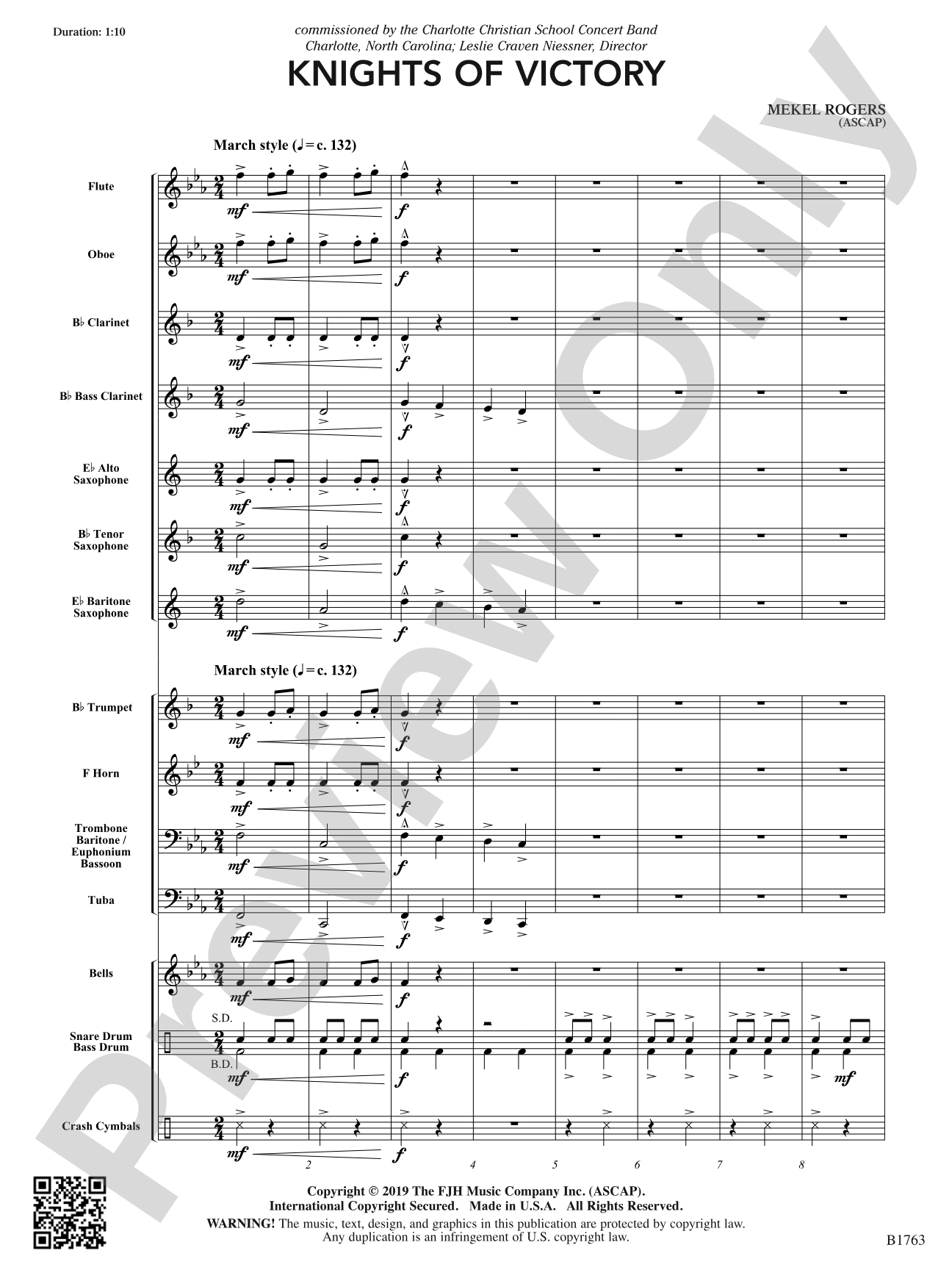
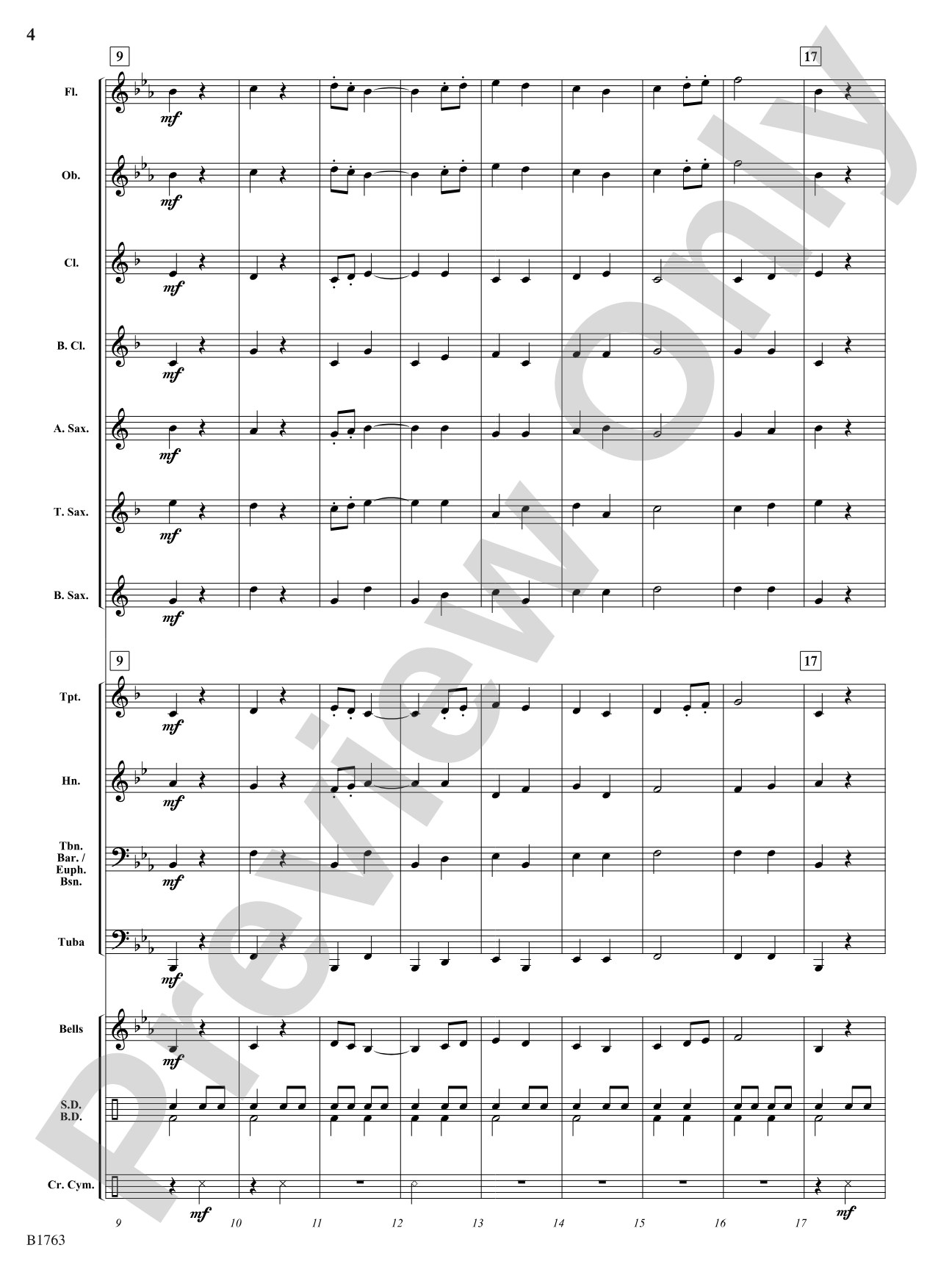
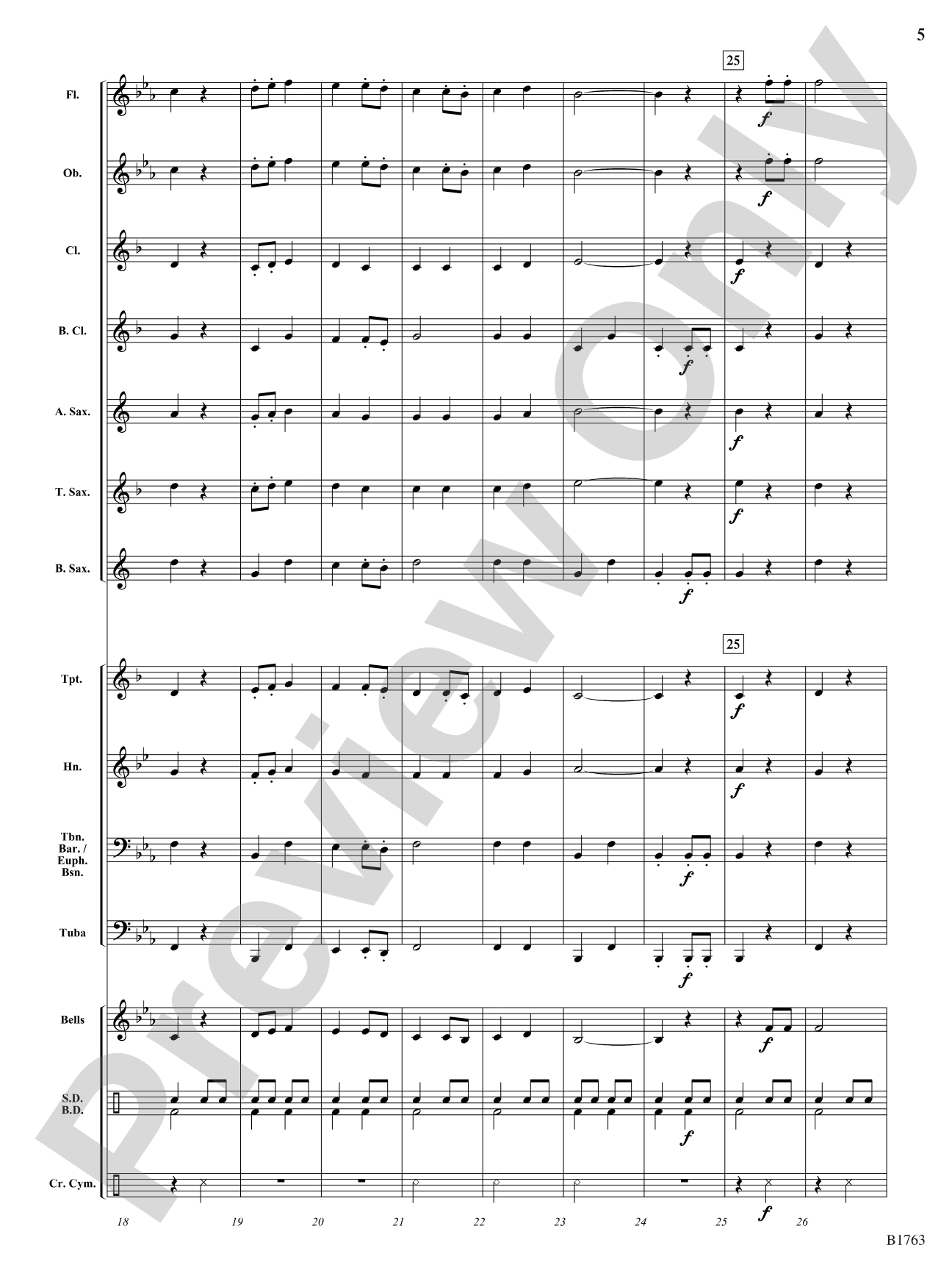
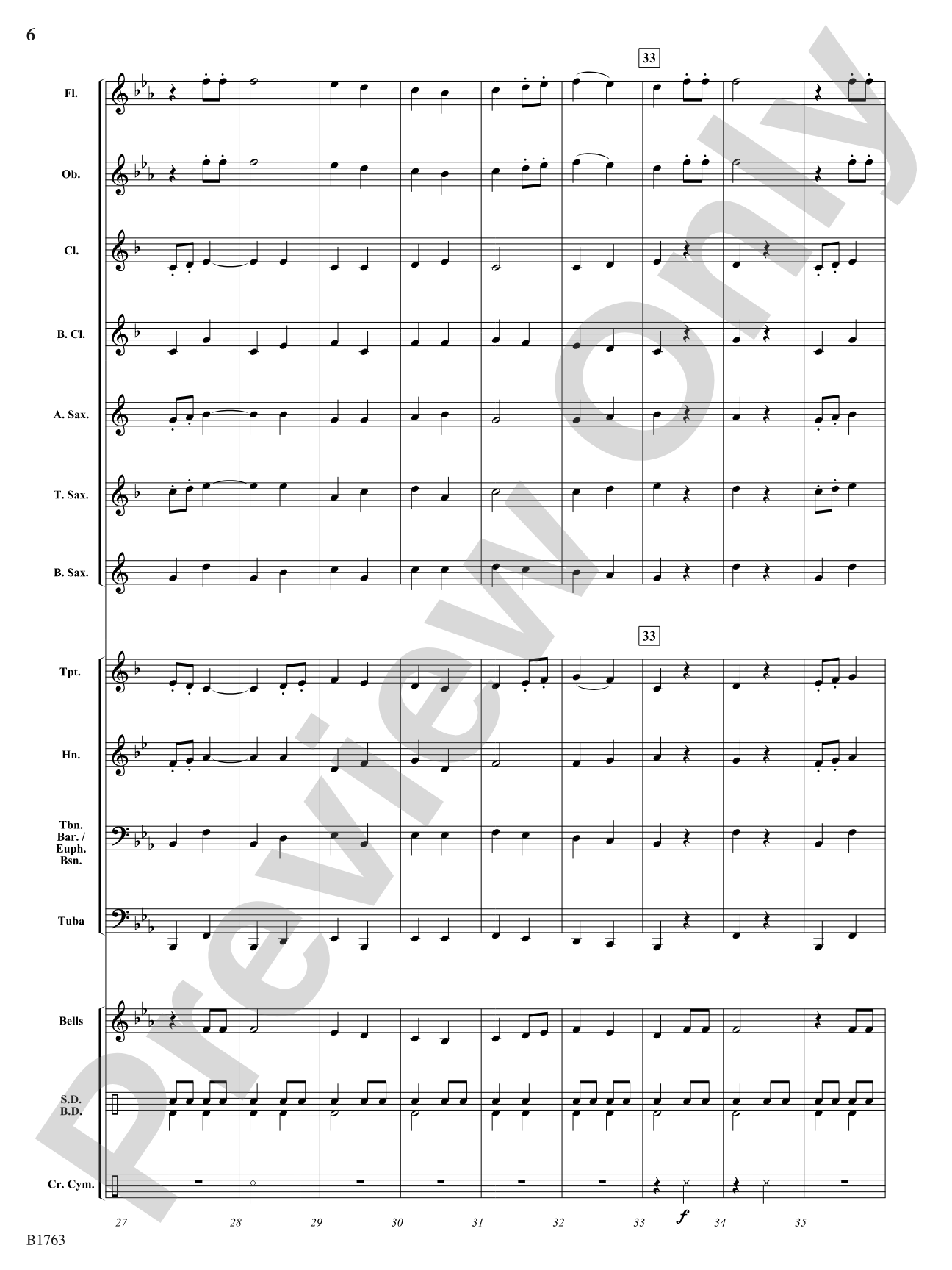
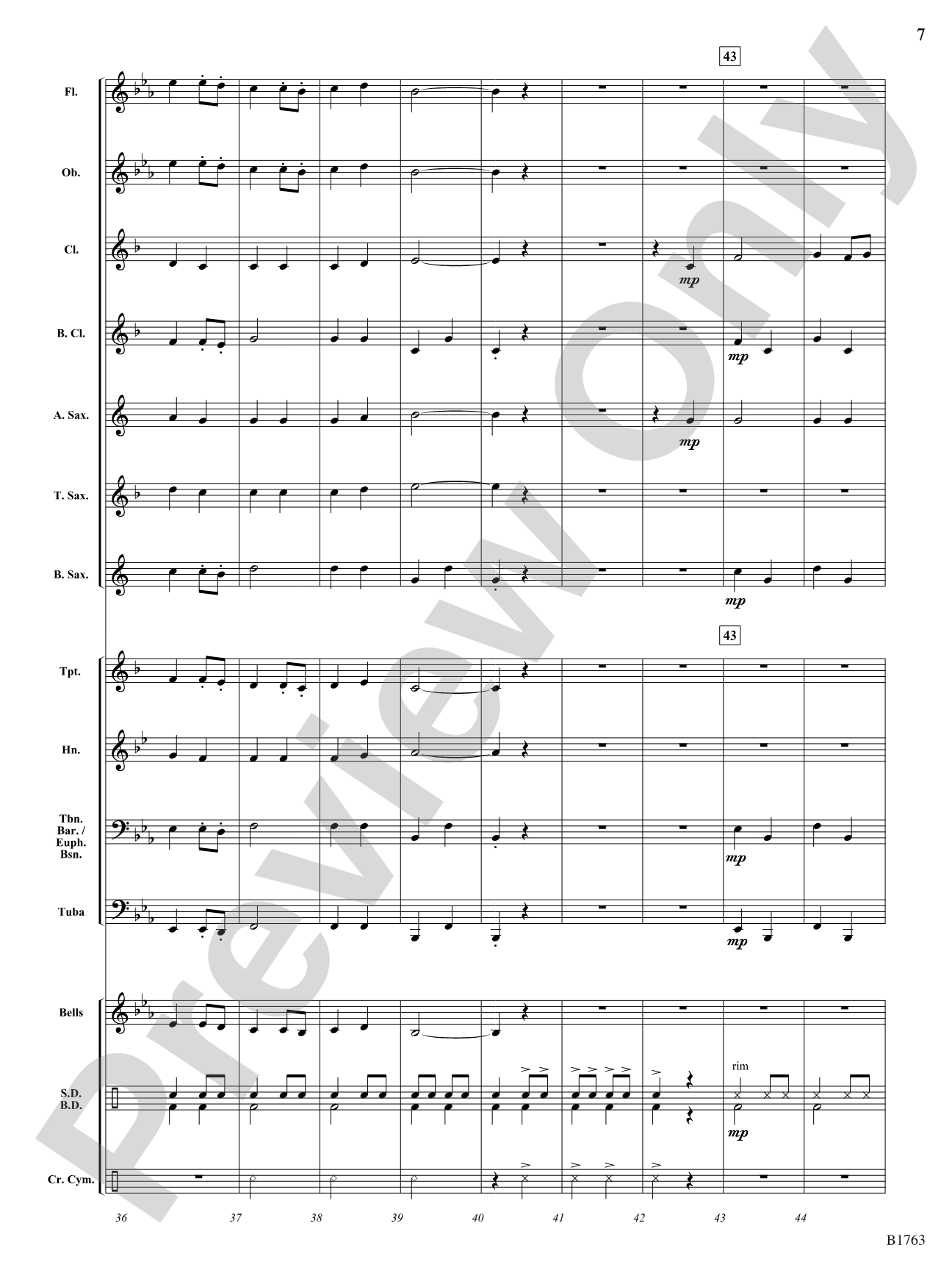
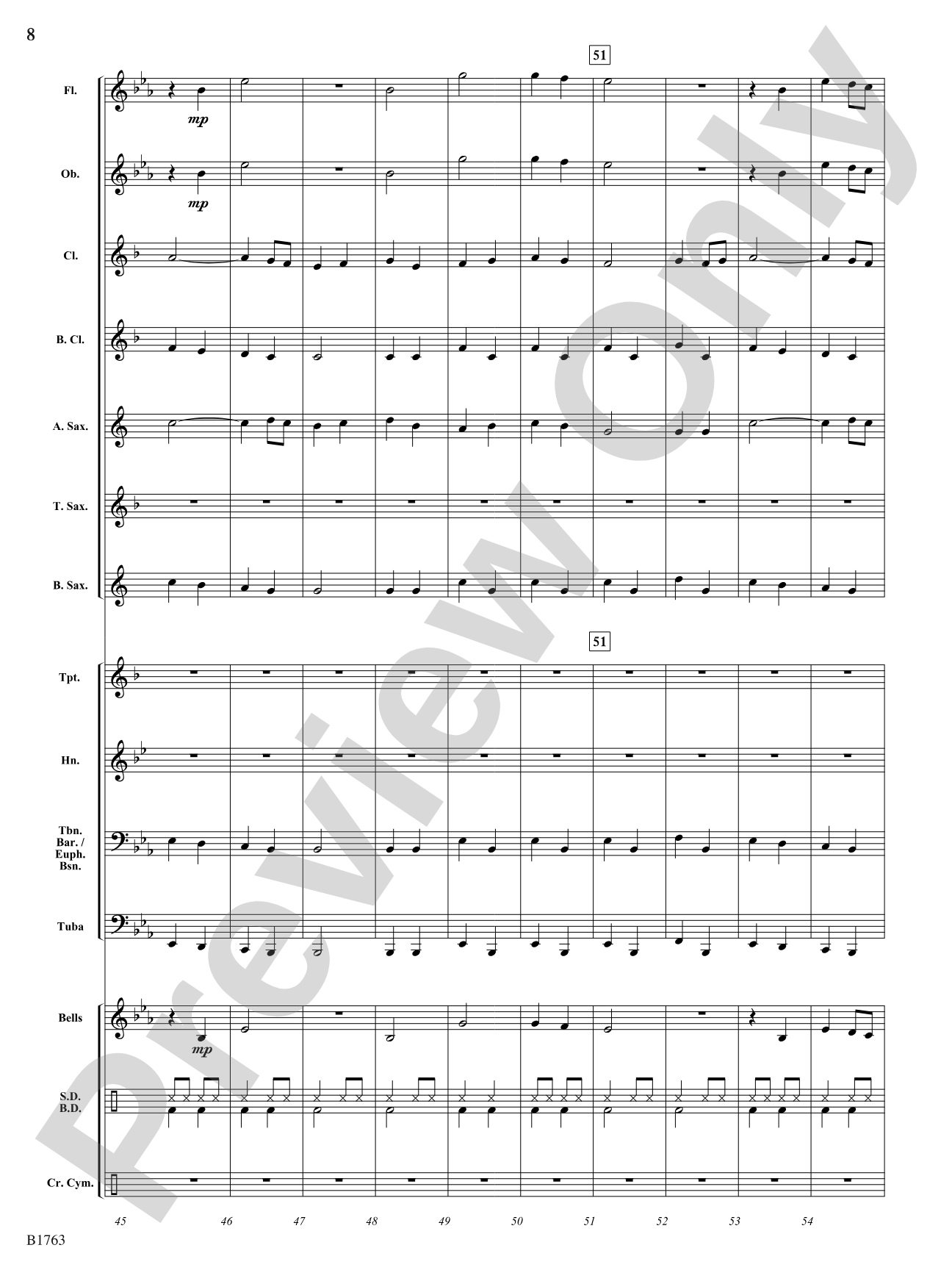
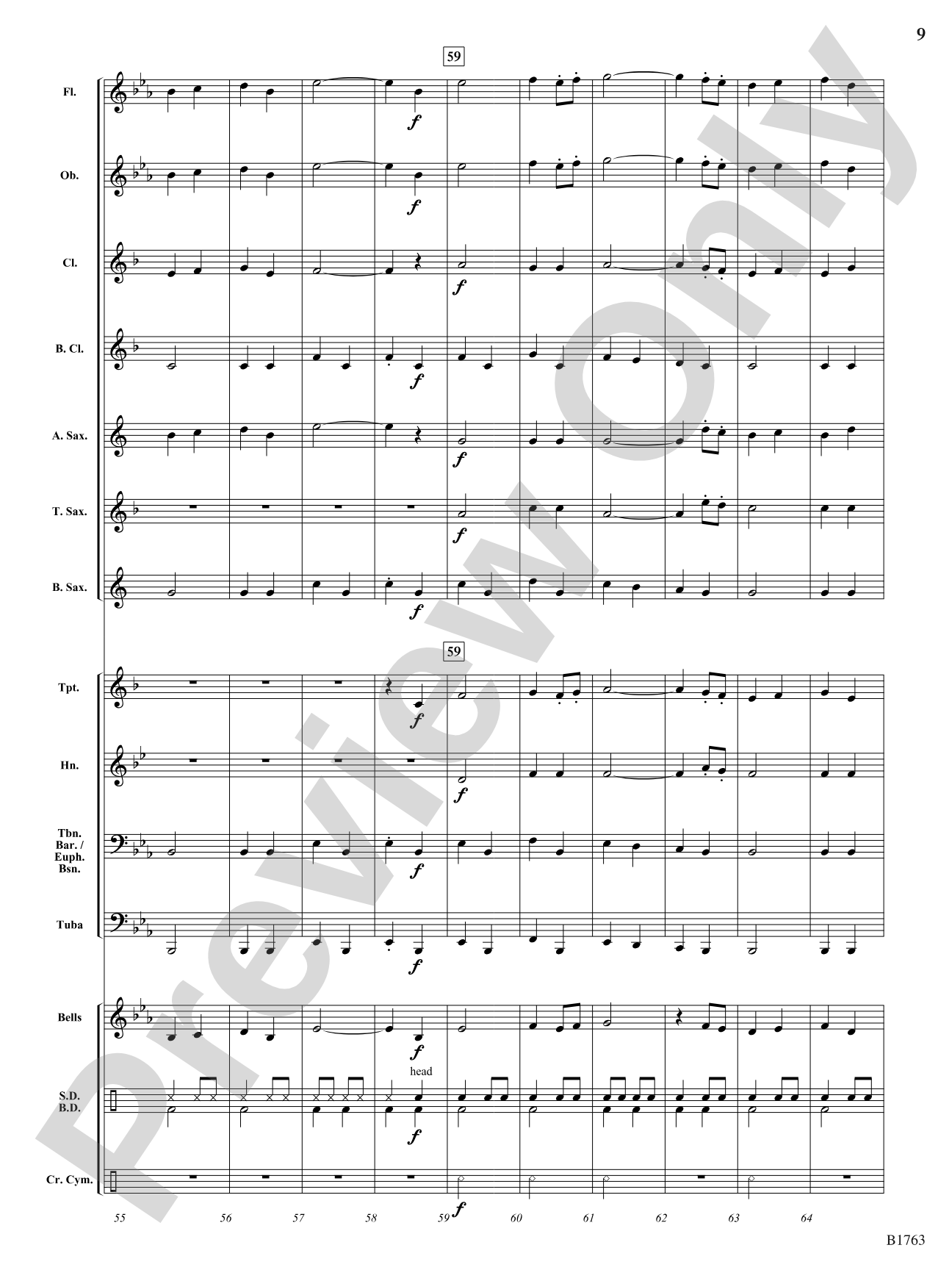
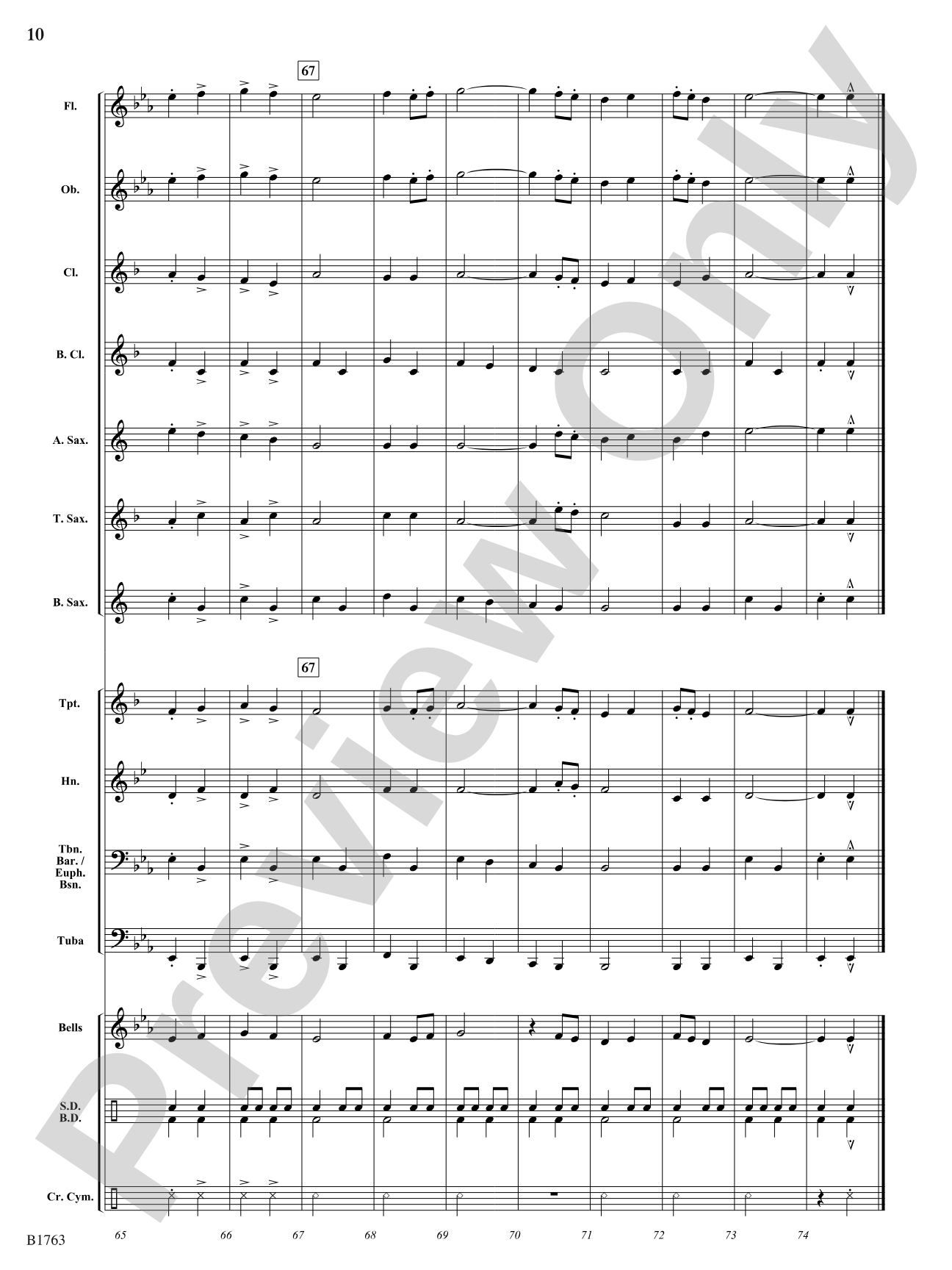
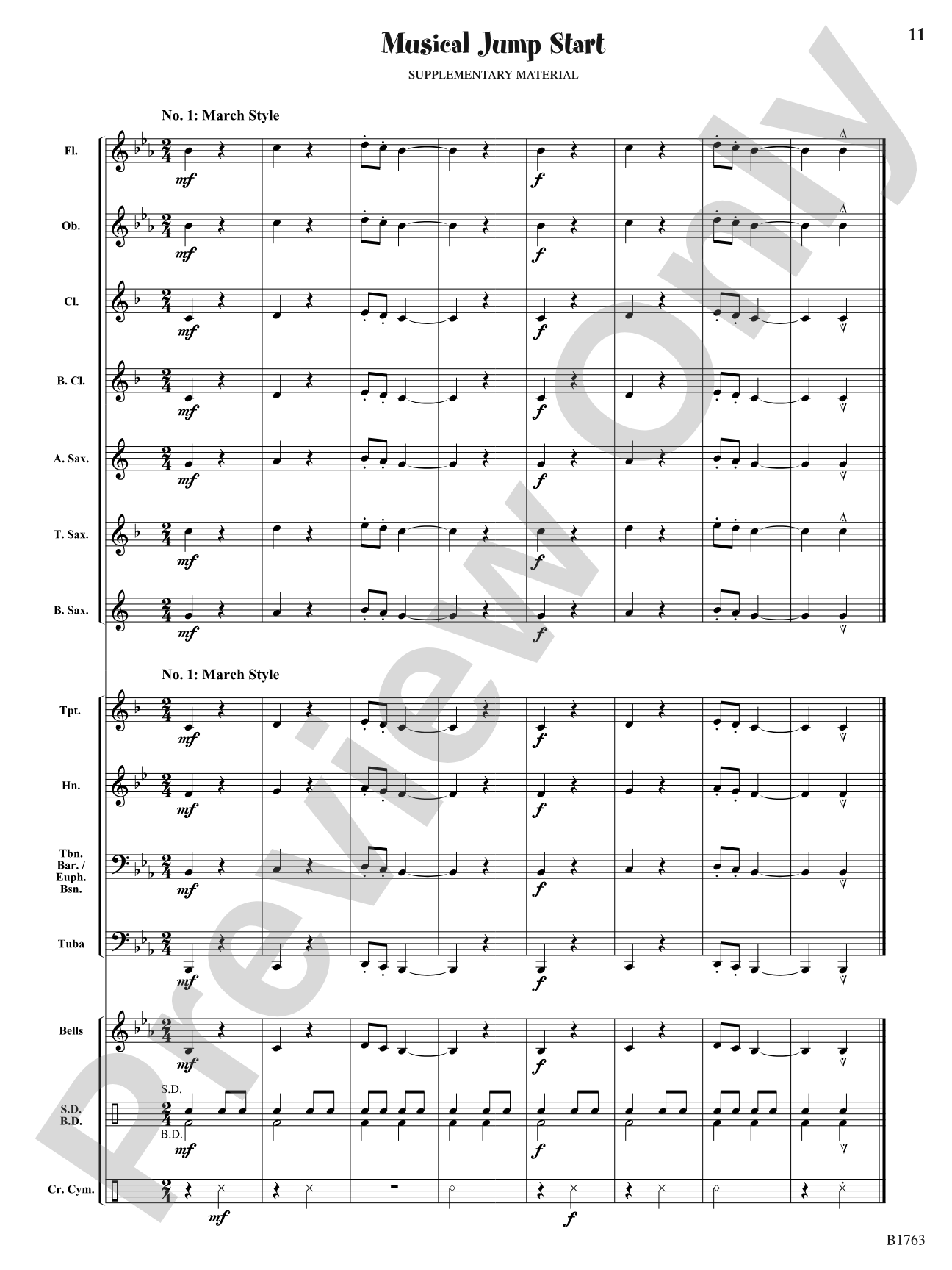
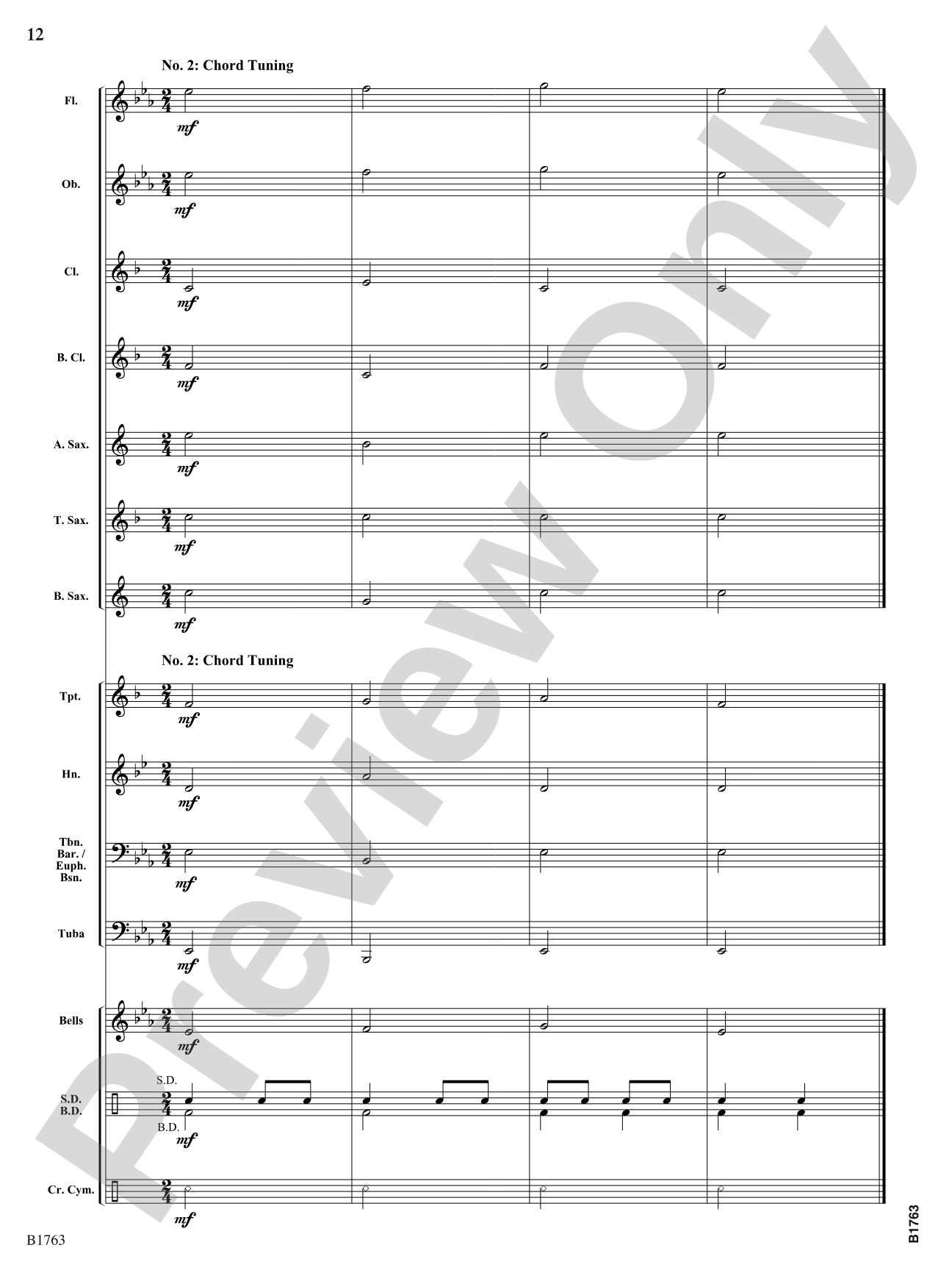

Knights of Victory: Score
By Mekel Rogers
Level:.5
Item: 98-DB1763S
$11.00
Pickup currently not available
Description
Introduce your youngest students to march style with this exceptional concert march using just six notes! Complete with opening strain and trio, this march will showcase your students regardless of instrumentation. A rare march that sounds extremely authentic while also playable by beginning students.


Knights of Victory: Score isn't in MakeMusic Cloud just yet...but it could be. Let us know you'd like to see it, and you'll help shape what comes next. In the meantime, start a free trial and dive into thousands of interactive titles your students can play along with today.
Request This Title
Tell us you want it.
Start Your Free Trial
Explore everything that's ready to play right now.
Sample Audio
1
Audio File
--:--
0:00
0:00
Sample Video
Additional Details
Series:
FJH Starter Series
Publisher:
The FJH Music Company, Inc.
SKU:
98-DB1763S
More about this title
Why we love this
Rogers has engineered something genuinely difficult: a march that feels authoritative and complete while staying within a six-note range. Beginning bands often sound tentative in march style because the form demands confidence and clarity. This score gives your youngest ensemble the musical architecture they need to sound like they've already mastered the genre.
What to expect
Bright and processional, with the confident stride of a traditional march. The six-note constraint never feels limiting; instead, the familiar opening strain and contrasting trio create forward momentum and a sense of genuine accomplishment. Your students will feel like they're playing real repertoire.
Who it's for
Beginning concert bands, particularly those with mixed instrumentation or limited access to full ranges on every part. This works beautifully for first-year ensembles and younger middle school programs that are ready for the challenge of march style but not yet ready for complex technical demands.
How to get the most out of it
- Establish a steady, marching tempo early in rehearsals. Even with limited ranges, the rhythmic foundation carries the entire piece, so lock the pulse before worrying about intonation.
- Balance the opening strain between melody and accompaniment voices. Beginning instrumentalists often play everything at the same dynamic, so isolate and shape the main theme separately from the support parts.
- Give the trio section contrasting articulation and phrasing. A cleaner, lighter touch in the trio will make the form obvious to listeners and give your students a sense of architectural design.
- Use the conductor score to shape phrase contours even when note choices are limited. Subtle dynamic shaping and breath points create musicality that goes far beyond what the range might suggest.
How to use it
Perfect for concert openings, festival performances, or pops-style programming where a march adds energy without dominating the rehearsal time budget. The authenticity of the form makes it an excellent educational tool for introducing younger players to march conventions they'll encounter throughout their musical lives.
Skills your students will build
- March form recognition (opening strain, trio, reprise)
- Reading and executing consistent rhythmic patterns
- Balancing melody and harmonic accompaniment in a fixed note set
- Sustaining steady tempo and pulse through longer phrases
- Dynamic shaping within a limited melodic range