Kitty Hawk, 1903 Cover Image

Kitty Hawk, 1903: Concert Band Conductor Score & Parts

$80.00 USD
Sale price  $80.00 USD Regular price 
Skip to product information
Kitty Hawk, 1903 Cover Image

Kitty Hawk, 1903: Concert Band Conductor Score & Parts

By William Owens

Grade: 2.5

Item: 98-B1454

Need it now?

Buy Digital Version
$80.00
Shipped

One moment…

Description
The very first groundbreaking flight made by the Wright Brothers at Kitty Hawk comes alive through this stunning programmatic work. Beginning slowly with eager anticipation, the melody soon takes off, giving a truly euphoric feeling of flying. The introspective slow section focuses on Wilbur and Orville themselves before the rousing conclusion. Unique and unparalleled!

Kitty Hawk, 1903: Concert Band Conductor Score & Parts isn't in MakeMusic Cloud just yet...but it could be. Let us know you'd like to see it, and you'll help shape what comes next. In the meantime, start a free trial and dive into thousands of interactive titles your students can play along with today.

Sample Pages

Sample Audio
0:00
0:00
Sample Video
Additional Details
Series: FJH Young Band
Publisher: The FJH Music Company, Inc.
UPC: 674398227440
SKU: 98-B1454

More about this title

About the Composer: William Owens
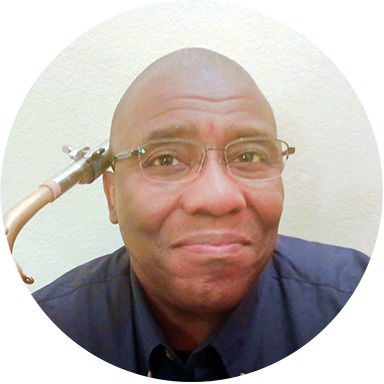
William Owens

William Owens has spent decades building a reputation for writing music that actually works in young band rooms. A VanderCook College of Music graduate and 30-year band director in Texas, he understands the practical demands of teaching ensembles at every level. His output is staggering: over 300 published works since 1993 across concert band, string orchestra, and small ensemble settings.

Owens earned recognition as a Distinguished Alumnus from VanderCook and received the Texas Bandmasters Association's Meritorious Achievement Award. His compositions regularly appear on state required lists and in music education textbooks. Born in Gary, Indiana in 1963, he remains active as a clinician and conductor throughout North America. He currently resides in Fort Worth with his wife Georgia.

Why we love this

The programmatic arc here is genuinely engaging without becoming overwrought. Owens captures the emotional weight of a monumental moment (wonder, risk, triumph) in language the kids can feel, and the Grade 2.5 scoring ensures your ensemble can execute the musical storytelling cleanly. The slow section's focus on the Wright brothers themselves adds humanity that lifts this beyond typical patriotic fare.

What to expect

The opening carries a mix of excitement and nervousness, as though standing on the edge of something impossible about to happen. When the flight begins, the music catches you with genuine elation. The introspective midsection feels almost intimate, letting you remember the humans behind the machinery before the triumphant close restores the wonder.

Who it's for

Bands at the Grade 2.5 level looking for a contest or festival selection with genuine substance. Directors who want their students to experience programmatic storytelling without getting bogged down in technical complexity.

How to get the most out of it

  • Shape the opening slow section with genuine patience. The anticipation works only if the band resists rushing; think of it as holding your breath rather than merely playing quietly.
  • Once the melody takes off, commit fully to the lift in energy. This isn't a gradual swell but a genuine ignition moment; your conducting clarity here will make the euphoria land.
  • Bring warmth and introspection to the slow middle section. The Wright brothers portrait deserves respect, not sentimentality. Let the lyrical writing breathe.

How to use it

This works beautifully as a festival or competition entry that stands apart from standard patriotic selections. Pair it alongside American history curriculum units or STEM-focused events where the Wright brothers' engineering achievement adds extra resonance. It also serves as an excellent opener for a concert built around American innovation or exploration themes.

Skills your students will build

  • Phrasing across longer melodic lines with intentional rubato
  • Dynamic control and contrast between agitated and lyrical sections
  • Ensemble balance when supporting a prominent melody
  • Interpretation of programmatic music through conductor gesture and intent

You May Also Like